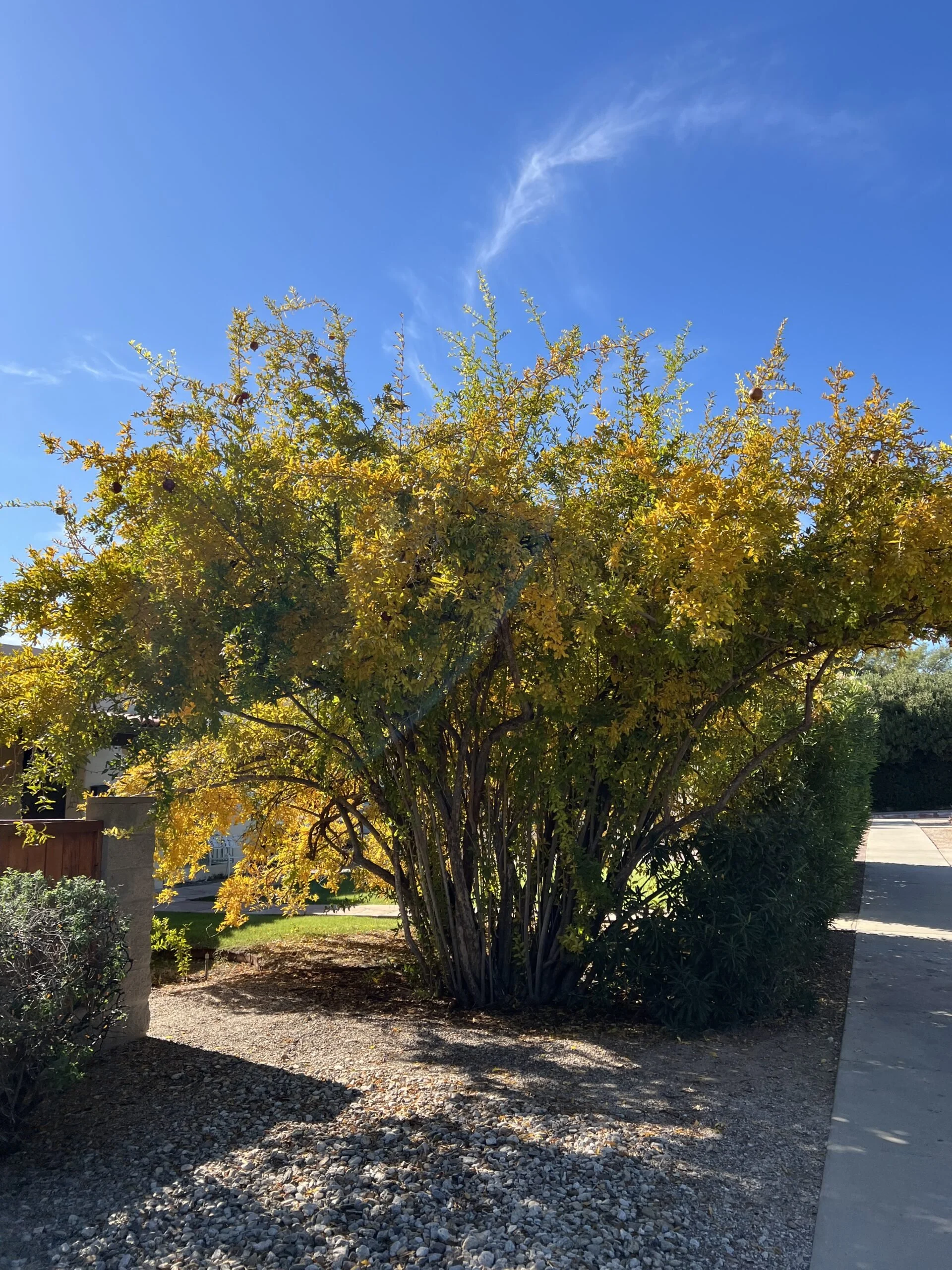
Ambrosia pomegranate
Punica granatum ‘Ambrosia’An exceptionally large-fruited pomegranate with pale skin, bright pink flesh, and a sweeter profile than Wonderful.
View complete guide →
Desert Southwest plant finder
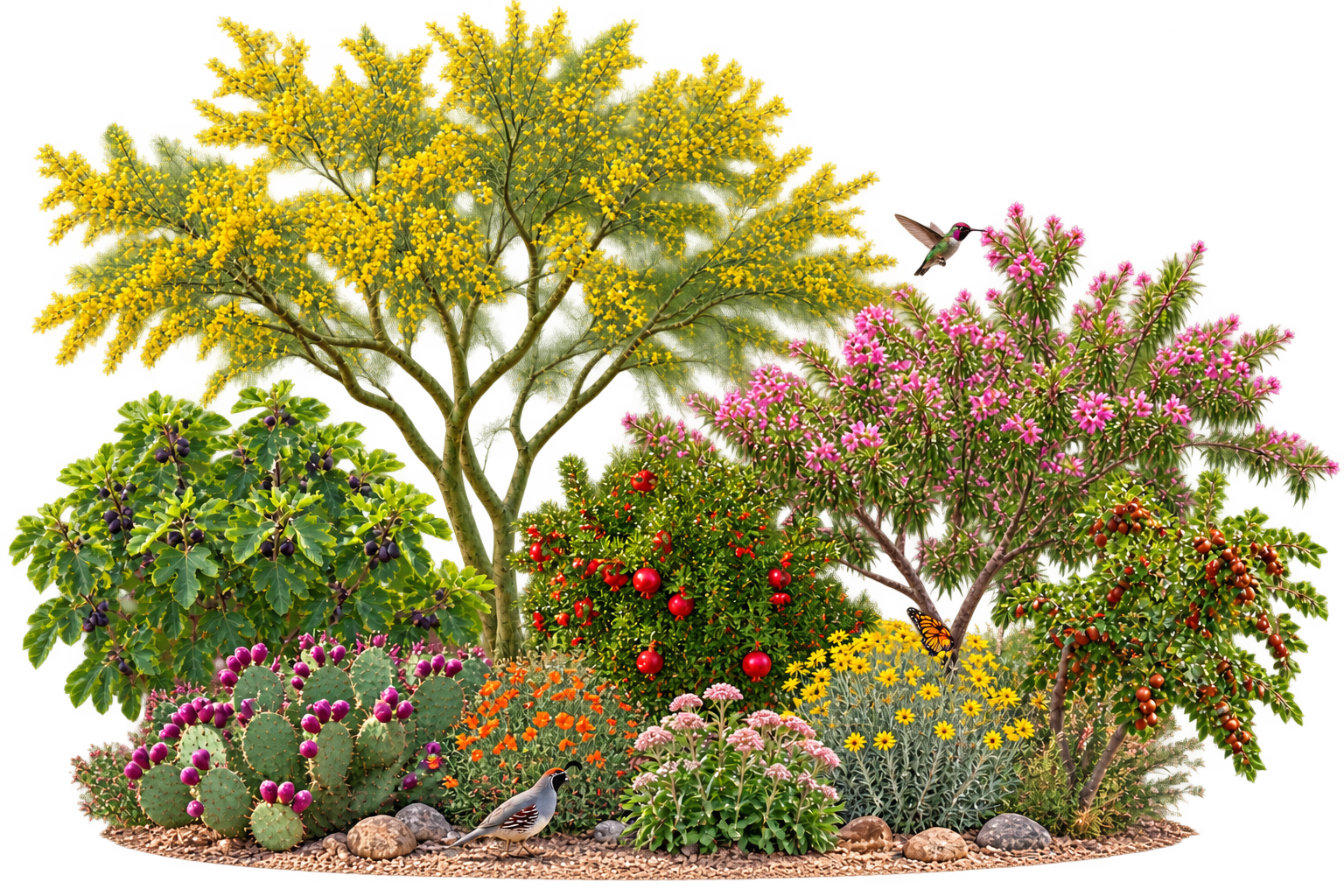
Explore Sonoran Desert natives, fruit trees, and vegetables and herbs for Phoenix’s cool season. Filter by growing space, climate, and use, then check each crop’s planting window and frost needs.
An exceptionally large-fruited pomegranate with pale skin, bright pink flesh, and a sweeter profile than Wonderful.
View complete guide →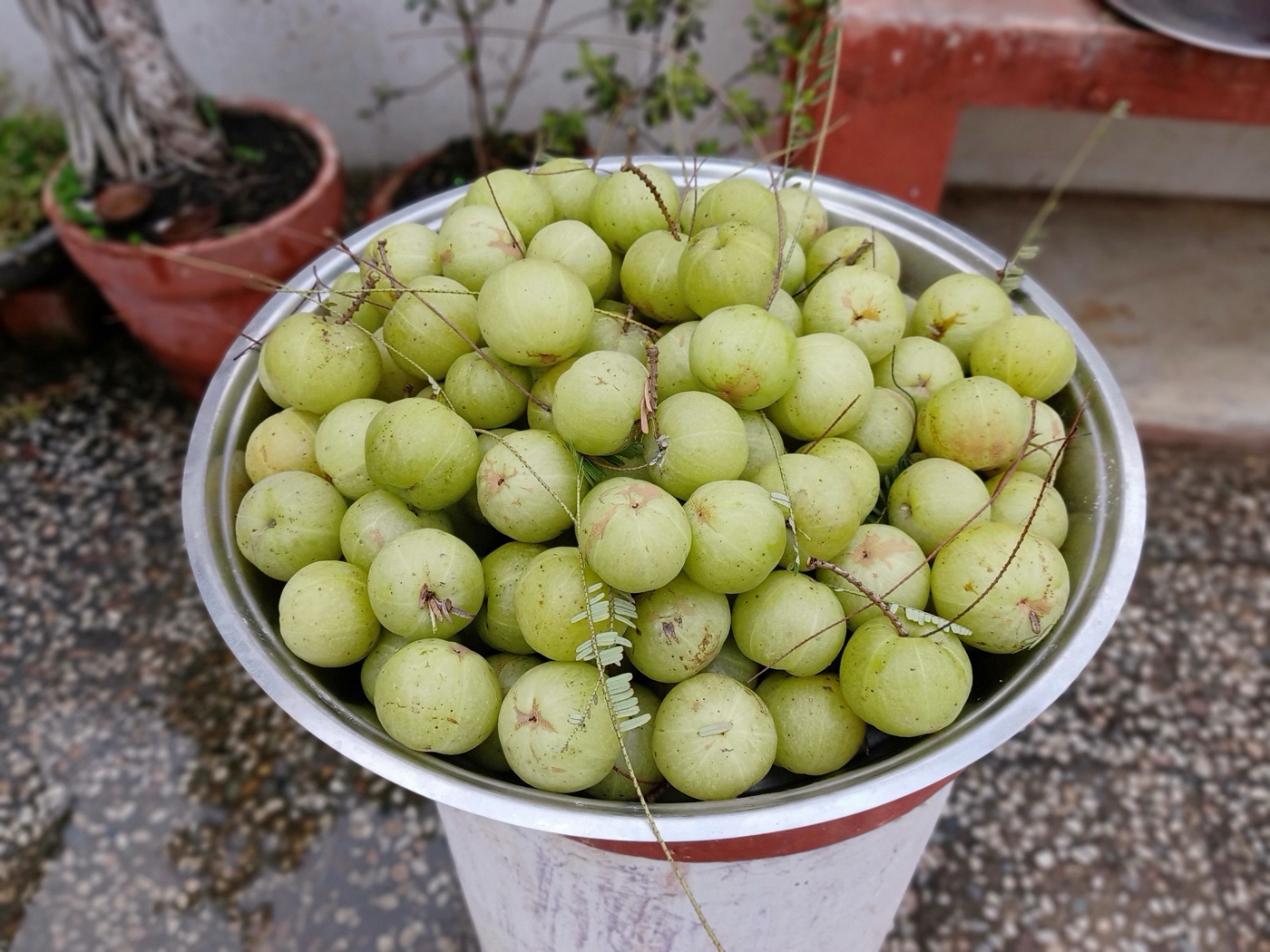
A graceful tree with feathery leaves and sour green fruit prized in Indian cooking and Ayurvedic medicine. Handles full Phoenix sun well once established.
View complete guide →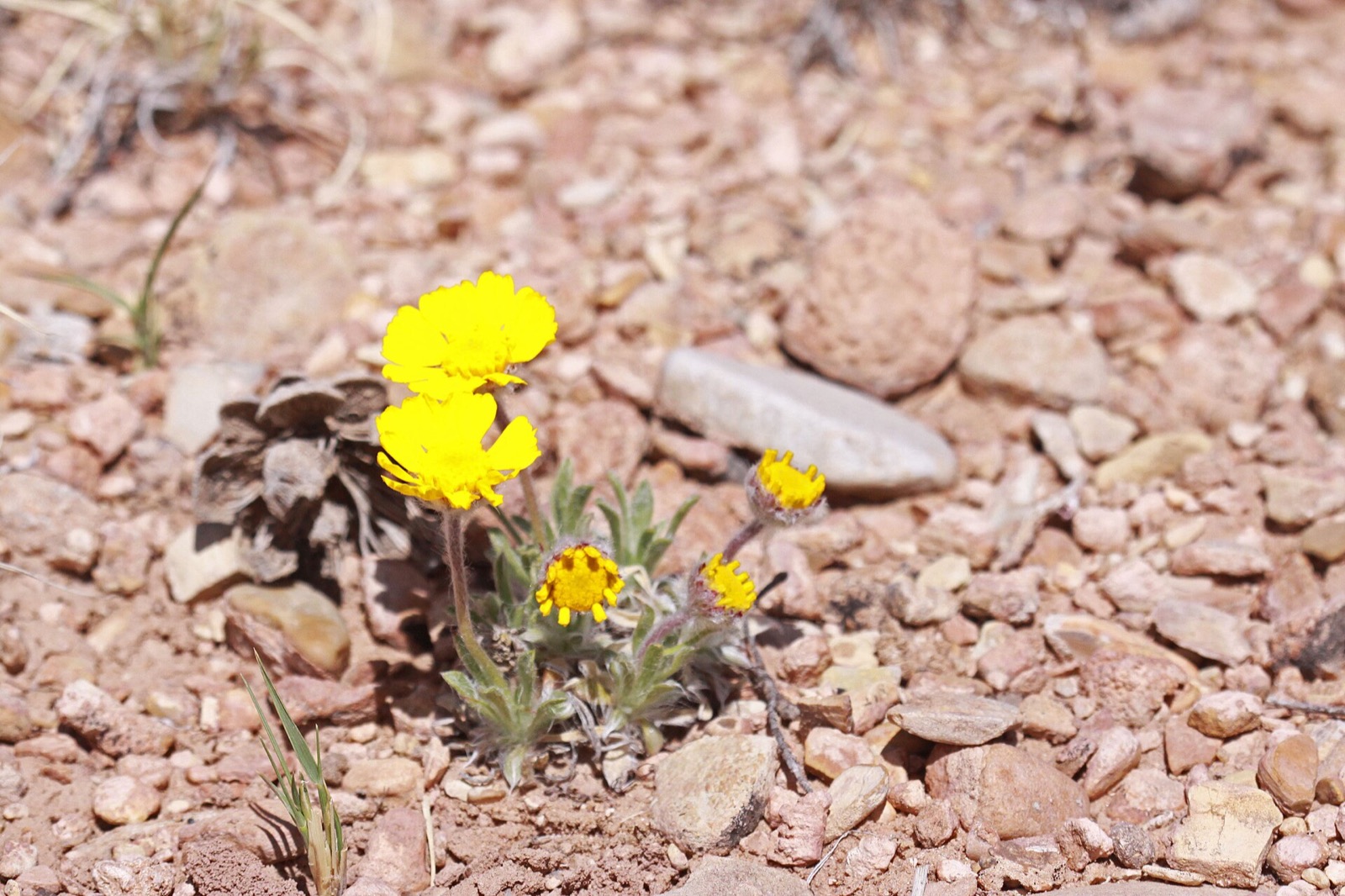
Compact yellow-flowering perennial especially useful in cooler suburbs, outskirts, and high-desert gardens.
View complete guide →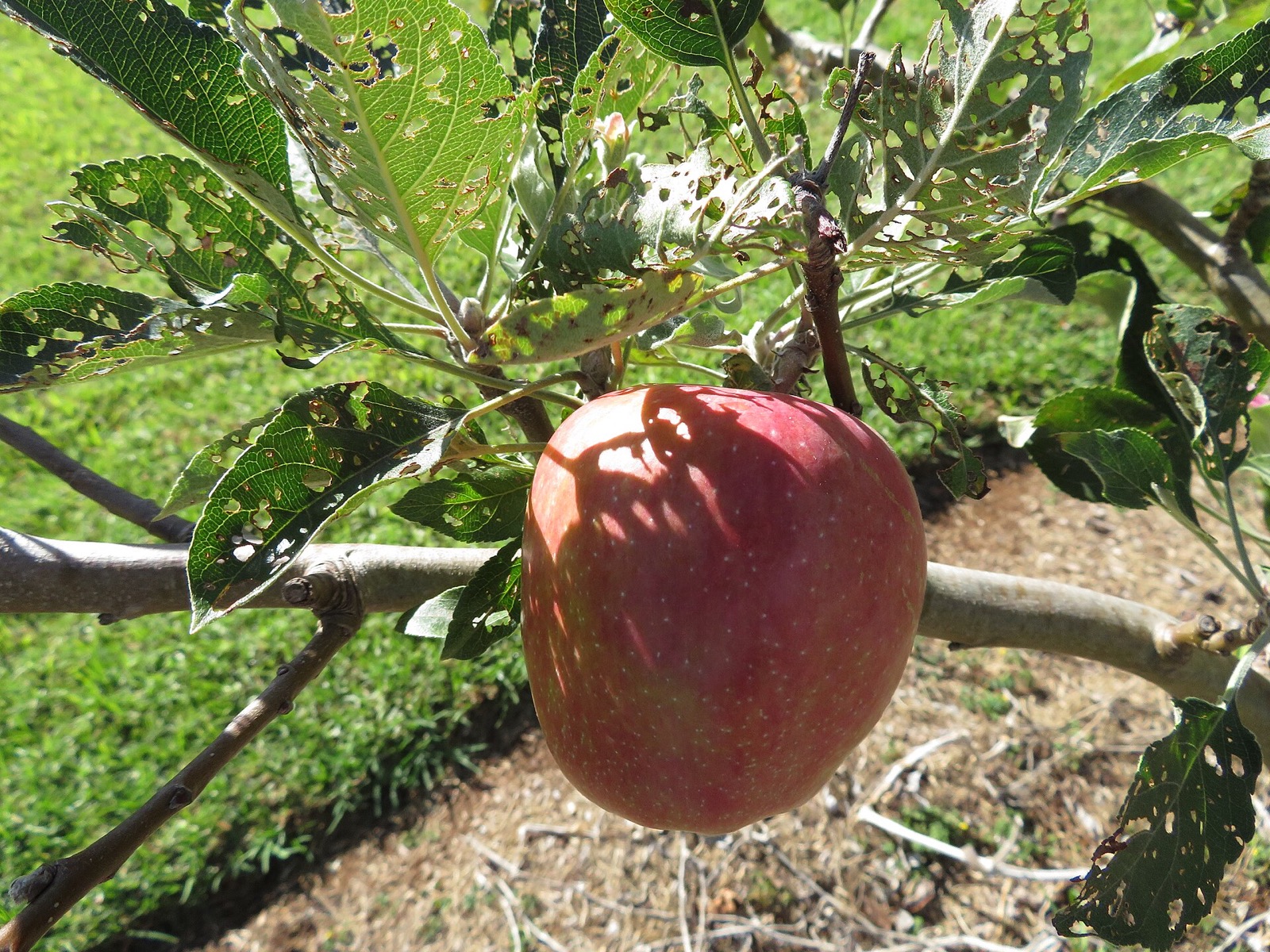
A very low-chill apple developed for warm winters, producing crisp sweet-tart fruit when paired with a compatible early-blooming pollinizer.
View complete guide →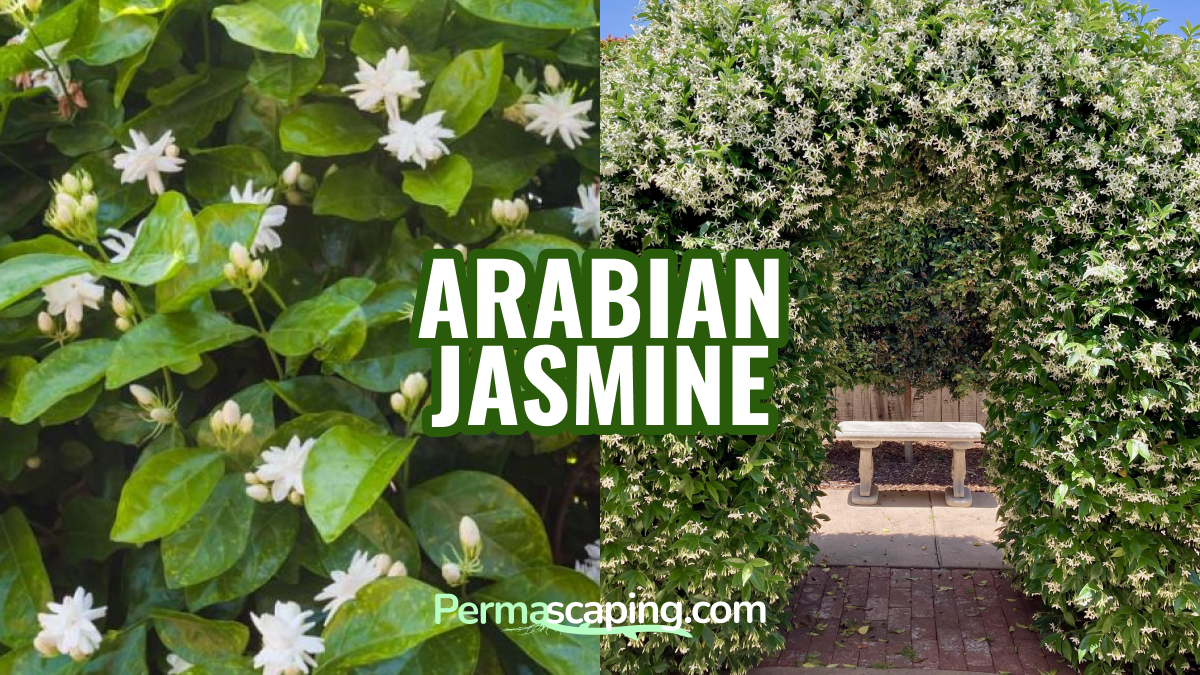
Intensely fragrant jasmine for protected courtyards, north or east walls, containers, and trellises in the warmest desert microclimates.
View complete guide →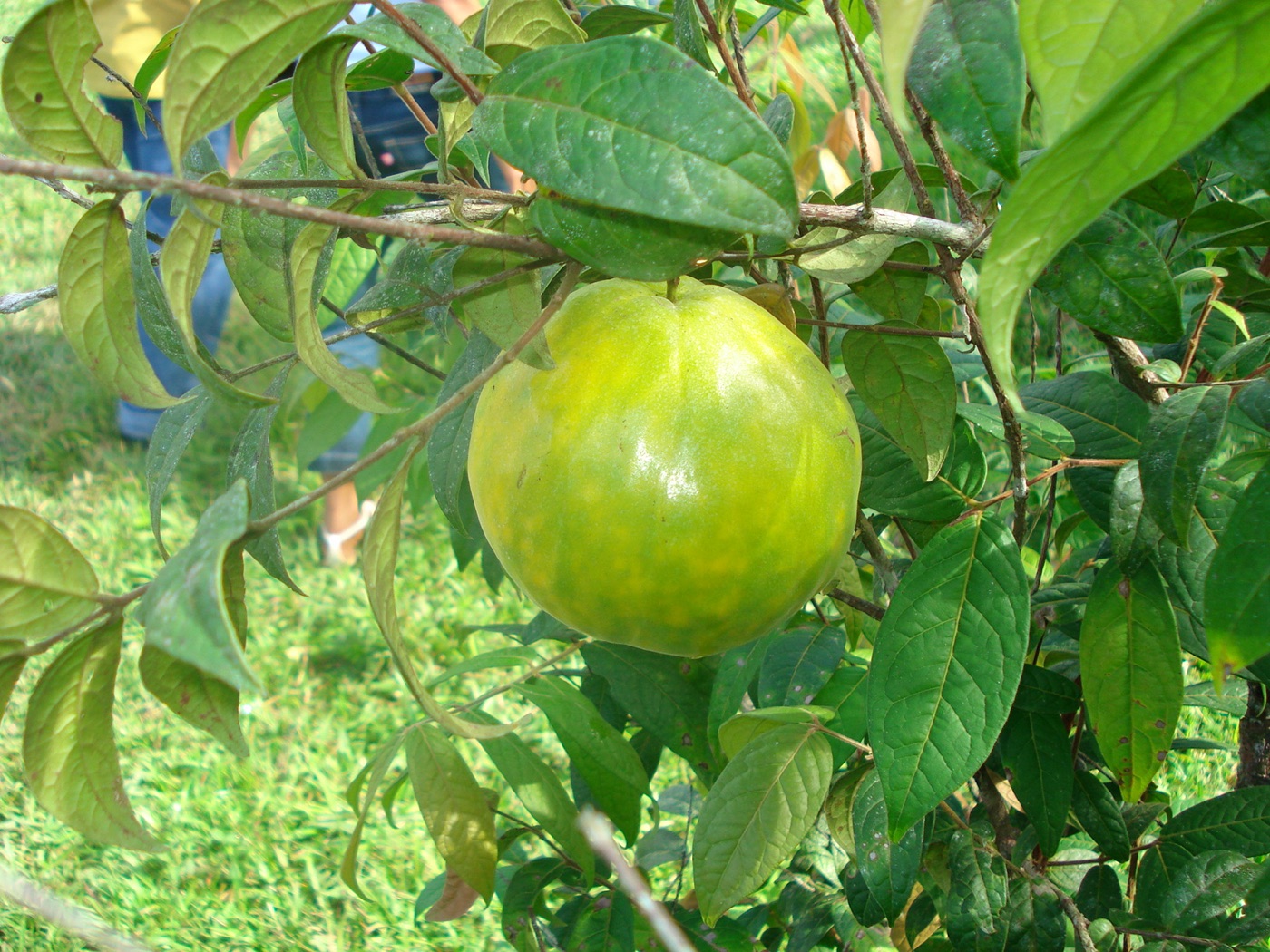
A small Amazonian shrub in the guava family with very aromatic, very sour yellow fruit. Best grown in a large container with acidic soil and afternoon shade.
View complete guide →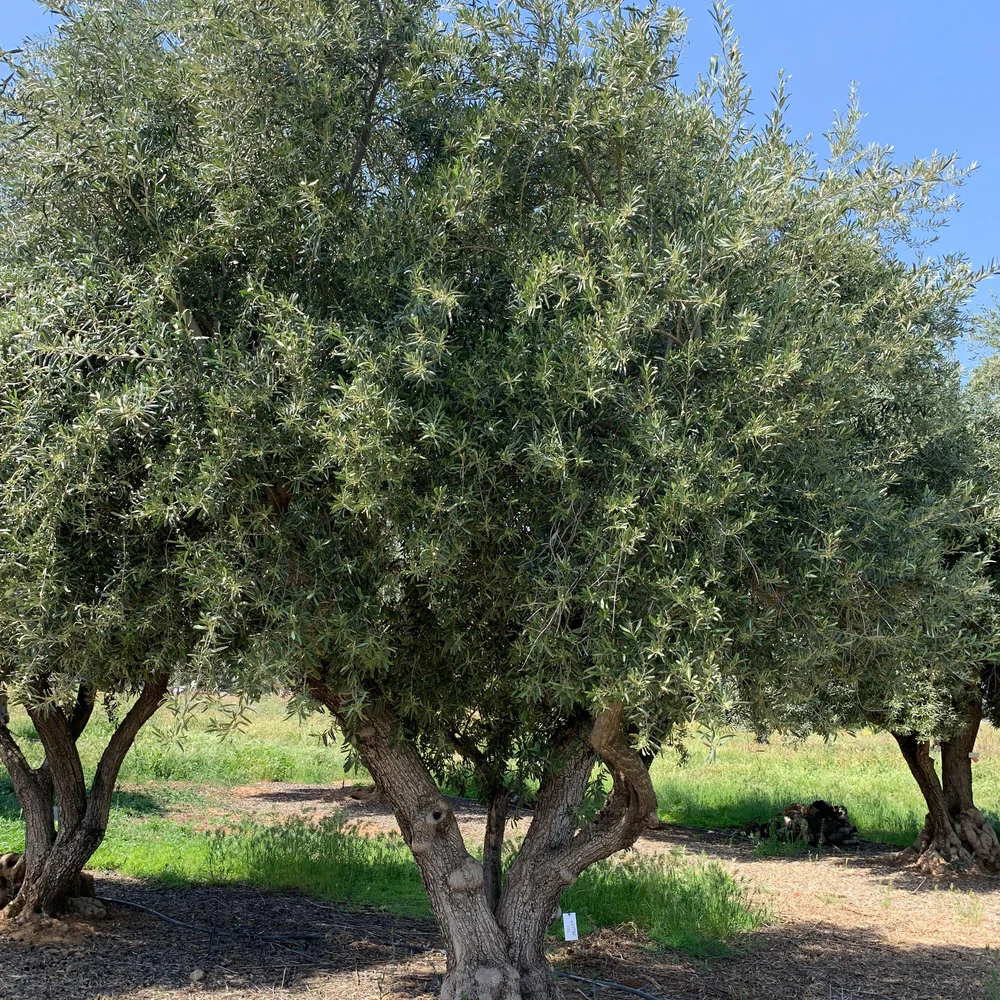
A relatively compact, early-bearing Spanish olive valued for high-quality oil and better small-space fit than many traditional cultivars.
View complete guide →A compact Spanish oil olive with dense growth, high-quality aromatic oil, and a naturally smaller footprint than many olive cultivars.
View complete guide →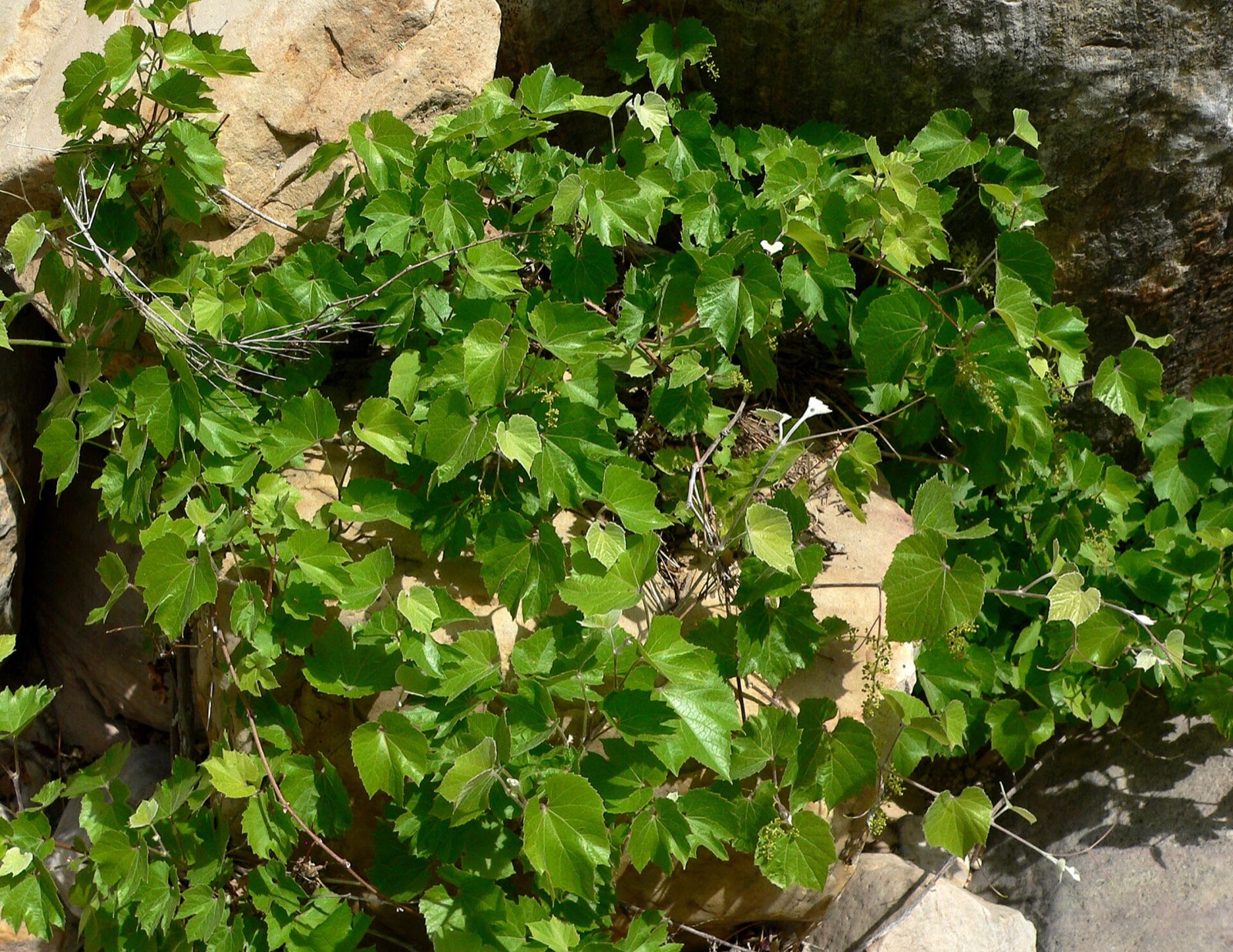
Native deciduous vine for riparian or partly shaded situations, producing tart fruit valuable to people and wildlife.
View complete guide →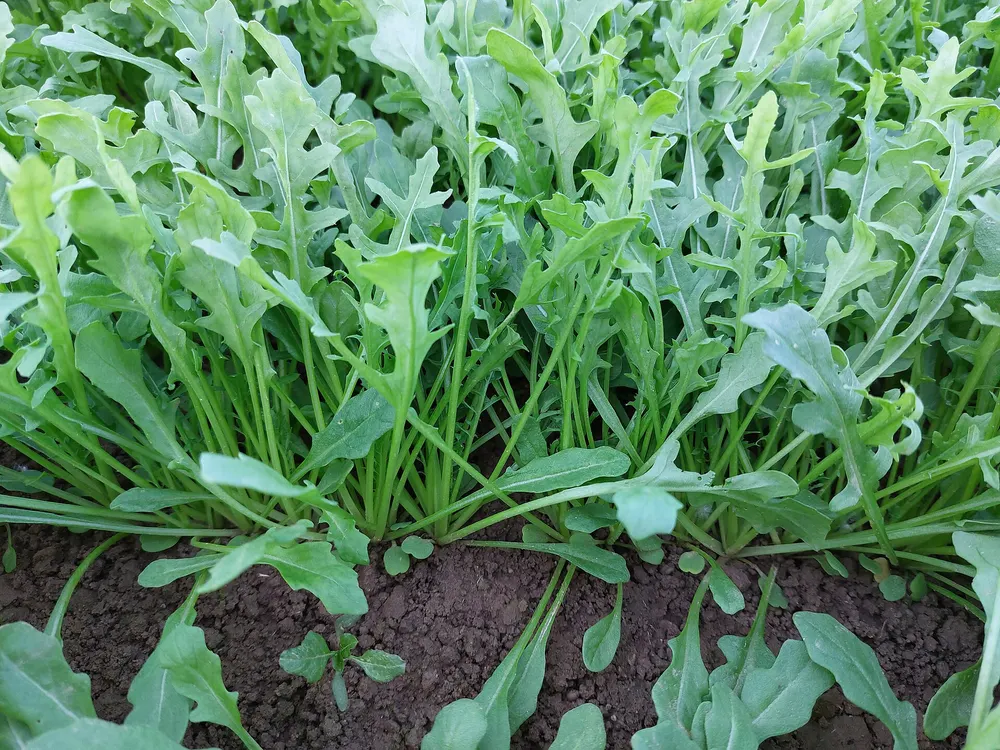
Fast salad green; harvest young for milder flavor. It bolts quickly when the Valley warms.
View complete guide →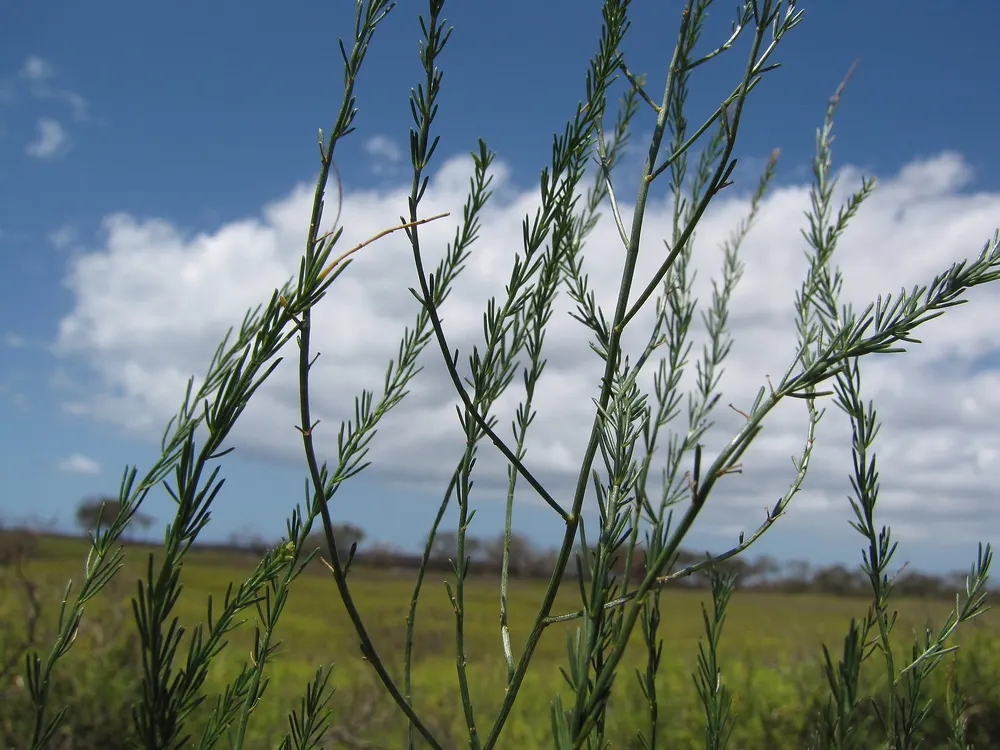
A permanent bed, not a quick winter vegetable. Let spears fern out after the spring harvest to rebuild crowns; plan for irrigation and summer fern growth.
View complete guide →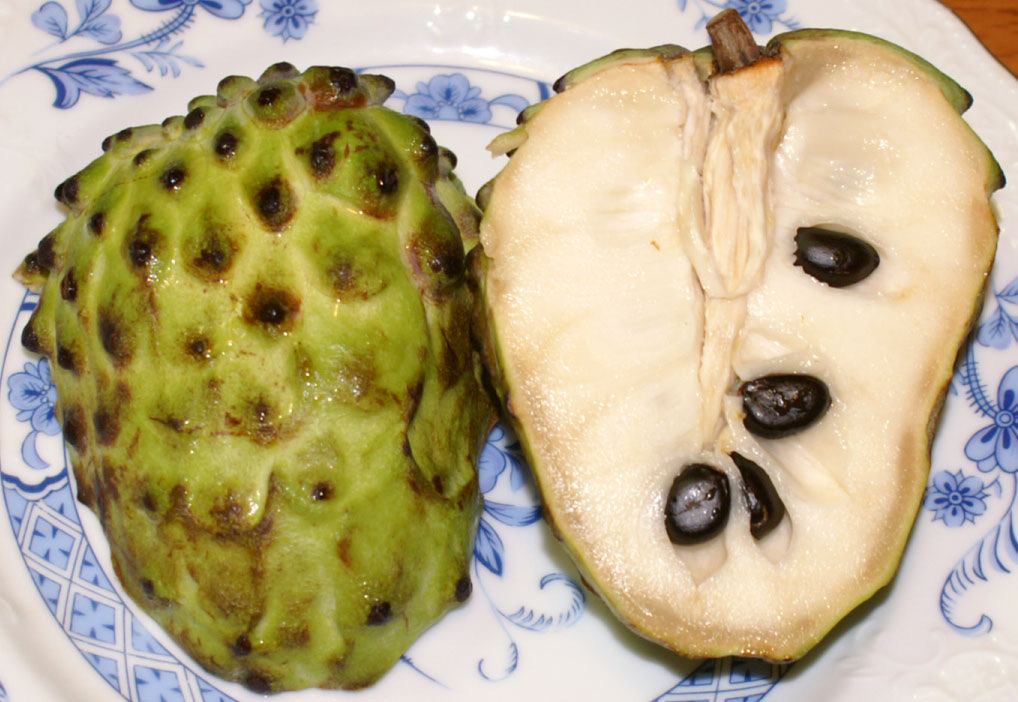
A cross between cherimoya and sugar apple with large, custardy fruit that tastes of pineapple and vanilla. The hardiest of the annonas and a strong performer in Phoenix.
View complete guide →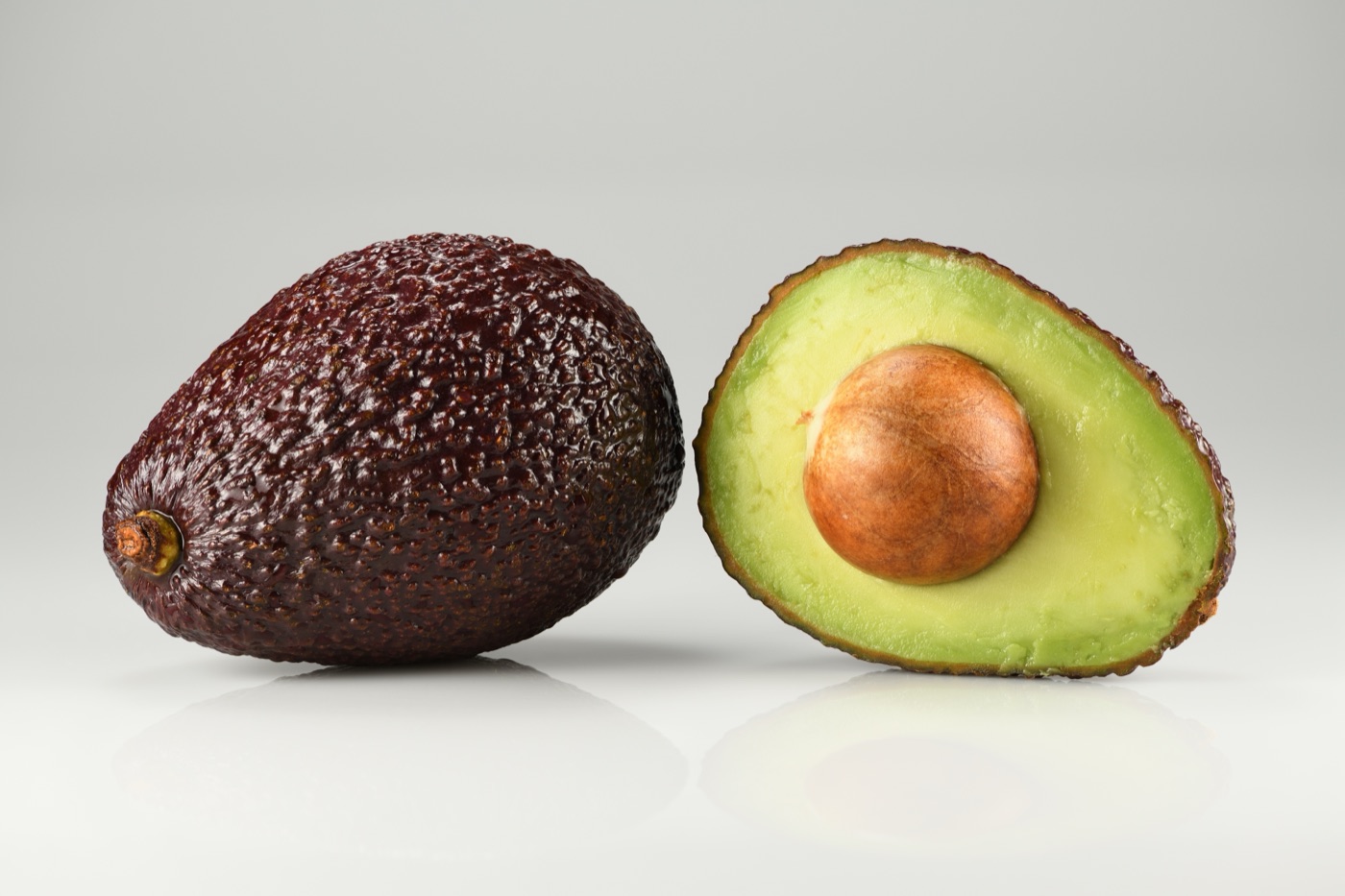
Avocados can grow and fruit in Phoenix, but they are not easy. They need filtered sun while young, careful deep watering and the hardier Mexican-type varieties.
View complete guide →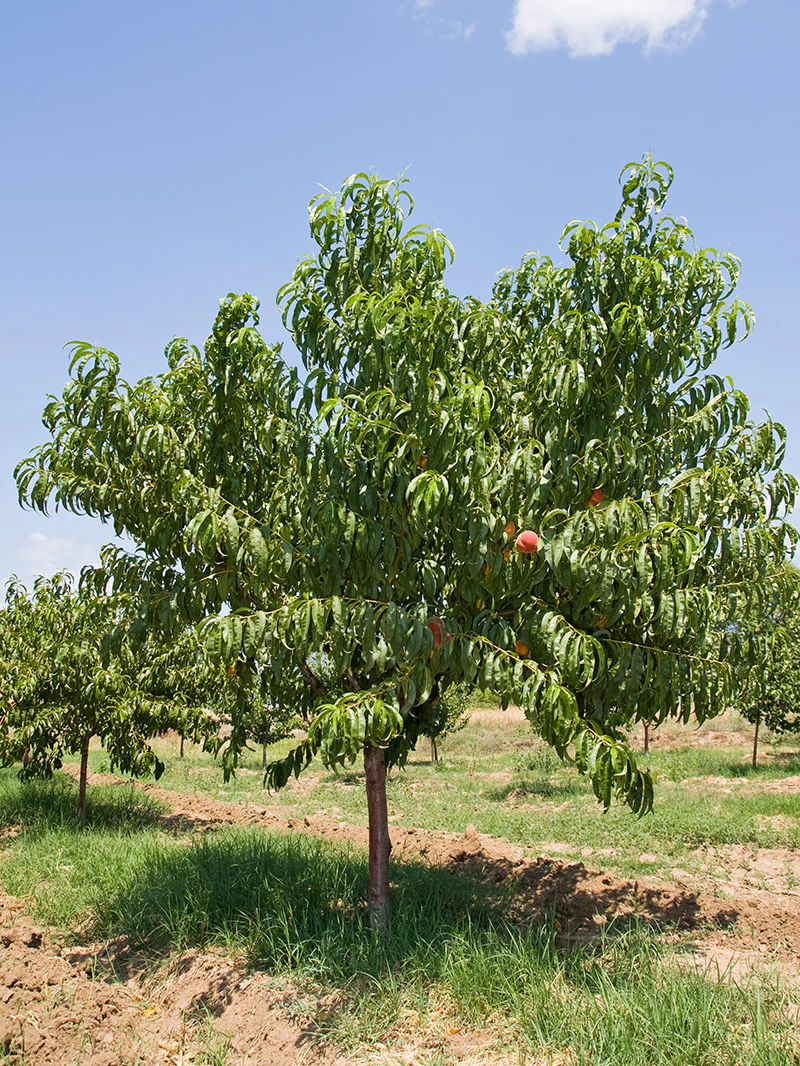
A classic aromatic white-fleshed freestone peach with sweet, juicy, low-acid fruit and low winter chill needs.
View complete guide →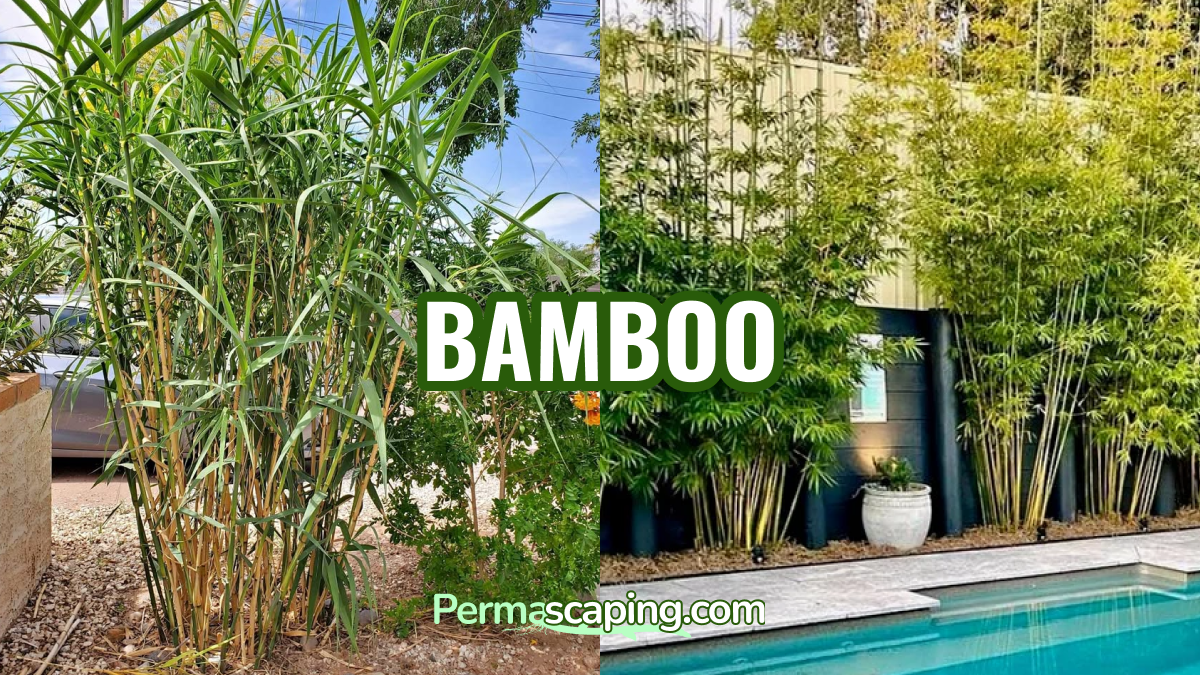
A fast privacy screen and vertical food-forest element when a clumping species, adequate irrigation, and its final footprint are chosen deliberately.
View complete guide →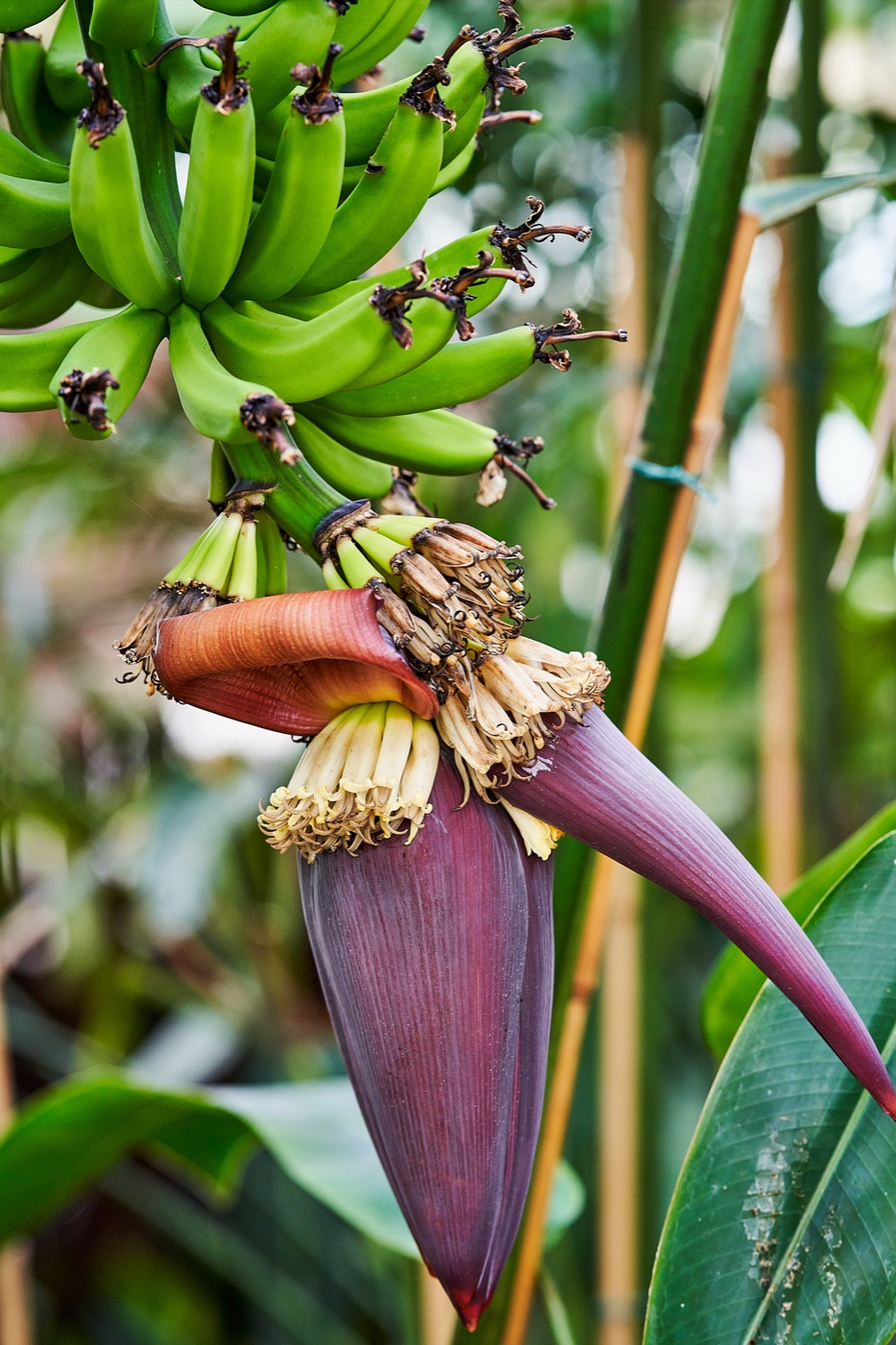
Fast, lush and surprisingly productive in Phoenix when fed heavily and given afternoon shade. Frost burns the leaves, but the roots regrow each spring.
View complete guide →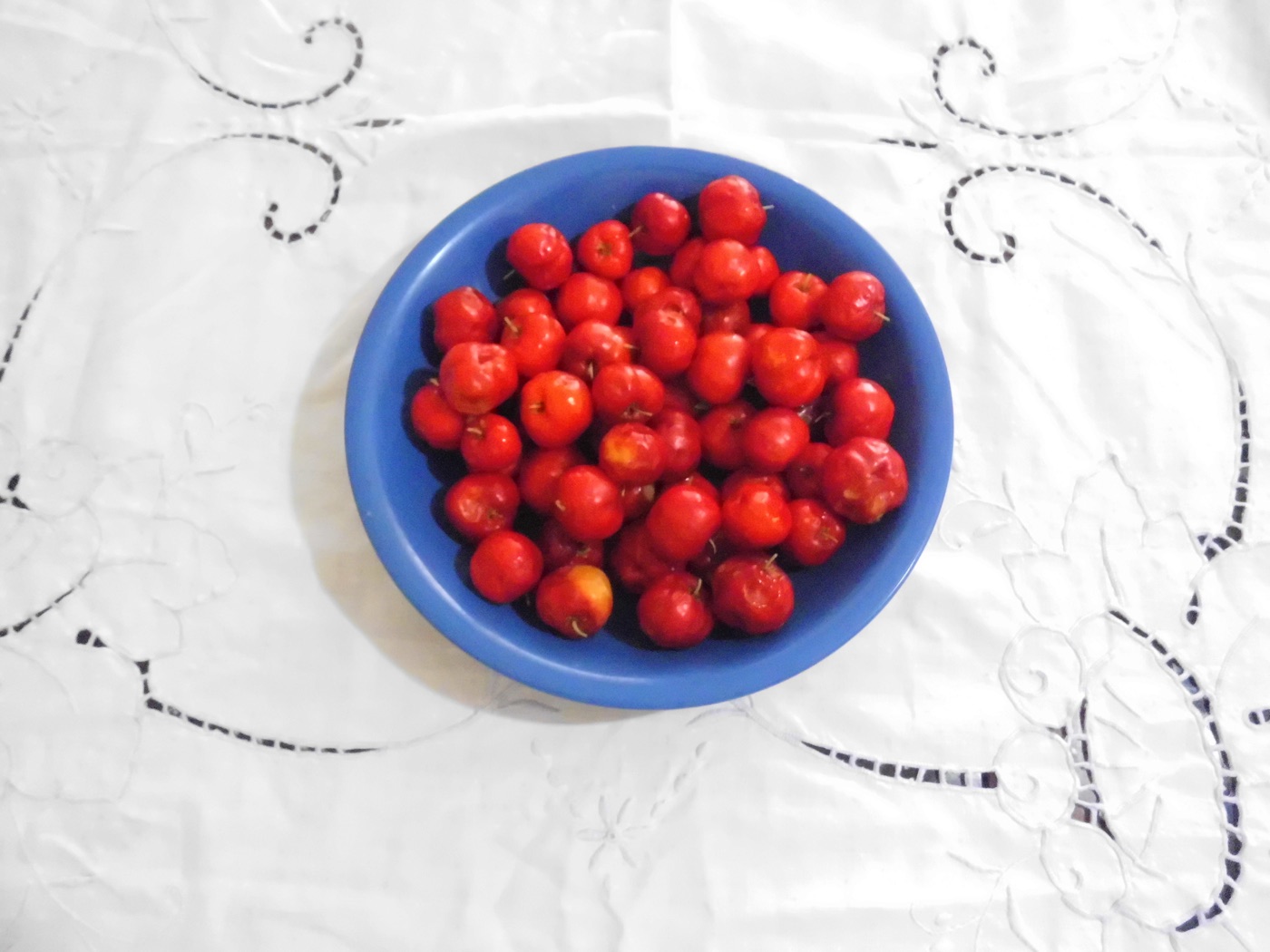
A bushy shrub that fruits in flushes for much of the warm season. Its bright red cherries are among the richest sources of vitamin C of any fruit.
View complete guide →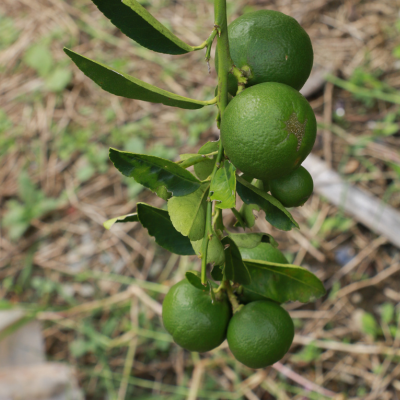
A larger, generally seedless lime with the familiar grocery-store profile, ripening earlier than much of the winter citrus crop.
View complete guide →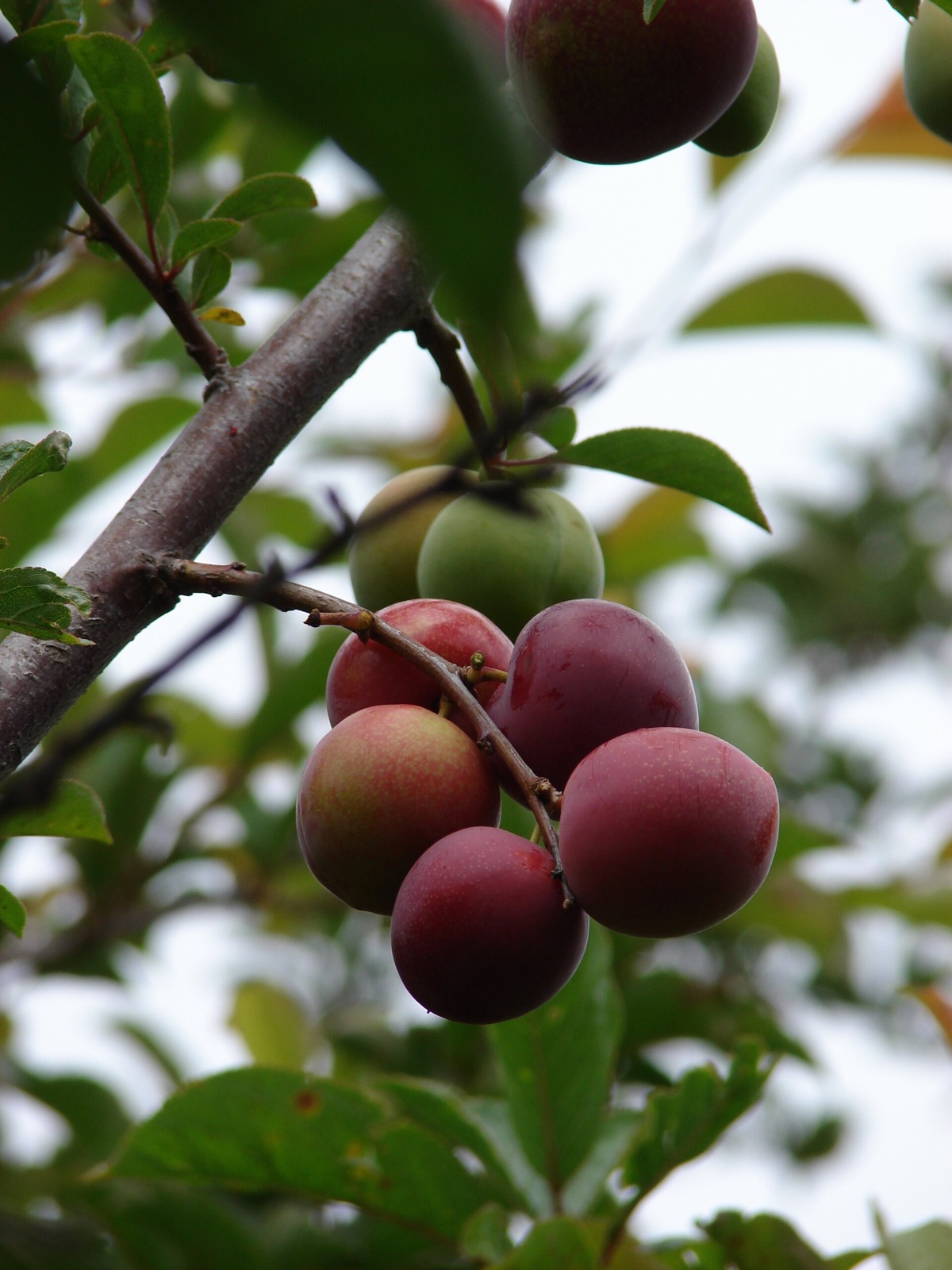
A low-chill Japanese plum with sweet, flavorful red-over-yellow fruit and amber flesh streaked red.
View complete guide →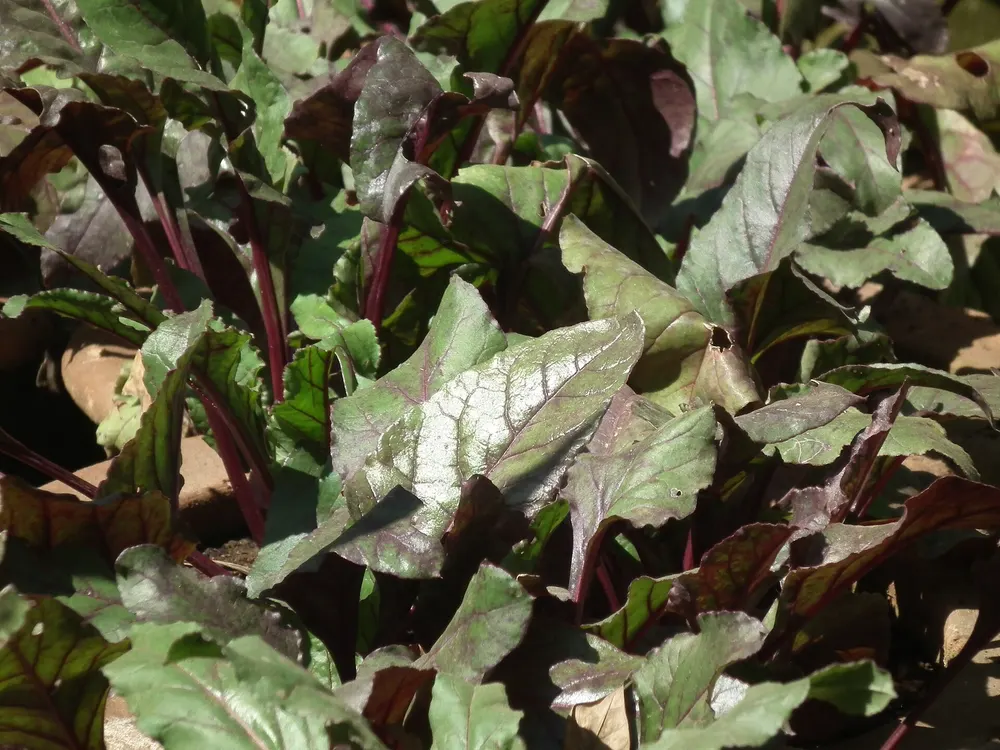
Both roots and leaves are edible. Keep growth even for tender roots; thinning greens can be eaten.
View complete guide →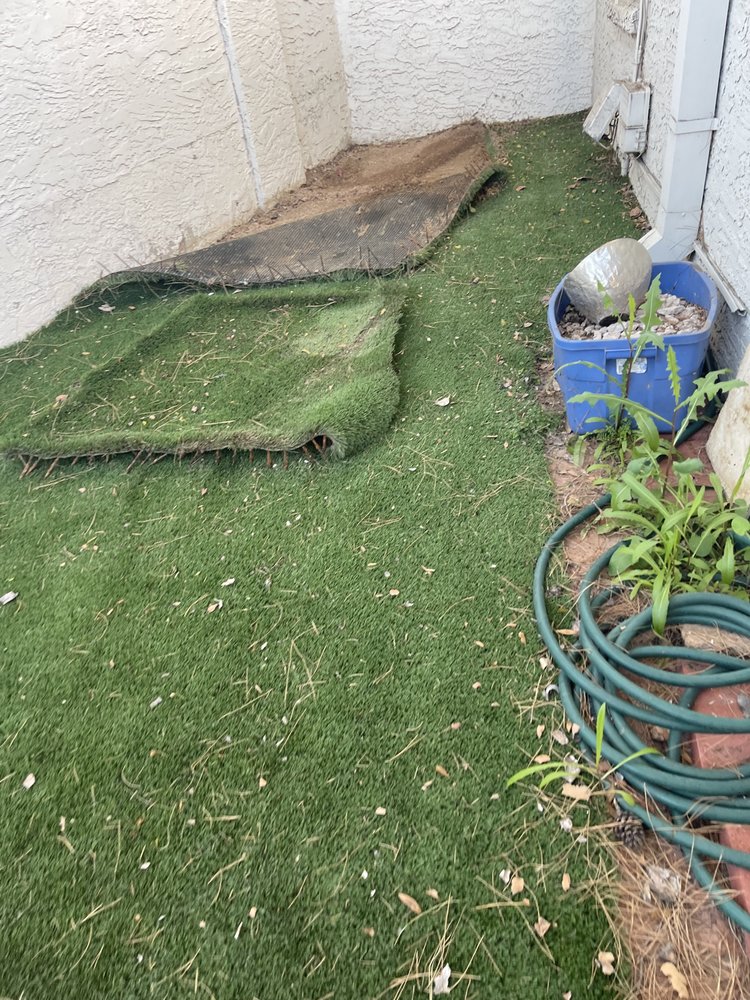
The Valley's standard warm-season lawn, laid as sod or seeded, that takes heavy play and summer heat and goes dormant brown in winter. Mixing clover in keeps it greener with less fertilizer.
View complete guide →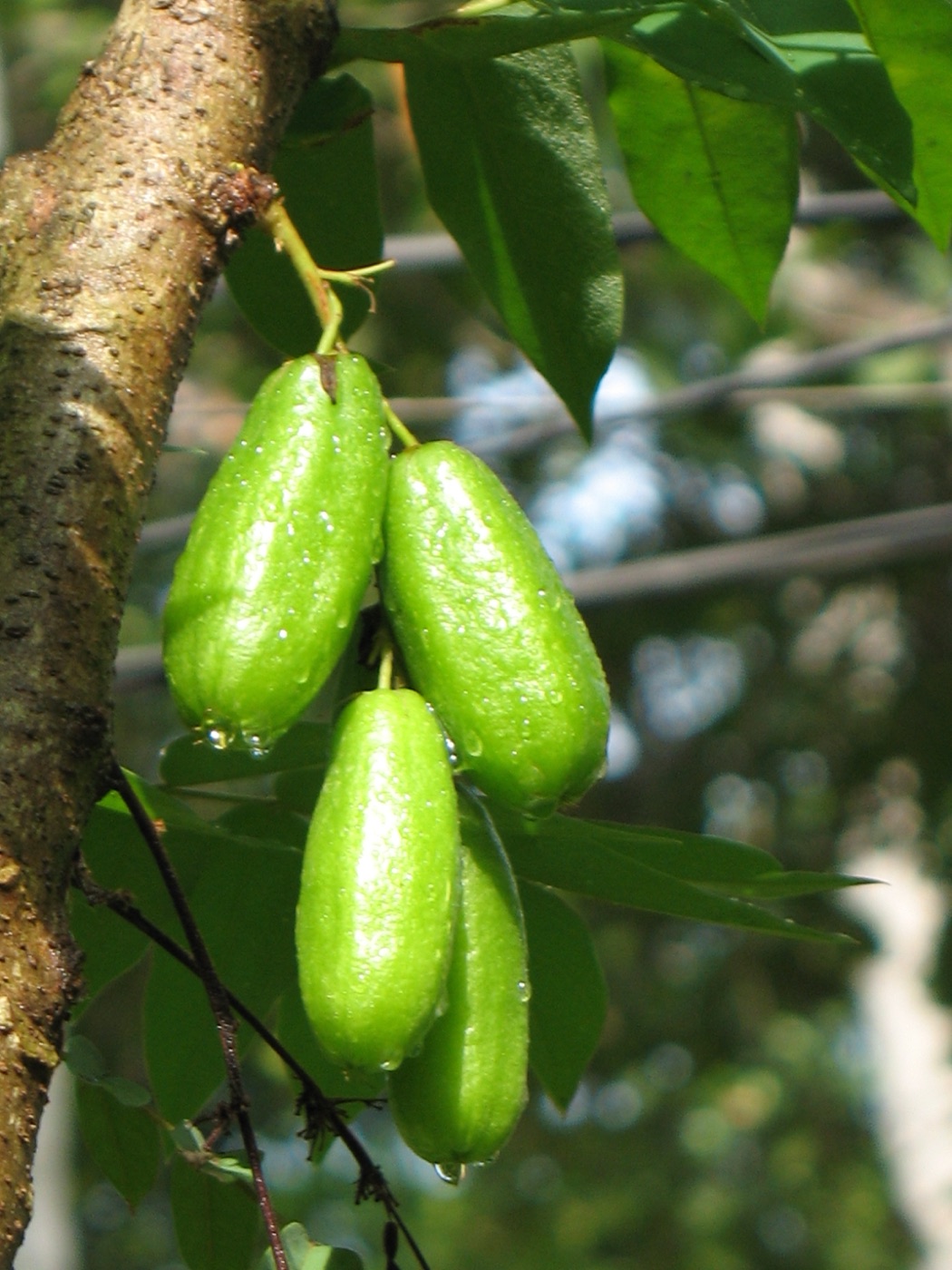
A close relative of starfruit that bears clusters of small, very sour green fruit right on its trunk. A tender tree for the warmest yards or a large pot.
View complete guide →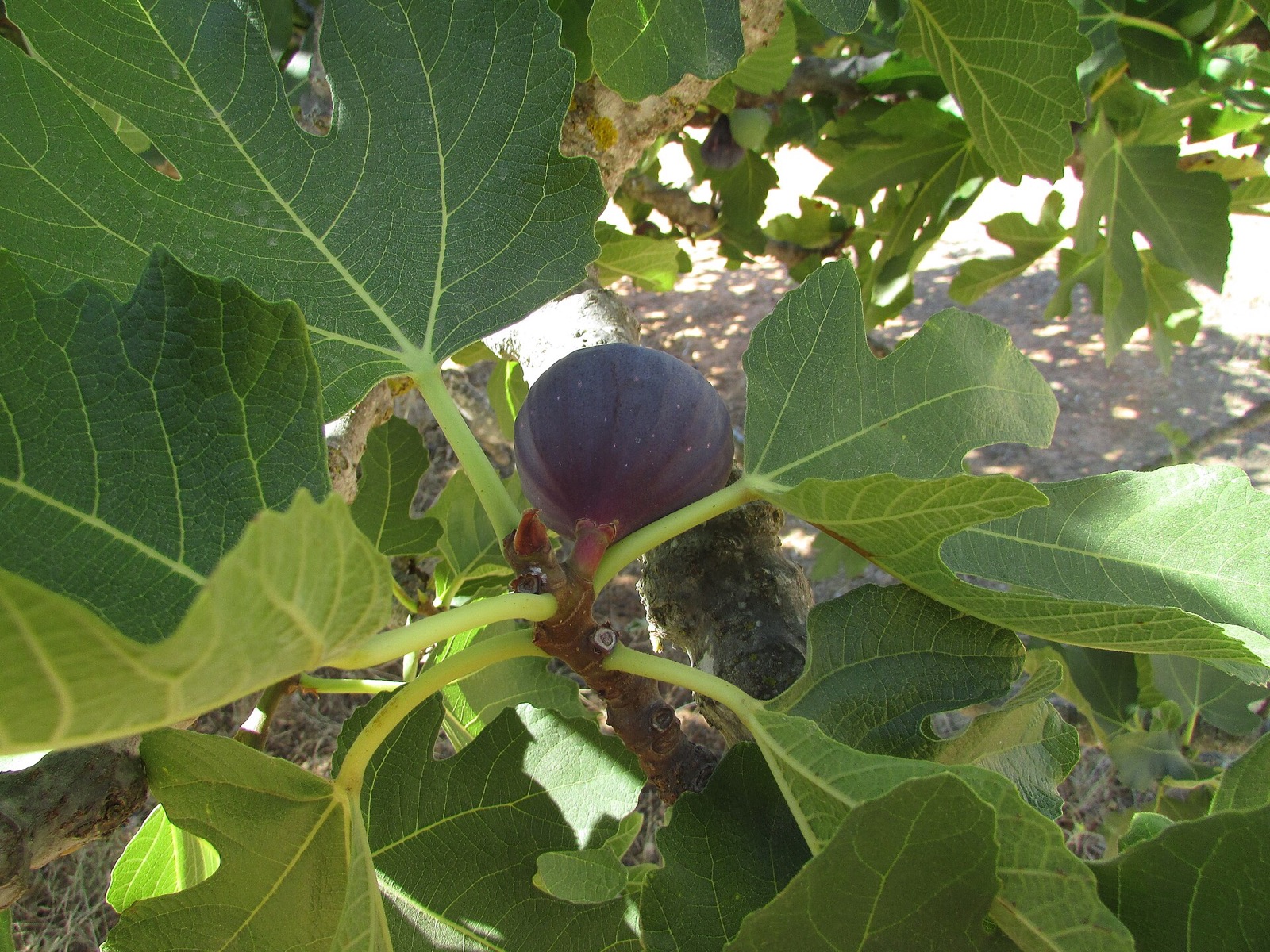
A large, long-lived fig with dark purple skin and rich strawberry-colored flesh, dependable below roughly 2,000 feet in Arizona.
View complete guide →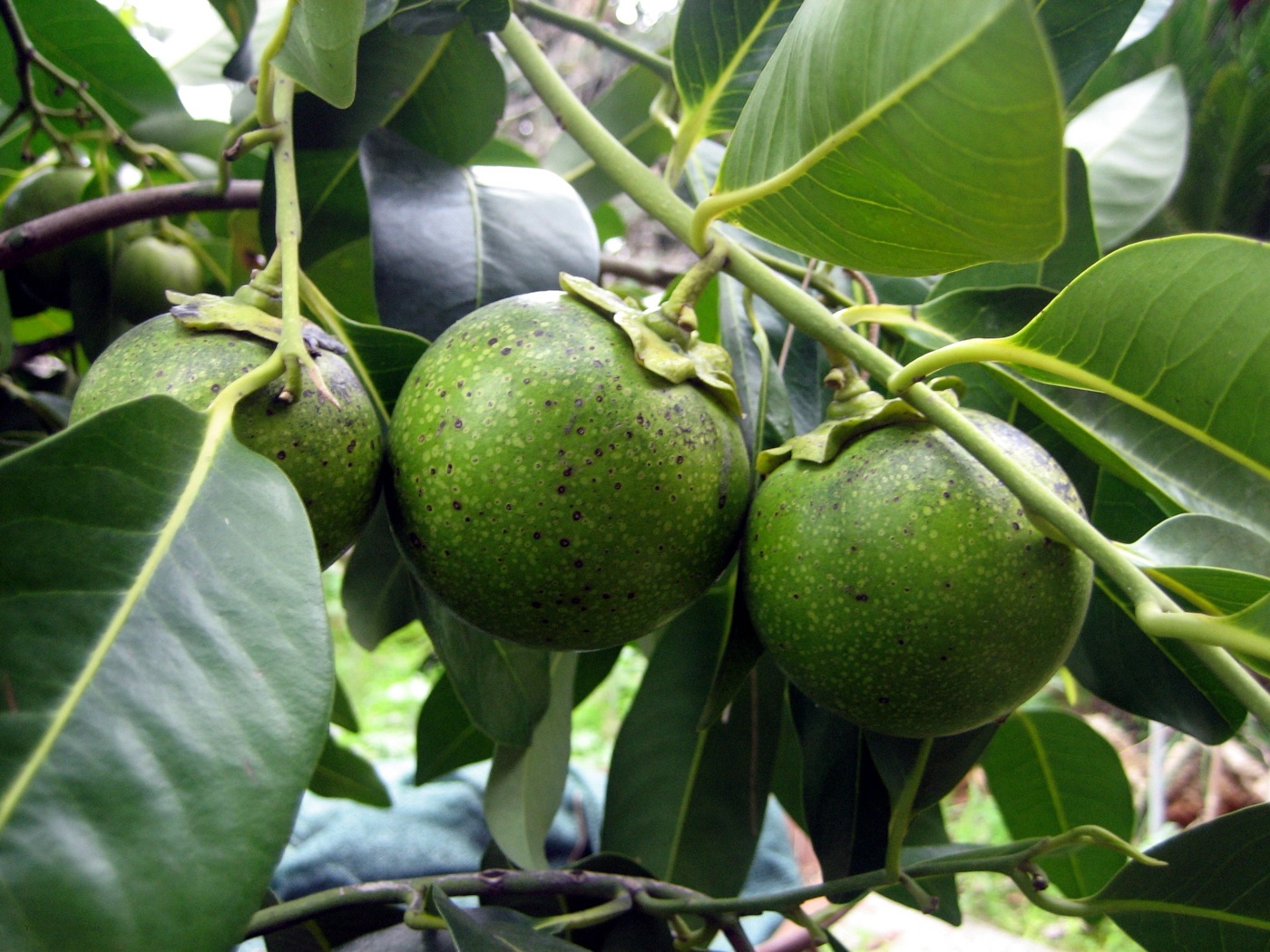
A persimmon relative whose ripe fruit has soft, dark brown flesh often compared to chocolate pudding. A handsome evergreen with glossy leaves.
View complete guide →
The most realistic of the three wholesale cane-berry groups for the low desert, provided its roots stay evenly moist and its fruiting canes are protected from brutal western sun.
View complete guide →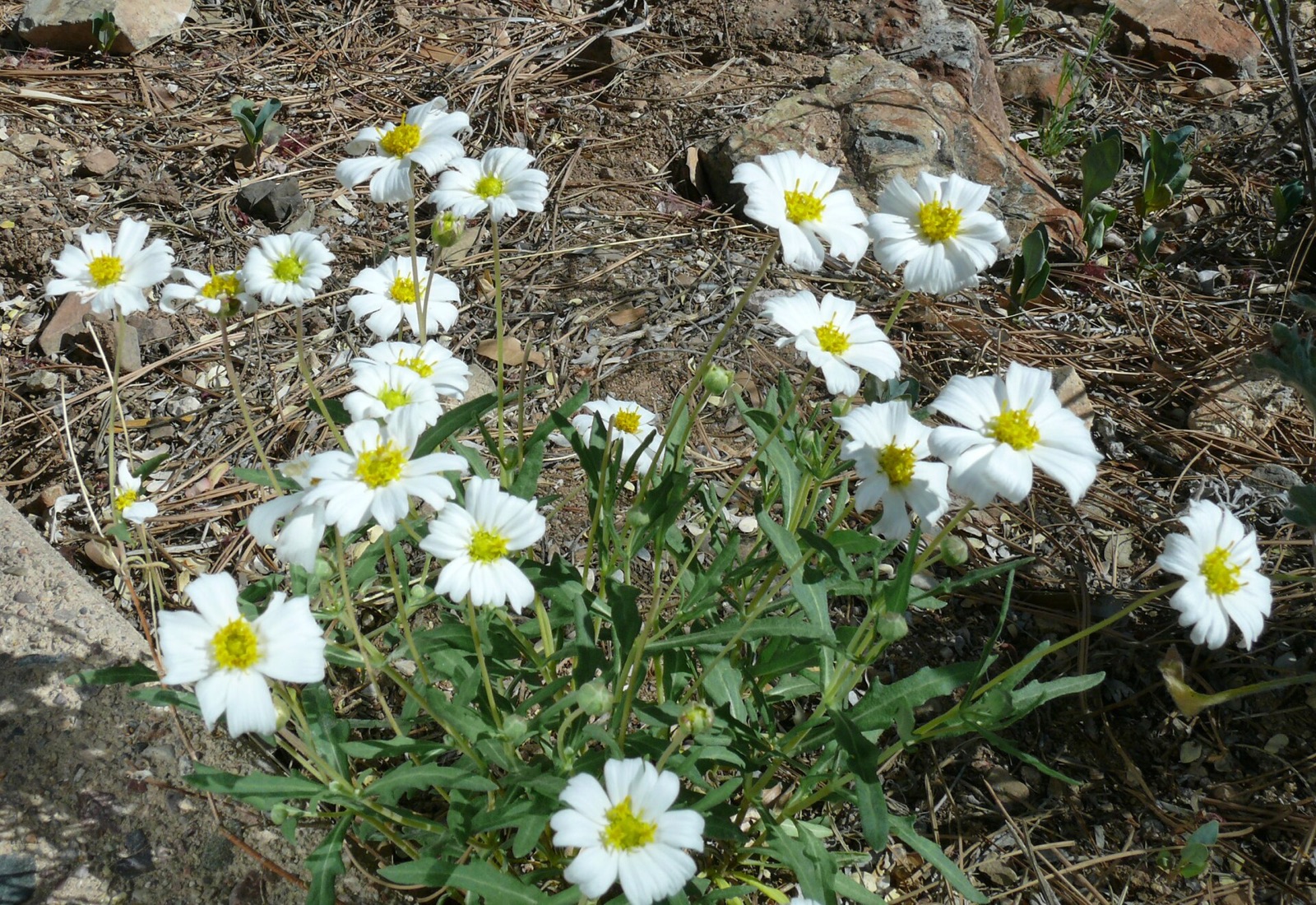
A compact Southwest native mound with white daisy flowers, excellent drainage tolerance, and uncommon durability in hot, lean sites.
View complete guide →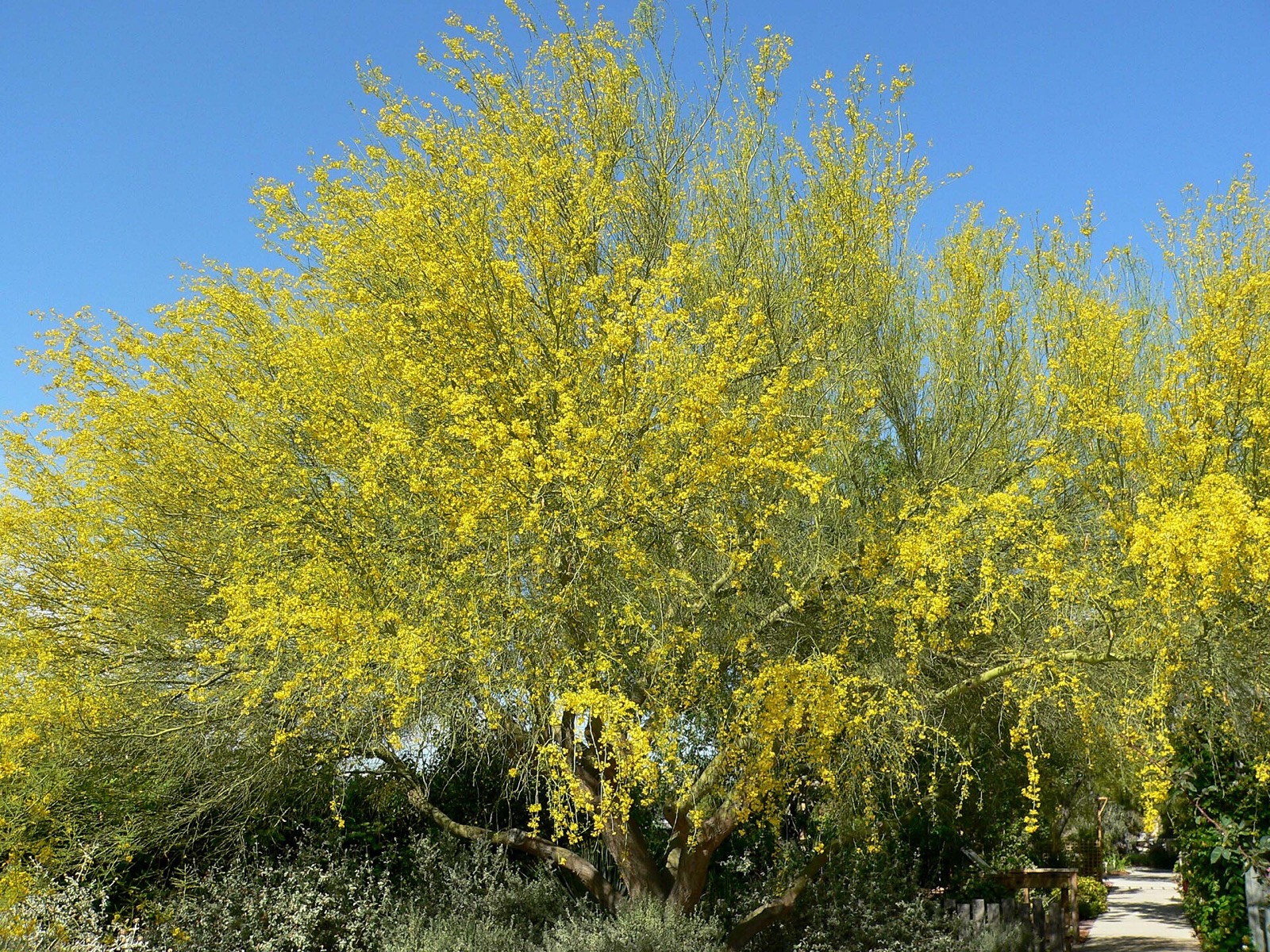
Arizona’s blue-green state tree; a fast nurse canopy for desert food forests when given room for its natural form.
View complete guide →
A compact, low-chill blueberry for an engineered acidic root zone—not ordinary Phoenix soil. In the low desert, Sunshine Blue belongs in a large container or isolated raised bed with afternoon shade.
View complete guide →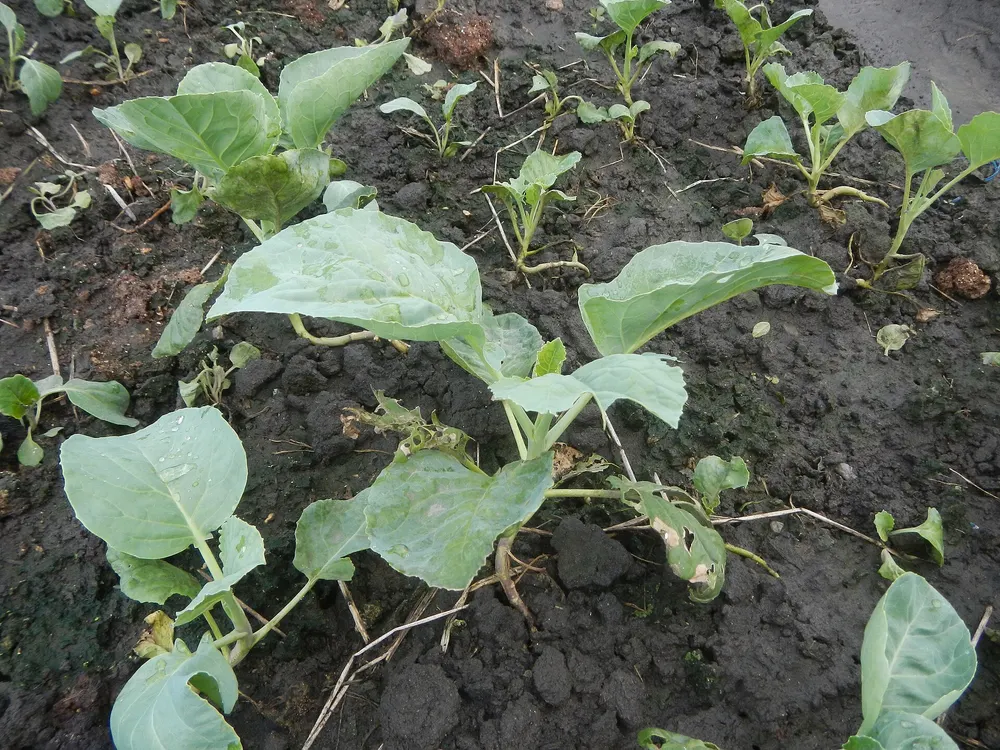
Harvest the whole rosette or outer stalks. Sudden heat or stress can trigger bolting.
View complete guide →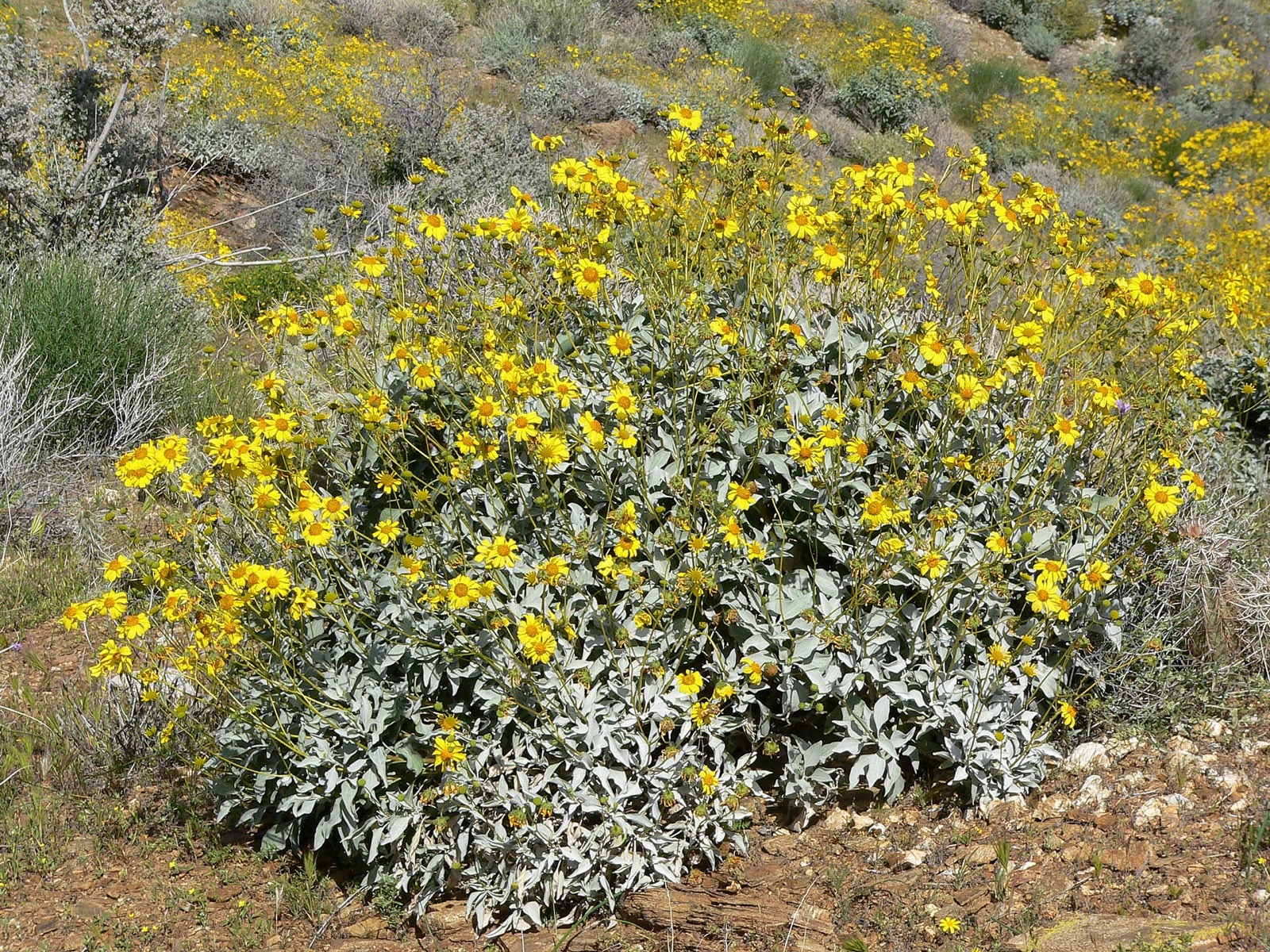
A foundational native shrub with silver foliage and yellow winter-to-spring flowers; reseeds readily in basins.
View complete guide →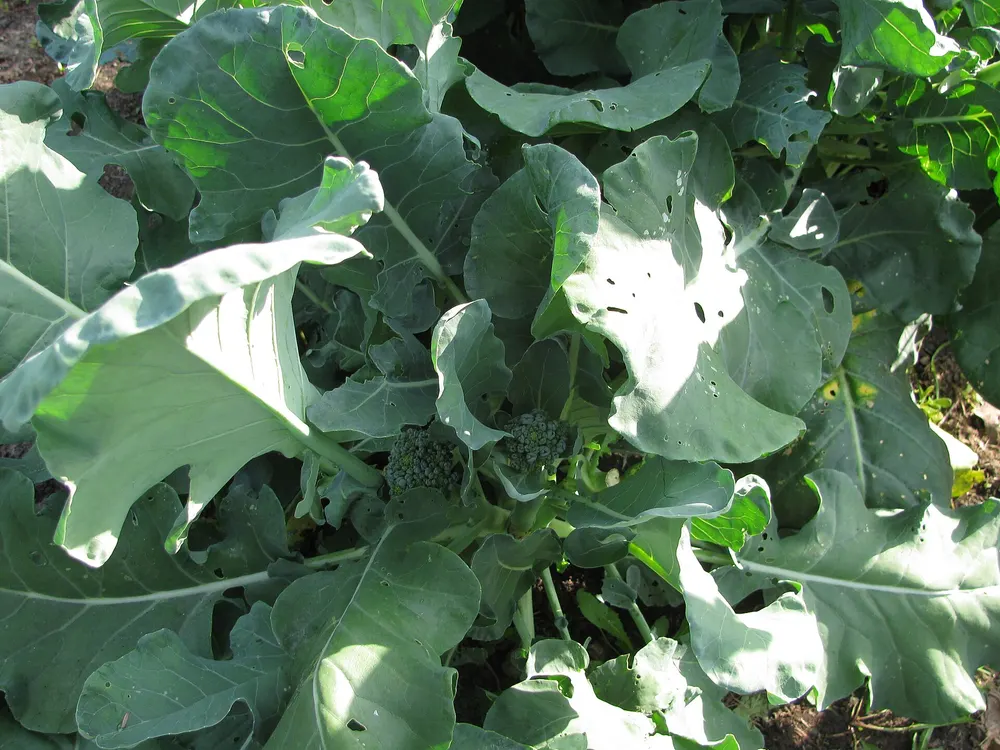
Choose a quick-maturing type and protect young starts from lingering heat. Cut the main head before buds open; some varieties make side shoots.
View complete guide →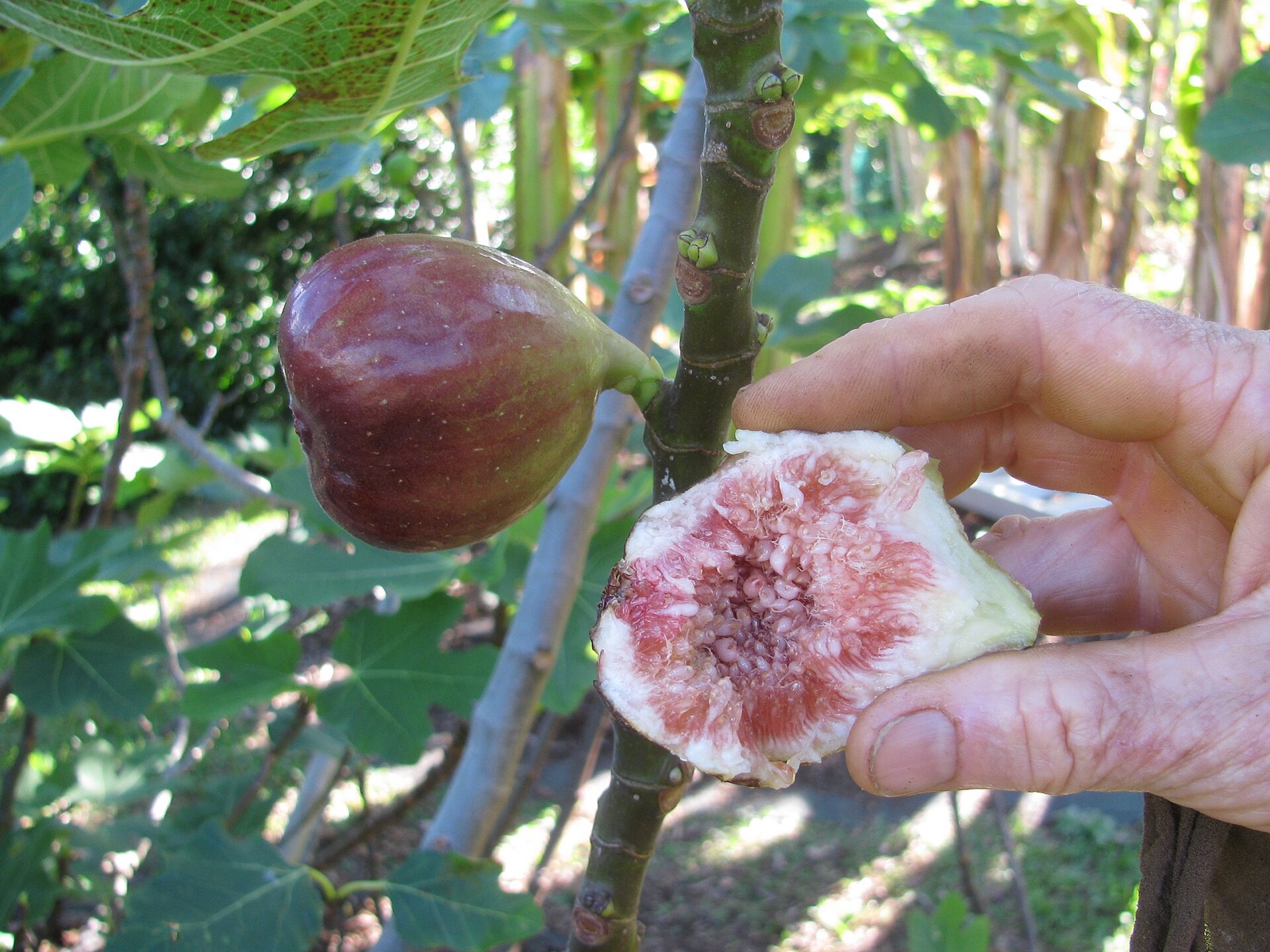
A sweet fresh-eating fig with brown-purple skin and pink flesh, often best in Arizona’s slightly cooler 2,000–3,000-foot band.
View complete guide →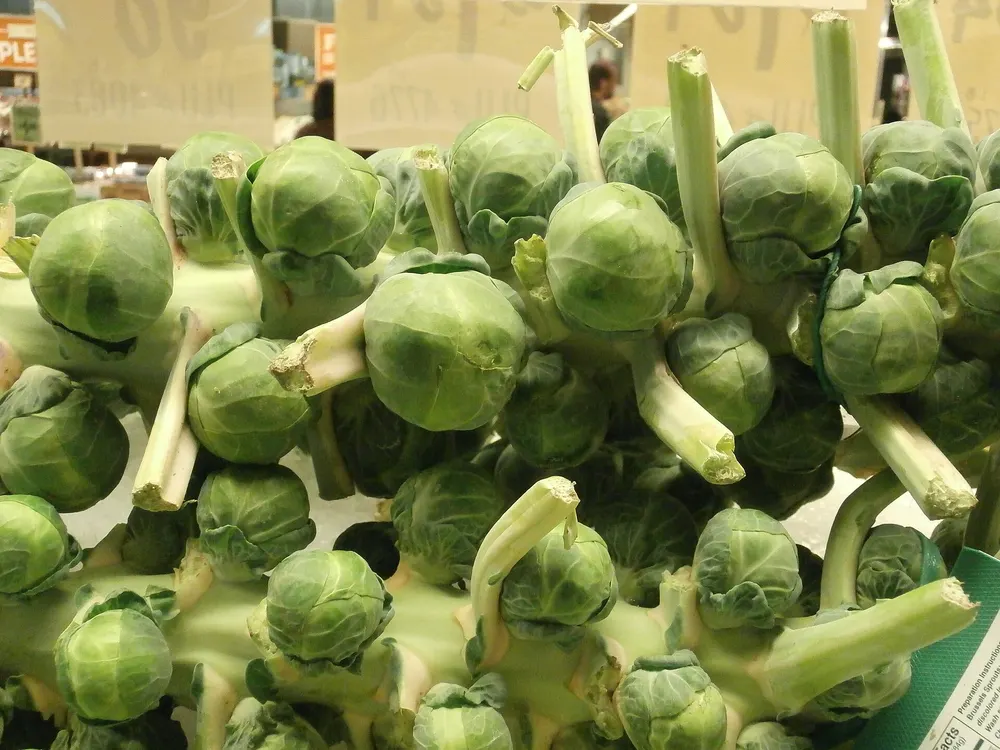
A long-season crop with less predictable tight sprouts in warm winters. Harvest firm lower sprouts first; prioritize early fall establishment.
View complete guide →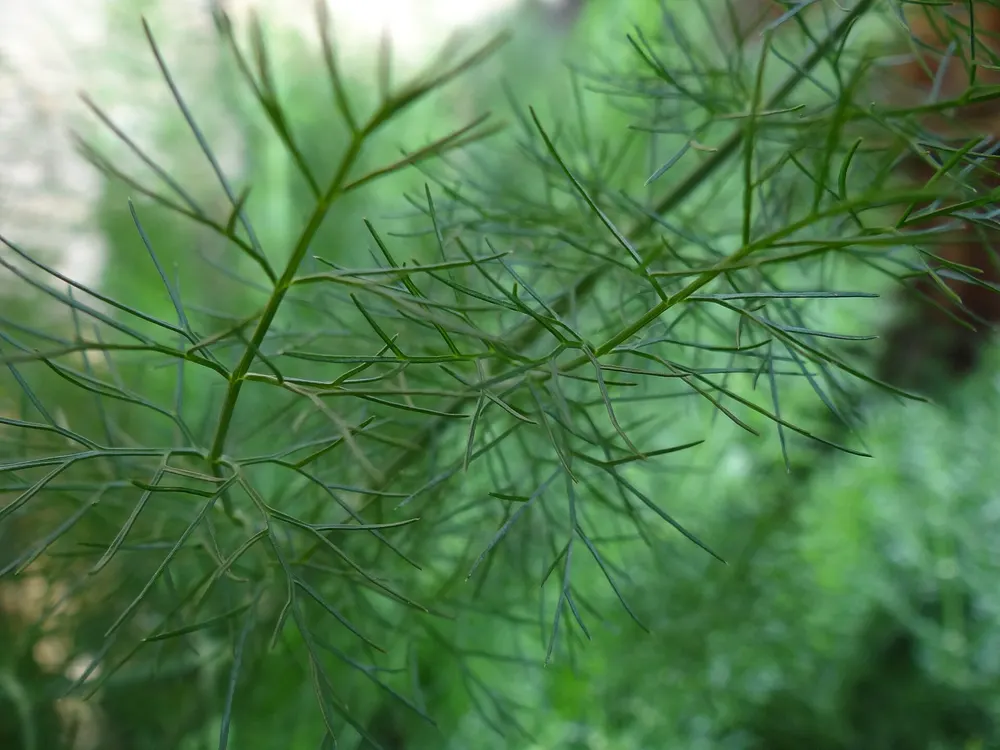
Choose Florence/bulb fennel, not ordinary herb fennel, if you want the grocery-store bulb. Stress and rising heat cause bolting before the base swells.
View complete guide →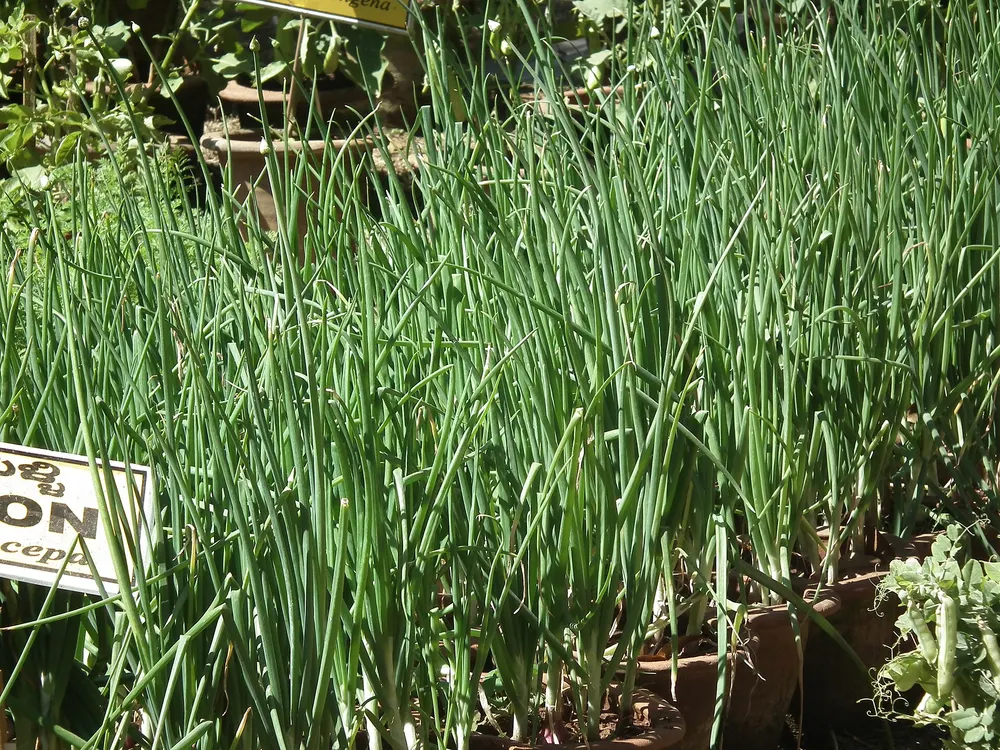
Choose short-day or suitable intermediate-day onions for the low desert; long-day northern varieties often fail to bulb properly.
View complete guide →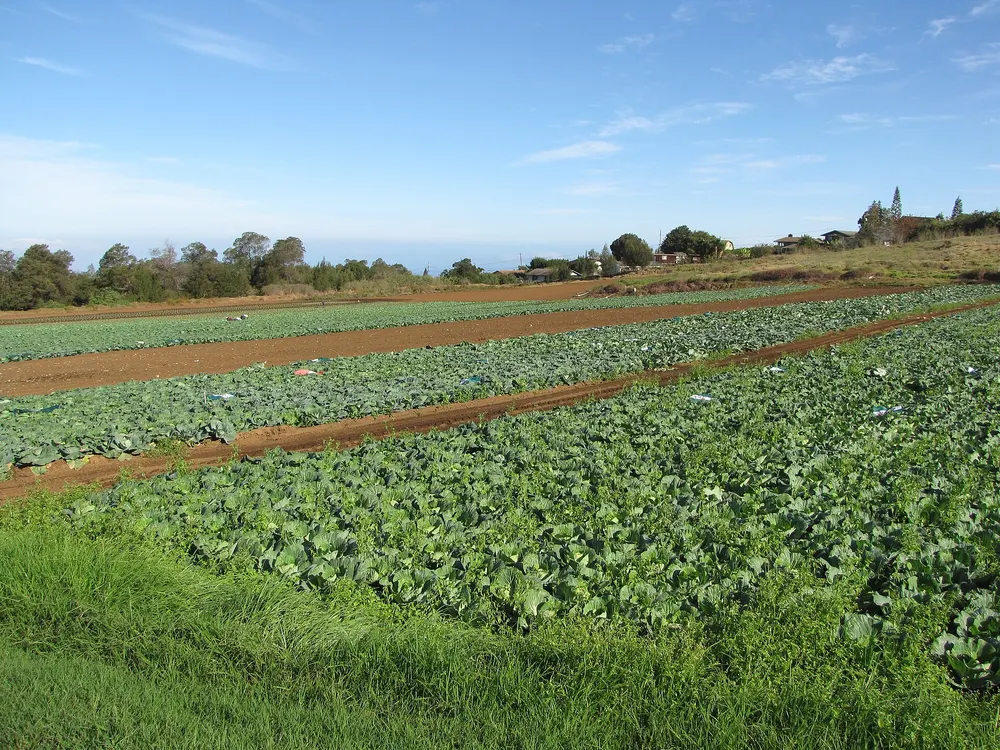
Heading cabbage includes green, red, and savoy types. Give full space and consistent moisture to form dense heads.
View complete guide →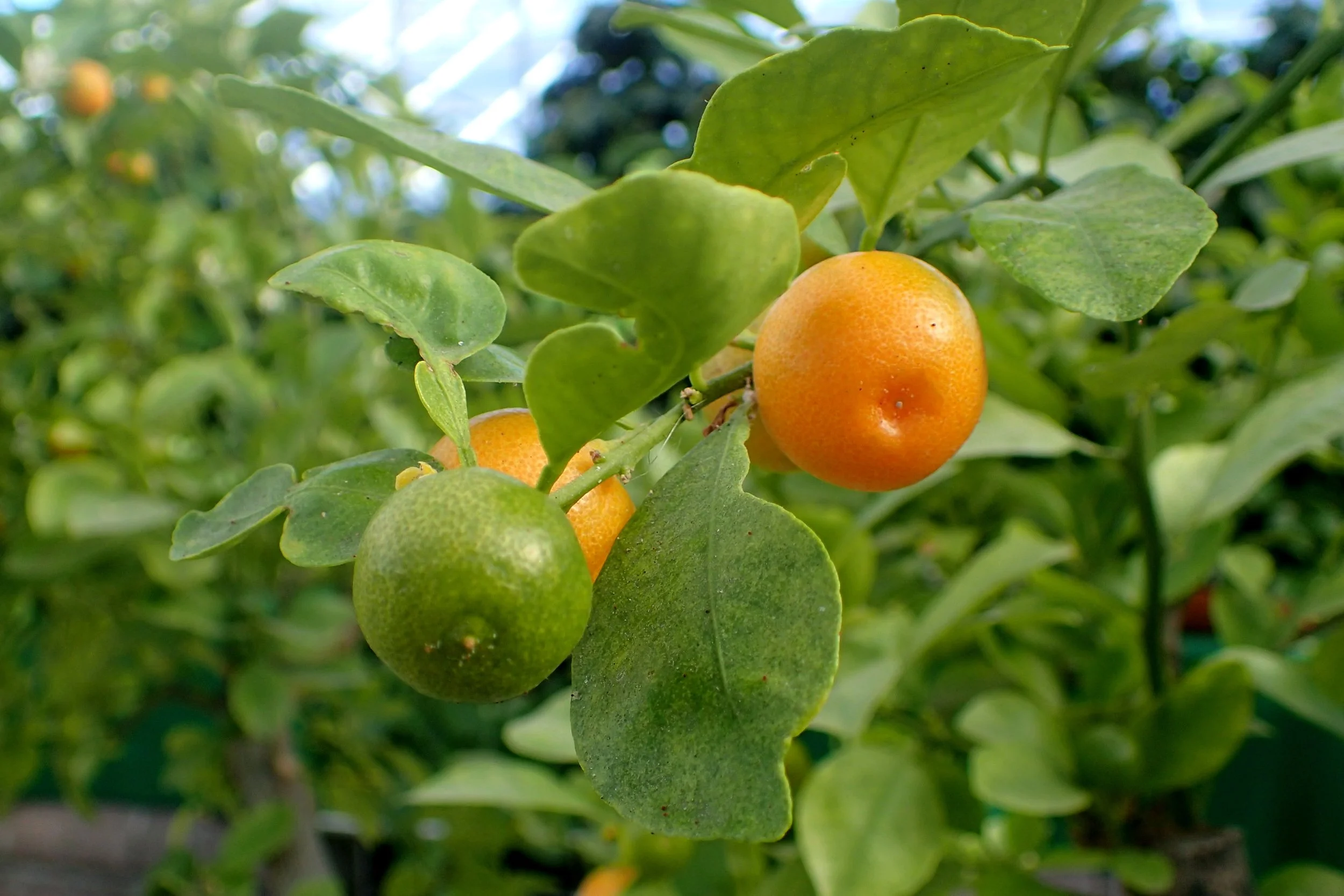
A compact citrus with abundant small, tart fruit used throughout Southeast Asian cooking and drinks; well suited to containers and protected patios.
View complete guide →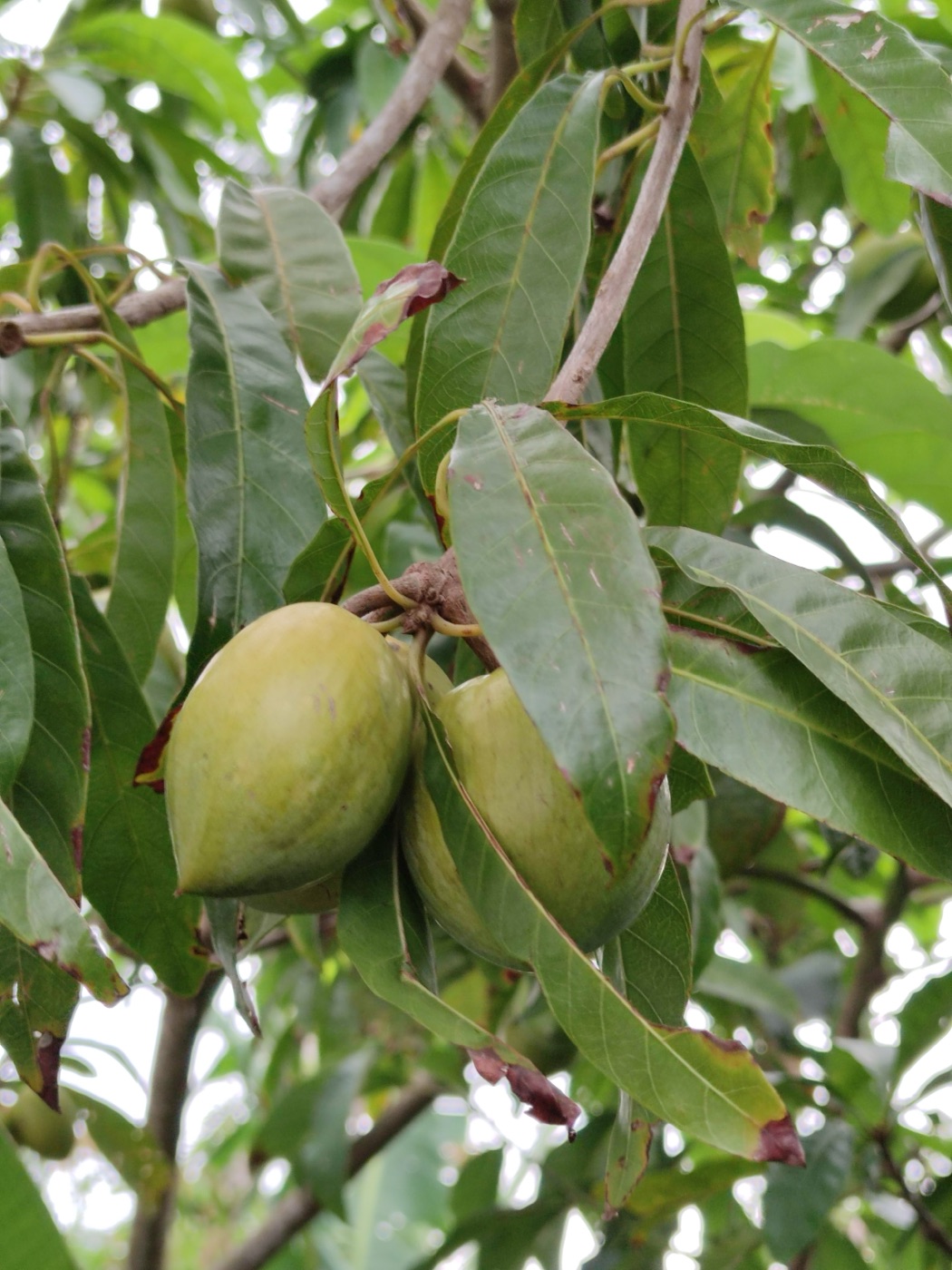
A tropical tree with bright yellow-orange fruit whose dense, sweet flesh is often compared to egg yolk or sweet potato. Tolerant of poor soil.
View complete guide →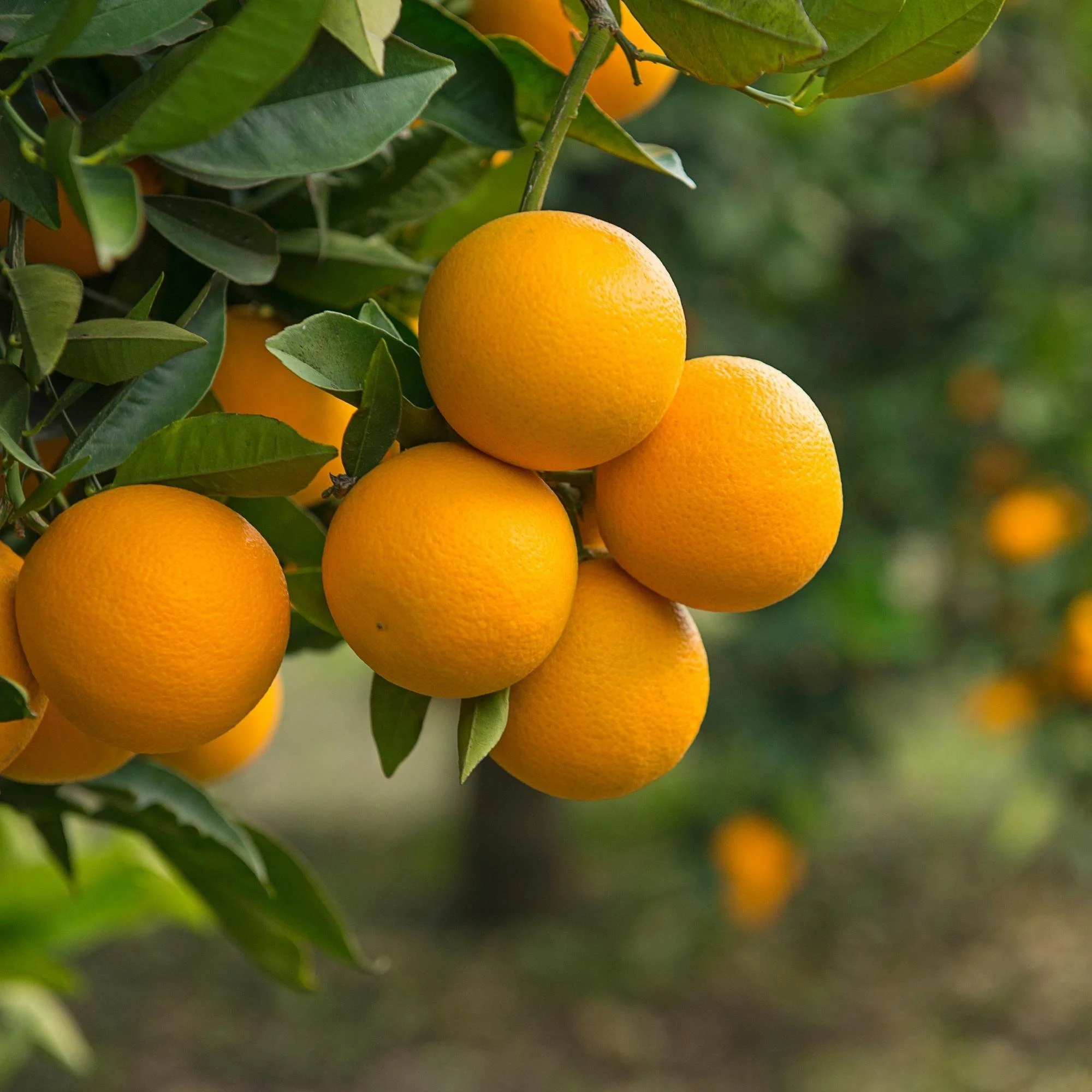
A seedless pink-fleshed navel with sweet flavor; Arizona heat may soften the depth of its interior pigmentation.
View complete guide →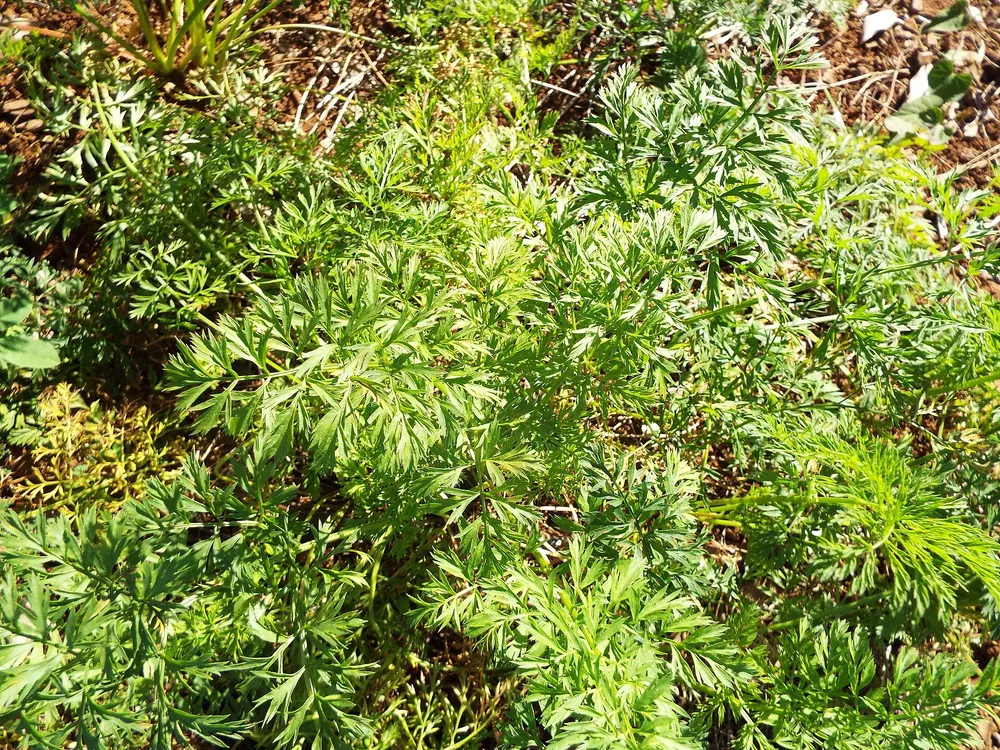
Loose, stone-free soil prevents misshapen roots. Do not transplant; cool winter soil slows germination and sizing.
View complete guide →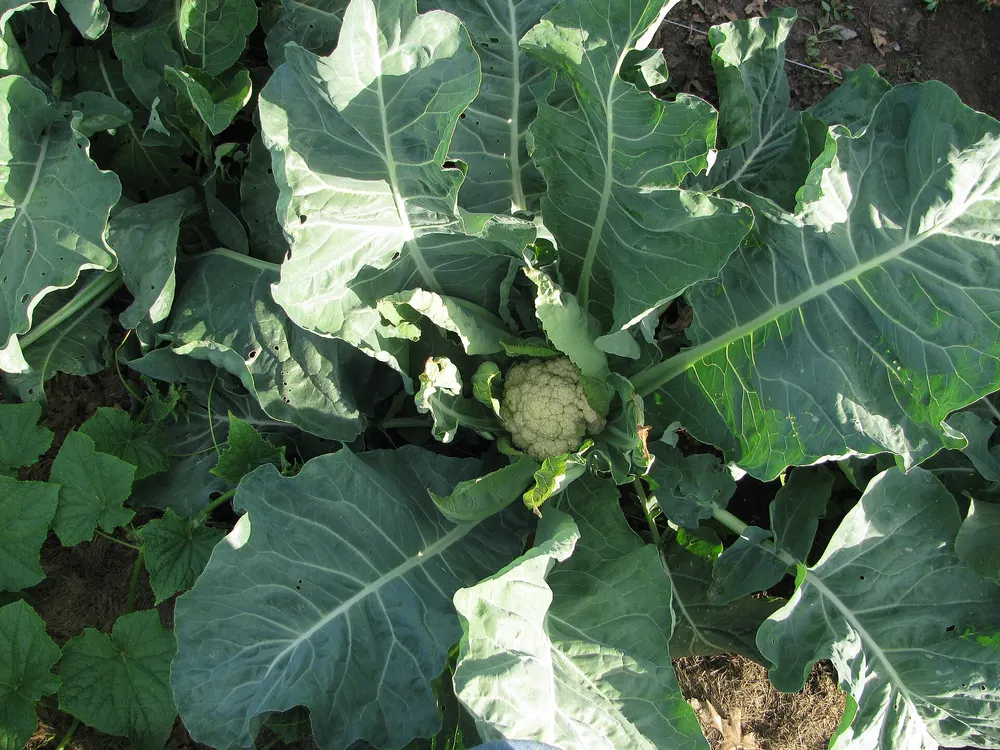
Steady moisture and mild weather help form compact curds. Heat or frost stress can interrupt head quality; blanch white varieties if needed.
View complete guide →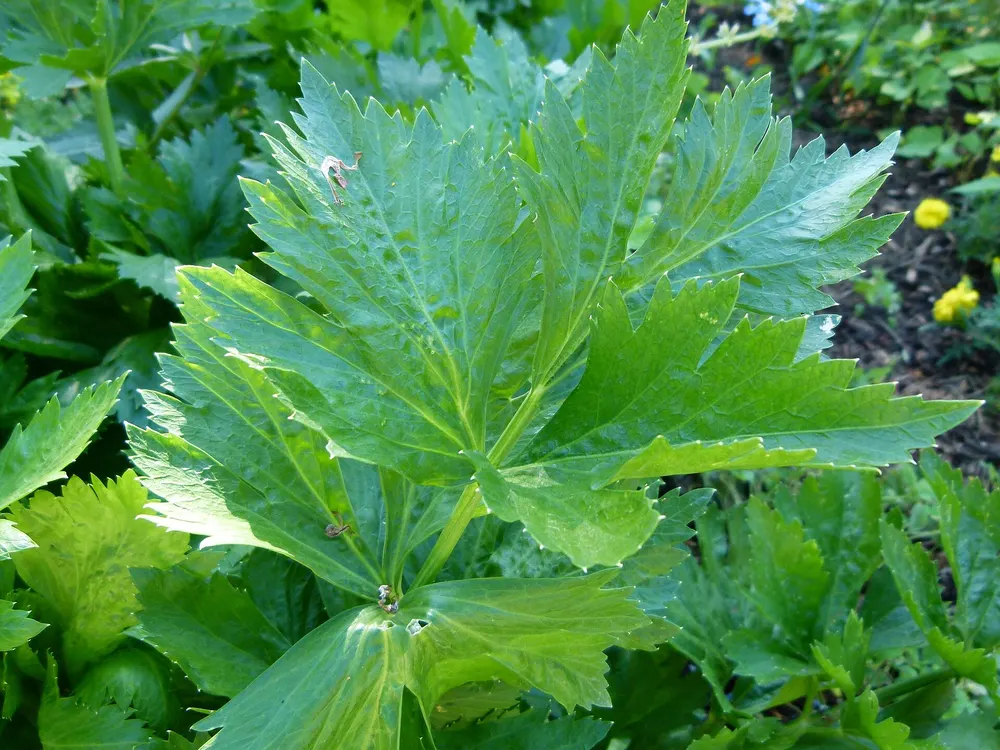
Needs fertile soil and steady moisture; dry spells or heat make stalks stringy and bitter. Fall starts have time to size before spring.
View complete guide →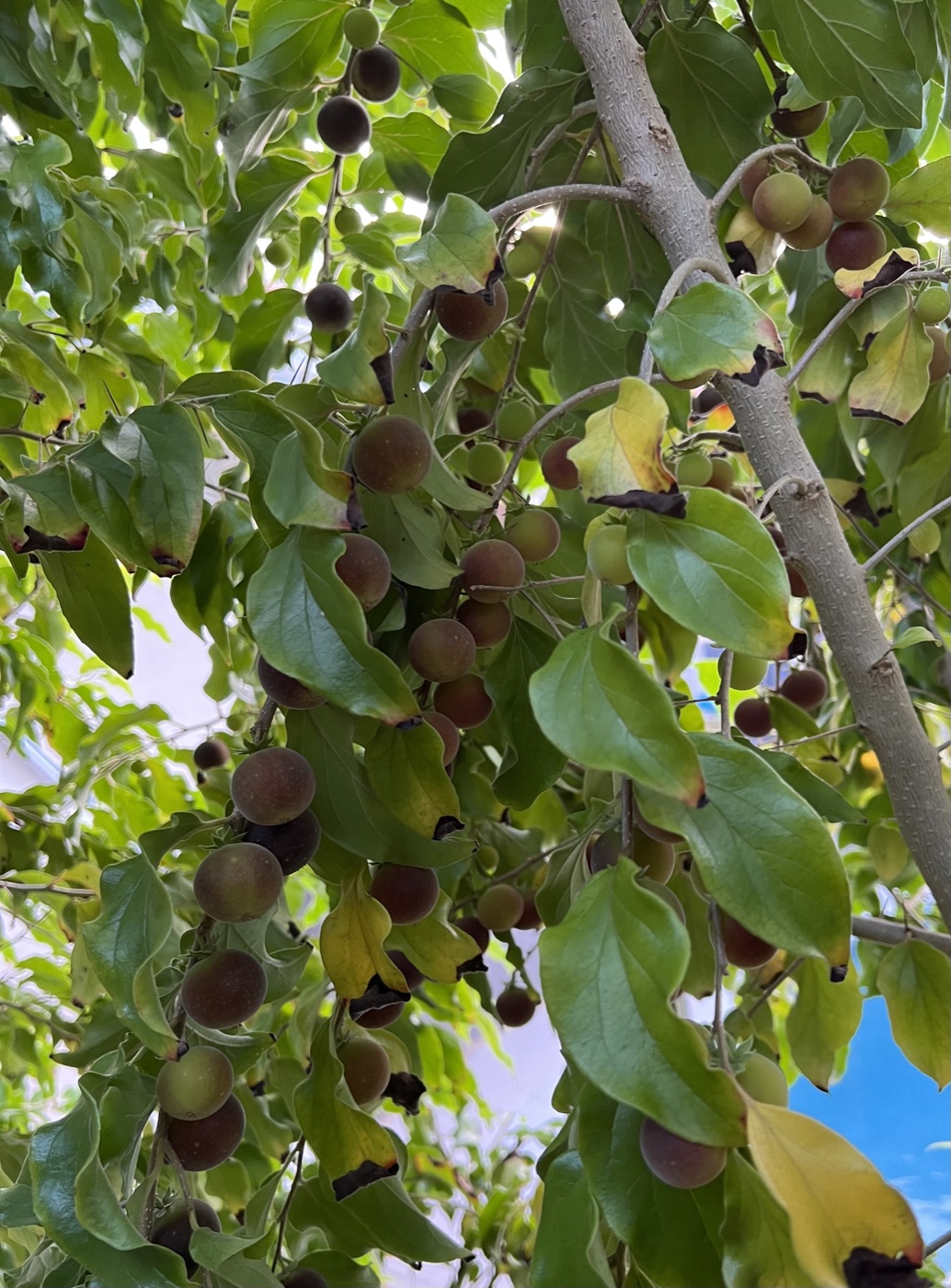
A thorny shrub with velvety maroon fruit that tastes tart and fruity, like a sour plum. Useful as an edible security hedge.
View complete guide →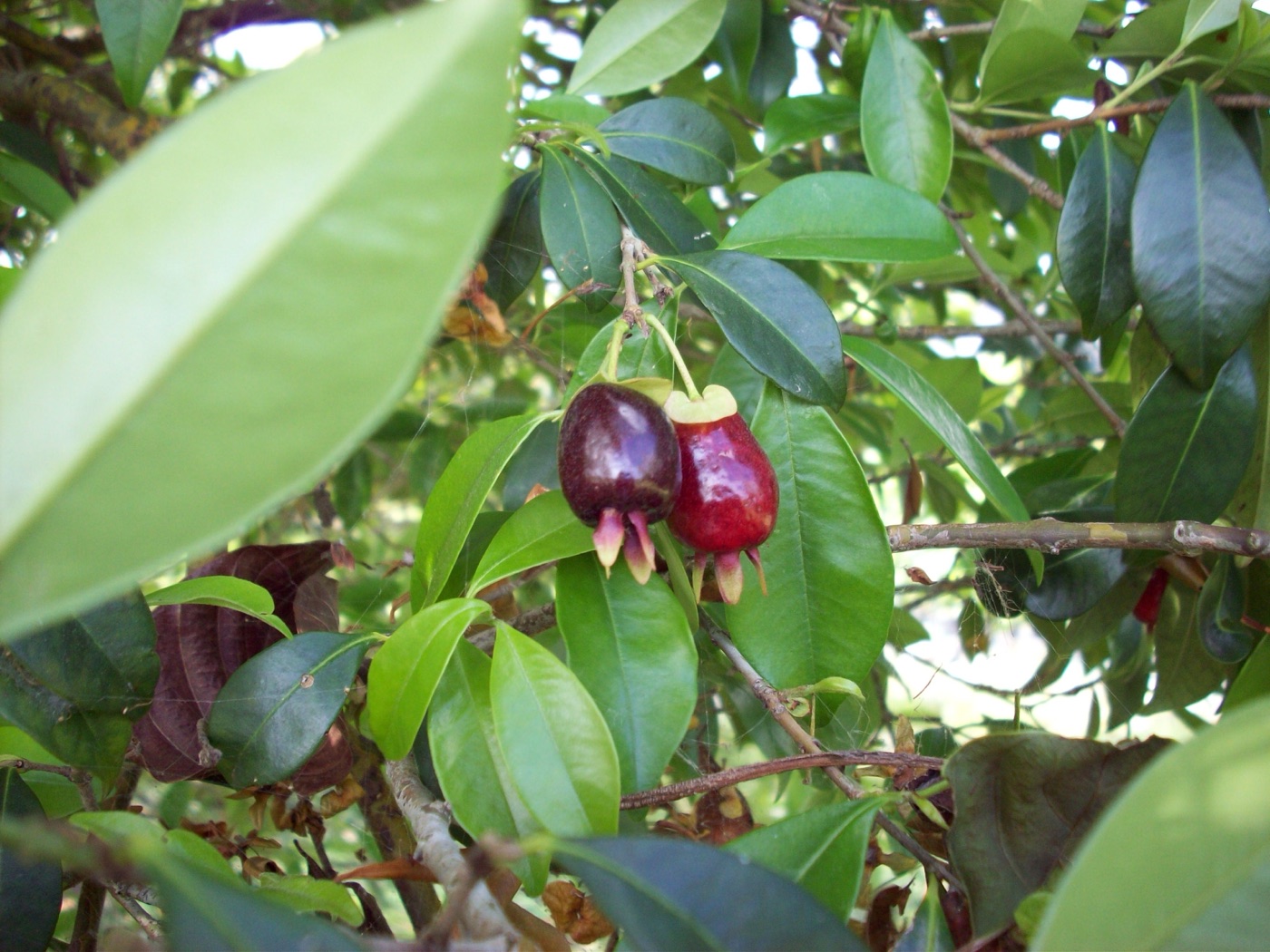
A Brazilian 'tropical cherry' that is actually quite cold hardy. Its dark purple fruit tastes much like a real cherry and ripens in spring.
View complete guide →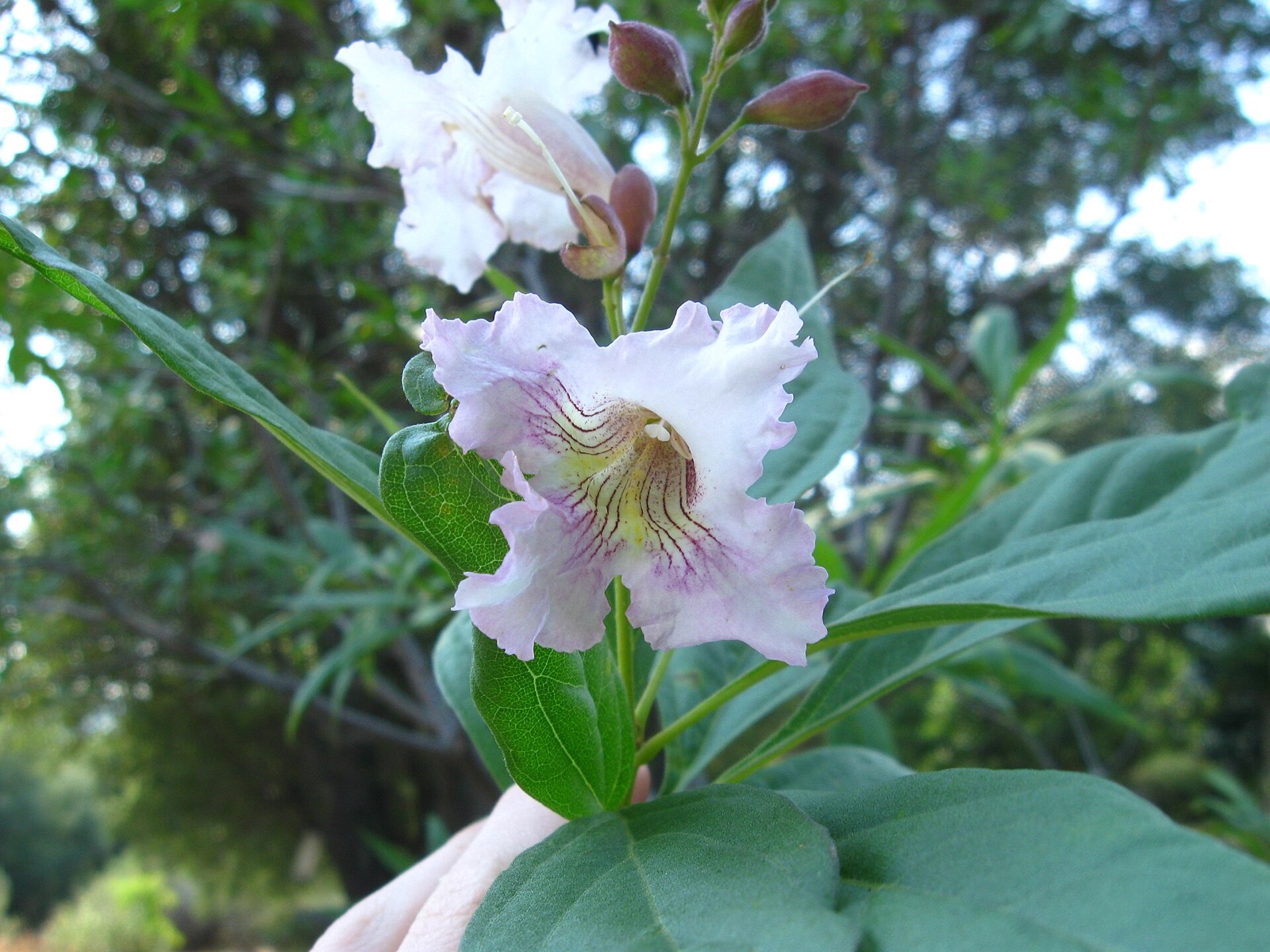
A desert-willow hybrid with a broad flowering canopy; useful where a larger ornamental shade tree is desired.
View complete guide →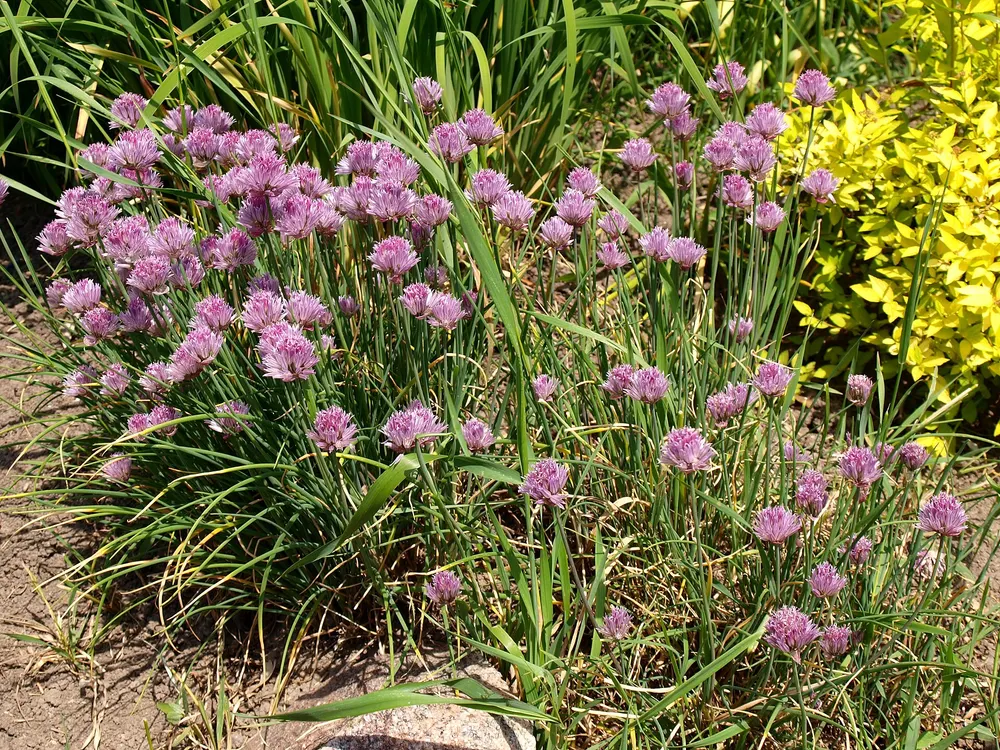
Keep roots mulched and give afternoon shade as the weather warms. Garlic chives are a distinct species but share this cool-season herb role.
View complete guide →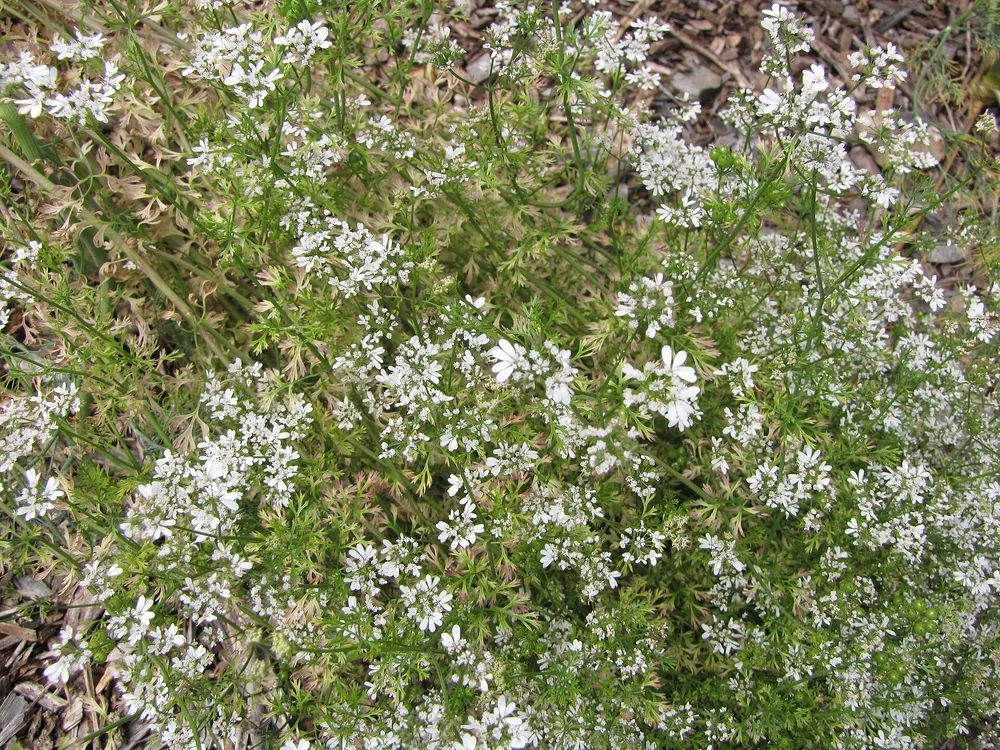
Leaf cilantro and dried coriander seed are harvests of one species. Bolts rapidly in warm spells; keep it in a cool, sunny winter bed.
View complete guide →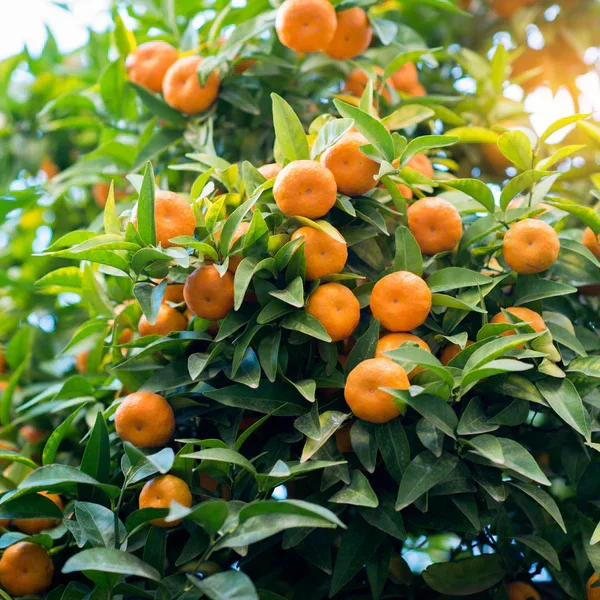
An early, easy-peeling mandarin whose crop size and seed count both rise when compatible citrus bloom nearby.
View complete guide →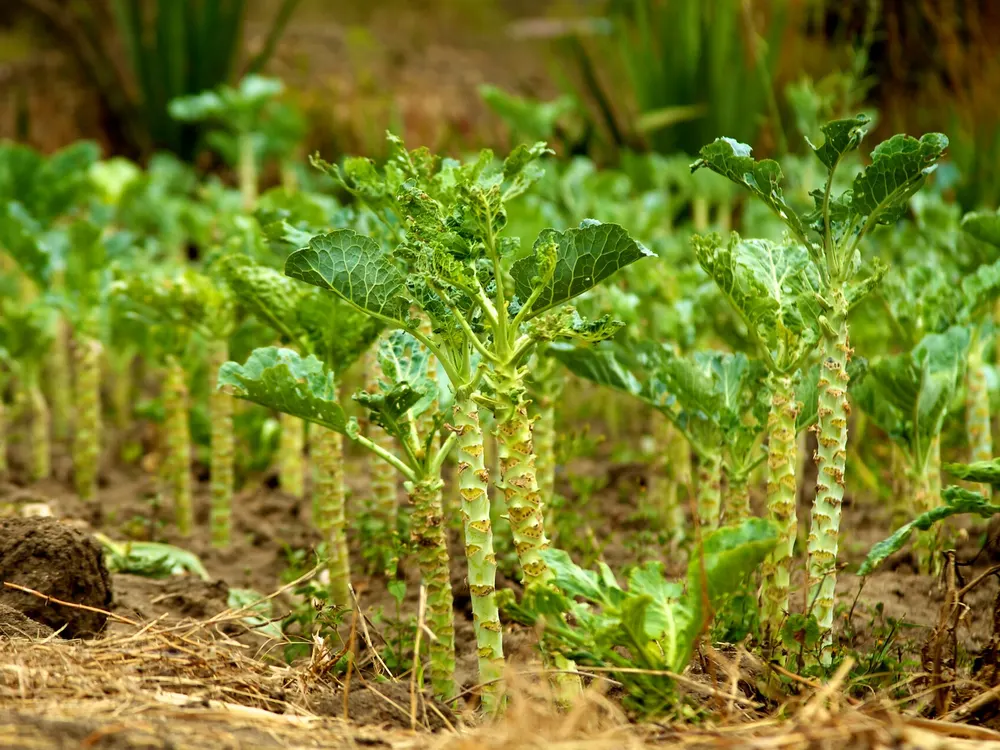
A leafy brassica with a long harvest period; take older leaves from below and leave the center growing.
View complete guide →A heat-tolerant light-skinned fig with mild, sweet flesh that performs well for both fresh eating and drying.
View complete guide →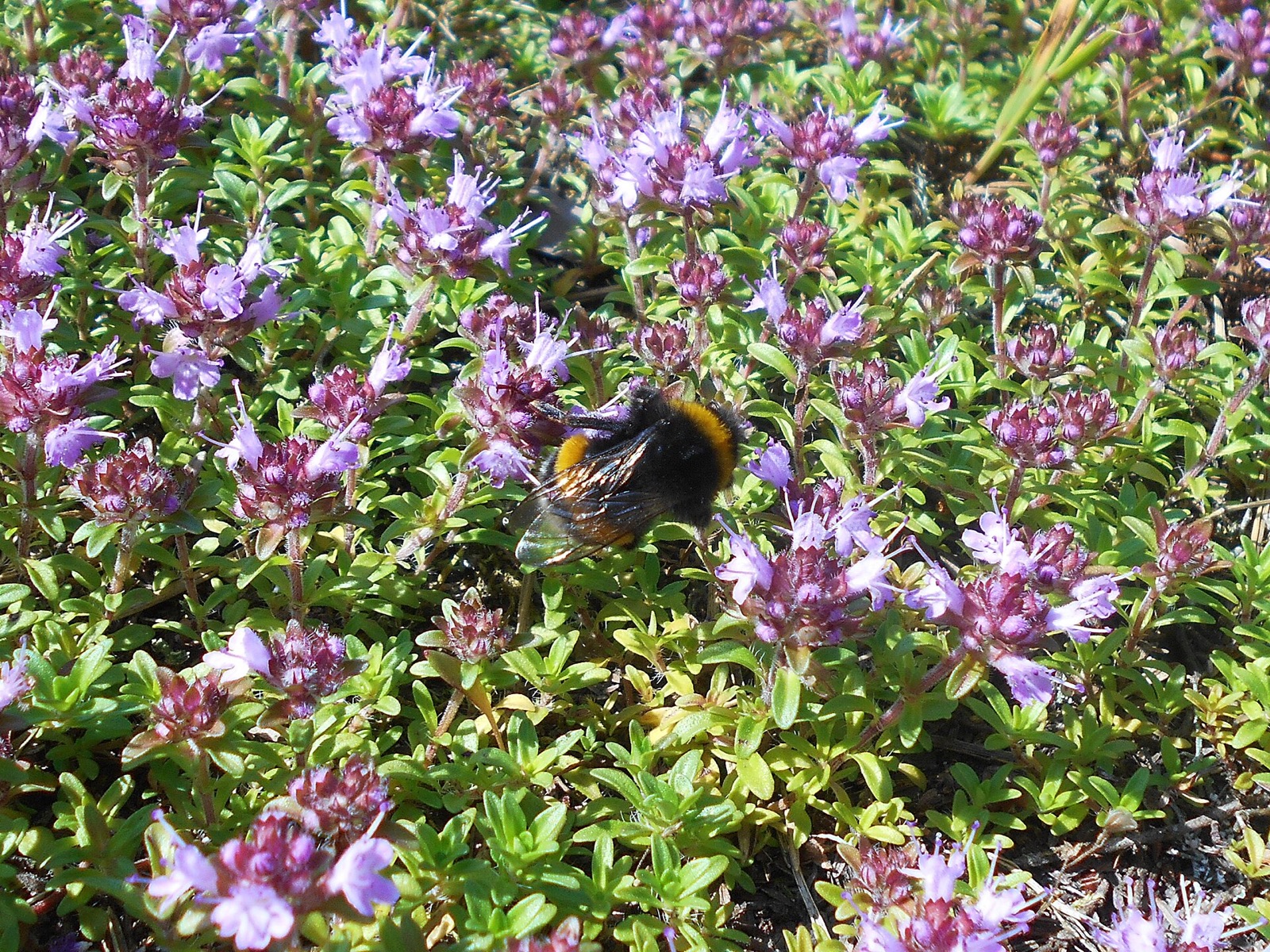
A low, fragrant mat for stepping-stone joints and cool garden edges, best where desert heat is moderated by elevation or afternoon shade.
View complete guide →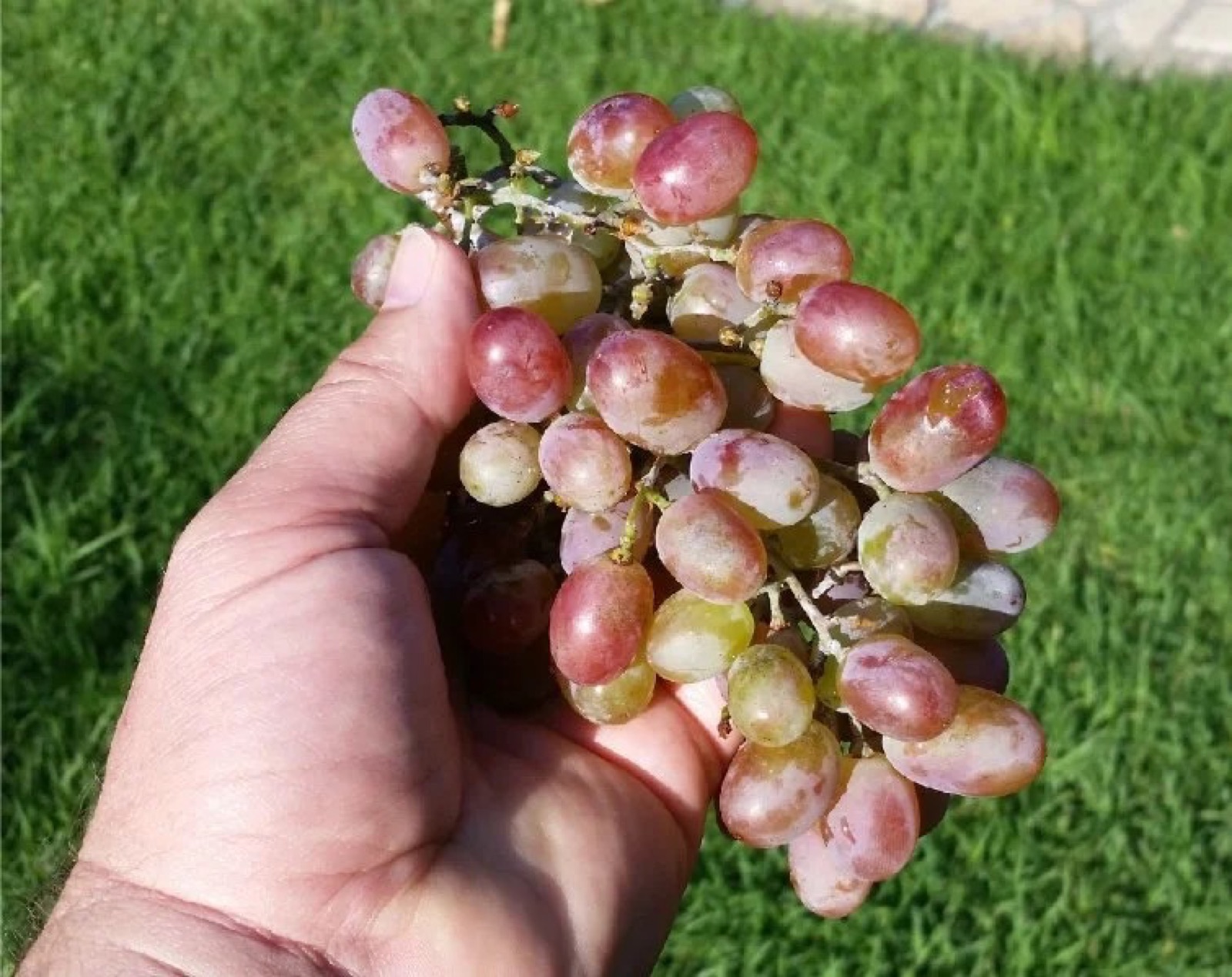
A popular red seedless table grape with firm texture and sweet-tart flavor, especially useful where a productive summer canopy can shade an arbor.
View complete guide →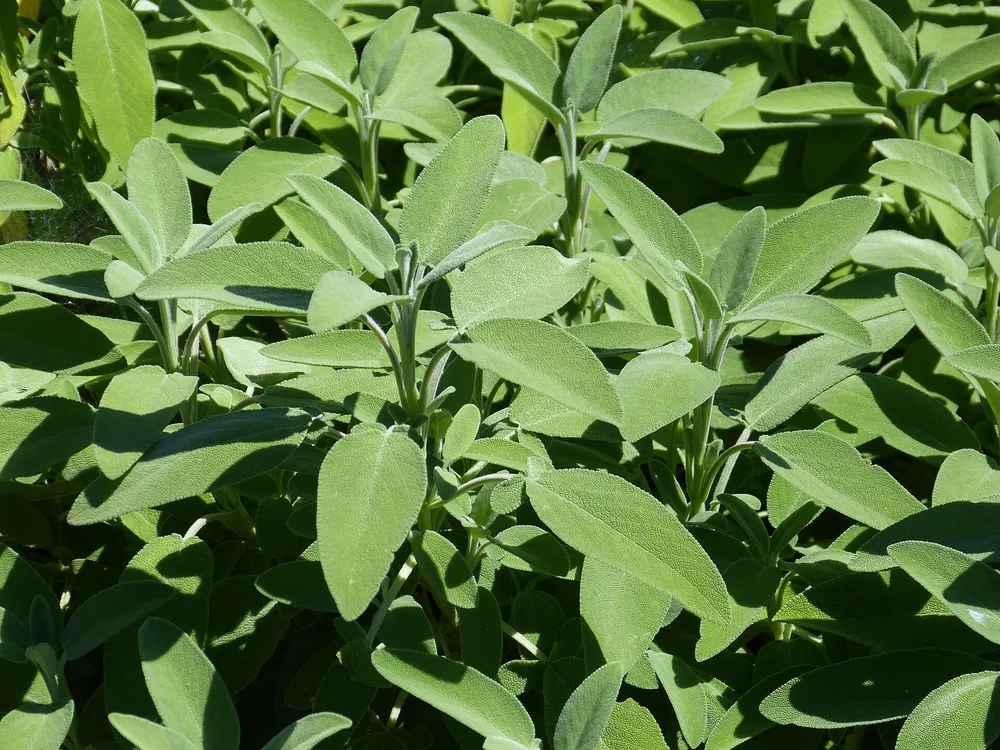
This is the edible kitchen sage, not the catalog's ornamental Texas sage. Use excellent drainage and afternoon shade as summer approaches.
View complete guide →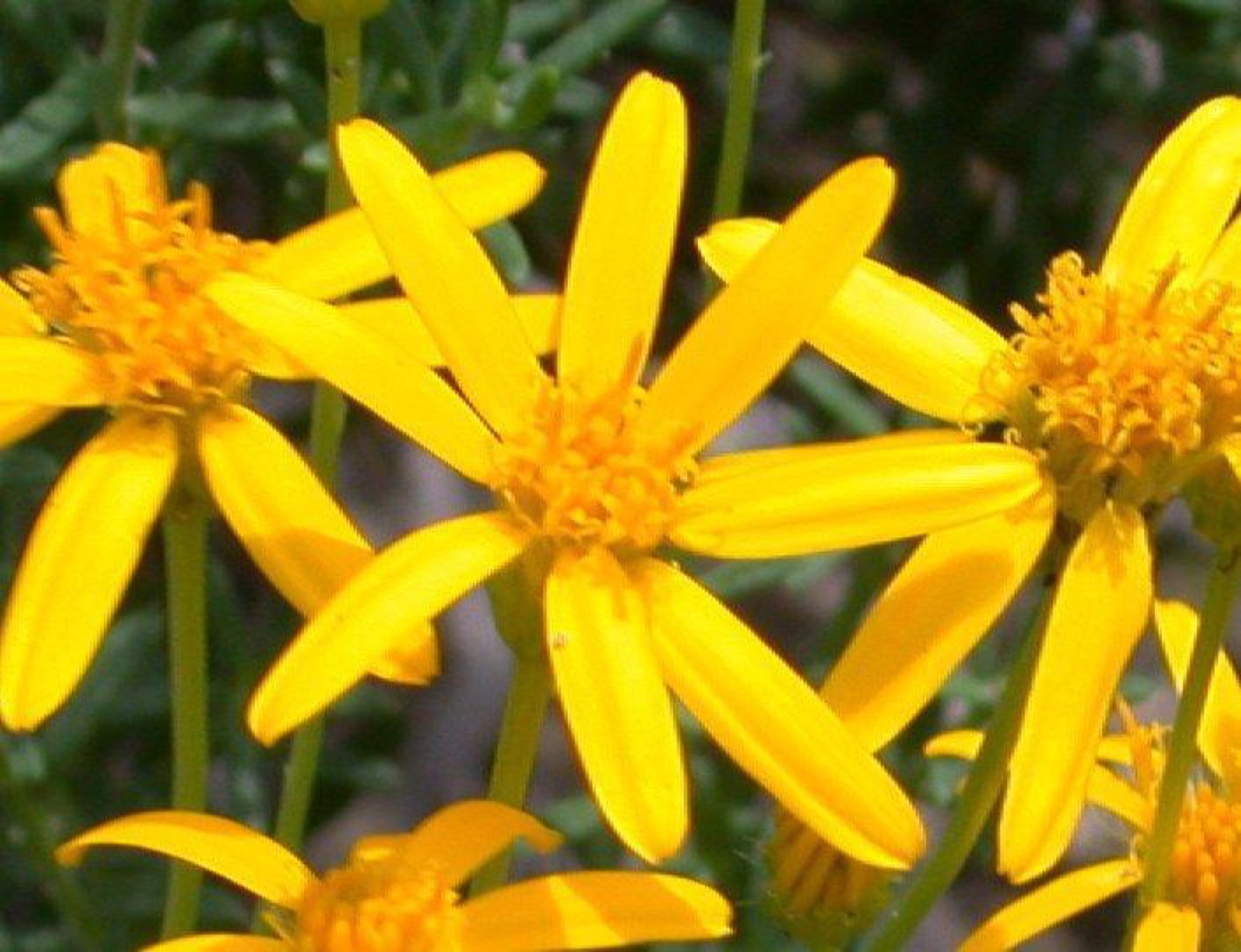
A compact, aromatic mound covered in yellow daisies, widely used in Southwestern specialty landscapes for strong color with little water.
View complete guide →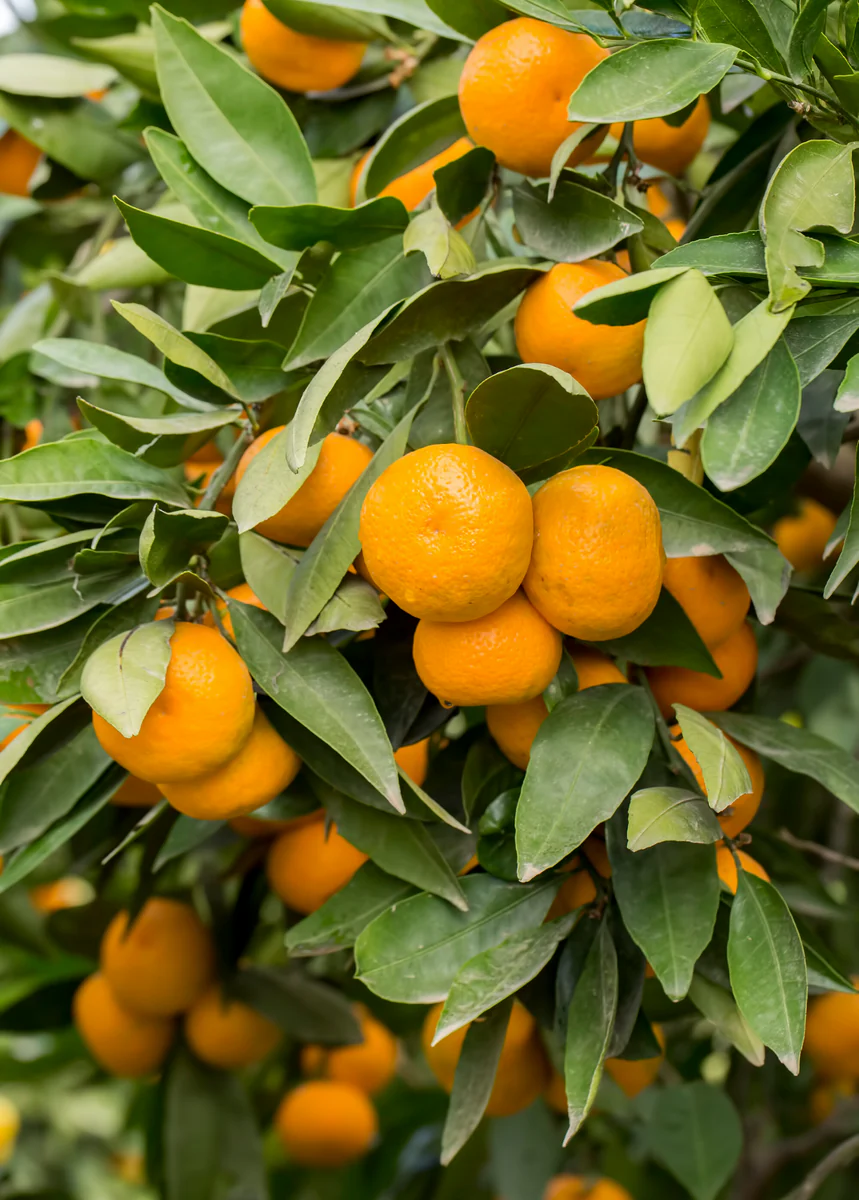
A richly flavored winter tangerine with easy-peeling fruit and a tendency to alternate between heavy and light crops.
View complete guide →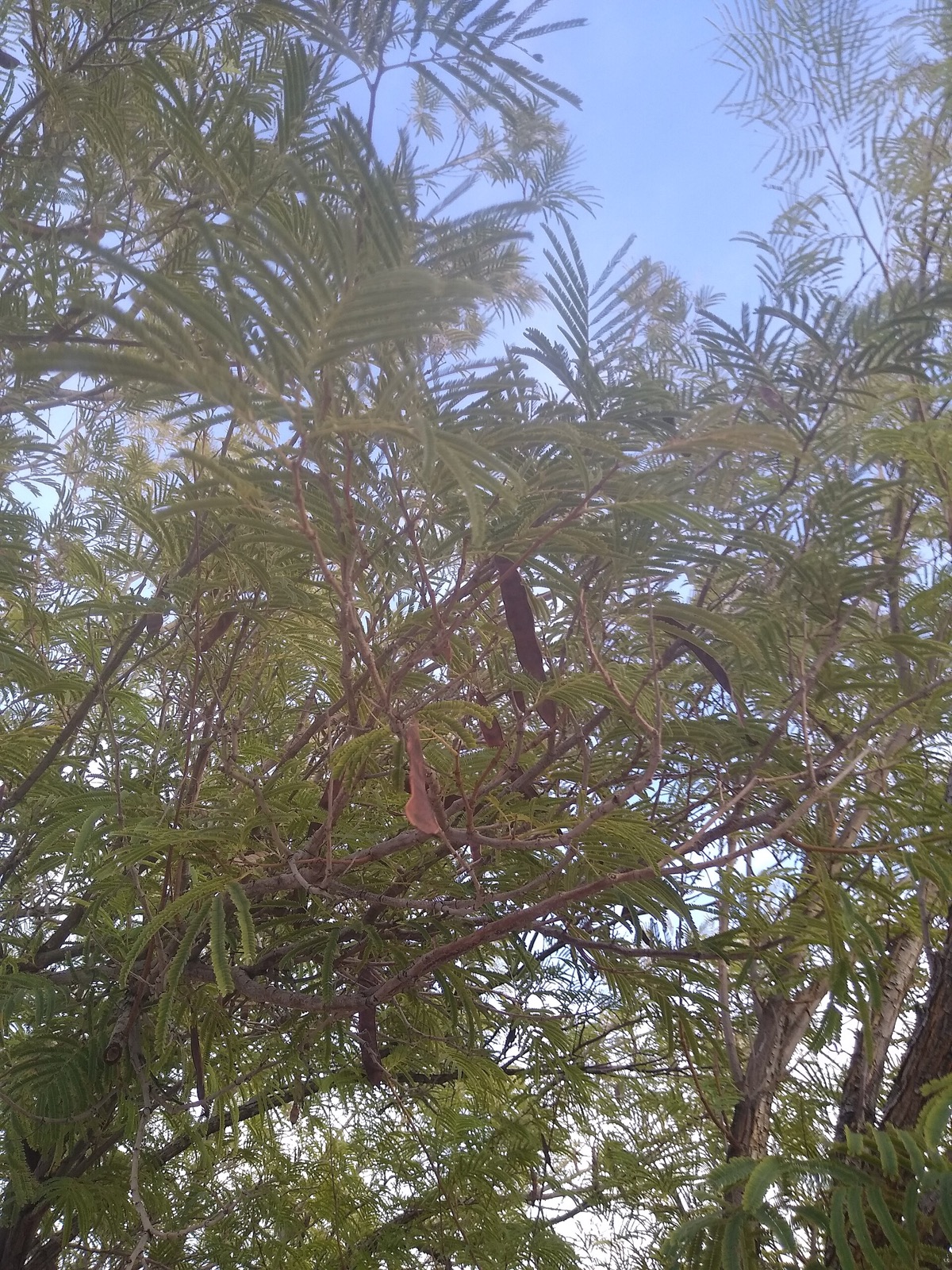
Fast-growing, fine-textured native canopy tree that creates filtered shade without thorns; protect young trees in colder Valley pockets.
View complete guide →A very early, heavy-bearing low-chill peach whose tree-ripened yellow fruit develops good sweetness before the worst summer heat.
View complete guide →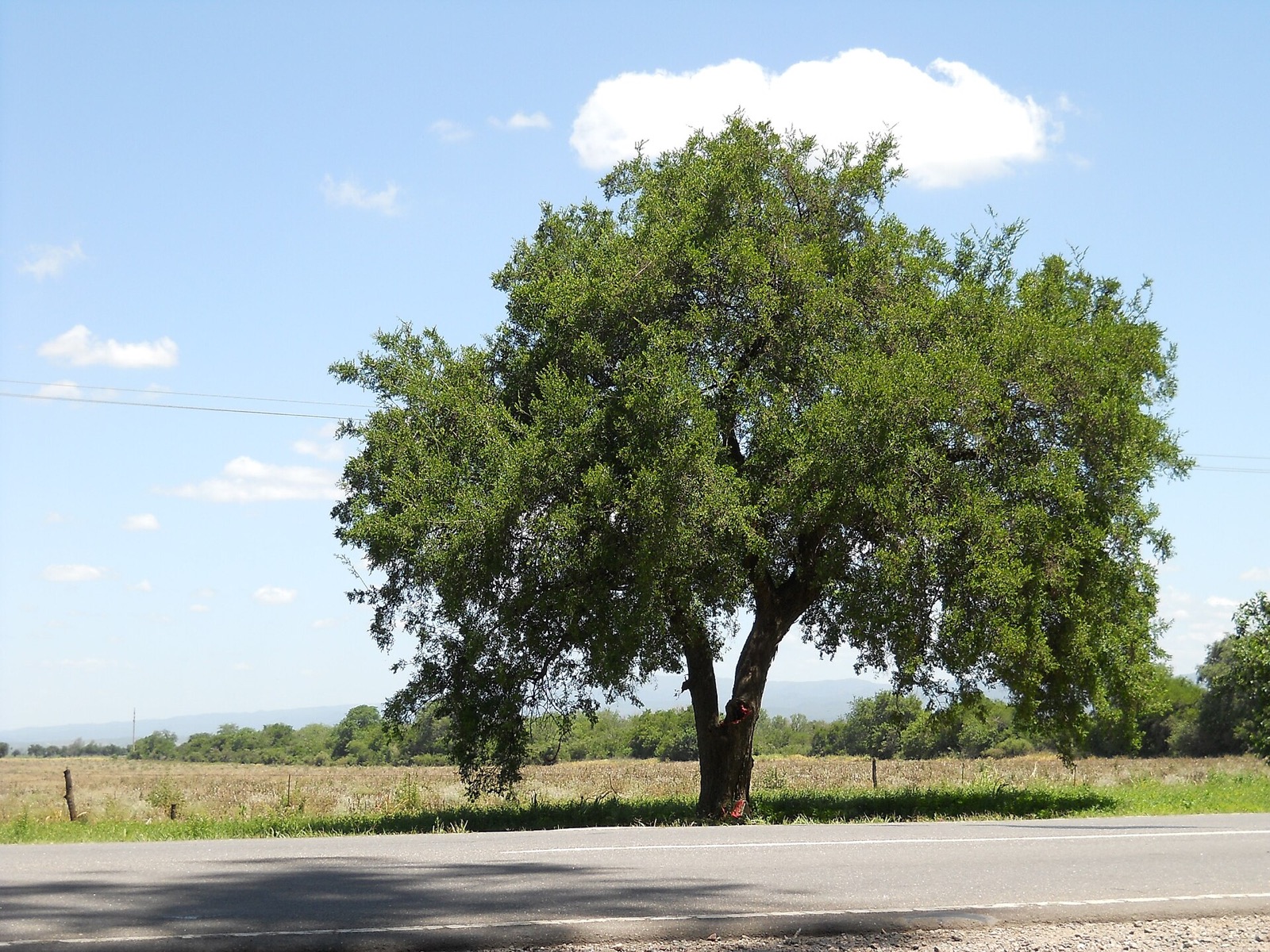
Dense, thorny native that works as a low-canopy tree, understory thicket, or living hedge while its orange berries and protected branching feed and shelter desert wildlife.
View complete guide →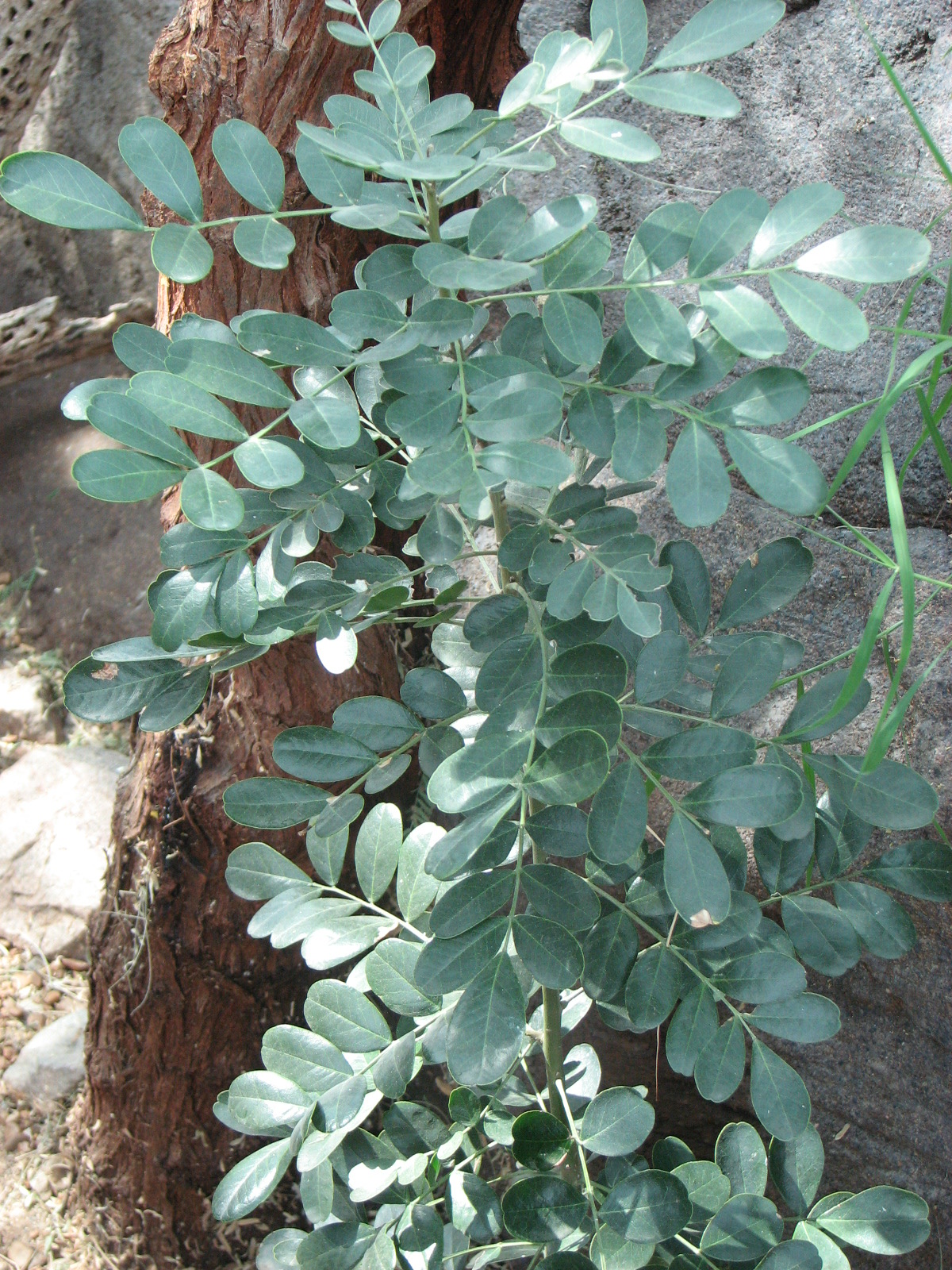
Long-lived keystone tree that shelters wildlife and creates a protected understory microclimate.
View complete guide →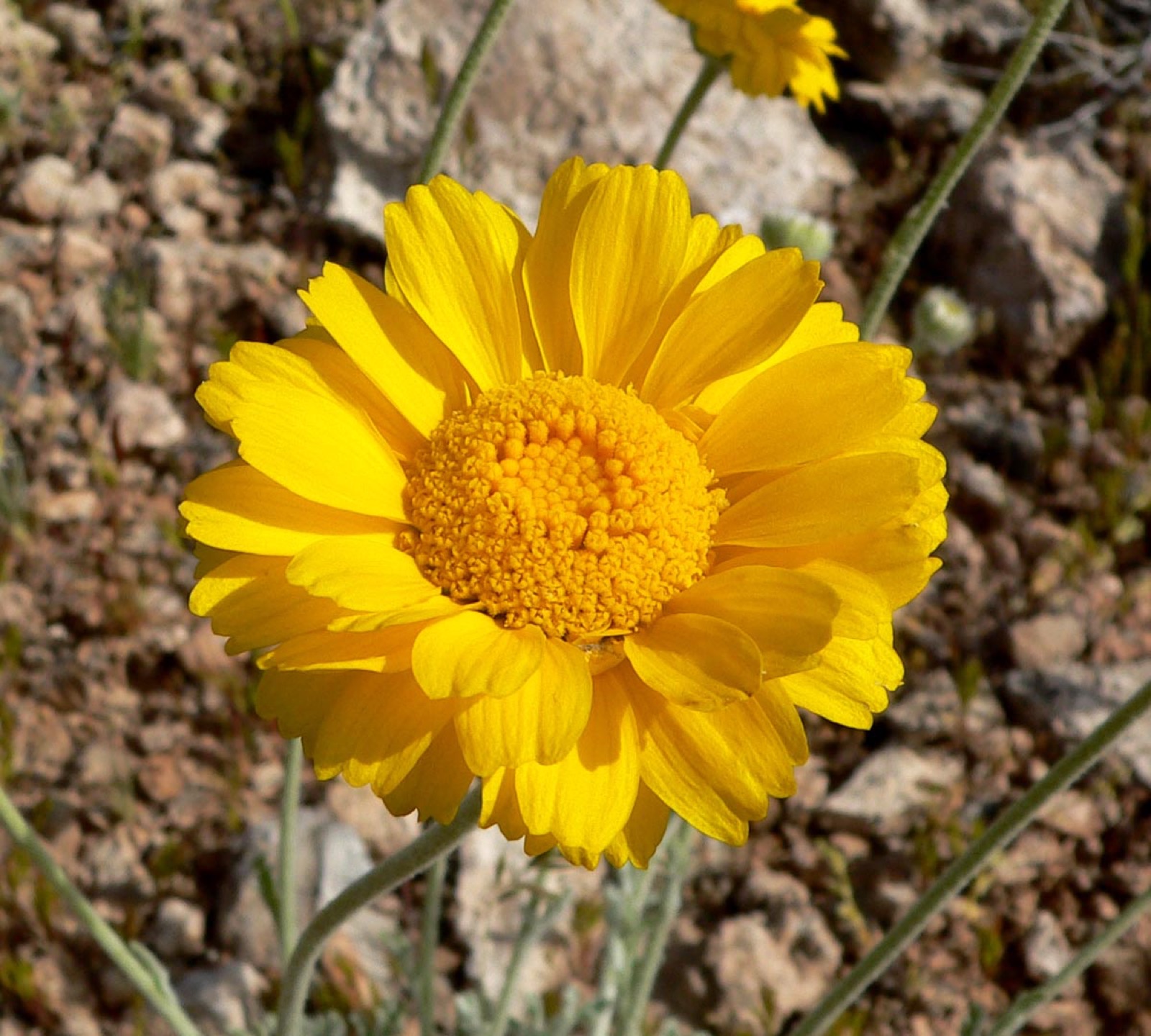
A silver-leaved Sonoran native that sends up bright yellow flowers through much of the year and readily fills sunny, open ground.
View complete guide →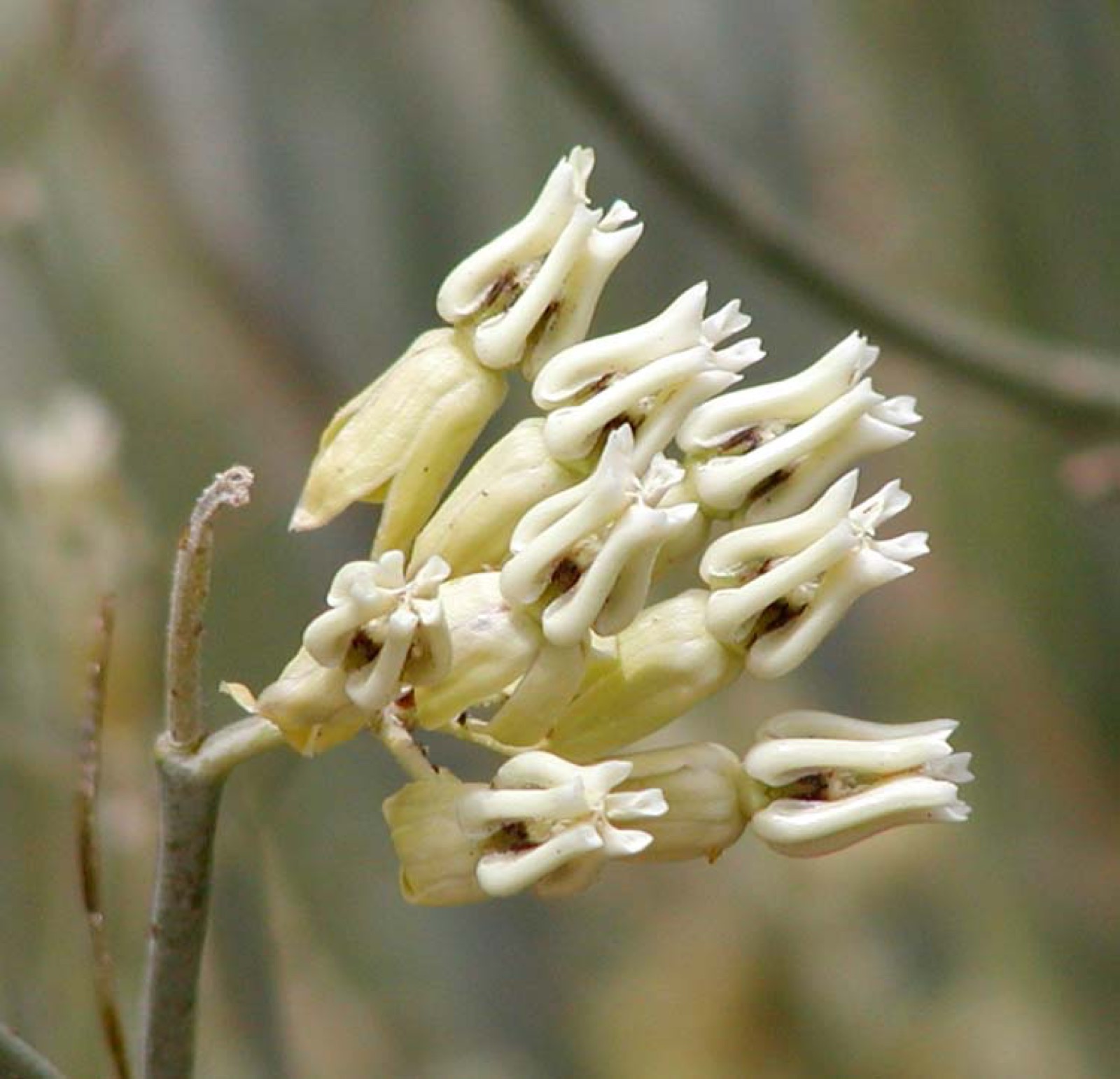
Leafless blue-green stems host monarch and queen butterflies and thrive in hot, open desert exposure.
View complete guide →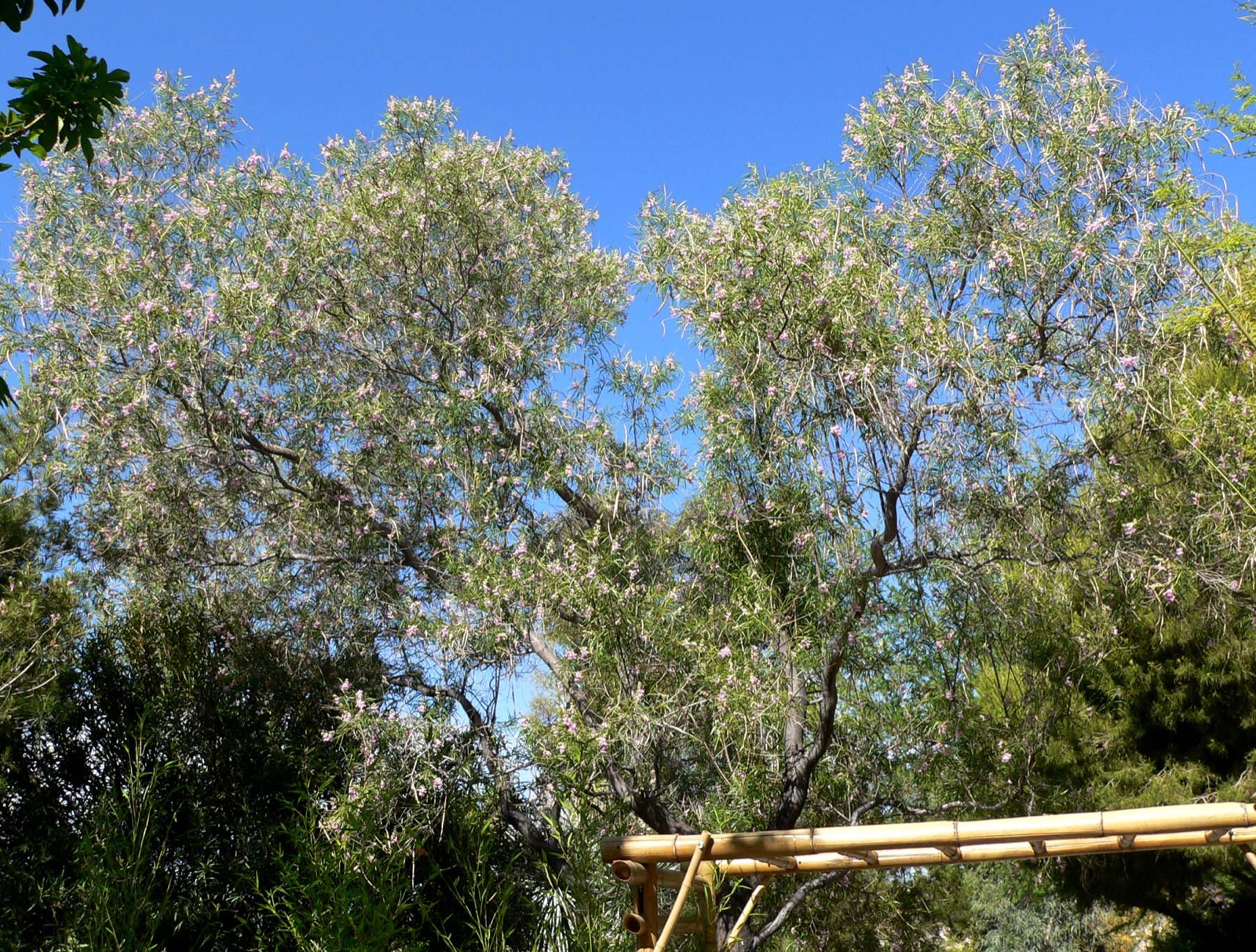
Showy spring-to-summer flowers on a small native tree suited to washes, basins, and reflected heat.
View complete guide →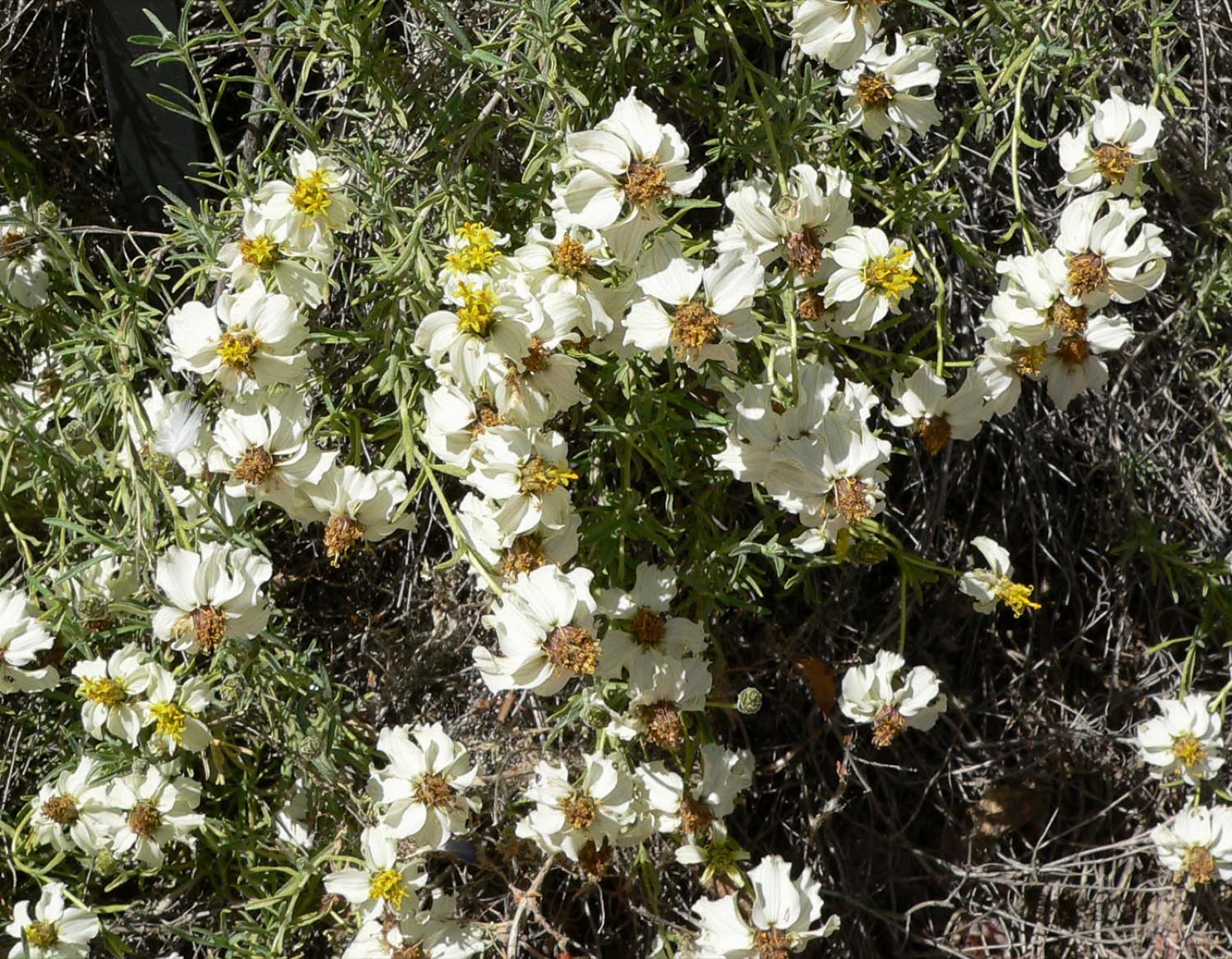
A fine-textured native mound with crisp white flowers for exposed rock gardens, desert edges, and lean soils.
View complete guide →
A soft, low carpet of round green leaves that takes light foot traffic and more shade than turf. It wants regular water in the desert summer, so it suits small shaded lawns and paths rather than open sun.
View complete guide →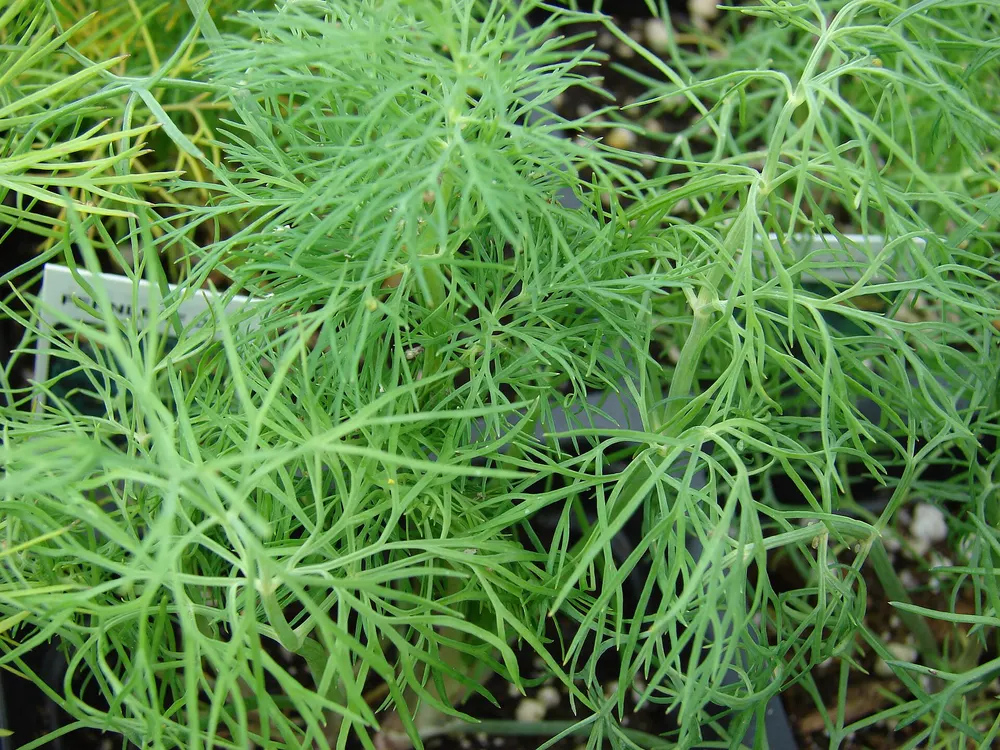
Grow for leaves or allow umbels to make dill seed. Heat and long days end the leaf harvest quickly.
View complete guide →A productive Arizona-origin sweet orange chosen primarily for abundant, richly flavored juice in the Salt River Valley.
View complete guide →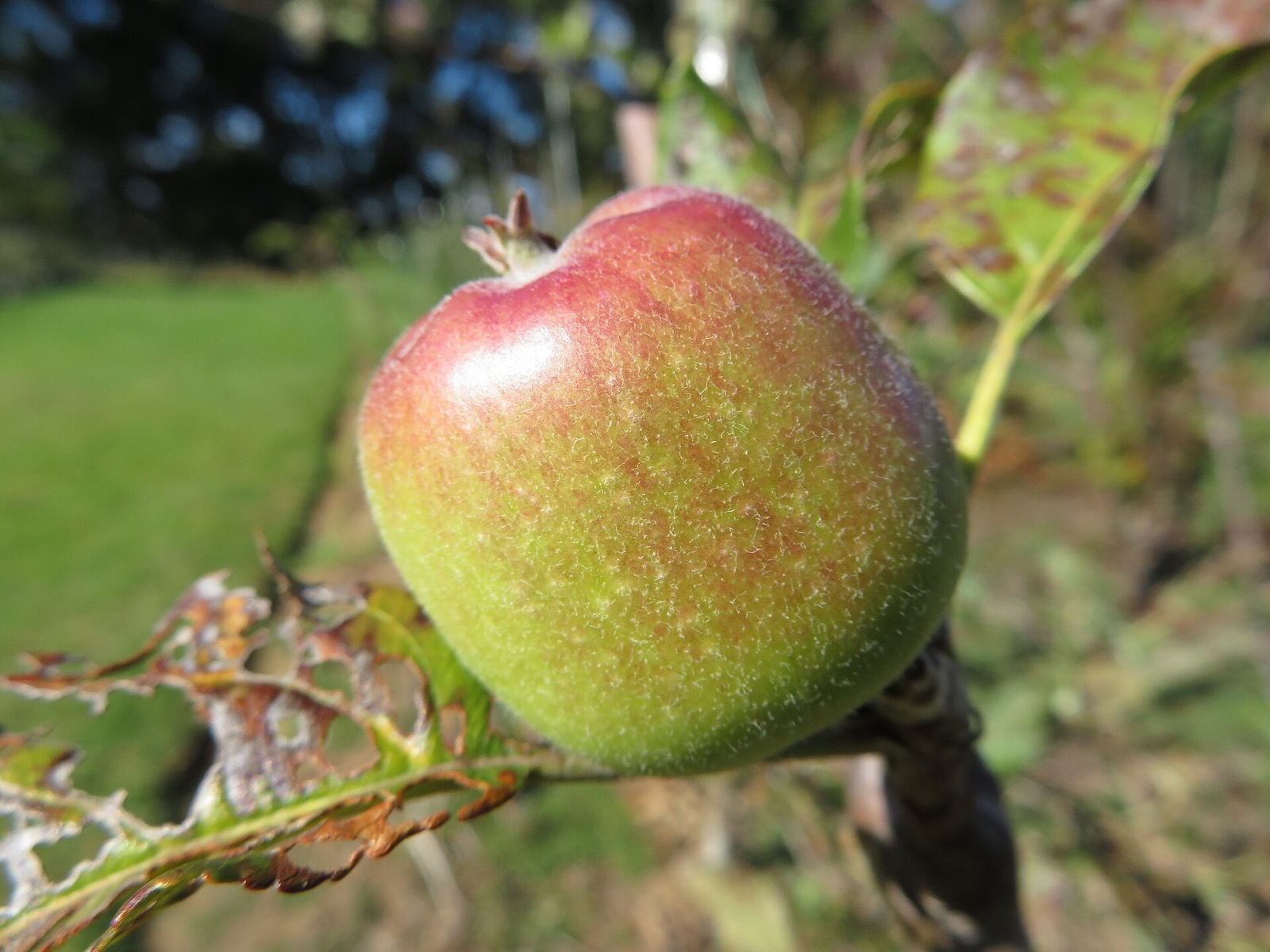
A low-chill yellow apple for warm-winter gardens and one of the standard pollination partners for Anna.
View complete guide →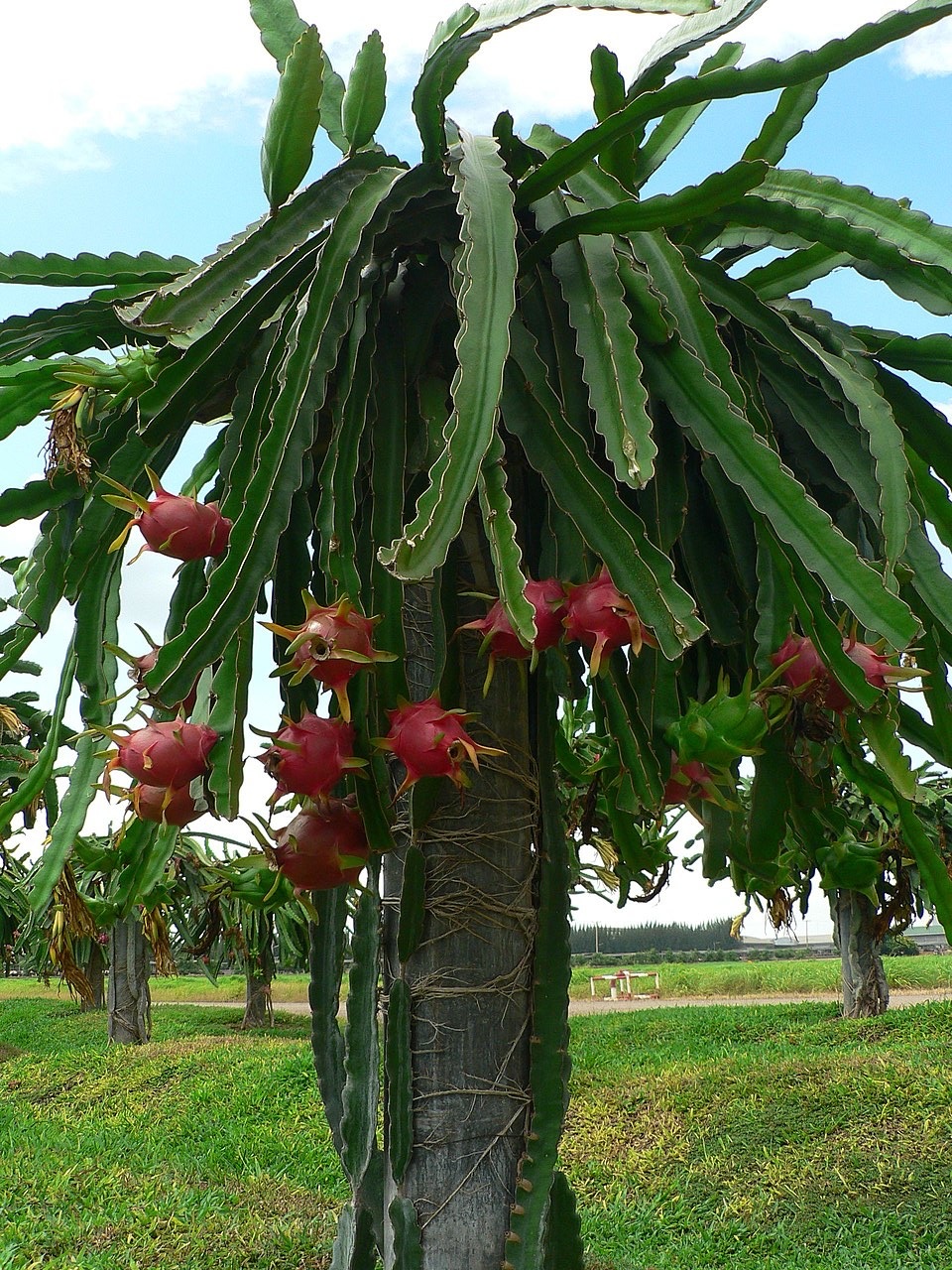
A climbing cactus with huge white night flowers and bright fruit. It grows well in Phoenix on a sturdy post if shaded from the harshest summer sun.
View complete guide →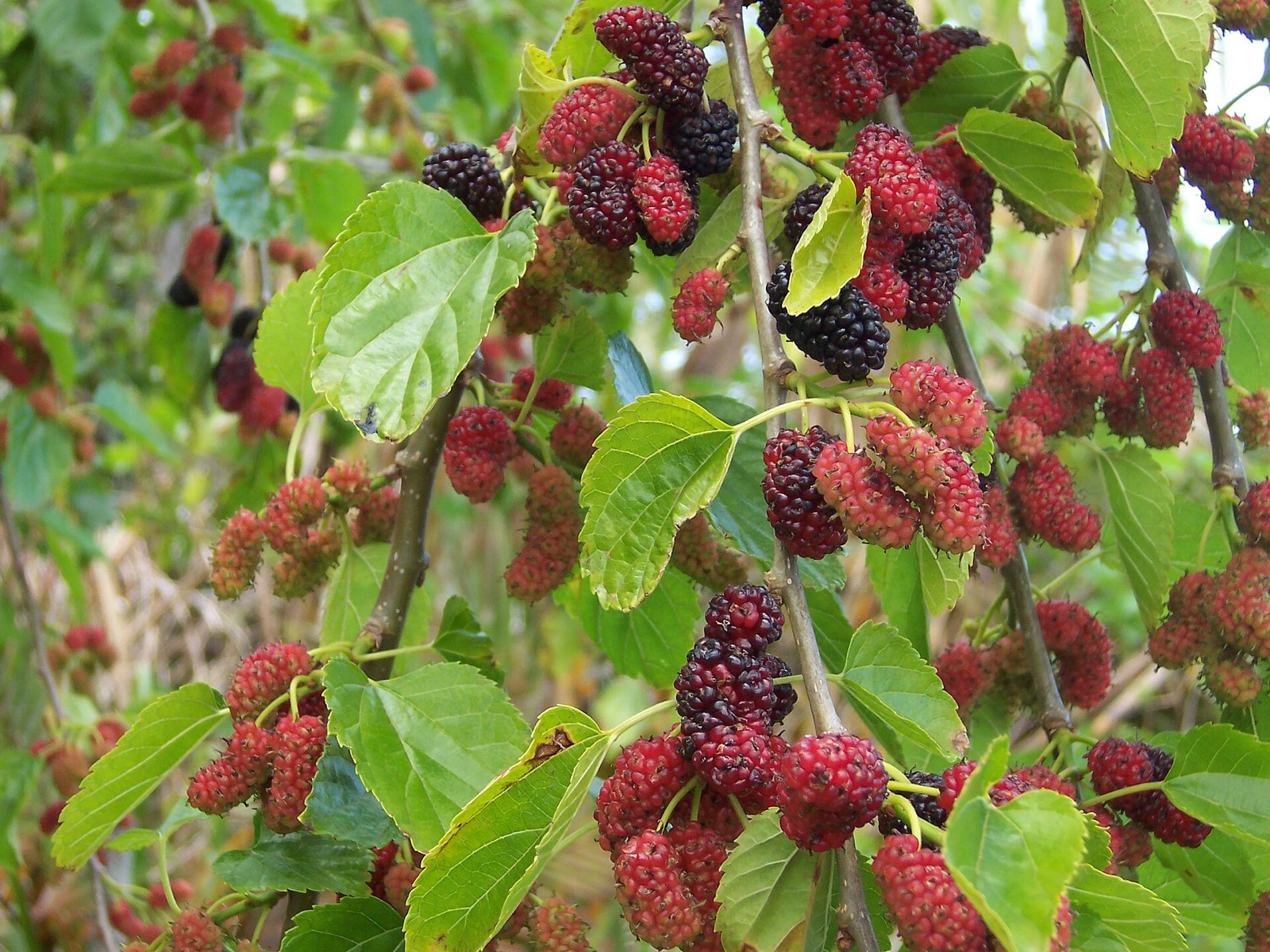
A smaller fruiting mulberry with a long harvest window, useful where growers want berries without the full scale of a Pakistan mulberry.
View complete guide →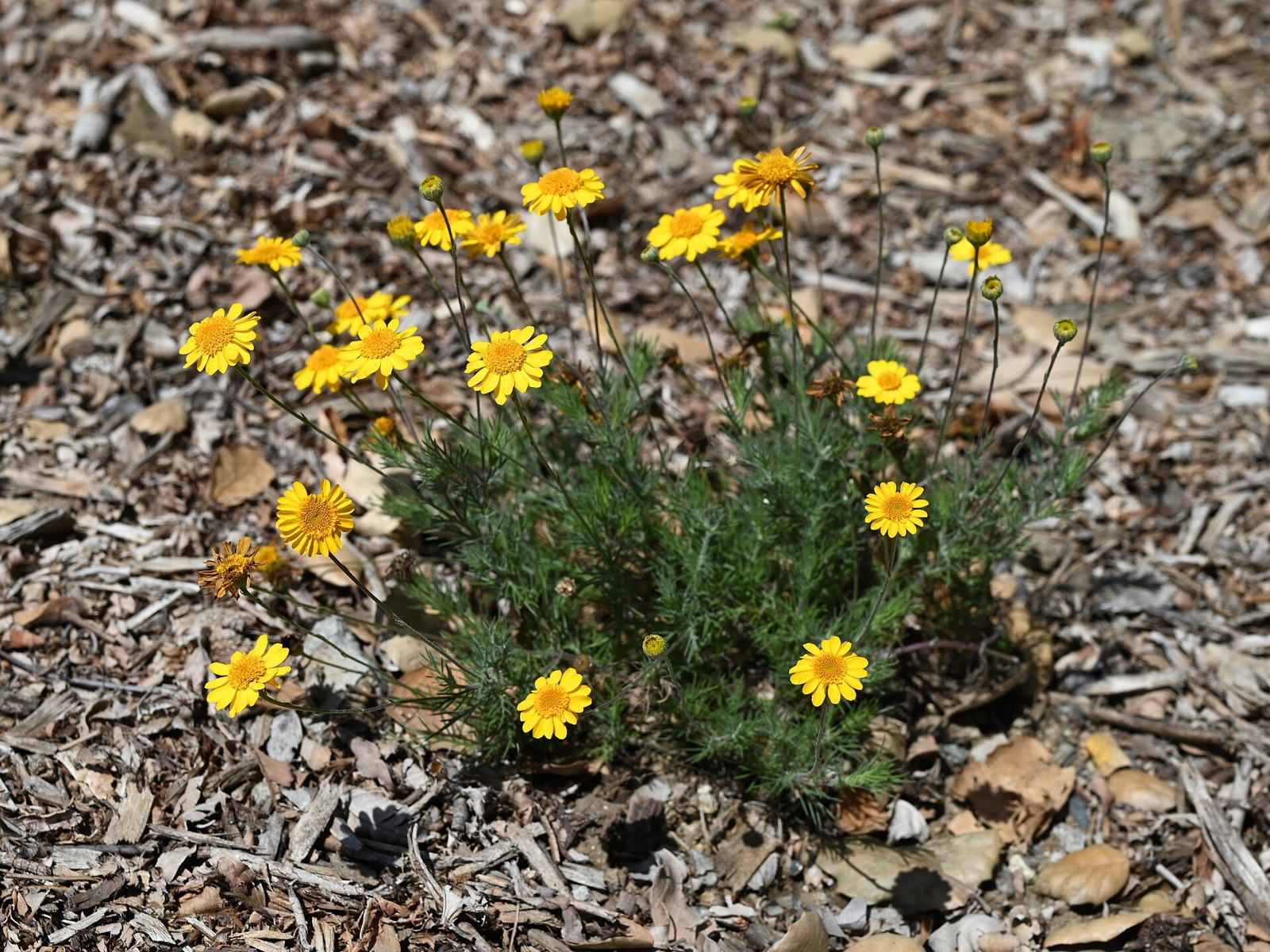
A tiny, aromatic desert perennial that makes bright yellow daisies through warm weather and fits naturally between rocks and larger natives.
View complete guide →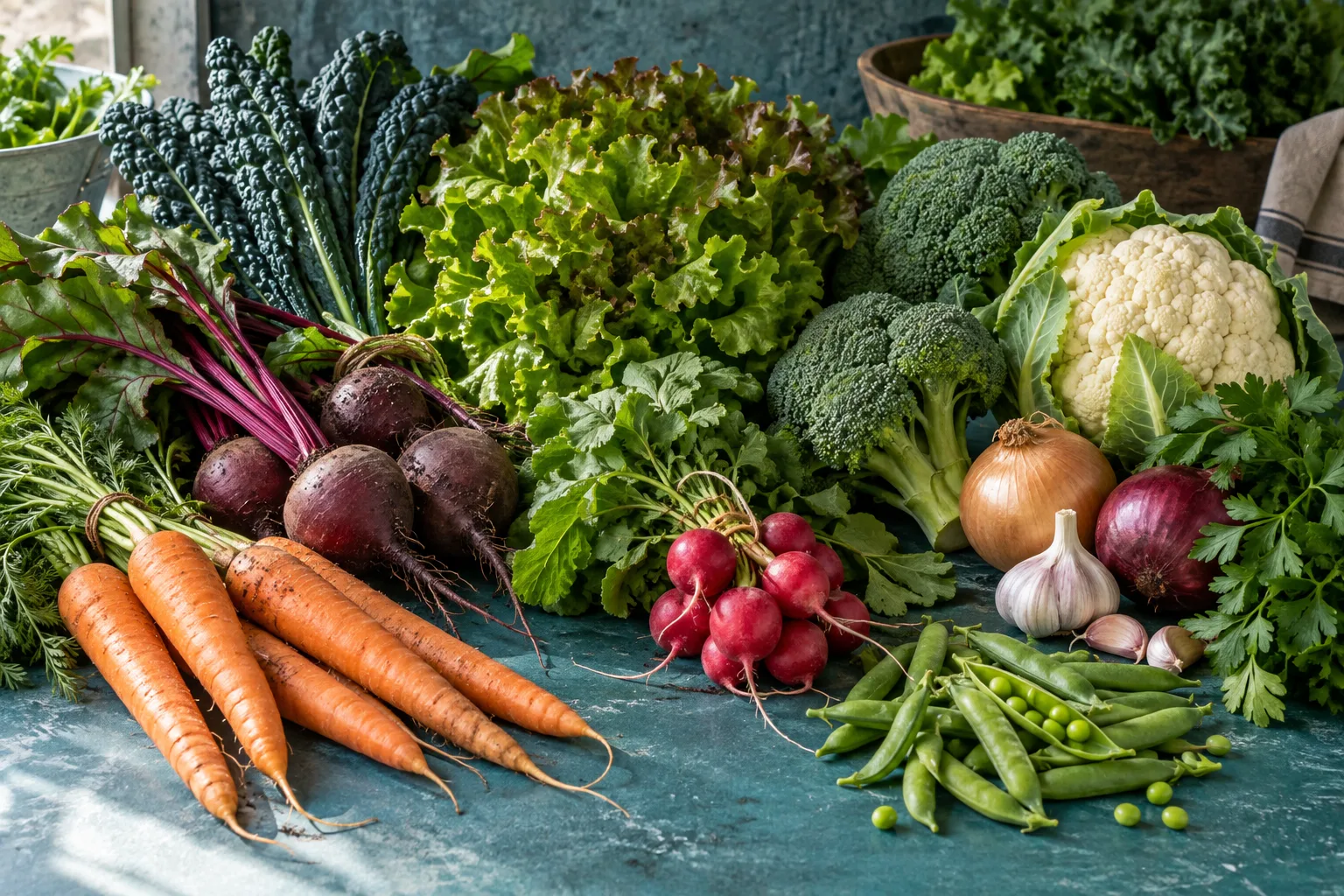
Curly endive and broad-leaf escarole are forms of the same crop. Harvest before hot weather makes leaves more bitter.
View complete guide →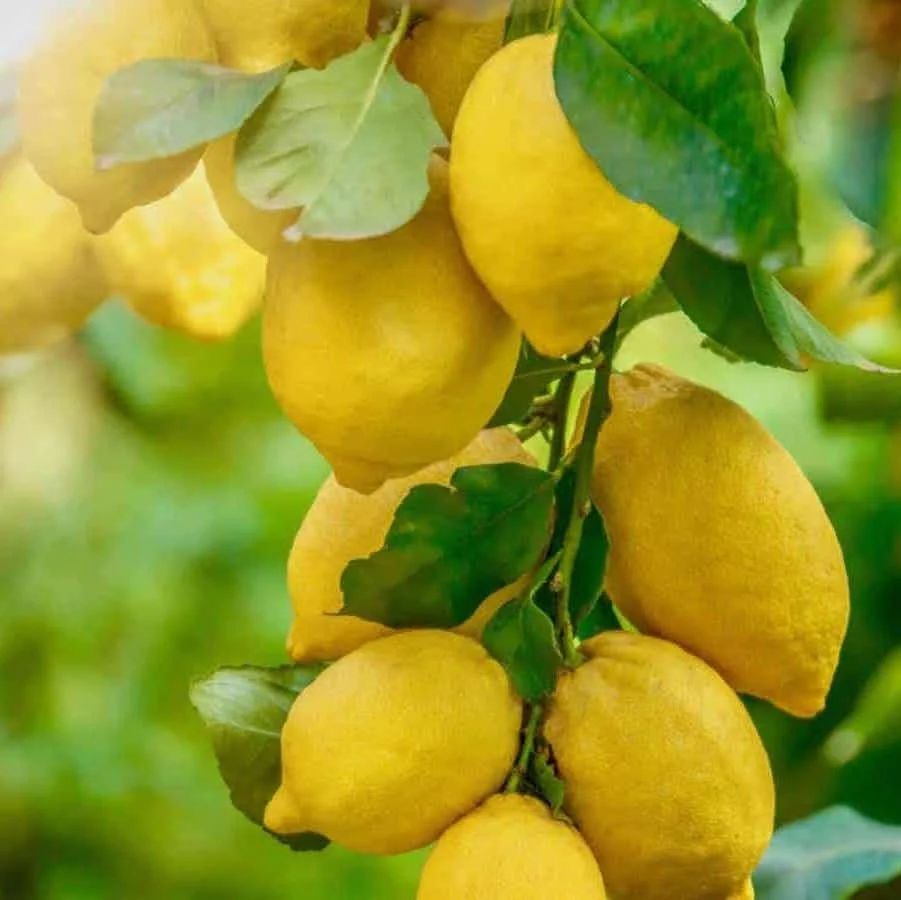
A thornless, productive true lemon with ridged fruit and a rougher rind; it needs one of the warmer, better-protected citrus sites.
View complete guide →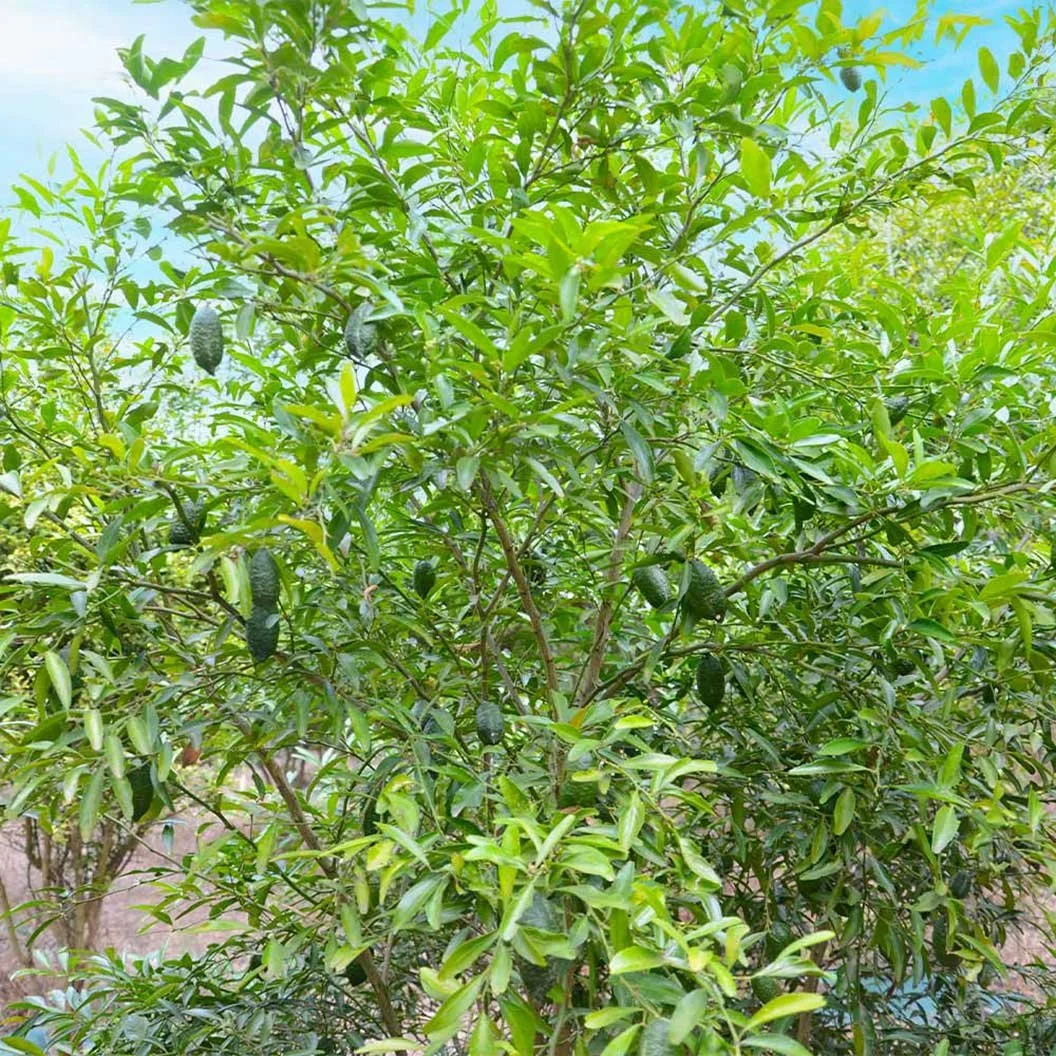
A kumquat–lime hybrid combining tart lime-like juice with a small tree and somewhat better cold tolerance than true limes.
View complete guide →A fine-flavored yellow freestone peach with very low chilling needs and an early May harvest window.
View complete guide →A very sweet, nearly seedless pomegranate with pale non-staining juice and an early harvest suited to warm-winter gardens.
View complete guide →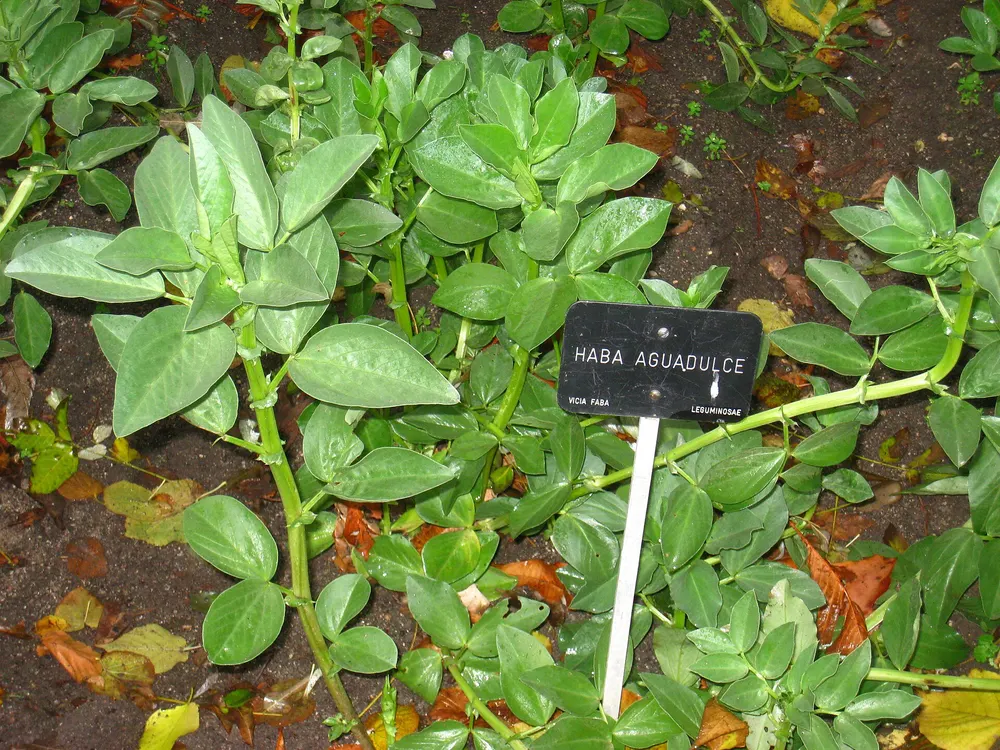
A cool-weather bean, unlike summer snap beans. Give it the longest mild stretch; protect flowers from a hard freeze and harvest before heat.
View complete guide →Reliable desert fruit tree that benefits from afternoon protection, mulch, and consistent deep irrigation.
View complete guide →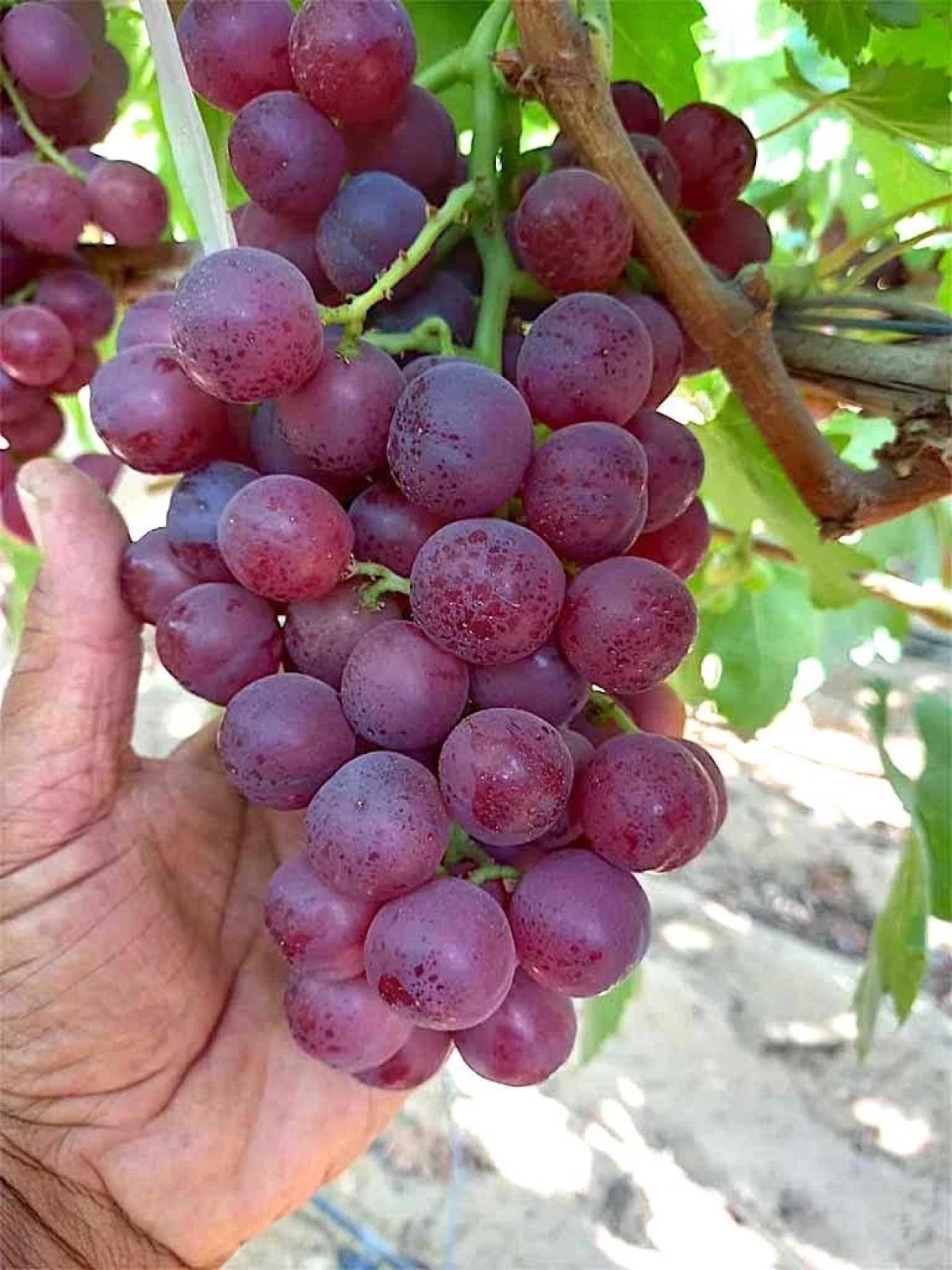
An early red seedless table grape and consistent warm-climate producer, well suited to edible arbors when fruit receives irrigation and leaf shade.
View complete guide →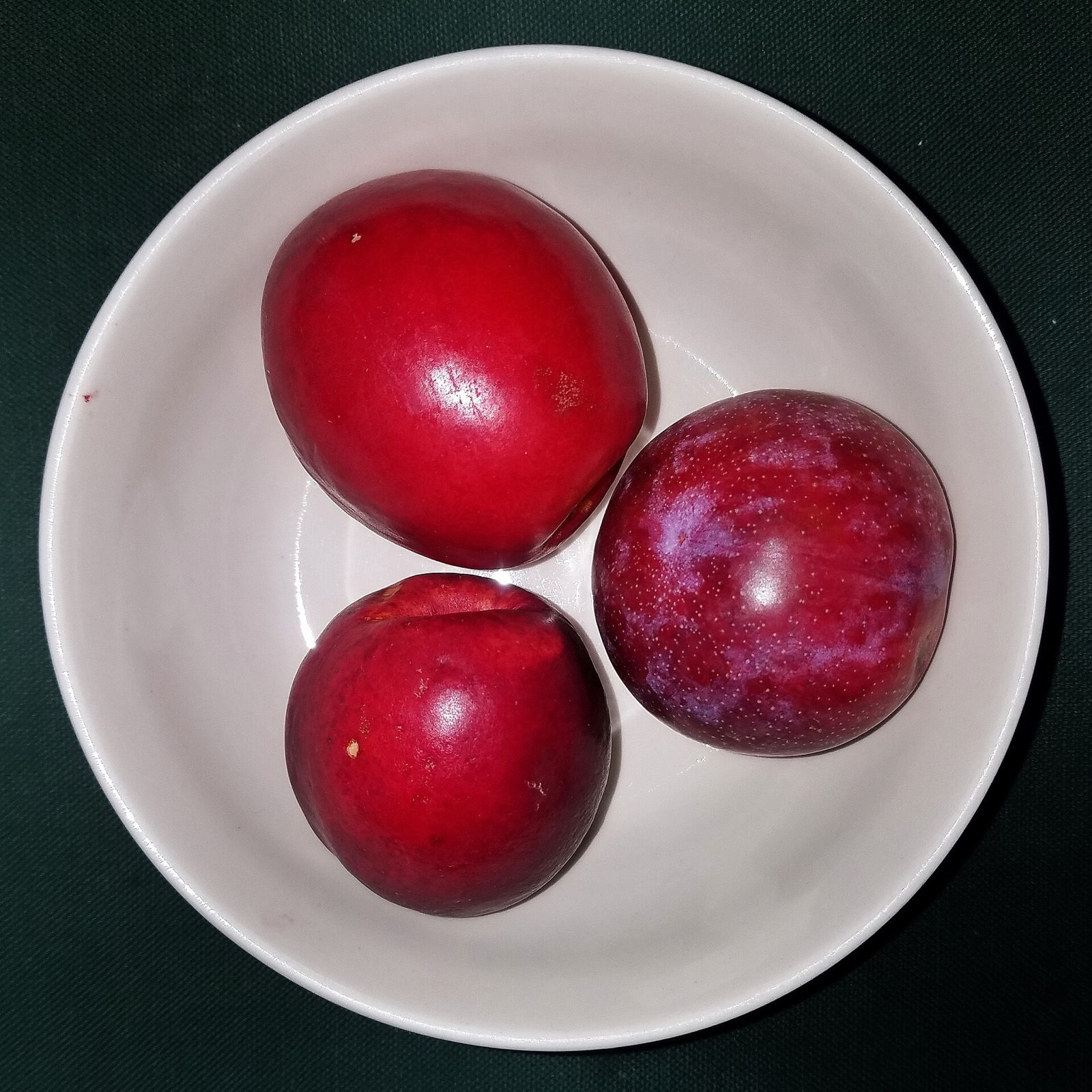
A richly flavored plum–apricot hybrid best where sufficient winter chill and a compatible Japanese plum pollinizer are available.
View complete guide →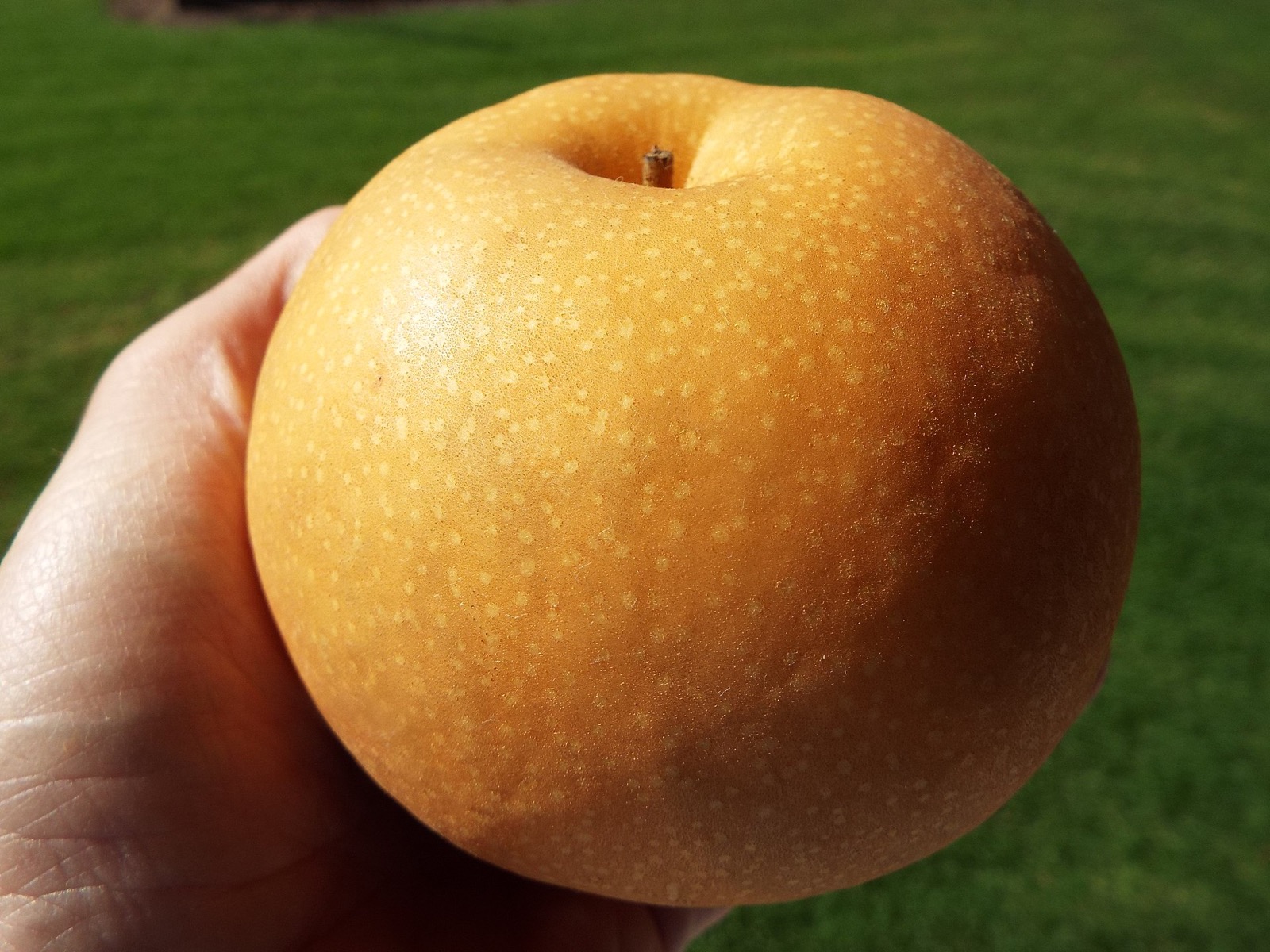
A low-chill European-type pear with sweet, smooth, juicy fruit and early bloom for warm-winter regions.
View complete guide →An exceptionally early low-chill peach successful in Arizona, yielding flavorful yellow semi-cling fruit before summer intensifies.
View complete guide →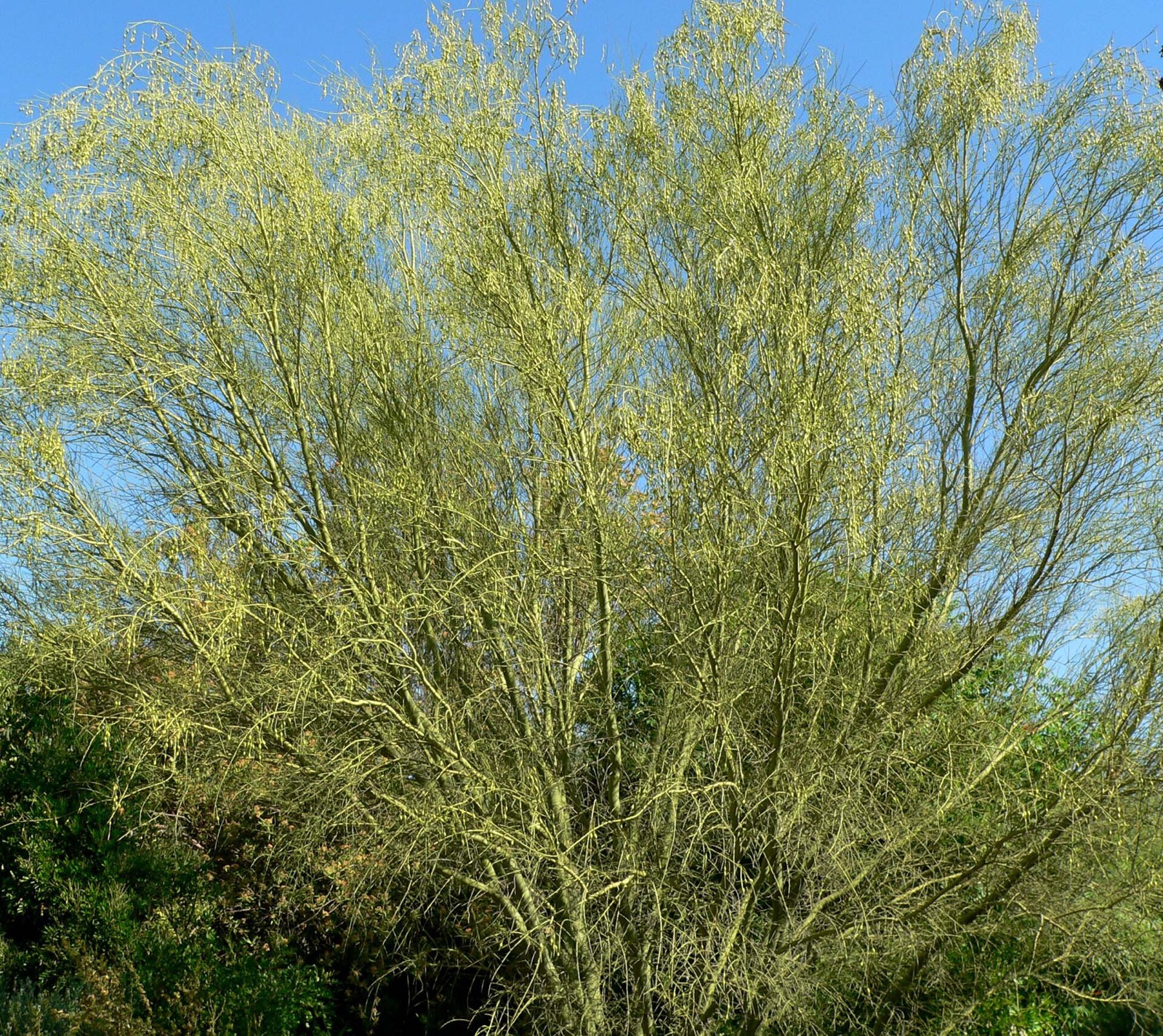
A slower, exceptionally drought-adapted native for hot, well-drained sites away from turf irrigation.
View complete guide →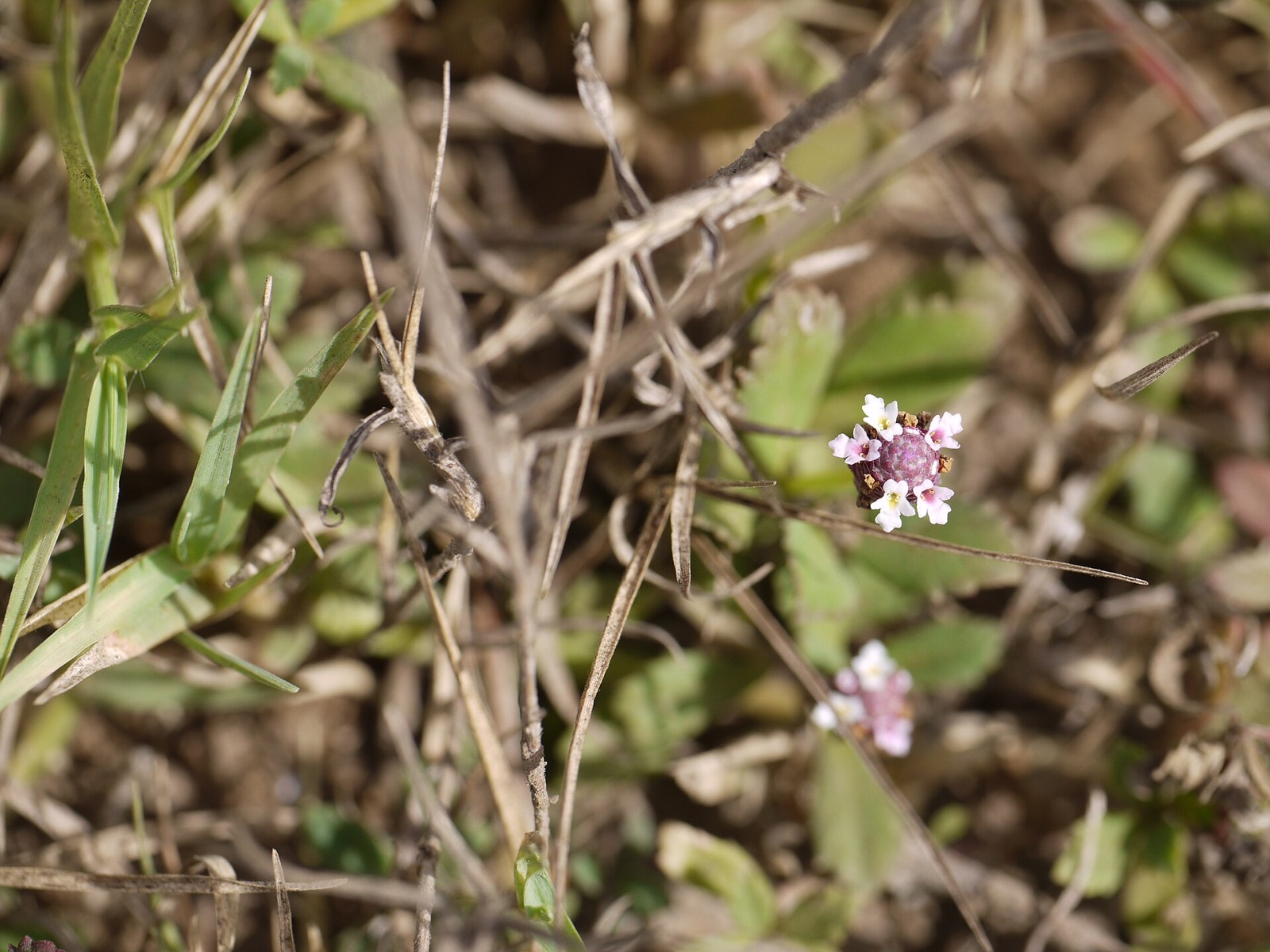
A low flowering carpet for unirrigated-looking landscapes: native frogfruit supports wildlife, while sterile Kurapia selections make a more uniform walkable cover.
View complete guide →An early navel orange that can be ready before its peel develops a fully orange color in Arizona’s warm autumns.
View complete guide →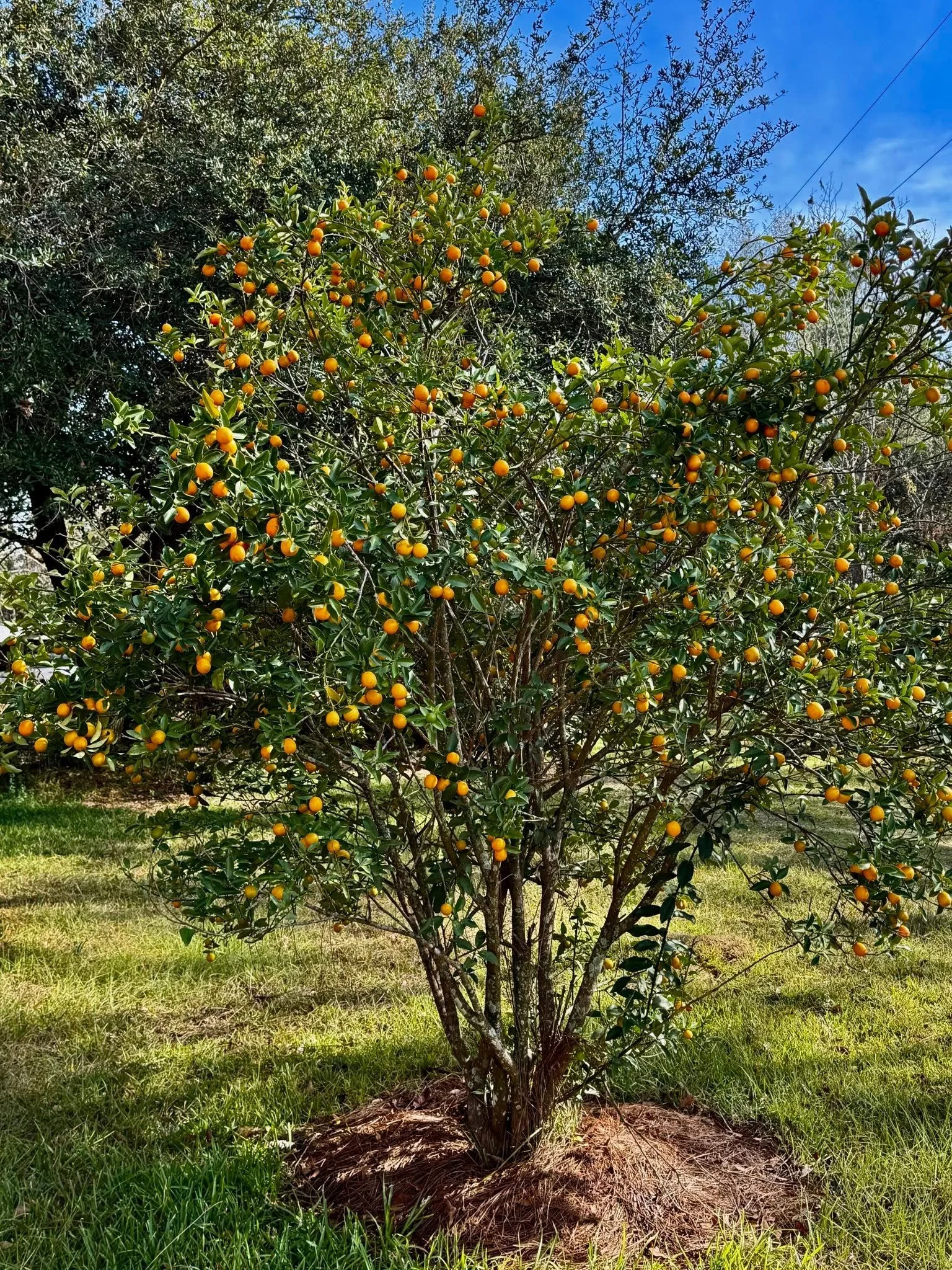
A compact ornamental-and-edible kumquat bearing bright-orange fruit that can be eaten peel and all.
View complete guide →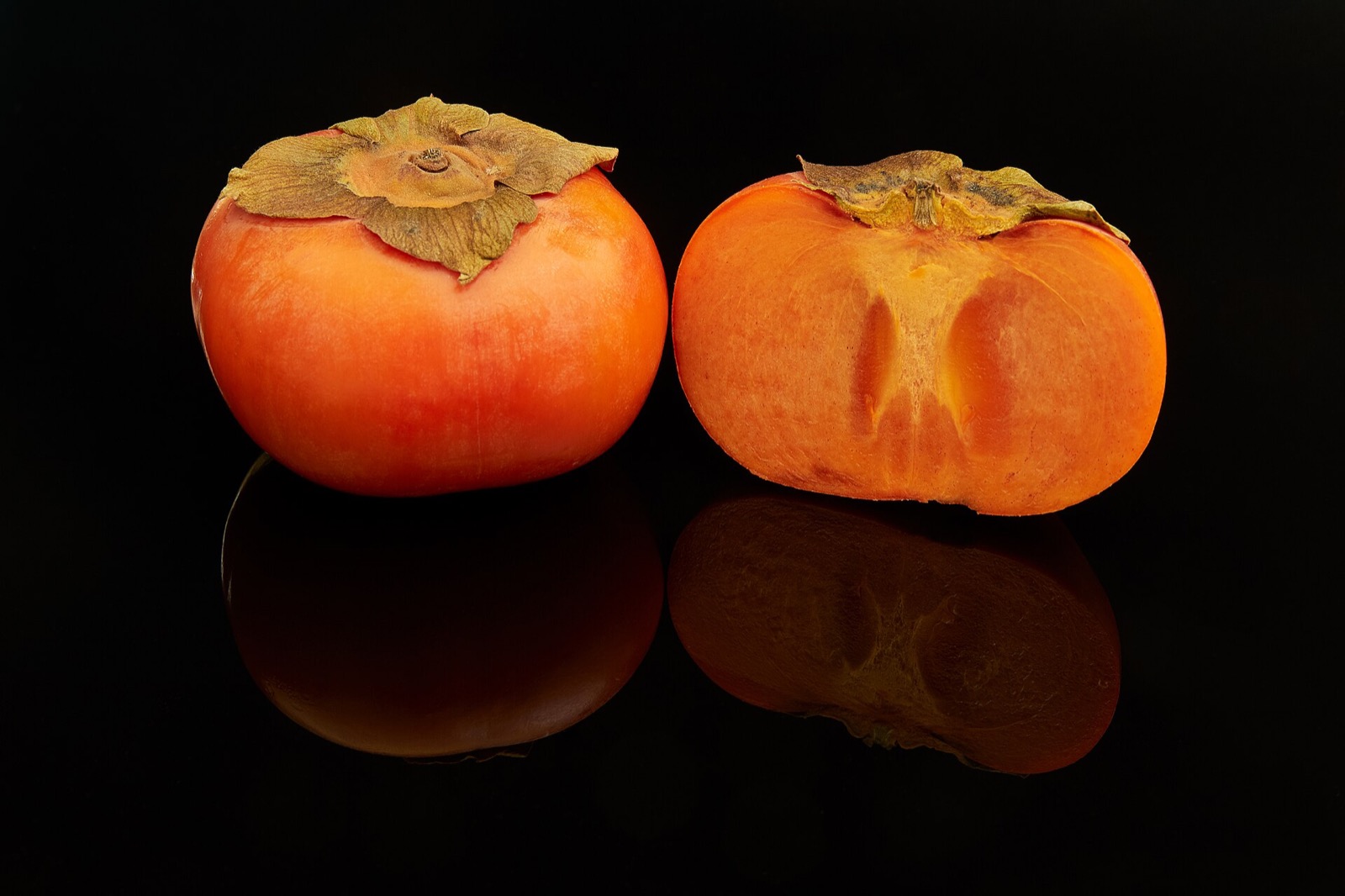
A non-astringent persimmon that is sweet while still firm and crisp, on an attractive, generally low-maintenance tree.
View complete guide →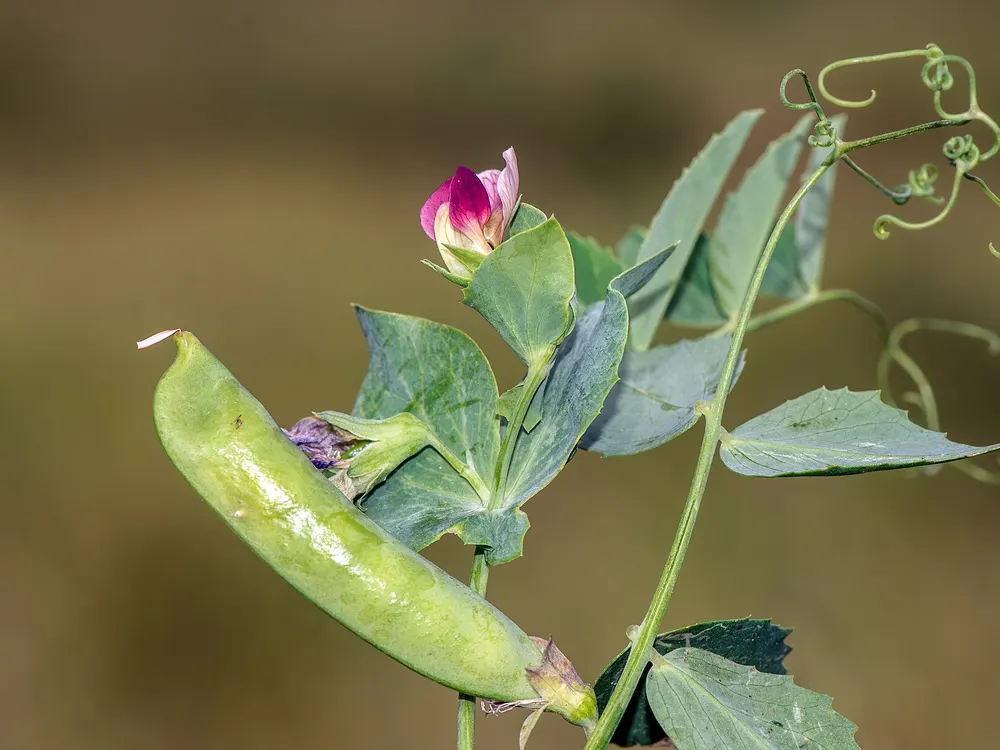
Harvest plump pods for peas inside; the pod is usually discarded. Growth slows in midwinter and stops as spring heat arrives.
View complete guide →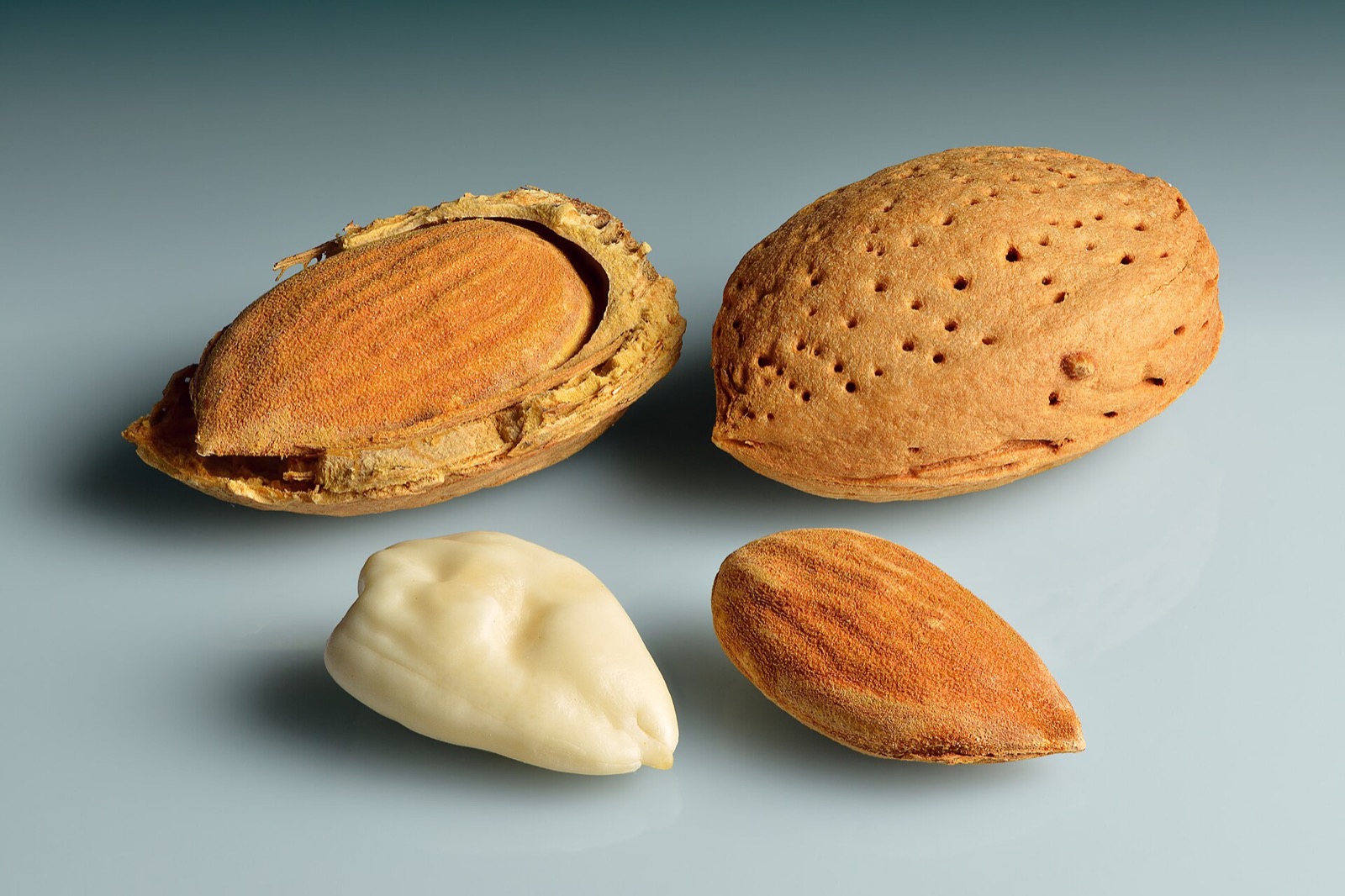
A compact genetic-dwarf almond with soft shells and sweet kernels, sized for smaller home orchards.
View complete guide →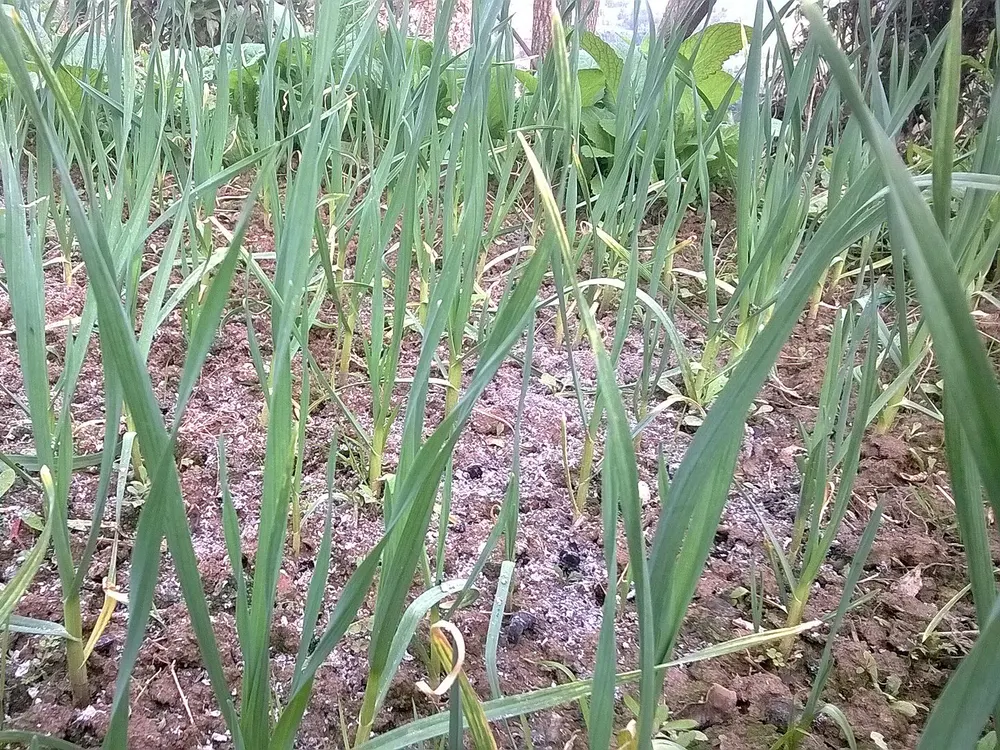
Do not plant a whole bulb. Keep beds weed-free and reduce water as leaves brown before spring harvest.
View complete guide →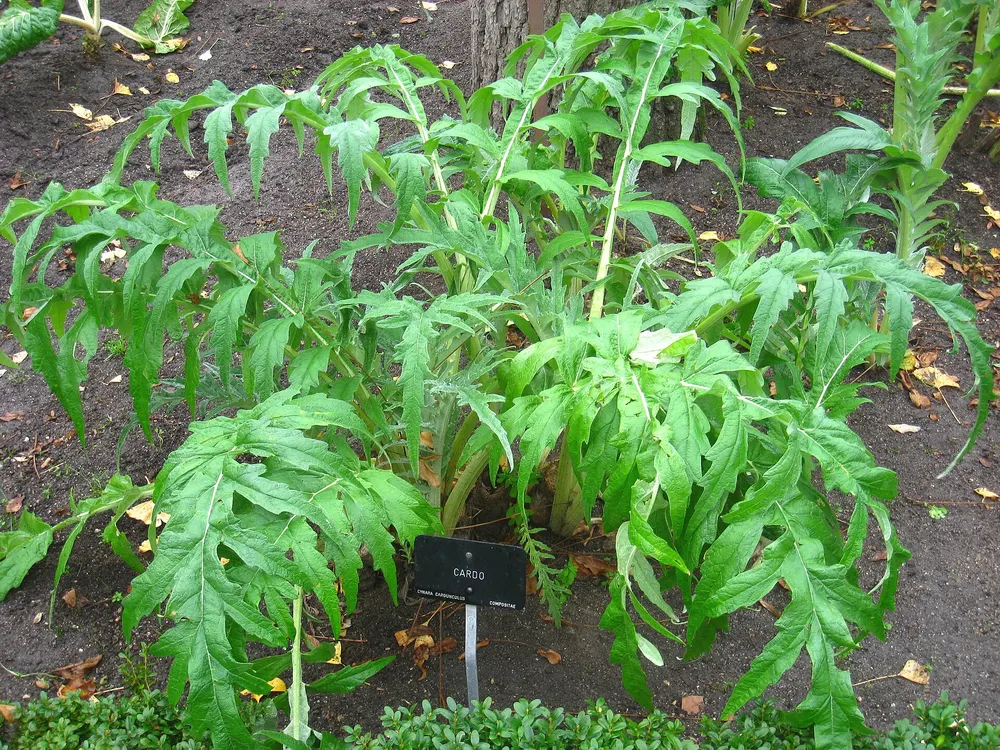
Allow a large footprint and regular water. Harvest unopened flower buds; summer heat can damage crowns, so mulch and afternoon protection help persistence.
View complete guide →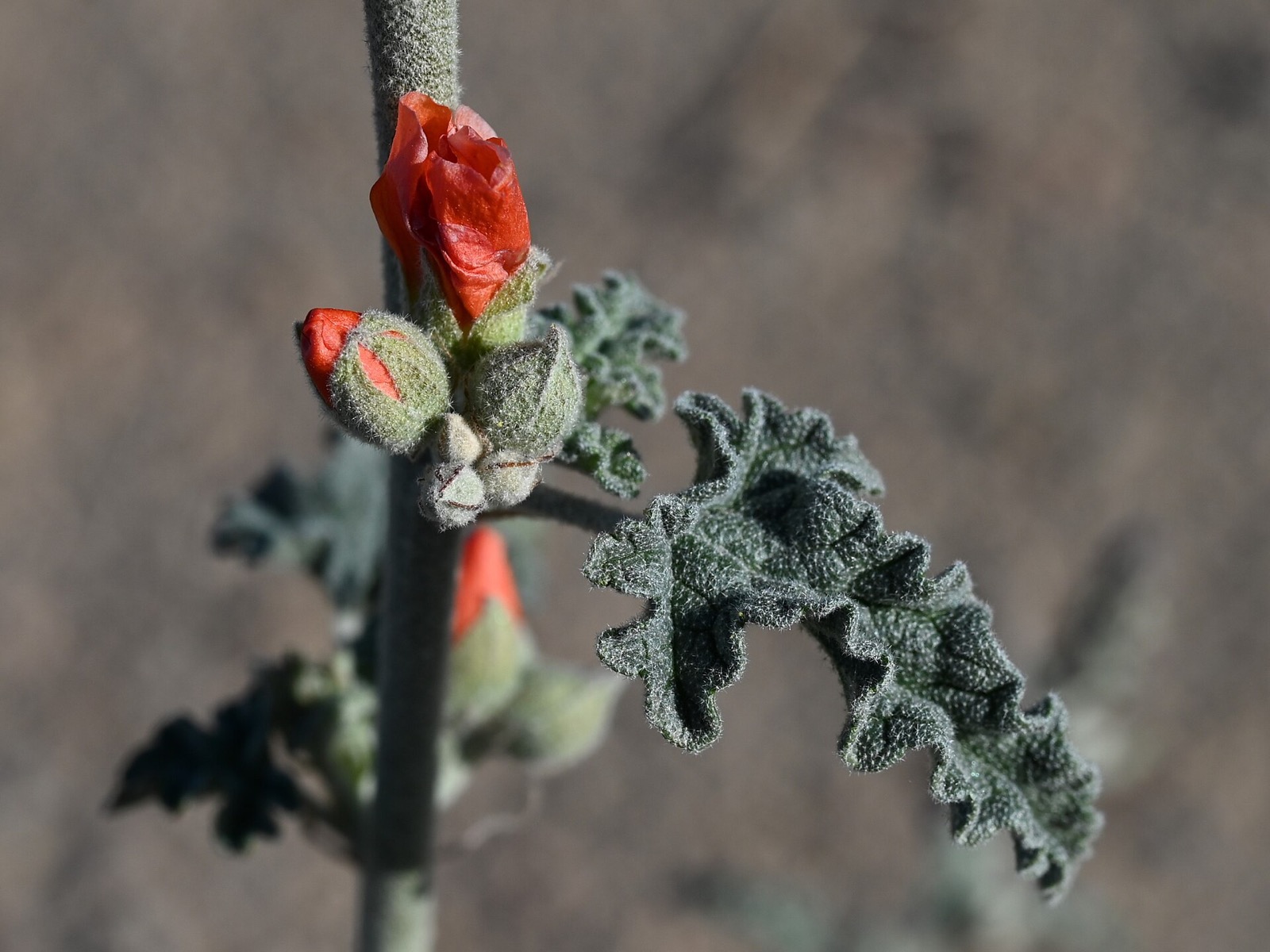
Long-blooming desert perennial with orange, pink, or lavender flowers and strong heat tolerance.
View complete guide →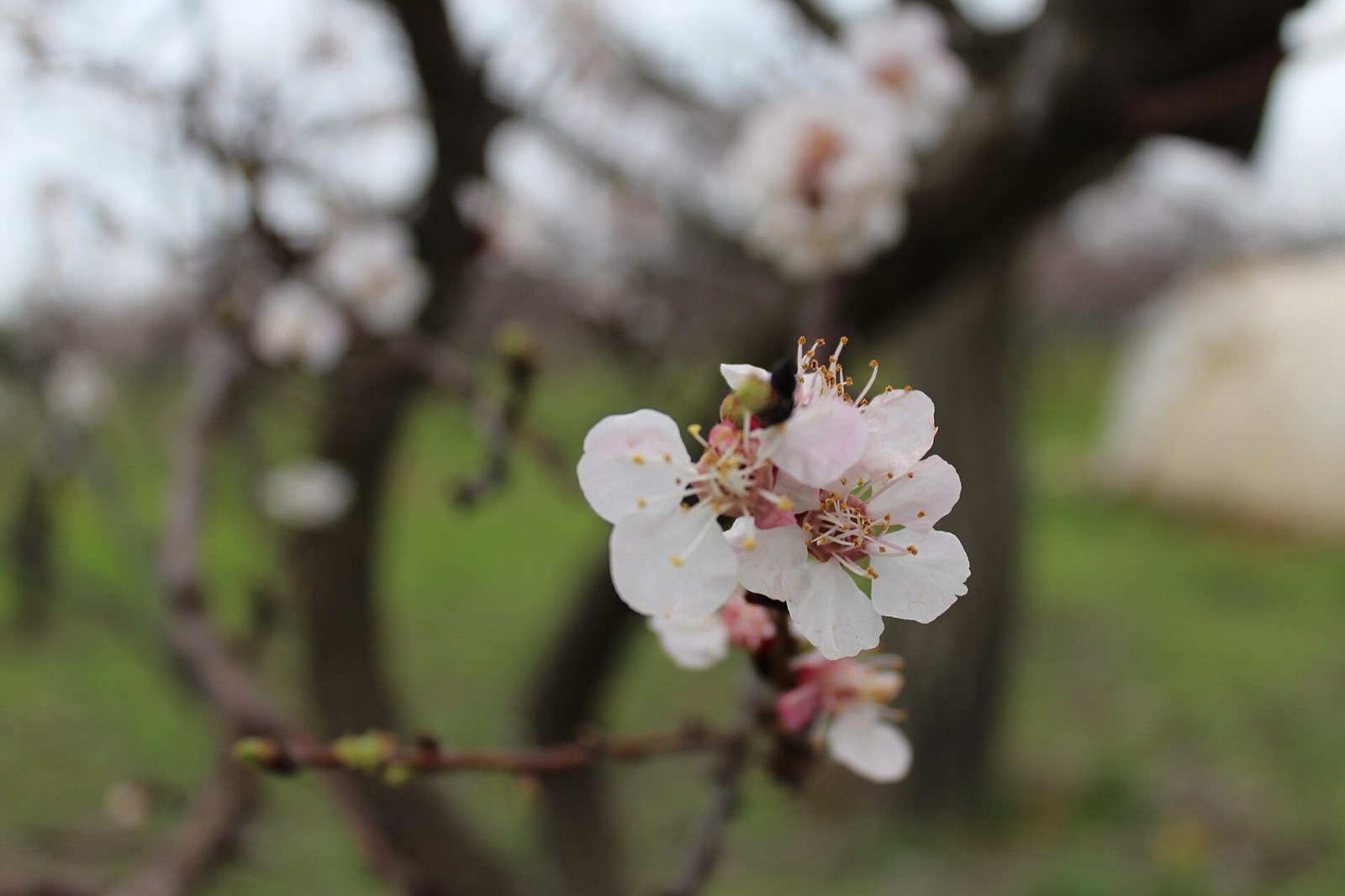
A heavy-bearing freestone apricot selected for warm winters, with excellent backyard fruit and an early Arizona harvest.
View complete guide →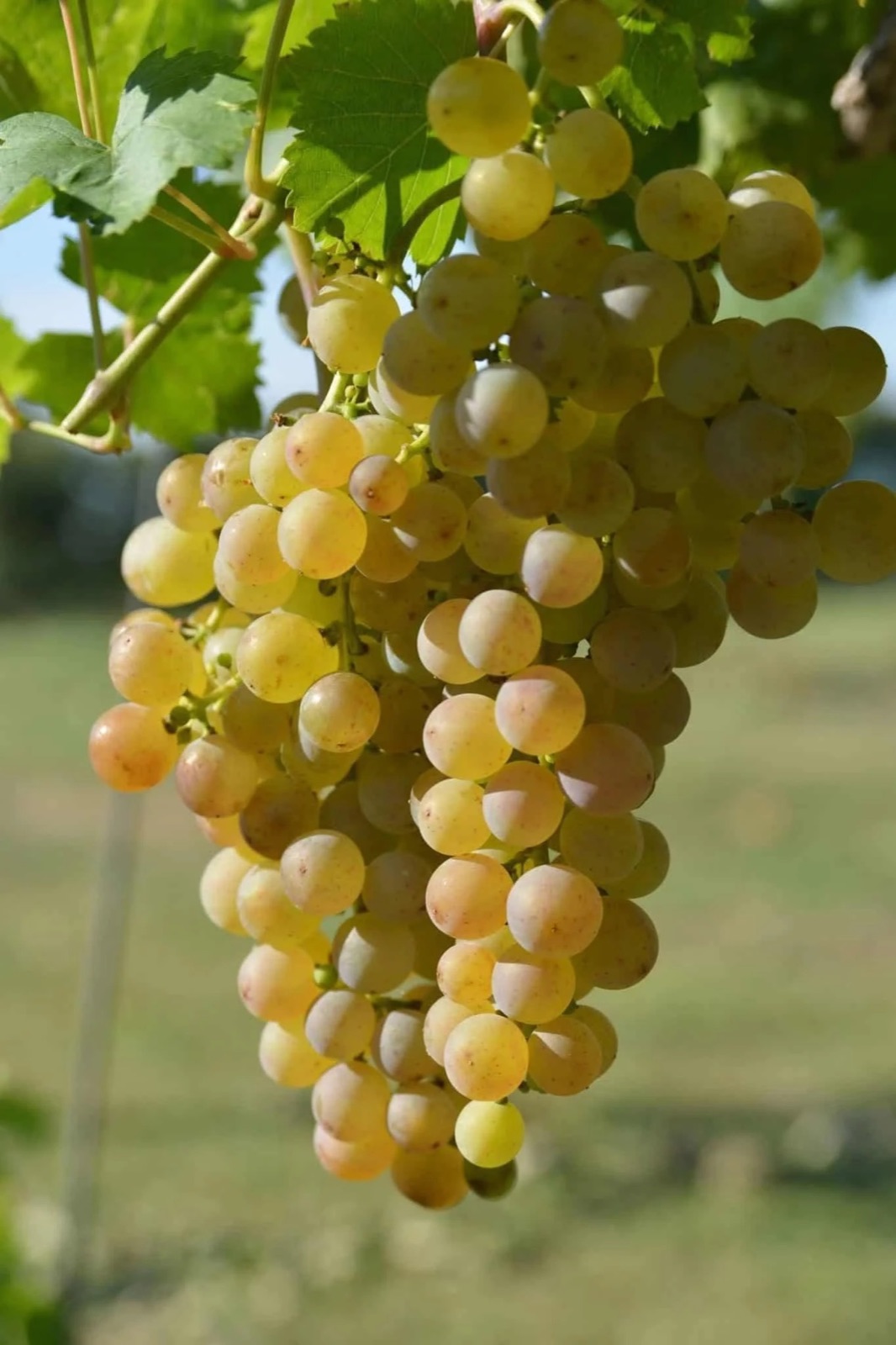
A richly aromatic golden grape with floral Muscat flavor, thriving through warm summers when clusters remain shaded by a healthy canopy.
View complete guide →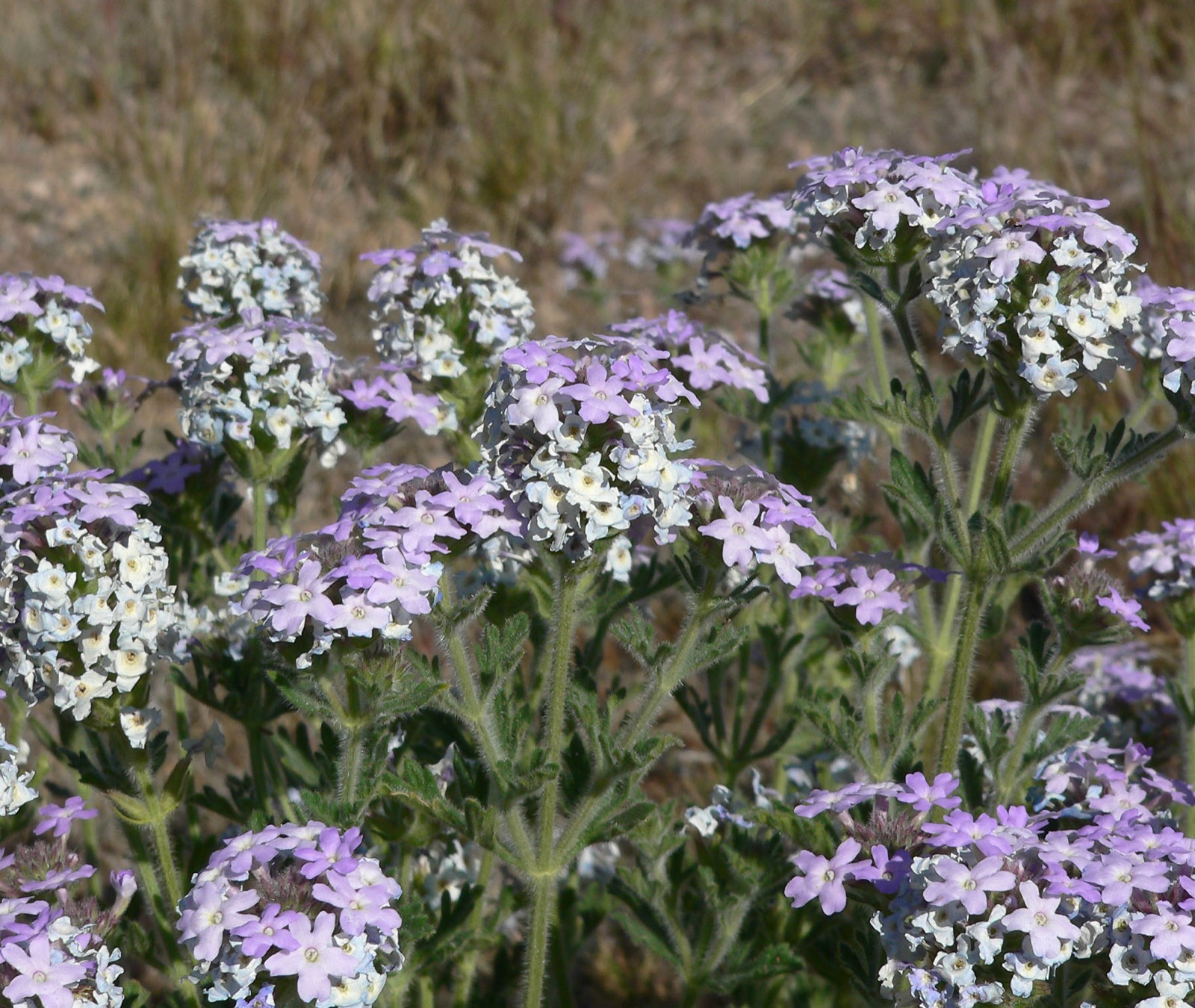
A spreading Arizona verbena with lavender flower clusters that wakes up after rain and cool weather, feeding butterflies and native bees.
View complete guide →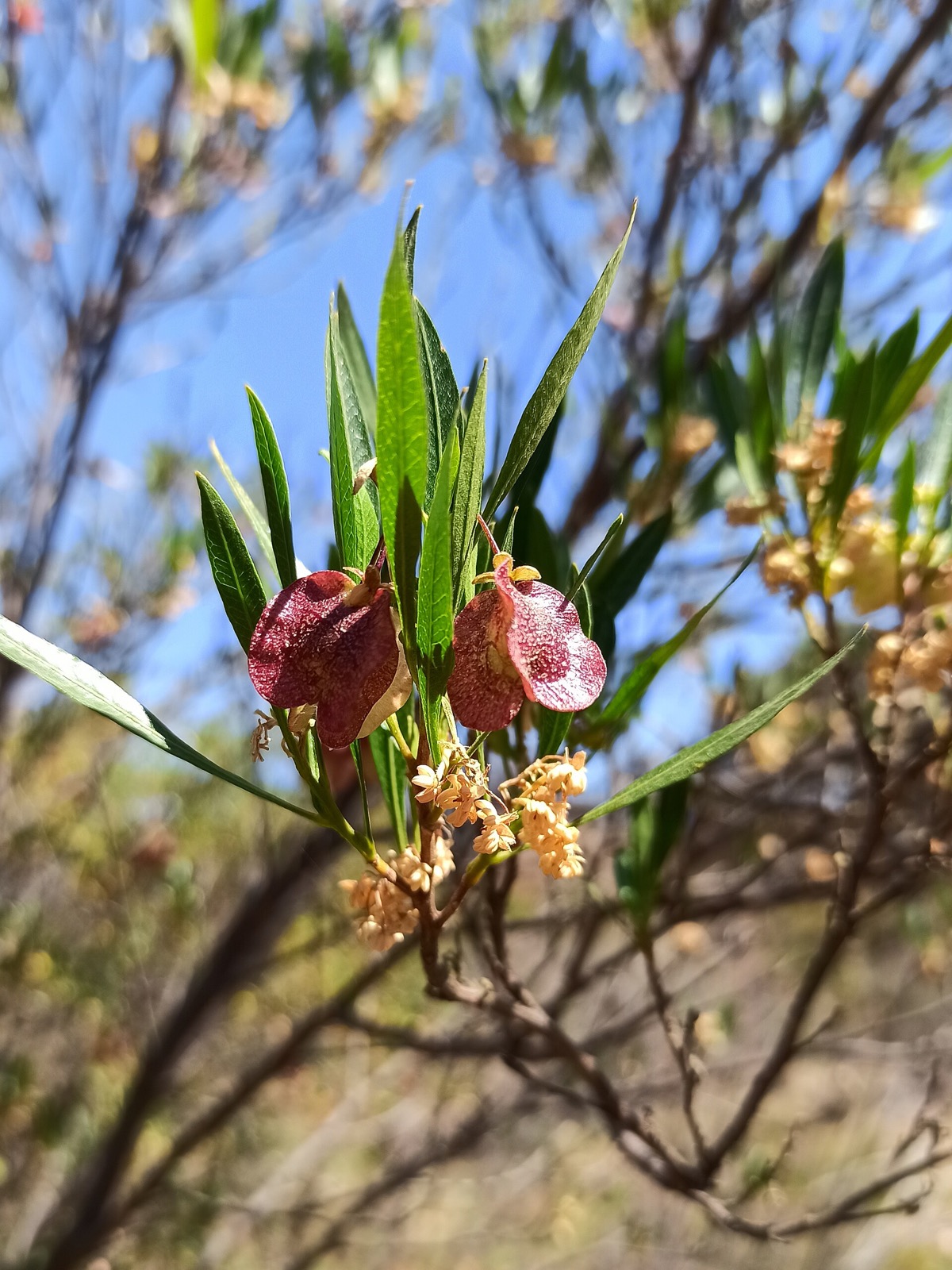
Durable native screen shrub with a natural upright form, wildlife value, and excellent reflected-heat tolerance; avoid constant shearing and protect in severe frost pockets.
View complete guide →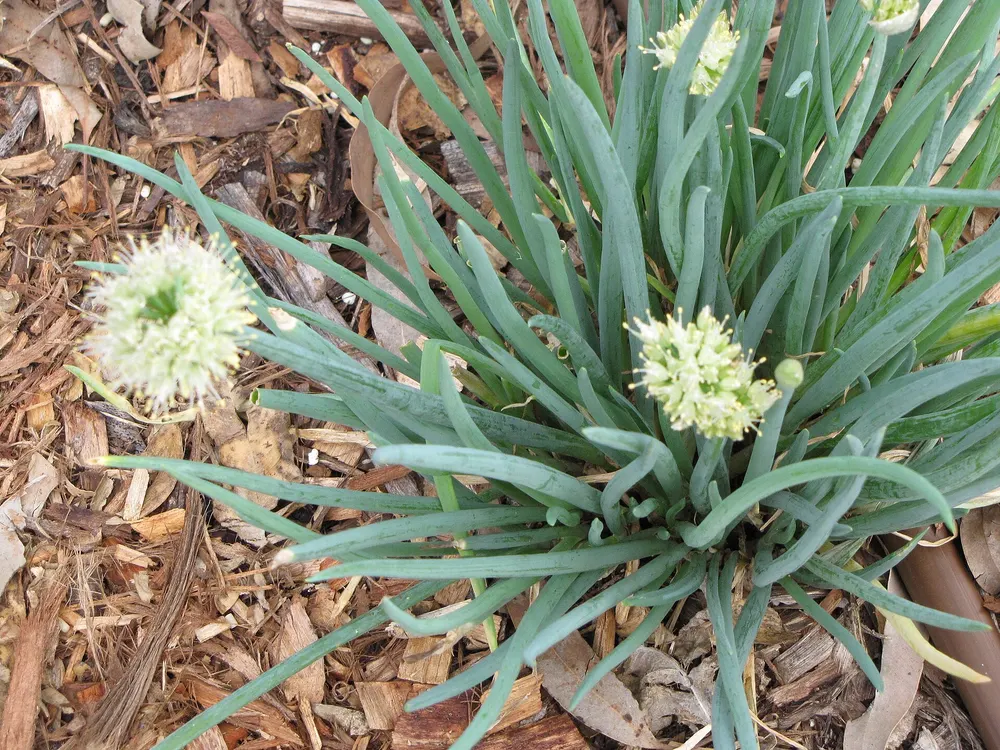
Harvest before a large bulb forms. True bunching onion (*Allium fistulosum*) is another suitable type sold under the same grocery name.
View complete guide →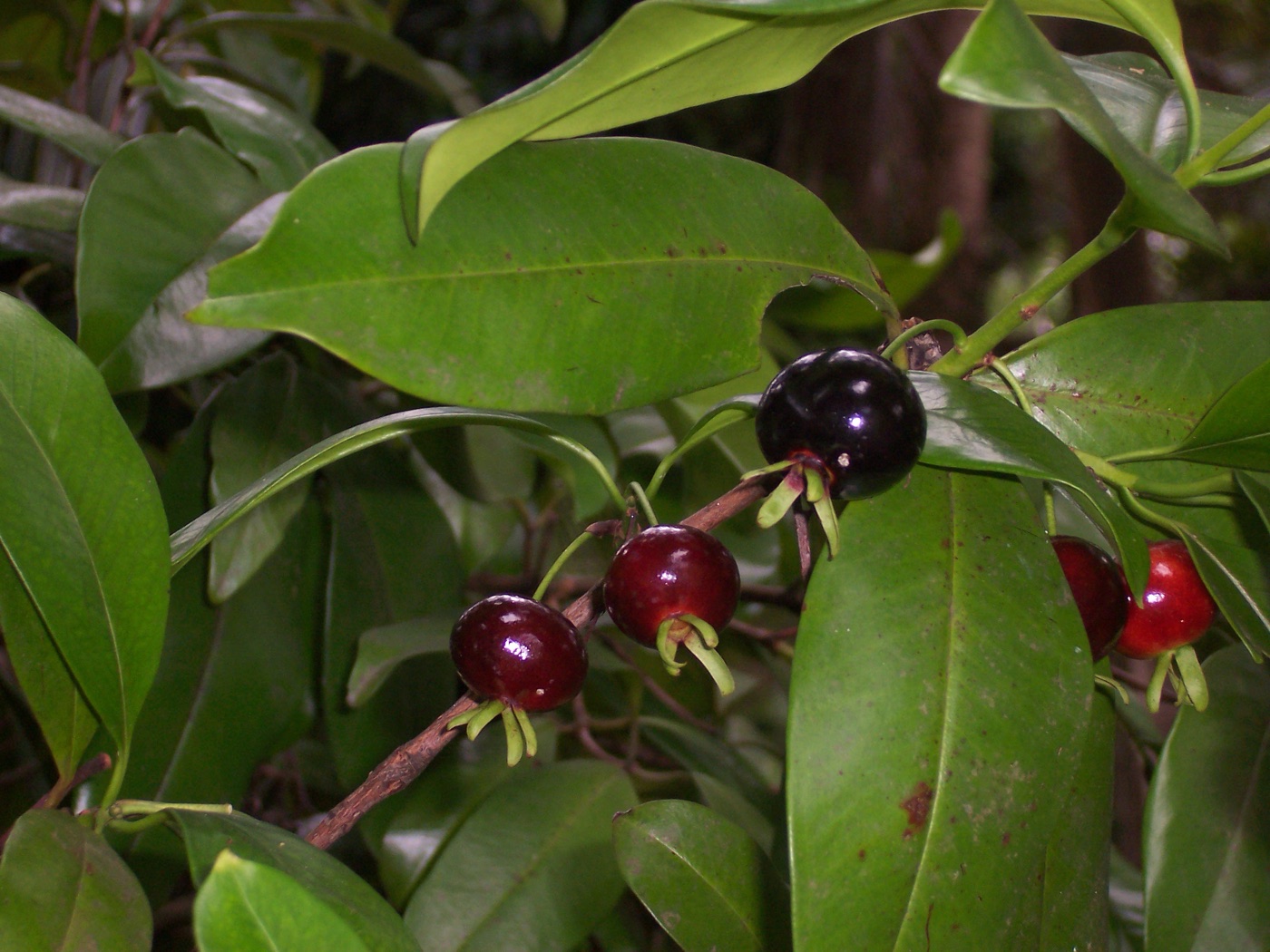
A compact Brazilian tree with glossy leaves and dark cherry-like fruit that tastes much like jaboticaba. Can be grown as a small tree or an edible hedge.
View complete guide →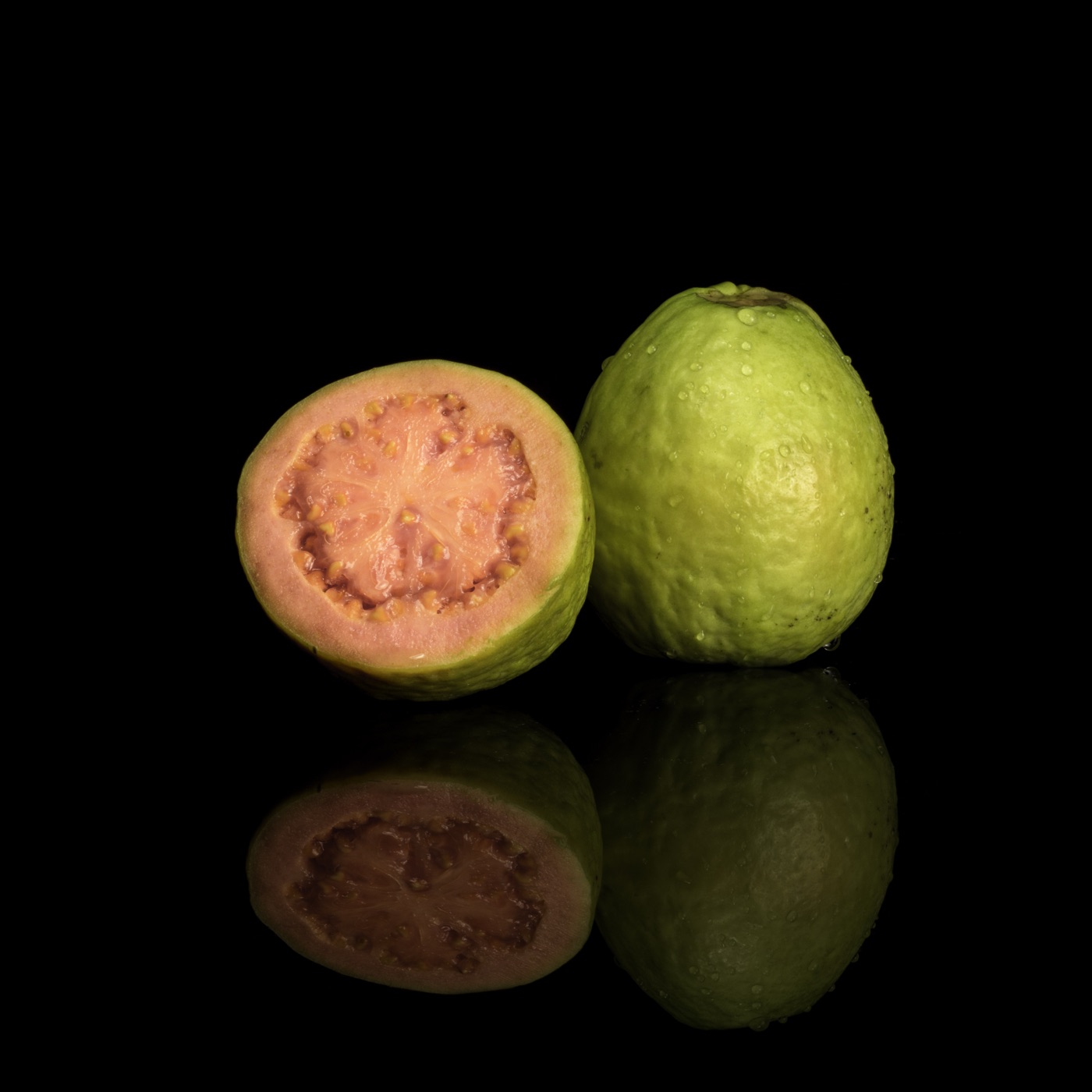
One of the easiest tropical fruits for Phoenix. It grows fast, takes full sun once established, fruits within a year or two and makes a good nurse tree for more delicate tropicals.
View complete guide →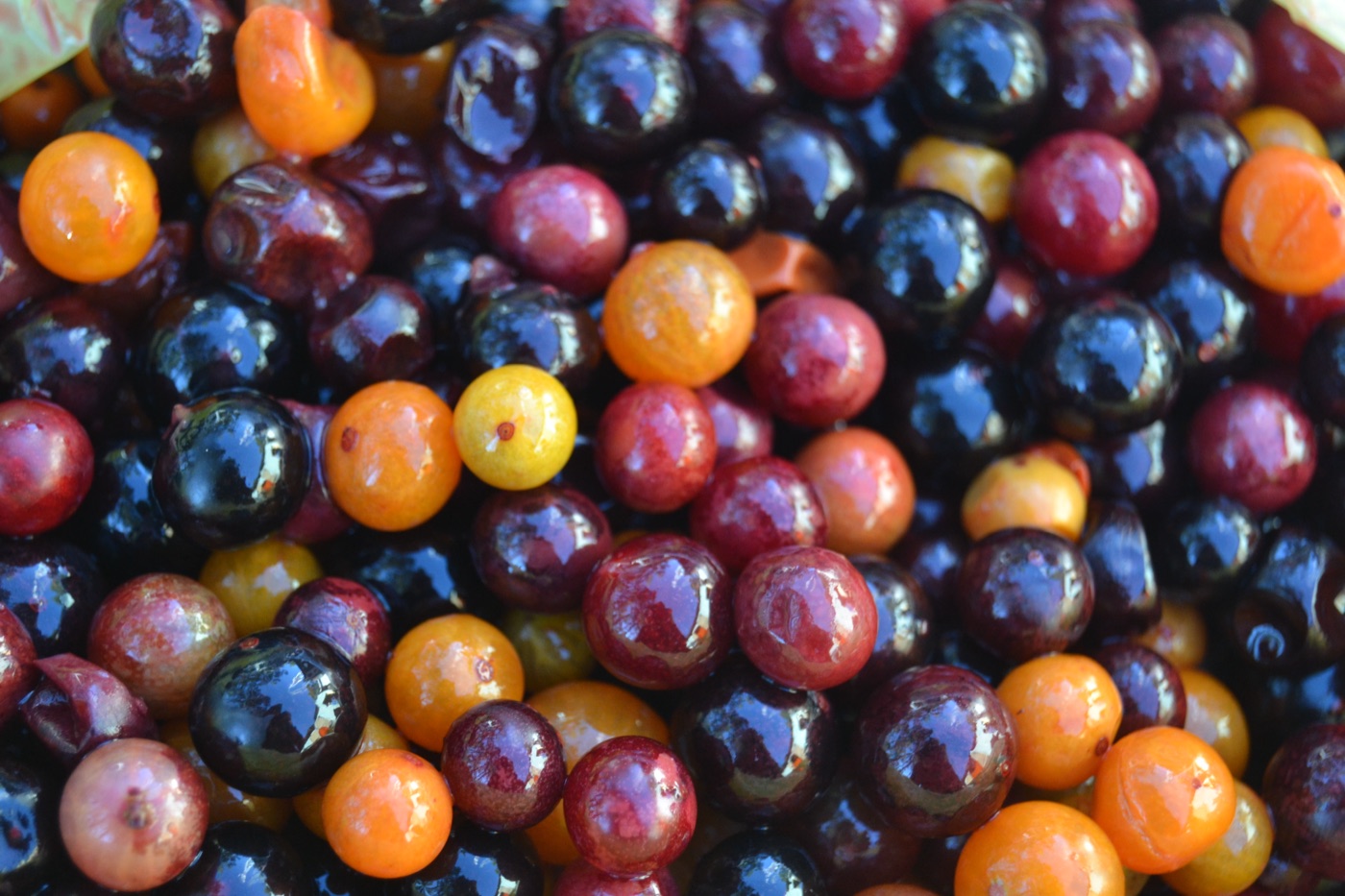
A Caribbean shrub or small tree with small orange to dark purple berries used for a traditional holiday liqueur. Tender and best in a large pot.
View complete guide →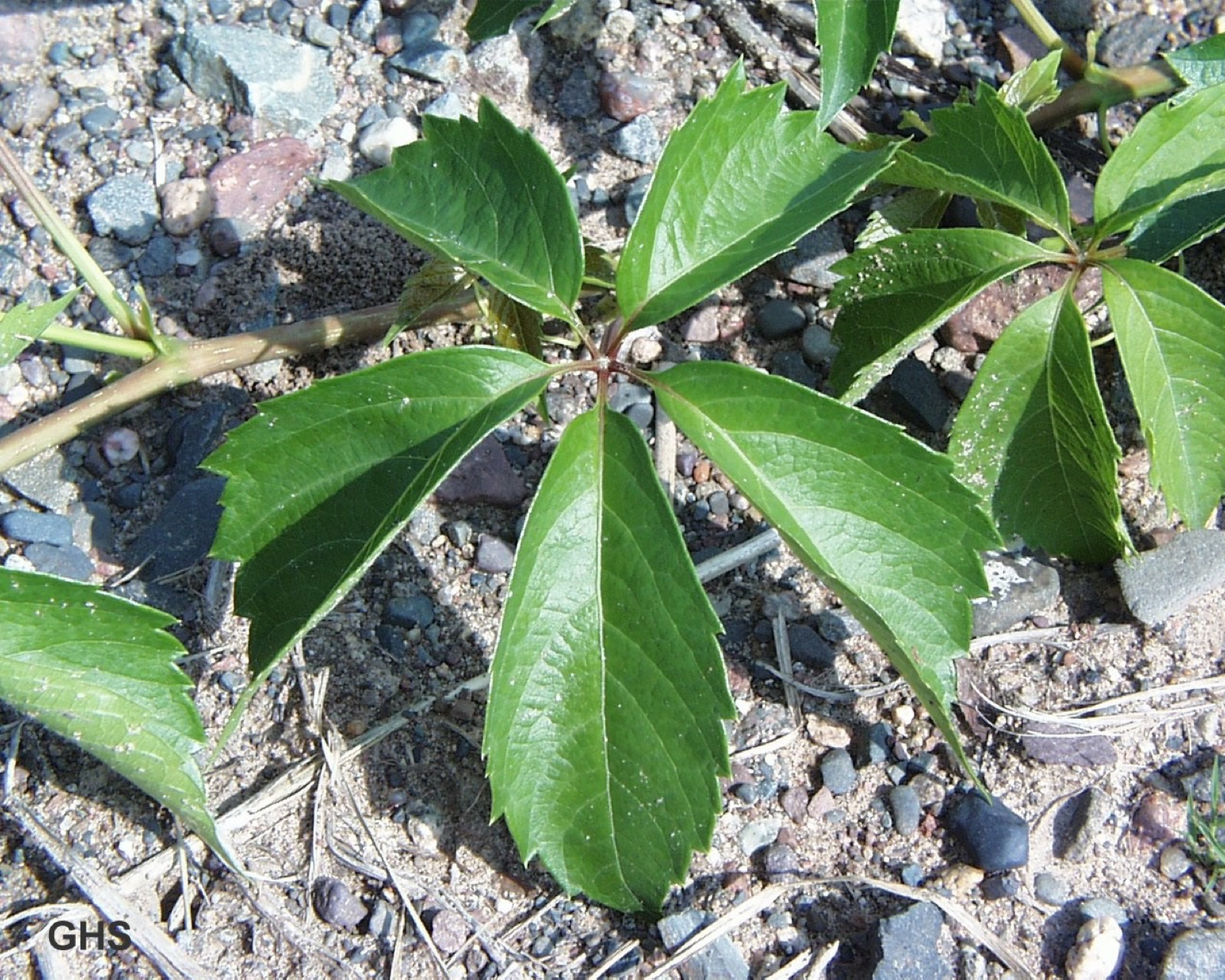
A vigorous deciduous creeper selected for Southwestern landscapes, covering walls and screens with green foliage before a vivid autumn color change.
View complete guide →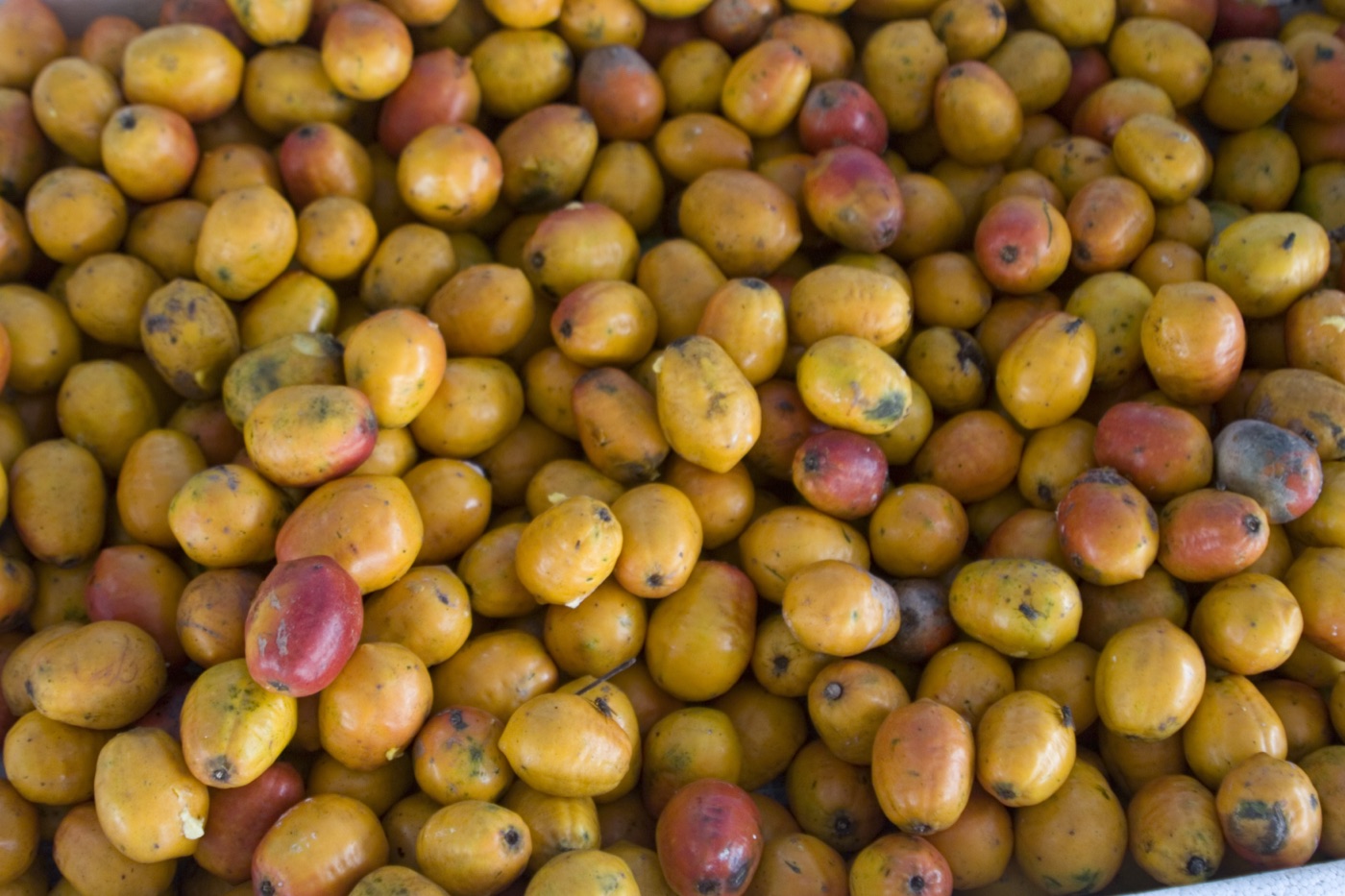
A fast, deciduous tropical tree with small, tangy yellow plums. Large in the tropics, but usually much smaller and frost limited in Phoenix.
View complete guide →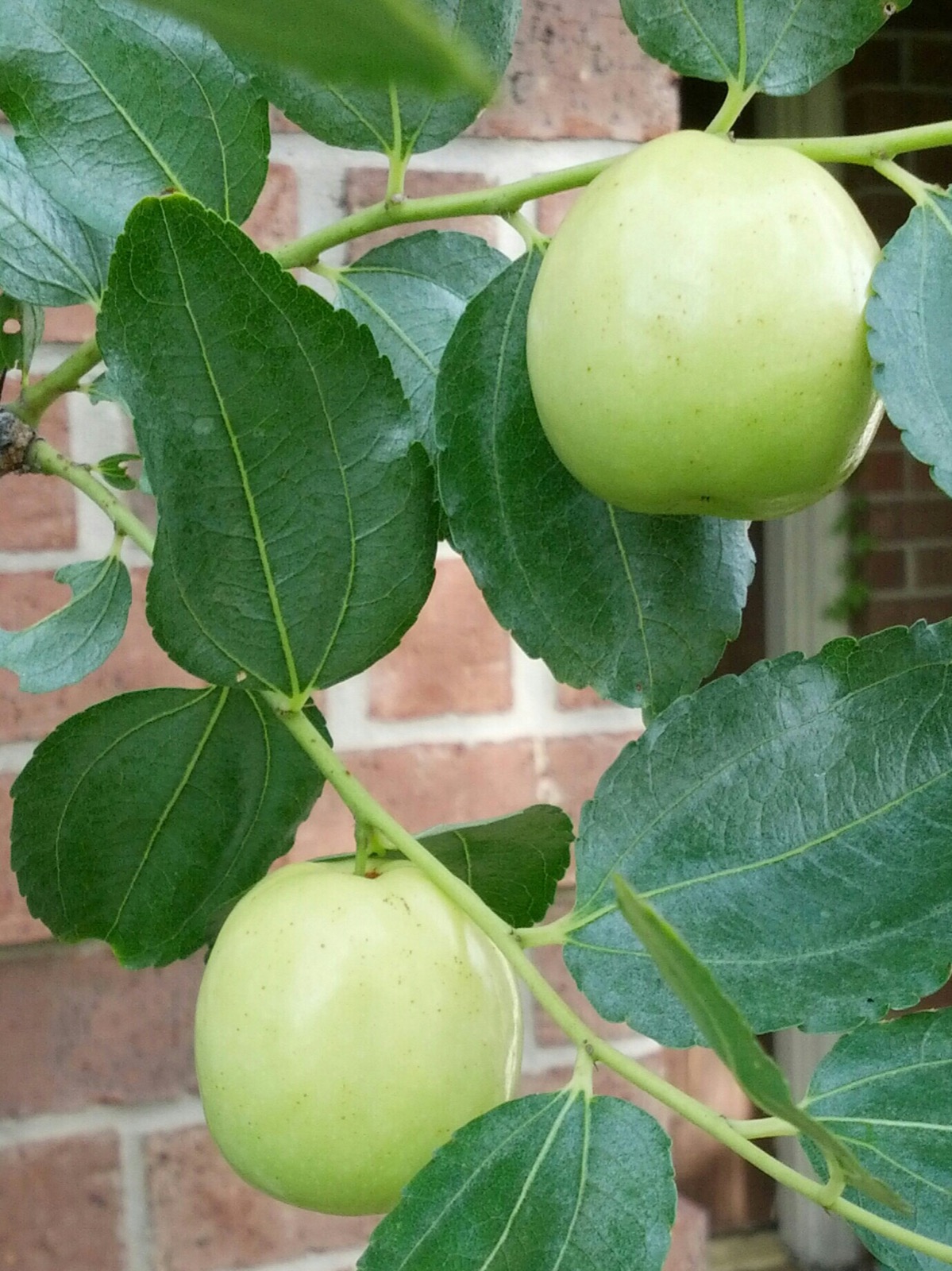
A compact jujube producing exceptionally sweet, crisp, juicy round fruit for fresh eating in hot, dry climates.
View complete guide →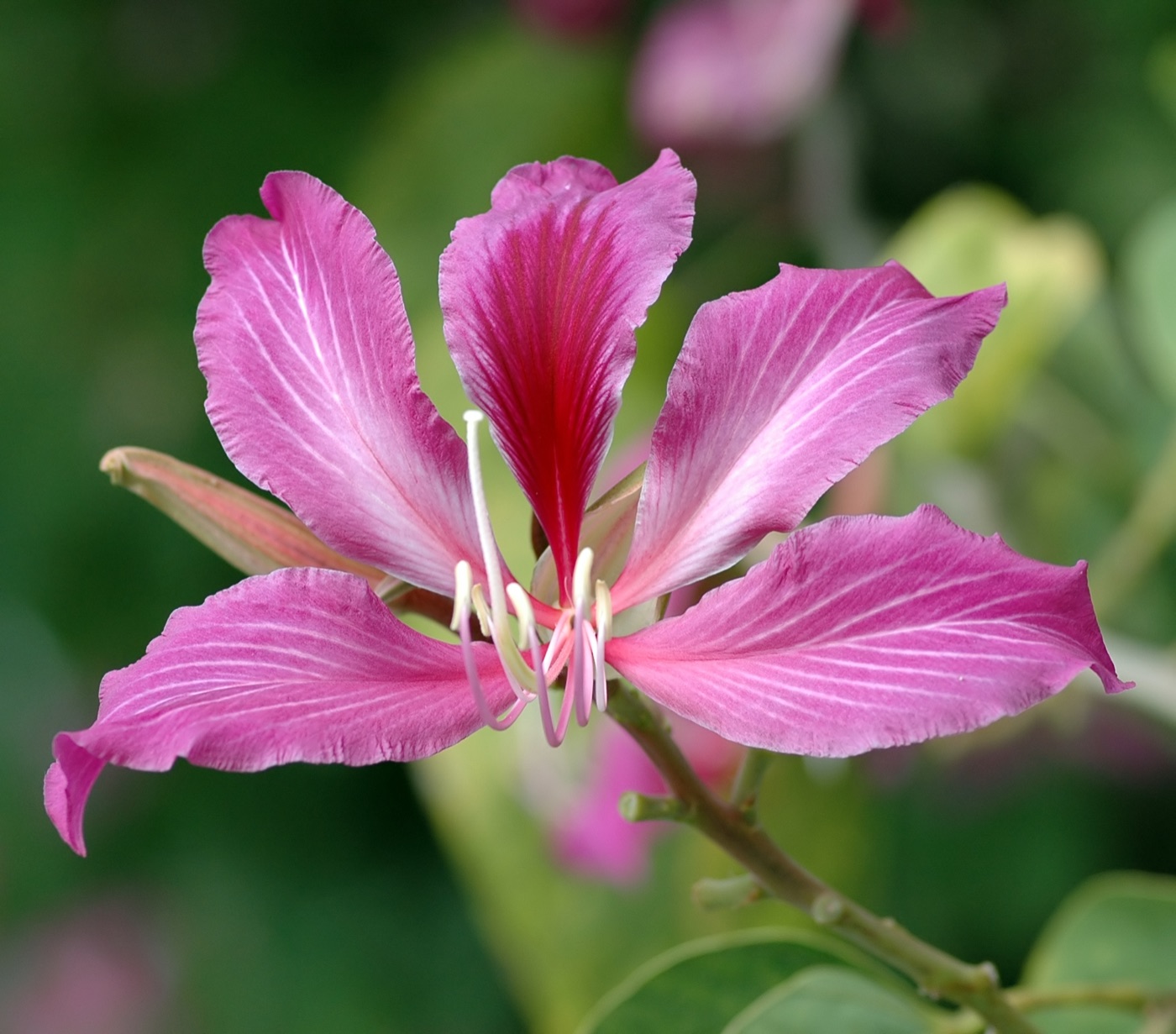
A fast, nearly evergreen tree with large magenta flowers from late fall into spring. It is sterile, so it skips the messy seed pods of other orchid trees.
View complete guide →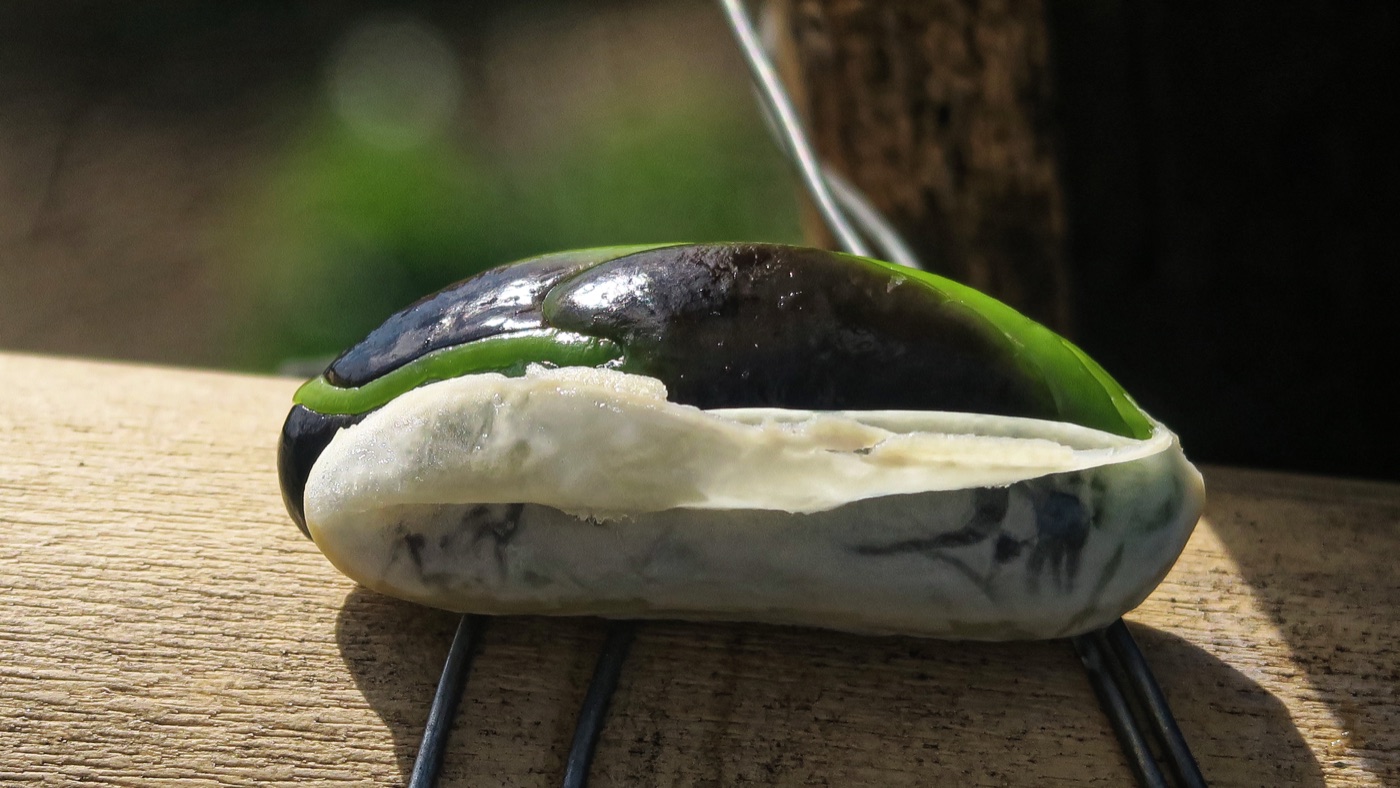
A fast legume tree with long pods full of sweet, cottony pulp that tastes like vanilla. It feeds the soil with nitrogen and makes quick shade for other tropicals.
View complete guide →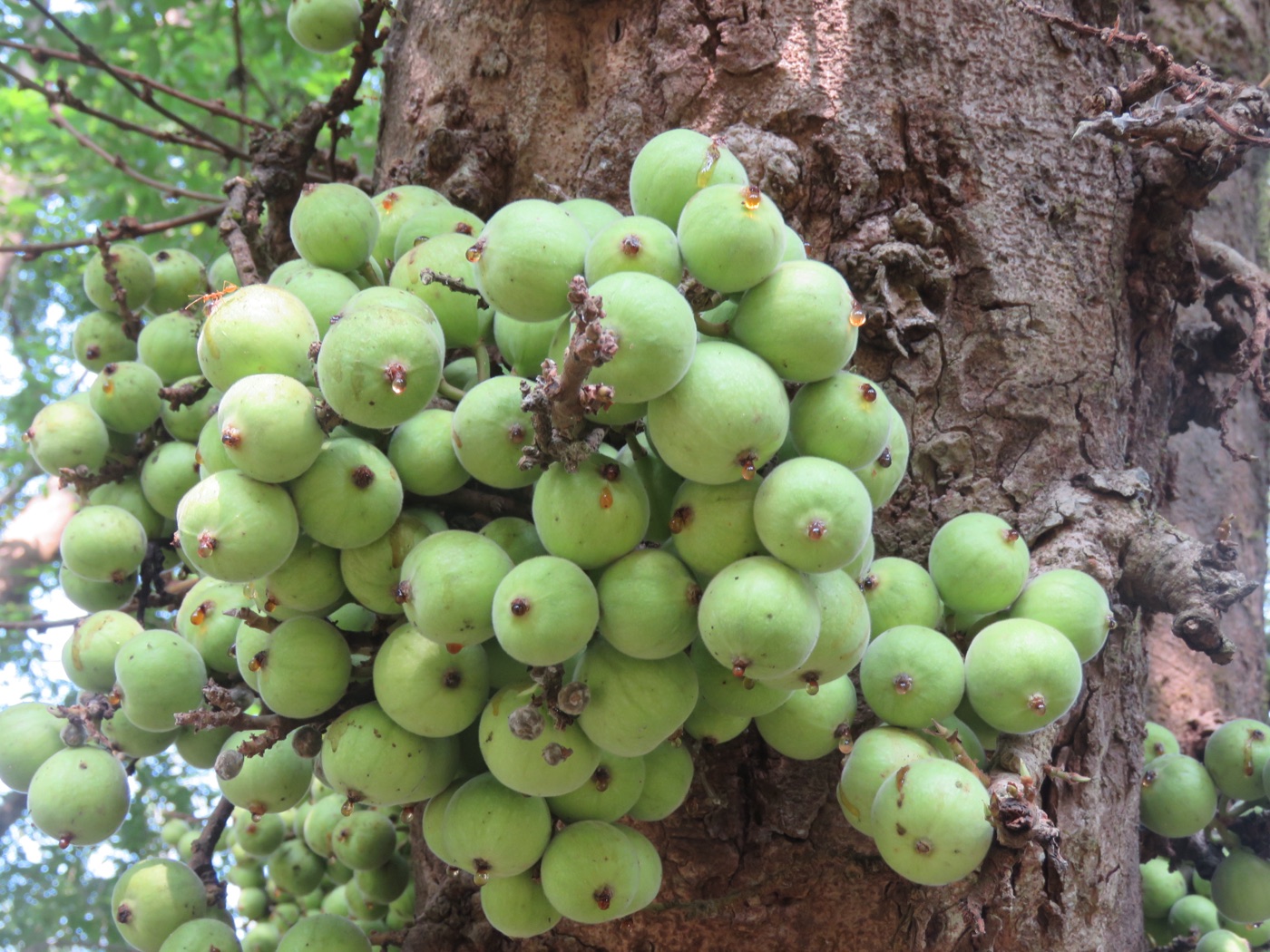
A large fig tree that bears clusters of small figs directly on its trunk and main branches. Grown in India for food, shade and its spiritual significance.
View complete guide →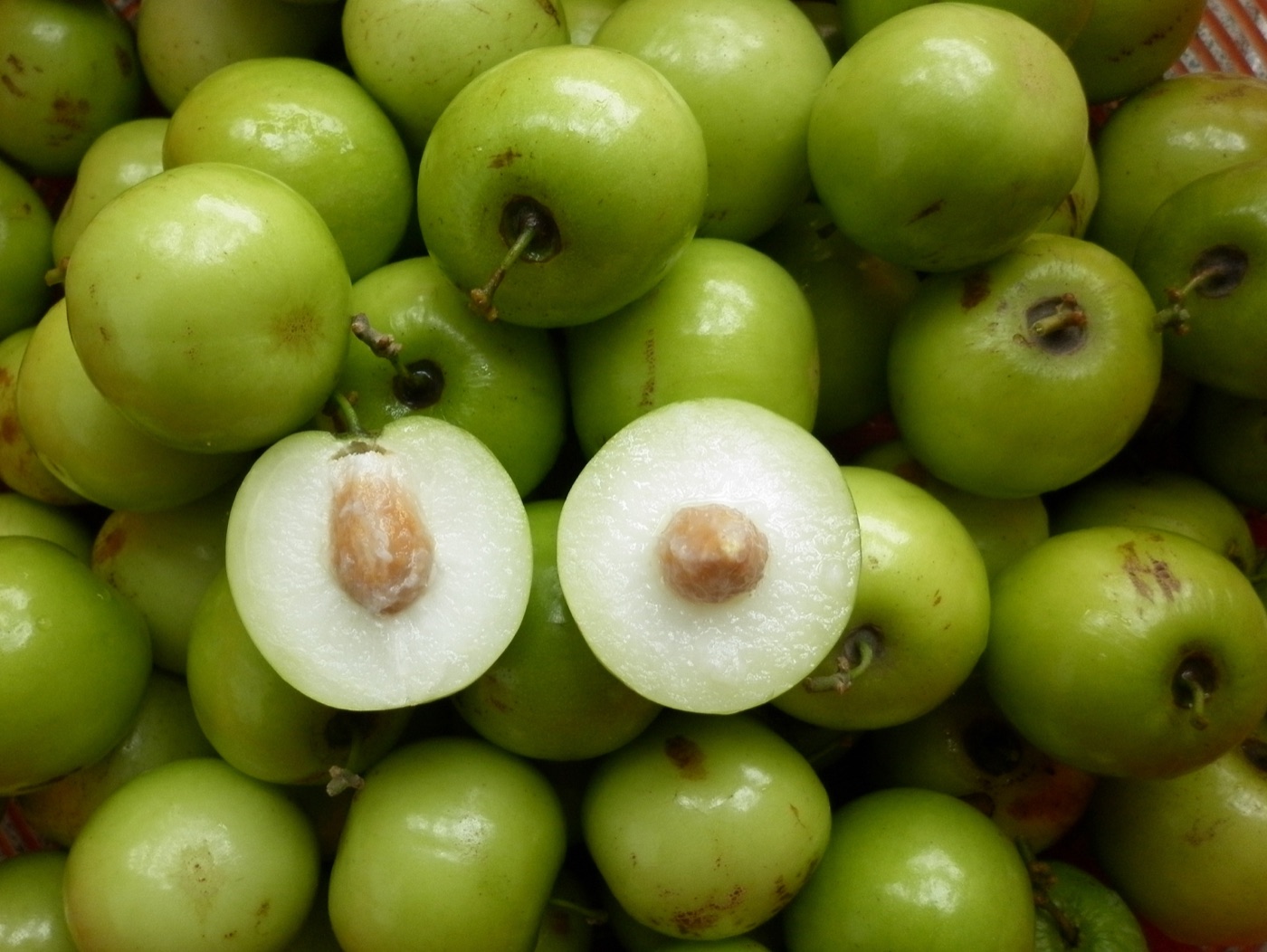
An evergreen, heat-loving relative of the Chinese jujube with crisp, apple-like fruit in winter. It shrugs off Phoenix heat and drought but is more frost tender than its Chinese cousin.
View complete guide →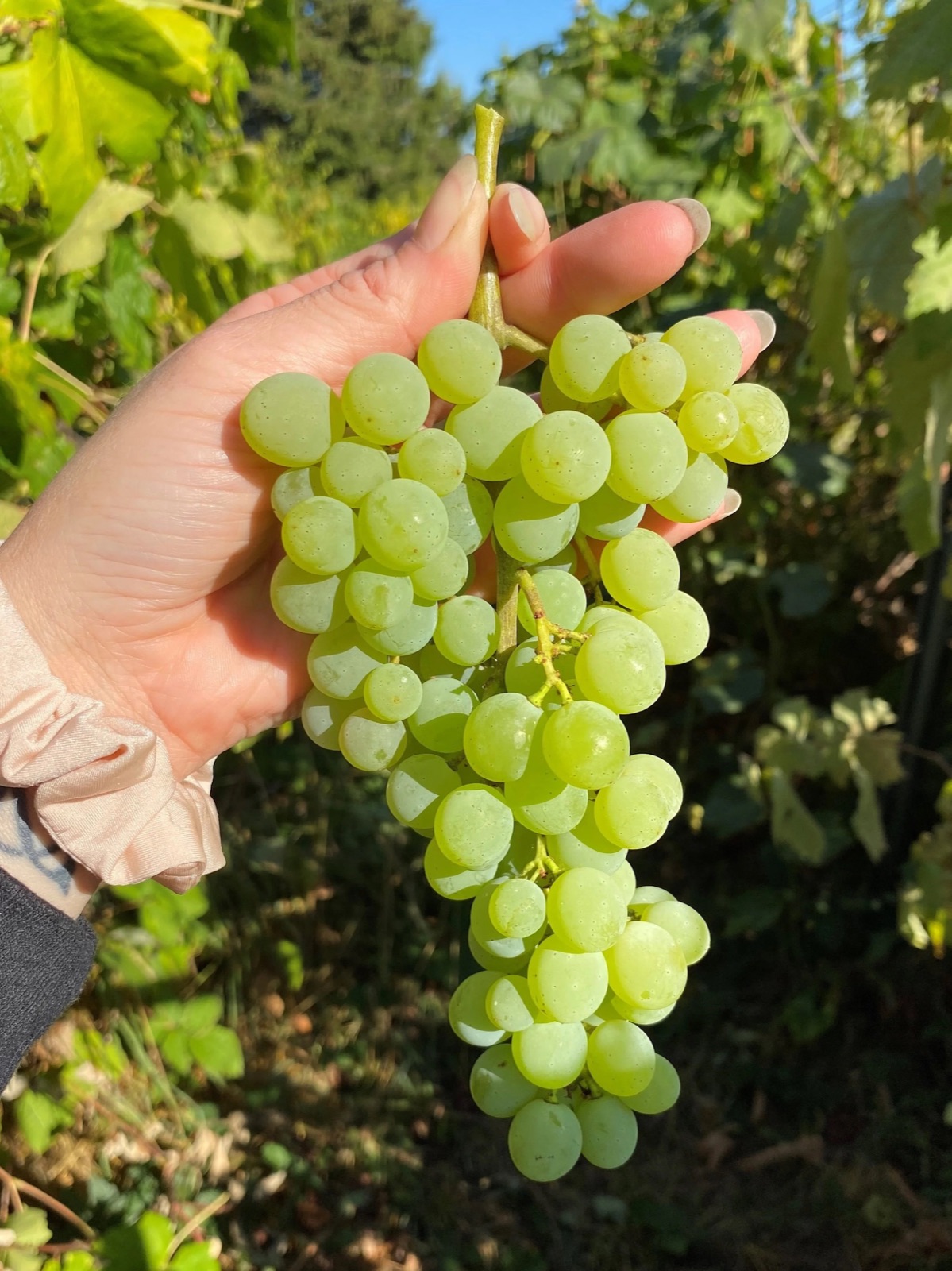
An exceptionally sweet green seedless grape with greater cold tolerance than many table grapes, making it especially useful for mid- and high-elevation Arizona.
View complete guide →A very low-chill, non-astringent persimmon that ripens weeks before Fuyu and stays relatively compact for a backyard tree.
View complete guide →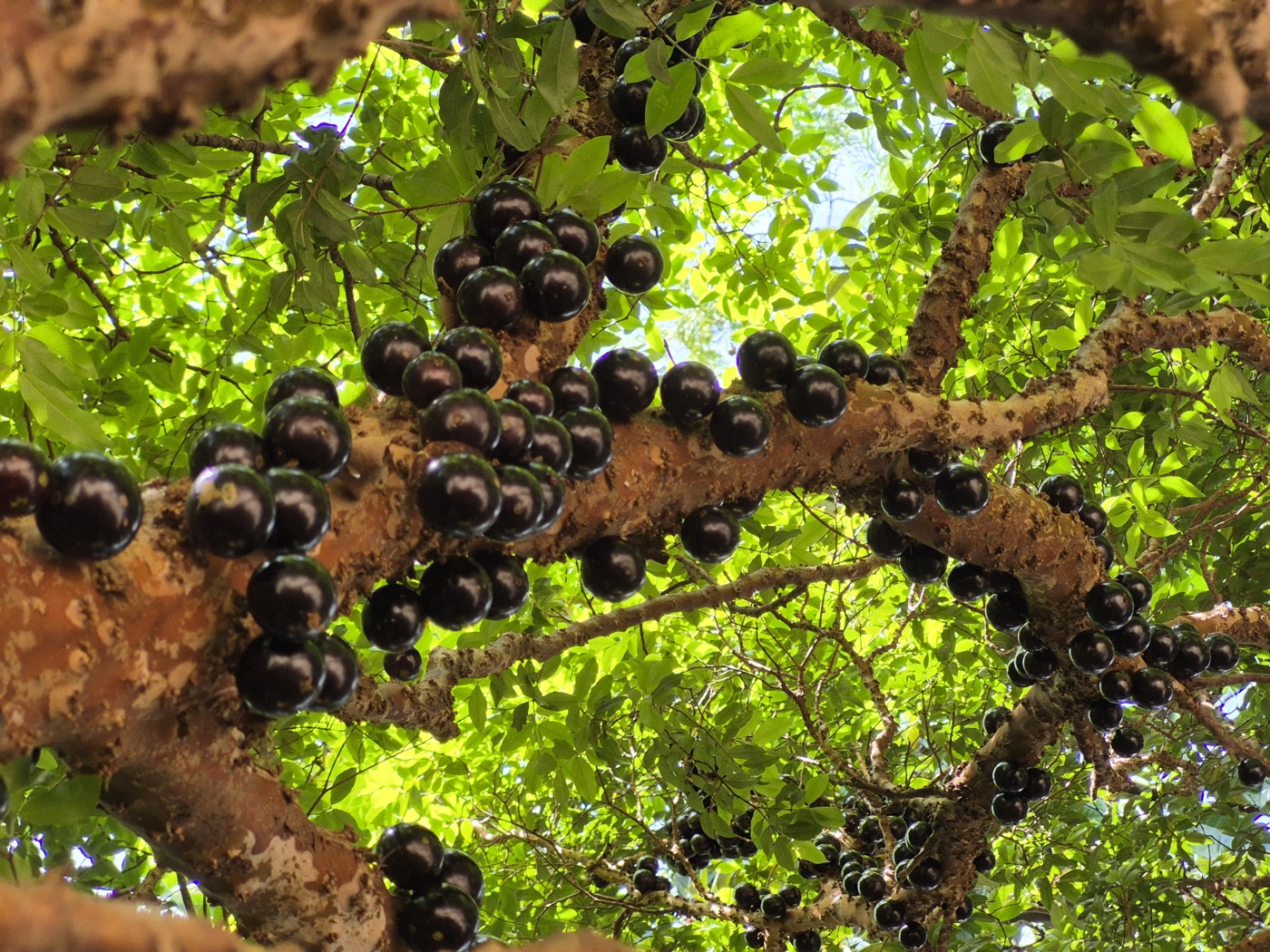
A slow Brazilian shrub that bears grape-like fruit directly on its trunk and branches, sometimes several times a year. A striking container plant that needs acidic soil.
View complete guide →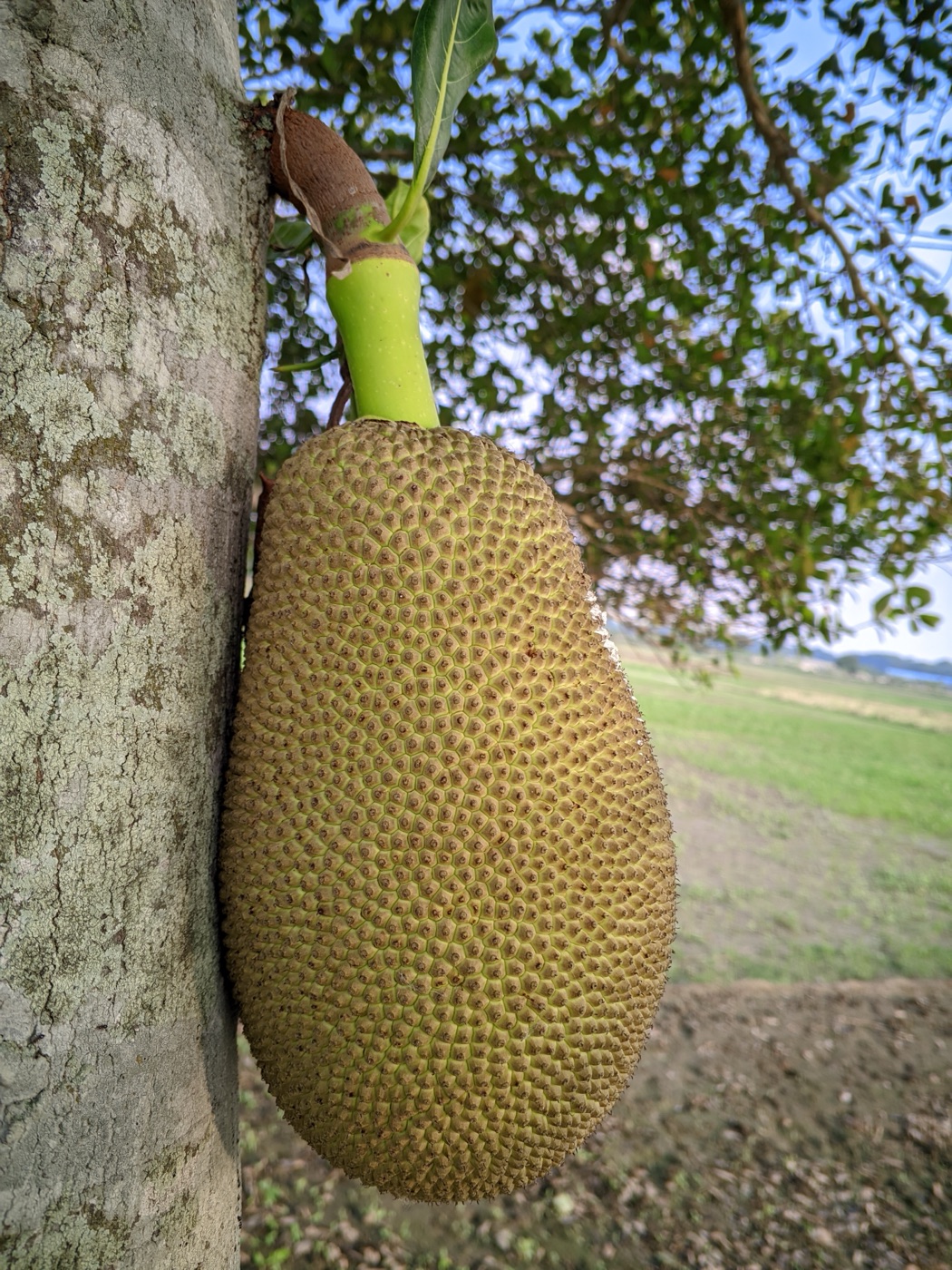
Produces the largest tree fruit in the world. In Phoenix it is an experiment for dedicated growers, needing afternoon shade and serious frost protection.
View complete guide →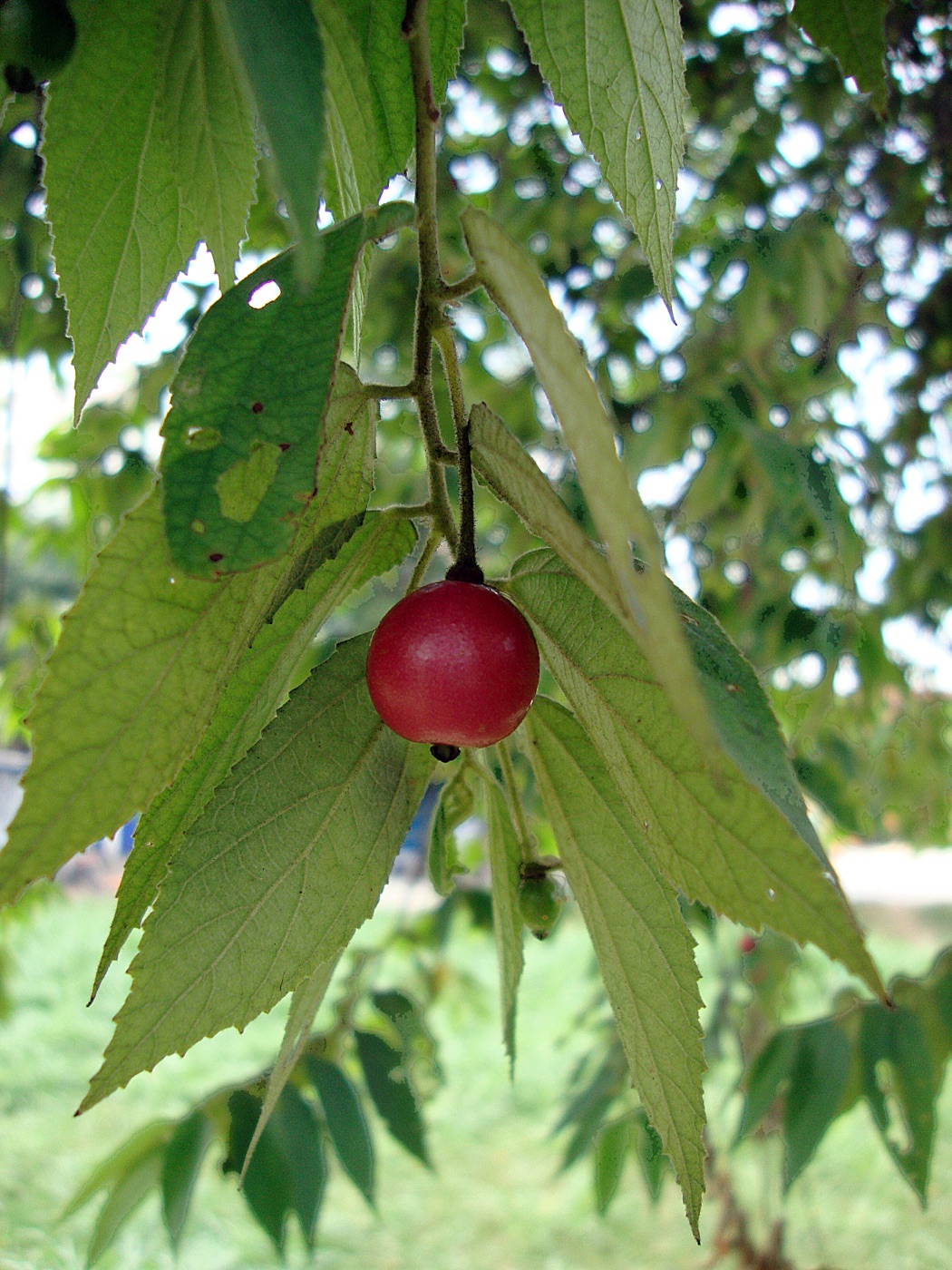
A very fast tree that fruits in its first year, with tiny red berries that taste like cotton candy. A good quick nurse tree and a favorite with kids.
View complete guide →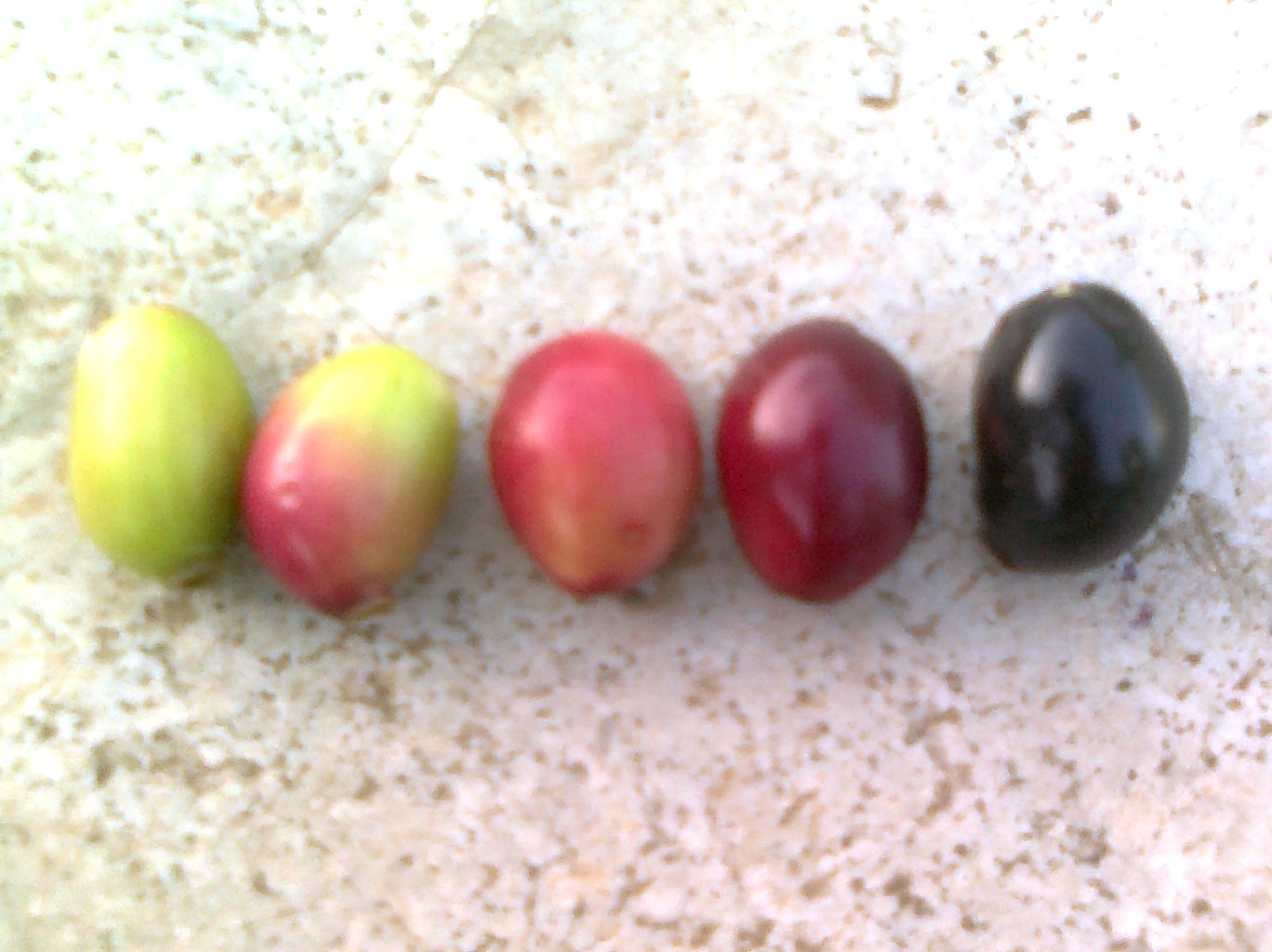
A large evergreen shade tree with dark purple, sweet-tart fruit that stains the mouth. Takes full Phoenix sun and usually needs no winter protection once established.
View complete guide →Tough, low-water fruit tree for both hot and frost-prone desert sites; select named cultivars for fruit quality.
View complete guide →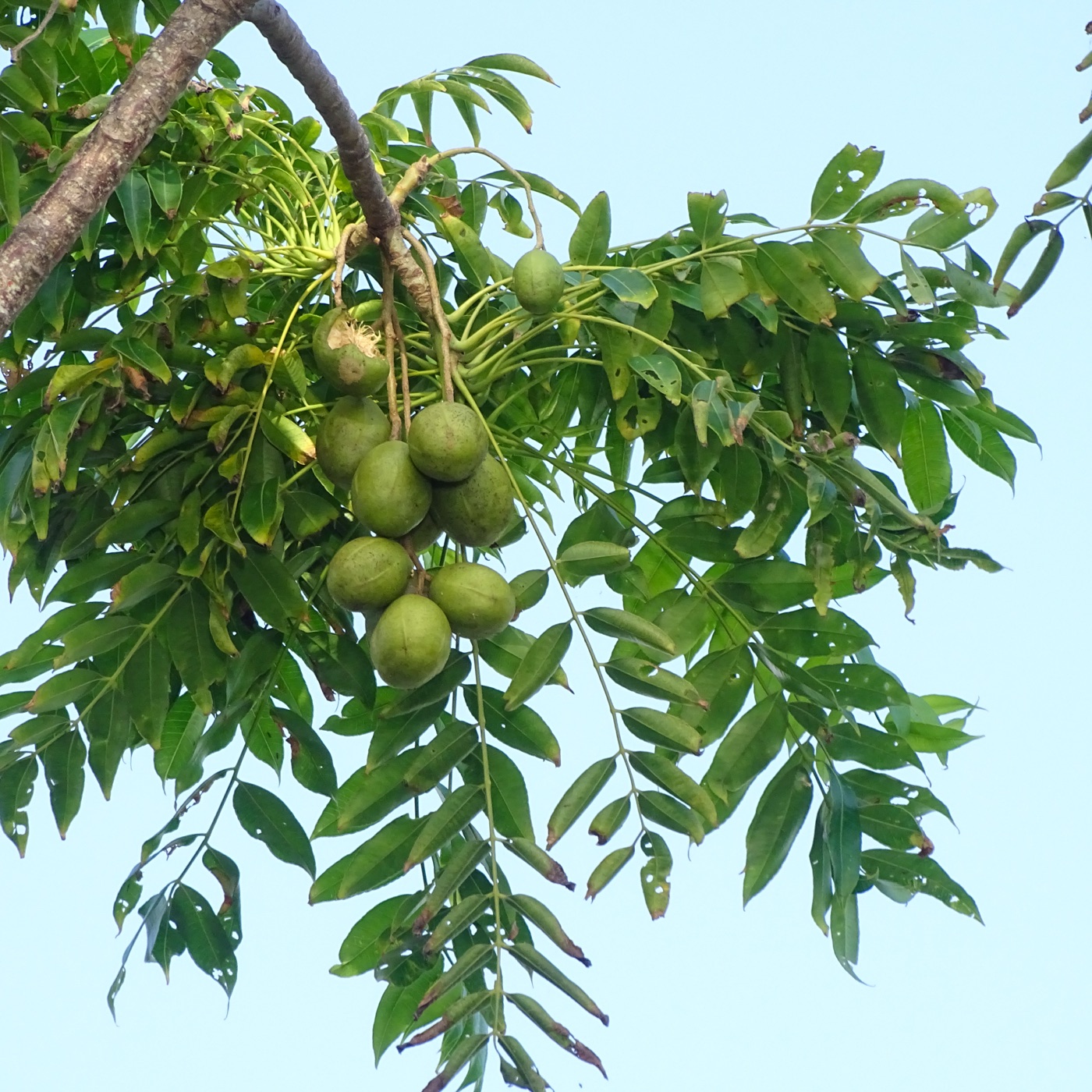
A tropical tree with crunchy, tart-sweet green fruit. The dwarf form fruits young and stays small enough for a large container.
View complete guide →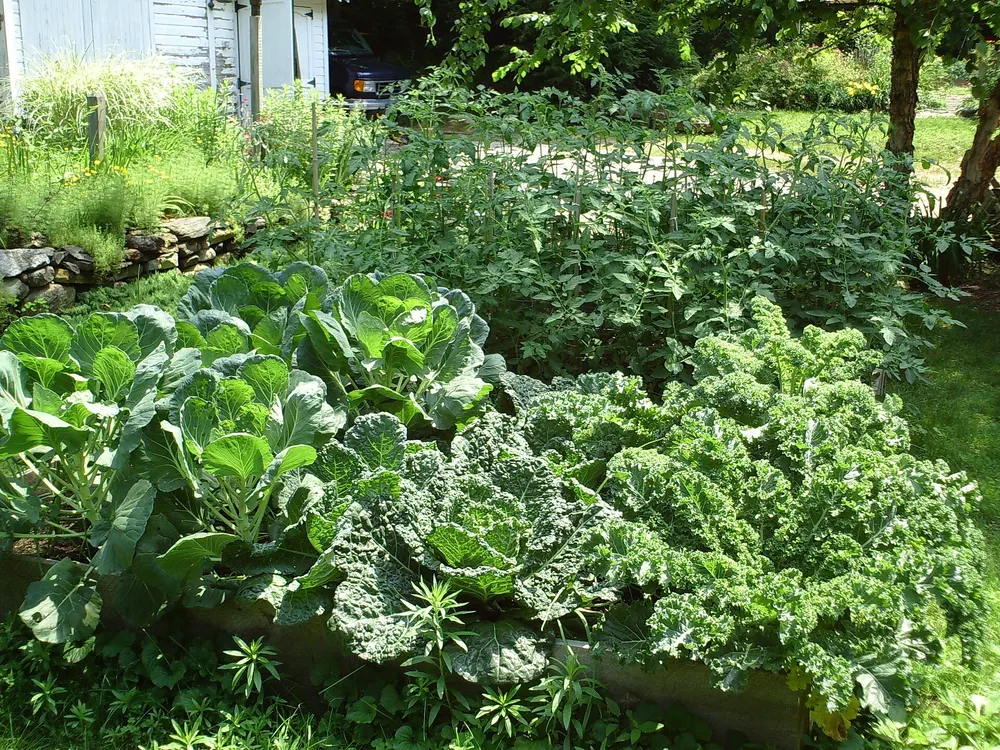
Harvest lower leaves as the plant grows. Watch cabbage loopers and aphids; leaves become tougher in hot spring weather.
View complete guide →A large, flavorful all-purpose freestone apricot whose tree-ripe fruit is mild rather than sharply tart.
View complete guide →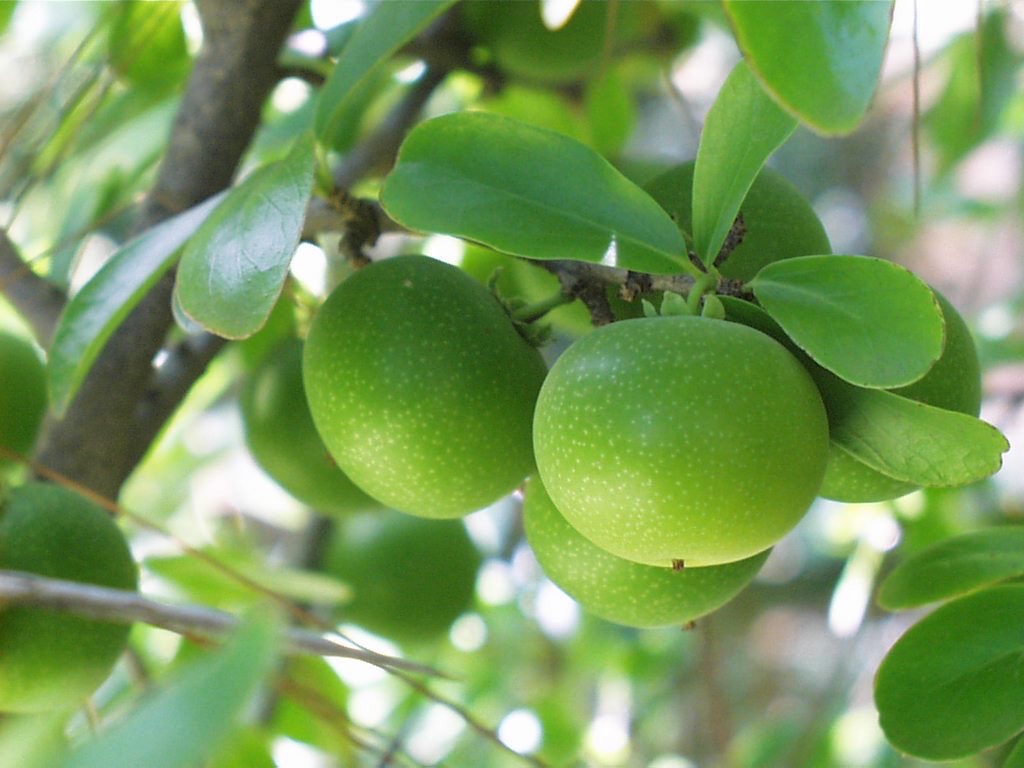
A tough, very thorny South African shrub with bright yellow, apricot-like fruit. One of the best drought, heat and salt tolerant fruit plants for Phoenix.
View complete guide →A dependable heat-tolerant pear with good fire-blight resistance and firm, coarse-textured fruit suited to cooking and canning.
View complete guide →A very sweet late mandarin prized for its strong classic flavor, with seediness influenced by nearby citrus pollen.
View complete guide →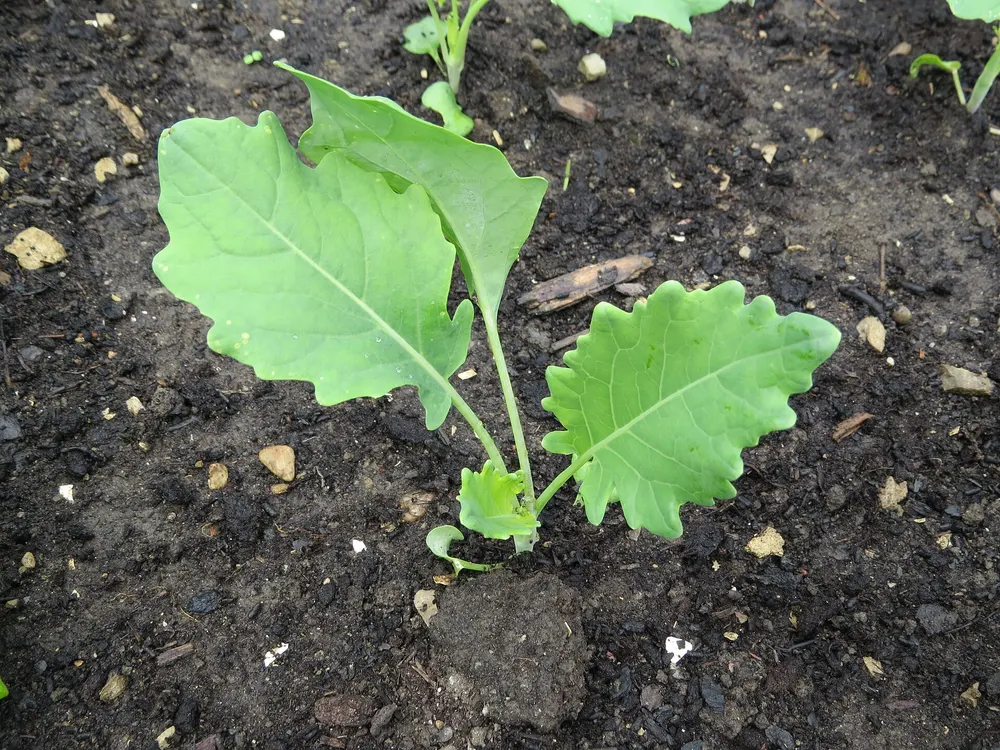
The swollen stem forms above soil, not a root. Harvest small and tender before spring heat makes it woody.
View complete guide →A productive Greek oil olive known for small fruit, excellent oil quality, heat tolerance, and strong fit in dry climates.
View complete guide →A late-season navel that extends fresh orange harvest after standard navels have finished.
View complete guide →A pear-shaped jujube selected for sweet, chewy date-like fruit after it fully browns, on a tough tree that welcomes long hot summers.
View complete guide →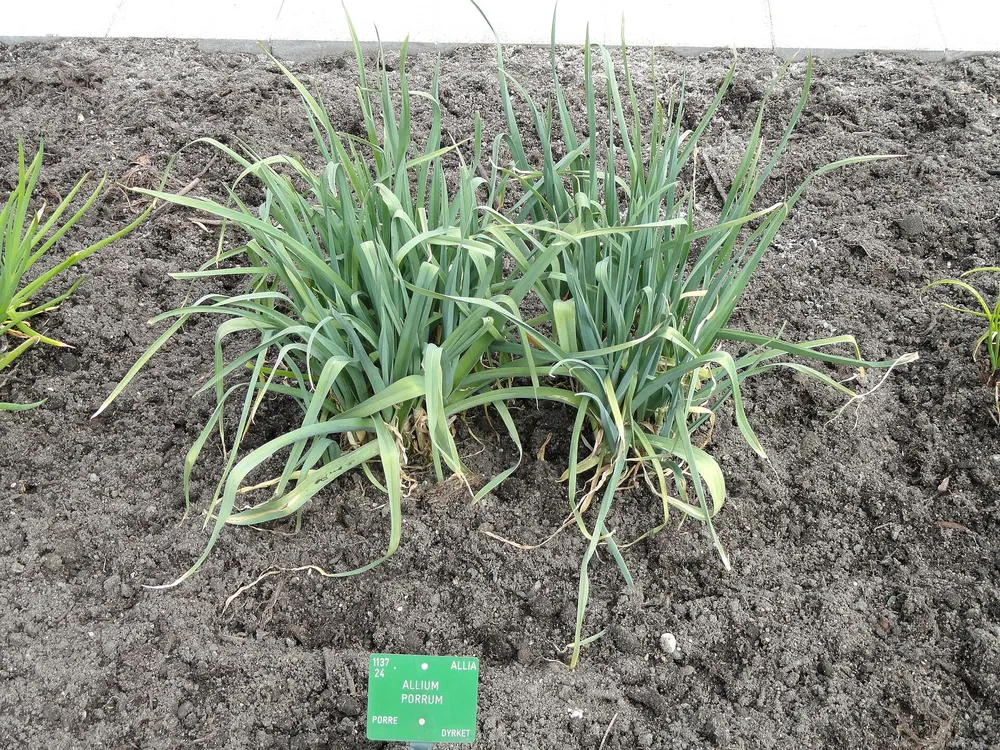
A slow crop. Give it room and steady water; plant early enough that the shanks develop before hot weather.
View complete guide →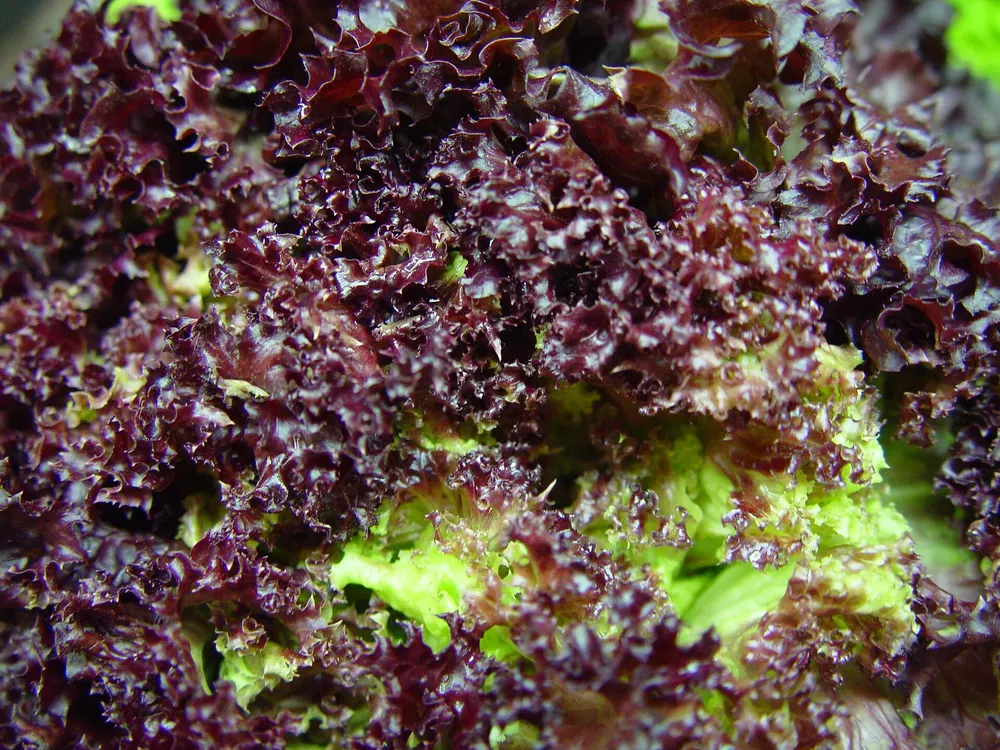
Sow after the worst soil heat passes. Harvest outer leaves or cut whole heads; heat and lengthening days bring bitterness and bolting.
View complete guide →A large-fruited, widely adapted jujube with crisp apple-like fruit that becomes chewy and date-like as it dries.
View complete guide →A vigorous true lemon with smoother rind and a pronounced nipple, valued for dependable tart juice in desert gardens.
View complete guide →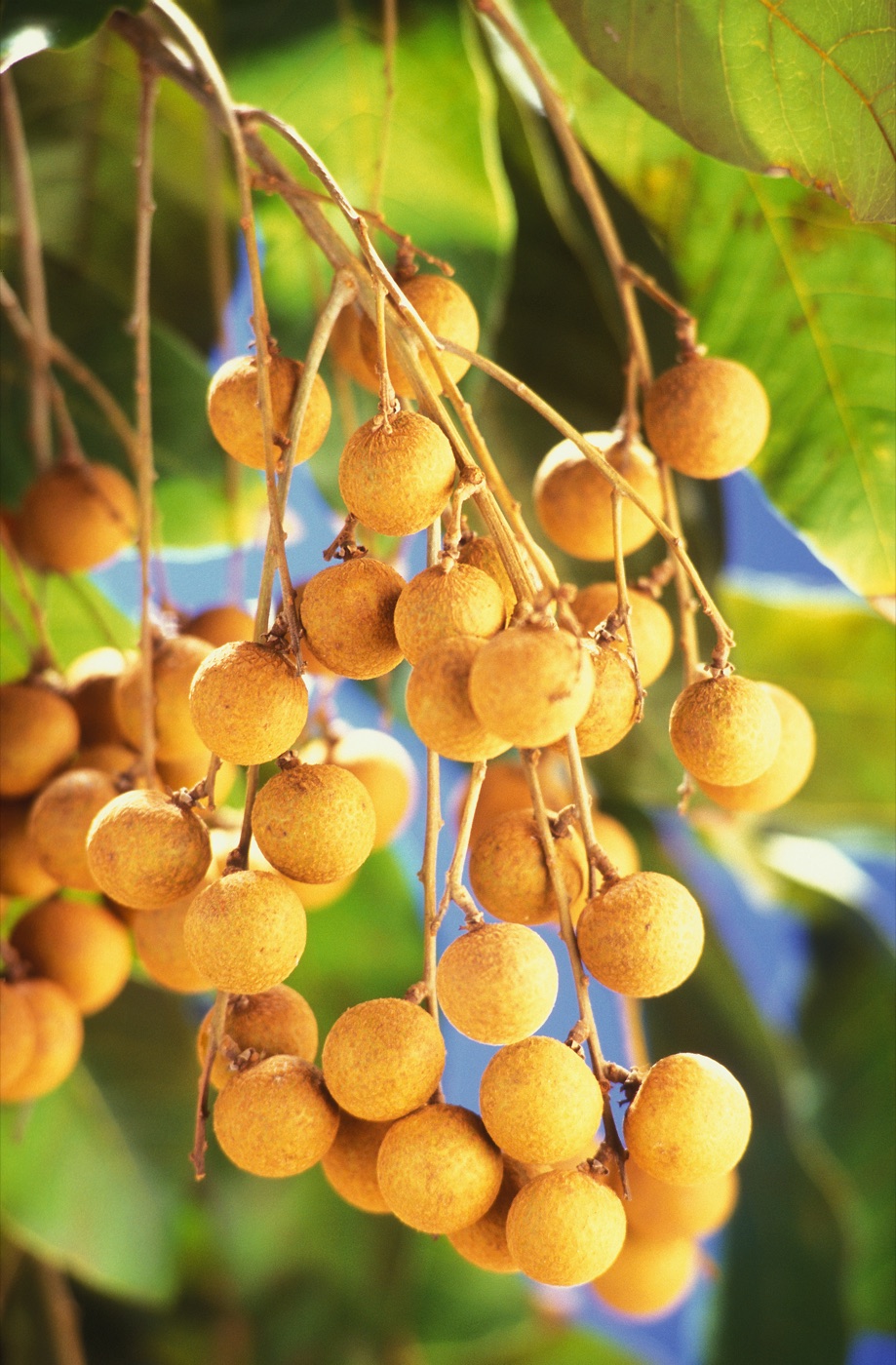
A slow, handsome lychee relative with clusters of sweet, translucent fruit in late summer. A little tougher than lychee and a better bet for Phoenix.
View complete guide →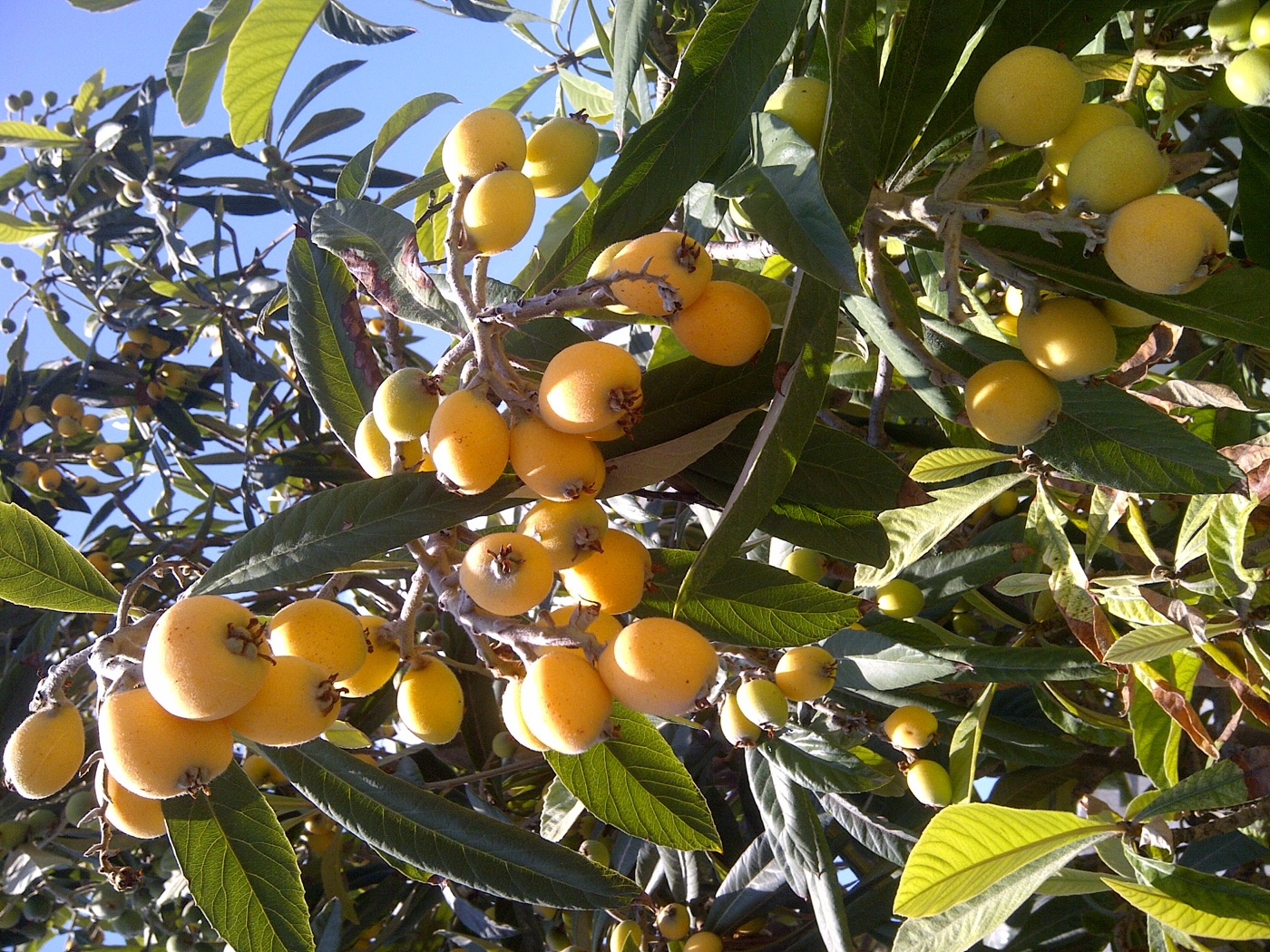
An easy evergreen that flowers in fall and ripens sweet, apricot-colored fruit in spring. Very cold hardy, but needs heavy shade for its first two Phoenix summers.
View complete guide →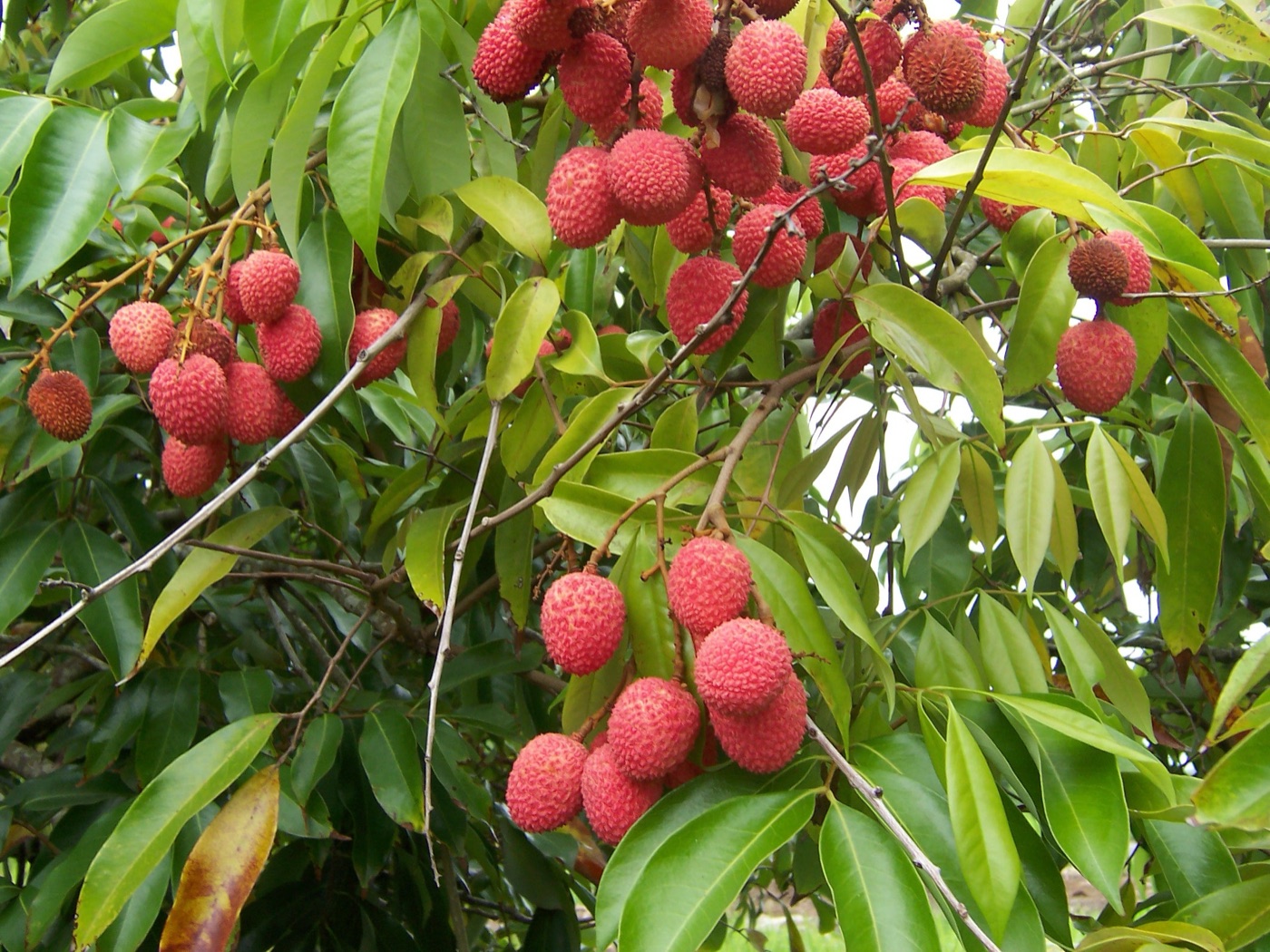
Prized for its fragrant, juicy fruit. Lychee can grow in Phoenix as a slow, small tree with afternoon shade, but crops are less reliable than longan.
View complete guide →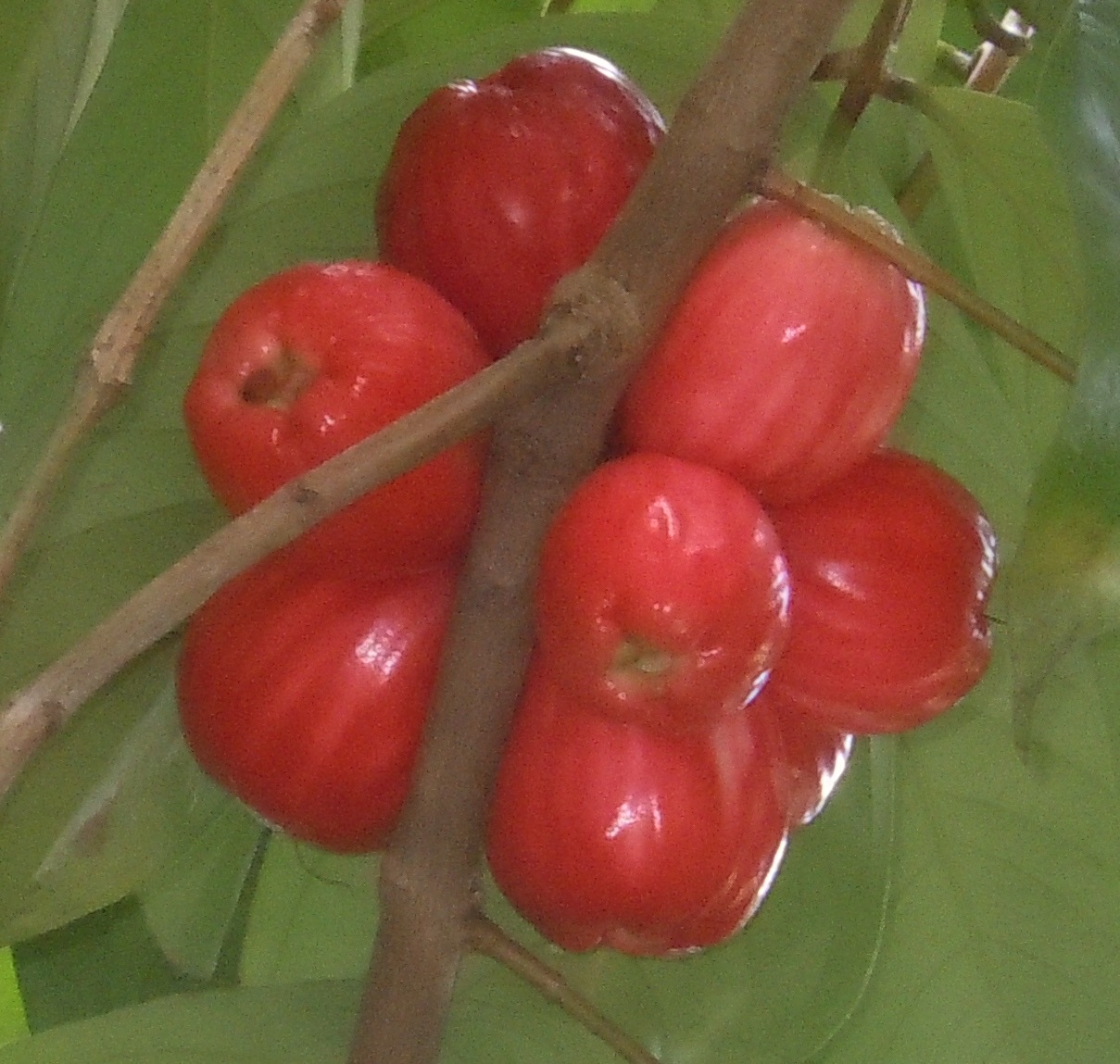
A tropical tree with showy pink powder-puff flowers and crisp, juicy red fruit. It struggles with Phoenix's dry air, so it does best in a sheltered, shaded courtyard.
View complete guide →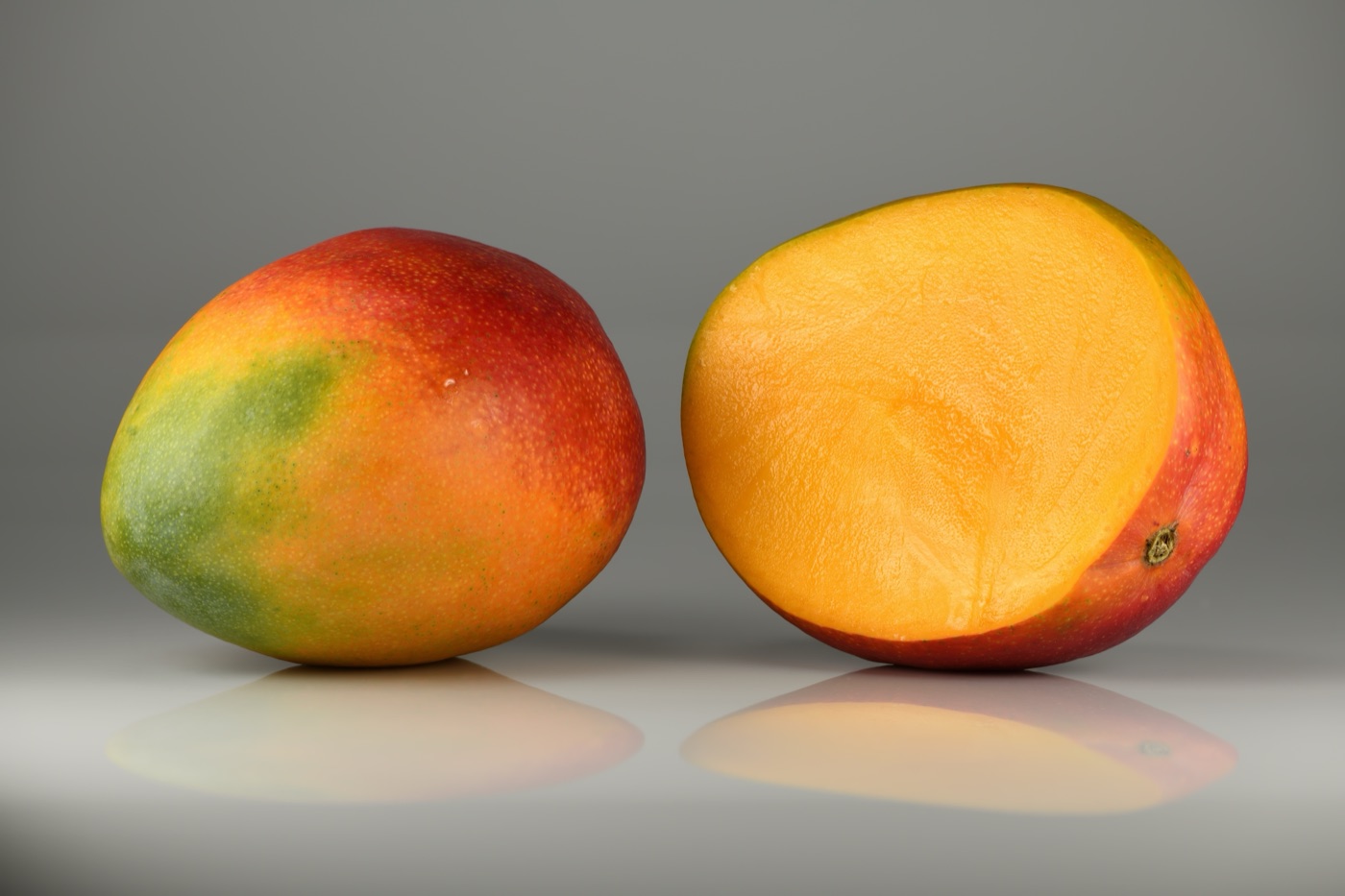
The tropical fruit most Phoenix growers want. Mangos do fruit here with afternoon shade, acidifying care and frost protection for the first few winters.
View complete guide →A classic dual-purpose olive with larger fruit for curing and enough oil content for pressing, on a broadly adapted evergreen tree.
View complete guide →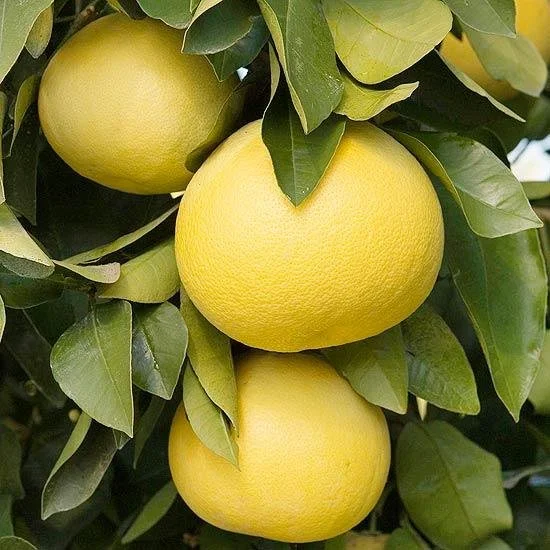
A classic nearly seedless white grapefruit that becomes sweeter and less acidic the longer it hangs into spring.
View complete guide →A round kumquat with a spicy-sweet peel and sweeter pulp than Nagami, useful fresh or preserved.
View complete guide →A vigorous, heavy-bearing low-chill plum with juicy red flesh and mild flavor, useful as both producer and pollinizer.
View complete guide →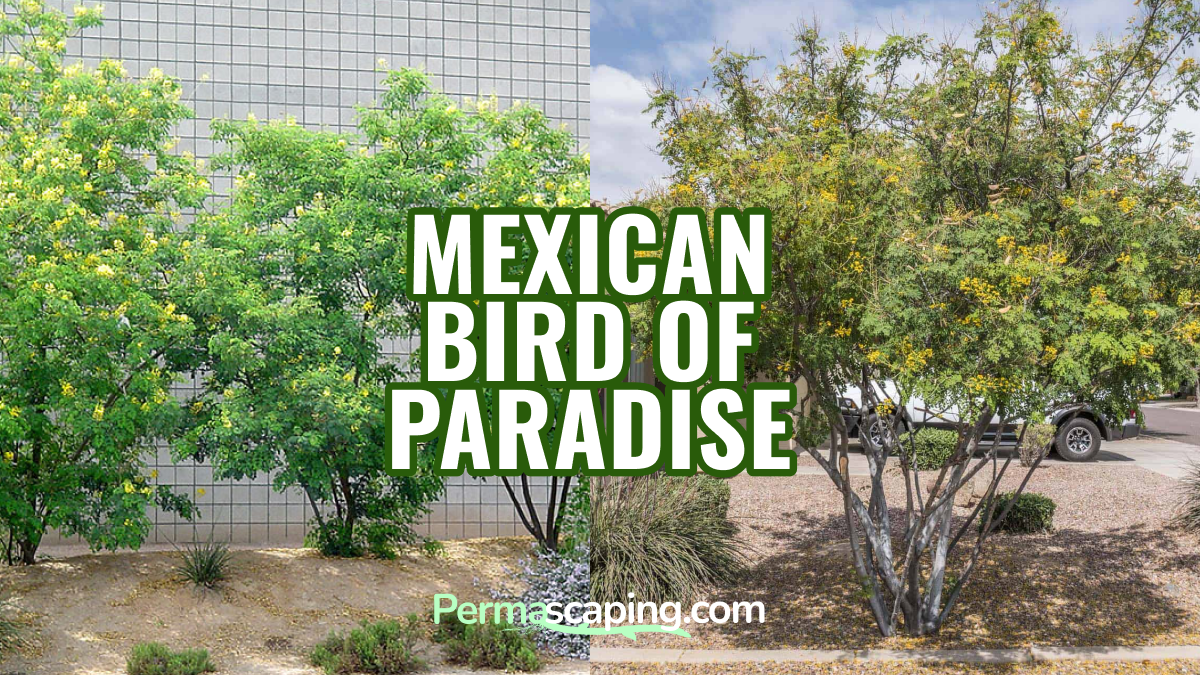
A fast native-region shrub or small tree with ferny foliage and yellow flowers, useful for filtered shade, pollinators, and informal screens.
View complete guide →The small, intensely aromatic culinary lime; extremely frost sensitive and best reserved for the warmest protected microclimate.
View complete guide →A small-leaved white clover that knits into a lawn or stands on its own, feeds the soil with nitrogen and stays green with less water and no fertilizer. Mixed into Bermuda or Kurapia it fills thin spots and keeps the soil alive.
View complete guide →A benchmark yellow freestone peach for warm-winter climates, extending the low-desert crop beyond the earliest selections.
View complete guide →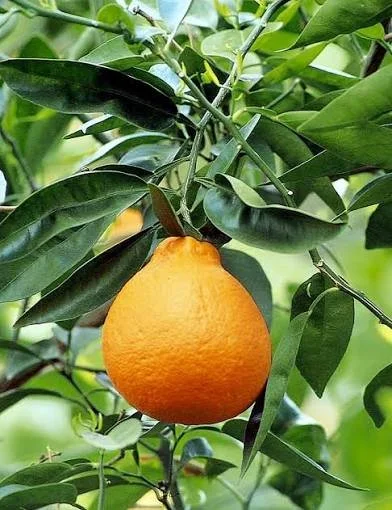
A large, bright red-orange tangelo with a characteristic neck, combining grapefruit tang with mandarin sweetness.
View complete guide →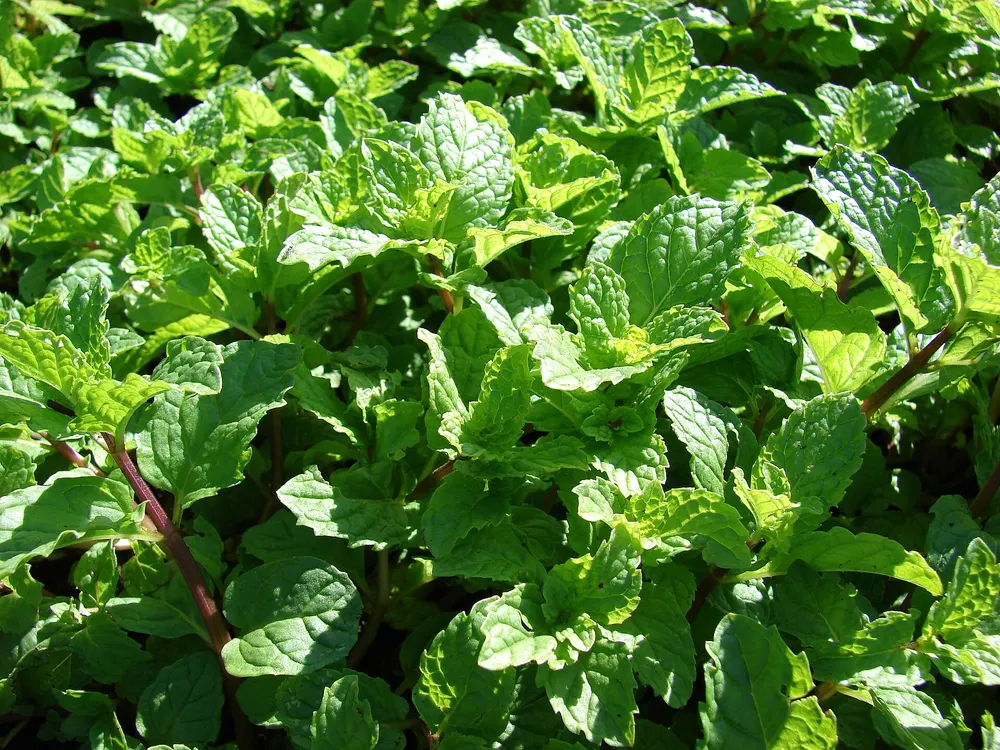
Give morning sun and afternoon shade as Phoenix heats up. Confine runners and keep roots consistently moist; mint is not a drought-tolerant desert shrub.
View complete guide →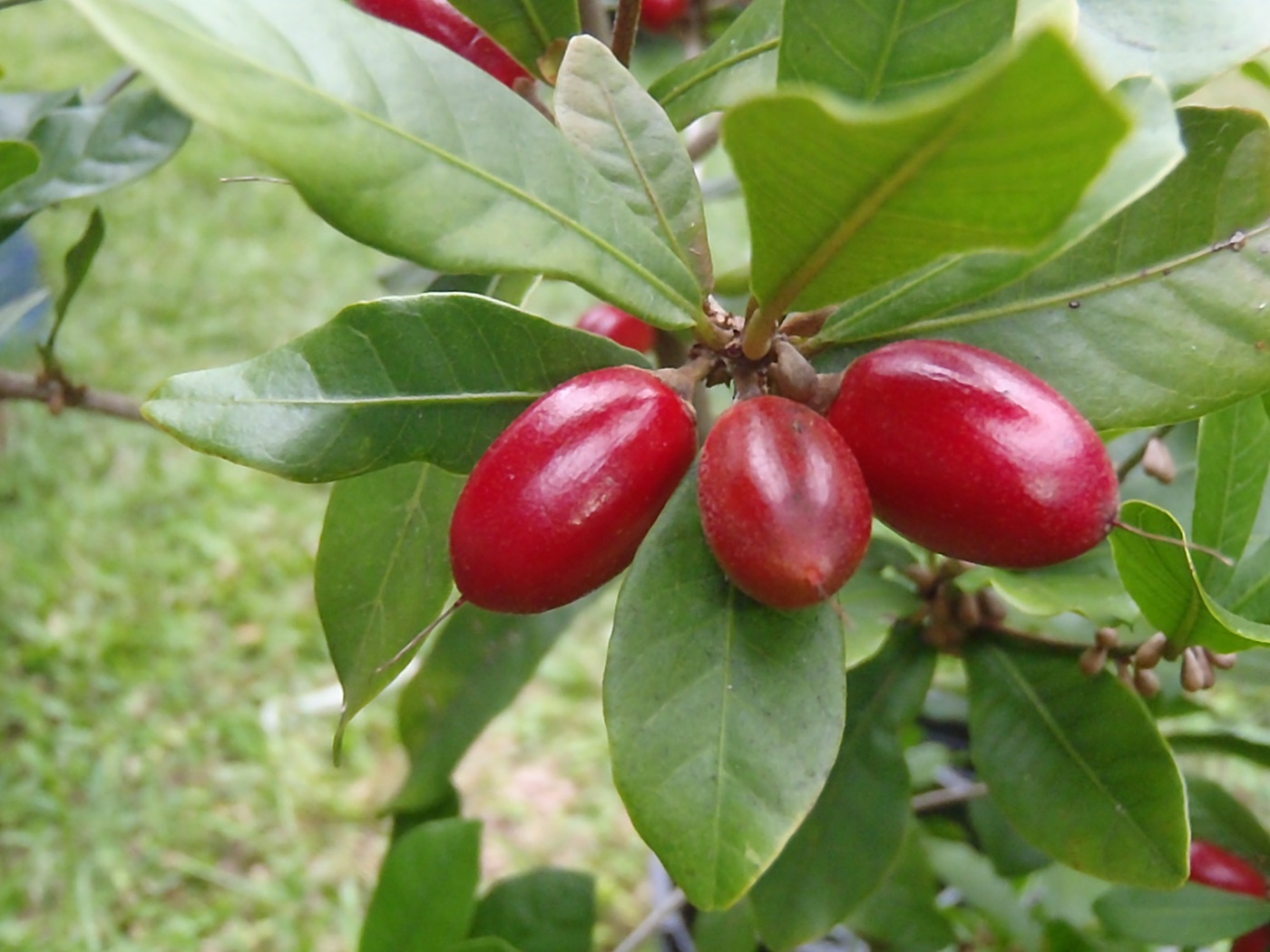
A small shrub with red berries that make sour foods taste sweet for an hour or more. A fun container plant that needs acidic soil and low-salt water.
View complete guide →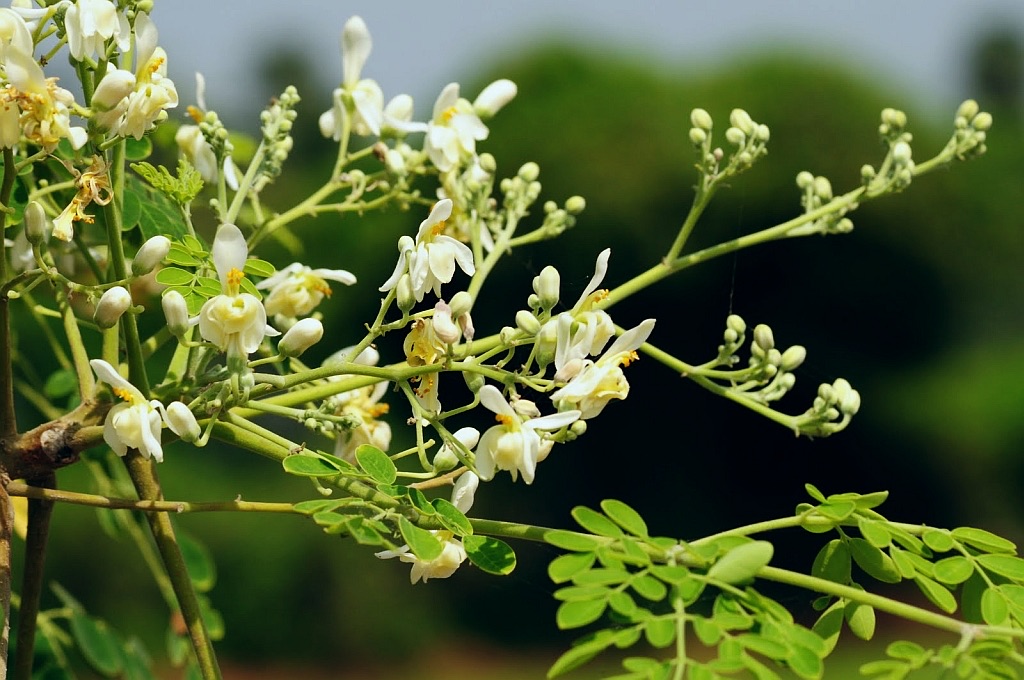
A very fast, airy tree grown for its nutritious leaves and long seed pods. It loves Phoenix summer heat, freezes back in a cold winter and usually regrows from the trunk or roots in spring.
View complete guide →The darkest of the blood oranges: deep red to maroon flesh with a sweet, berry-like flavor. The color comes on with cool winter nights, so it is at its best in the Valley from midwinter into early spring.
View complete guide →Exceptional food and summer shade with moderate water; choose fruiting cultivars thoughtfully and allow ample space.
View complete guide →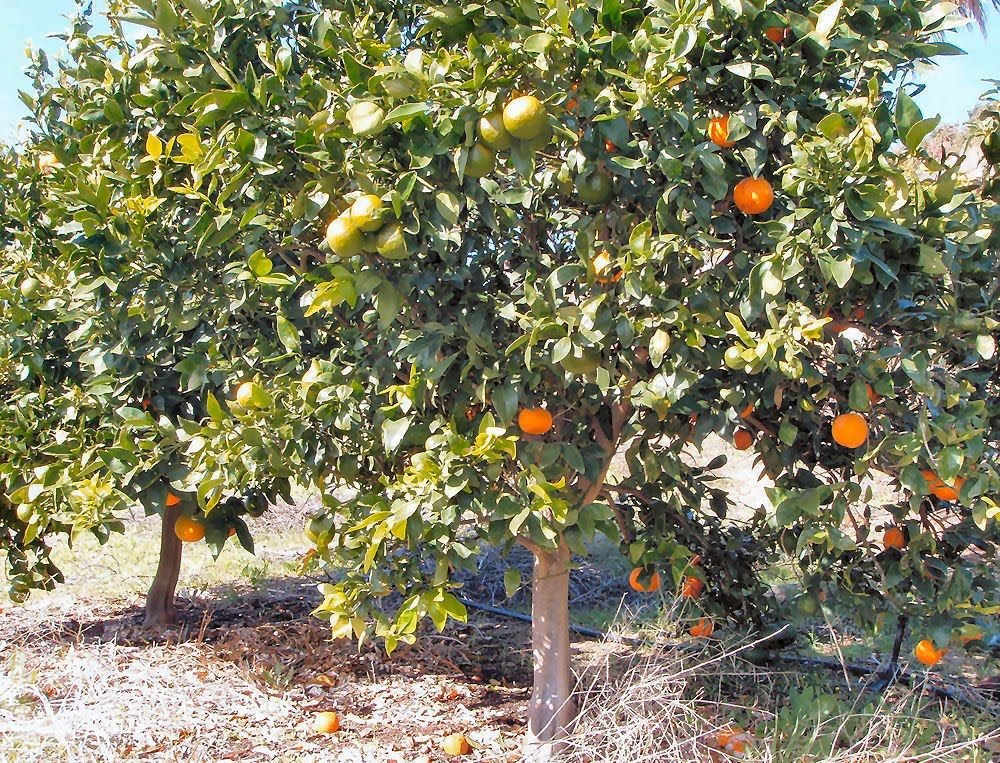
Several compatible citrus cultivars trained on one root system for small-space variety—with extra pruning attention needed to keep one graft from taking over.
View complete guide →Peppery leaves grow quickly. Mizuna is a leaf mustard type; harvest young before spring heat intensifies the bite.
View complete guide →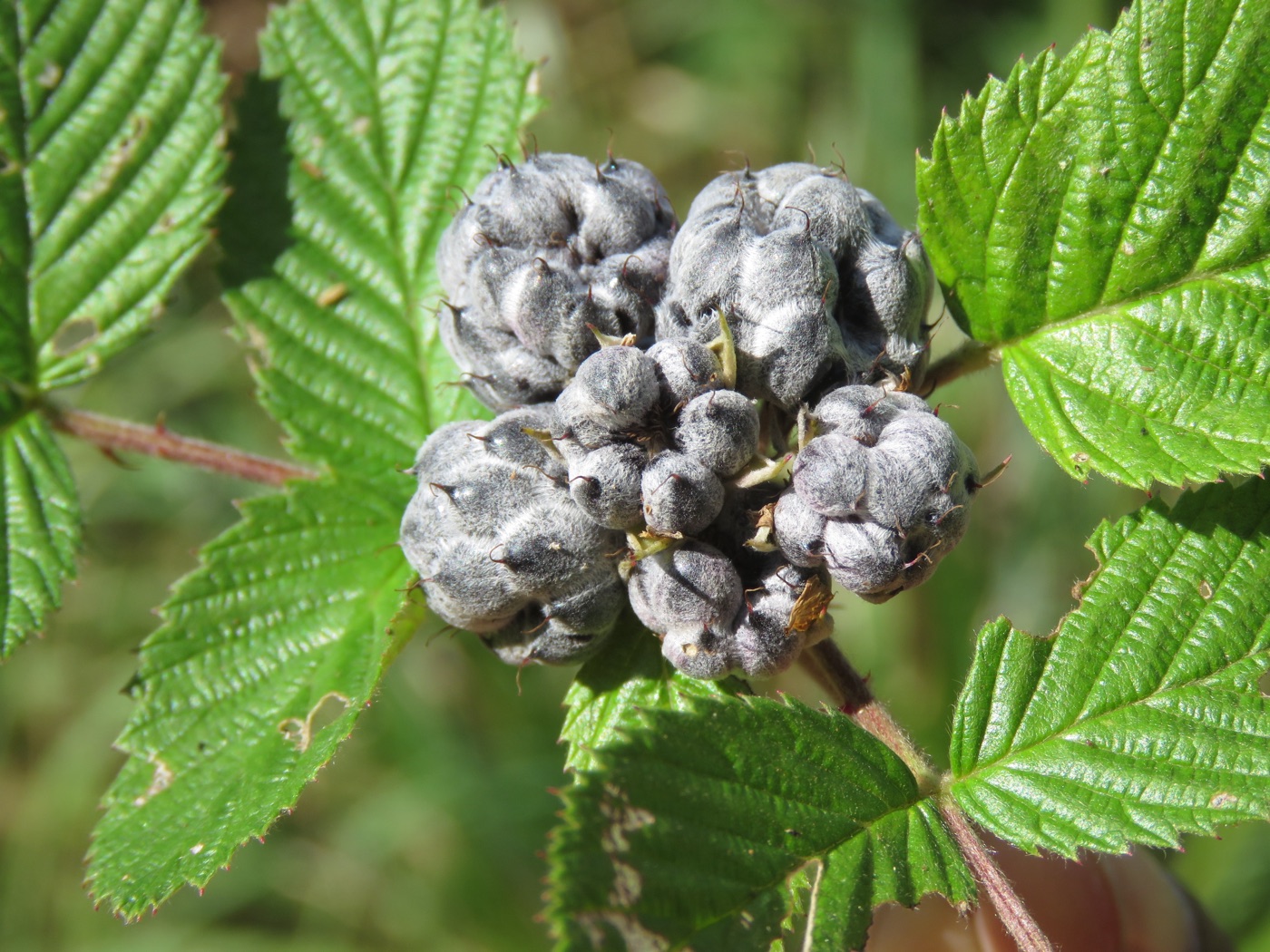
A tropical black raspberry that tolerates heat far better than ordinary raspberries. Thorny canes produce sweet, dark berries in spring and again in fall.
View complete guide →An oblong, bright-orange kumquat with a sweet edible peel and tart center on a naturally compact, comparatively cold-tolerant tree.
View complete guide →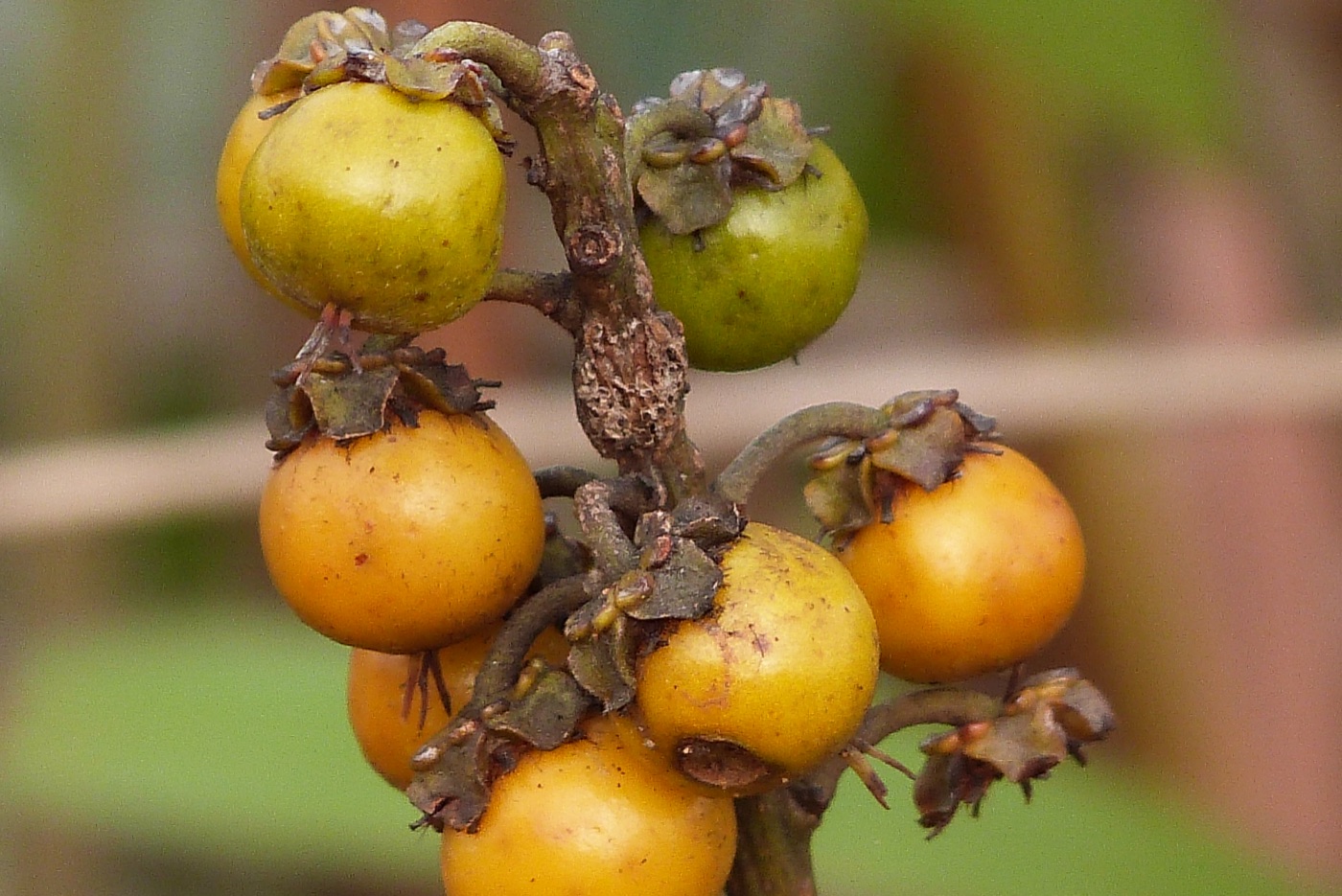
A small Central American tree with yellow, cherry-sized fruit that has a strong, cheesy-sweet aroma. Tolerant of poor soil and dry conditions.
View complete guide →A tender, elongated Chinese cabbage. Avoid heat-stressed starts and harvest while the head is tight.
View complete guide →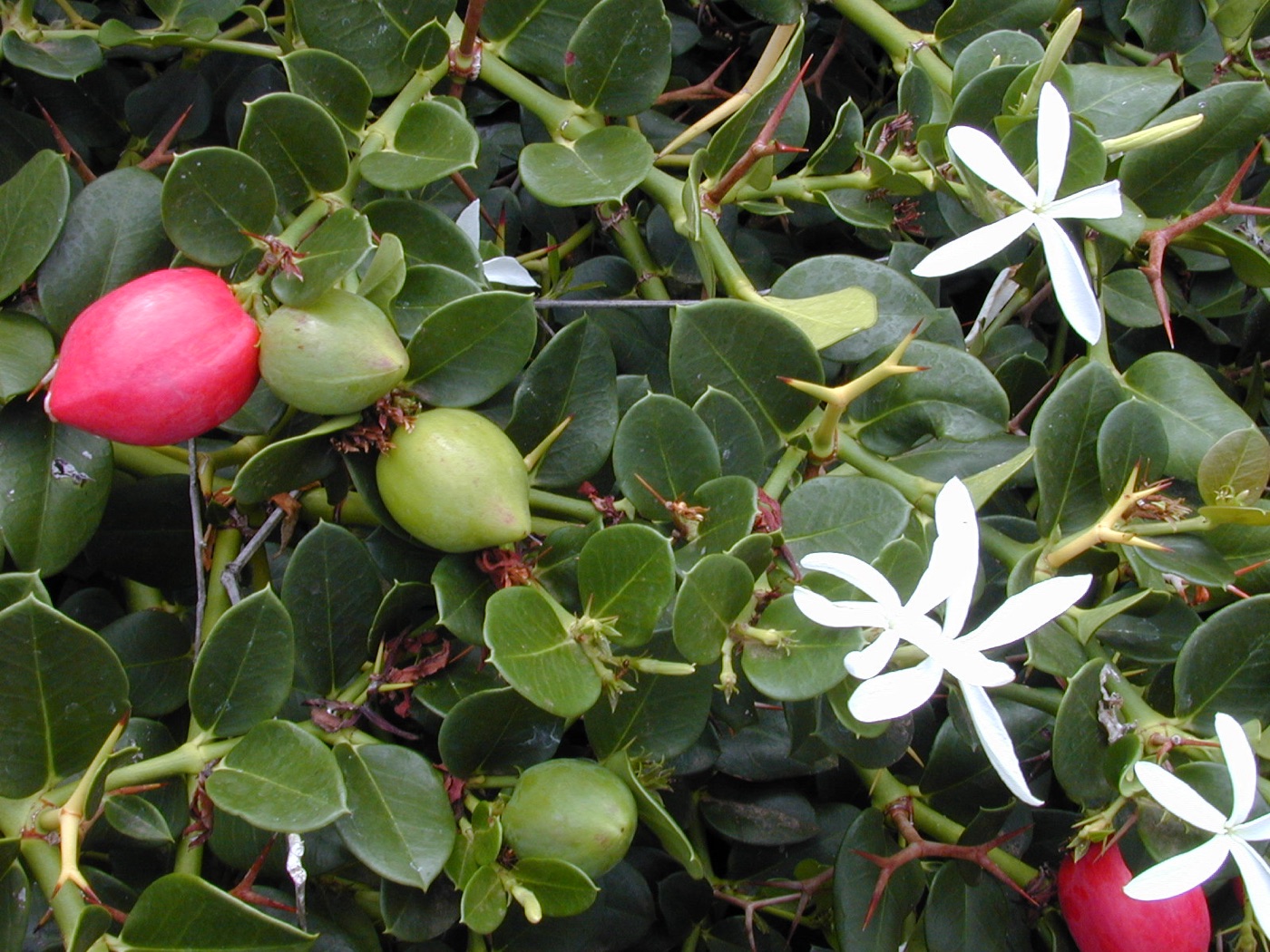
A common Phoenix landscape shrub with glossy leaves, fragrant white star flowers and edible red fruit. Thorny, salt tolerant and easy.
View complete guide →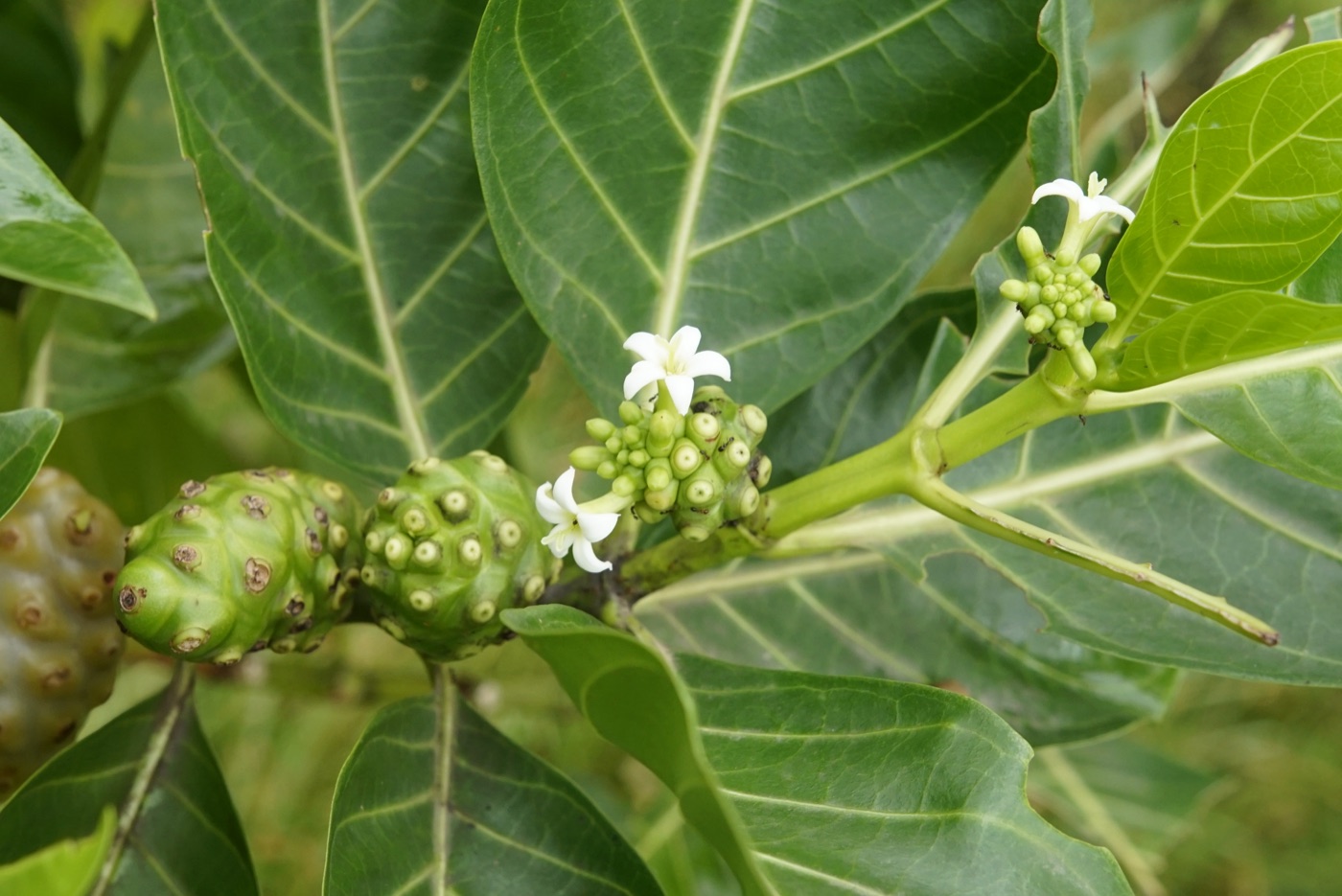
A small tropical tree with large glossy leaves and lumpy fruit used mostly for juice. It fruits young and nearly year-round in warm conditions.
View complete guide →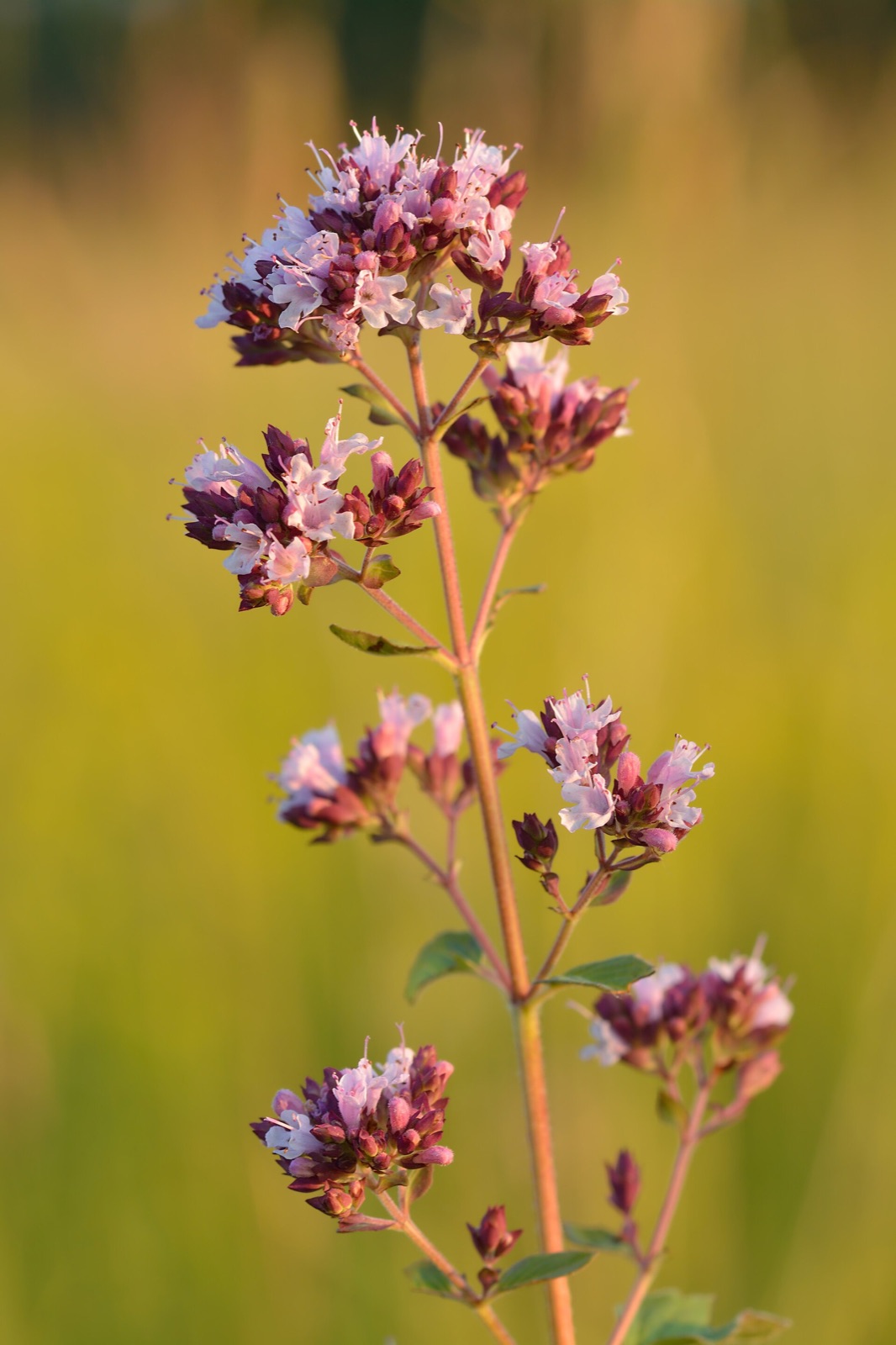
A spreading perennial herb that supplies kitchen harvests and nectar-rich flowers where it receives drainage and protection from punishing afternoon heat.
View complete guide →A low-acid, high-sugar pummelo–grapefruit hybrid for growers who want a sweeter grapefruit character and thicker peel.
View complete guide →A fast-growing shade-and-food tree producing exceptionally long, sweet berries in warm desert climates.
View complete guide →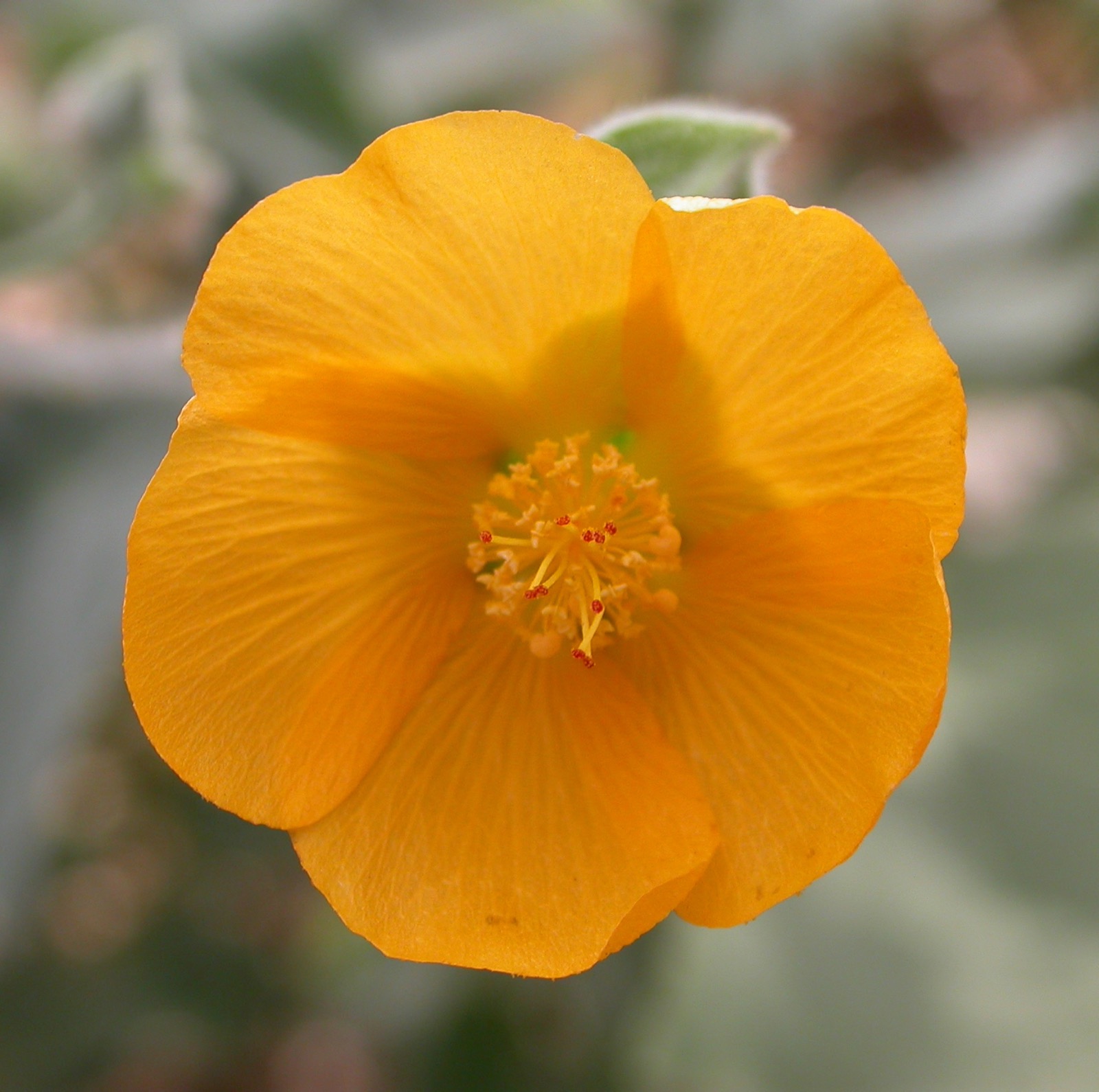
Soft silver foliage and apricot flowers provide nearly year-round structure and nectar in warm sites.
View complete guide →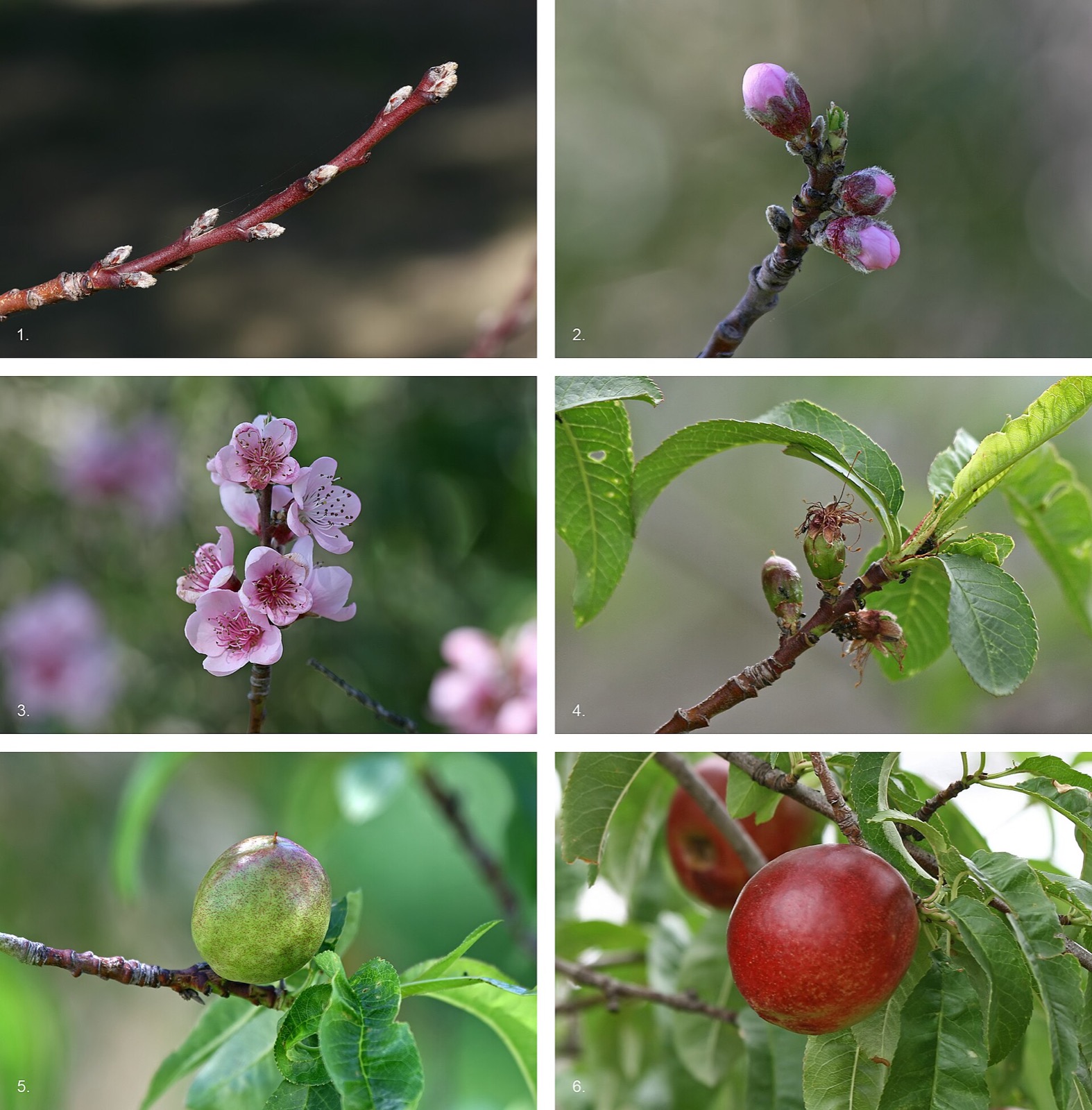
A proven low-chill nectarine for warm climates, producing smooth-skinned red-blushed fruit with yellow flesh.
View complete guide →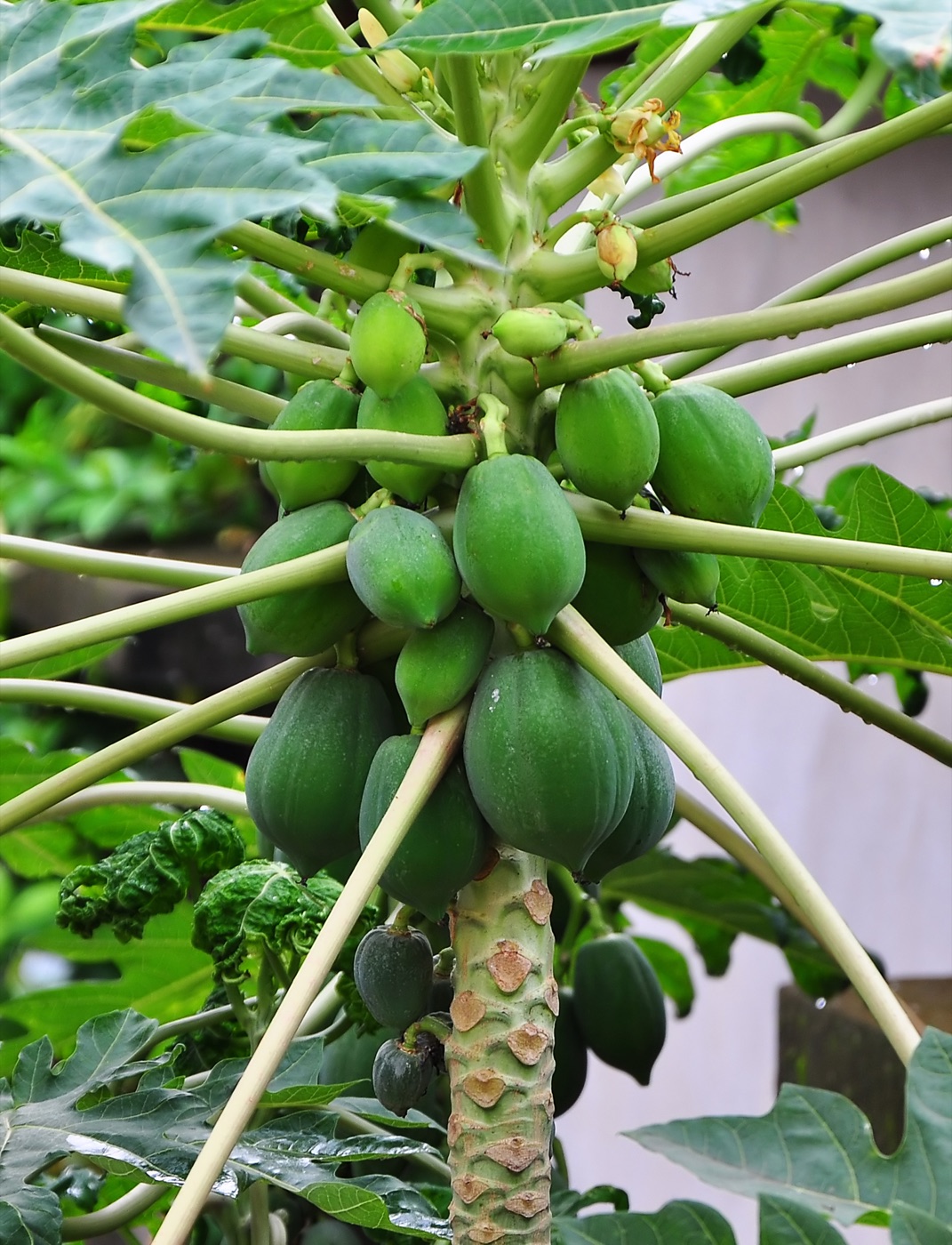
A fast, single-trunk plant that can fruit within a year. Heavy producers in Phoenix if protected from frost and given afternoon shade while young.
View complete guide →The classic midseason Arizona navel: large, seedless fruit that peels readily and excels for fresh eating.
View complete guide →A large red pomegranate with soft seeds, deep-red arils, and a rich sweet-tart balance for fresh eating and juice.
View complete guide →Flat-leaf and curly parsley share the same crop profile. Pick outer stems and protect from drying winds in spring.
View complete guide →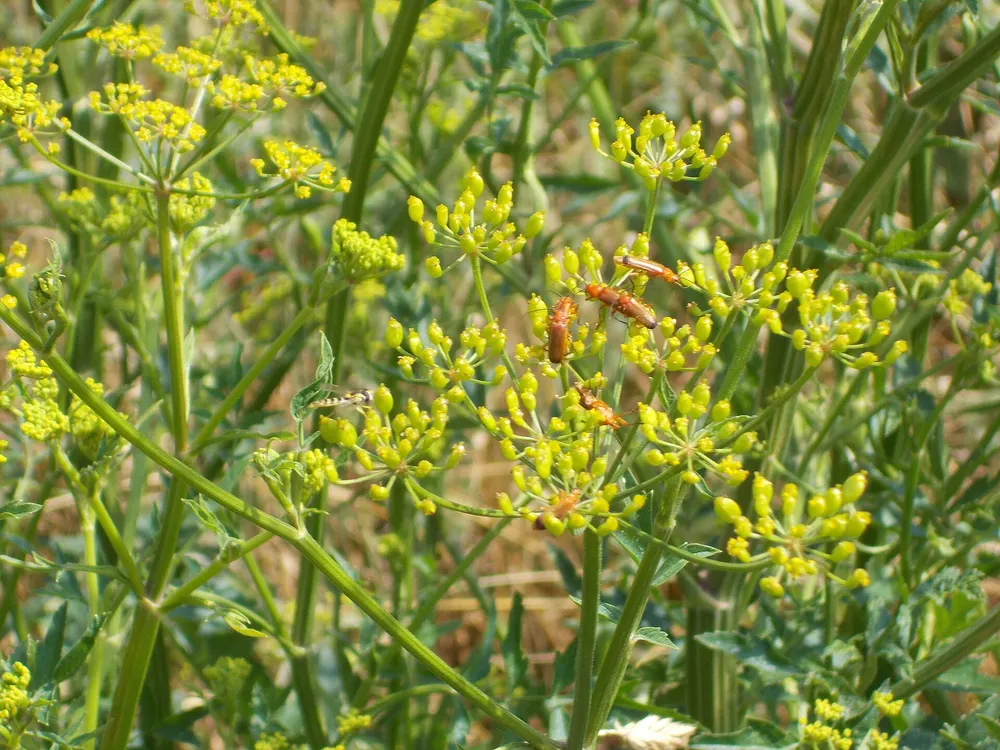
Germination is slow, especially in cool soil; maintain surface moisture. Allow deep, loose soil for straight roots.
View complete guide →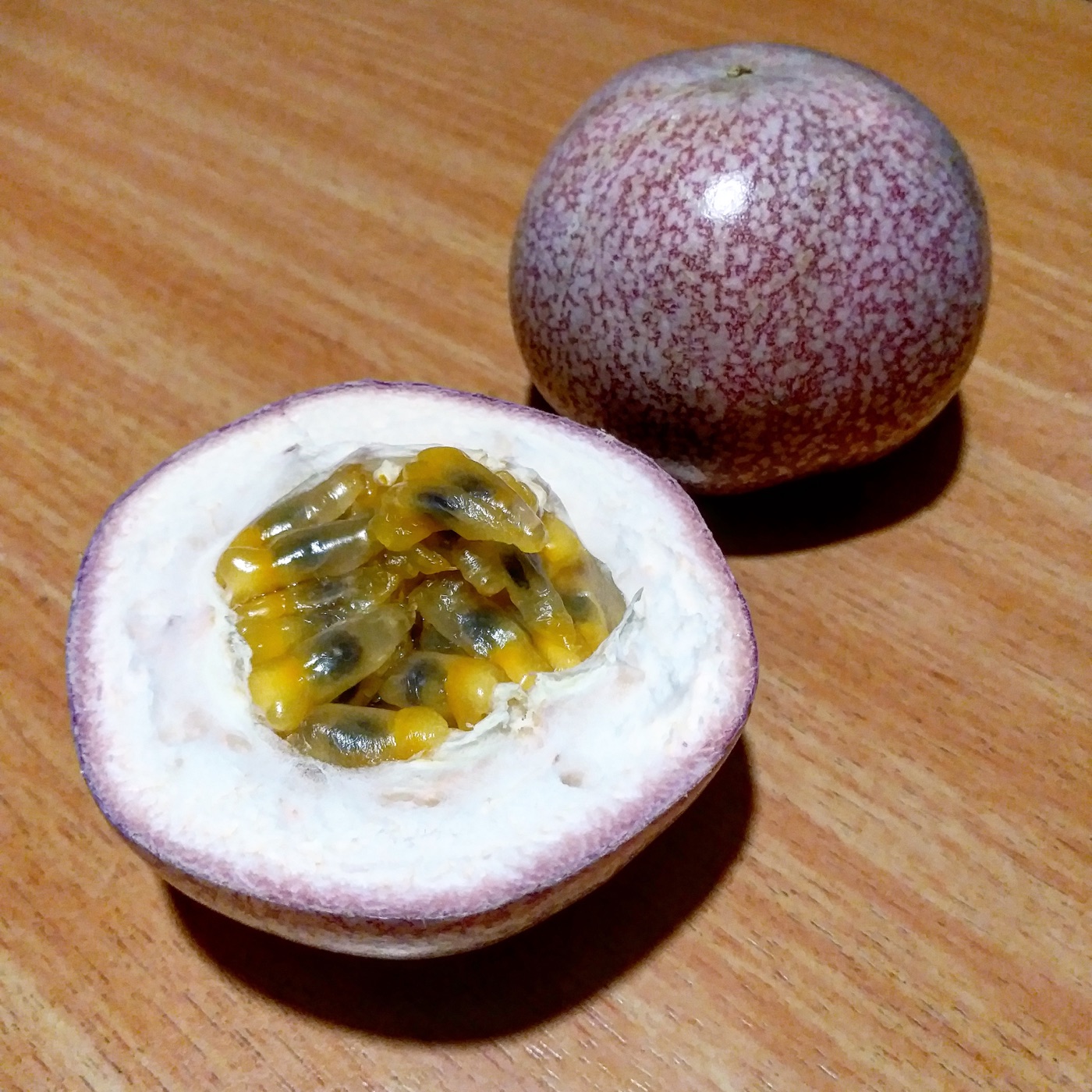
A fast, vigorous vine with spectacular flowers and tangy, aromatic fruit. Give it a sturdy fence or trellis and afternoon shade for the first summer.
View complete guide →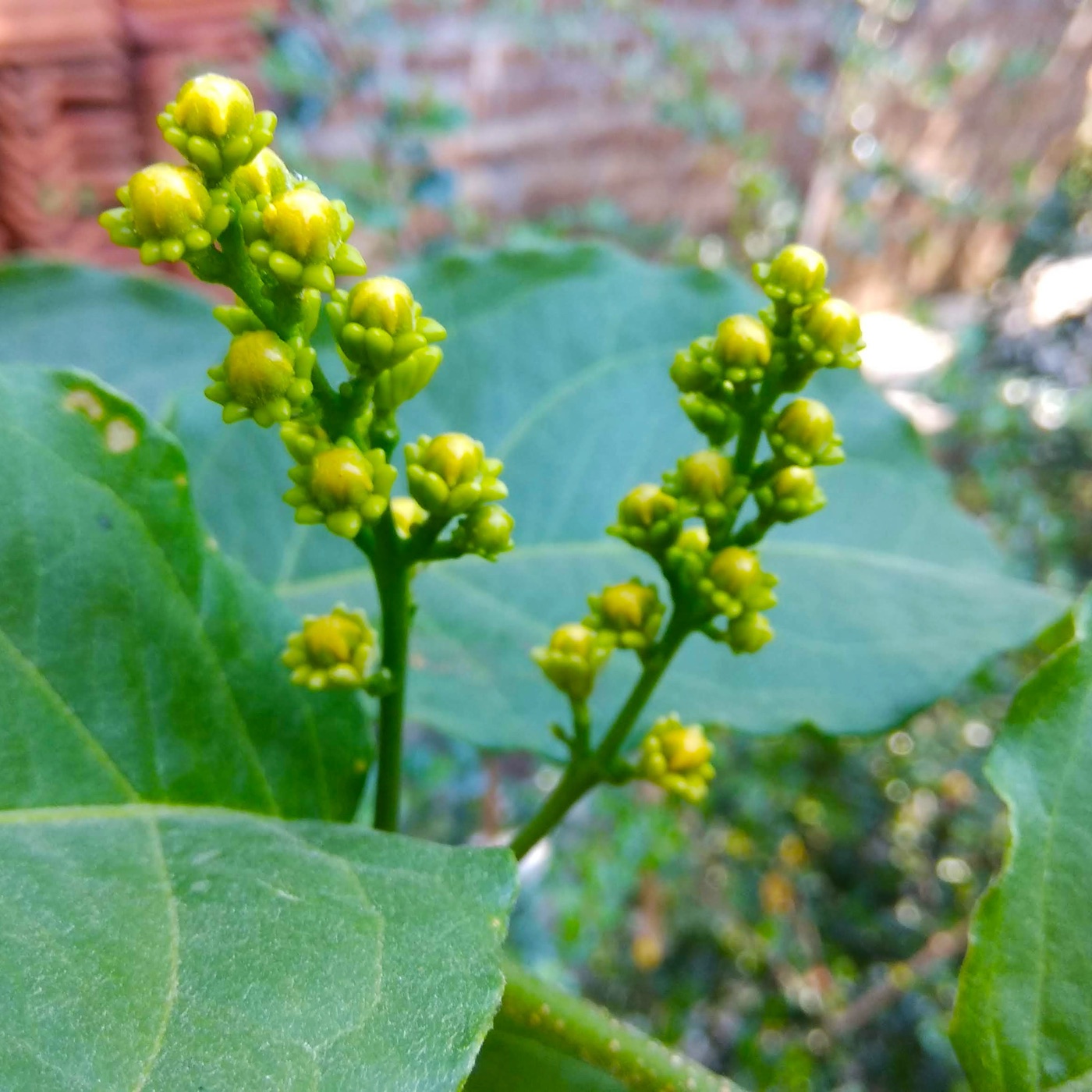
A small South American tree with sprays of yellow flowers and small red fruit whose dense flesh tastes and feels a bit like peanut butter. A great conversation plant.
View complete guide →A compact black mulberry prized for intensely flavored dark fruit and a manageable shrubby form compared with larger shade mulberries.
View complete guide →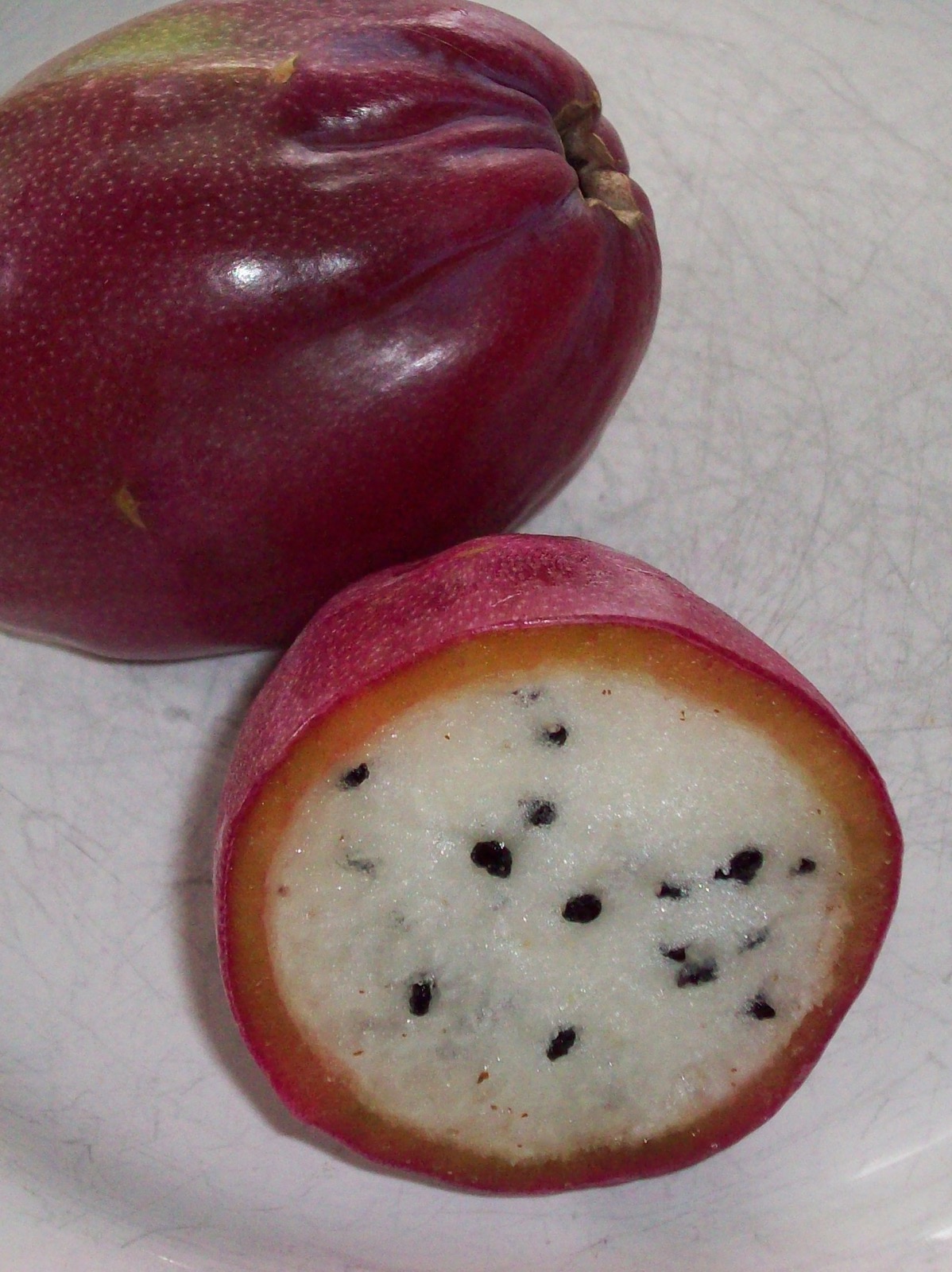
Fast columnar cactus with edible fruit; best in the warmest microclimates and protected from hard frost.
View complete guide →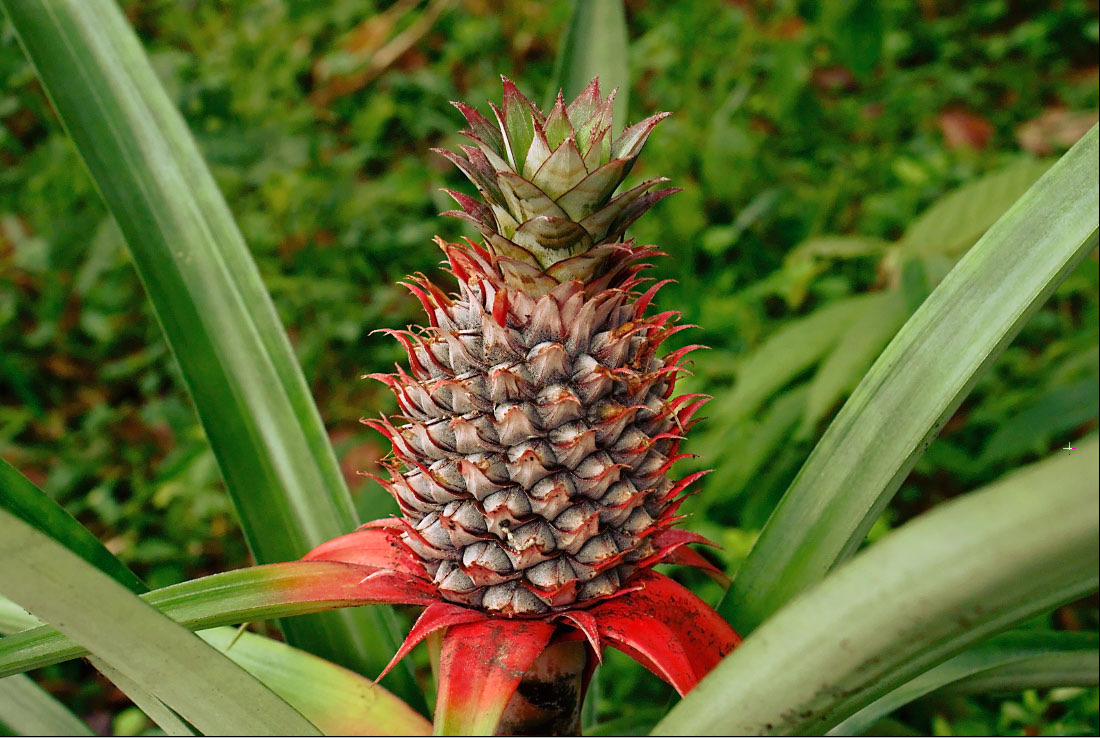
A low, spiky plant that grows one fruit from its center about two years after planting. Easy to start from a store-bought top and well suited to pots.
View complete guide →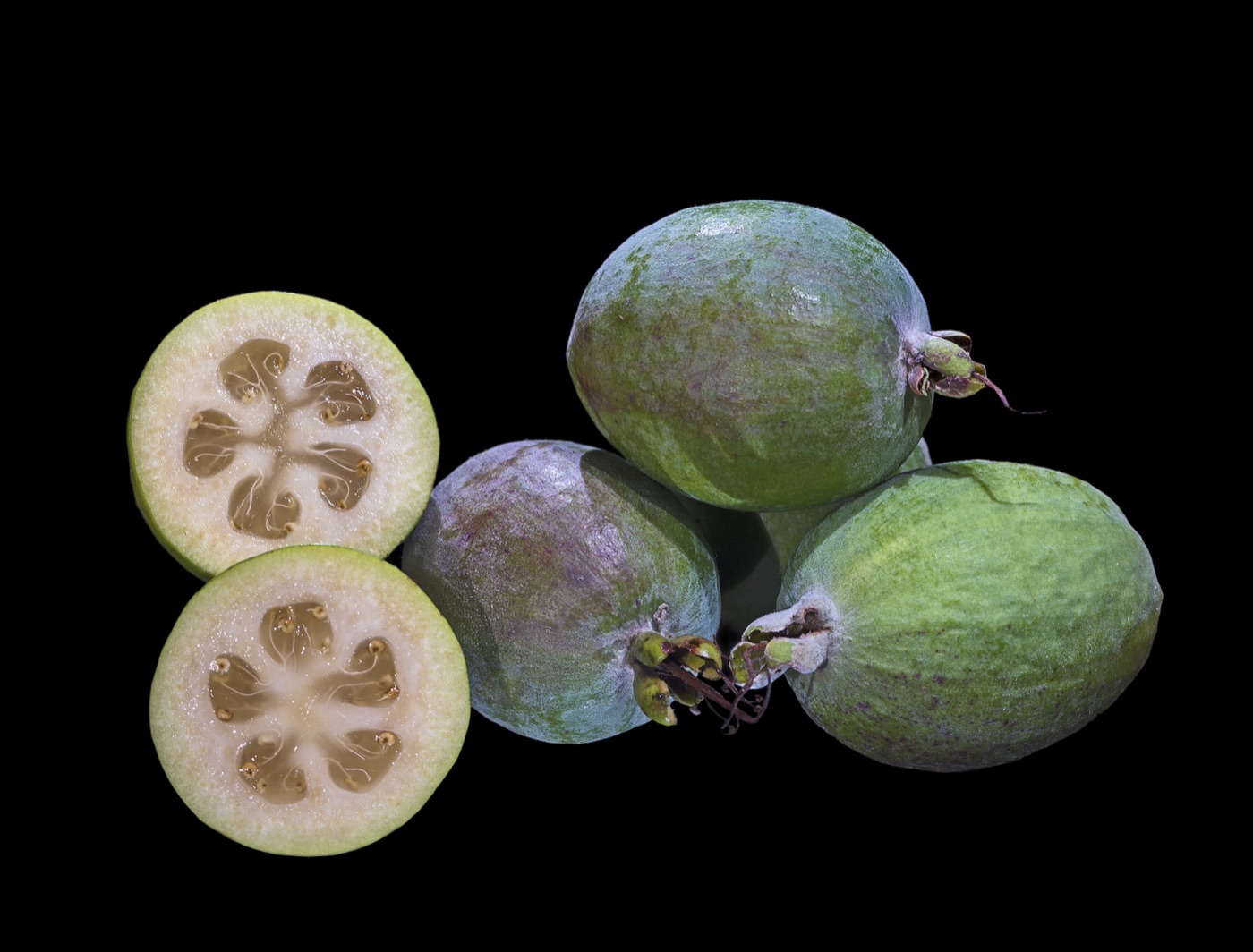
A tough evergreen shrub with silver-backed leaves, edible flower petals and aromatic green fruit in fall. Cold hardy but needs afternoon shade in Phoenix summers.
View complete guide →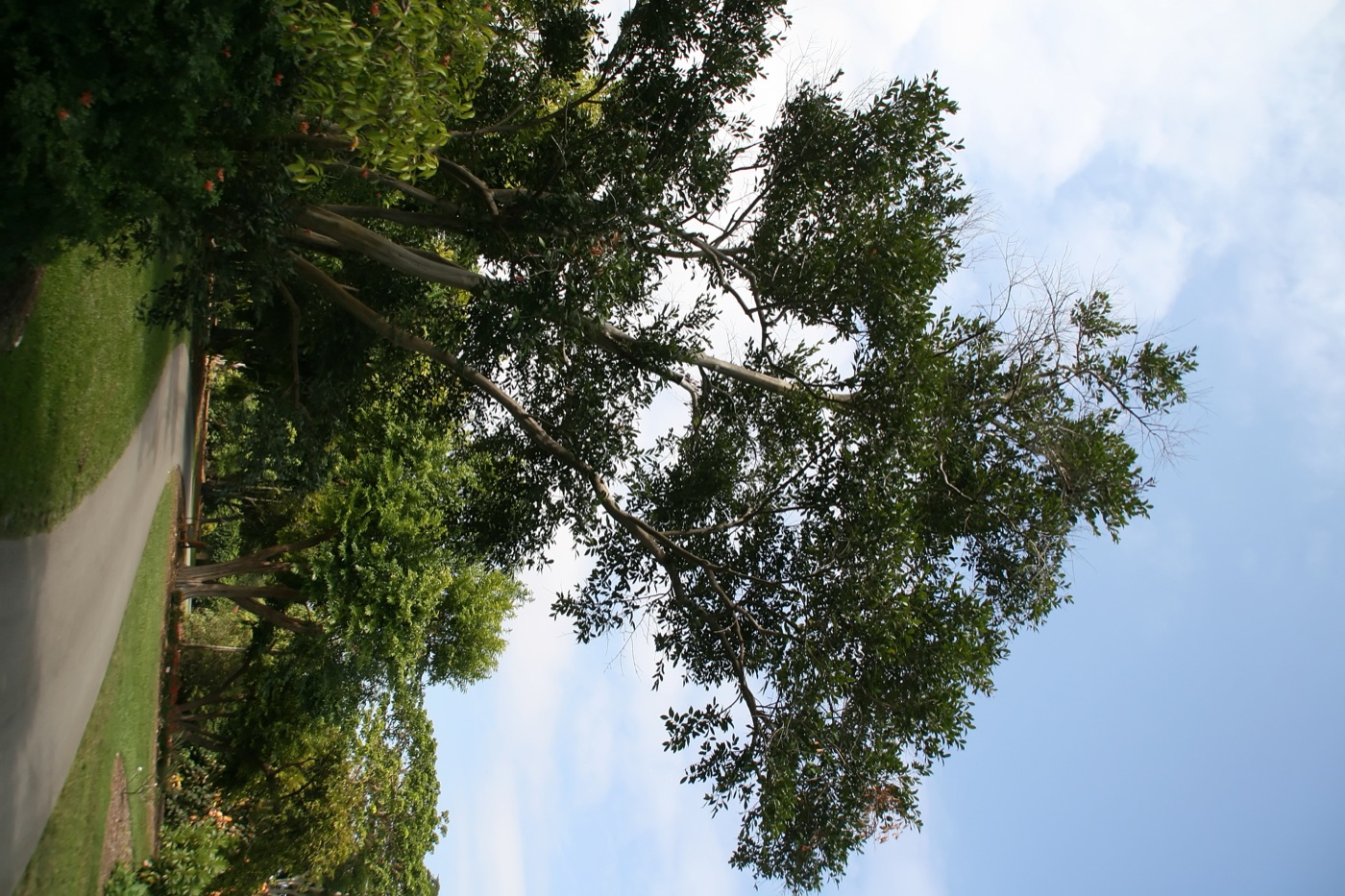
A slow Brazilian tree in the Surinam cherry family with bright orange-yellow fruit that is soft, juicy and lightly acidic, like a small apricot.
View complete guide →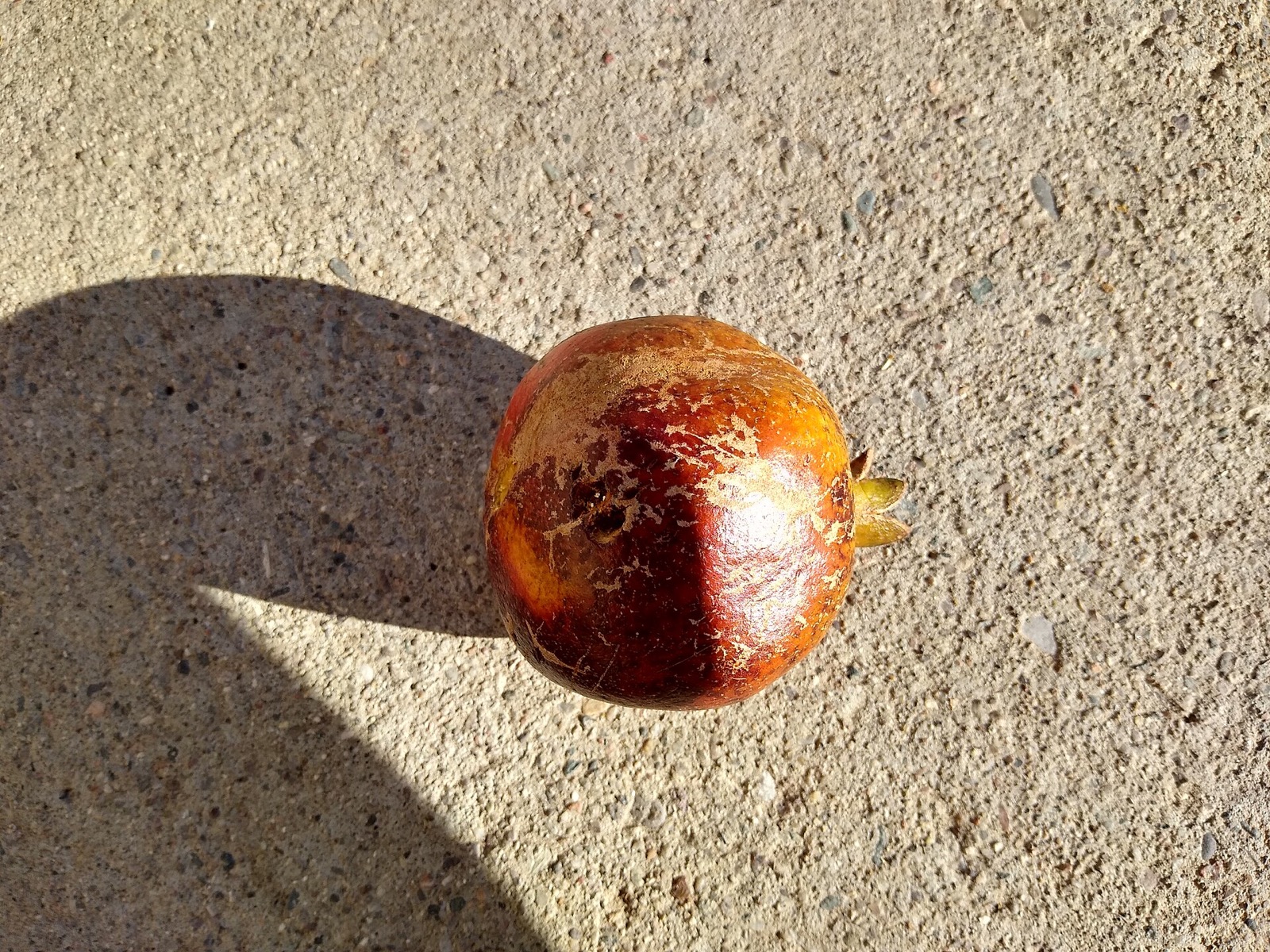
One of the Southwest’s most dependable fruits, tolerating heat and winter chill while accepting shrub or tree form.
View complete guide →A lemon–citron hybrid grown as much for spectacle as the kitchen, producing grapefruit-sized, thick-peeled fruit.
View complete guide →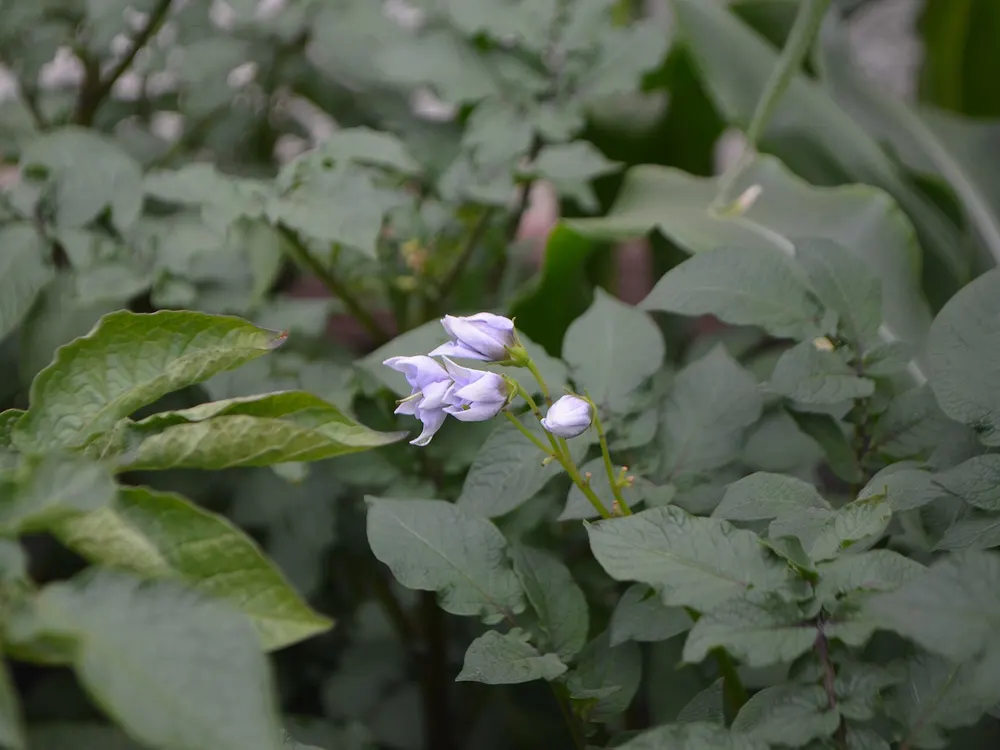
This is a late-winter planting for spring harvest, not a crop to leave through Phoenix summer. Use certified seed potatoes and hill developing tubers away from light.
View complete guide →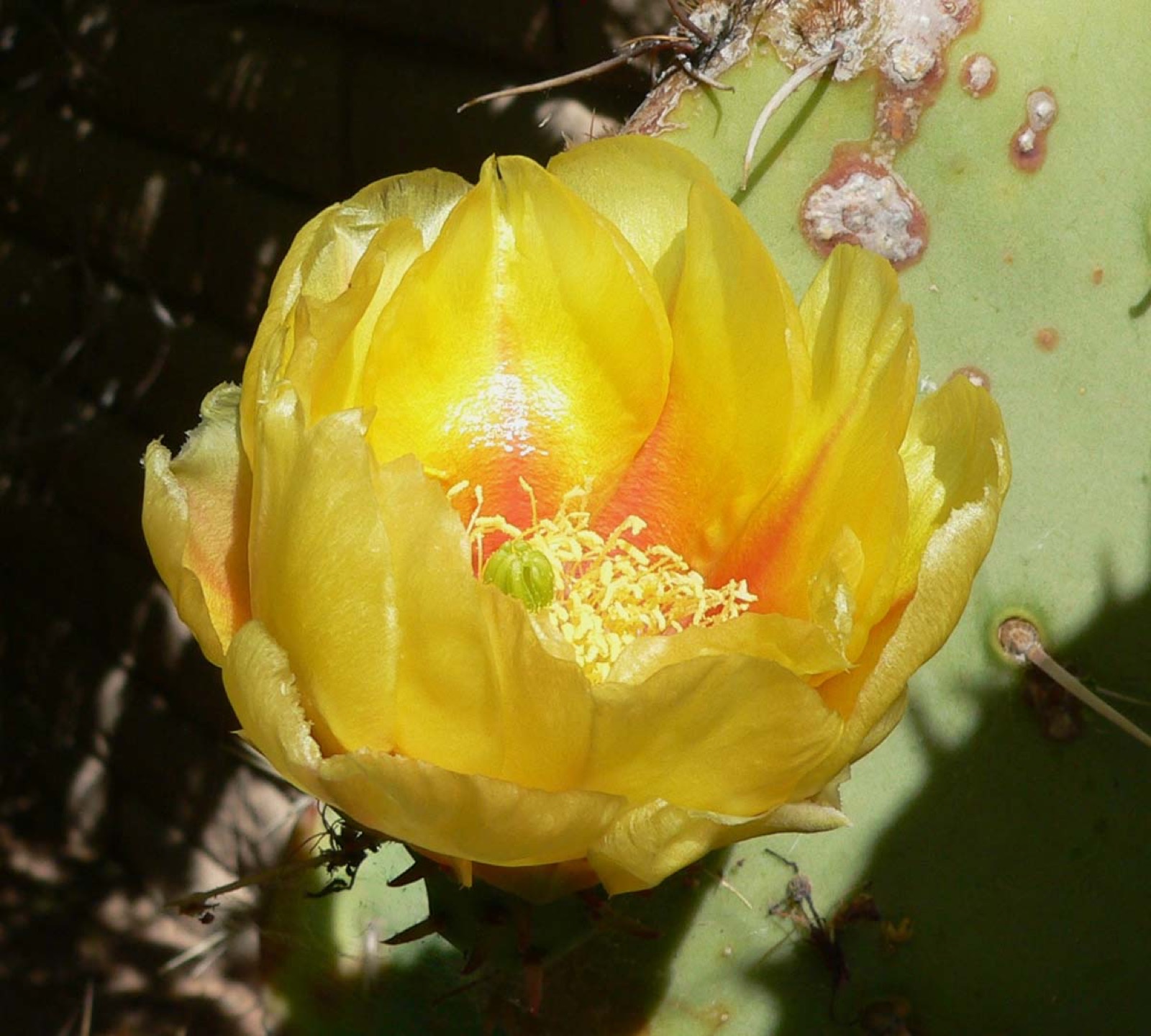
Architectural native cactus with edible pads and fruit, strong wildlife value, and broad climate adaptability.
View complete guide →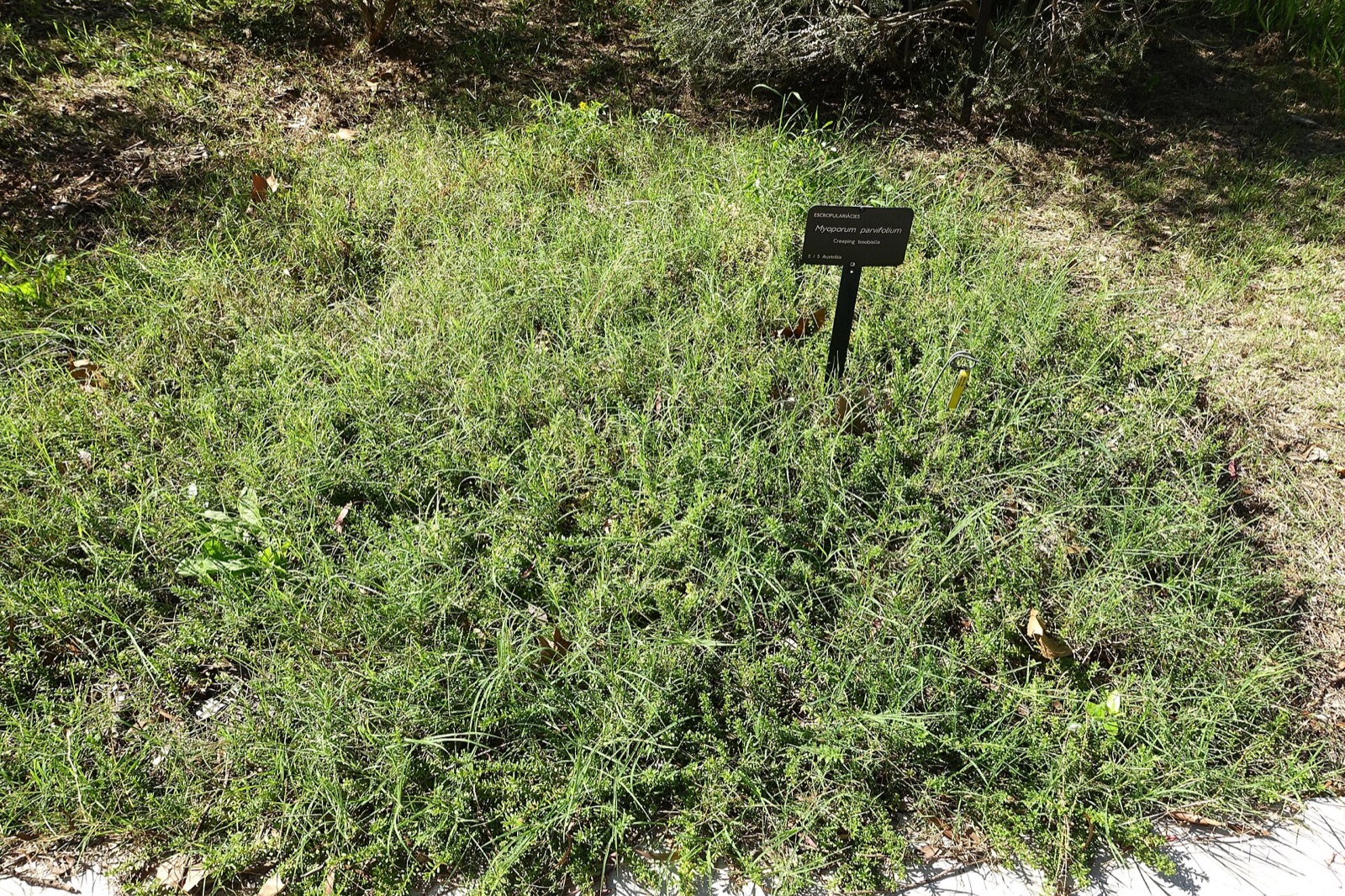
A very low Australian groundcover that makes a dense green carpet across hot banks, broad beds, and difficult slopes.
View complete guide →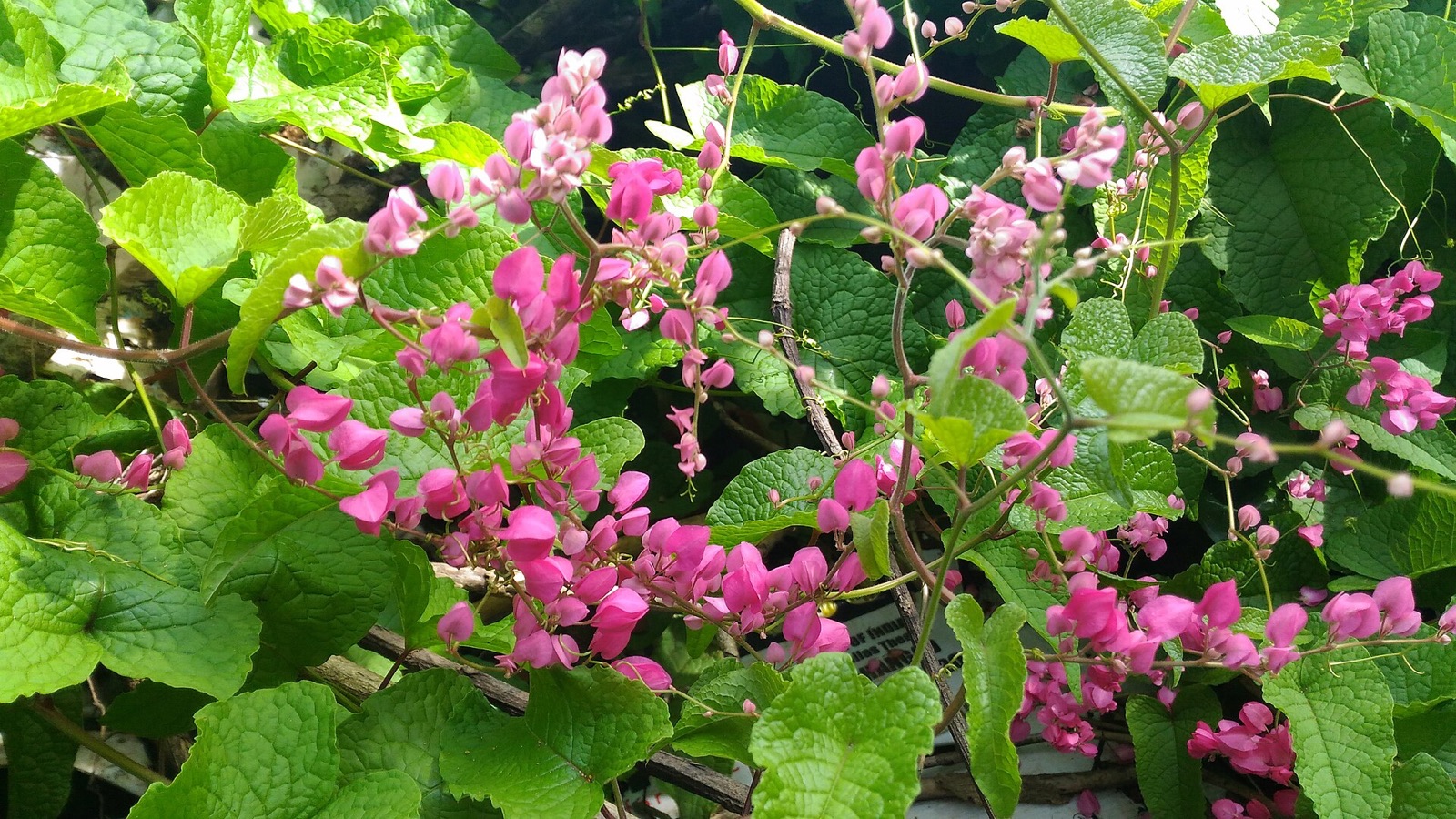
A vigorous heat-loving vine that covers large arbors and fences with pink flower clusters through the warm season.
View complete guide →A grocery-store chicory distinct from endive. Heading and color can be uneven in warm spells; harvest loose leaves if heads fail to form.
View complete guide →Small red radishes and daikon are types of the same crop. Roots get pithy or sharp if left too long or stressed by heat.
View complete guide →
A cool-rooted bramble that is far more demanding than blackberry in metro Phoenix: Baba Red can work, but only where afternoon shade, deep mulch, moisture, and airflow are designed in from day one.
View complete guide →The largest citrus there is: a thick-rinded fruit with red to pink flesh that is sweet and mild, without a grapefruit's bitterness. It wants the Valley's heat to ripen and protection from hard frost while young.
View complete guide →A deeply pigmented grapefruit with large, low-seeded fruit that can hold on the tree well into summer.
View complete guide →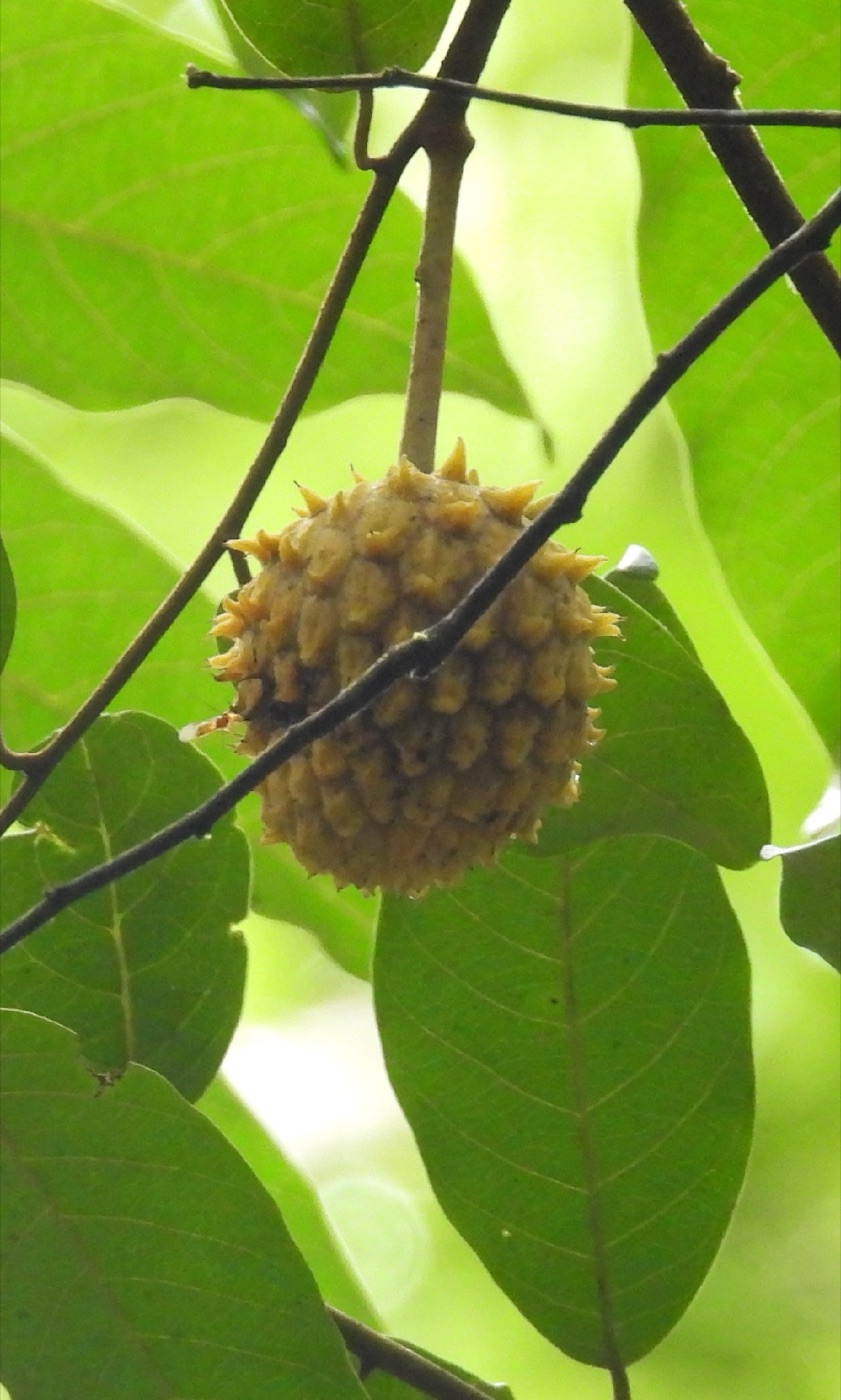
The most tropical of the annonas, with yellow, soft-spined fruit and sweet, lemony custard flesh. Best kept in a large pot that can move into shelter in winter.
View complete guide →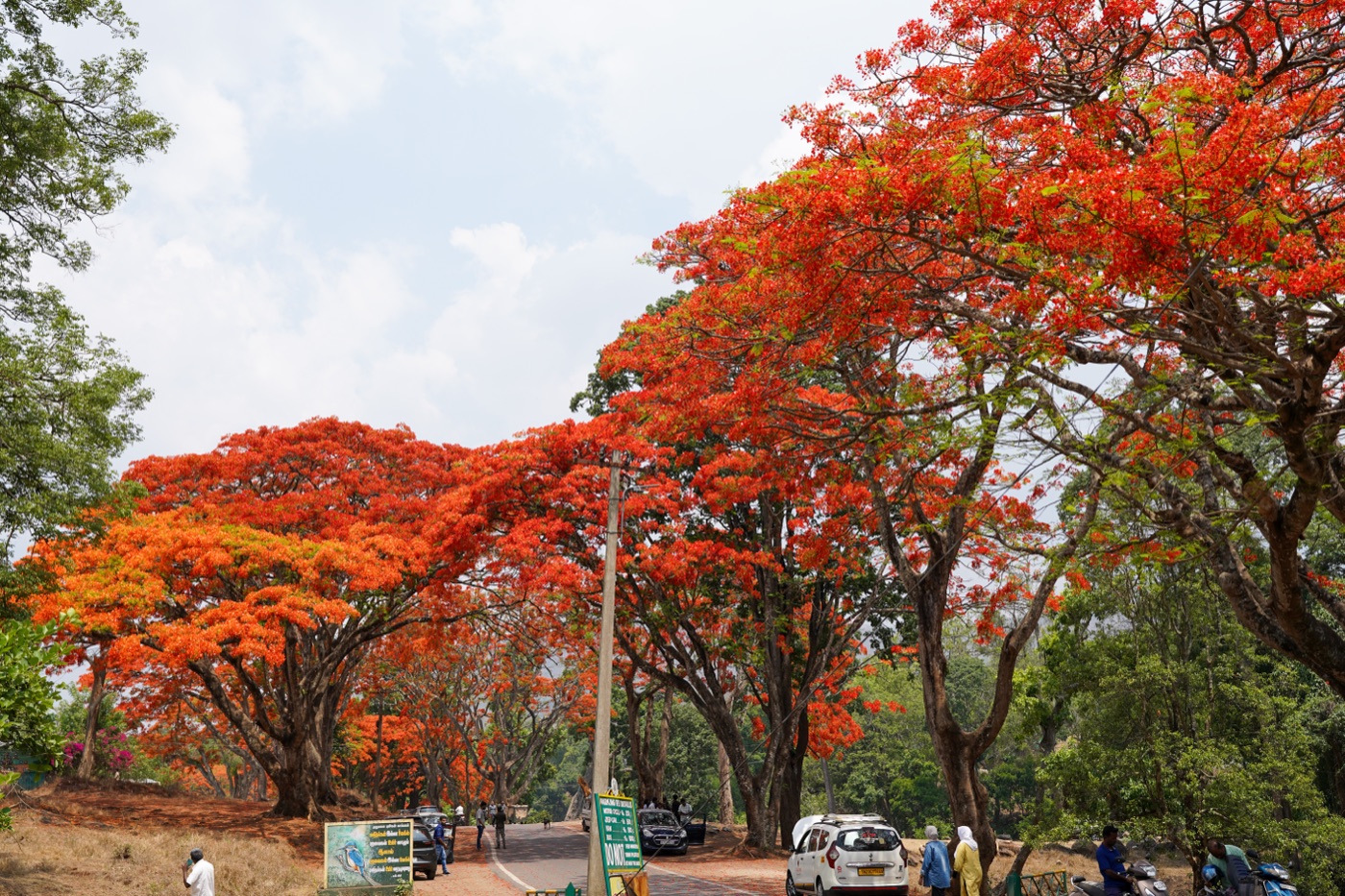
A spreading shade tree that covers itself in scarlet flowers in early summer. It loves Phoenix heat but needs a warm, frost-protected site to survive its first winters.
View complete guide →A widely grown Valley grapefruit with pale-pink flesh, few seeds, and flavor that mellows as fruit remains on the tree.
View complete guide →Distinct from turnip and slower to size up. The long, mild winter window is important; harvest before sustained spring heat.
View complete guide →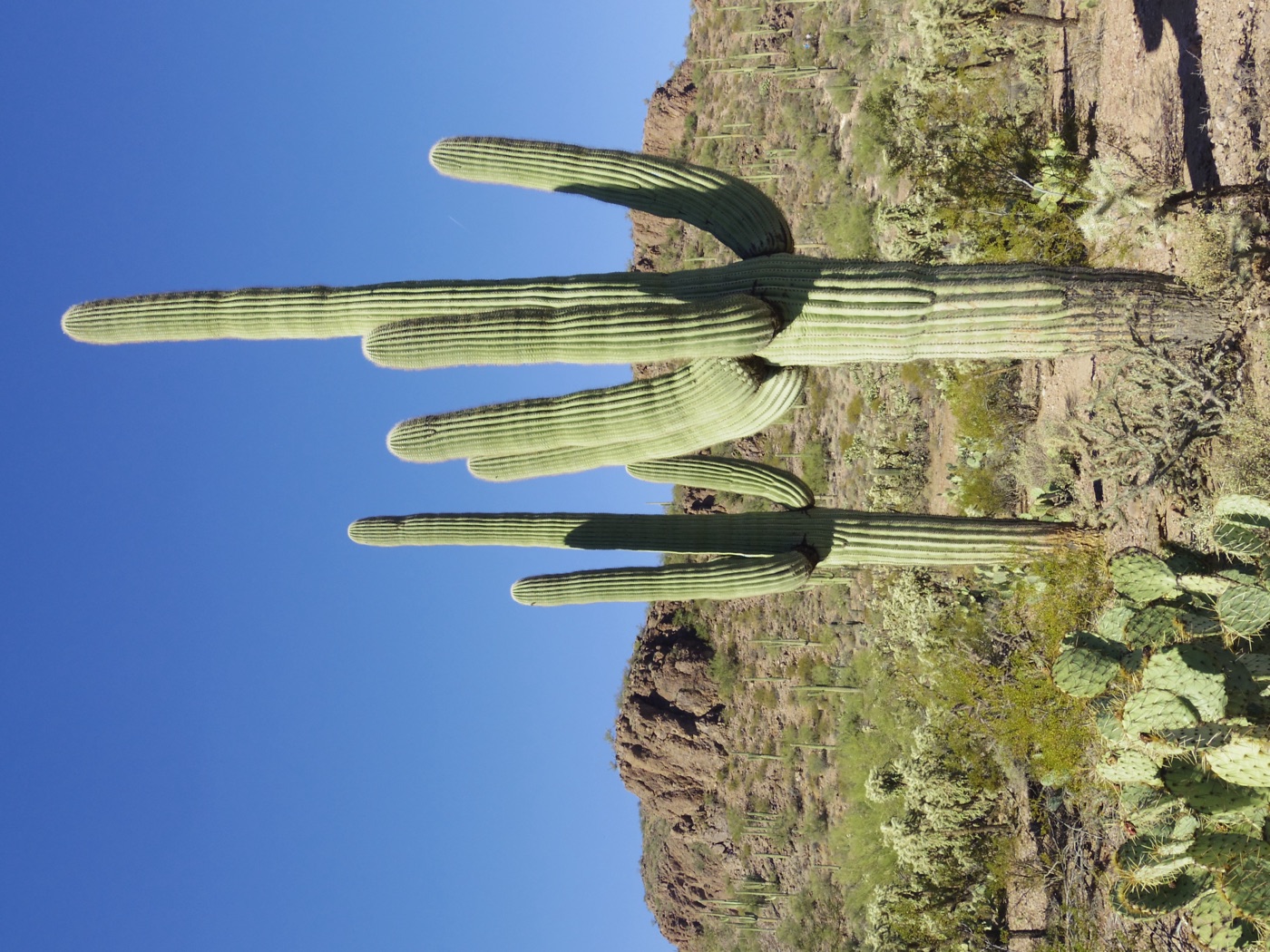
The signature cactus of the Sonoran Desert. It grows very slowly, feeds bats, birds and bees with its flowers and fruit, and needs almost nothing once settled except good drainage.
View complete guide →A widely grown Arizona plum with tangy, juicy flavor, reddish-purple skin, and amber flesh flushed red.
View complete guide →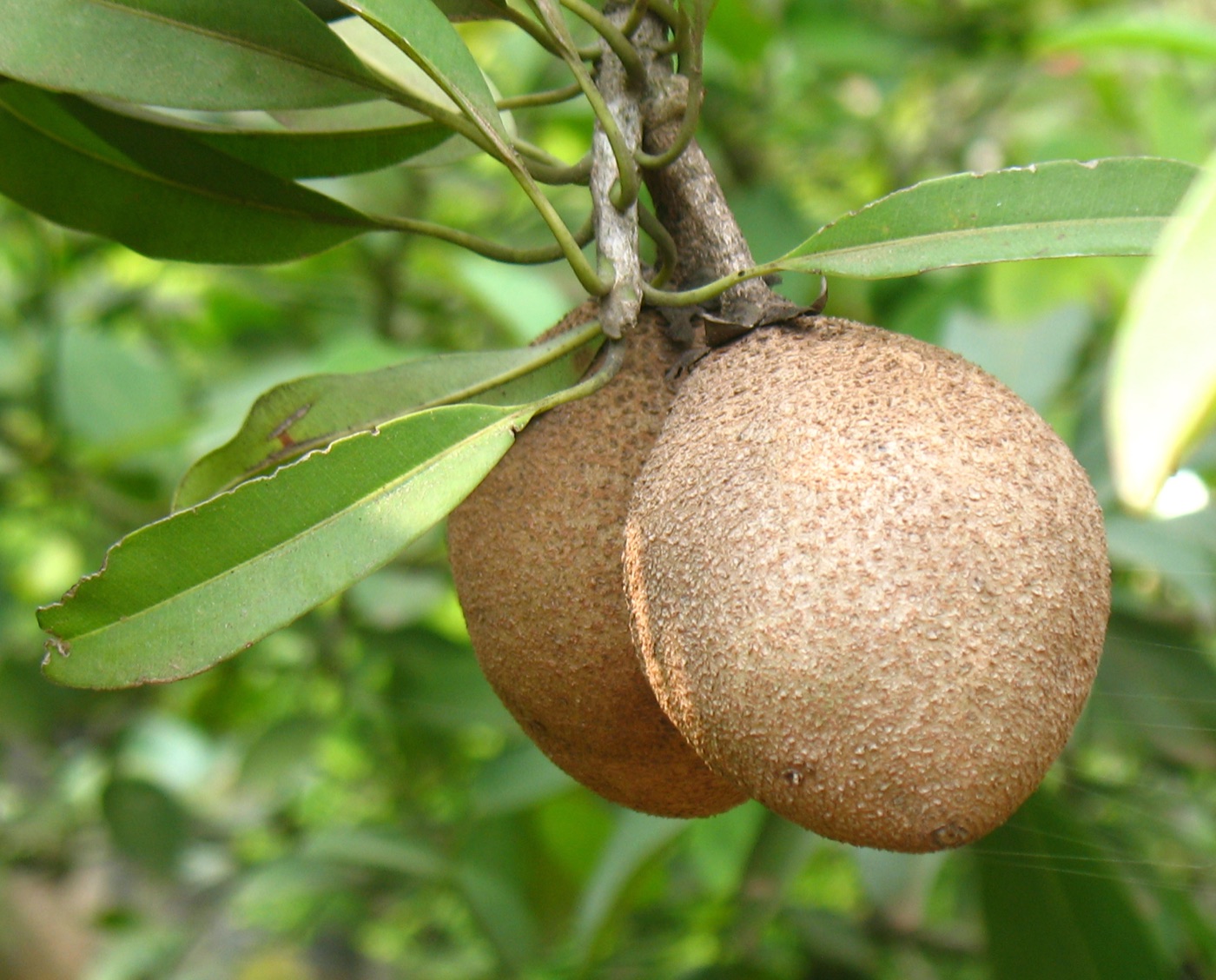
A slow, tidy evergreen with brown-skinned fruit that tastes like a pear soaked in brown sugar. Its tolerance of alkaline and salty soil makes it a good fit for Phoenix.
View complete guide →Maricopa's calendar lists shallot sets in summer, while the Pima guide includes fall sowing and transplanting. Trial a small bed and watch bulb formation.
View complete guide →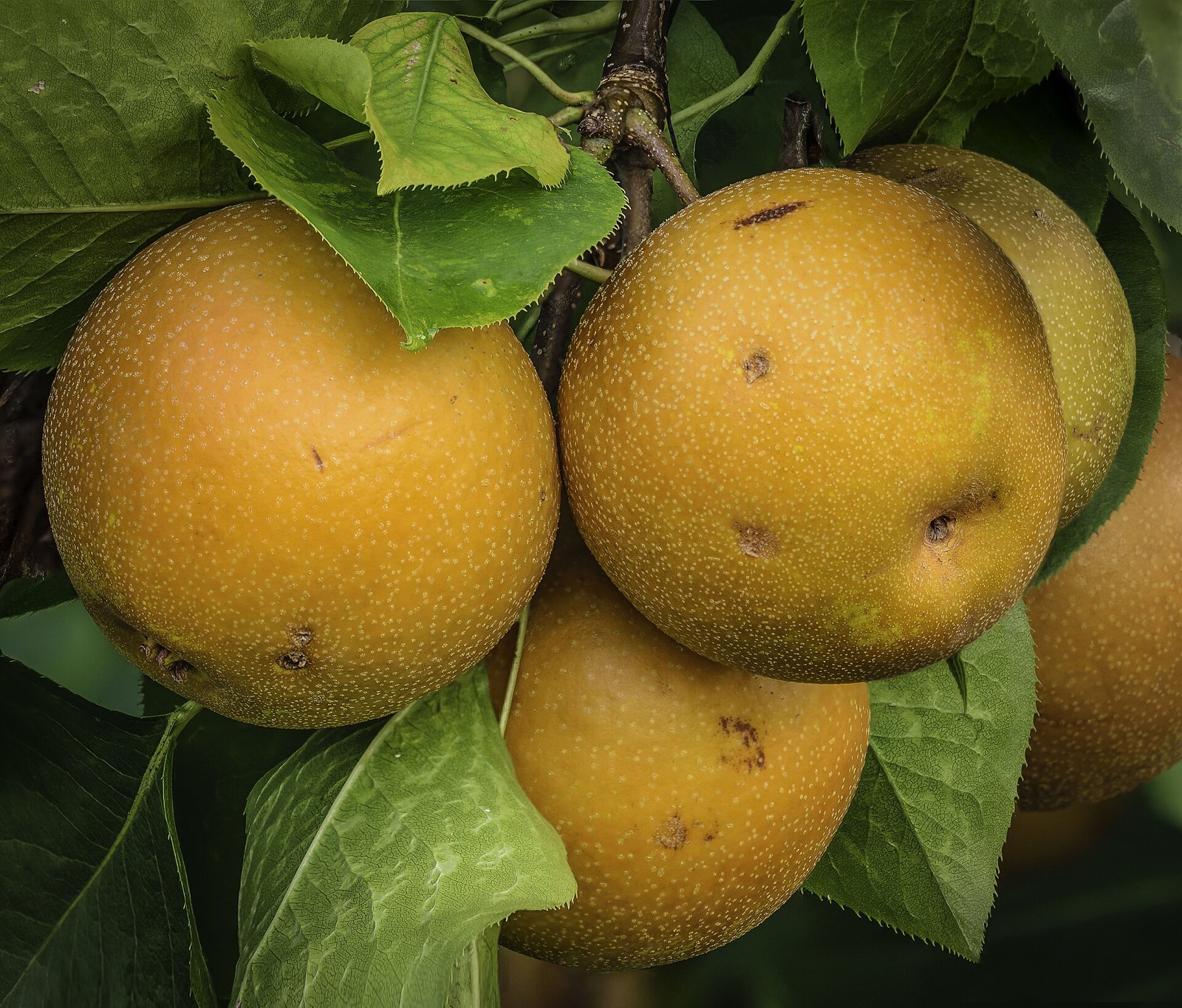
A vigorous, heavy-bearing Asian pear with crisp, juicy, sweet fruit and bright yellow skin for warm-winter orchards.
View complete guide →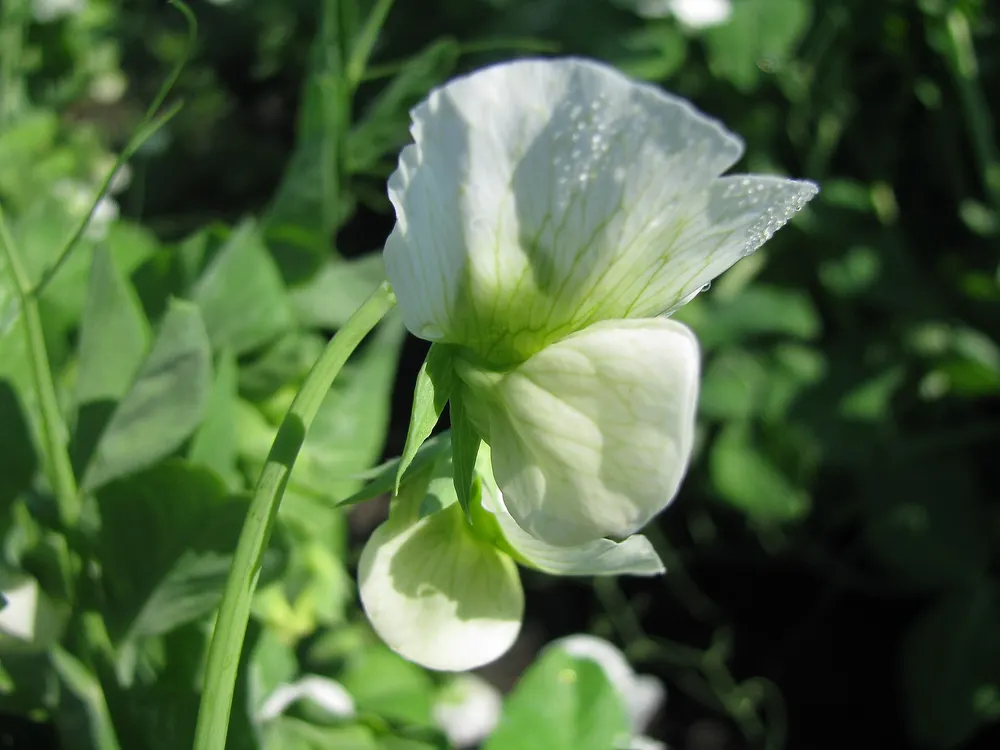
Harvest when edible pods are plump but still crisp. Frequent picking keeps vines productive before spring heat.
View complete guide →Pick flat edible pods before seeds swell. Do not confuse with shelling peas or the thick, crisp pods of snap peas.
View complete guide →
A massive, long-lived evergreen shade tree for large, deeply irrigated properties—not a desert xeriscape tree or a small-yard substitute.
View complete guide →True spinach thrives in cool days. New Zealand and Malabar spinach are different warm-season crops, not synonyms.
View complete guide →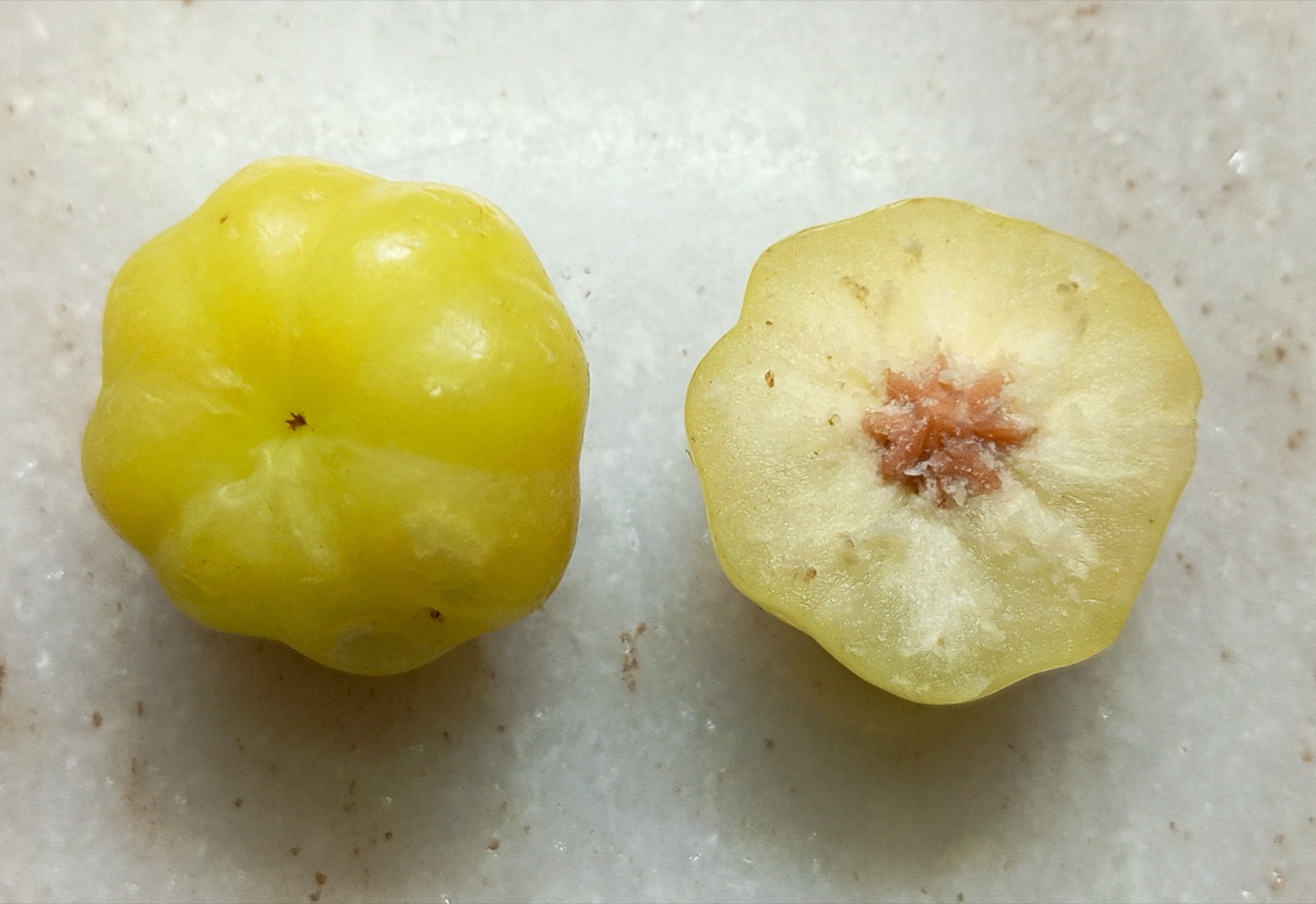
A small tropical tree that bears dense clusters of ribbed, pale yellow fruit along its branches. Sour and refreshing, and best grown in a large pot in Phoenix.
View complete guide →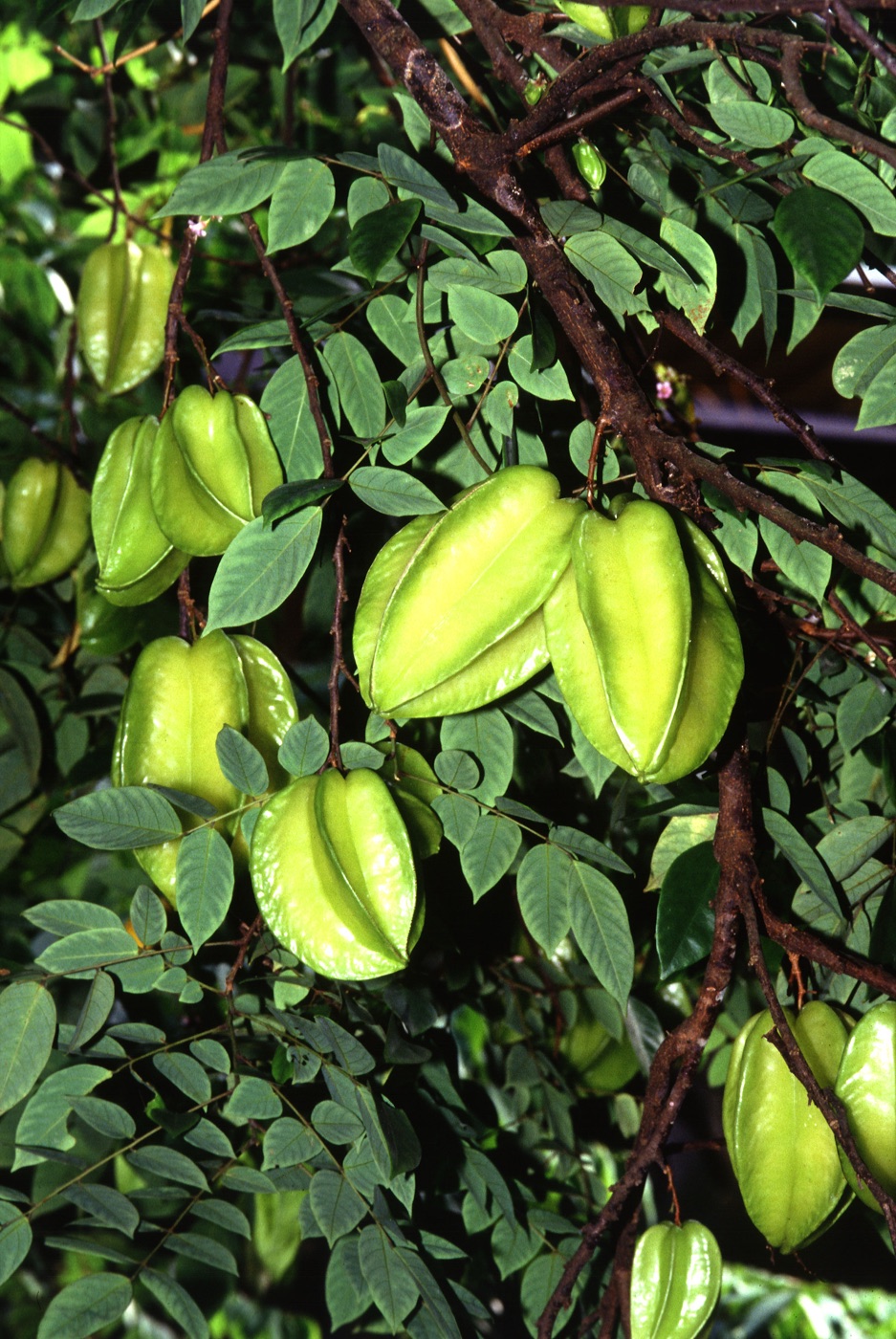
A bushy, productive tree with star-shaped fruit. Easy in Phoenix with afternoon shade for its first few summers and protection from frost.
View complete guide →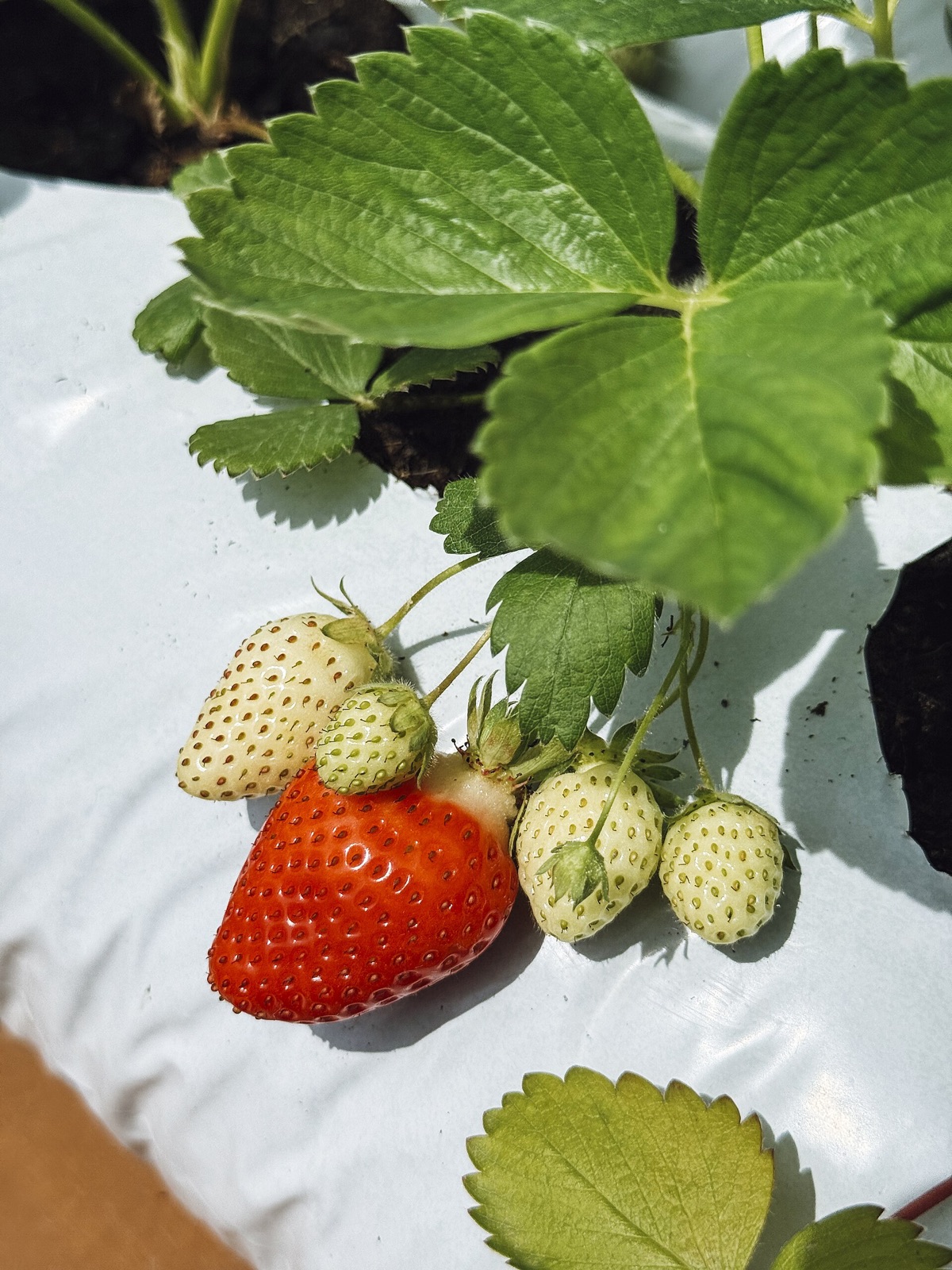
A fruiting ground layer for protected food gardens, most productive through the low desert's cool season and in cooler Arizona microclimates.
View complete guide →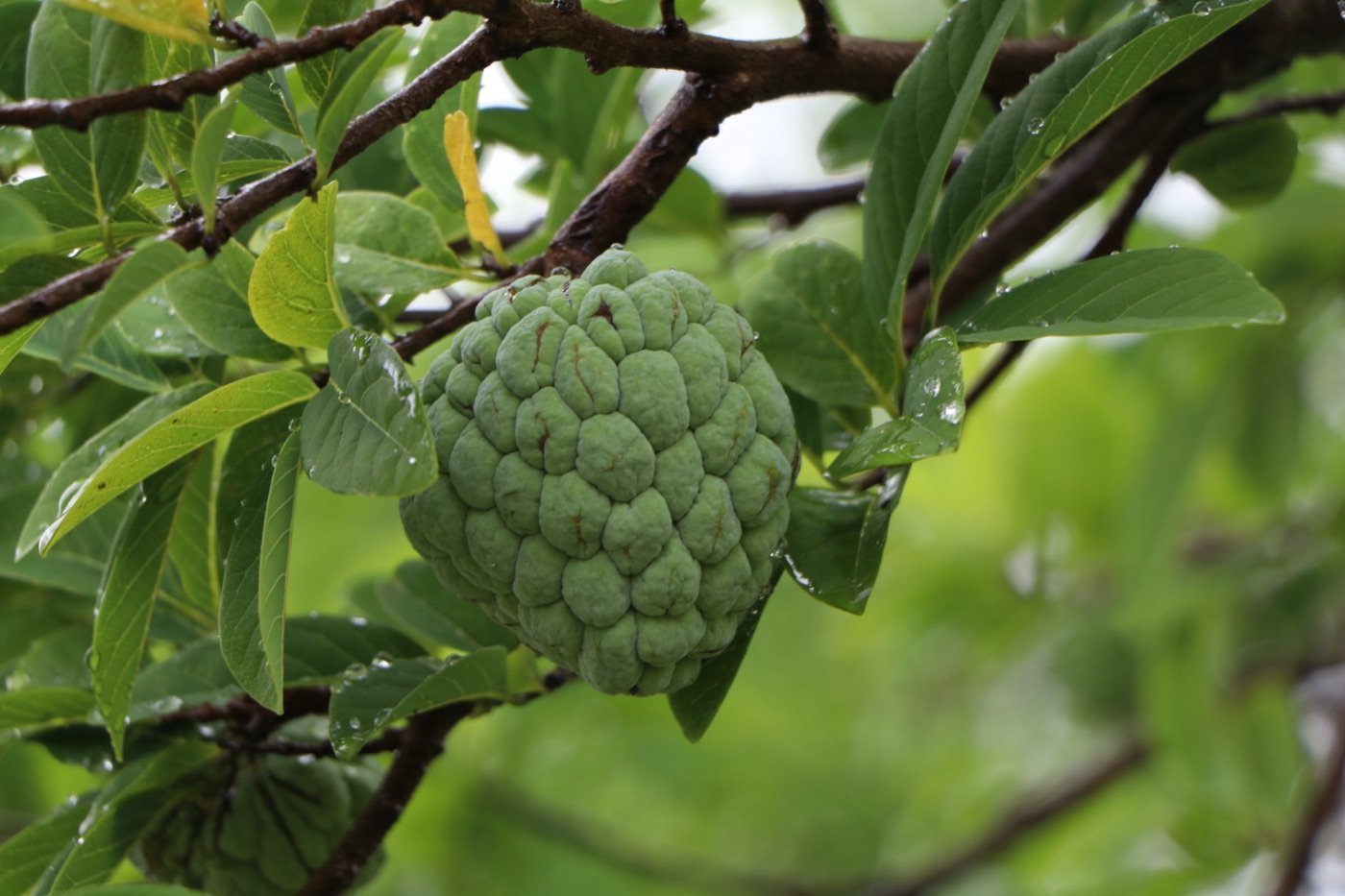
A small tree with knobby green fruit full of sweet, custardy segments. Loves heat but needs frost protection and afternoon shade.
View complete guide →A precocious, very sweet jujube with small round fruit and crisp flesh on a hardy, drought-resistant tree.
View complete guide →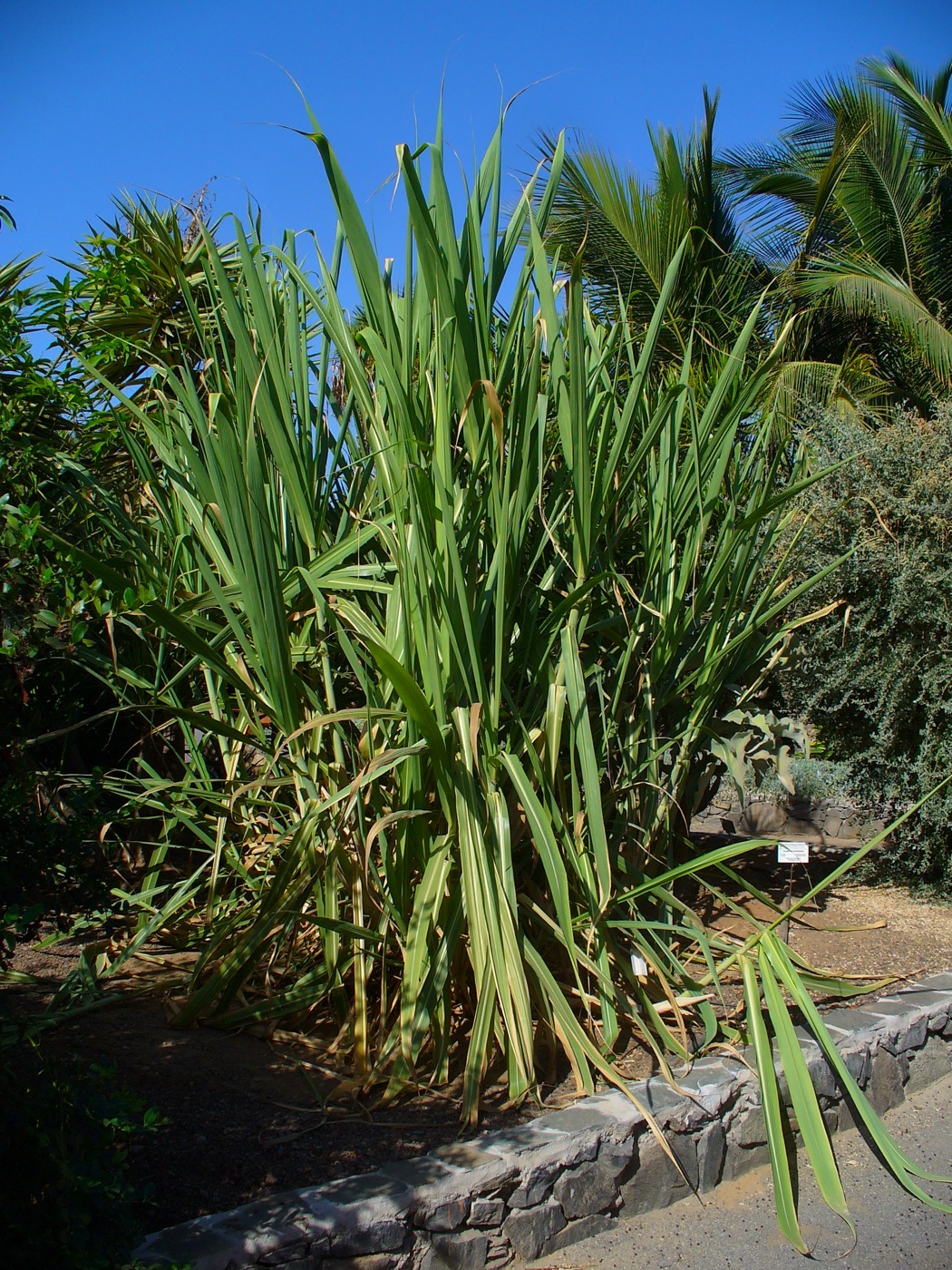
A tall, clumping grass that makes a quick summer screen and fresh cane to chew or juice. It handles full Phoenix sun and is useful for shading young trees on a hot west wall.
View complete guide →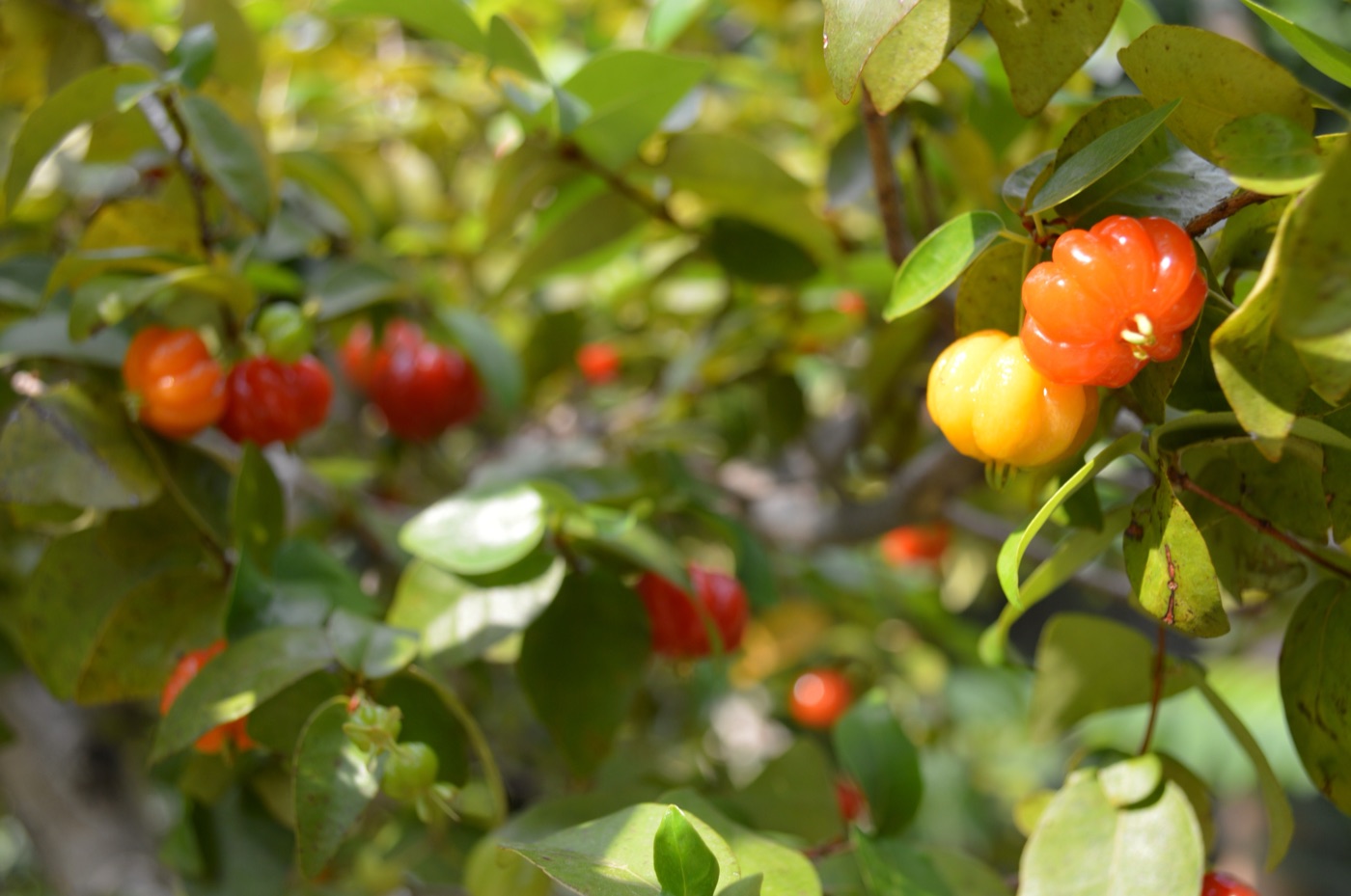
A fast, bushy shrub with ribbed red to near-black fruit that is sweet and resinous. A heavy producer and a handsome edible hedge.
View complete guide →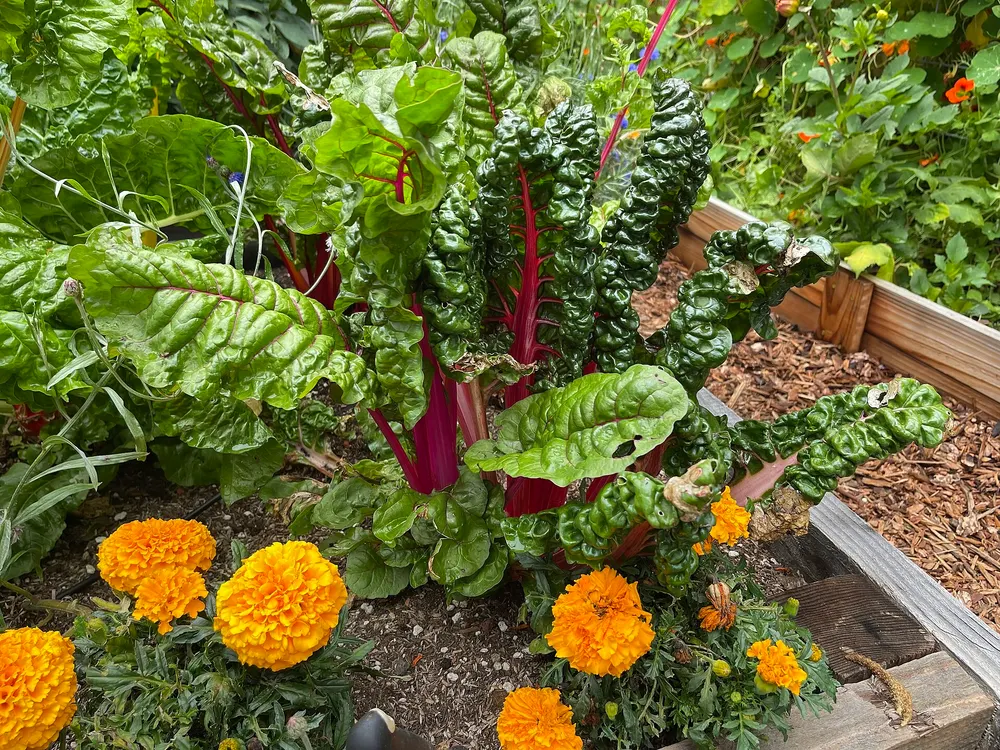
Cut outer stalks without stripping the growing crown. More heat tolerant than spinach, but quality is best in cool weather.
View complete guide →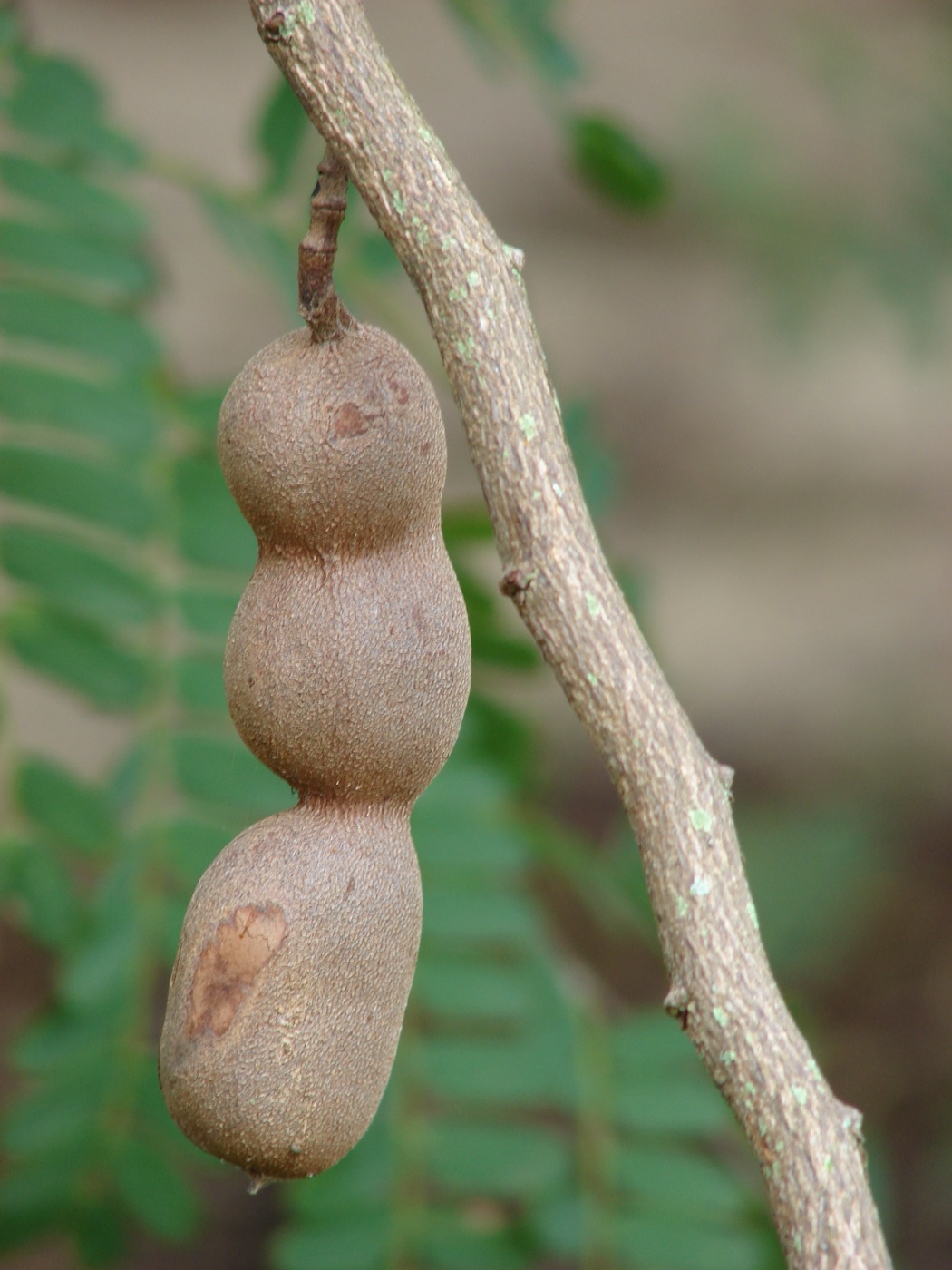
A graceful, slow-growing shade tree with fern-like leaves and tangy brown pods. It takes full Phoenix sun and heat and makes good dappled shade for other plants.
View complete guide →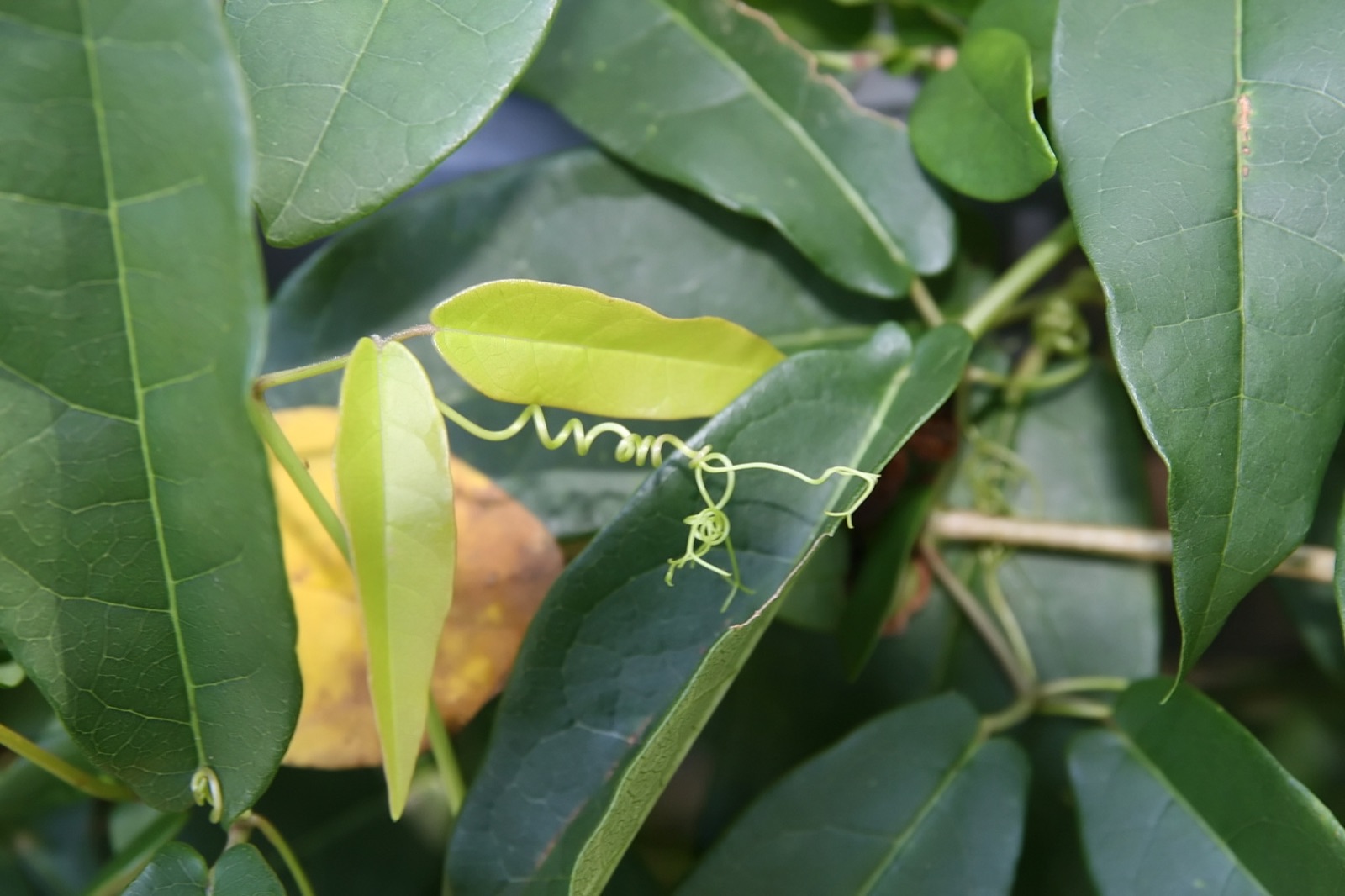
A self-clinging vine with tangerine trumpet flowers, useful for turning a sturdy wall or pergola into hummingbird habitat.
View complete guide →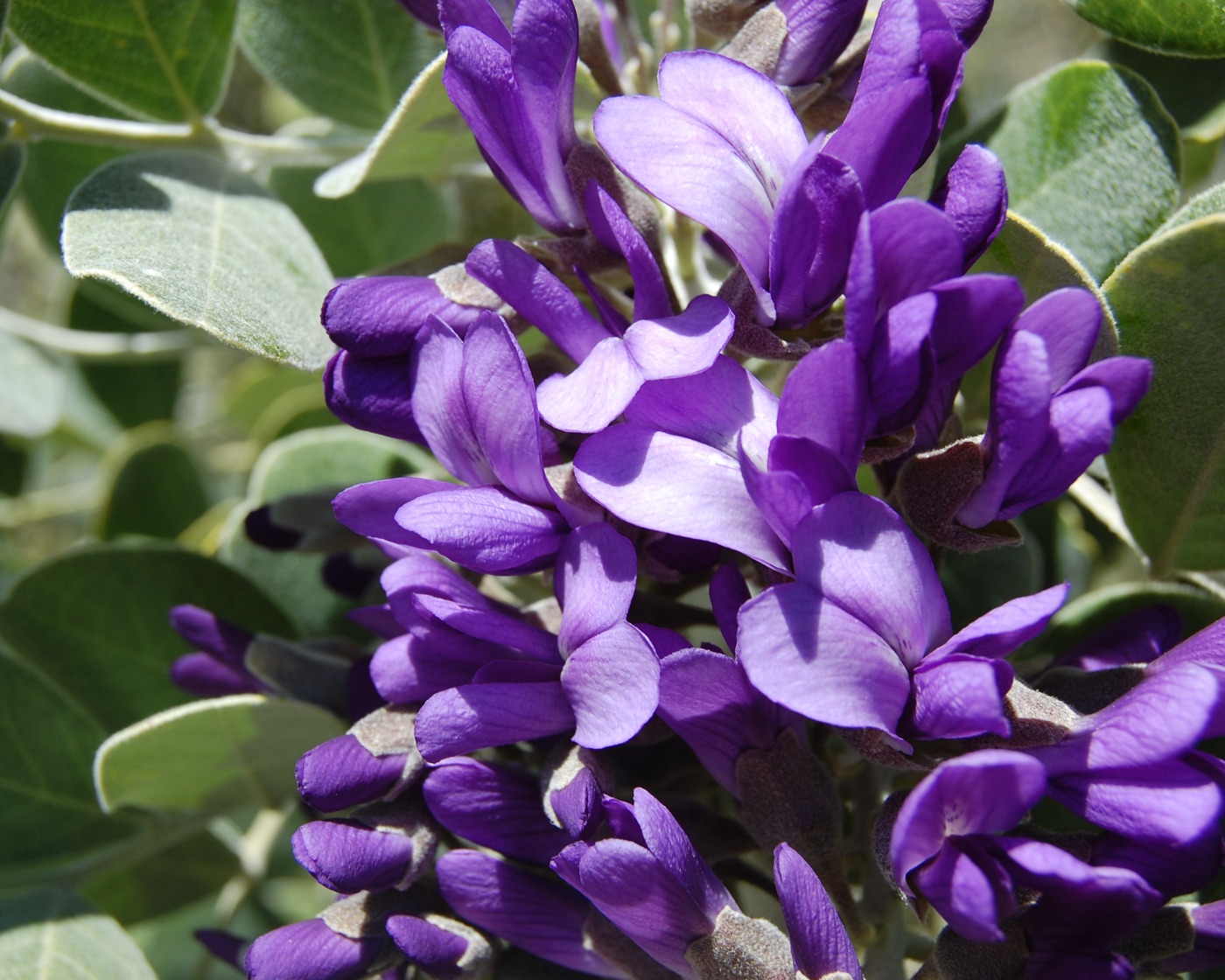
A slow, tidy evergreen with glossy leaves and purple flower clusters in late winter that smell like grape soda. One of the toughest small trees for a hot Phoenix yard.
View complete guide →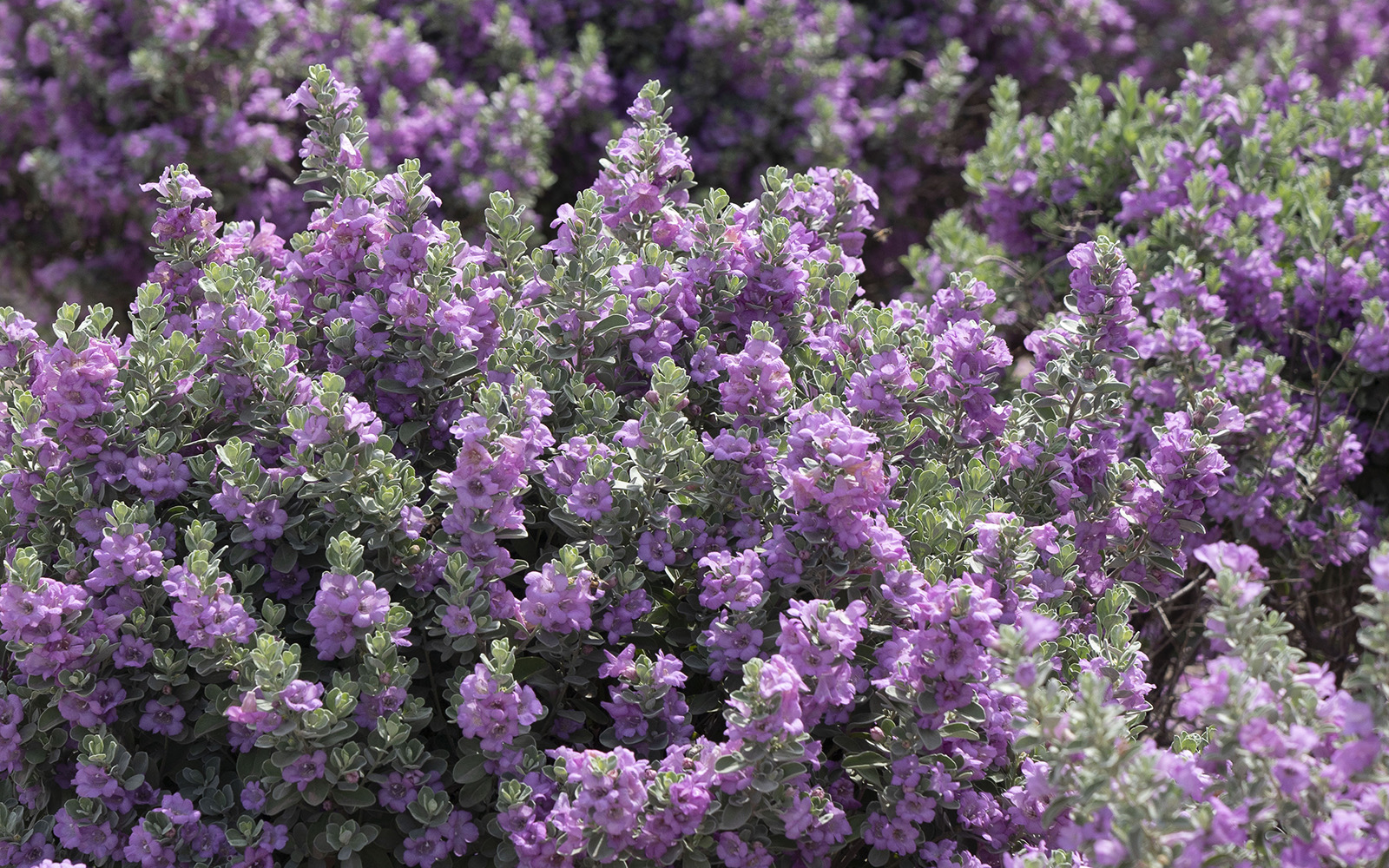
Silver-leaved Chihuahuan Desert shrub whose pink, purple, or white flowers respond dramatically to monsoon humidity and rain.
View complete guide →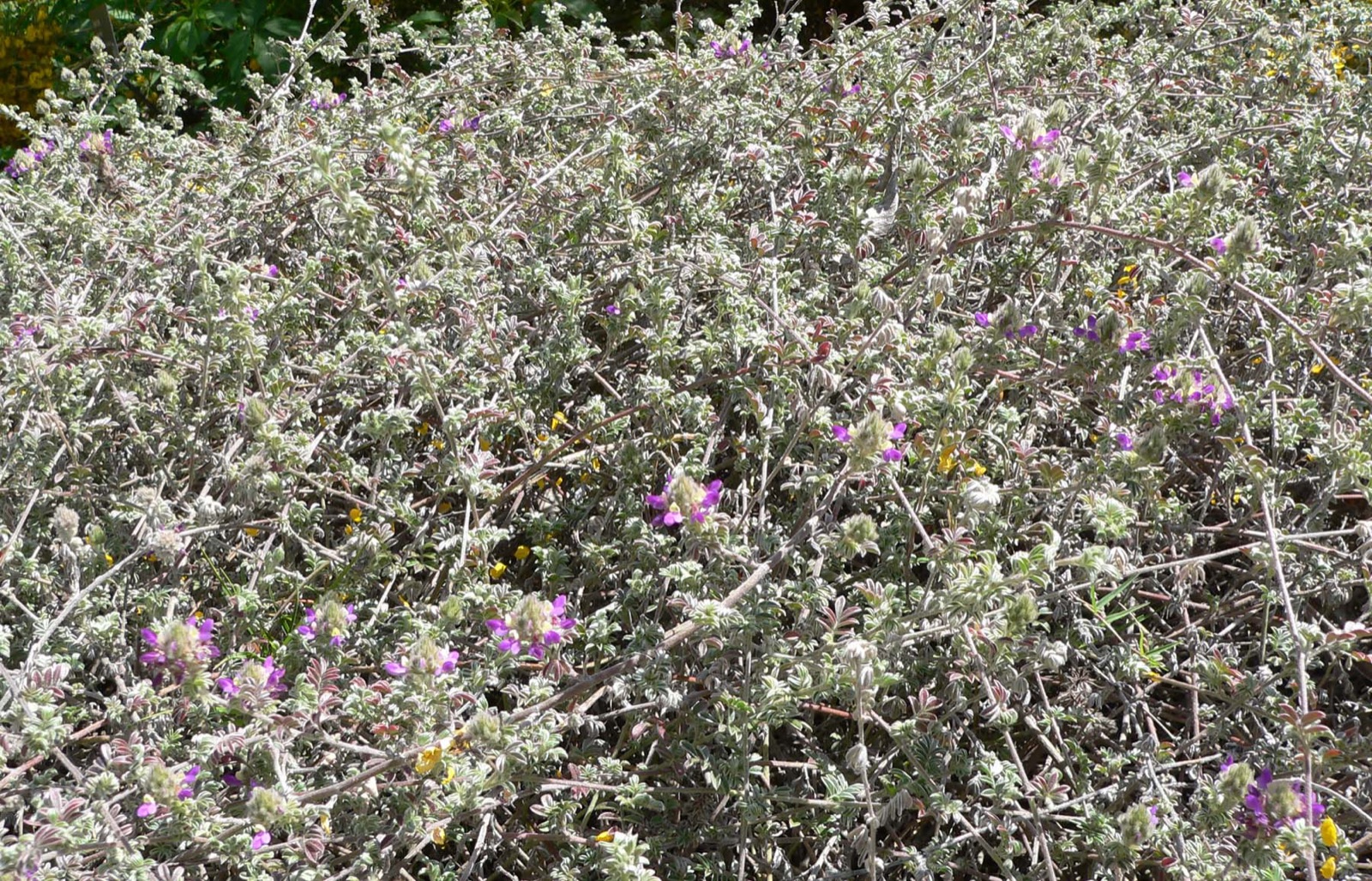
A silvery, low native legume that roots as it spreads, stabilizes hot slopes, and carries small purple flowers for desert pollinators.
View complete guide →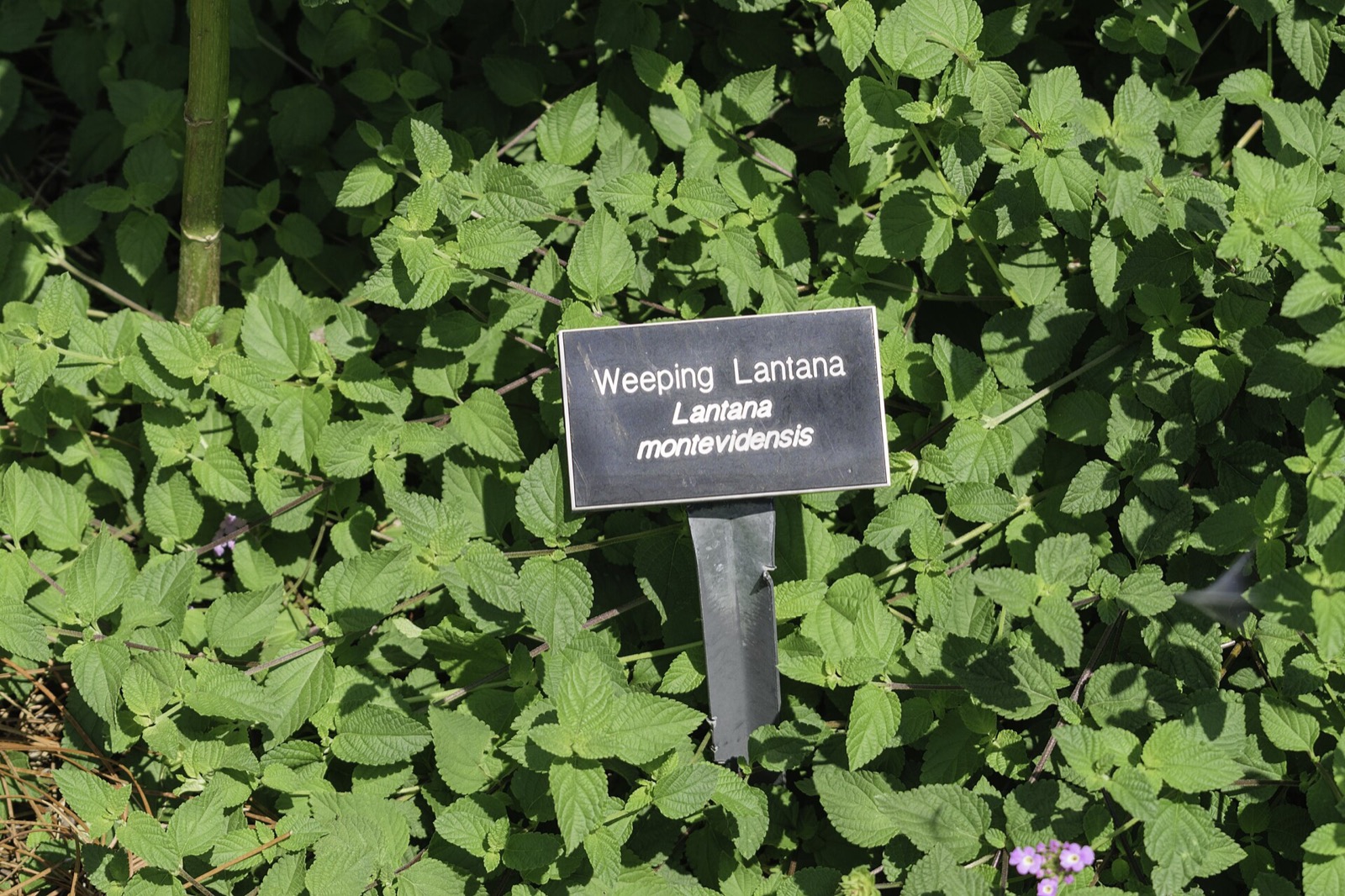
Heat-tough flowering groundcover for banks and broad beds; frost may cut it back before spring recovery.
View complete guide →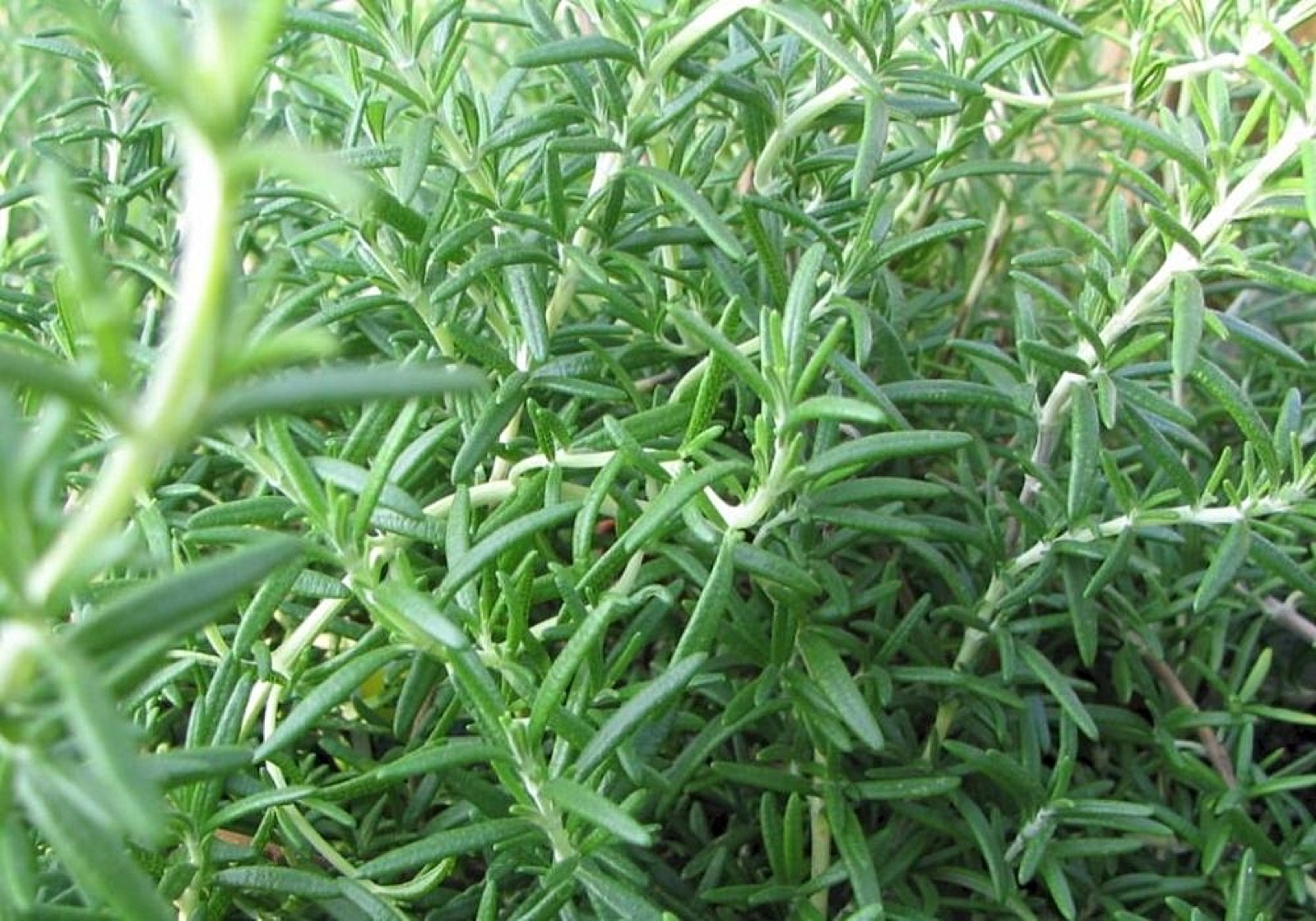
An aromatic, cascading rosemary that softens walls and slopes while providing edible foliage and cool-season flowers for pollinators.
View complete guide →A dependable sweet orange with medium-to-large fruit and a strong record of production in Arizona’s low desert.
View complete guide →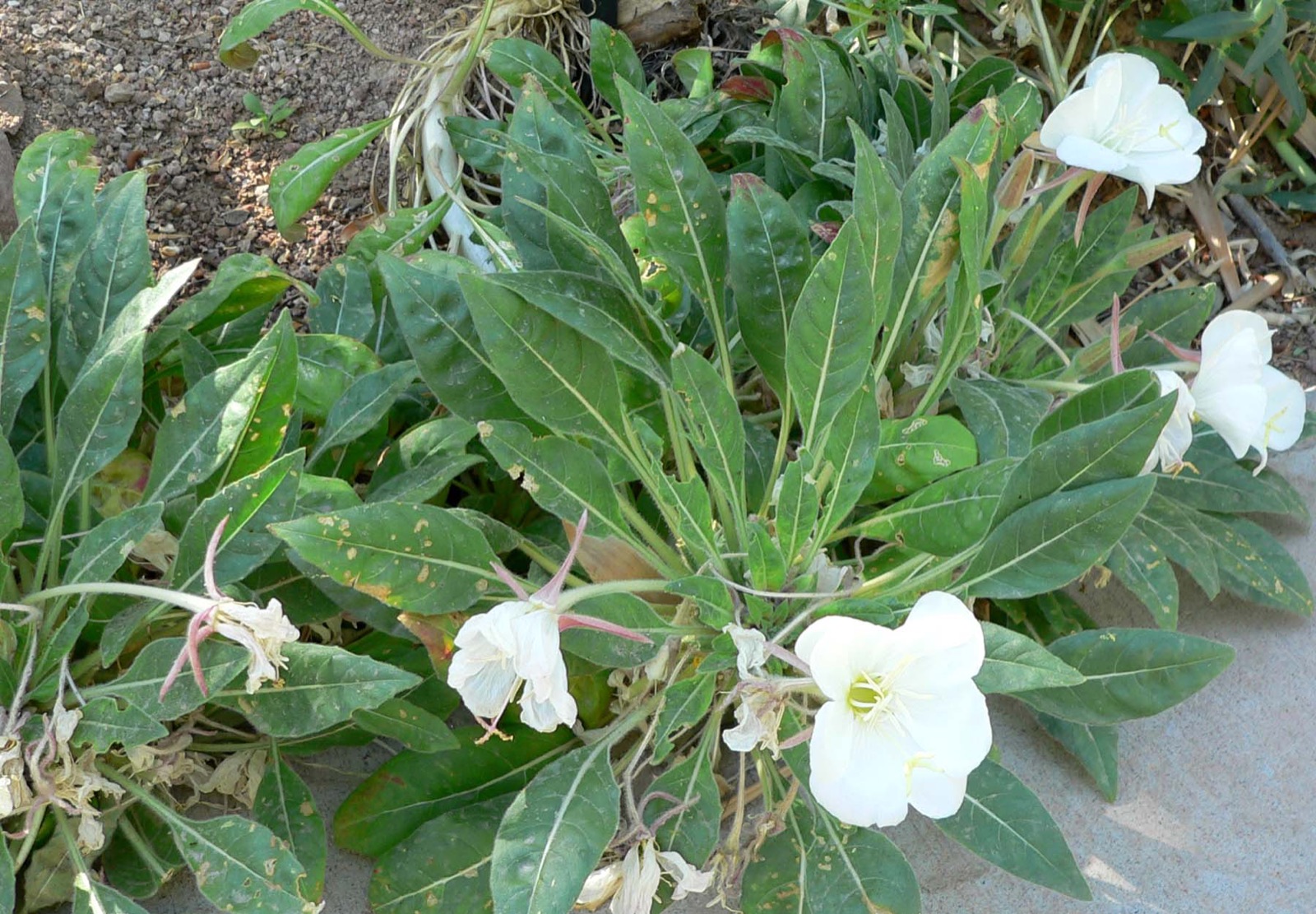
A low native rosette with large white evening flowers that fade pink, bringing fragrance and moth activity to dry gardens.
View complete guide →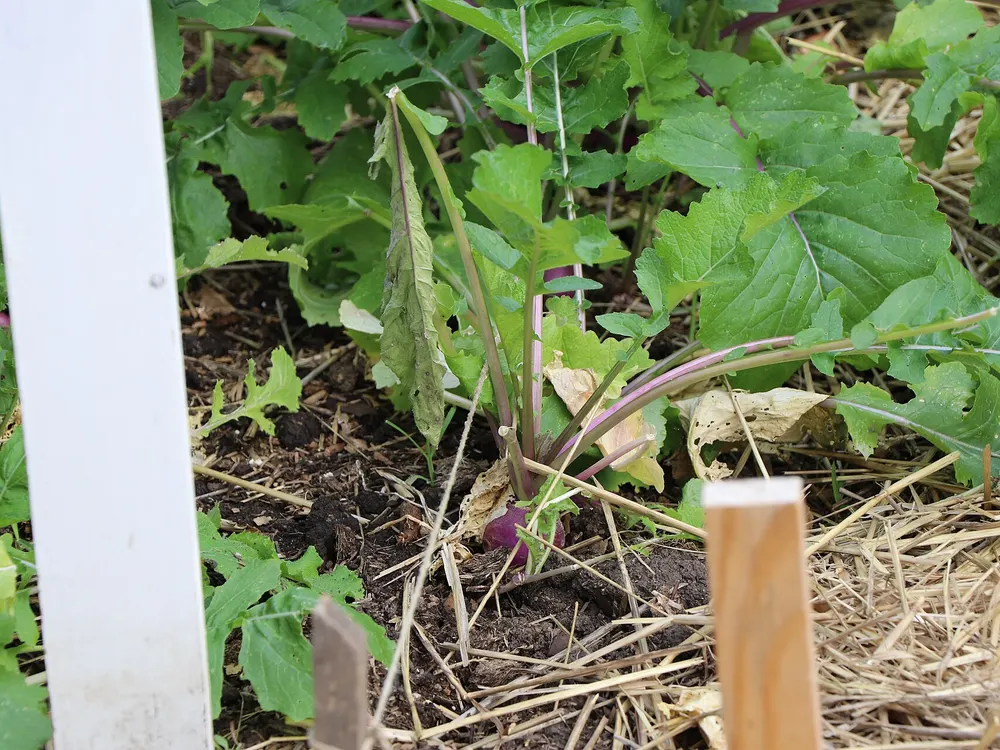
Harvest tender young roots and greens. Larger roots can turn fibrous as weather warms.
View complete guide →Arizona’s premier late orange for deeply colored, high-sugar juice, ripening after the winter navel season.
View complete guide →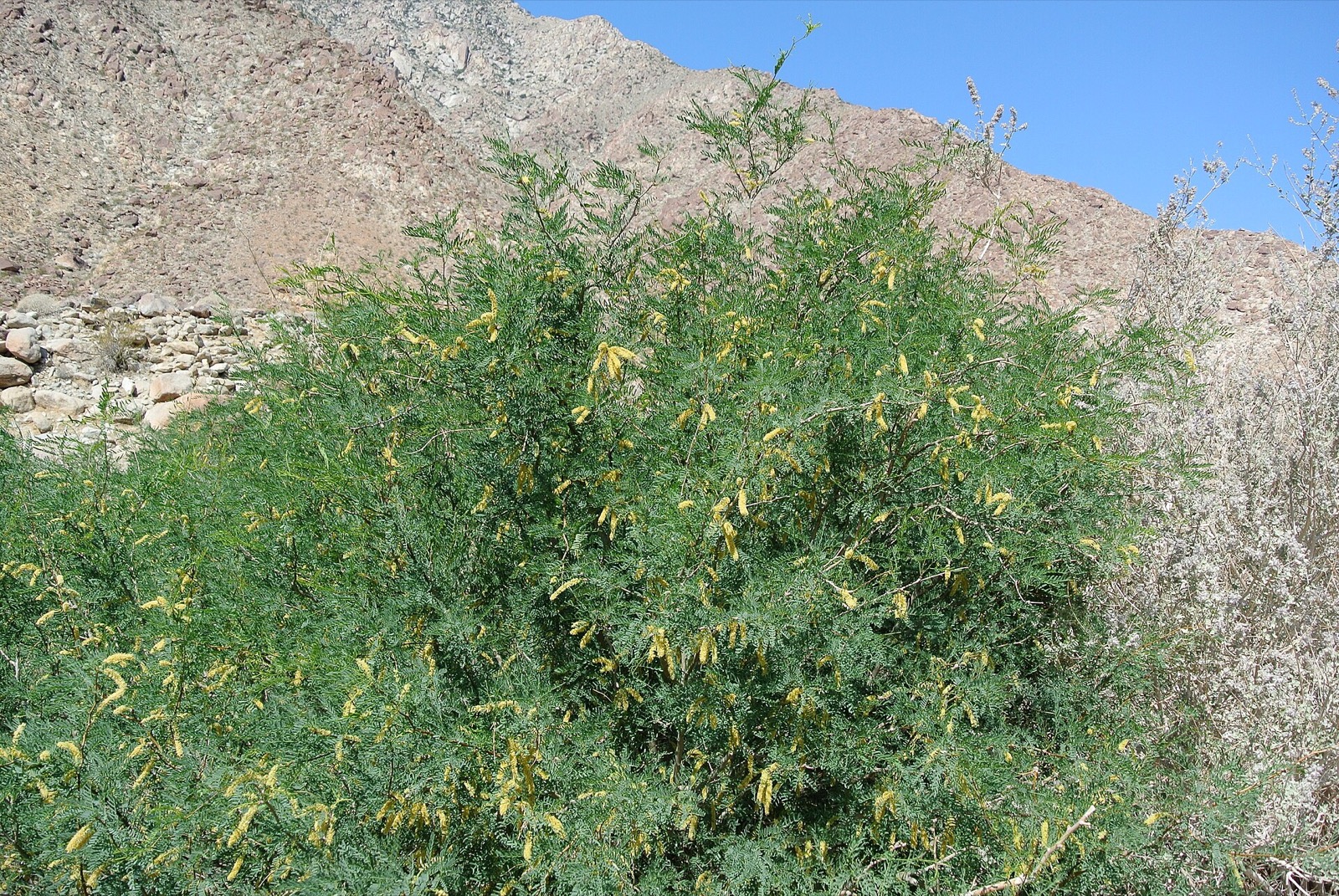
Deep-rooted shade tree with food-producing pods; best where its mature canopy and litter can be welcomed.
View complete guide →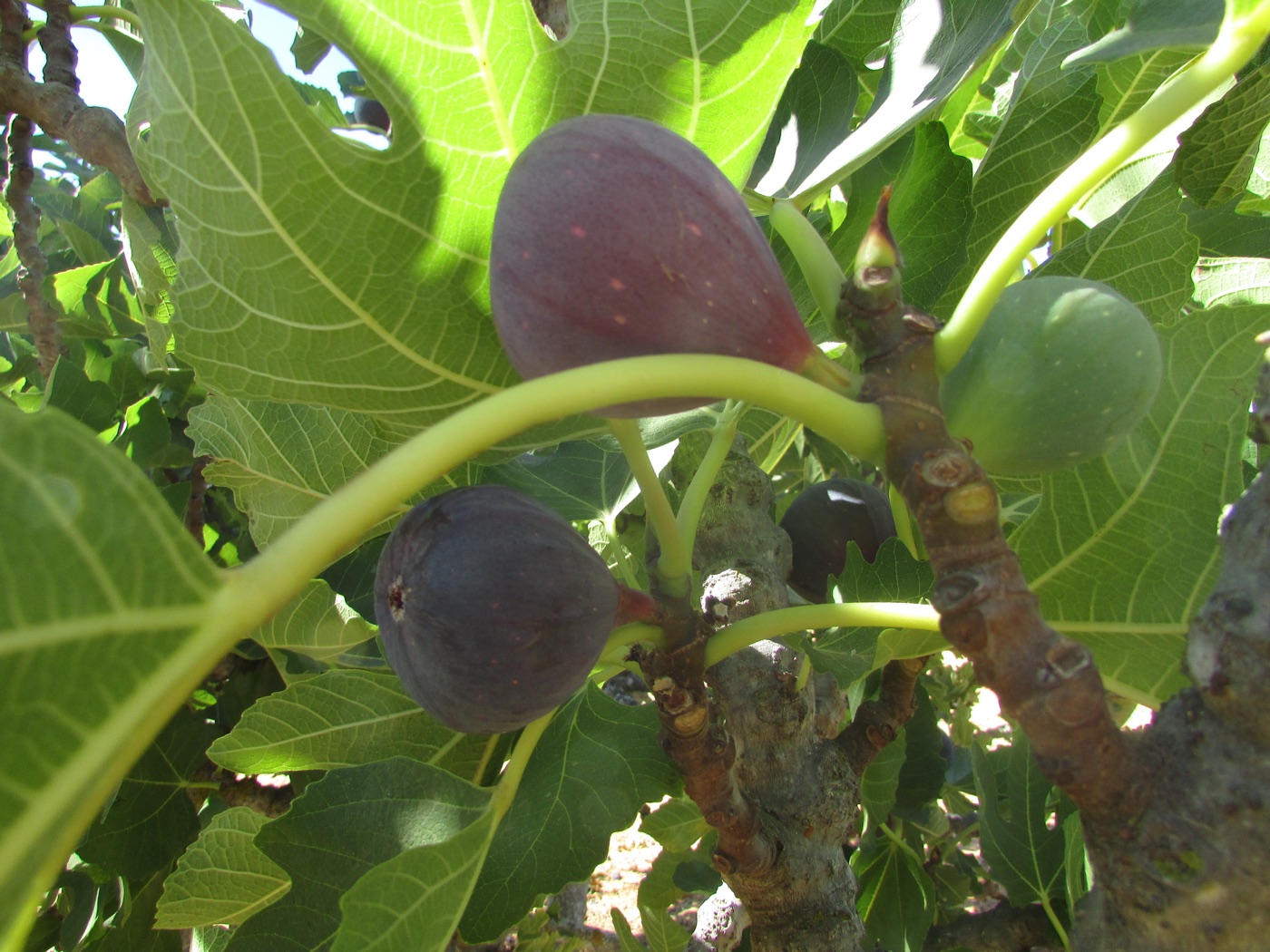
A compact French fig with small, nearly black fruit and rich, berry-red flesh. Its small size makes it one of the best figs for patios and large containers in Phoenix.
View complete guide →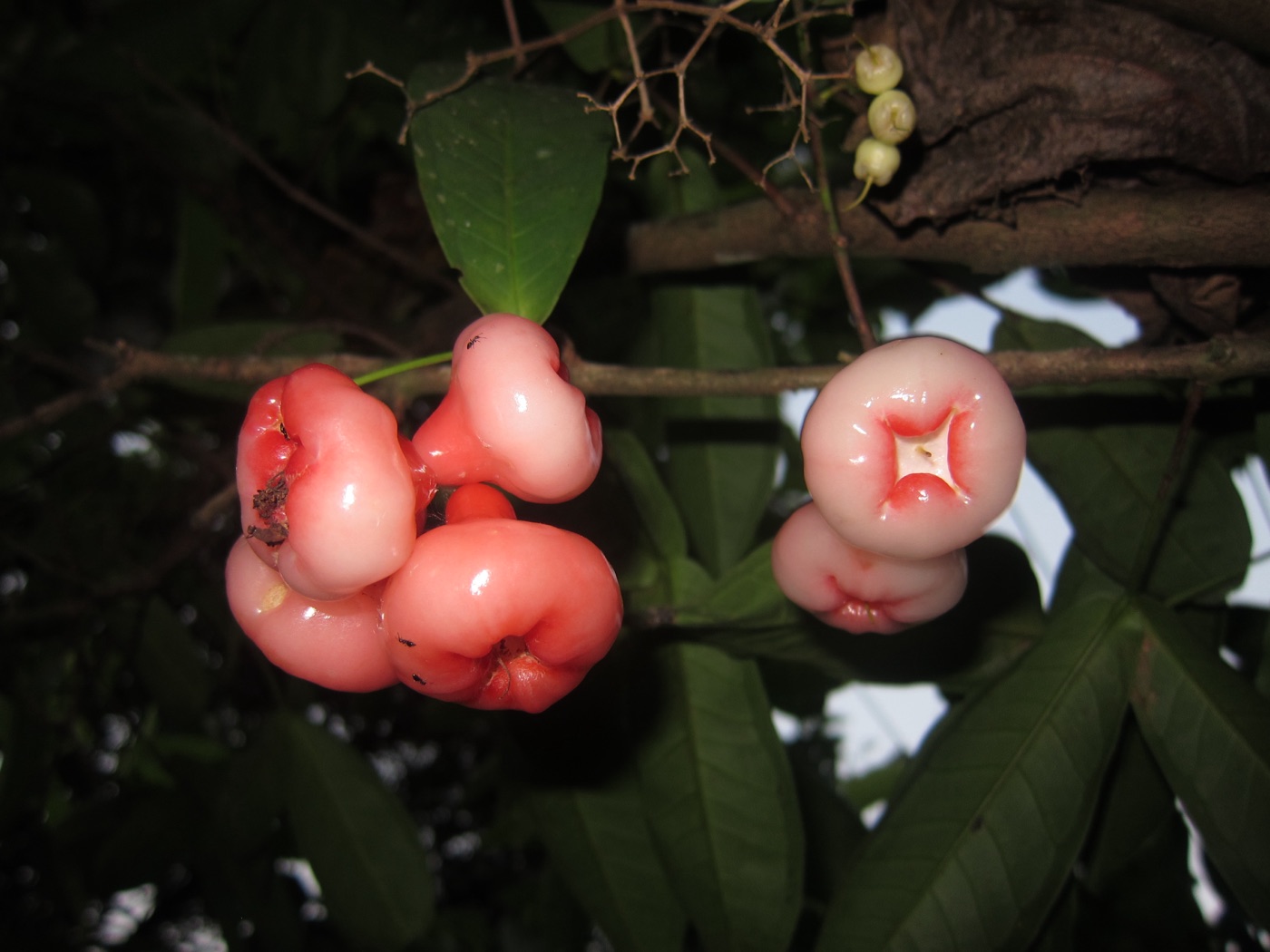
A popular Asian fruit tree with glossy, bell-shaped fruit that is crisp, juicy and lightly sweet. Stays a small to medium shrub in Phoenix.
View complete guide →
A graceful Australian tree with red brush-like flowers that feed hummingbirds and pollinators, best where a broad weeping canopy and moderate water fit.
View complete guide →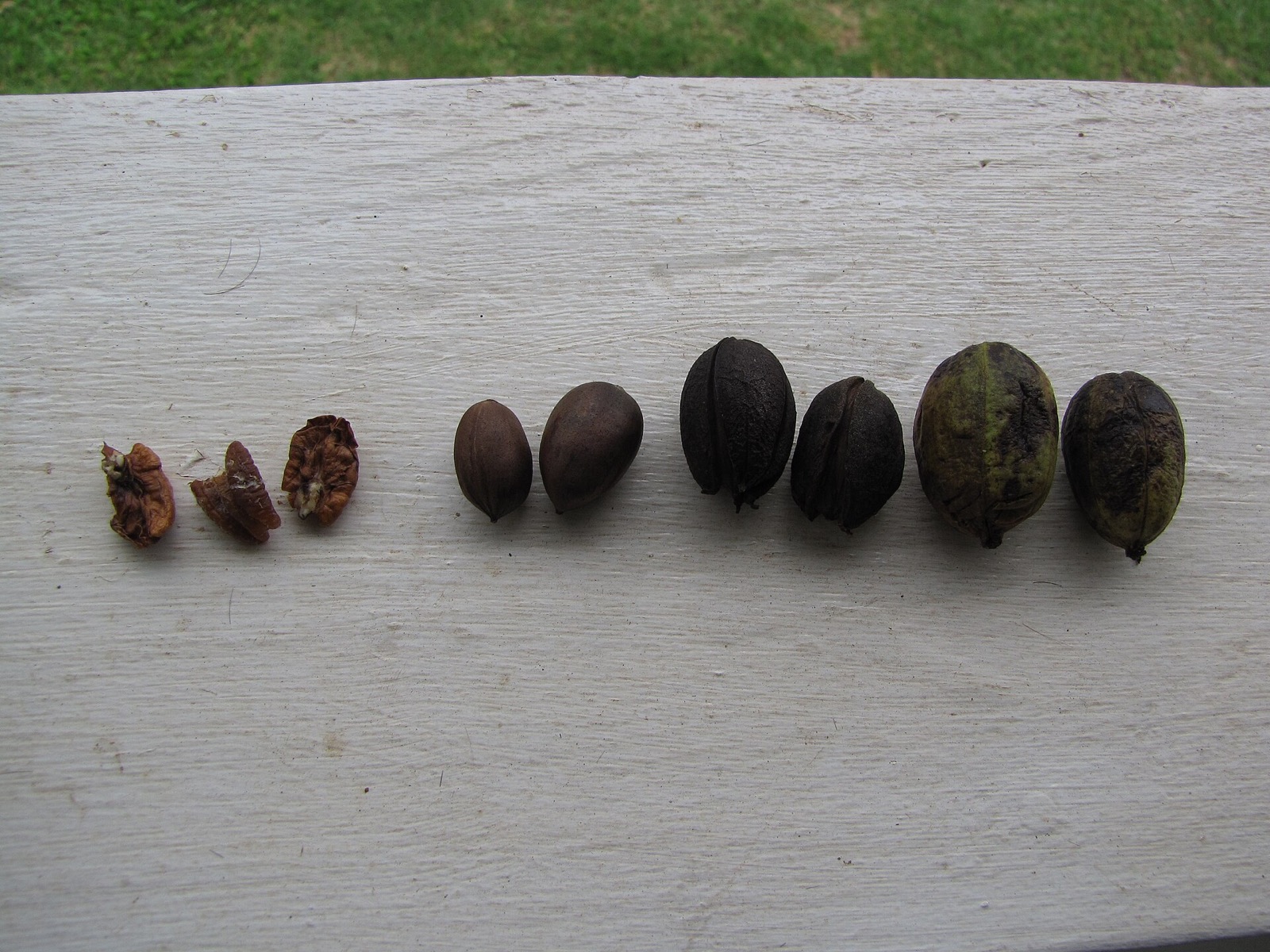
A productive, early-bearing pecan recommended by Arizona guidance when only one home-garden tree can be planted.
View complete guide →A pale-fruited counterpart to Pakistan mulberry with very long, sweet berries that are less likely to leave dark stains below the tree.
View complete guide →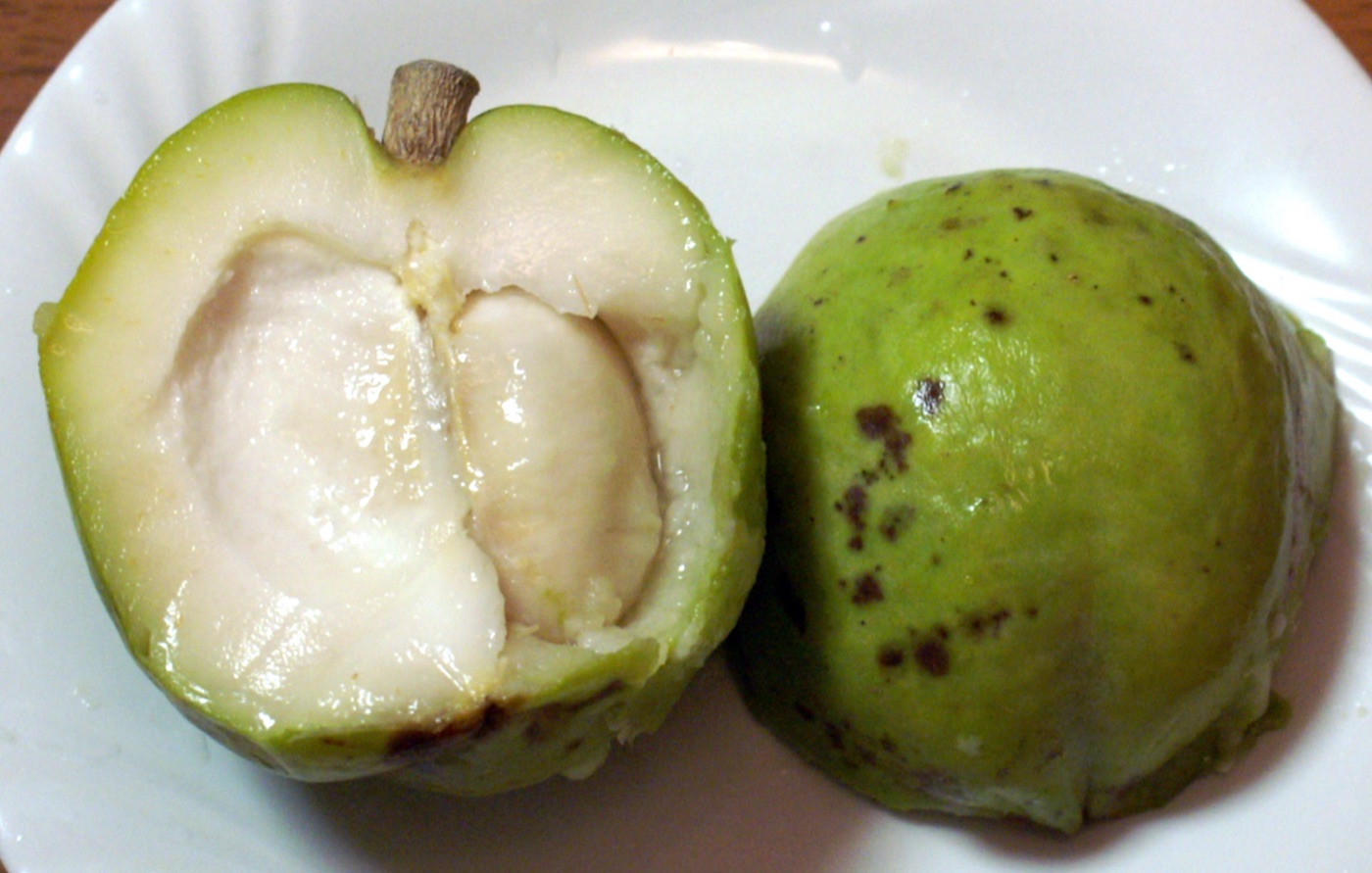
A vigorous Mexican tree with creamy, custard-like fruit that tastes like vanilla and pear. One of the more cold-tolerant tropical fruits for Phoenix.
View complete guide →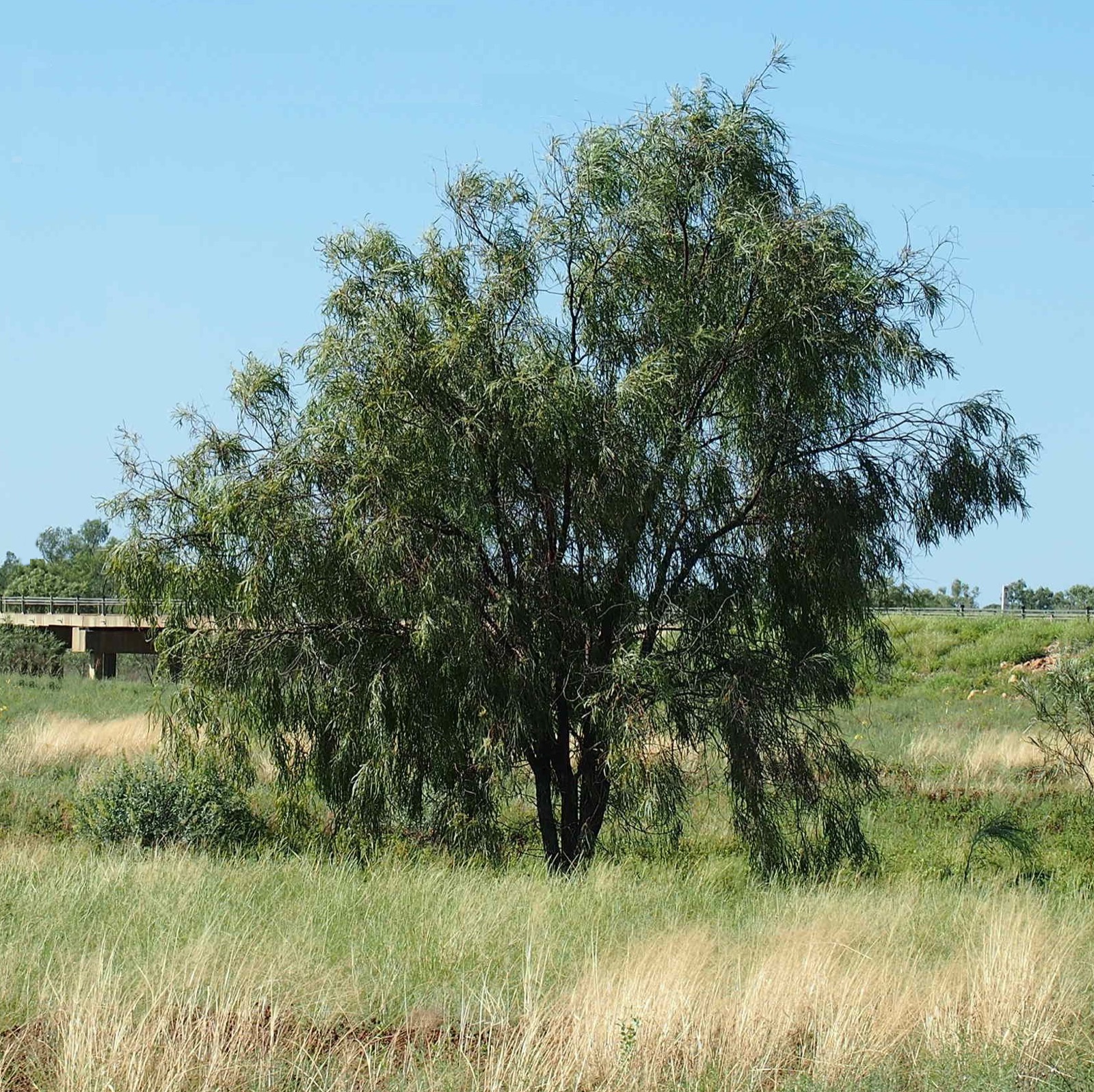
Narrow, evergreen Australian shade tree; place away from paving and use as an adapted—not native—canopy.
View complete guide →The classic dark-red pomegranate for juice and arils, combining exceptional desert heat tolerance with broad winter adaptability.
View complete guide →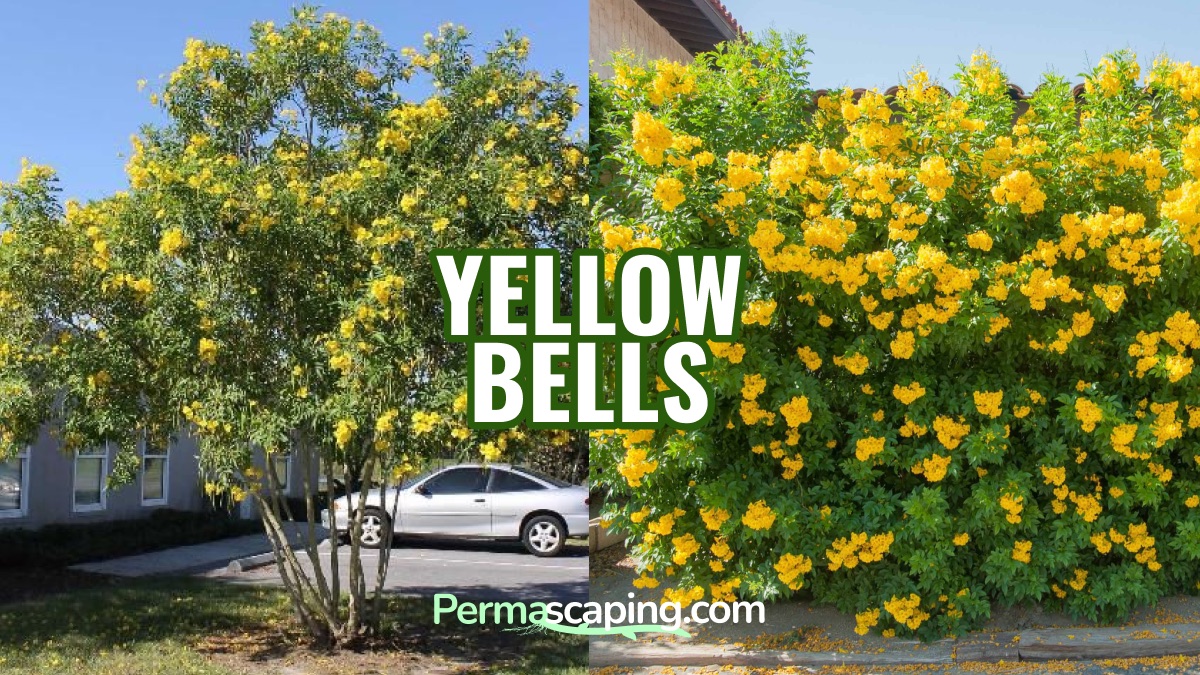
Fast, heat-loving native shrub with yellow trumpet flowers that can grow as an informal screen, dense hedge, or small multi-trunk tree.
View complete guide →
A glossy evergreen screen or small tree with yellow trumpet flowers—beautiful and heat tolerant, but dangerously toxic in every part.
View complete guide →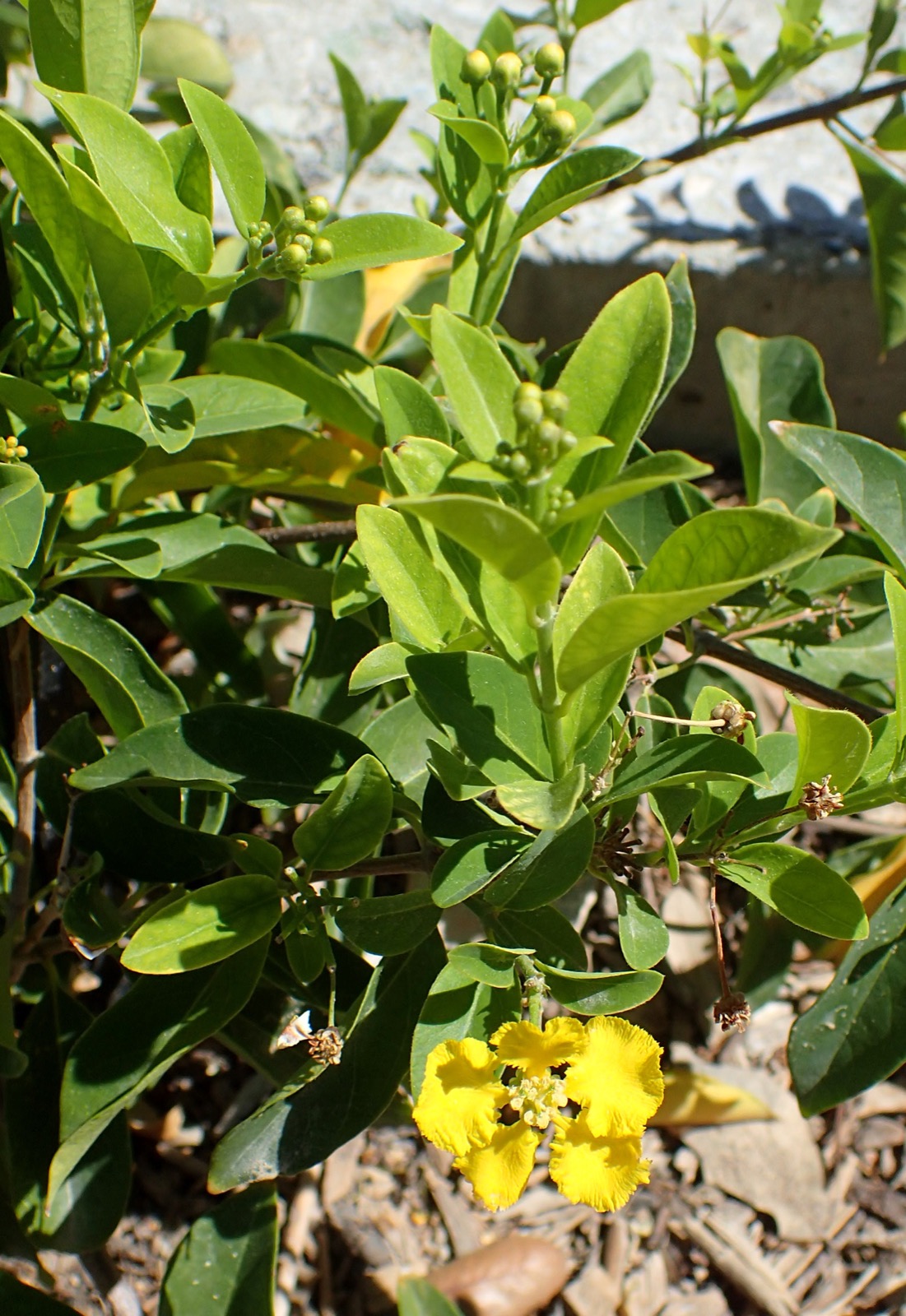
Native Baja and Sonoran-region vine with bright yellow flowers; give it a trellis and reflected warmth.
View complete guide →