
Native & adapted
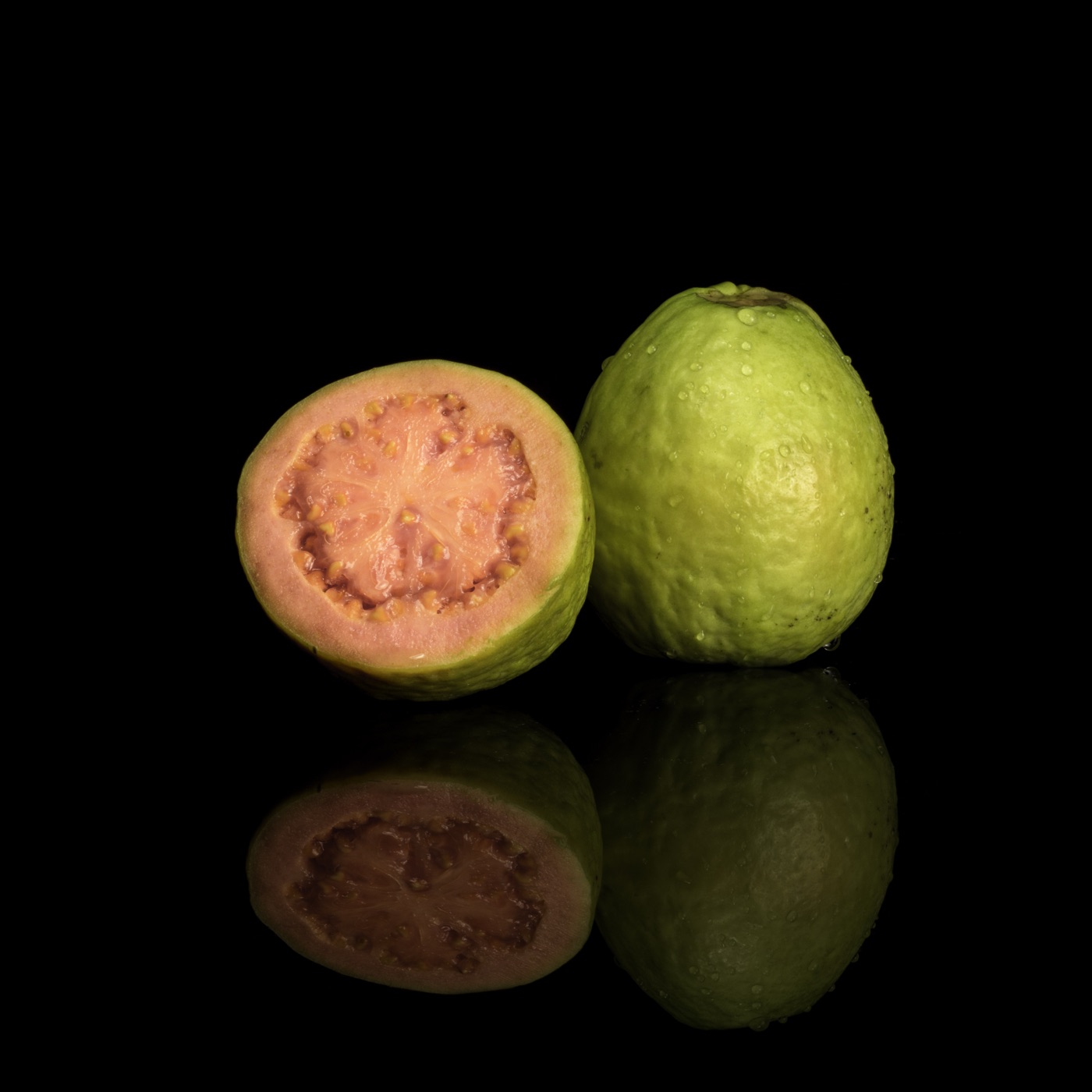
Guava
Psidium guajavaAlso known as Common guava · Apple guava · Guayaba · Ổi
One of the easiest tropical fruits for Phoenix. It grows fast, takes full sun once established, fruits within a year or two and makes a good nurse tree for more delicate tropicals.
Before you plant
These conditions determine whether it will thrive.
Tolerates many soils, including alkaline ground. Add compost and chelated iron if leaves yellow.
Sunny spot with some frost protection; a south or east wall is ideal.
Right plant, right place
Will Guava grow at your Arizona property?
Fruit flies and birds love ripe guavas; pick when the skin softens and the smell turns sweet.
Best regional fit: Urban core · USDA 9b–10a, Valley suburbs · USDA 9a–9b.
Light
Sun exposure
Full sun once established; afternoon shade helps the first summer.
Water
Irrigation
Moderate. Deep water once or twice a week in summer.
Fruit set
Pollination
Self-fertile.
Harvest
How to use it
Fresh, juiced, or cooked into paste, jam and pastries. Leaves are brewed as tea.
Planting & stewardship
How to help Guava thrive
- 1
Prune after harvest to keep it bushy and within reach.
- 2
Feed every 6 to 8 weeks from spring to late summer.
- 3
Cover on frost nights for the first few winters; established plants resprout after freezes.
- 4
Pick up dropped fruit to avoid pests.