

Cool-season produce
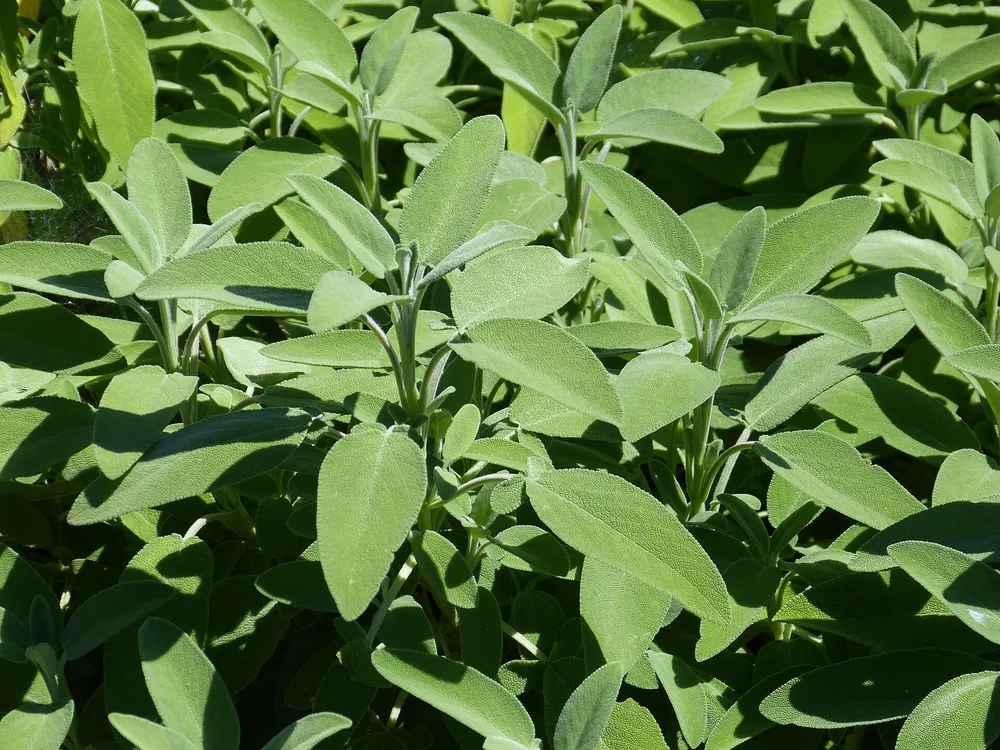
Culinary sage
Salvia officinalisAlso known as Garden sage · Common sage
This is the edible kitchen sage, not the catalog's ornamental Texas sage. Use excellent drainage and afternoon shade as summer approaches.
Right plant, right place
Will Culinary sage grow at your Arizona property?
This is the edible kitchen sage, not the catalog's ornamental Texas sage. Use excellent drainage and afternoon shade as summer approaches.
Best regional fit: Urban core · USDA 9b–10a, Valley suburbs · USDA 9a–9b, Desert outskirts · USDA 8b–9b.
Light
Sun exposure
Full winter sun; give leafy crops afternoon protection during warm fall and spring weather.
Water
Irrigation
Keep the vegetable root zone evenly moist with regular irrigation; adjust to rain, soil, and temperature rather than using a fixed summer schedule.
Planting & stewardship
How to help Culinary sage thrive
- 1
Prepare a fertile, well-drained bed and keep seed or transplants evenly moist through establishment.
- 2
Thin to the final spacing; crowding reduces harvest quality.
- 3
Watch for aphids and caterpillars and protect sensitive growth from a hard freeze.
- 4
Harvest before sustained spring heat causes bolting or poor quality.
Read the growing reference ↗ Planting dates can shift with cultivar, weather, and your yard’s microclimate.