

Native & adapted
Canistel
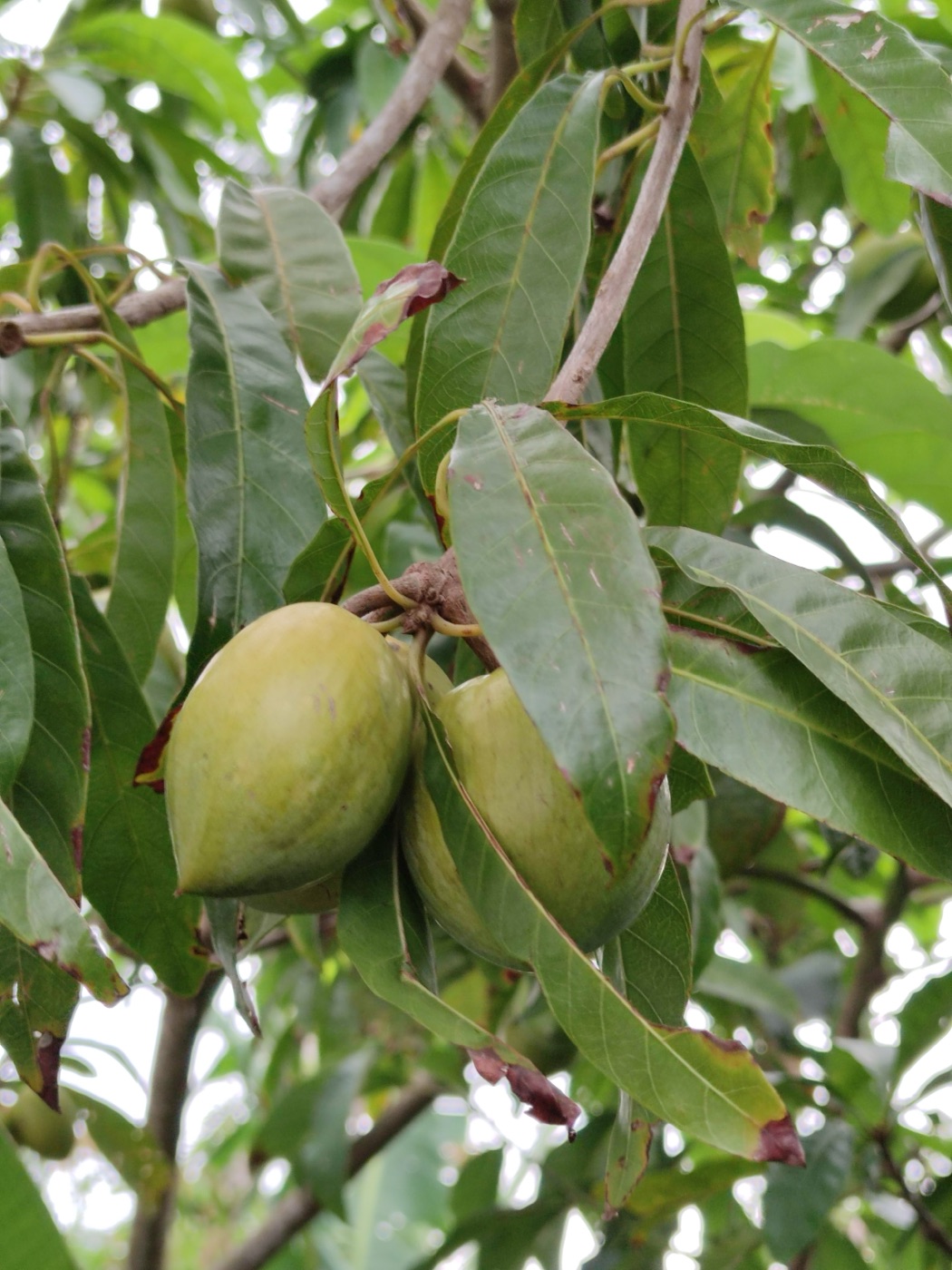
Pouteria campechianaAlso known as Eggfruit · Yellow sapote · Egg fruit · Tiesa
A tropical tree with bright yellow-orange fruit whose dense, sweet flesh is often compared to egg yolk or sweet potato. Tolerant of poor soil.
Before you plant
These conditions determine whether it will thrive.
Tolerates poor, sandy and alkaline soil if it drains.
Sheltered spot with afternoon shade and frost cover while young.
Right plant, right place
Will Canistel grow at your Arizona property?
Grows well in a large container while young.
Best regional fit: Urban core · USDA 9b–10a, Valley suburbs · USDA 9a–9b.
Light
Sun exposure
Morning sun with afternoon shade from June through September, such as the east side of a house or under a taller nurse tree. Protect from frost on winter nights.
Water
Irrigation
Moderate. Deep water once or twice a week in summer.
Fruit set
Pollination
Self-fertile.
Harvest
How to use it
Fresh, in pies and custards, and in shakes that taste like eggnog.
Planting & stewardship
How to help Canistel thrive
- 1
Shade the tree in summer while young.
- 2
Cover with frost cloth on nights below 32°F.
- 3
Feed lightly through the warm season.
- 4
Ripen fruit until soft before eating.