

Native & adapted
Tamarind
Tamarindus indicaAlso known as Tamarindo · Indian date · Me
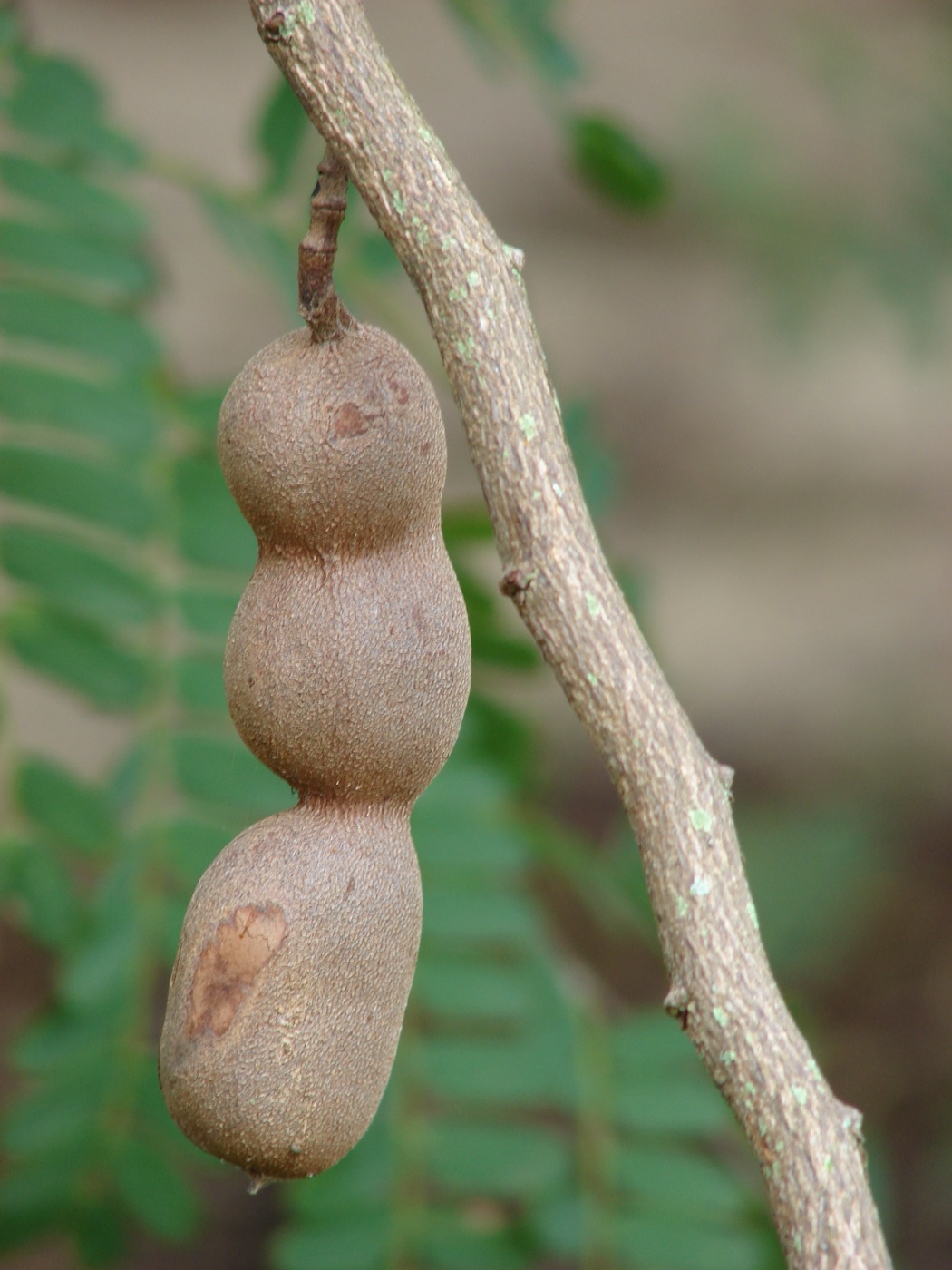
A graceful, slow-growing shade tree with fern-like leaves and tangy brown pods. It takes full Phoenix sun and heat and makes good dappled shade for other plants.
Before you plant
These conditions determine whether it will thrive.
Tolerates alkaline, sandy and poor soil if it drains.
Sunny, frost-protected site, ideally the warm south side of the yard.
Right plant, right place
Will Tamarind grow at your Arizona property?
Slow but long-lived and large. Give it room to become a permanent shade tree. Seed-grown trees can take 6 years or more to fruit; grafted trees fruit sooner.
Best regional fit: Urban core · USDA 9b–10a, Valley suburbs · USDA 9a–9b.
Light
Sun exposure
Full sun once established; shade young trees the first summer.
Water
Irrigation
Moderate. Deep water every 7 to 10 days in summer; drought tolerant once mature.
Fruit set
Pollination
Self-fertile; insect pollinated.
Harvest
How to use it
The sour-sweet pulp flavors drinks, candy, sauces and curries. Green pods are eaten as a sour snack.
Planting & stewardship
How to help Tamarind thrive
- 1
Cover young trees on frost nights below 32°F.
- 2
Water deeply and widely to grow deep roots.
- 3
Prune lightly to raise the canopy for shade.
- 4
Leave pods on the tree until the shells are dry and crack easily.