

Native & adapted
Frogfruit / Kurapia
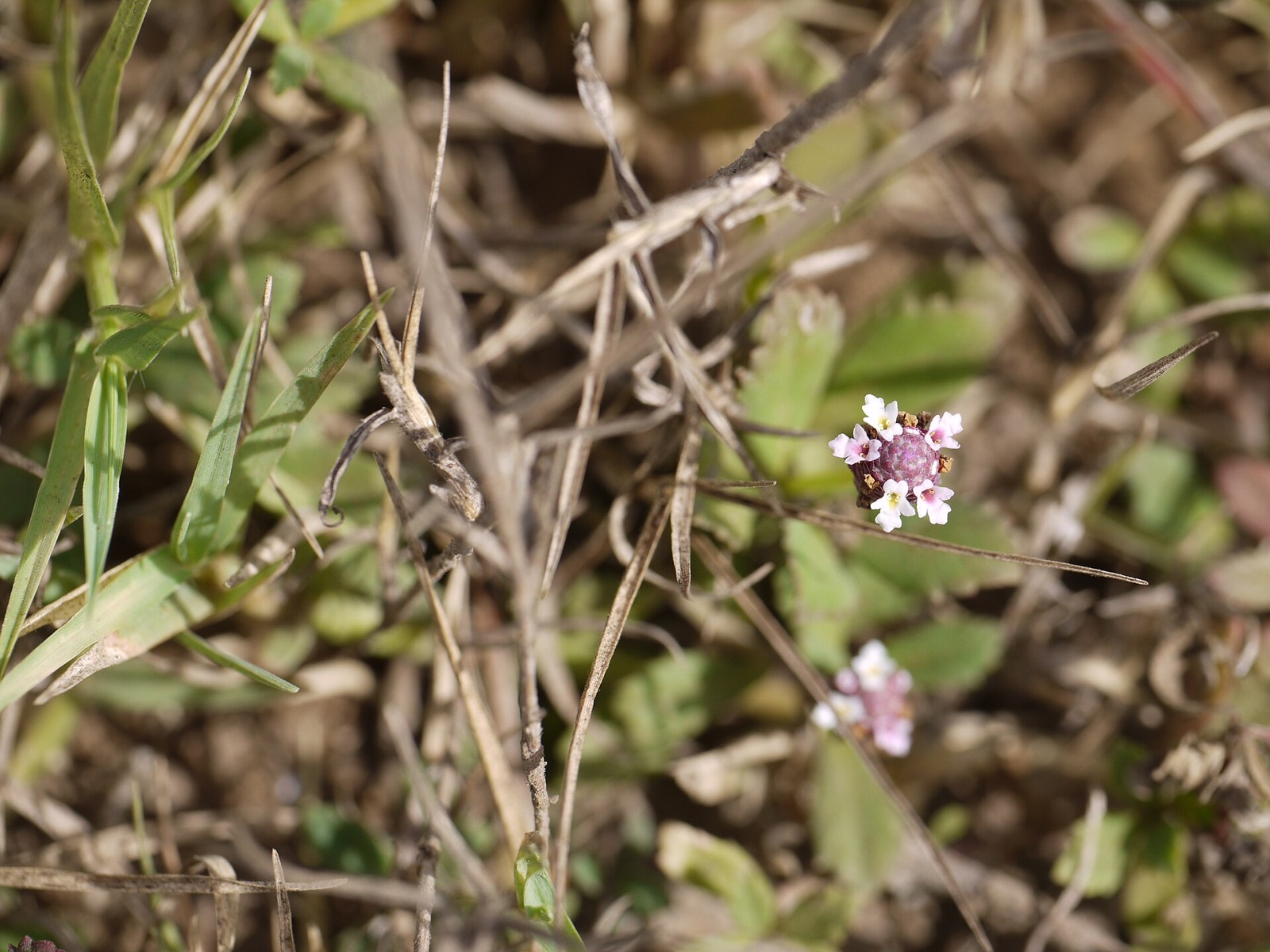
Phyla nodiflora and Kurapia® hybridAlso known as Turkey tangle frogfruit · Lippia nodiflora · Kurapia · Matchweed
A low flowering carpet for unirrigated-looking landscapes: native frogfruit supports wildlife, while sterile Kurapia selections make a more uniform walkable cover.
Compare lawn alternatives & calculate your area →Right plant, right place
Will Frogfruit / Kurapia grow at your Arizona property?
Choose native frogfruit when habitat value and local genetics matter most; choose a verified Kurapia selection when a uniform, non-seeding turf substitute is the priority. Confirm nursery labeling because they are not identical products.
Best regional fit: Urban core · USDA 9b–10a, Valley suburbs · USDA 9a–9b, Desert outskirts · USDA 8b–9b.
Light
Sun exposure
Full sun to partial shade. Flowering and density generally improve with abundant light.
Water
Irrigation
Low to moderate once rooted. A walkable green carpet needs more regular irrigation than a loose native planting, but generally less than conventional turf.
Planting & stewardship
How to help Frogfruit / Kurapia thrive
- 1
Prepare and grade the soil before planting because dense runners make later correction difficult.
- 2
Irrigate frequently only during establishment, then transition to deeper, less frequent cycles.
- 3
Mow or edge occasionally to control thickness and keep it out of beds.
- 4
Allow some bloom where pollinator and butterfly value is desired.