

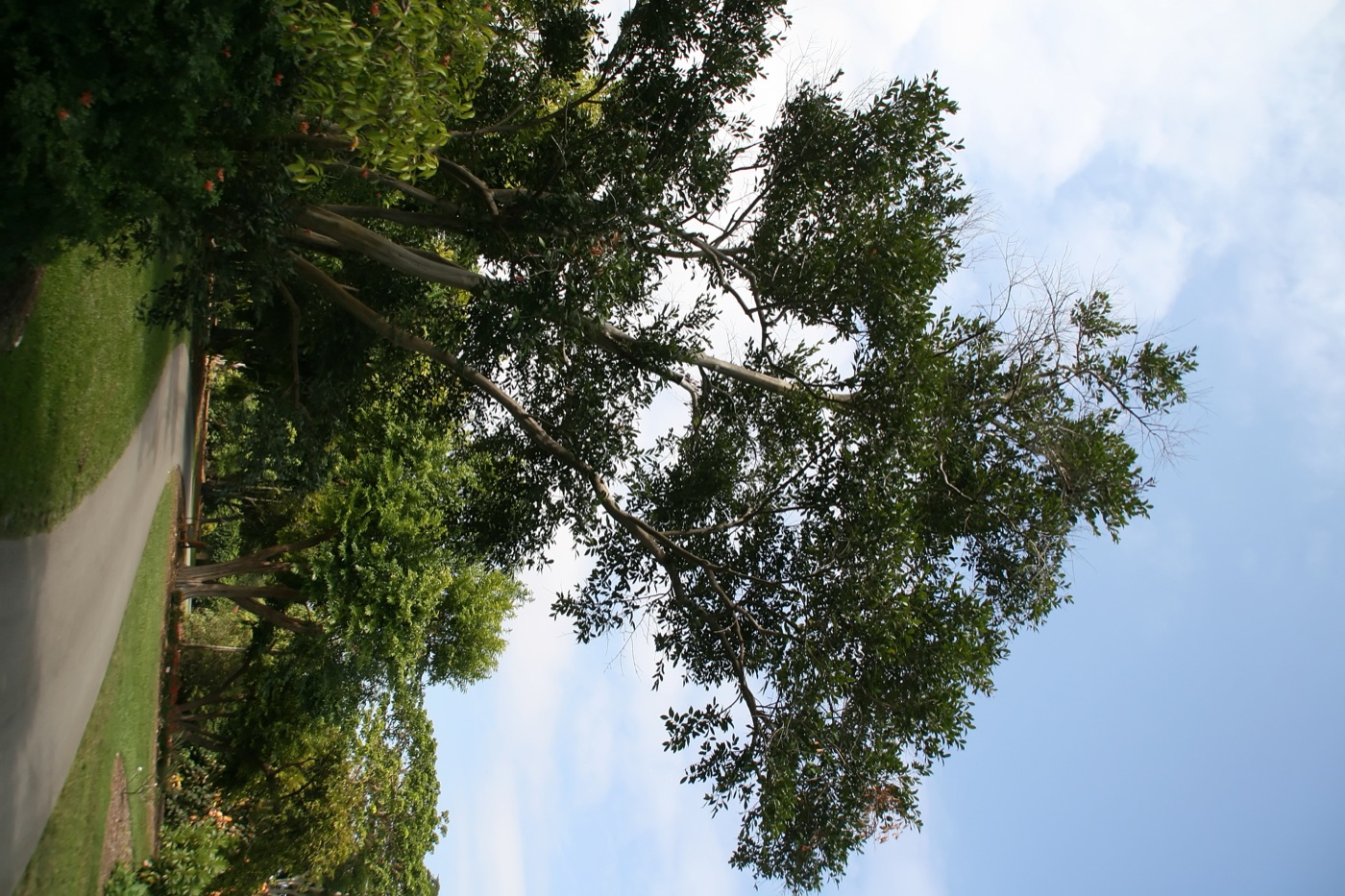
Native & adapted
Pitomba
Eugenia luschnathianaAlso known as Pitomba cherry · Brazilian cherry · Pitombeira
A slow Brazilian tree in the Surinam cherry family with bright orange-yellow fruit that is soft, juicy and lightly acidic, like a small apricot.
Before you plant
These conditions determine whether it will thrive.
Slightly acidic, rich, fast-draining soil; add soil sulfur.
East-facing or filtered shade spot, sheltered from frost.
Right plant, right place
Will Pitomba grow at your Arizona property?
Slow growing and attractive as a small specimen tree or container plant.
Best regional fit: Urban core · USDA 9b–10a, Valley suburbs · USDA 9a–9b.
Light
Sun exposure
Morning sun with afternoon shade from June through September, such as the east side of a house or under a taller nurse tree. Protect from frost on winter nights.
Water
Irrigation
Moderate and steady.
Fruit set
Pollination
Self-fertile.
Harvest
How to use it
Fresh, or in jams and drinks.
Planting & stewardship
How to help Pitomba thrive
- 1
Shade from afternoon sun.
- 2
Feed with an acid-forming fertilizer.
- 3
Cover on frost nights.
- 4
Keep soil evenly moist.