

Native & adapted
Longan
Dimocarpus longanAlso known as Dragon eye · Lam yai · Nhãn
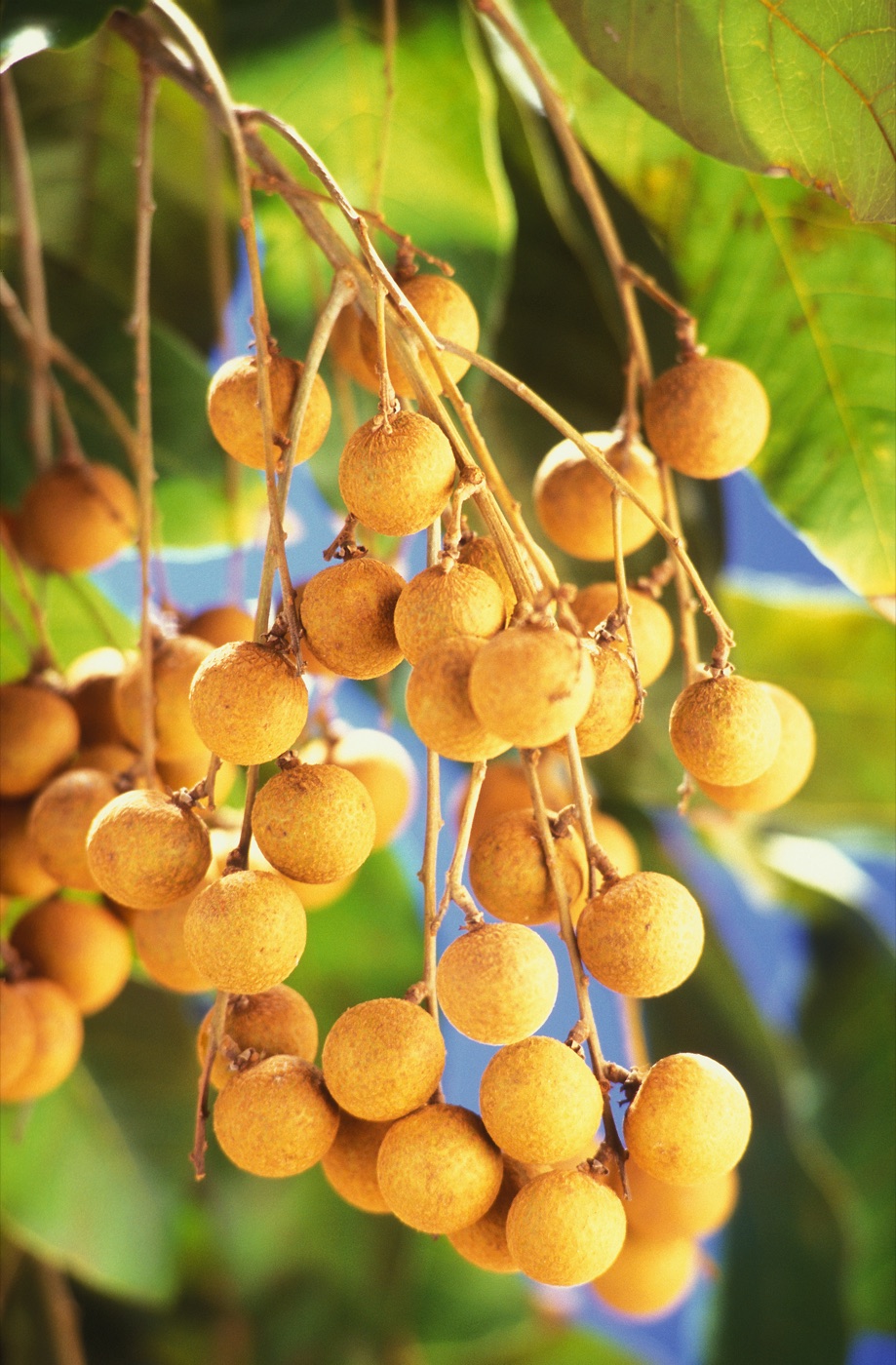
A slow, handsome lychee relative with clusters of sweet, translucent fruit in late summer. A little tougher than lychee and a better bet for Phoenix.
Before you plant
These conditions determine whether it will thrive.
Fast-draining soil rich in compost. Phoenix soil is alkaline, so work in soil sulfur and organic matter and use chelated iron if new leaves turn yellow between the veins.
Sheltered spot with afternoon shade in summer and frost cover in winter.
Right plant, right place
Will Longan grow at your Arizona property?
Air-layered trees fruit within a year or two. Good in a large container while young.
Best regional fit: Urban core · USDA 9b–10a, Valley suburbs · USDA 9a–9b.
Light
Sun exposure
Morning sun with afternoon shade from June through September, such as the east side of a house or under a taller nurse tree. Protect from frost on winter nights.
Water
Irrigation
Moderate and steady. Deep water twice a week in summer; ease off in late fall and winter to encourage flowering.
Fruit set
Pollination
Self-fertile; bees help set fruit.
Harvest
How to use it
Fresh, dried or canned. Dried longan is used in teas and desserts.
Planting & stewardship
How to help Longan thrive
- 1
Shade young trees in summer and protect from hot wind.
- 2
Hold back water and nitrogen in late fall to encourage spring flowering.
- 3
Thin fruit clusters lightly for larger fruit.
- 4
Net the tree as fruit colors to keep birds away.