

Native & adapted
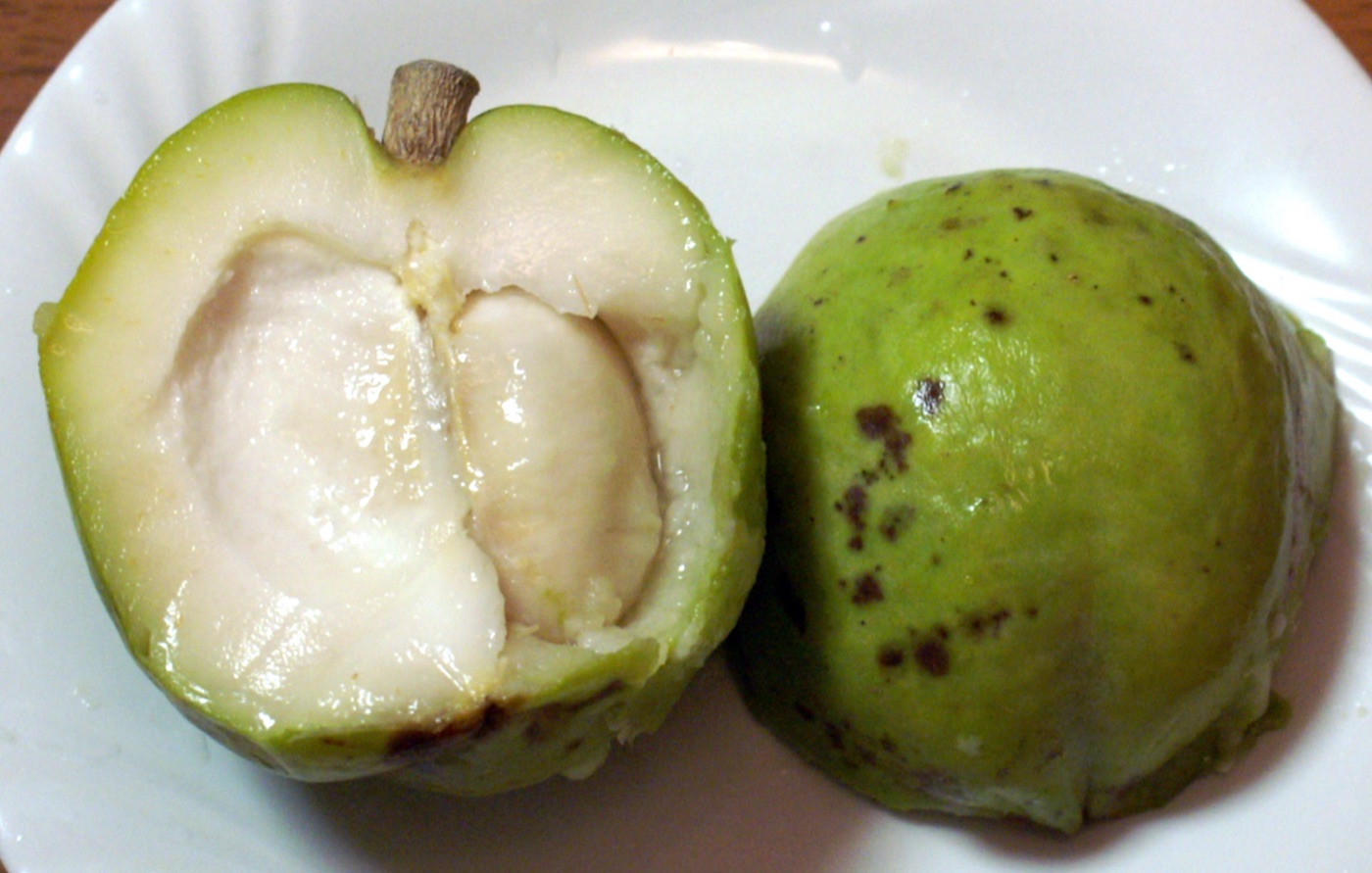
White sapote
Casimiroa edulisAlso known as Casimiroa · Mexican apple · Sleepy sapote · Zapote blanco
A vigorous Mexican tree with creamy, custard-like fruit that tastes like vanilla and pear. One of the more cold-tolerant tropical fruits for Phoenix.
Before you plant
These conditions determine whether it will thrive.
Fast-draining soil; tolerates alkaline ground with compost and iron.
Open space with room for a large tree. Some afternoon shade helps fruit quality.
Right plant, right place
Will White sapote grow at your Arizona property?
A big tree with a heavy crop; dropped fruit gets messy. Keep it away from patios and pools.
Best regional fit: Urban core · USDA 9b–10a, Valley suburbs · USDA 9a–9b, Desert outskirts · USDA 8b–9b.
Light
Sun exposure
Full sun to light afternoon shade; shade the trunk and young trees from summer sun.
Water
Irrigation
Moderate. Deep water once or twice a week in summer.
Fruit set
Pollination
Some varieties need a second variety for good fruit set; self-fertile ones such as Vernon or Suebelle are safest alone.
Harvest
How to use it
Eaten fresh and chilled, or blended into ice cream and shakes.
Planting & stewardship
How to help White sapote thrive
- 1
Prune each year to keep fruit within reach.
- 2
Pick fruit before it falls; it bruises easily.
- 3
Whitewash exposed bark to prevent sunburn.
- 4
Feed lightly in spring and summer.