

Native & adapted
Jujube
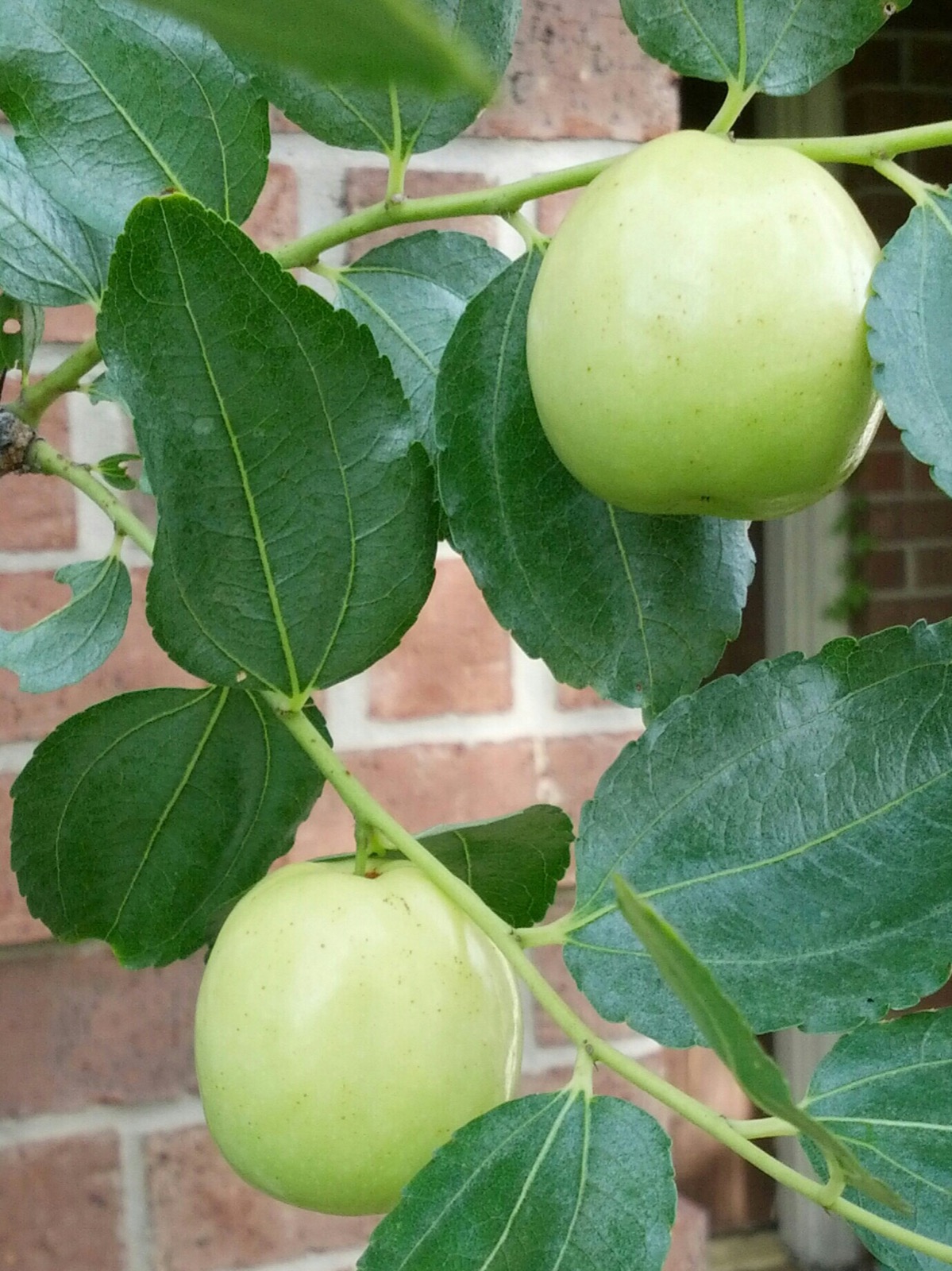
Ziziphus jujubaTough, low-water fruit tree for both hot and frost-prone desert sites; select named cultivars for fruit quality.
Right plant, right place
Will Jujube grow at your Arizona property?
Use the whole site—not only the hardiness zone. Confirm mature width, reflected heat, seasonal shade, drainage, irrigation reach, and cold-air pockets before planting.
Best regional fit: Urban core · USDA 9b–10a, Valley suburbs · USDA 9a–9b, Desert outskirts · USDA 8b–9b, High desert · USDA 6a–8b.
Choose the actual plant, not only the label
Cultivars & selections
Cultivars differ in fruit size, texture, drying quality, and bearing habit. Two cultivars with overlapping bloom generally improve fruit set even where one is technically self-fruitful.
Li
Ziziphus jujuba ‘Li’Mature size15–25 ft tall × 15–25 ft wide
Best forLarge fruit eaten fresh or dried
One of the largest common jujubes, round to oval with crisp flesh when fresh and date-like texture when fully brown.
Lang
Ziziphus jujuba ‘Lang’Mature size15–25 ft tall × 15–20 ft wide
Best forDrying and upright orchard form
Pear-shaped fruit traditionally used dried. Usually performs best with a second cultivar nearby.
Honey Jar
Ziziphus jujuba ‘Honey Jar’Mature size10–15 ft tall × 10–15 ft wide
Best forSmall spaces and very crisp fresh fruit
Small, exceptionally sweet fruit and a more compact tree make this one of the best backyard selections.
Sugar Cane
Ziziphus jujuba ‘Sugar Cane’Mature size15–20 ft tall × 12–18 ft wide
Best forCrunchy, very sweet fresh fruit
Smaller fruit than Li but outstanding texture and sweetness; often productive in heat.
Planting & stewardship
How to help Jujube thrive
- 1
Confirm the plant’s mature spread and underground conflicts before digging.
- 2
Place the root flare at finished grade and keep mulch away from the trunk.
- 3
Establish a wide, deep root zone instead of irrigating only at the trunk.
- 4
Observe seasonal growth, heat stress, and wildlife use before making major pruning changes.