

Native & adapted
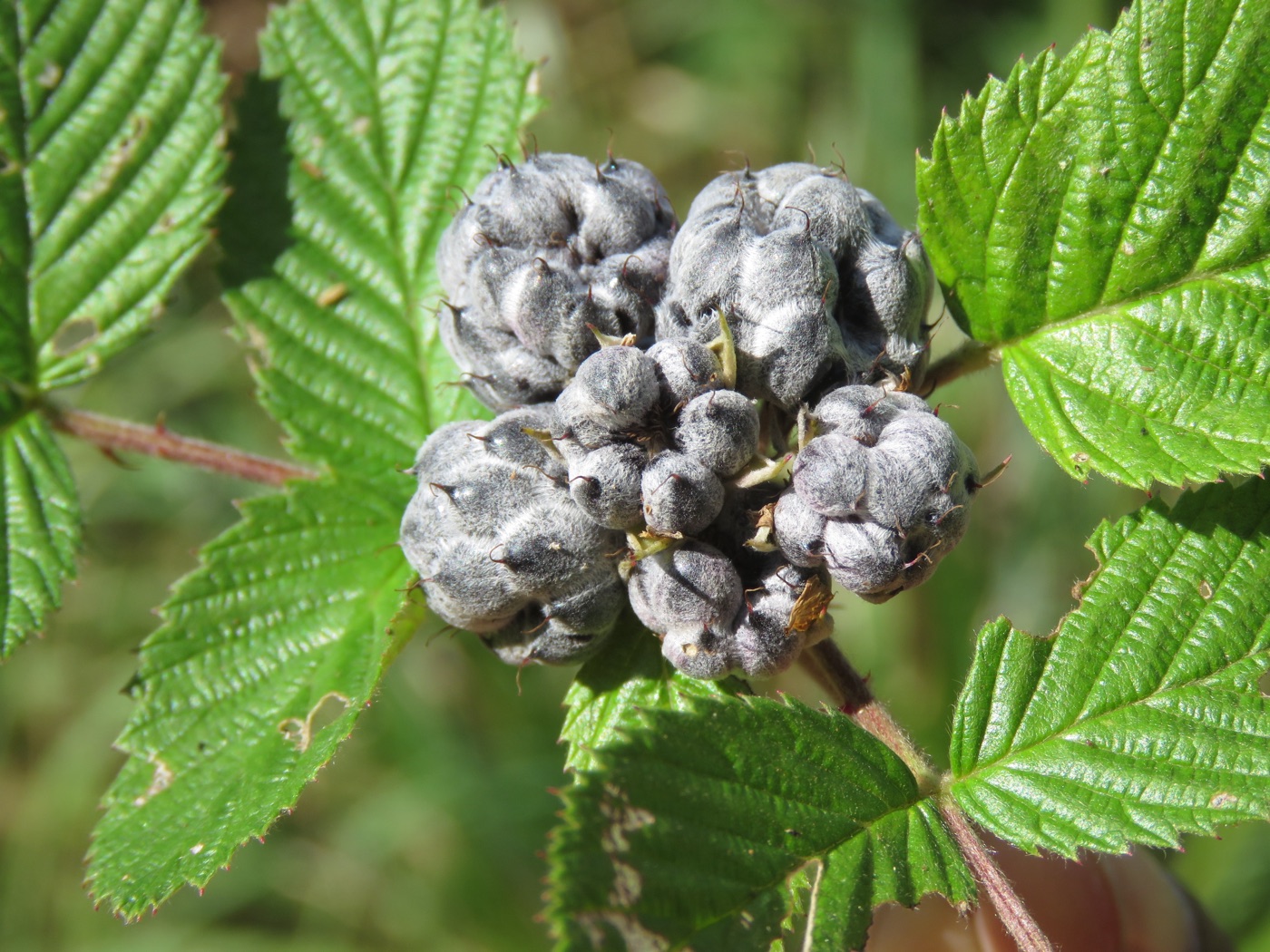
Mysore raspberry
Rubus niveusAlso known as Hill raspberry · Ceylon raspberry · Snowpeaks raspberry
A tropical black raspberry that tolerates heat far better than ordinary raspberries. Thorny canes produce sweet, dark berries in spring and again in fall.
Before you plant
These conditions determine whether it will thrive.
Rich, fast-draining soil with plenty of compost.
East side of a fence or wall where canes can be tied up.
Right plant, right place
Will Mysore raspberry grow at your Arizona property?
Spreads by tip-rooting and is invasive in some wet tropical regions. Keep it contained and remove stray rooted tips.
Best regional fit: Urban core · USDA 9b–10a, Valley suburbs · USDA 9a–9b.
Light
Sun exposure
Morning sun with afternoon shade in summer.
Water
Irrigation
Moderate and steady. Deep water twice a week in summer.
Fruit set
Pollination
Self-fertile.
Harvest
How to use it
Fresh, in jams and baking.
Planting & stewardship
How to help Mysore raspberry thrive
- 1
Tie canes to a fence or trellis.
- 2
Cut out canes that have fruited.
- 3
Remove rooted cane tips that wander.
- 4
Wear gloves; the canes are very thorny.