

Native & adapted
Oregano
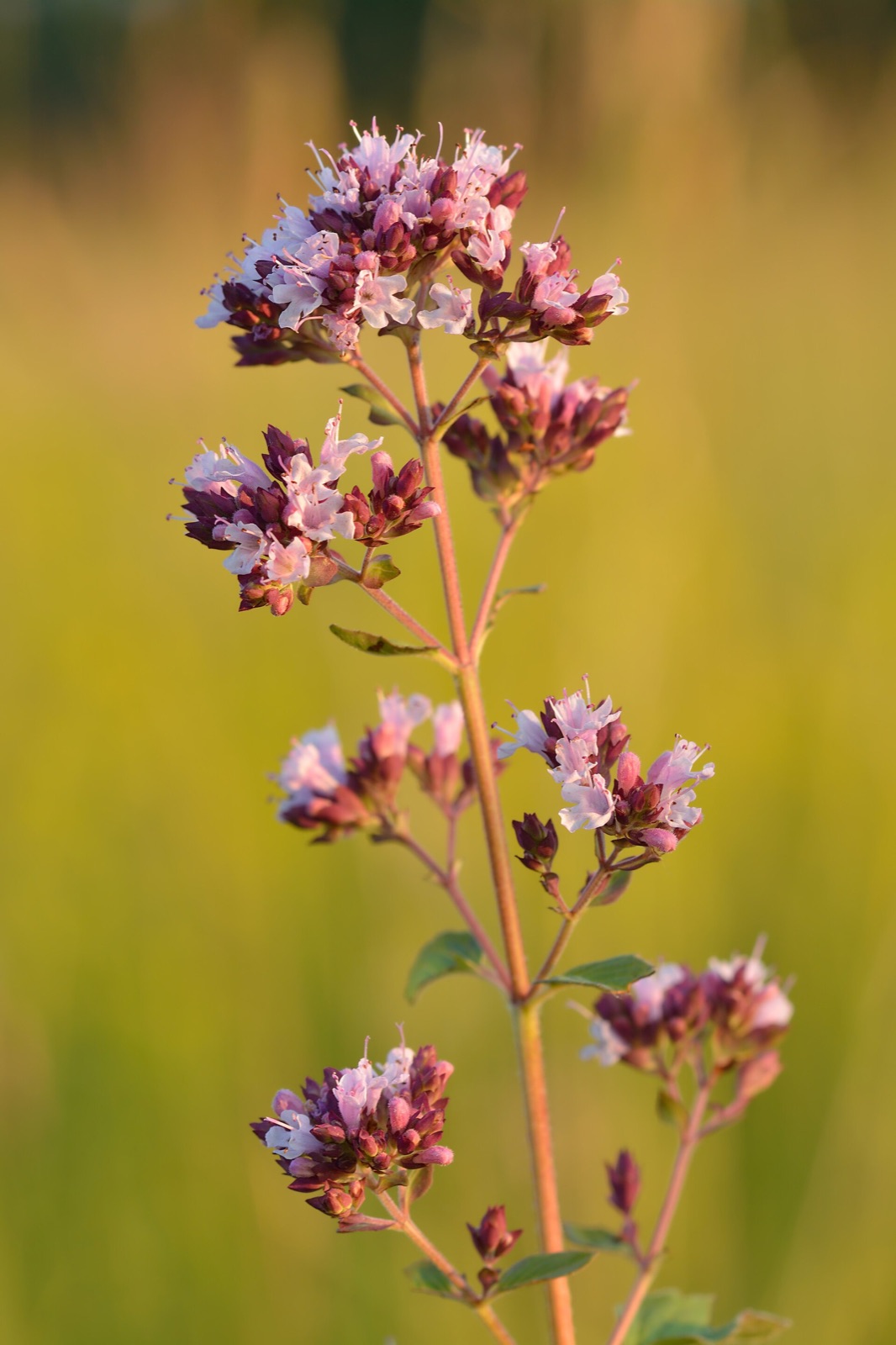
Origanum vulgareAlso known as Wild marjoram · Common oregano
A spreading perennial herb that supplies kitchen harvests and nectar-rich flowers where it receives drainage and protection from punishing afternoon heat.
Right plant, right place
Will Oregano grow at your Arizona property?
A productive understory edge beneath deciduous fruit trees or beside paths. Flowering stems attract small native bees and can be cut back after bloom.
Best regional fit: Valley suburbs · USDA 9a–9b, Desert outskirts · USDA 8b–9b, High desert · USDA 6a–8b.
Light
Sun exposure
Morning sun and afternoon shade in the low desert; full sun is suitable in cooler high-desert gardens.
Water
Irrigation
Moderate during active growth. Let the upper soil begin to dry, then water deeply; do not leave the crown waterlogged.
Harvest
How to use it
Use fresh or dried leaves in sauces, marinades, roasted vegetables, and herb blends.
Planting & stewardship
How to help Oregano thrive
- 1
Begin with a flavorful named culinary selection rather than an ornamental oregano if kitchen use is the goal.
- 2
Mulch the surrounding soil while keeping organic mulch away from the crown.
- 3
Cut stems back after flowering or winter dormancy to refresh the patch.
- 4
Divide an established clump when the center becomes sparse.