

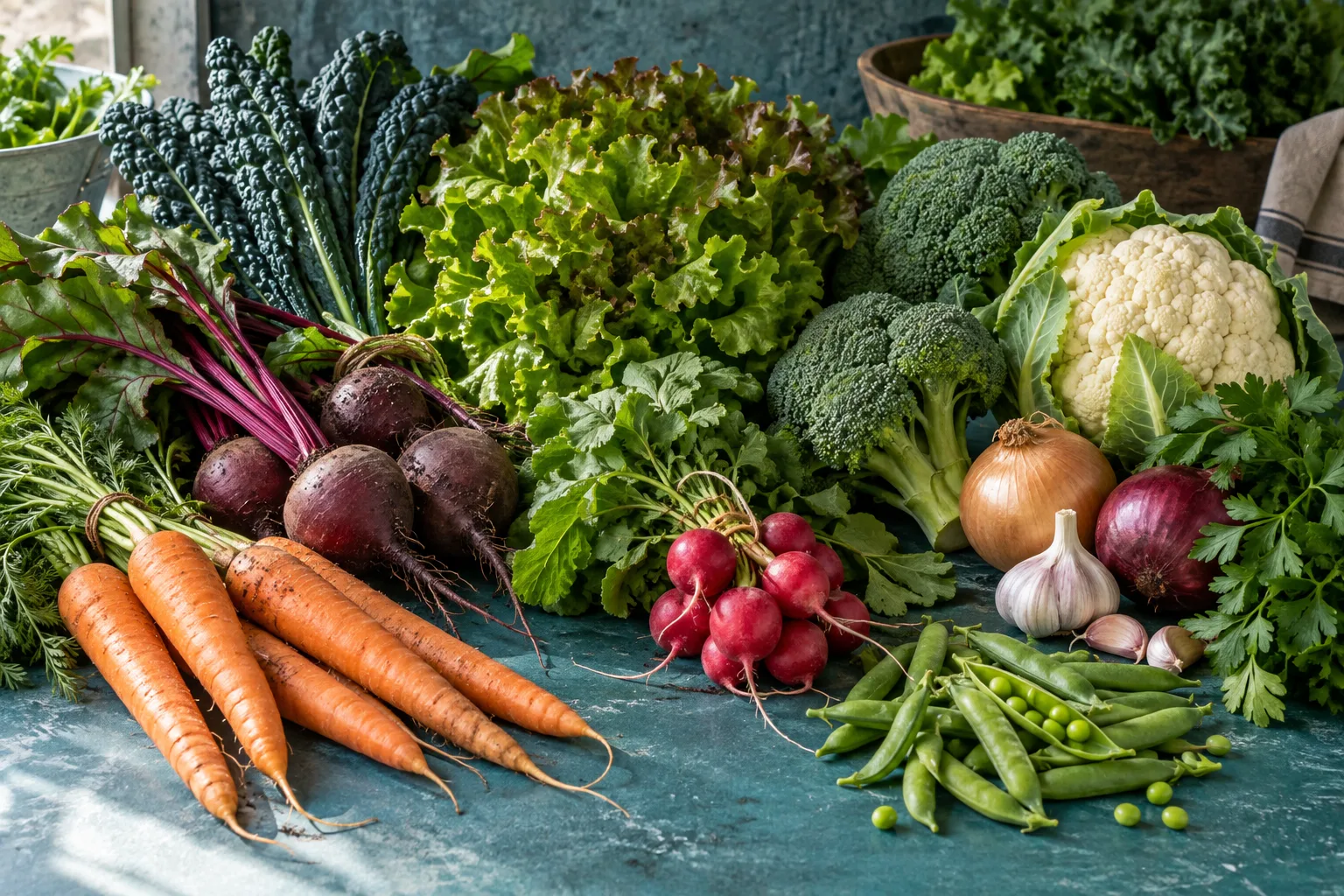
Cool-season produce
Radicchio
Cichorium intybus var. foliosumAlso known as Red chicory
A grocery-store chicory distinct from endive. Heading and color can be uneven in warm spells; harvest loose leaves if heads fail to form.
Right plant, right place
Will Radicchio grow at your Arizona property?
A grocery-store chicory distinct from endive. Heading and color can be uneven in warm spells; harvest loose leaves if heads fail to form.
Best regional fit: Urban core · USDA 9b–10a, Valley suburbs · USDA 9a–9b, Desert outskirts · USDA 8b–9b.
Light
Sun exposure
Full winter sun; give leafy crops afternoon protection during warm fall and spring weather.
Water
Irrigation
Keep the vegetable root zone evenly moist with regular irrigation; adjust to rain, soil, and temperature rather than using a fixed summer schedule.
Planting & stewardship
How to help Radicchio thrive
- 1
Prepare a fertile, well-drained bed and keep seed or transplants evenly moist through establishment.
- 2
Thin to the final spacing; crowding reduces harvest quality.
- 3
Watch for aphids and caterpillars and protect sensitive growth from a hard freeze.
- 4
Harvest before sustained spring heat causes bolting or poor quality.
Read the growing reference ↗ Planting dates can shift with cultivar, weather, and your yard’s microclimate.