

Native & adapted
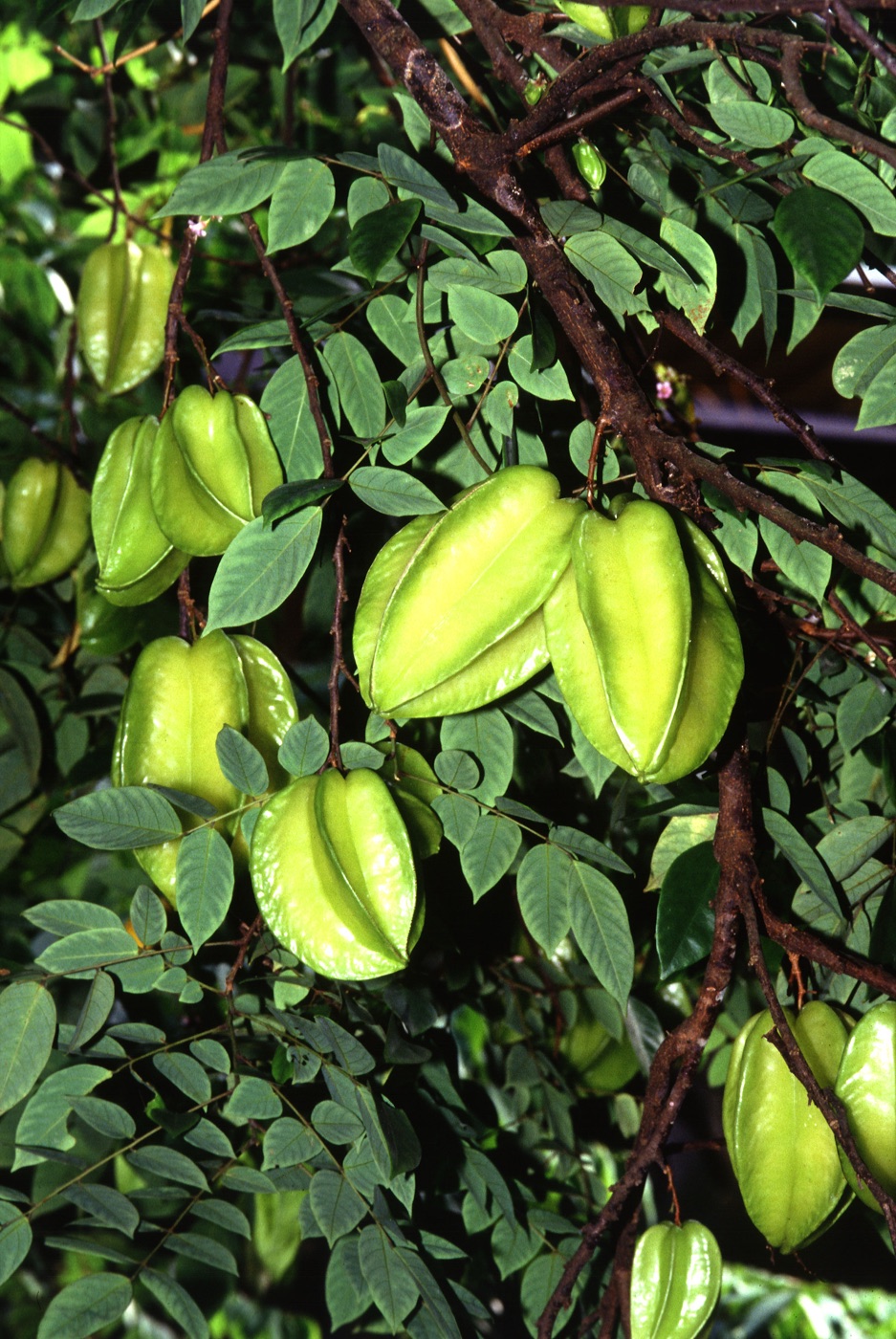
Starfruit
Averrhoa carambolaAlso known as Carambola · Star fruit · Khế
A bushy, productive tree with star-shaped fruit. Easy in Phoenix with afternoon shade for its first few summers and protection from frost.
Before you plant
These conditions determine whether it will thrive.
Fast-draining soil rich in compost. Phoenix soil is alkaline, so work in soil sulfur and organic matter and use chelated iron if new leaves turn yellow between the veins.
East-facing spot or under filtered shade, sheltered from wind and frost.
Right plant, right place
Will Starfruit grow at your Arizona property?
Grows well in a large container. Pruning to about 6 ft keeps it bushy and productive.
Best regional fit: Urban core · USDA 9b–10a, Valley suburbs · USDA 9a–9b.
Light
Sun exposure
Morning sun with afternoon shade from June through September, such as the east side of a house or under a taller nurse tree. Protect from frost on winter nights.
Water
Irrigation
Moderate. Deep water twice a week in summer; keep the soil from drying out completely.
Fruit set
Pollination
Most varieties are self-fertile; planting two varieties can increase fruit set.
Harvest
How to use it
Fresh, sliced into stars, juiced or dried. People with kidney disease should avoid it.
Planting & stewardship
How to help Starfruit thrive
- 1
Shade from afternoon sun for the first two or three summers.
- 2
Feed with chelated iron and micronutrients if new leaves yellow.
- 3
Prune to keep it around 6 ft and full.
- 4
Cover on nights below 32°F.