

Native & adapted
Jamun
Syzygium cuminiAlso known as Java plum · Malabar plum · Black plum · Jambolan · Jambul
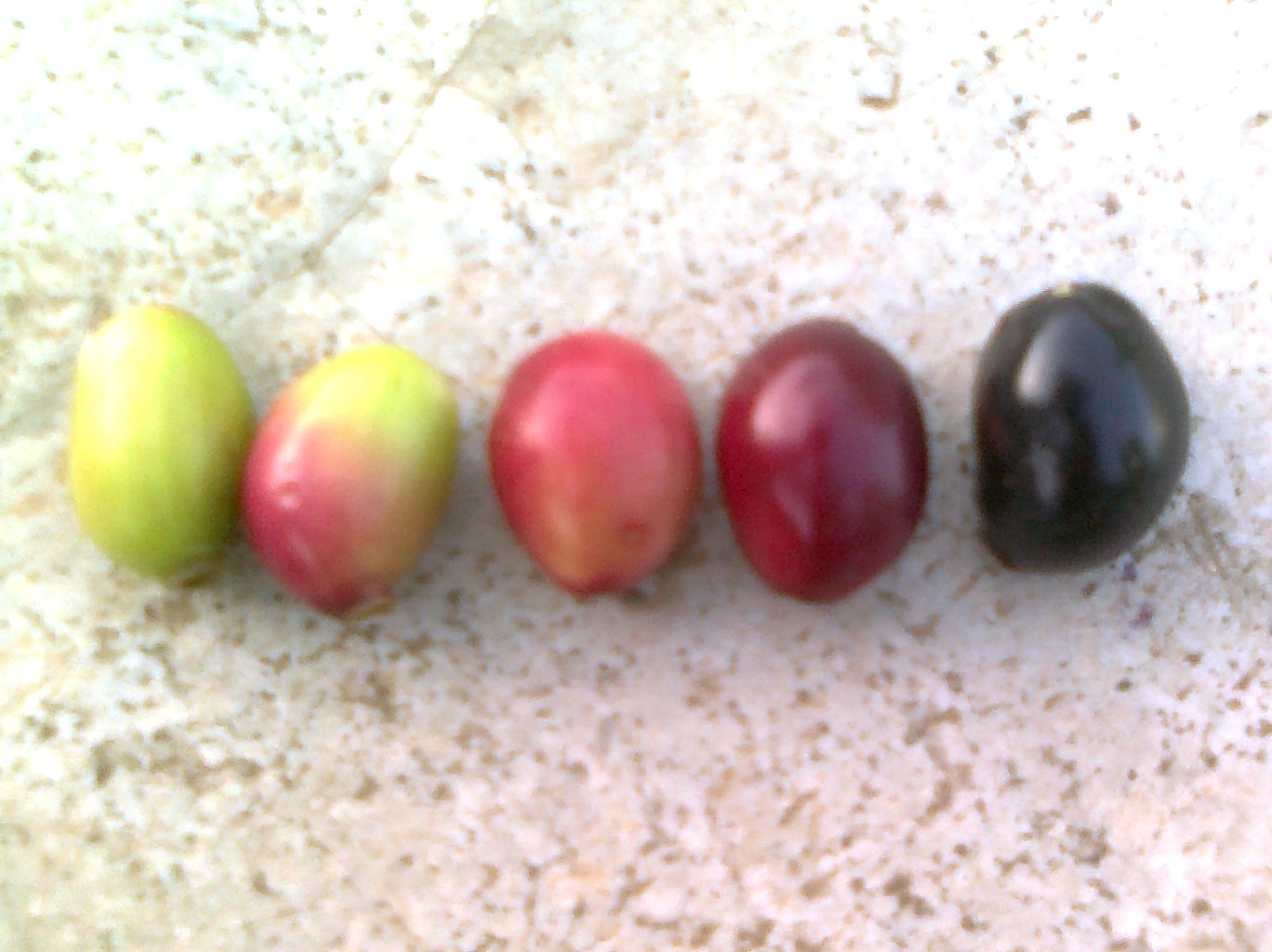
A large evergreen shade tree with dark purple, sweet-tart fruit that stains the mouth. Takes full Phoenix sun and usually needs no winter protection once established.
Before you plant
These conditions determine whether it will thrive.
Tolerates alkaline and poor soil.
Large open area away from patios and driveways, where fallen fruit will not stain.
Right plant, right place
Will Jamun grow at your Arizona property?
Fallen fruit stains paving and cars purple. Give it room to become a large shade tree.
Best regional fit: Urban core · USDA 9b–10a, Valley suburbs · USDA 9a–9b, Desert outskirts · USDA 8b–9b.
Light
Sun exposure
Full sun.
Water
Irrigation
Moderate. Deep water weekly in summer; fairly drought tolerant once established.
Fruit set
Pollination
Self-fertile.
Harvest
How to use it
Fresh with a little salt, or in juice, jam and vinegar.
Planting & stewardship
How to help Jamun thrive
- 1
Water deeply and widely to grow deep roots.
- 2
Protect very young trees from frost.
- 3
Prune to raise the canopy for shade.
- 4
Rake up fallen fruit during harvest season.