

Native & adapted
Ice cream bean
Inga edulisAlso known as Inga · Guaba · Monkey tail · Pacay
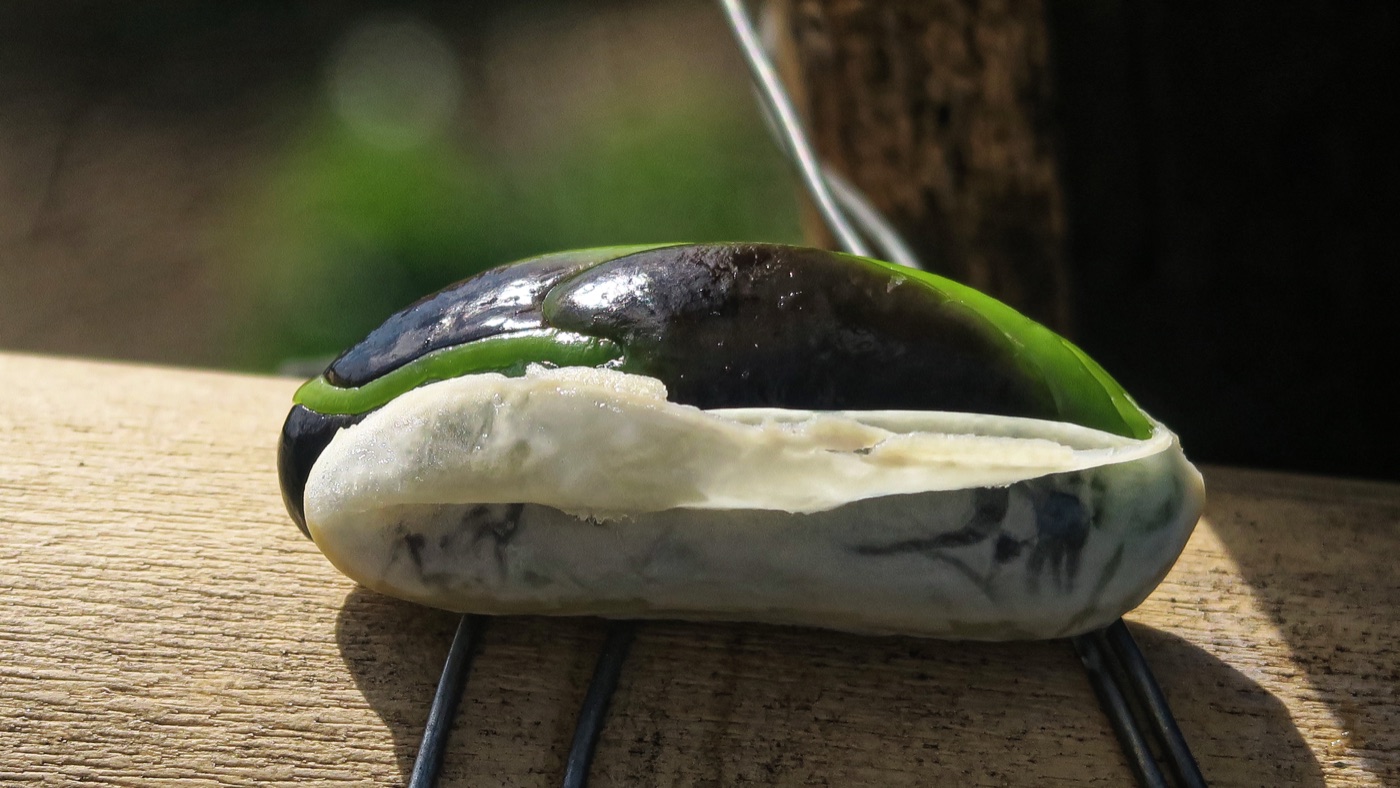
A fast legume tree with long pods full of sweet, cottony pulp that tastes like vanilla. It feeds the soil with nitrogen and makes quick shade for other tropicals.
Before you plant
These conditions determine whether it will thrive.
Fast-draining soil rich in compost. Phoenix soil is alkaline, so work in soil sulfur and organic matter and use chelated iron if new leaves turn yellow between the veins.
Warm, sheltered spot with afternoon shade and frost protection.
Right plant, right place
Will Ice cream bean grow at your Arizona property?
Fast and wide. It works as a chop-and-drop nurse tree whose trimmings feed the soil around fruit trees.
Best regional fit: Urban core · USDA 9b–10a, Valley suburbs · USDA 9a–9b.
Light
Sun exposure
Morning sun with afternoon shade from June through September, such as the east side of a house or under a taller nurse tree. Protect from frost on winter nights.
Water
Irrigation
Moderate to high. Deep water two times a week in summer.
Fruit set
Pollination
Self-fertile; bees and hummingbirds visit the flowers.
Harvest
How to use it
Split the pod and eat the sweet white pulp around the seeds. Seeds are cooked before eating, if at all.
Planting & stewardship
How to help Ice cream bean thrive
- 1
Prune each spring to keep it at a reachable size; trimmings make good mulch.
- 2
Cover on frost nights, especially in the first two winters.
- 3
Mulch deeply to keep roots cool and moist.
- 4
Pick pods when they plump up and the pulp is soft.