

Native & adapted
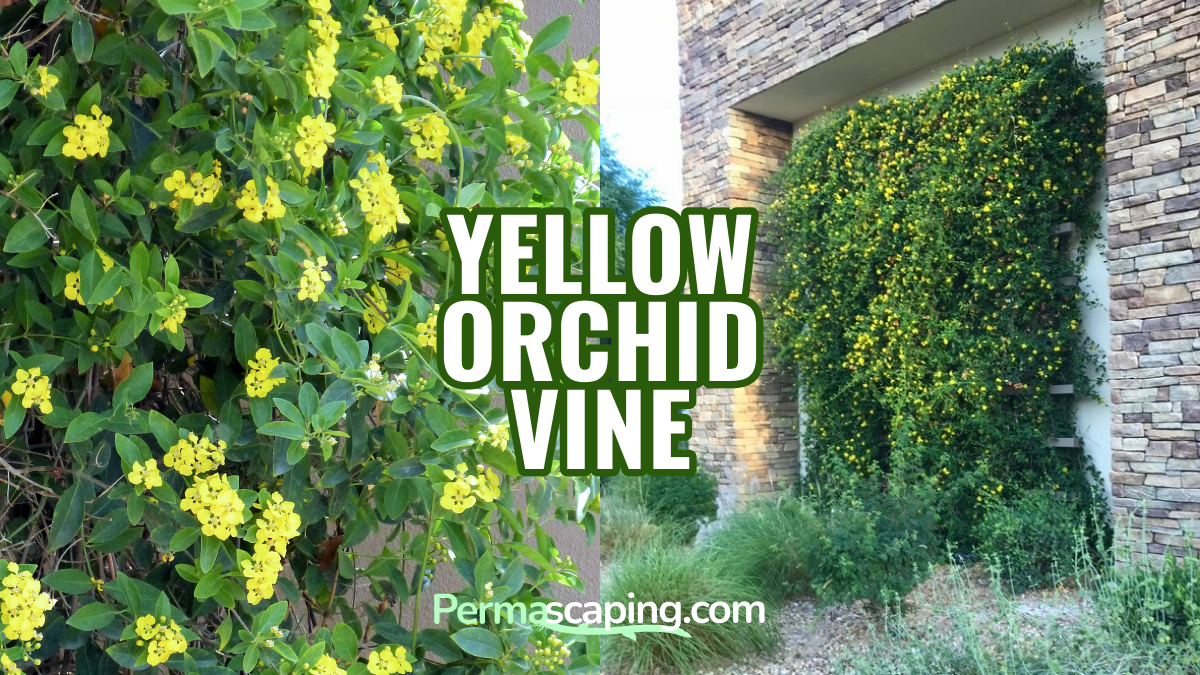
Yellow orchid vine
Callaeum macropterumNative Baja and Sonoran-region vine with bright yellow flowers; give it a trellis and reflected warmth.
Right plant, right place
Will Yellow orchid vine grow at your Arizona property?
Provide a trellis or fence and guide young stems. The plant is vigorous but is not usually an invasive runner in low-desert landscapes.
Best regional fit: Urban core · USDA 9b–10a, Valley suburbs · USDA 9a–9b, Desert outskirts · USDA 8b–9b.
Light
Sun exposure
Full sun to light shade; flowering is strongest with abundant sun.
Water
Irrigation
Low once established. Deep irrigation every 10–14 days during summer keeps growth and flowering active.
Choose the actual plant, not only the label
Cultivars & selections
Named cultivars are uncommon. Confirm the botanical name Callaeum macropterum; several unrelated yellow-flowering vines share similar common names.
Species form
Callaeum macropterumMature size8–12 ft tall × 10–15 ft spread
Best forNative-region trellises, fences, and pollinator cover
Select a healthy, well-branched nursery plant and provide support early; provenance is more meaningful than a cultivar name.
Planting & stewardship
How to help Yellow orchid vine thrive
- 1
Confirm the plant’s mature spread and underground conflicts before digging.
- 2
Place the root flare at finished grade and keep mulch away from the trunk.
- 3
Establish a wide, deep root zone instead of irrigating only at the trunk.
- 4
Observe seasonal growth, heat stress, and wildlife use before making major pruning changes.