
Native & adapted
June plum
Spondias dulcisAlso known as Ambarella · Golden apple · Otaheite apple · Kedondong
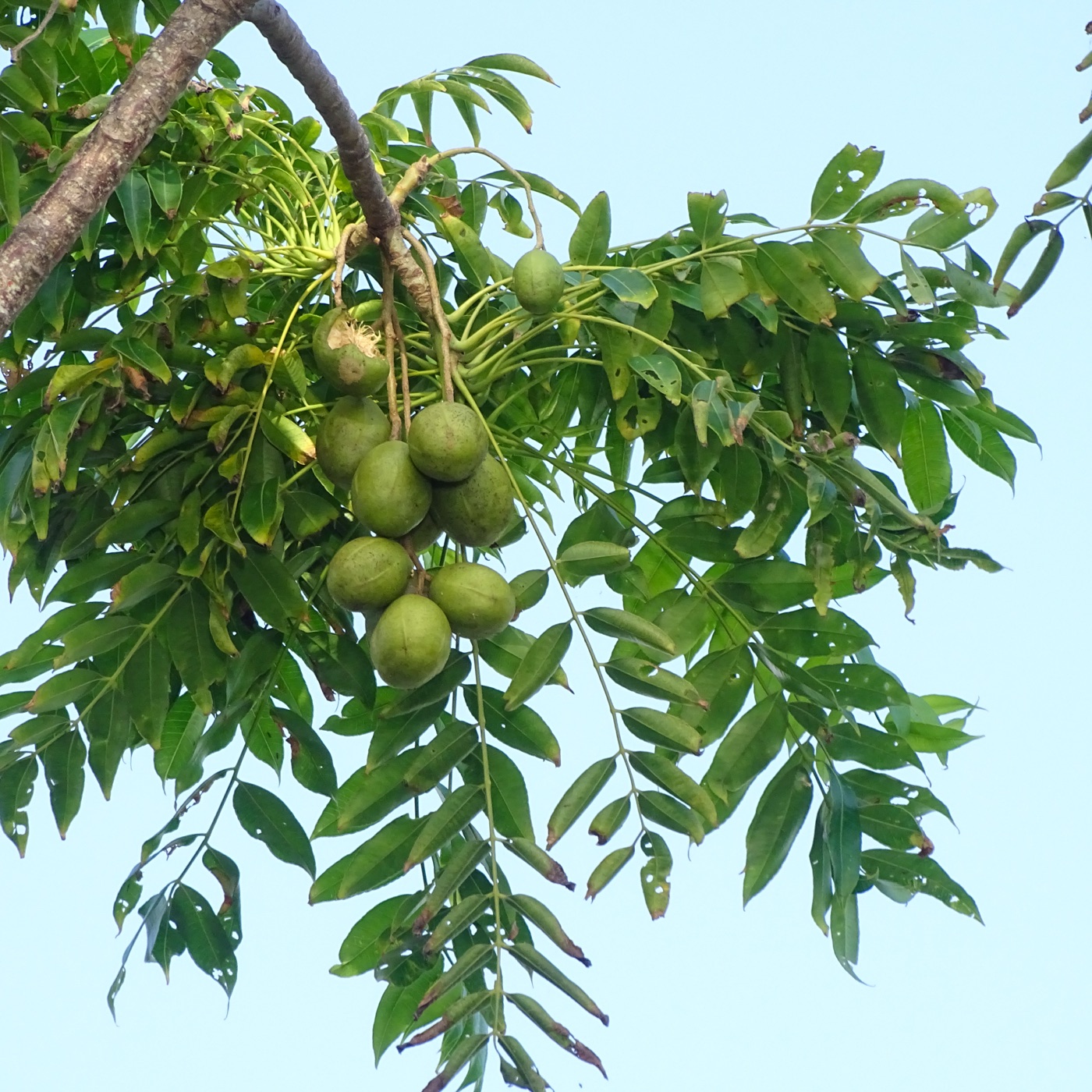
A tropical tree with crunchy, tart-sweet green fruit. The dwarf form fruits young and stays small enough for a large container.
Before you plant
These conditions determine whether it will thrive.
Fast-draining soil rich in compost. Phoenix soil is alkaline, so work in soil sulfur and organic matter and use chelated iron if new leaves turn yellow between the veins.
Sheltered, frost-protected spot or a large container.
Right plant, right place
Will June plum grow at your Arizona property?
Choose the dwarf form for Phoenix; it often fruits in its first or second year.
Best regional fit: Urban core · USDA 9b–10a, Valley suburbs · USDA 9a–9b.
Light
Sun exposure
Morning sun with afternoon shade from June through September, such as the east side of a house or under a taller nurse tree. Protect from frost on winter nights.
Water
Irrigation
Moderate and steady in the growing season.
Fruit set
Pollination
Self-fertile.
Harvest
How to use it
Eaten green and crunchy with salt and chili, ripe and yellow, or made into juice and chutney.
Planting & stewardship
How to help June plum thrive
- 1
Shade from afternoon sun in summer.
- 2
Cover on every frost night.
- 3
Feed lightly during the warm season.
- 4
Prune lightly to shape.