

Native & adapted
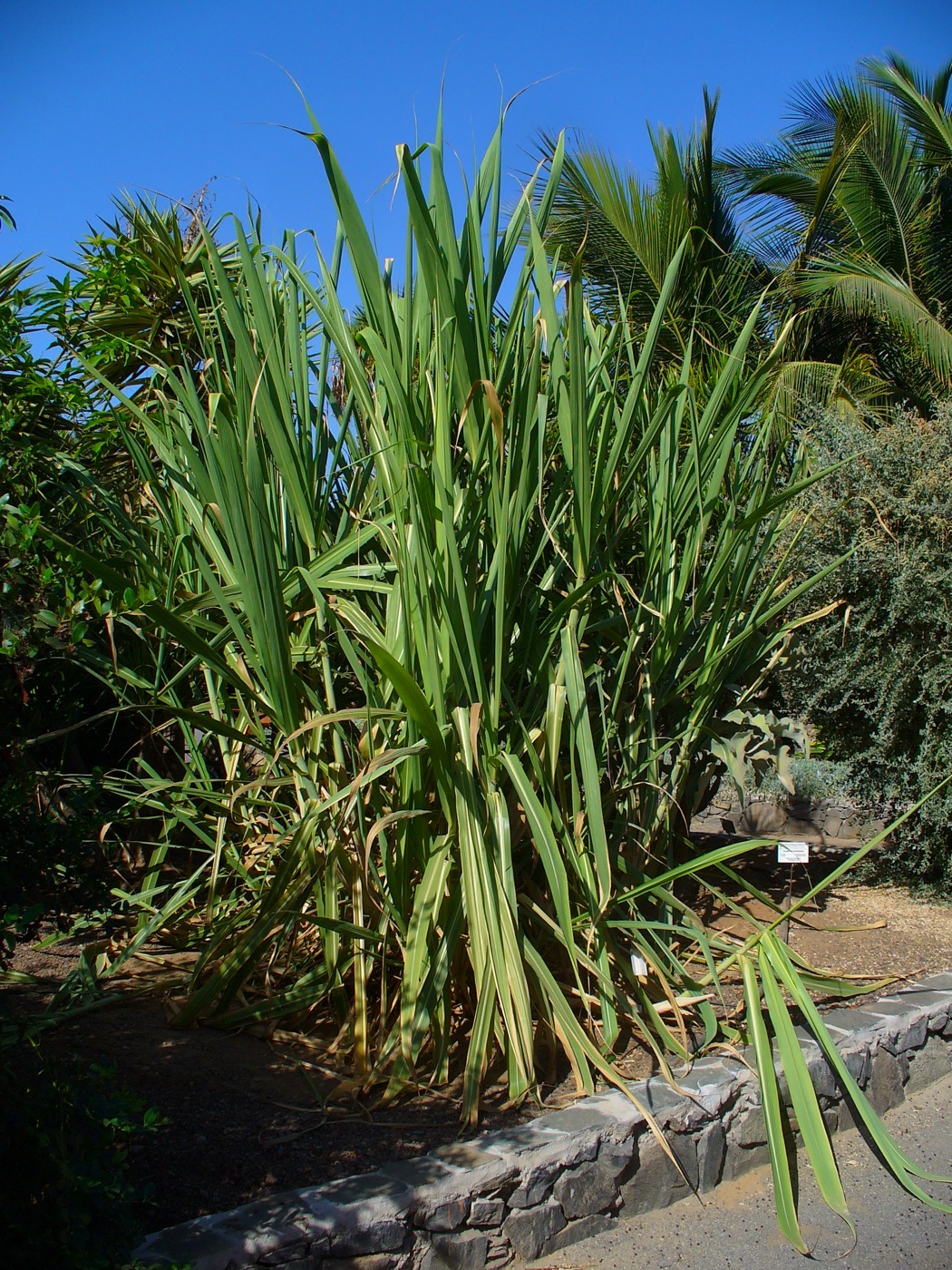
Sugarcane
Saccharum officinarumAlso known as Sugar cane · Cane · Caña de azúcar
A tall, clumping grass that makes a quick summer screen and fresh cane to chew or juice. It handles full Phoenix sun and is useful for shading young trees on a hot west wall.
Before you plant
These conditions determine whether it will thrive.
Loose, fertile soil with plenty of compost. Tolerates alkaline soil if fed regularly.
Sunny, sheltered spot. A south or west wall gives the longest growing season before frost.
Right plant, right place
Will Sugarcane grow at your Arizona property?
Spreads slowly from the base. Use it as a summer screen or living shade for young tropical trees, and plan for a bare look after frost.
Best regional fit: Urban core · USDA 9b–10a, Valley suburbs · USDA 9a–9b.
Light
Sun exposure
Full sun, including reflected heat from block walls.
Water
Irrigation
Moderate to high in summer. Water deeply two to three times a week in the hottest months; cut back sharply in winter.
Fruit set
Pollination
Not needed; grown for the stalks.
Harvest
How to use it
Peel and chew the cane, or press it for fresh juice.
Planting & stewardship
How to help Sugarcane thrive
- 1
Feed with a nitrogen fertilizer or compost every 4 to 6 weeks from April to September.
- 2
Cut frost-killed canes to the ground in late winter; new shoots come up in spring.
- 3
Divide clumps every few years to keep them from crowding.
- 4
Wear gloves; the leaf edges are sharp.