

Native & adapted
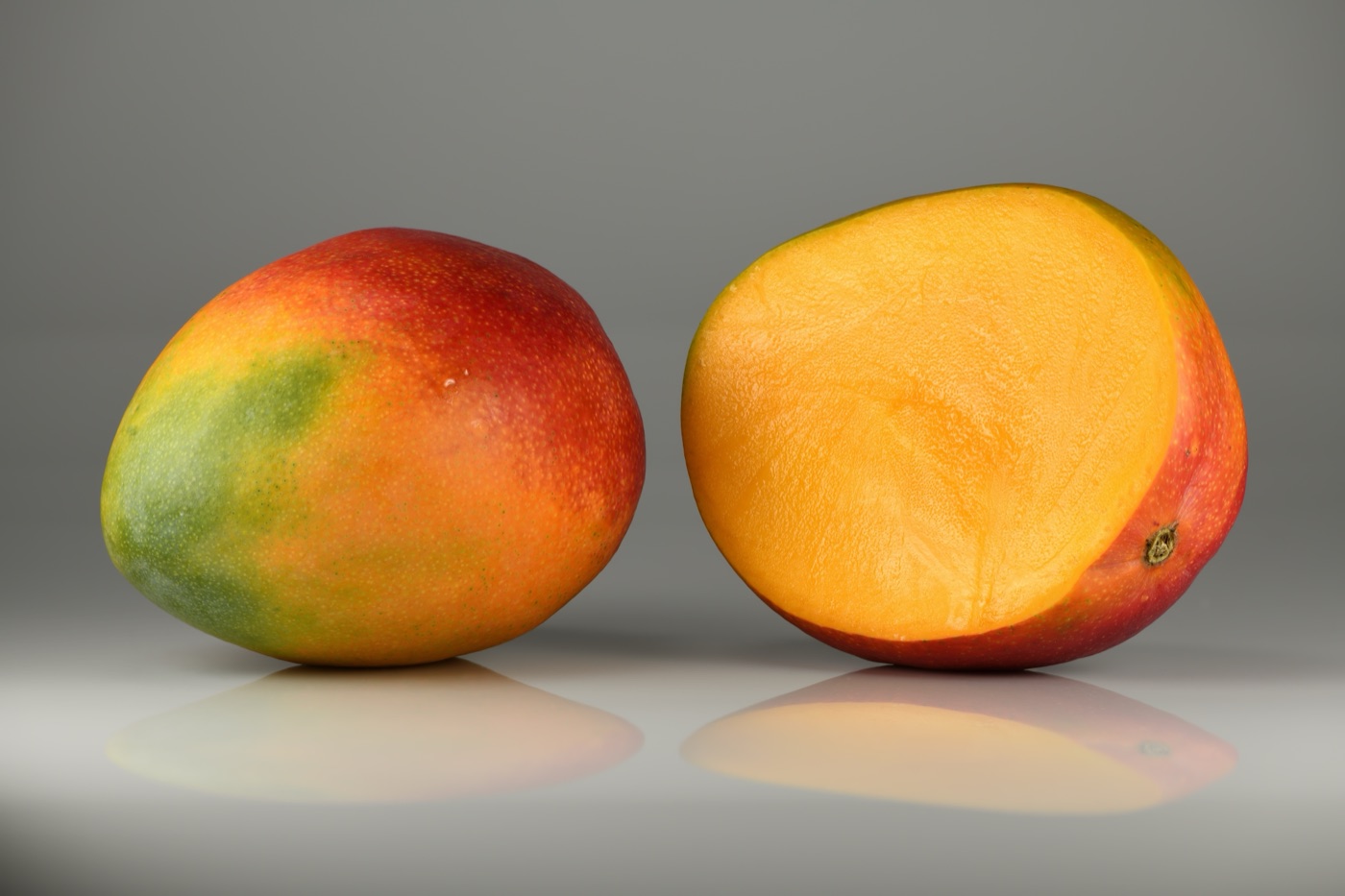
Mango
Mangifera indicaAlso known as Mango tree · Xoài
The tropical fruit most Phoenix growers want. Mangos do fruit here with afternoon shade, acidifying care and frost protection for the first few winters.
Before you plant
These conditions determine whether it will thrive.
Fast-draining soil with compost. Amend alkaline Phoenix soil with soil sulfur, chelated iron and manganese.
Under a nurse tree or 50% shade cloth at first, near a south or east wall for winter warmth.
Right plant, right place
Will Mango grow at your Arizona property?
Choose smaller, cold-tolerant varieties such as Glenn, Nam Doc Mai, Ice Cream or Pickering. Buying the largest tree you can makes the first winters easier.
Best regional fit: Urban core · USDA 9b–10a, Valley suburbs · USDA 9a–9b.
Light
Sun exposure
Dappled sun or morning sun only for the first two or three summers, then more sun as the canopy fills in.
Water
Irrigation
Deep, infrequent watering over a wide area, about once or twice a week in summer. Avoid constantly wet soil.
Fruit set
Pollination
Self-fertile; flies and bees help.
Harvest
How to use it
Fresh, frozen, dried or blended. Green mangos are used in salads and pickles.
Planting & stewardship
How to help Mango thrive
- 1
Shade the trunk and canopy for the first two or three summers.
- 2
Feed with an acid-forming fertilizer and micronutrients in spring and summer.
- 3
Cover the whole tree with frost cloth on nights below 34°F.
- 4
Prune after harvest to keep the tree small and shaped.