

Native & adapted
Hacienda creeper
Parthenocissus quinquefolia 'Hacienda Creeper'Also known as Virginia creeper cultivar · Hacienda Virginia creeper
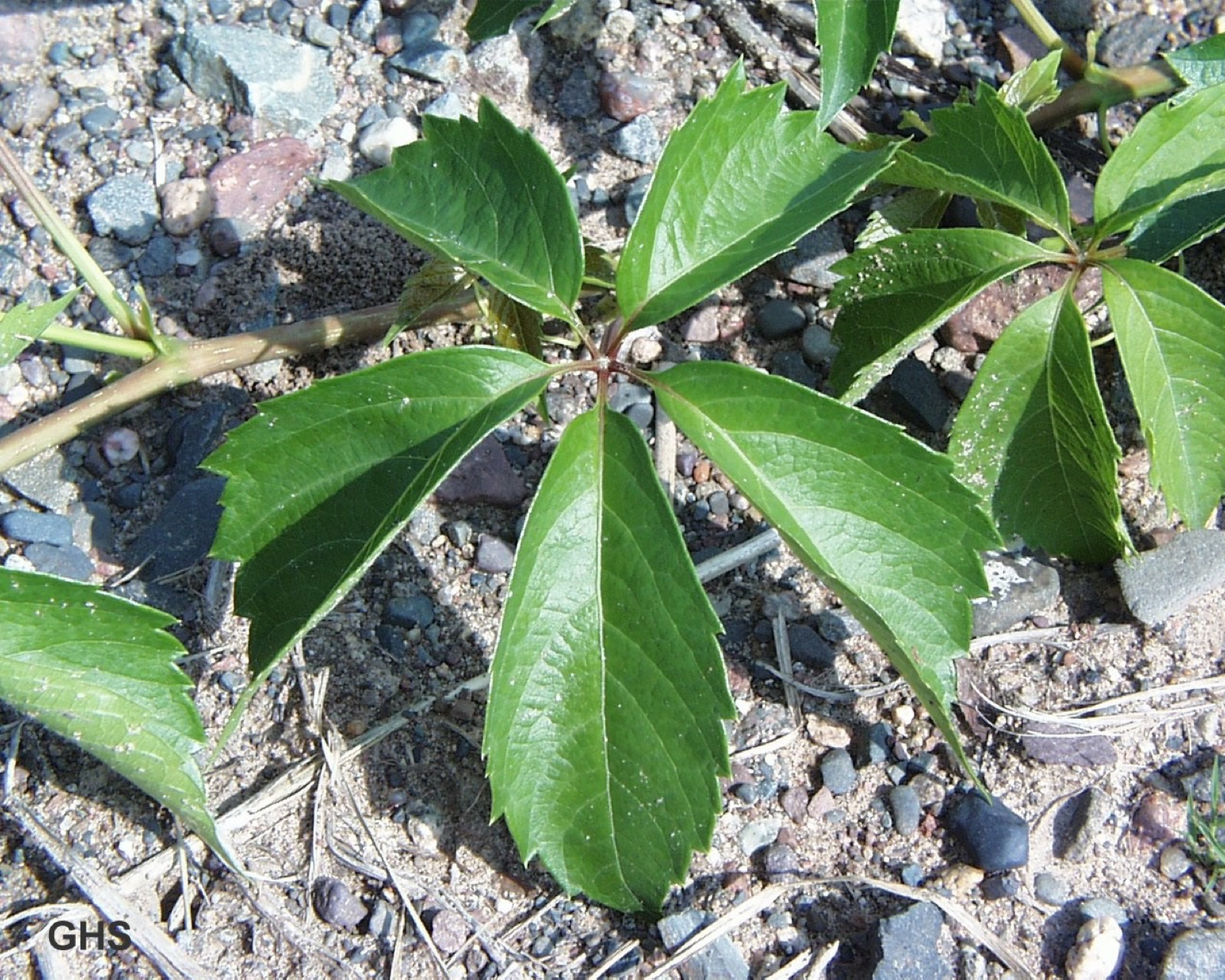
A vigorous deciduous creeper selected for Southwestern landscapes, covering walls and screens with green foliage before a vivid autumn color change.
Right plant, right place
Will Hacienda creeper grow at your Arizona property?
Adhesive tendrils can mark painted, wood, or fragile stucco surfaces. A stand-off trellis provides the same green wall while preserving access for building maintenance.
Best regional fit: Urban core · USDA 9b–10a, Valley suburbs · USDA 9a–9b, Desert outskirts · USDA 8b–9b, High desert · USDA 6a–8b.
Light
Sun exposure
Full sun to partial shade. Afternoon protection can reduce stress in the hottest reflected locations.
Water
Irrigation
Low to moderate after establishment. Deep watering gives better cover and fall color than shallow frequent irrigation.
Planting & stewardship
How to help Hacienda creeper thrive
- 1
Choose the permanent support before planting and leave clearance from eaves, vents, and utility lines.
- 2
Train the first stems horizontally to establish even coverage.
- 3
Prune during winter dormancy and redirect new growth through the warm season.
- 4
Do not eat the berries; leave them for birds where appropriate.