
 BetaHome
Grapes · Dave Wilson Nursery
Black Monukka Grape
Large, crisp, sweet, purplish-black seedless grapes that need a bit less summer heat than Thompson, so they ripen well in more places, and they are good fresh or dried as raisins. Arizona extension lists it among the grapes adapted below 4,500 feet. Thin the clusters so berries size up, and shade the fruit from the hottest afternoon sun in the low desert.
21 varieties
- Chill hours
- 100 hours
- Harvest
- July in the low desert; August at lower mid elevation
- Pollination
- Self-fruitful
- Mature size
- Vine 15–20 ft long; train on a 6 ft wire trellis or arbor and prune hard each winter
How it comes
PottedGrown on in a pot and shipped dormant, roots already established. One size, already a season ahead of a bare-root tree.
USDA zones 7–10. In Arizona, best in the low desert and the mid elevations.
Which one
Every grape side by side
Same fruit, different seasons and different jobs. Pick the row that fits your ground and your calendar.
| Large, crisp, sweet, purplish-black seedless grapes that need a bit less summer heat than Thompson, so they ripen well in more places, and they are good fresh or dried as raisins. Arizona extension lists it among the grapes adapted below 4,500 feet. Thin the clusters so berries size up, and shade the fruit from the hottest afternoon sun in the low desert. | An old heirloom seedless grape in the Concord family, with blueberry-like flavor and good keeping quality for jam, raisins and fresh eating. It colors up in August and tastes best left to hang through hot autumn weather, which helps it at mid elevation. It has a thin Arizona track record, so treat it as a trial, on a sturdy trellis. | A small-berried, vigorous, upright wine grape, and one of the reds that does well in Arizona's wine country in the Verde Valley, Willcox and Sonoita, where it likes the heat and cool nights. Plan on a wire trellis and a few years before the first real crop. In the low desert, heat and Pierce's disease make it a poor bet. | An early, red, seedless grape from the Himrod line with a sweet American flavor and very strong winter hardiness. It ripens early enough for short seasons, so it is the pick of this group for the colder end of the state, best at mid elevation up to the lower high country. Low desert heat is not its home. | A small, round-berried white wine grape grown in Arizona's wine regions. It buds out early, so late spring frost is the main hazard at Willcox and Sonoita, and heat ripens it fast in the Verde Valley. It needs a wire trellis and spur pruning, and it suits mid elevation only, since the low desert is too hot. | A seedless relative of Concord with smaller berries, the same bold grape flavor and a sturdy, cold-hardy vine, good fresh, for juice and for jelly without the seeds. It likes cooler summers than the table grapes, so it suits mid elevation rather than the low desert. Thin clusters and use a strong trellis. | A late-season red seedless grape with medium, firm, sweet berries that hang well into fall. It needs a long stretch of heat to color up, which the low desert delivers, and some leaf cover over the clusters will prevent sunburn. Cane prune on a wire trellis, and buy clean vines because Pierce's disease is a low desert risk. | The classic purple American grape for juice, jelly and fresh eating, with thick slip skins, seeds and a bold flavor. It is very cold hardy and, per Arizona extension, best above 4,500 feet, because in low desert heat the vines struggle and the fruit loses flavor. Give it space and a strong trellis. | Crisp, sweet, light red seedless grapes with great flavor, and a staple of low desert yards. It needs hot summers to color up, which suits Phoenix, and it ripens before Thompson. Thin clusters so the berries size up, cane or spur prune, and buy clean vines because Pierce's disease is the main long-term risk in warm low desert areas. | Large, egg-shaped, pale golden berries with true muscat flavor and aroma, and a few seeds. Arizona extension lists Golden Muscat among the grapes adapted below 4,500 feet, so it suits the low desert and lower mid elevation. Spur prune it on a strong trellis, and net the fruit against birds. | An early, pale green seedless grape, a Thompson cross with sweet, crisp berries and better cold tolerance than Thompson. It needs less heat to ripen, which makes it a good fit for mid elevation, though it is less proven in the low desert. Cane prune on a wire trellis and thin clusters for larger berries. | An old table grape with long, finger-shaped, light green berries, thick skins and a tart-sweet flavor. It has seeds and ripens late, so it likes long hot summers and fits the low desert. Cane or spur prune on a sturdy trellis, and leave some leaf cover to avoid sunburn on the exposed clusters. | A black wine grape grown in Arizona's wine regions, making soft, fruity red wines. It buds early and sets tight clusters, so frost and rot are the watch points at Sonoita and Willcox, while heat is easier in the Verde Valley. It needs a wire trellis and spur pruning, and it suits mid elevation only. | A pale green American grape with juicy, sweet berries, a little tart at the center, and a classic Concord-family flavor. It is moderately vigorous and hardy to about 0°F, so it suits mid elevation, not the high country, and Arizona extension lists it for above 4,500 feet. It has a few seeds and needs a trellis. | A famous, thin-skinned red wine grape that wants a long, cool season, which makes it the hardest of the wine grapes here to grow well in Arizona. In heat it ripens fast and loses acidity, and early bud break invites spring frost. Your best chance is the coolest mid elevation sites such as Sonoita, so treat it as a trial and expect uneven crops. | A greenish-white seedless grape with large, firm berries, a mild muscat flavor and big semi-compact clusters, often called an improved Thompson. It suits the low desert and lower mid elevation, ripening before the worst heat. Thin clusters for bigger berries and cane prune on a wire trellis. | Huge, firm, seeded red berries on large clusters, a favorite of grape lovers. It wants long, hot summers, so it fits the low desert. Flowers can set unevenly, so plant it near another grape, thin the clusters hard for the big berries, cane prune, and keep some leaf cover because hot sun scorches exposed berries. | Dark red, sweet, crisp seedless grapes in large clusters, ripening after Thompson and needing a little less summer heat. Arizona extension lists Ruby among the grapes tested for the low desert, and others place it in the Verde Valley. Thin the clusters for best berries, and buy clean vines, since Pierce's disease is a long-term risk in the warmest areas. | A black seedless table grape with sweet, medium berries and a late-summer harvest. It handles colder nights than Thompson, so it should suit both the low desert and lower mid elevation. Cane prune and thin clusters; it has little Arizona track record, so treat it as promising rather than proven. | A dark red wine grape that copes with heat better than most and a reliable choice for Arizona's Verde Valley, Willcox and Sonoita vineyards. It is vigorous and wants a sturdy trellis, spur pruning and a few years before a real crop. In the low desert, heat and Pierce's disease limit it. | The grape most Arizonans know: pale green, seedless, sweet and firm, good fresh or dried. It wants a lot of heat, so it loves the low desert and lower mid elevation. Thin clusters or flowers so berries size up, cane prune, and buy clean vines because Pierce's disease is the main long-term risk in warm low desert areas. | |
|---|---|---|---|---|---|---|---|---|---|---|---|---|---|---|---|---|---|---|---|---|---|
| Harvest | July in the low desert; August at lower mid elevation | August to September at mid elevation; flavor improves left on the vine | September to October at mid elevation; earlier in the Verde Valley | August to September at mid elevation; September at lower high country | Late August to September at mid elevation | September at mid elevation | September in the low desert | September to October at mid elevation | Late June to early July in the low desert | July to August in the low desert; August to September at mid elevation | Late July to August at mid elevation | August to September in the low desert | September at mid elevation; earlier in the Verde Valley | September at mid elevation | Late August to September at the coolest mid elevation sites | Early to mid July in the low desert; August at lower mid elevation | August to early September in the low desert | August to September in the low desert; September at lower mid elevation | Late July to August in the low desert; September at mid elevation | September at mid elevation; earlier in the Verde Valley | Late June to July in the low desert; August at lower mid elevation |
| Chill hours | 100 hours | 100 hours | 100 hours | 100 hours | 100 hours | 100 hours | 100 hours | 100 hours | 100 hours | 100 hours | 100 hours | 100 hours | 100 hours | 100 hours | 100 hours | 100 hours | 100 hours | 100 hours | 100 hours | 100 hours | 100 hours |
| Pollination | Self-fruitful | Self-fruitful | Self-fruitful | Self-fruitful | Self-fruitful | Self-fruitful | Self-fruitful | Self-fruitful | Self-fruitful | Self-fruitful | Self-fruitful | Self-fruitful | Self-fruitful | Self-fruitful | Self-fruitful | Self-fruitful | Self-fruitful; set improves with another grape vine nearby | Self-fruitful | Self-fruitful | Self-fruitful | Self-fruitful |
| Mature size | Vine 15–20 ft long; train on a 6 ft wire trellis or arbor and prune hard each winter | Vigorous vine 20 ft or more; strong trellis or arbor, vines 8 ft apart | Vigorous upright vine 15–20 ft; wire trellis, spur prune to 4–5 ft | Vine 15–20 ft long; wire trellis or arbor; spur prune to 4–5 ft | Vine 15–20 ft long; wire trellis, spur prune to 4–5 ft | Vigorous vine 20 ft or more; strong trellis or arbor, vines 8 ft apart | Vine 15–20 ft long; train on a 6 ft wire trellis or arbor and prune hard each winter | Vigorous vine 20 ft or more; strong trellis or arbor, vines 8–9 ft apart | Vine 15–20 ft long; train on a 6 ft wire trellis or arbor and prune hard each winter | Vine 15–20 ft long; strong trellis or arbor; spur prune to 4–5 ft | Vine 15–20 ft long; wire trellis or arbor; cane prune to 4 canes | Vine 15–20 ft long; train on a 6 ft wire trellis or arbor and prune hard each winter | Vine 15–20 ft long; wire trellis, spur prune to 4–5 ft | Vine 20 ft or more; strong trellis, vines 8–9 ft apart; cane prune | Vine 12–15 ft long; wire trellis, spur prune to 4 ft | Vine 15–20 ft long; train on a 6 ft wire trellis or arbor and prune hard each winter | Vine 15–20 ft long; train on a 6 ft wire trellis or arbor and prune hard each winter | Vine 15–20 ft long; train on a 6 ft wire trellis or arbor and prune hard each winter | Vine 15–20 ft long; train on a 6 ft wire trellis or arbor and prune hard each winter | Vigorous vine 15–20 ft; wire trellis, spur prune to 4–5 ft | Vine 15–20 ft long; train on a 6 ft wire trellis or arbor and prune hard each winter |
| From | $12 | $12 | $12 | $12 | $12 | $12 | $12 | $12 | $12 | $13 | $12 | $12 | $12 | $12 | $13 | $12 | $12 | $12 | $13 | $12 | $12 |
Counts are what the nursery is growing right now, across every trunk size.
Where this tree sits
Grapes sit in the vining layer.
Climbers using somebody else's structure for height — grapes on a trellis, kiwi over a seating area, a vine up a mature trunk.
Other options in the vining layer
Not in this program. From the wider plant catalogue.
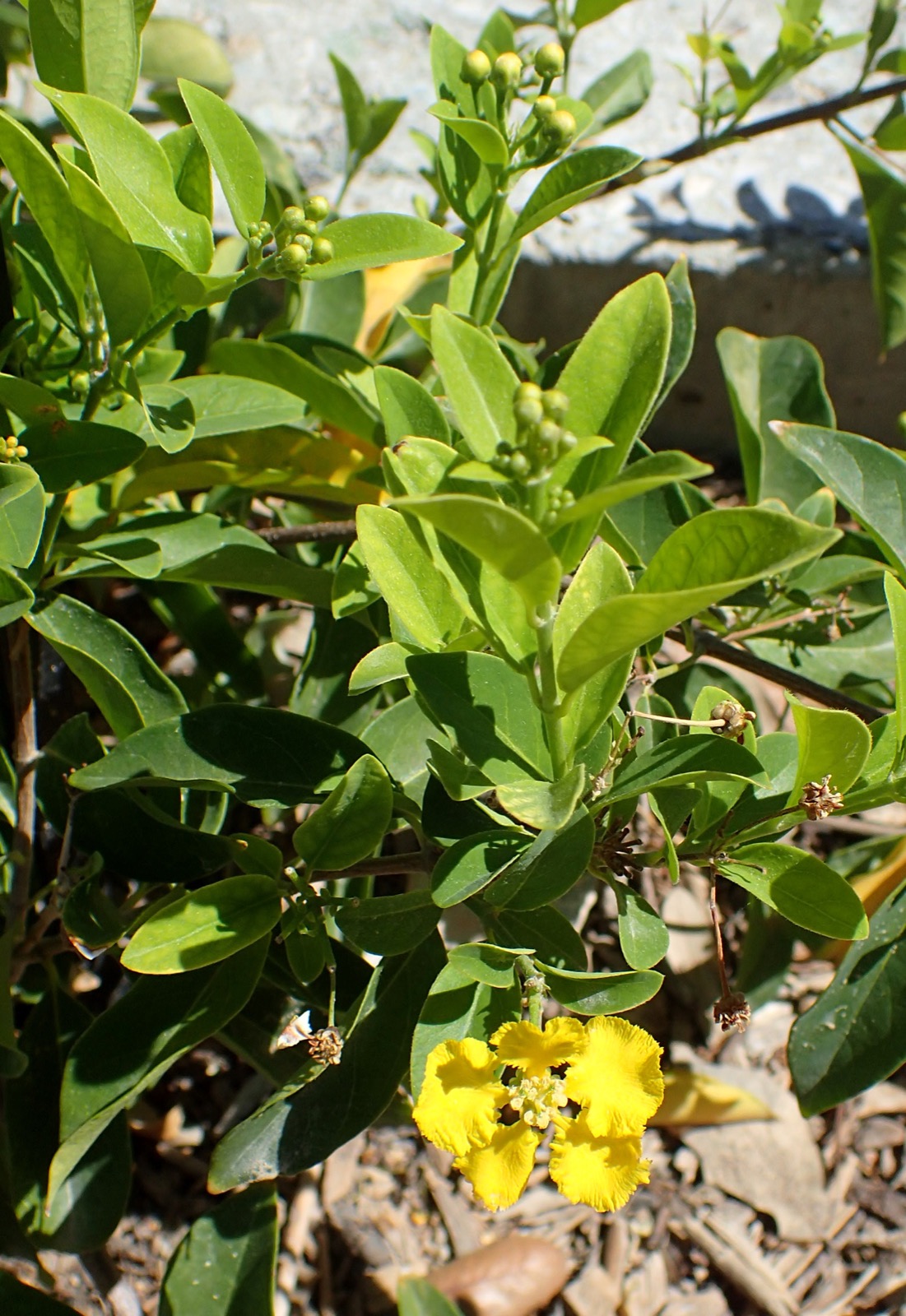 Yellow orchid vineCallaeum macropterum
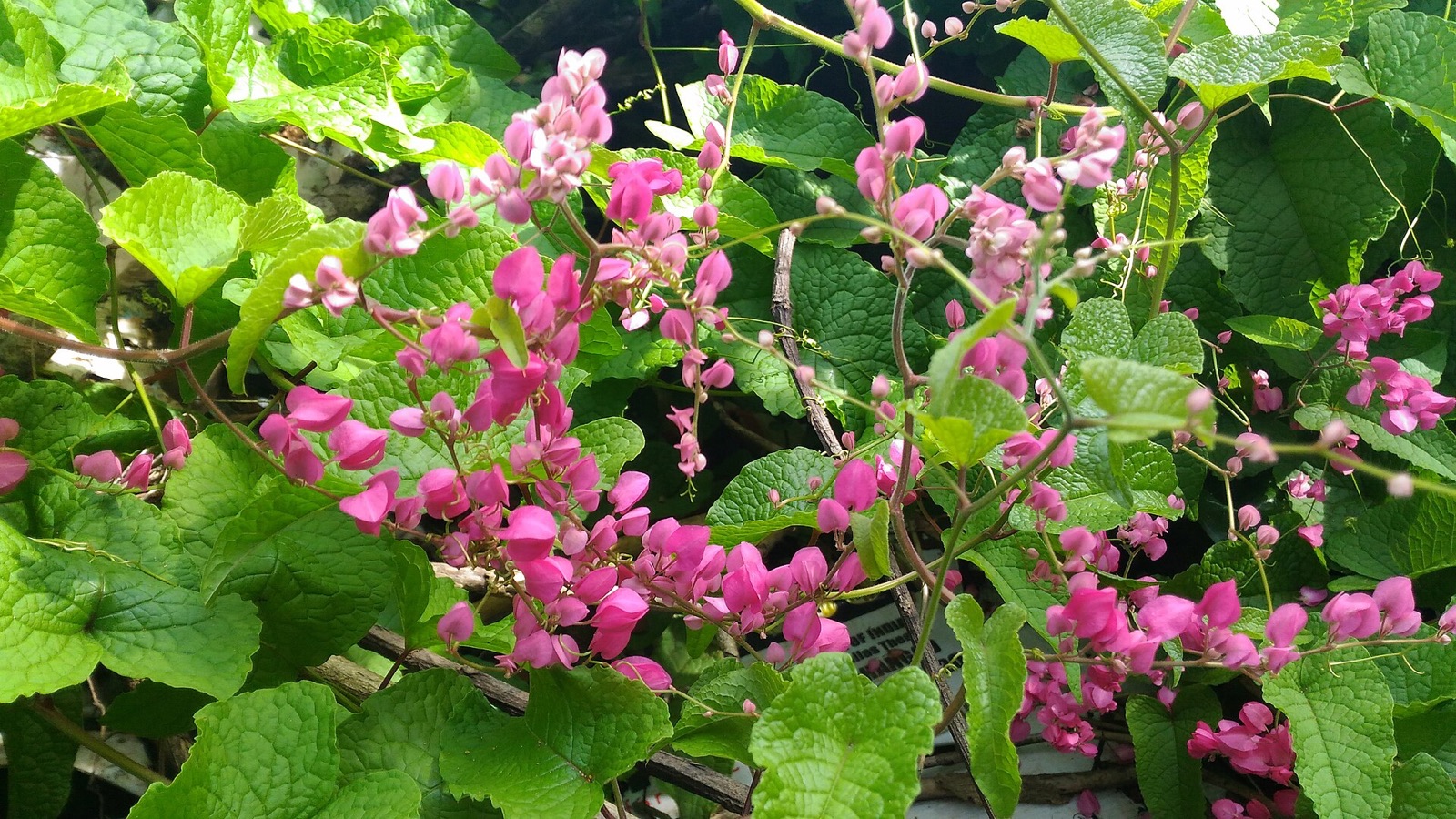 Queen’s wreathAntigonon leptopus
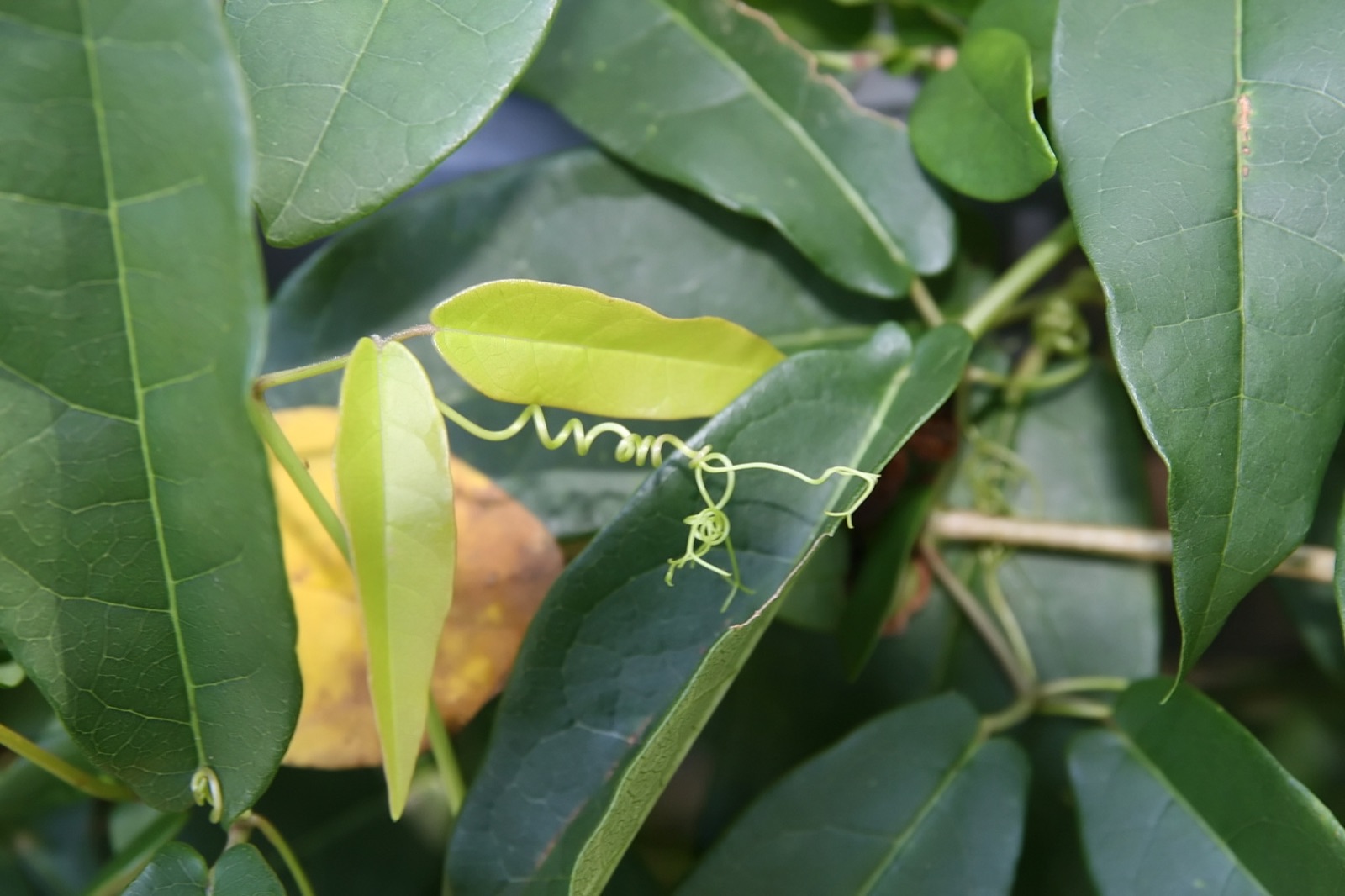 Tangerine Beauty crossvineBignonia capreolata 'Tangerine Beauty'
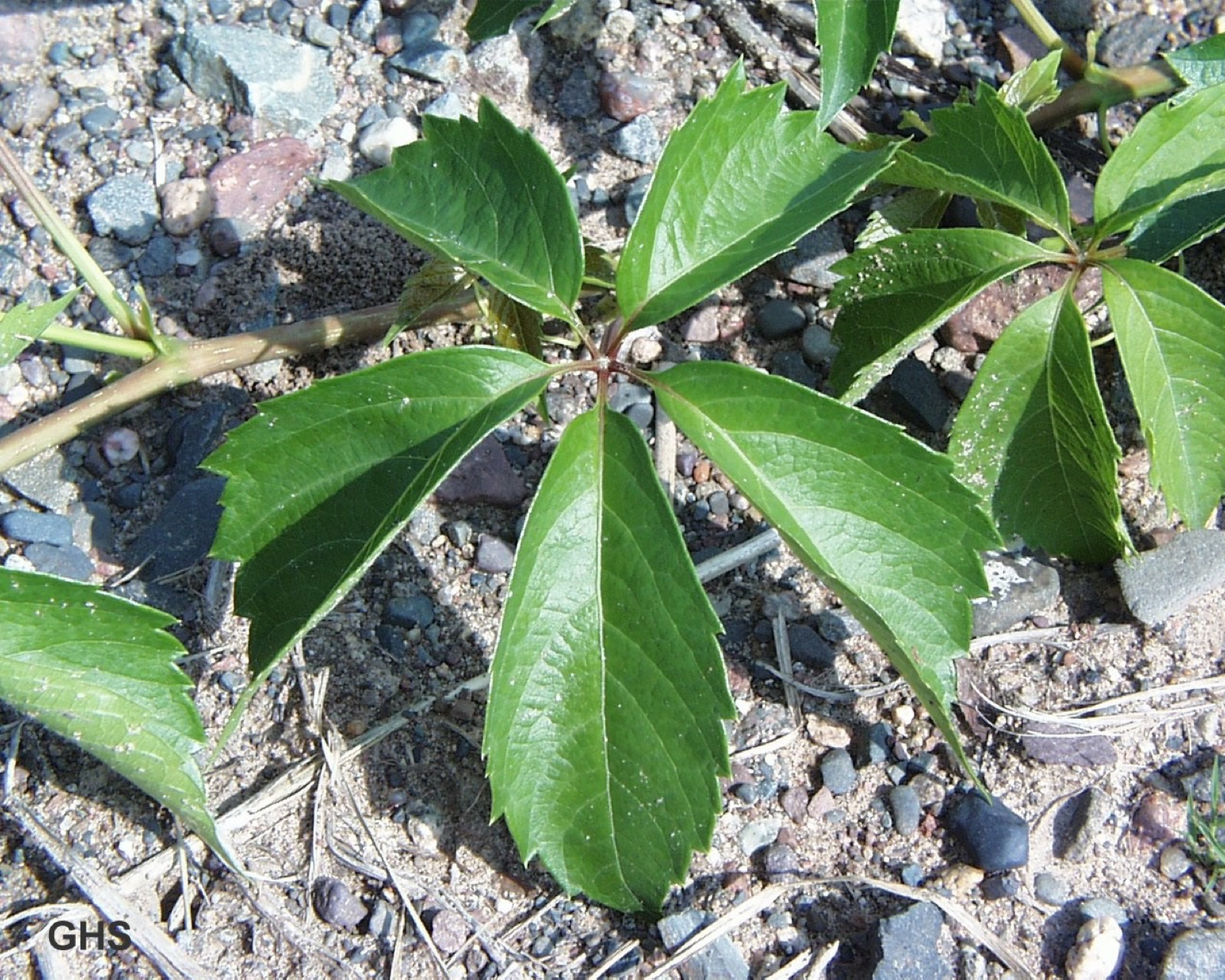 Hacienda creeperParthenocissus quinquefolia 'Hacienda Creeper'
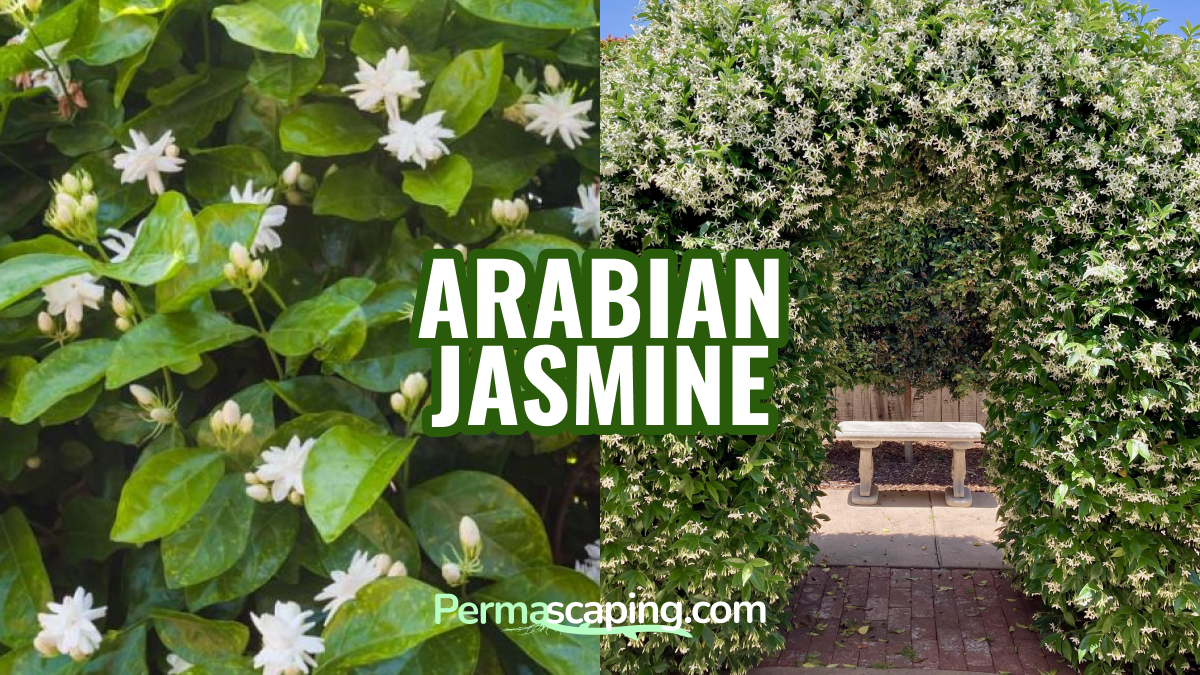 Arabian jasmineJasminum sambac