
 BetaHome
Flowering shrubs · Dave Wilson Nursery
Charles Joly French Hybrid Lilac
Double flowers in dark purplish red with the classic lilac scent, on a shrub of 10–15 ft that reaches full bloom in two to three years. Lilacs need a real winter to flower well, so this is a mid elevation and high country plant, such as Prescott, Payson and Flagstaff. In Phoenix it will grow but bloom poorly or not at all.
12 varieties
- Harvest
- Blooms April to May at mid elevation; May to June in the high country
- Mature size
- 10–15 ft tall and wide; hold at 6–8 ft by pruning right after bloom
How it comes
PottedGrown on in a pot and shipped dormant, roots already established. One size, already a season ahead of a bare-root tree.
USDA zones 3–7. In Arizona, best in the mid elevations and the high country.
Which one
Every flowering shrub side by side
Same fruit, different seasons and different jobs. Pick the row that fits your ground and your calendar.
| Double flowers in dark purplish red with the classic lilac scent, on a shrub of 10–15 ft that reaches full bloom in two to three years. Lilacs need a real winter to flower well, so this is a mid elevation and high country plant, such as Prescott, Payson and Flagstaff. In Phoenix it will grow but bloom poorly or not at all. | The old-fashioned lilac, with big fragrant clusters in pink to purplish blue. It can reach 20 ft and spreads by suckers, so give it room. It likes full sun and slightly alkaline soil, with light shade in the hottest spots. It needs a cold winter, so it does well at mid elevation and in the high country but will not bloom in Phoenix. | A powerfully fragrant lilac whose flowers open vivid red and soften to purple. At 8–10 ft it works as a border or hedge. Like all lilacs it needs real winter cold to bloom, so plant it at mid elevation or in the high country, not in Phoenix. It likes full sun and tolerates our slightly alkaline soils. | Long, drooping purple flower clusters on a fast, tough vine, usually in March in the low desert. It handles heat and alkaline soil better than most flowering vines, though yellow leaves may need an iron feed. It is heavy and strong, so give it a solid arbor or wall wires and prune twice a year. Fits the low desert and mid elevation. | Full double purple flowers that look like little pompons, on a vigorous deciduous vine. Bloom comes as the leaves open, and can be lighter after very mild winters in the low desert. It likes full sun and less summer water once established. It needs a strong support and regular pruning. Suits the low desert and mid elevation. | Extremely long clusters of light violet-blue flowers, up to about 3 ft, on a vigorous Japanese wisteria that is known for flowering young. Bloom is usually March to April in the low desert. A heavy climber, so give it a strong arbor or wall wires and prune twice a year. Fits the low desert and mid elevation. | Double pink flowers with a rich scent, on a shrub of 10–15 ft that is at full flower in two to three years. It blooms best after cold winters, so it belongs at mid elevation and in the high country, such as Prescott and Flagstaff. In Phoenix it will leaf out but flower little. Prune right after bloom and thin old stems. | Single flowers in reddish purple to deep purple on a 10–15 ft shrub, with the classic lilac scent. Full bloom arrives in two to three years. It does best after cold winters, so it suits mid elevation and the high country and is not a Phoenix plant. Plant it in full sun, and prune right after the flowers fade. | Long, cascading clusters in pale lavender to pink on a vigorous Japanese-type wisteria, blooming March to April in the low desert. It is a long-lived, heavy climber that needs a strong arbor or wall wires and a hard prune twice a year. It handles our heat well, though alkaline soil can yellow the leaves. Fits the low desert and mid elevation. | Double blue flowers, a color that is hard to find in lilacs, with the usual strong fragrance. It takes two to three years to reach full bloom and grows 10–15 ft. It needs a cold winter, so it suits mid elevation and the high country and will not flower well in Phoenix. Powdery mildew can dust the leaves in late summer but is mostly cosmetic. | Single dark red flowers with a crisp white edge on every petal, which makes it stand out among lilacs. It grows 10–15 ft and takes two to three years to reach full bloom. It needs a real winter, so plant it at mid elevation or in the high country, not in the low desert. Full sun and good drainage suit it best. | Very fragrant white flowers that open all at once as the leaves come out, in shorter, chunkier clusters than most wisteria, with nicer foliage too. Like all wisteria it is a heavy climber that needs a strong support, regular pruning, and a spot where it cannot swallow gutters or fences. Suits the low desert and mid elevation. | |
|---|---|---|---|---|---|---|---|---|---|---|---|---|
| Harvest | Blooms April to May at mid elevation; May to June in the high country | Blooms April to May at mid elevation; May to June in the high country | Blooms April to May at mid elevation; May to June in the high country | Blooms March to April in the low desert; April to May at elevation | Blooms March to April in the low desert; April to May at elevation | Blooms March to April in the low desert; April to May at elevation | Blooms April to May at mid elevation; May to June in the high country | Blooms April to May at mid elevation; May to June in the high country | Blooms March to April in the low desert; April to May at elevation | Blooms April to May at mid elevation; May to June in the high country | Blooms April to May at mid elevation; May to June in the high country | Blooms March to April in the low desert; April to May at elevation |
| Mature size | 10–15 ft tall and wide; hold at 6–8 ft by pruning right after bloom | Up to 20 ft tall and wide; suckers freely, so give it room or prune to 8–10 ft | 8–10 ft tall and about 10 ft wide; prune right after bloom to keep it tidy | Vine to 25–40 ft if left alone; pruned twice a year it stays 8–15 ft on a strong support | Vine to 25–40 ft if left alone; pruned twice a year it stays 8–15 ft on a strong support | Vine to 25–40 ft if left alone; pruned twice a year it stays 8–15 ft on a strong support | 10–15 ft tall and wide; hold at 6–8 ft by pruning right after bloom | 10–15 ft tall and wide; hold at 6–8 ft by pruning right after bloom | Vine to 25–40 ft if left alone; pruned twice a year it stays 8–15 ft on a strong support | 10–15 ft tall and wide; hold at 6–8 ft by pruning right after bloom | 10–15 ft tall and wide; hold at 6–8 ft by pruning right after bloom | Vine to 25–40 ft if left alone; pruned twice a year it stays 8–15 ft on a strong support |
| From | $27 | $26 | $26 | $25 | $25 | $25 | $27 | $26 | $25 | $27 | $26 | $25 |
Counts are what the nursery is growing right now, across every trunk size.
Where this tree sits
Flowering shrubs sit in the understory & shrubs layer.
Woody plants at head height and below — figs, pomegranates, currants, berries. They fill the gap between trunk and ground.
Other options in the understory & shrubs layer
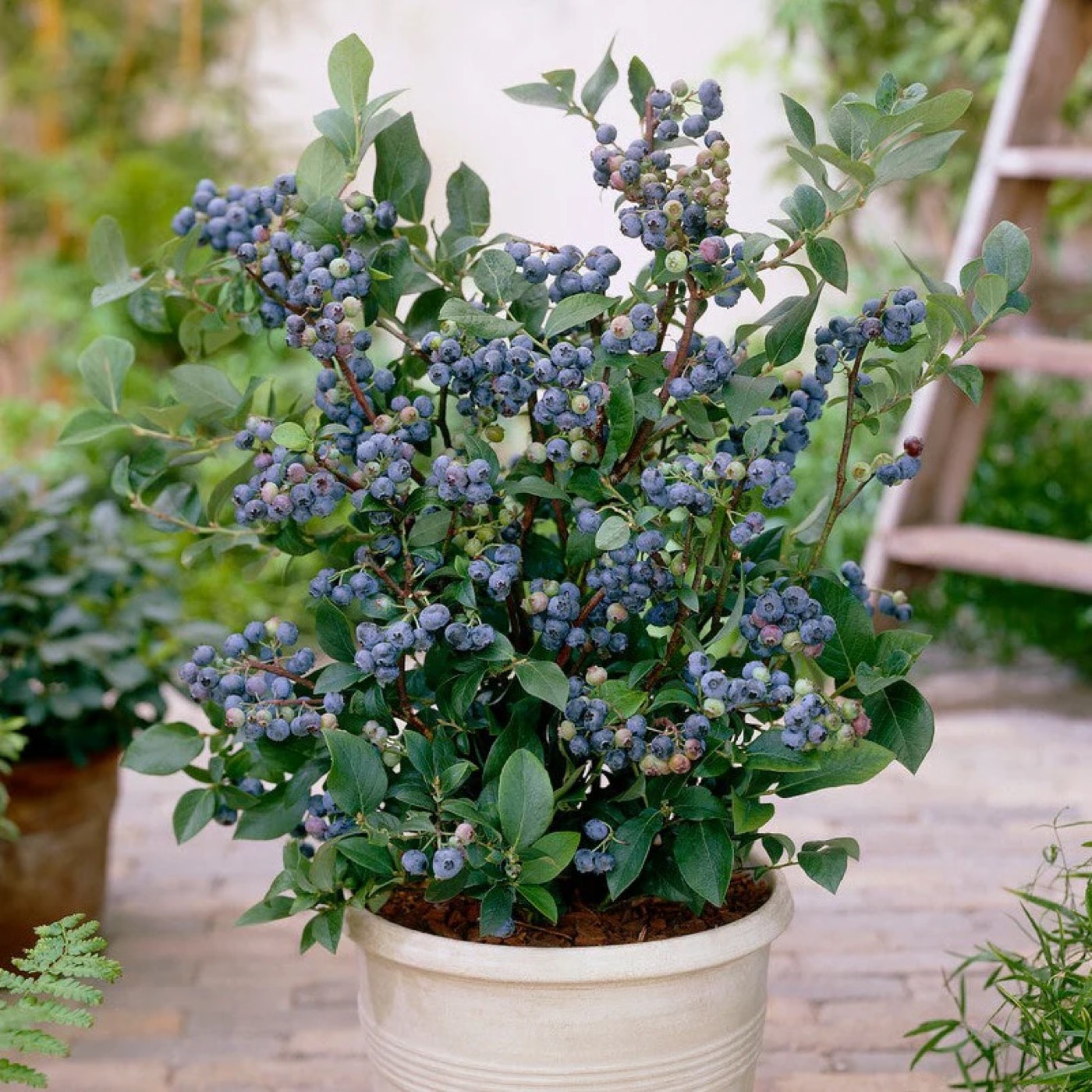 BlueberriesIn this year's order
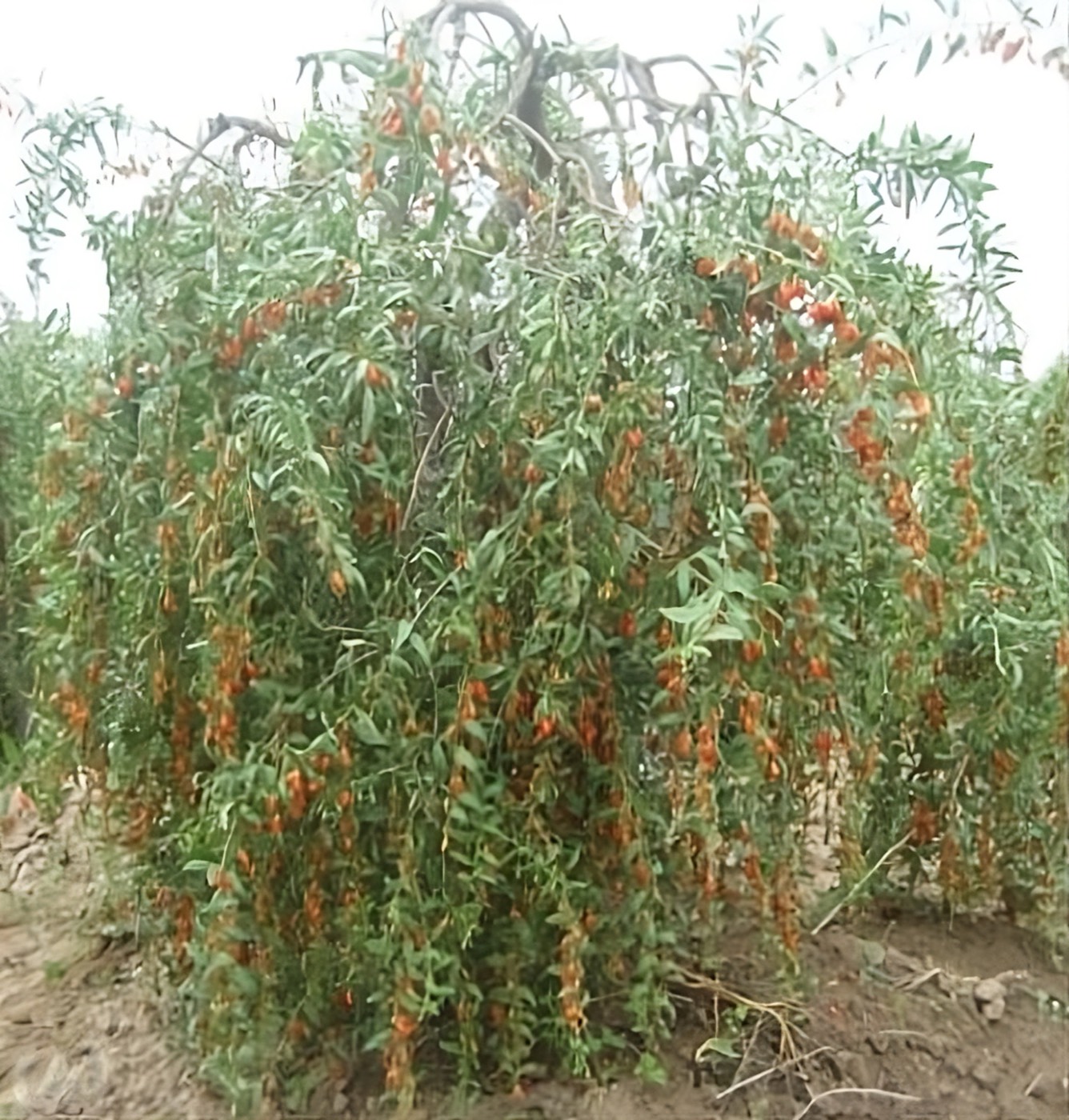 GojiIn this year's order
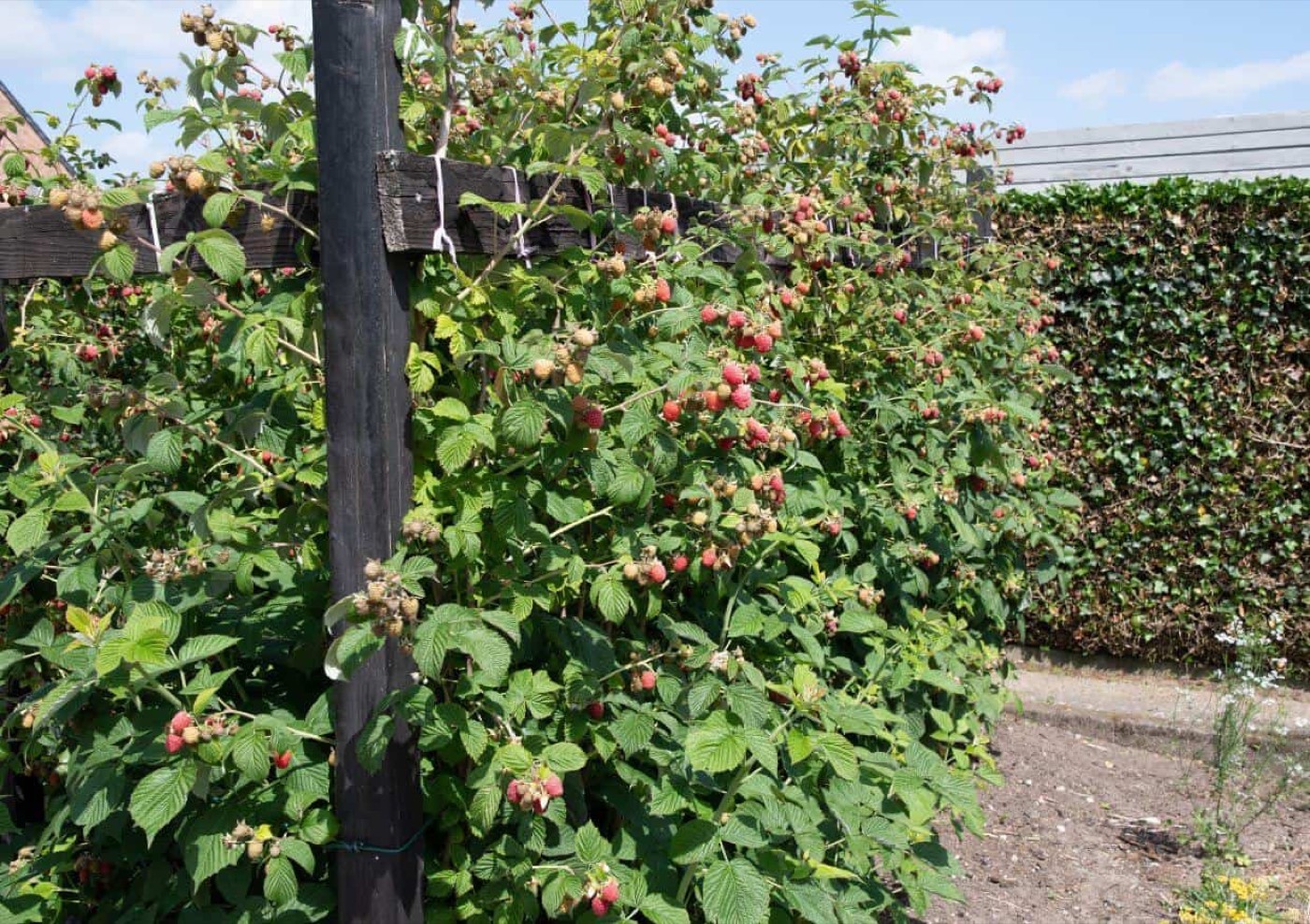 Cane berriesIn this year's order
- Currants & gooseberriesIn this year's order
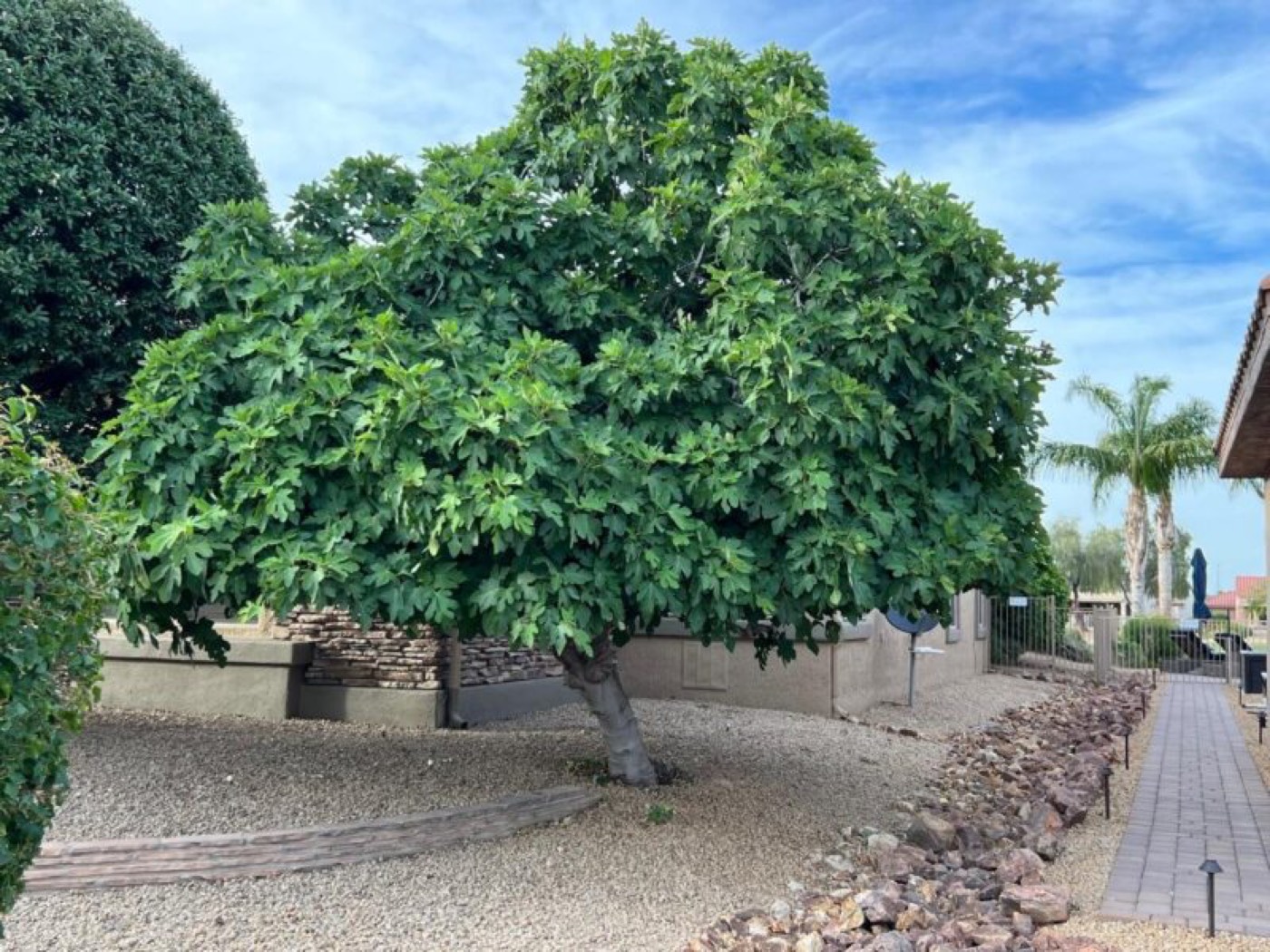 FigsIn this year's order
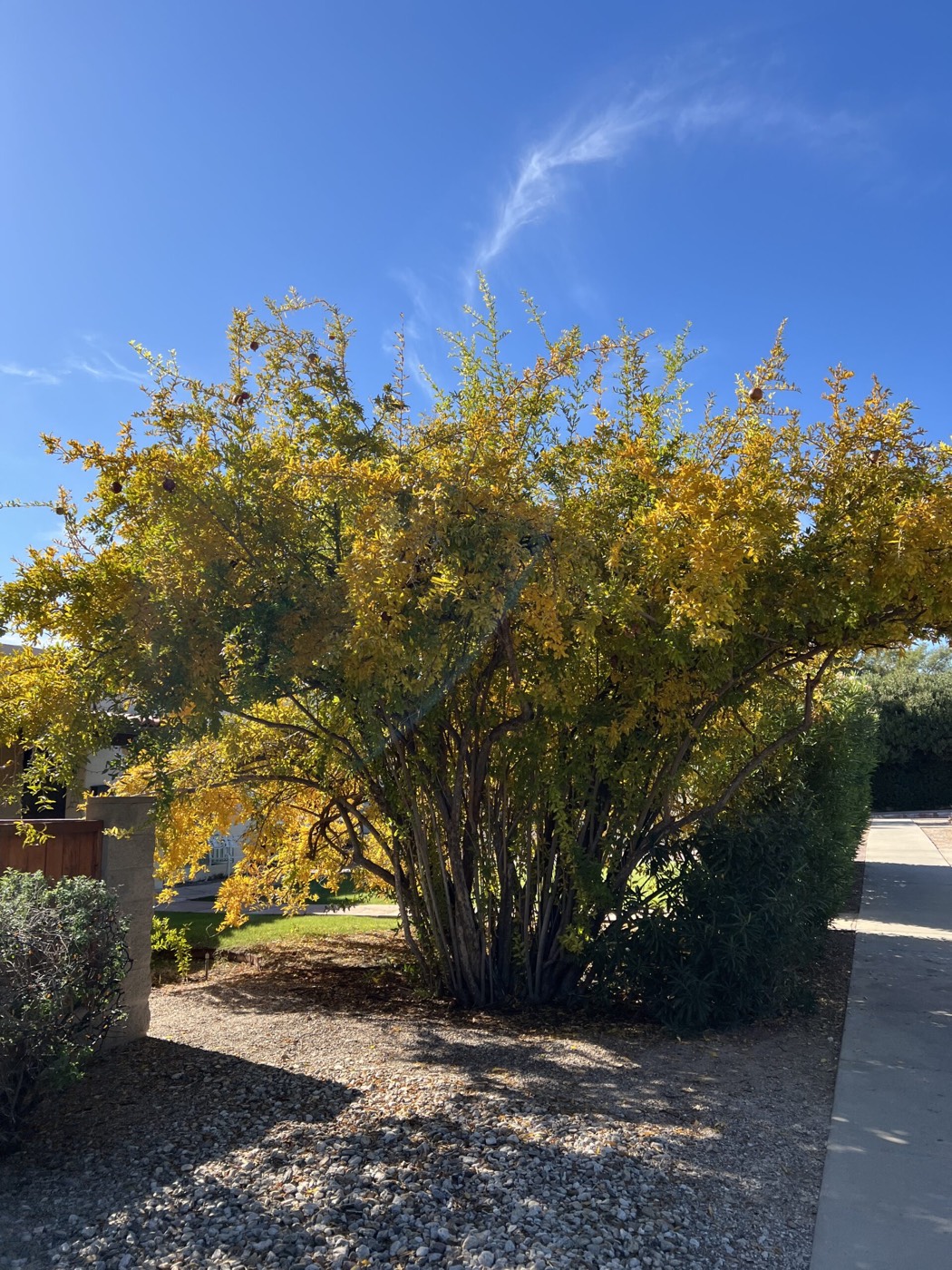 PomegranatesIn this year's order
Not in this program. From the wider plant catalogue.
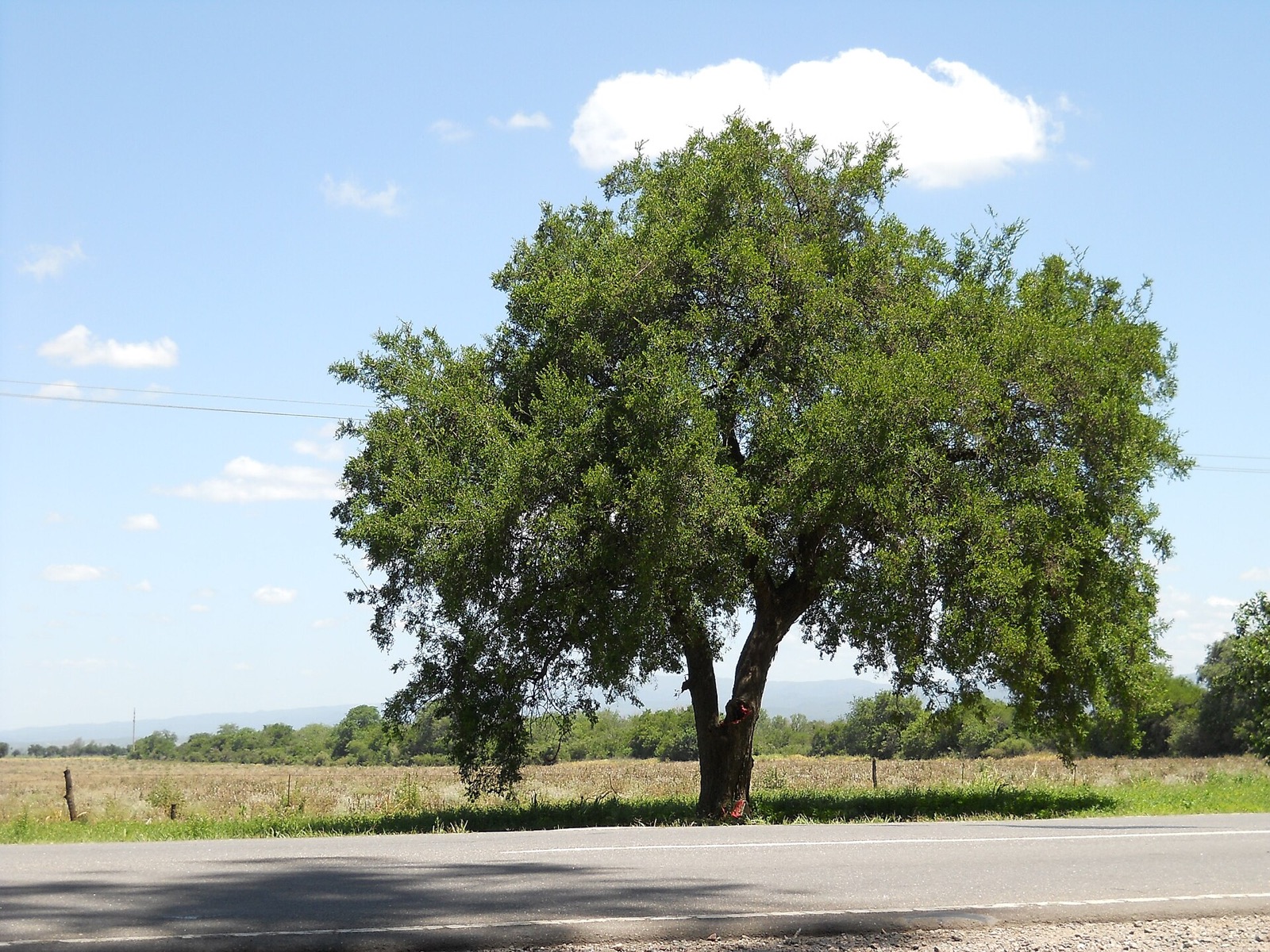 Desert hackberryCeltis pallida
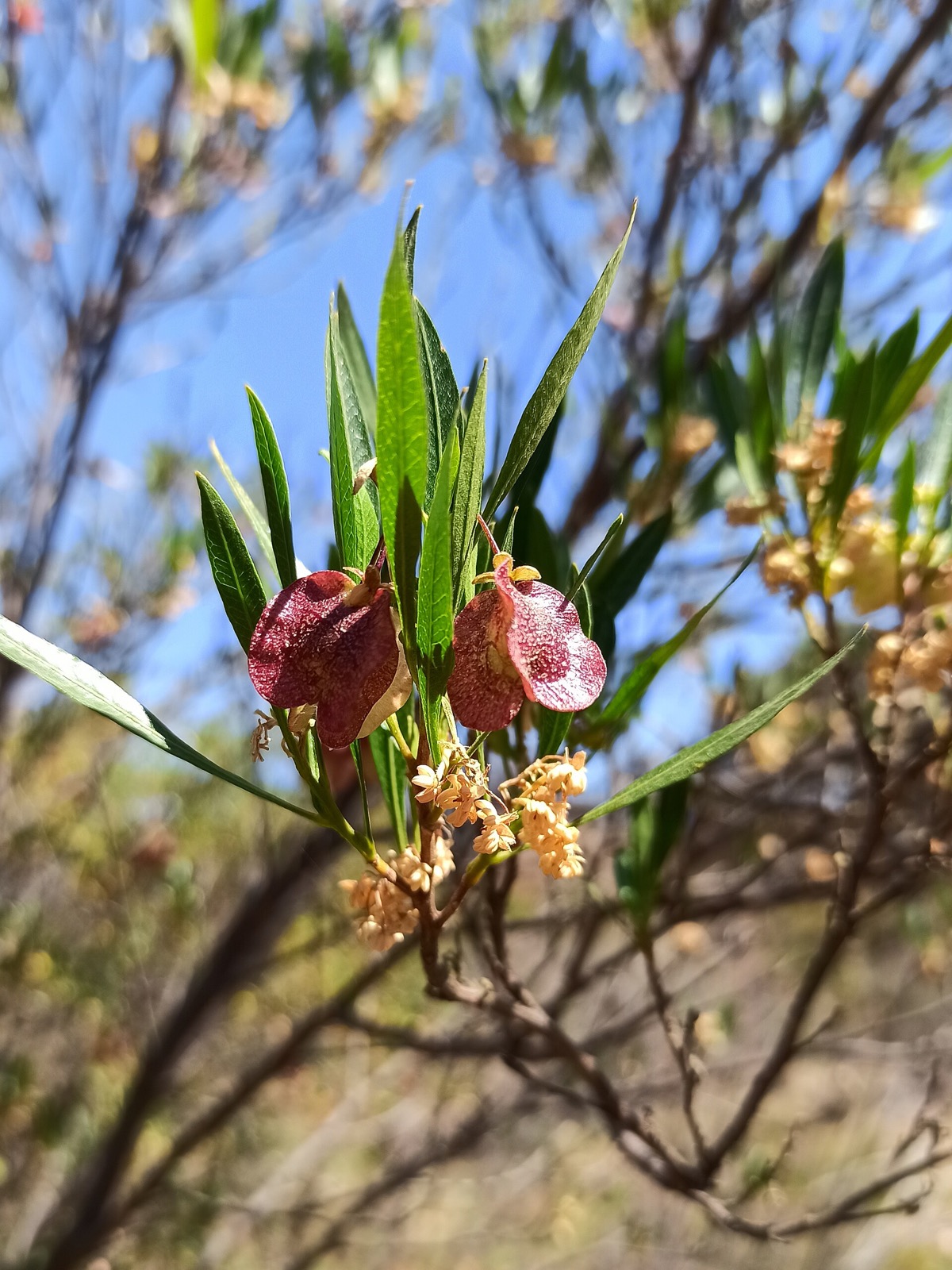 Green hopseed bushDodonaea viscosa
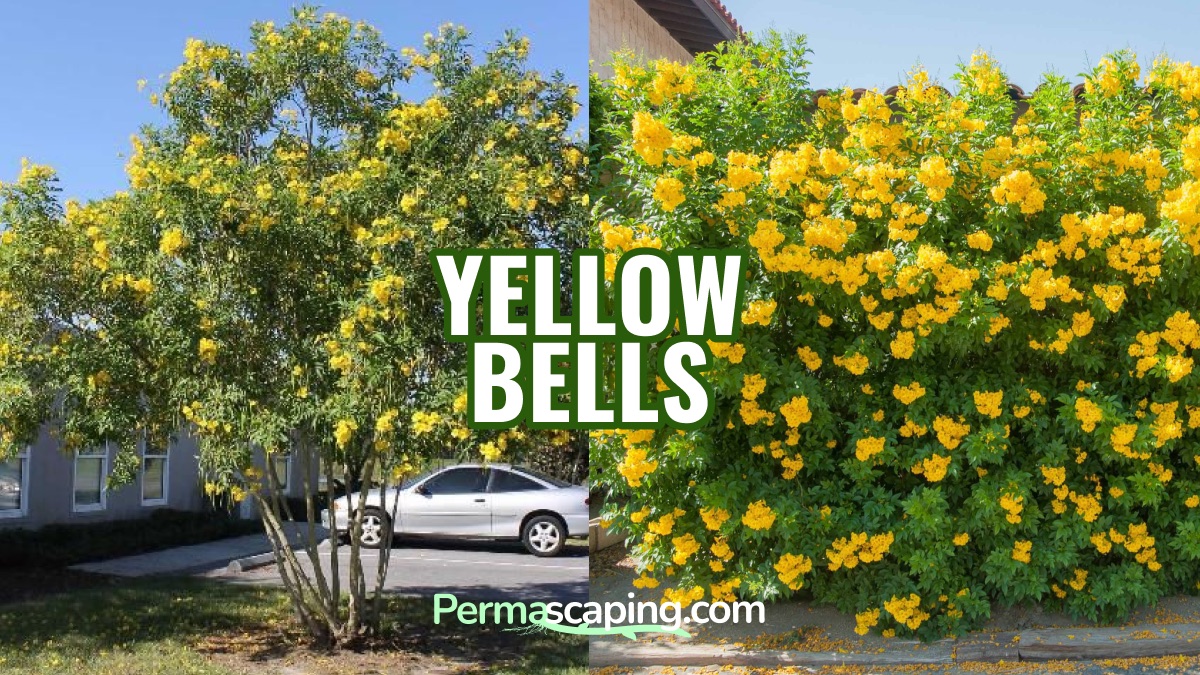 Yellow bellsTecoma stans var. angustata
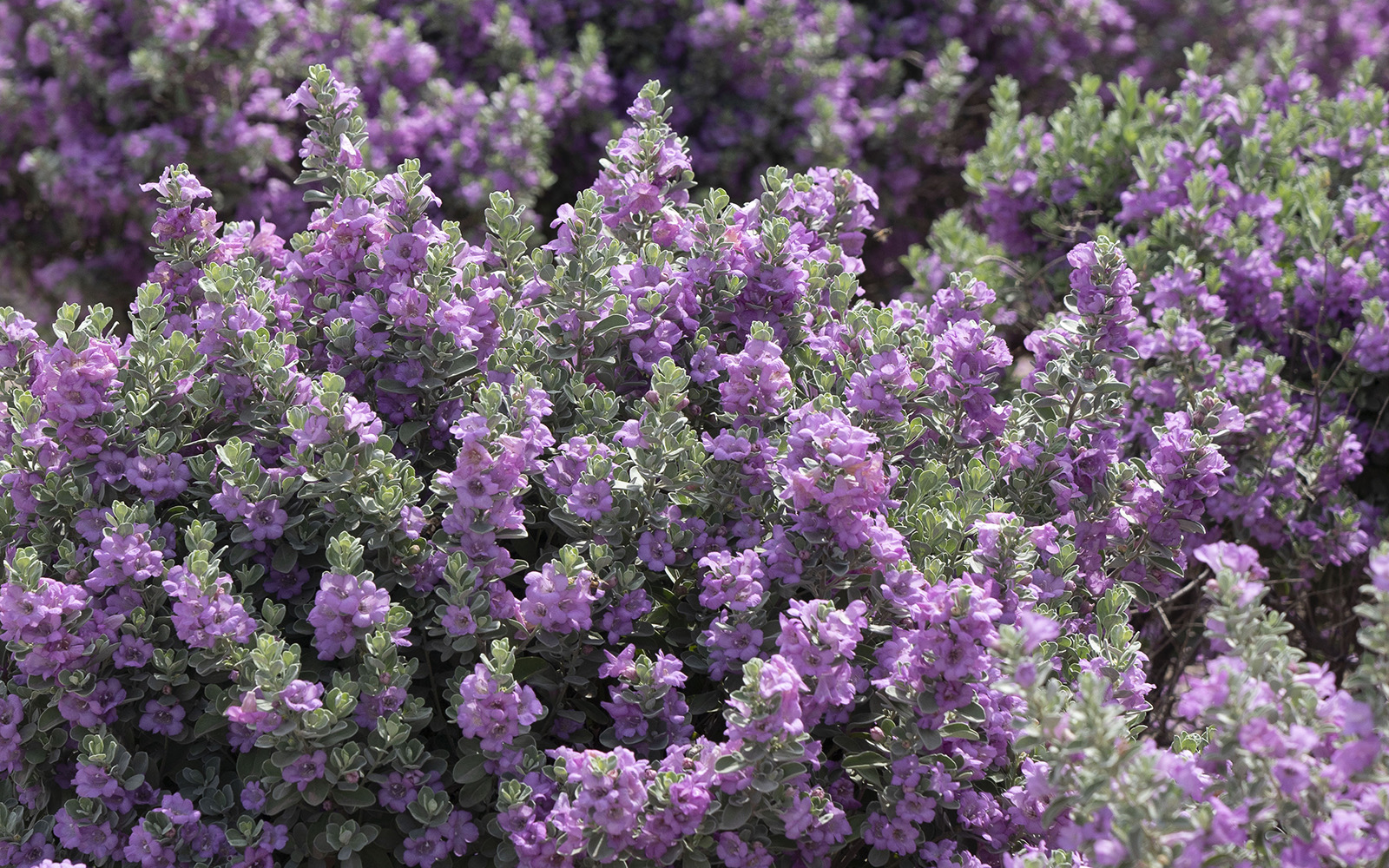 Texas sageLeucophyllum frutescens
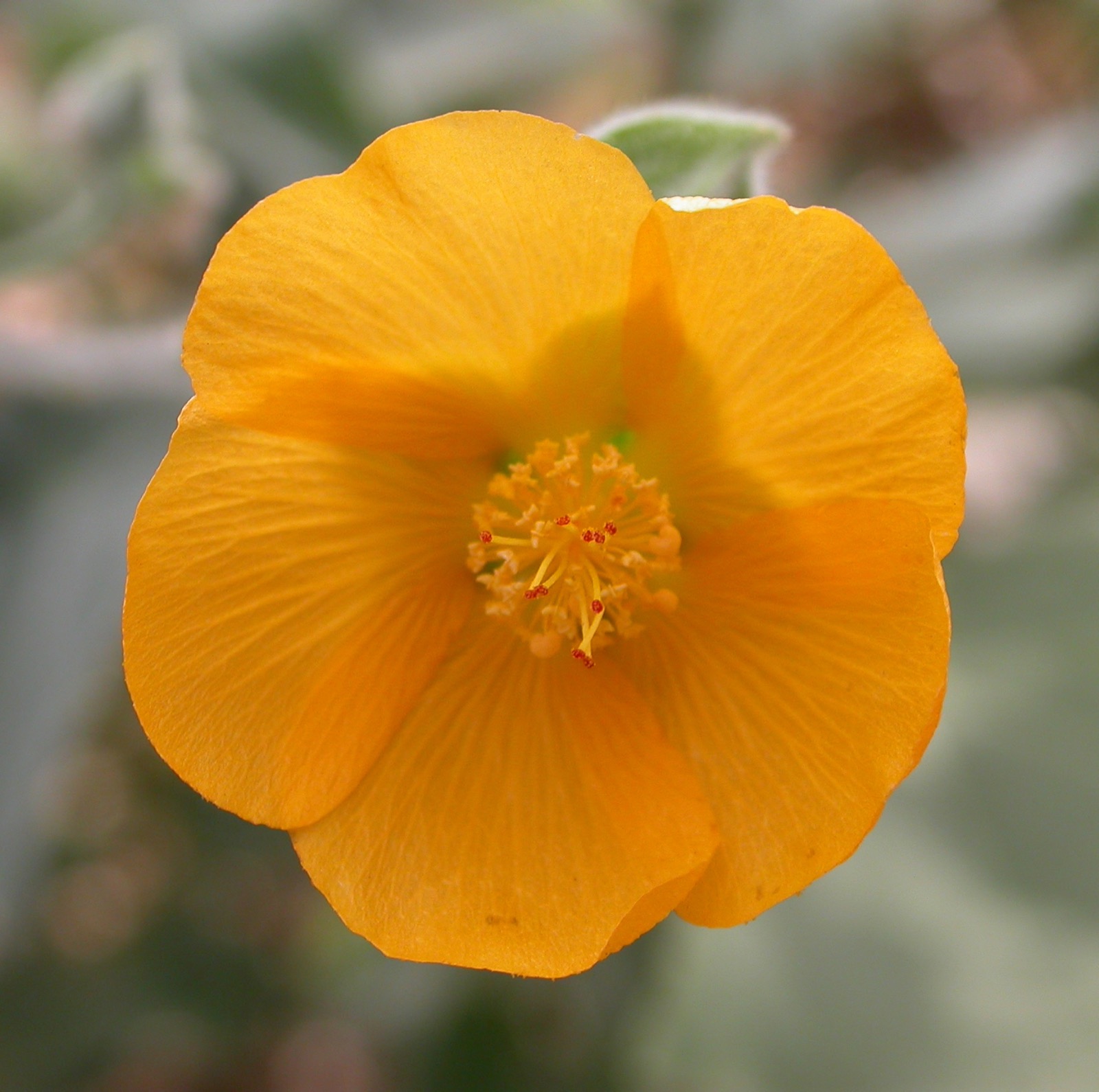 Palmer’s Indian mallowAbutilon palmeri
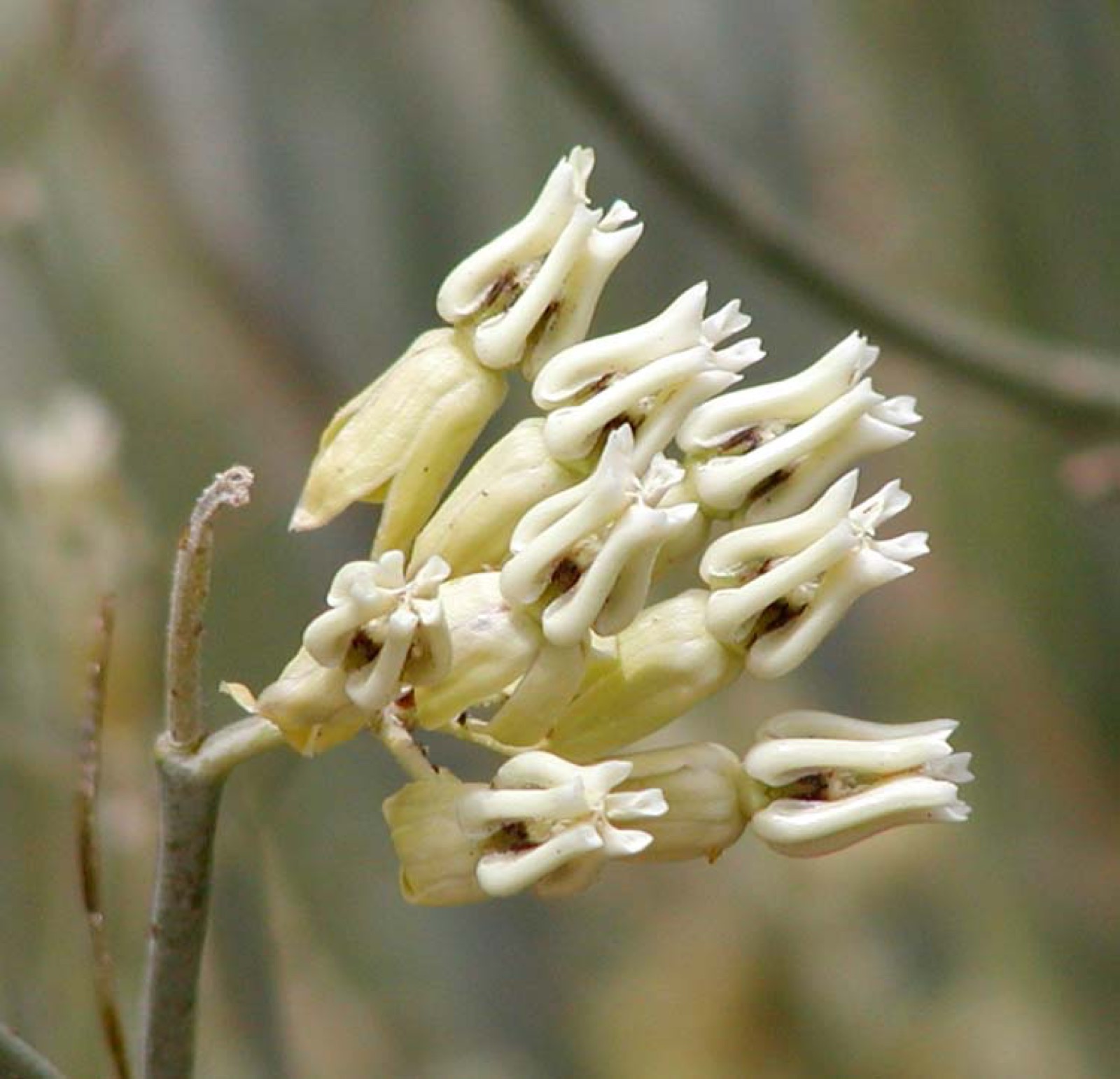 Desert milkweedAsclepias subulata
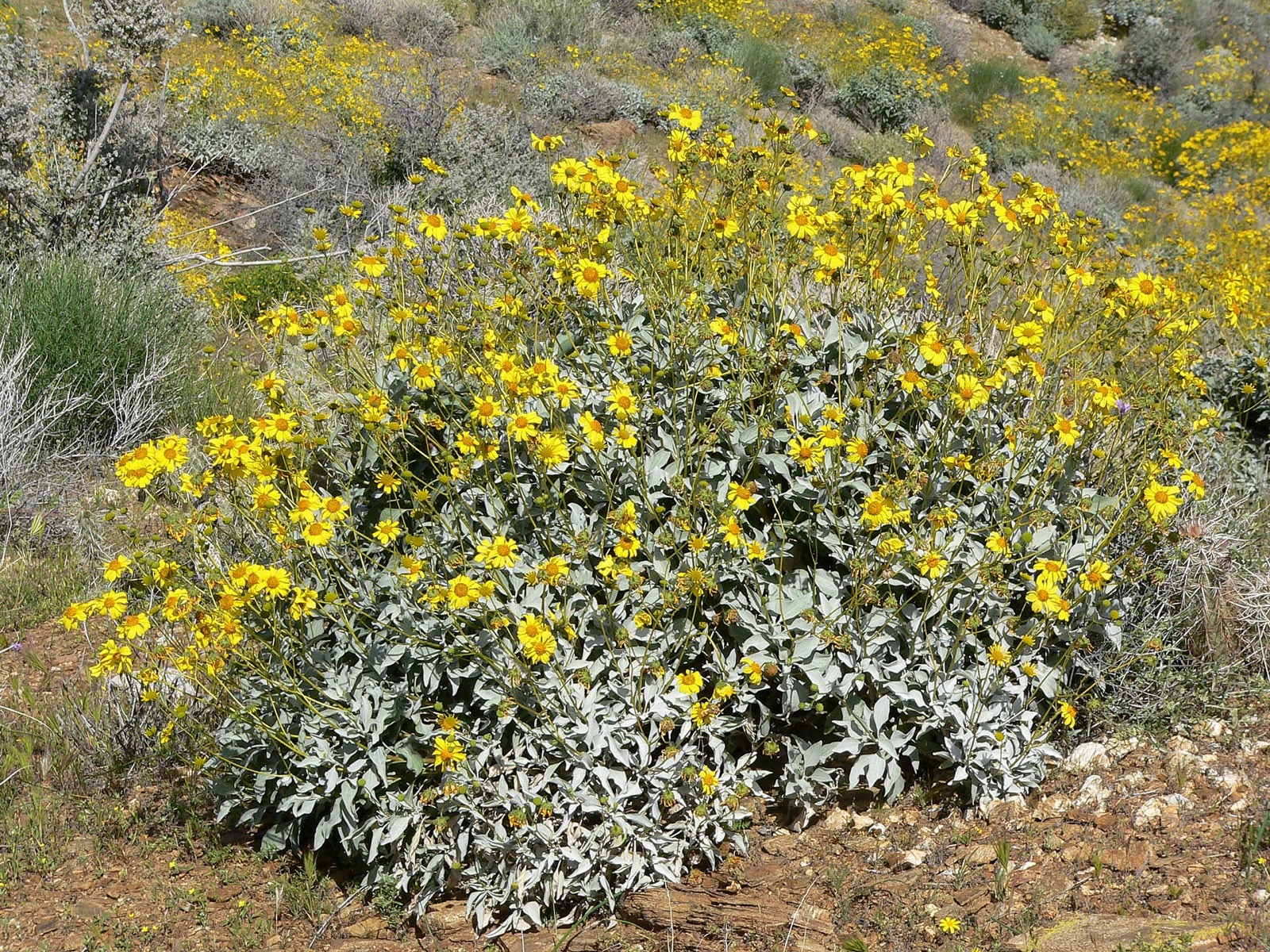 BrittlebushEncelia farinosa
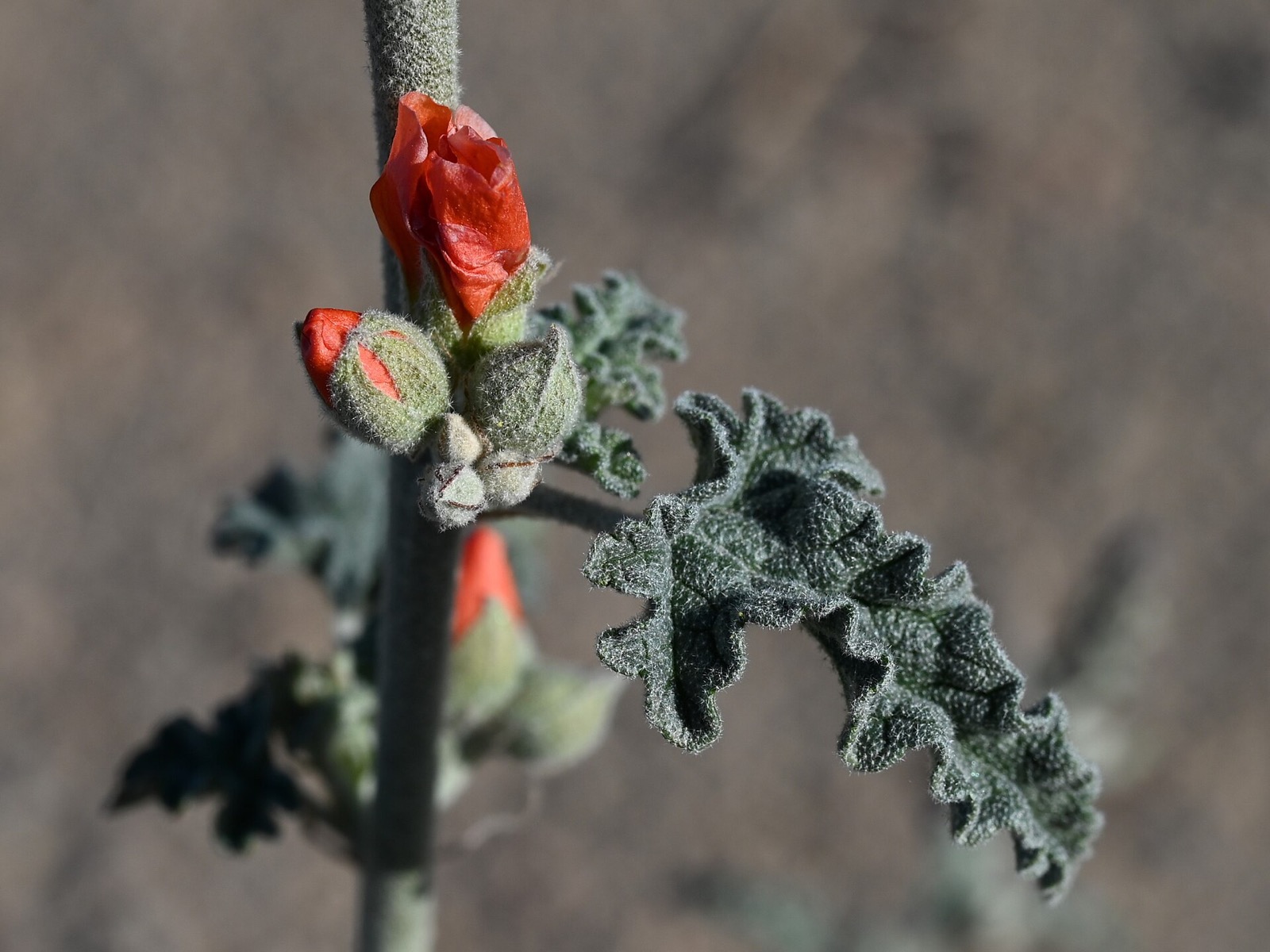 Globe mallowSphaeralcea ambigua
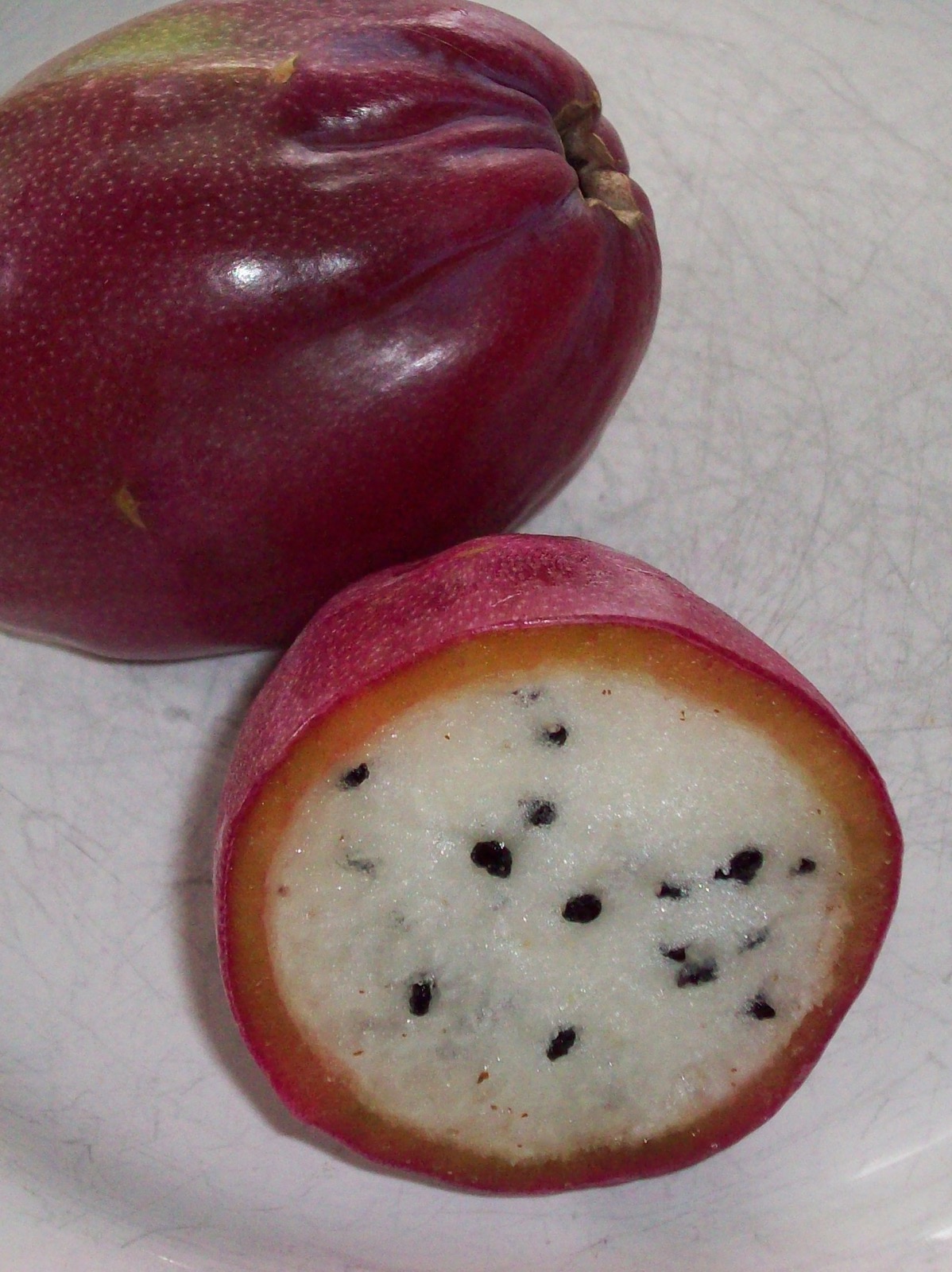 Peruvian apple cactusCereus repandus
 BlackberriesRubus spp. (blackberry cultivars)