
 BetaHome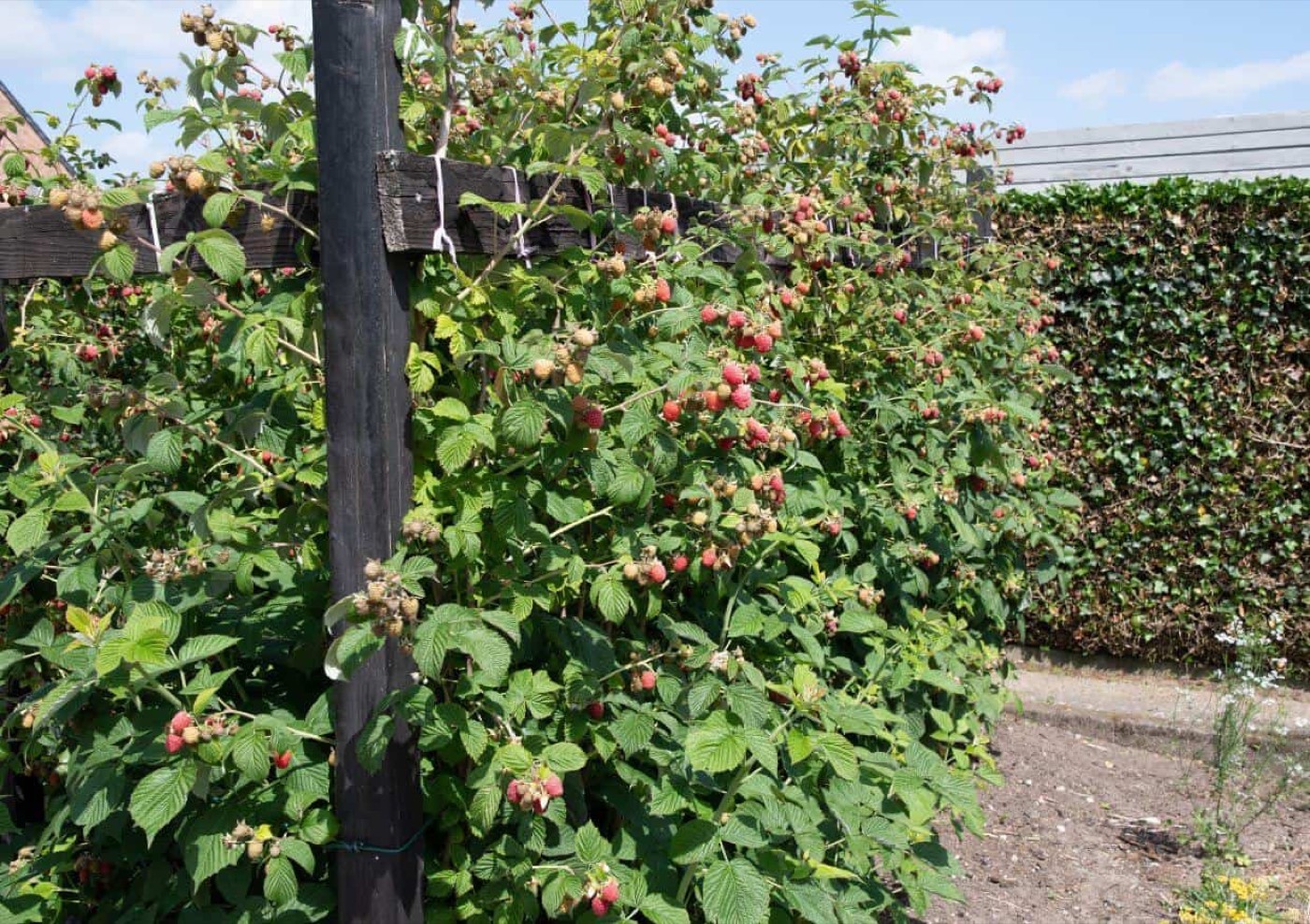
Cane berries · Dave Wilson Nursery
Anne Raspberry
A pale yellow raspberry about the size of a quarter, very sweet and mild, and it won't stain your fingers. It is everbearing, fruiting on new canes from summer into fall, so the only pruning is cutting canes to the ground in late winter. Low desert heat is too hard on it, so it suits mid elevation and the high country, with afternoon shade at lower sites.
23 varieties
- Chill hours
- Under 500 hours
- Harvest
- Light early crop, then main crop from August to first frost
- Pollination
- Self-fruitful; a second raspberry nearby is optional
- Mature size
- 4–5 ft canes; cut to the ground each winter, so easy to hold at 4 ft
How it comes
PottedGrown on in a pot and shipped dormant, roots already established. One size, already a season ahead of a bare-root tree.
USDA zones 3–10. In Arizona, best in the mid elevations and the high country.
Which one
Every cane berrie side by side
Same fruit, different seasons and different jobs. Pick the row that fits your ground and your calendar.
| A pale yellow raspberry about the size of a quarter, very sweet and mild, and it won't stain your fingers. It is everbearing, fruiting on new canes from summer into fall, so the only pruning is cutting canes to the ground in late winter. Low desert heat is too hard on it, so it suits mid elevation and the high country, with afternoon shade at lower sites. | Extra-large red berries up to an inch and a half long on an everbearing cane, with a main crop in early summer and a lighter one in fall. It is the most heat-tolerant raspberry on this list and is sometimes tried in Phoenix, but it needs afternoon shade and steady water there, and fruit can turn bland in heat. Mid elevation is the safer home. | A dwarf, thornless blackberry that grows as a self-supporting bush, so it is easy in a large pot, with large, sweet berries in summer and often a smaller second flush. At 400 chill hours it sits at the upper edge for the low desert, so give it afternoon shade and expect lighter crops there. Mid elevation suits it better. | Large, glossy, sweet berries on a thornless, high-yielding vine that hardly suckers, so it stays tidy. It is a dependable blackberry for the low desert, where it ripens in May, and it also does well at mid elevation. Give it afternoon shade to prevent sunburned fruit, and cut out canes after they have fruited. | The only thornless red raspberry, with large, firm, juicy berries and some aphid resistance. It is a summer-bearing type that likes cooler summers and real winter, so it belongs at mid elevation and in the high country. It fruits on last year's canes, so cut out the ones that have finished, and give it regular water and a wire to tie to. | Large berries with a strong raspberry flavor, borne on new canes from summer into fall, and more tolerant of root rot than Heritage, which helps in heavy or wet soil. The afternoon shade it likes suits Arizona. Best at mid elevation and in the high country, since low desert summers are usually too hot for it. | A semi-trailing, thornless blackberry known for cold hardiness, big yields and sweet, mild berries that hold up in summer heat. It needs far more winter chill than the low desert gets, so it is a mid elevation plant. Give it a trellis and thin the canes each winter. | A golden raspberry that is extremely sweet and soft-textured, bearing on new canes from summer into fall, so pick the delicate berries gently. One parent is a wild Korean mountain berry, which gives it good cold hardiness. Best at mid elevation and in the high country, with afternoon shade at lower sites; the low desert is too hot. | The standard fall raspberry, and the one University of Arizona extension says does well in northern Arizona, with firm, dark red, mild berries. It fruits on new canes, so cutting everything to the ground each late winter is the whole pruning plan. It ripens late, so early frost can cut the crop short in the high country, and low desert heat is too much. | A black raspberry with large, richly flavored fruit for pies, jam and fresh eating, on upright canes that need no support. It is the most disease-resistant black raspberry and handles cold well. Black raspberries also dislike heat more than red ones, so it suits mid elevation and the high country, with afternoon shade at lower sites. | The largest of the Arkansas blackberries, with very large, firm, flavorful berries picked over about six weeks, and very thorny, so choose its spot carefully. Low chill makes it one of the better blackberries for the low desert, where afternoon shade helps prevent sunburn, and it does well at mid elevation. Canes stand up on their own. | Often called the best pie berry: bright, sweet, firm blackberries with a rich flavor, picked over a long season. The long vine-like canes need a trellis, and it wants more winter chill and milder summers than the low desert gives. Plant it at mid elevation, with some afternoon shade where summers are hot, and protect the canes in hard freezes. | An early, thornless, semi-erect blackberry with large, glossy, flavorful berries and very good heat tolerance. It is one of the best choices for the low desert, ripening ahead of the worst heat, and it also does well at mid elevation. Give it a simple wire to lean on and afternoon shade to avoid sunburned fruit. | A thornless, upright blackberry with small, firm, very flavorful berries and the smallest seeds of the thornless types. The canes stand without a trellis. It needs 800 to 900 chill hours, so it suits mid elevation, where Arizona extension suggests it for north central Arizona, but not low desert yards. | A very cold-hardy, early summer raspberry with medium, bright red, firm berries that keep their shape. The hardy canes make it a good first raspberry for the high country; at mid elevation, plant it with afternoon shade. It fruits on last year's canes, so only prune out the ones that have finished, and it is not a low desert plant. | Medium, sweet berries with an old-fashioned wild blackberry flavor on a vigorous trailing vine, which Arizona extension calls an excellent trailing type for north central Arizona. In the low desert it copes with afternoon shade and plenty of water. Give it a trellis and cut out the canes that have fruited. | The first thornless blackberry that also fruits on new canes, so in a good year you get two crops: early summer and again in fall. Large, good-tasting fruit on upright canes that may need a stake. The fall crop stalls in very hot summers, so it suits mid elevation, while the low desert mostly gets only the spring crop. | A dwarf, thornless raspberry bush bred for pots, with sweet midsummer berries on self-supporting canes. Up to 500 chill hours is marginal for Phoenix and summer heat is hard on raspberries, so it fits mid elevation and the high country best. In the low desert, treat it as an experiment in a shaded pot. | An old heirloom blackberry with creamy white to pale fruit that tastes like a full-flavored blackberry. The canes are thorny and trailing, so give it a trellis, and plant it at mid elevation with afternoon shade because pale berries can scald in strong sun. Expect a modest crop and an interesting curiosity. | A thornless boysenberry with very large, dark maroon, tangy-sweet fruit that is far easier to pick than the thorny kind, though yield is a bit lower. It sprawls, so give it a trellis. In the low desert it wants afternoon shade and regular water, and at mid elevation it is easier. | Large, juicy, maroon berries with a sweet-tart flavor, and better yields than the thornless form. The canes are thorny, so wear gloves and keep it off paths; in the low desert it needs afternoon shade and steady water, and at mid elevation it is easier. Berries soften quickly, so pick them ripe and use them the same day. | Large, firm, flavorful berries on a thornless, semi-trailing vine named for its flavor, productivity and vigor. It tolerates heat well, which makes it a sound pick for low desert yards and mid elevation. Afternoon shade helps prevent sunburned fruit, and the long canes need a trellis. | Large, long, firm, deep red berries with a slightly tart flavor and a long history in the West. It fruits on last year's canes, so cut out old ones after harvest, and it needs very good drainage since it is prone to root rot. Best at mid elevation with afternoon shade; low desert is too hot and the high country is borderline. | |
|---|---|---|---|---|---|---|---|---|---|---|---|---|---|---|---|---|---|---|---|---|---|---|---|
| Harvest | Light early crop, then main crop from August to first frost | June, then a smaller fall crop, at mid elevation | May to June in the low desert; June to July at mid elevation | May to early June in the low desert; July at mid elevation | Late June to July at mid elevation; July to August in the high country | July, then main crop from August until frost, at elevation | July to August at mid elevation | Light summer crop, then main crop from August to first frost | Light crop in July, main crop from late August to first frost | June to July at mid elevation; July to August in the high country | May to June in the low desert; June to July at mid elevation | July to August at mid elevation | April to May in the low desert; June at mid elevation | July to August at mid elevation | June to July at mid elevation; July to August in the high country | June in the low desert; July to August at mid elevation | Early July crop, then a fall crop from mid August, at mid elevation | July to August at mid elevation and in the high country | July to August at mid elevation | May to June in the low desert; June to August at mid elevation | May to June in the low desert; June to August at mid elevation | May to June in the low desert; July to August at mid elevation | June to July at mid elevation |
| Chill hours | Under 500 hours | Under 300 hours | 400 hours | 400–500 hours | 800–1000 hours | 250 hours | 700–800 hours | Under 500 hours | 800 hours | 800–1000 hours | 200–300 hours | 500–1000 hours | 300 hours | 800–900 hours | 800–1000 hours | 100–300 hours | 300–400 hours | 500 hours or less | 400–600 hours | 200–300 hours | 200–300 hours | 300–450 hours | 800–1000 hours |
| Pollination | Self-fruitful; a second raspberry nearby is optional | Self-fruitful; a second raspberry nearby is optional | Self-fruitful | Self-fruitful; heavier crops with another blackberry nearby | Self-fruitful; a second raspberry nearby is optional | Self-fruitful; a second raspberry nearby is optional | Self-fruitful | Self-fruitful; a second raspberry nearby is optional | Self-fruitful; a second raspberry nearby is optional | Self-fruitful; a second raspberry nearby is optional | Self-fruitful | Self-fruitful | Self-fruitful | Self-fruitful | Self-fruitful; a second raspberry nearby is optional | Self-fruitful | Self-fruitful | Self-fruitful | Self-fruitful | Self-fruitful | Self-fruitful | Self-fruitful | Self-fruitful; a second raspberry nearby is optional |
| Mature size | 4–5 ft canes; cut to the ground each winter, so easy to hold at 4 ft | 4–5 ft canes; cut back each winter, easy to hold at 4 ft | 3–4 ft tall and wide bush; no trellis needed, made for pots | Canes 6–8 ft; tip at 4 ft and tie to a simple two-wire trellis | 4–6 ft thornless canes; tie to a wire and hold at 5 ft | 4–6 ft canes; cut to the ground each winter, easy to hold at 4 ft | Semi-trailing canes 8–10 ft; use a two-wire trellis, tip at 5 ft | 4–5 ft canes; cut to the ground each winter, easy to hold at 4 ft | 4–6 ft canes; cut to the ground each winter, easy to hold at 5 ft | 4–5 ft upright canes; no support needed; tip new canes to branch | Upright canes 5–6 ft; no trellis needed; tip at 3–4 ft to branch | Trailing canes 10–15 ft; needs a sturdy two-wire trellis | Semi-erect canes 5–6 ft; support with a wire; tip at 4 ft to branch | Upright canes 4–5 ft, self-supporting; tip at 3 ft to branch | 4–5 ft canes; keep in a narrow row on a wire at 4–5 ft | Trailing canes 8–10 ft; needs a trellis; hold at 5 ft with tipping | Upright canes 4–6 ft; stake or wire support; tip at 3–4 ft | 2–3 ft tall and wide bush; no trellis needed, made for pots | Thorny trailing canes 6–8 ft; trellis them and tip to hold at 5 ft | Trailing canes 8–10 ft; train on a two-wire trellis | Trailing canes 8–10 ft; train on a two-wire trellis | Semi-trailing canes 10–12 ft; needs a two-wire trellis; tip at 5 ft | 5–6 ft canes; tie to a wire and hold at 5 ft |
| From | $14 | $13 | $13 | $13 | $13 | $13 | $14 | $13 | $13 | $13 | $13 | $13 | $13 | $13 | $13 | $13 | $13 | $13 | $13 | $13 | $13 | $13 | $13 |
Counts are what the nursery is growing right now, across every trunk size.
Where this tree sits
Cane berries sit in the understory & shrubs layer.
Woody plants at head height and below — figs, pomegranates, currants, berries. They fill the gap between trunk and ground.
Other options in the understory & shrubs layer
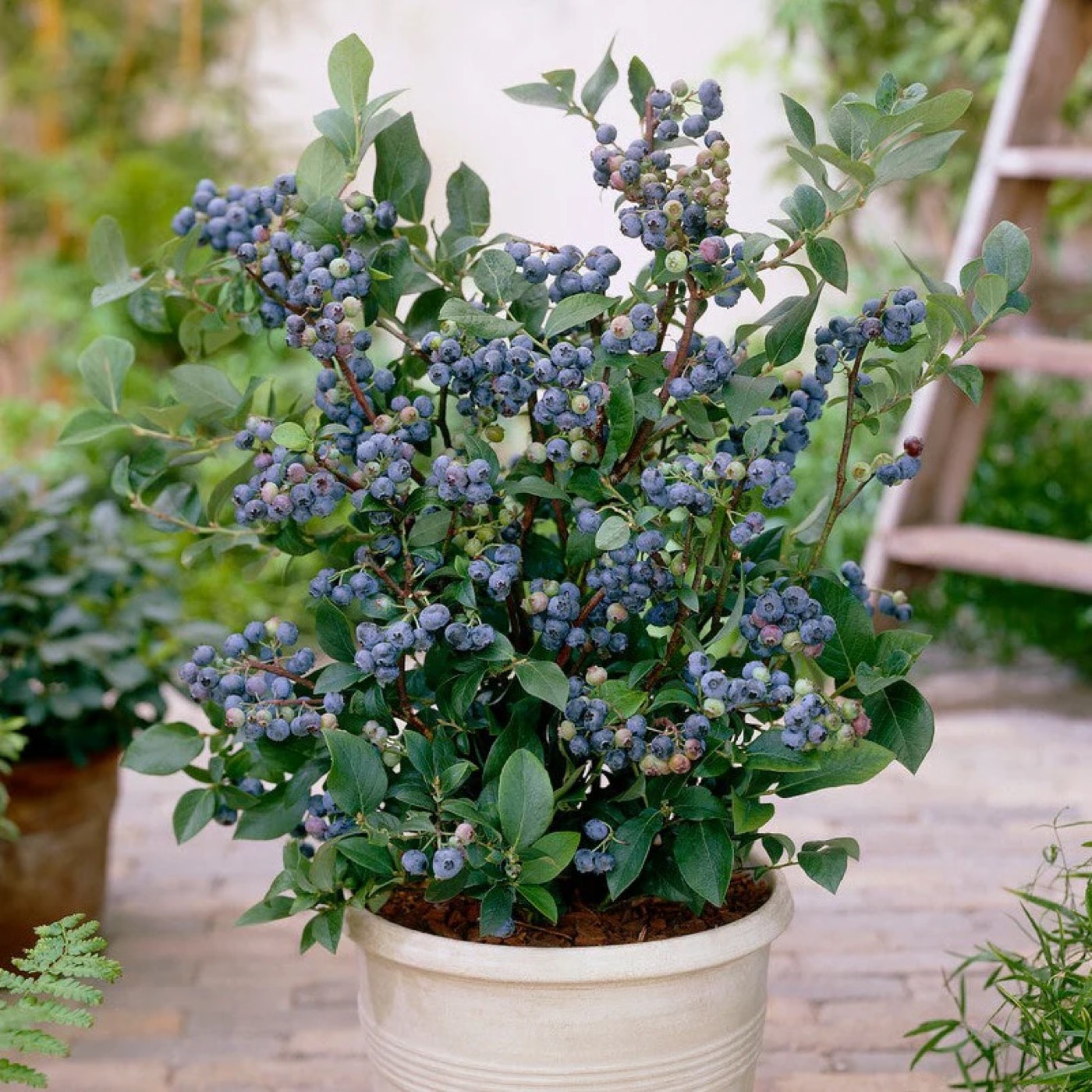 BlueberriesIn this year's order
 GojiIn this year's order
- Currants & gooseberriesIn this year's order
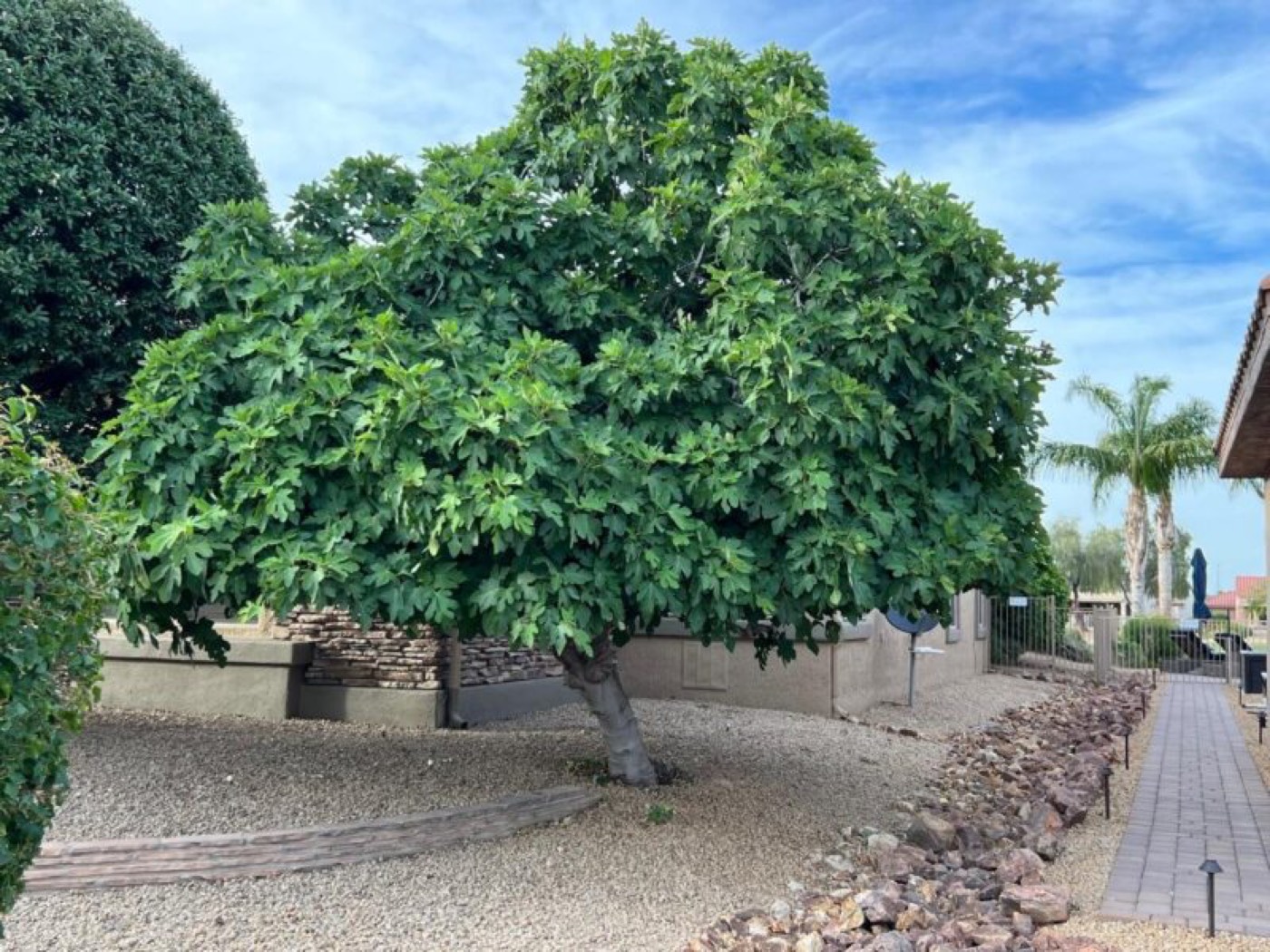 FigsIn this year's order
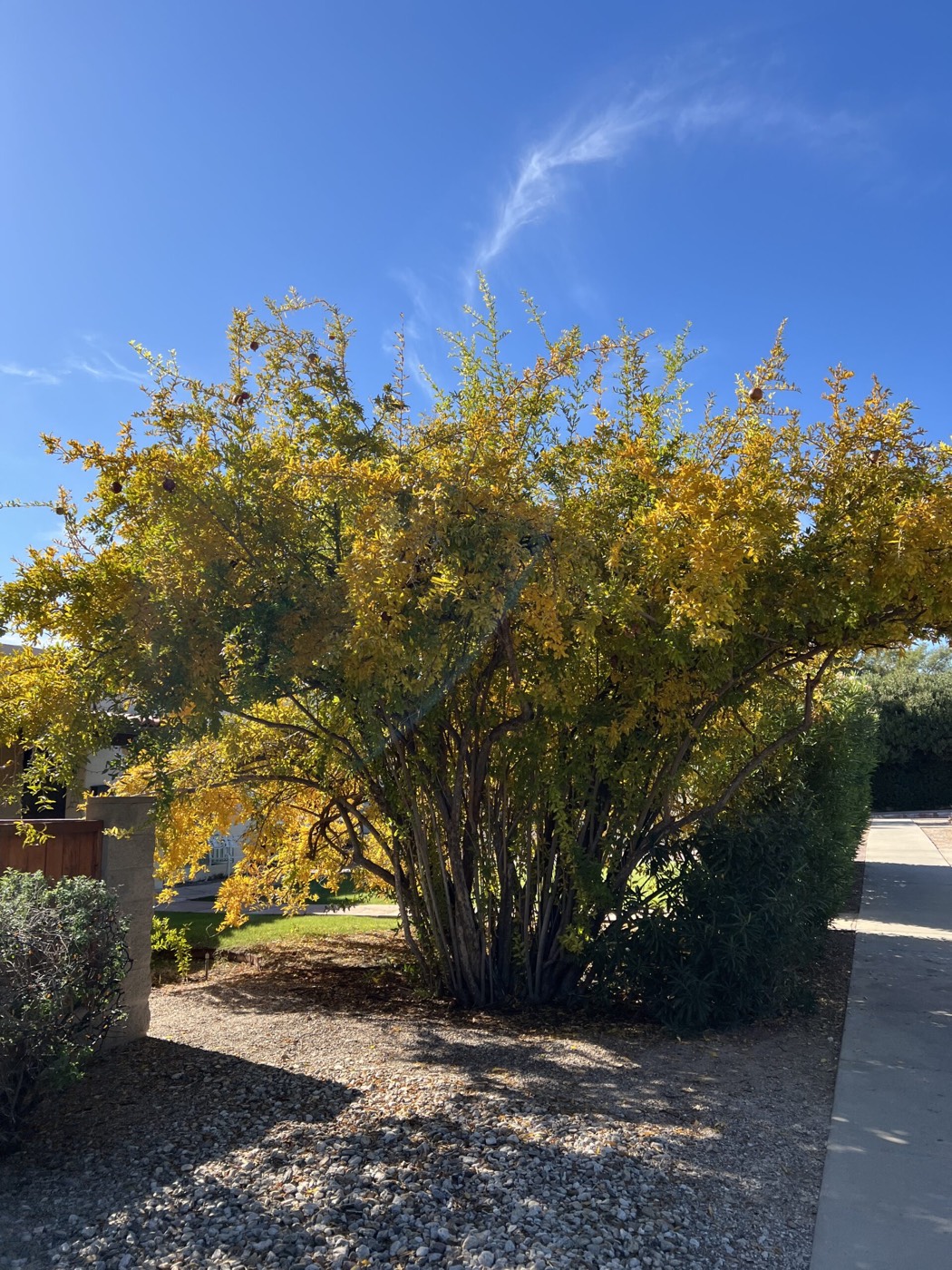 PomegranatesIn this year's order
- Flowering shrubsIn this year's order
Not in this program. From the wider plant catalogue.
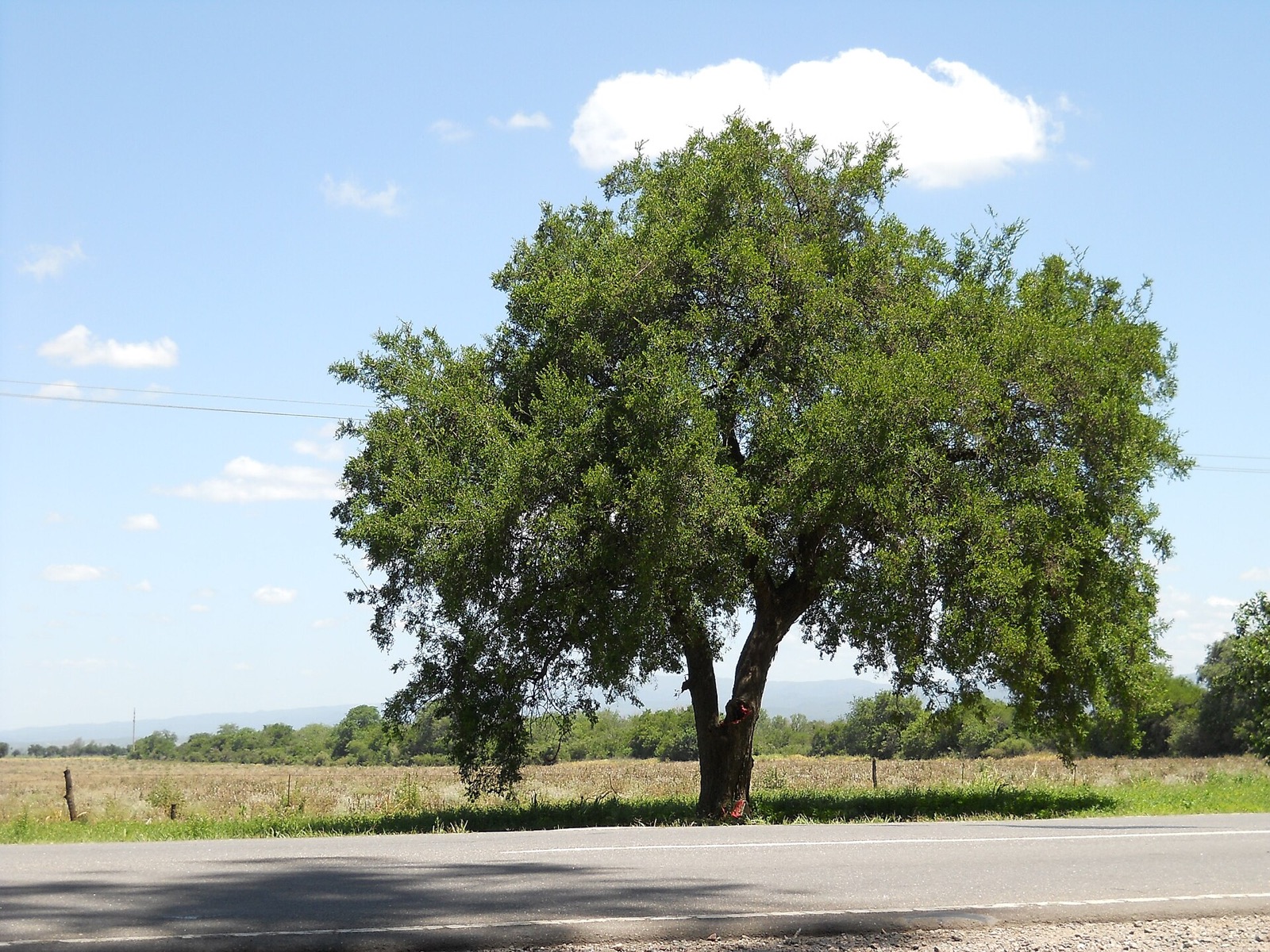 Desert hackberryCeltis pallida
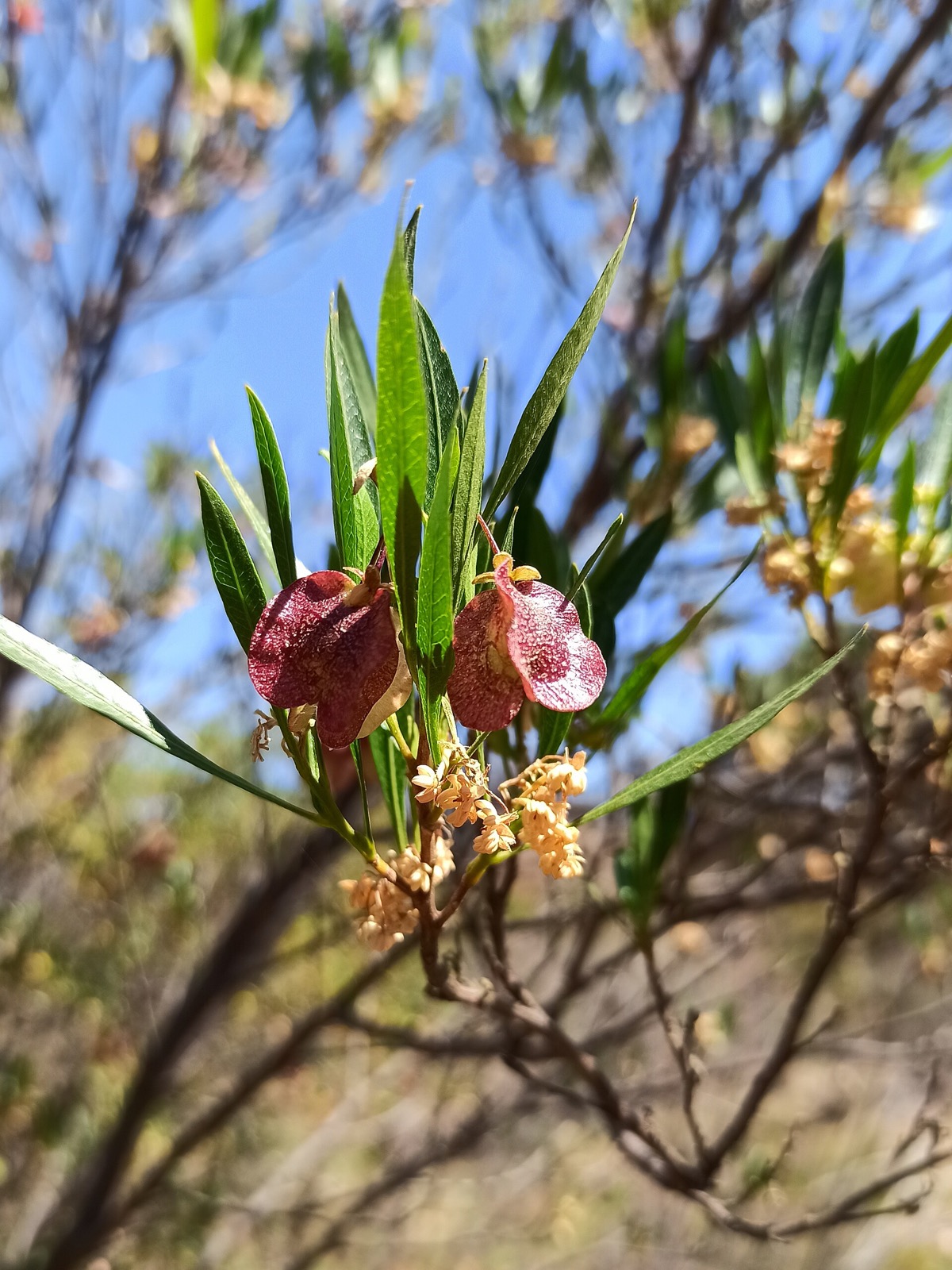 Green hopseed bushDodonaea viscosa
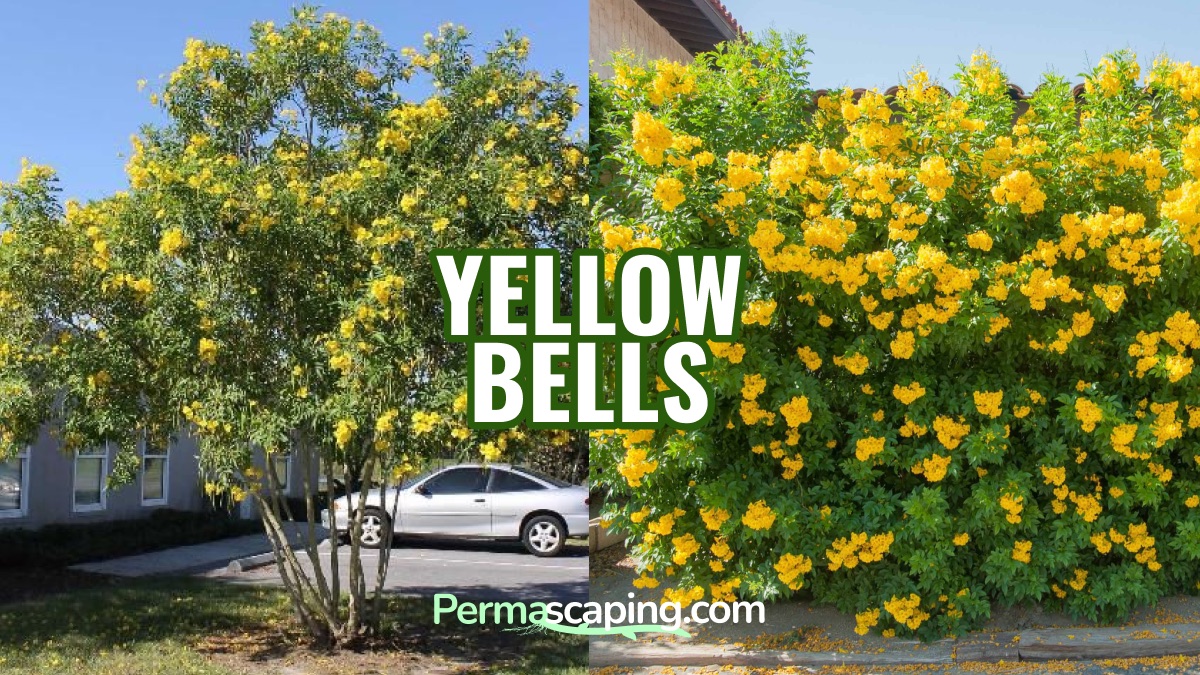 Yellow bellsTecoma stans var. angustata
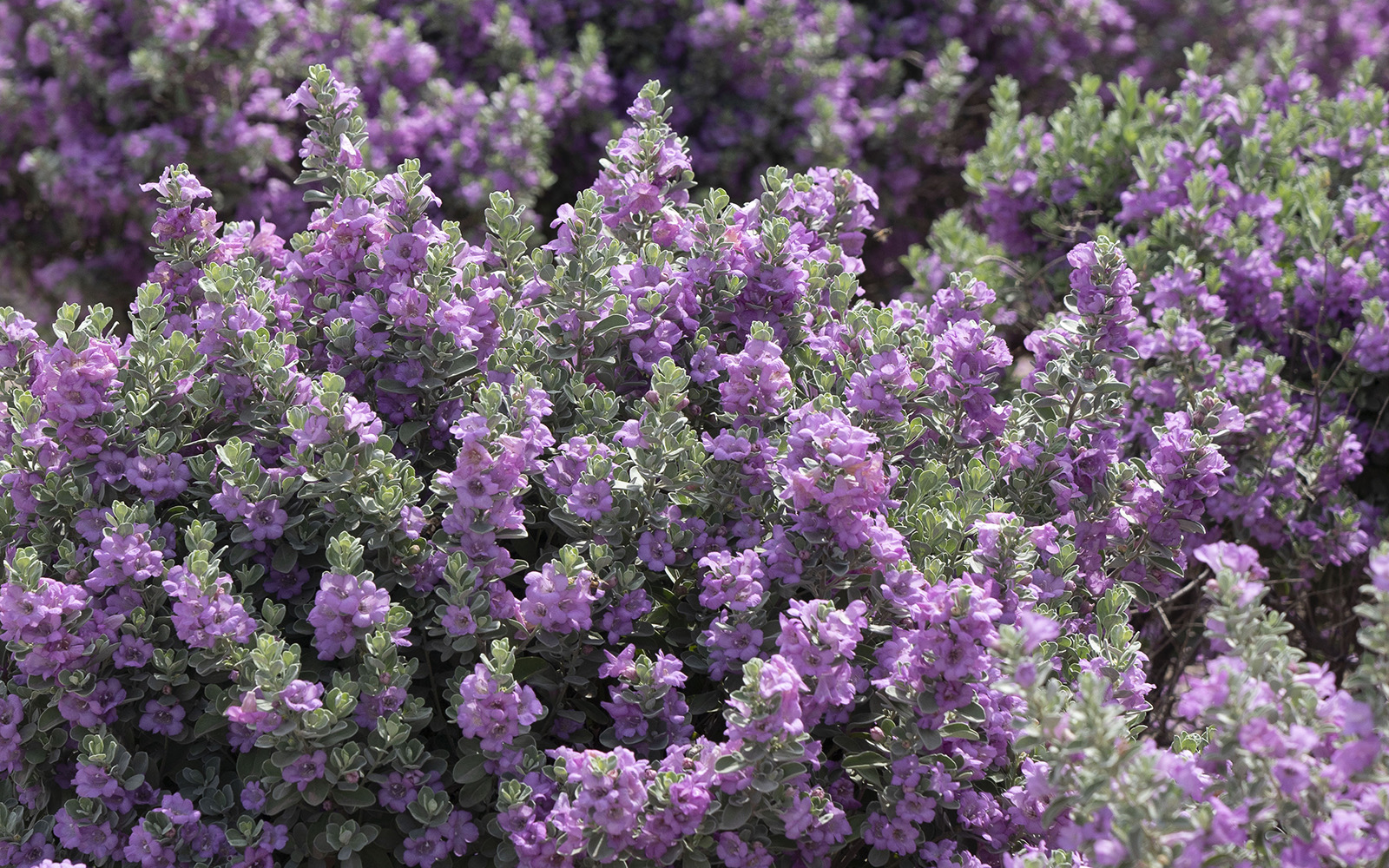 Texas sageLeucophyllum frutescens
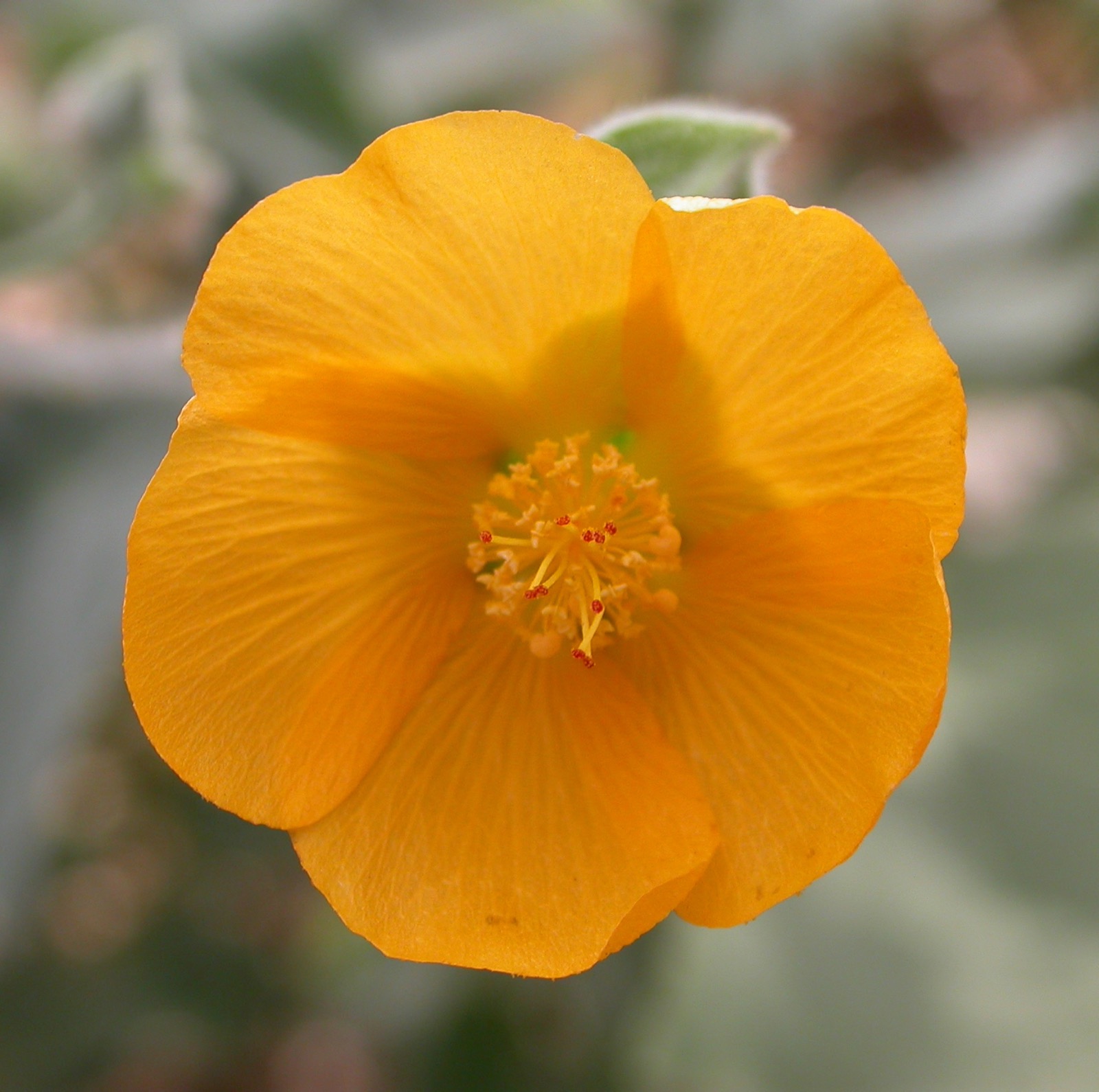 Palmer’s Indian mallowAbutilon palmeri
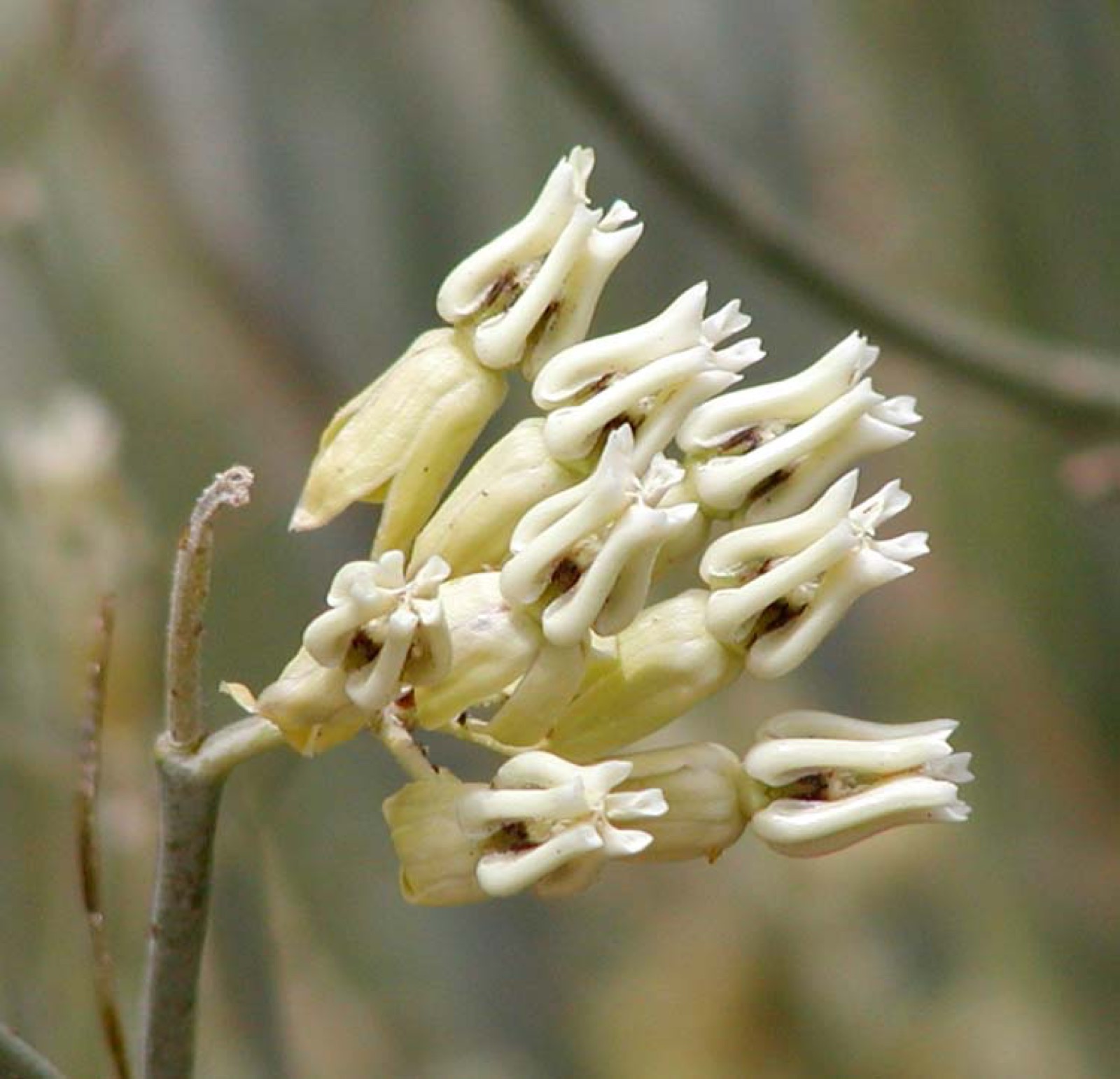 Desert milkweedAsclepias subulata
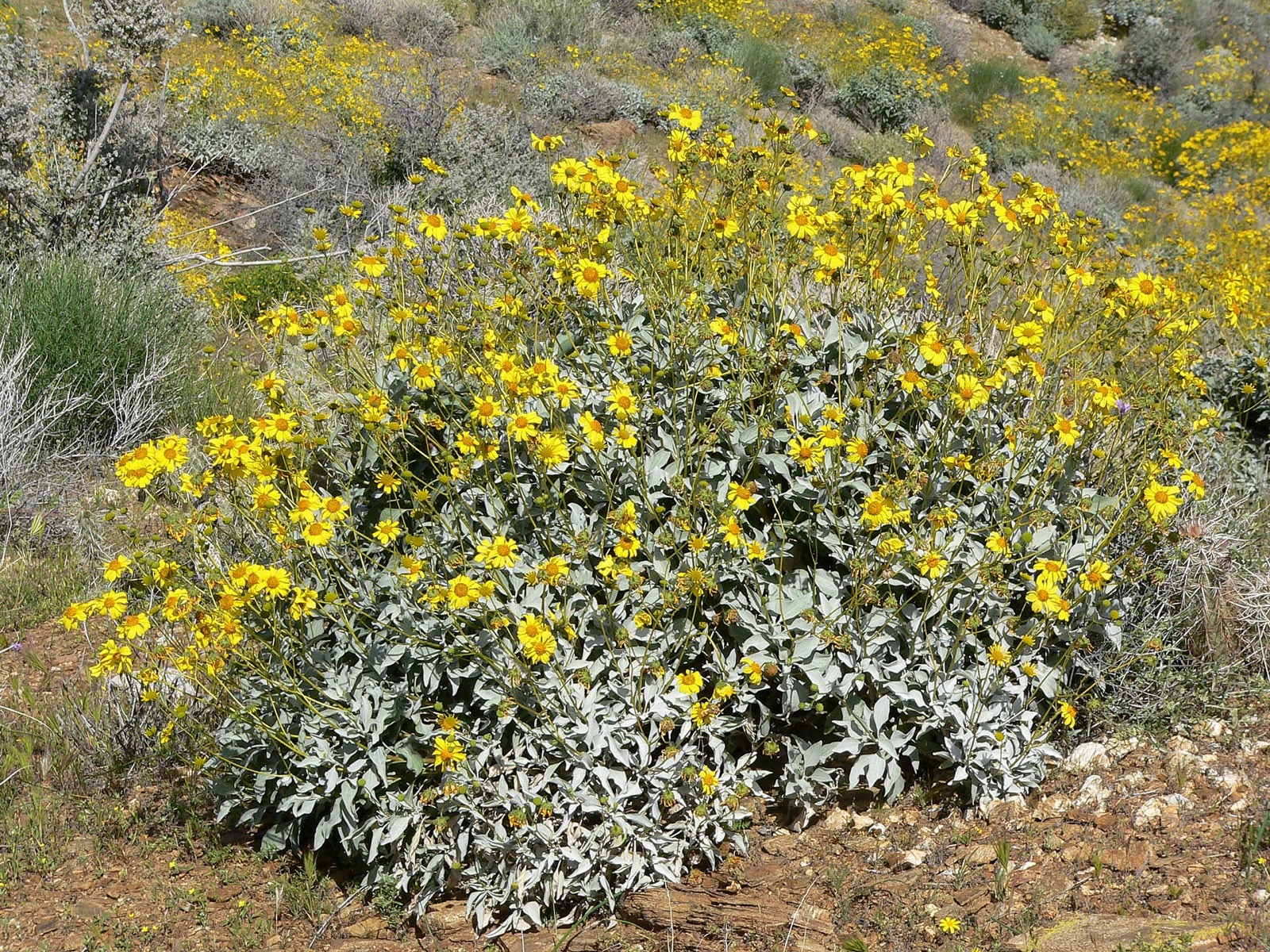 BrittlebushEncelia farinosa
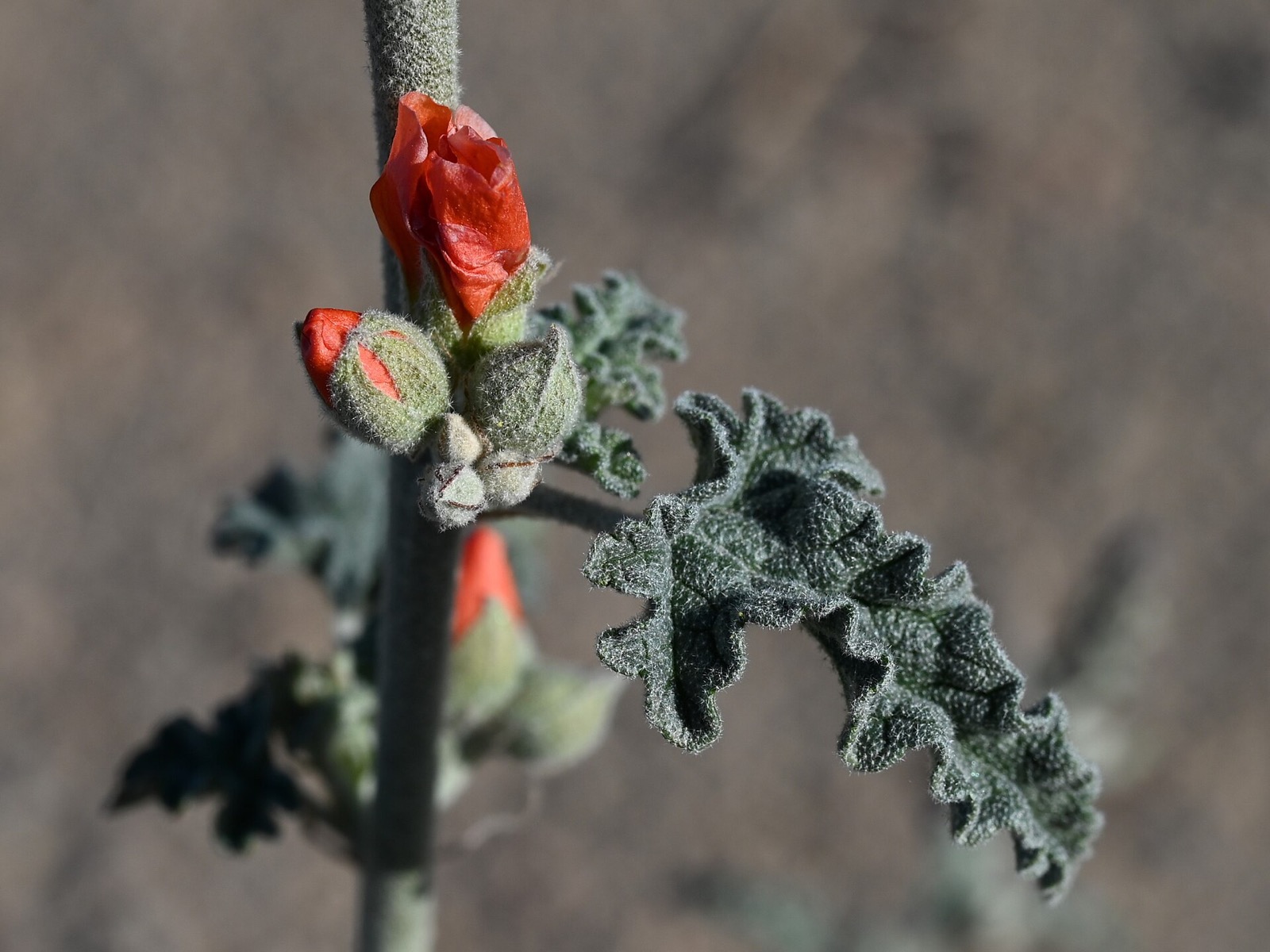 Globe mallowSphaeralcea ambigua
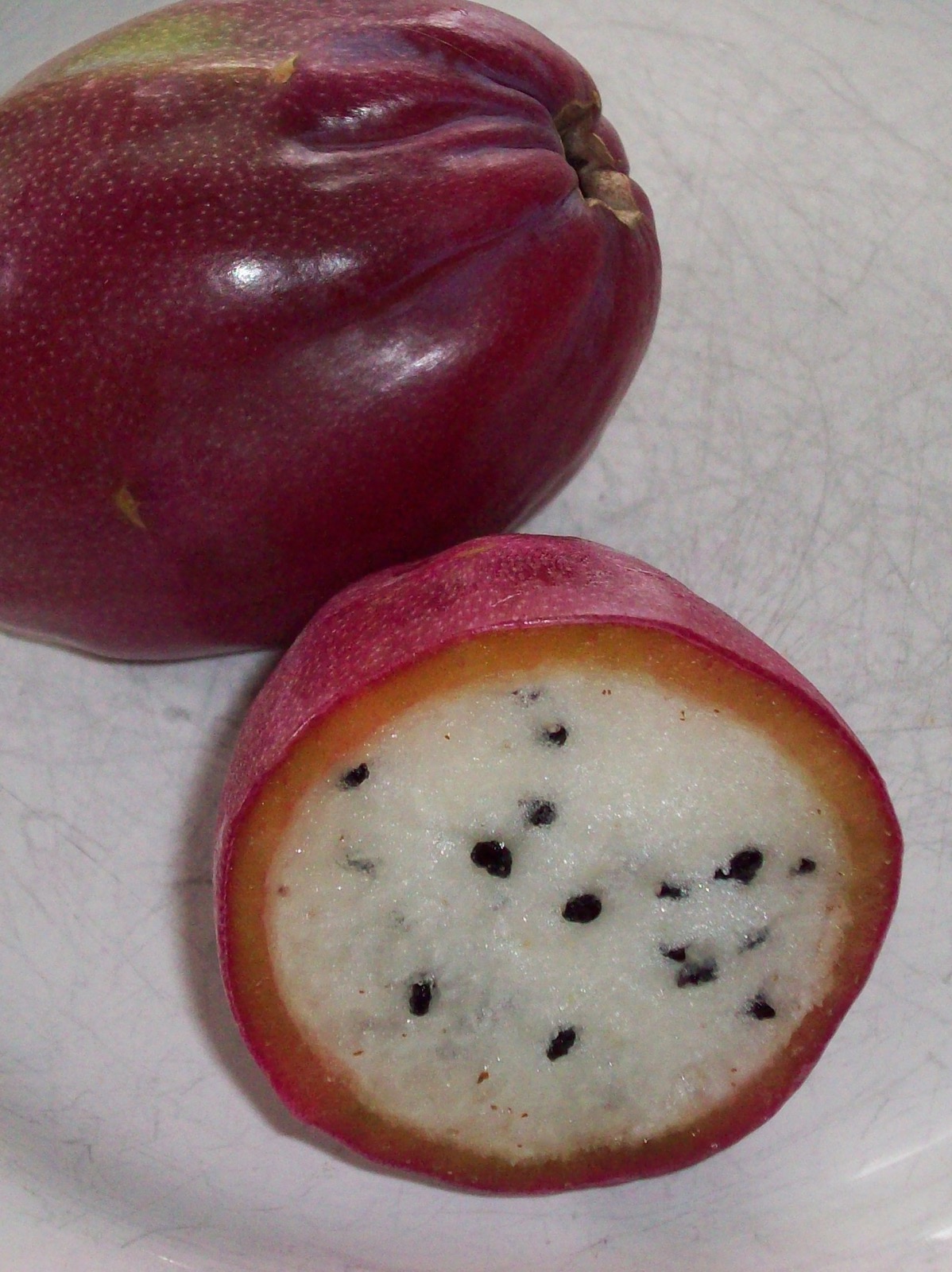 Peruvian apple cactusCereus repandus
 BlackberriesRubus spp. (blackberry cultivars)