
 BetaHome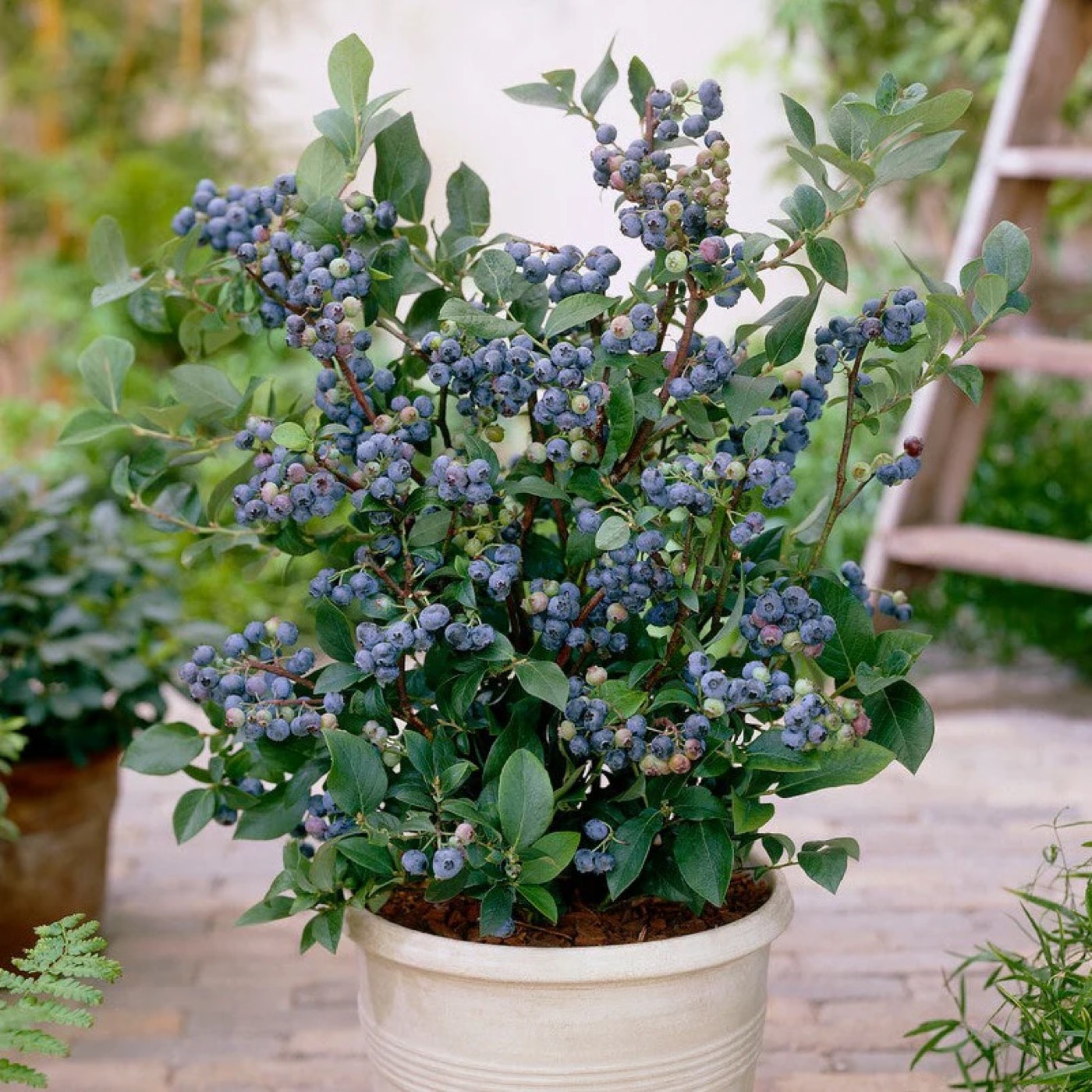
Blueberries · Dave Wilson Nursery
Bluecrop Northern Blueberry
The standard northern blueberry: upright and productive, with large, firm berries that rarely crack or drop. It needs real winter chill and cooler summers, so it only suits mid elevation and the high country, and always in a big pot of acidic mix, because local soil and water are alkaline. Not a Phoenix plant.
17 varieties
- Chill hours
- 800 hours
- Harvest
- July at mid elevation; late July to August in the high country
- Pollination
- Self-fruitful; bigger crops with Blueray or Legacy nearby
- Mature size
- 4–6 ft tall and wide; easy to hold at 4 ft in a large pot
How it comes
PottedGrown on in a pot and shipped dormant, roots already established. One size, already a season ahead of a bare-root tree.
USDA zones 4–7. In Arizona, best in the mid elevations and the high country.
Which one
Every blueberrie side by side
Same fruit, different seasons and different jobs. Pick the row that fits your ground and your calendar.
| The standard northern blueberry: upright and productive, with large, firm berries that rarely crack or drop. It needs real winter chill and cooler summers, so it only suits mid elevation and the high country, and always in a big pot of acidic mix, because local soil and water are alkaline. Not a Phoenix plant. | Large, bright blue berries on a cold-hardy, upright bush that also colors well in fall. It ripens a little before Bluecrop, which helps it finish ahead of the hottest weather. With 800 chill hours it is a mid elevation and high country plant, grown in a large pot of acidic mix with acidified water. | A very late northern blueberry that spreads a heavy crop of medium, light blue, slightly tart berries over four to five weeks, which makes it a good partner for earlier types. Late fruit needs a long season, so it suits mid elevation better than the high country. Always a big pot of acidic mix and acidified water. | Big, firm, balanced-sweet berries in heavy clusters on one of the most productive southern types. Low chill makes it a fit for the low desert, but like every blueberry here it lives in a pot of acidic mix, gets acidified water and wants afternoon shade. It also suits mid elevation; cover it if frost hits during bloom. | A neat little bush with narrow, elongated leaves and medium to large flavorful berries, bred for pots and a good small-space blueberry at elevation. Up to 600 chill hours is too much for Phoenix, so it belongs at mid elevation and in the high country. Grow it in a pot of acidic mix and water with acidified water. | A leading commercial southern type with large, tangy-sweet berries and high yields. It works in low desert pots with acidic mix, acidified water and afternoon shade, and it is fine at mid elevation too. It is vigorous and upright, so give it a big pot and cut out old canes each winter. | A sweet, firm, upright and compact southern type that carries its berries on the outside of the bush, so they are easy to see and pick. At 400 to 500 chill hours it is on the edge for Phoenix, where light crops are likely in warm winters, so it does best at mid elevation. Always a pot plant, with acidic mix and acidified water. | A vigorous, late northern blueberry with medium to large berries and a rich, sweet flavor that scored well in national trials. It is hardy and productive, but needs 800 chill hours and cooler summers, so it is a mid elevation and high country plant. Grow it in a big pot with acidic mix and acidified water. | An early, vigorous southern blueberry with excellent flavor that is a regular in Phoenix pots, for the low desert and mid elevation. It blooms in late winter, so keep frost cloth handy. Arizona soil and water are alkaline, so it is container only, with an acidic mix, acidified water and afternoon shade in summer. | Early, large, sweet berries on a vigorous upright bush that stands up to heat better than most. Grow it in a big pot of acidic mix with acidified water, and give it afternoon shade in the low desert. It crops best with a second variety close by, and works in the low desert and at mid elevation. | A tiny mounded blueberry grown as much for its peach, pink and orange foliage as for its sweet, medium berries. In Arizona it is a pot plant: use an acidic mix, water with acidified or rain water, and give it afternoon shade in the low desert. Crops are modest, so think of it as an edible ornamental for the low desert and mid elevation. | A compact bush with sweet, large berries and pink new growth that turns turquoise in winter, so it earns its spot as an ornamental too. At up to 500 chill hours it is borderline for Phoenix, where crops are likely to be light. It suits mid elevation best, in a pot of acidic mix watered with acidified water. | Berries ripen pink inside and out, with a bright, sprightly sweet flavor that bakers love and a nice contrast beside blue types. It is a rabbiteye cross, so it handles heat better than most blueberries. Plant it in a big pot of acidic mix, water with acidified water and give afternoon shade in the low desert. | Crunchy texture and good flavor set this southern type apart, and the bush stands up straight with little pruning. Its chill needs sit at the high end for the low desert, so crops there can be light. It does best at mid elevation, in a pot of acidic mix watered with acidified water. | Small, dark, tangy-sweet berries on a nearly evergreen bush that has long been a Phoenix favorite, for the low desert and mid elevation. Blooms start in late winter, so frost cloth is worth having. Plant it in a large pot of acidic mix, water with acidified water and give it afternoon shade. | A compact, near-evergreen bush with hot pink flowers that fade to white, so it looks good in a pot all year. It puts up with a little less acid than most blueberries, which helps in Arizona, but it still needs an acidic mix and acidified water. Give it afternoon shade in the low desert. | A dwarf bush only a foot or two tall, with white spring flowers, firm sweet berries and good fall color, bred from wild lowbush stock. Very cold hardy, so it fits high country and mid elevation patios, but it is not a low desert plant. Plant it in a pot of acidic mix and water with acidified water. | |
|---|---|---|---|---|---|---|---|---|---|---|---|---|---|---|---|---|---|
| Harvest | July at mid elevation; late July to August in the high country | July at mid elevation; late July to August in the high country | Late July to August at mid elevation | May to early June in the low desert; July at elevation | July to August at mid elevation and in the high country | May to early June in the low desert; July at elevation | June to July at mid elevation; May to June in the low desert | Late July to August at mid elevation and in the high country | April to May in the low desert; June at elevation | April to May in the low desert; June at elevation | April to May in the low desert; June to July at elevation | June to July at mid elevation | May to June in the low desert; July at mid elevation | June to July at mid elevation; May to June in the low desert | April to May in the low desert; June at elevation | April to June in the low desert; June to July at elevation | July to August at mid elevation and in the high country |
| Chill hours | 800 hours | 800 hours | 800–1000 hours | 250 hours or less | 600 hours or less | 200 hours | 400–500 hours | 800 hours | 150 hours | 200 hours | 300 hours or less | 500 hours or less | 300 hours | 400–500 hours | 200 hours | 150 hours | 800–1000 hours |
| Pollination | Self-fruitful; bigger crops with Blueray or Legacy nearby | Self-fruitful; bigger crops with Bluecrop or Legacy nearby | Self-fruitful; pair with Bluecrop or Blueray to stretch the season | Self-fruitful; heavier crops with Jewel or Misty nearby | Self-fruitful; a second blueberry nearby gives heavier crops | Self-fruitful; heavier crops with Emerald or Misty nearby | Self-fruitful; better crops with Reveille or Misty nearby | Self-fruitful; pair with Bluecrop or Blueray for heavier crops | Self-fruitful; bigger crops with Sharpblue or O'Neal nearby | Self-fruitful; much heavier crops with Misty or Sharpblue nearby | Self-fruitful; a second blueberry nearby gives heavier crops | Self-fruitful; a second blueberry nearby gives heavier crops | Self-fruitful; heavier crops with Misty or Sunshine Blue | Self-fruitful; better crops with Jubilee or Misty nearby | Self-fruitful; heavier crops with Misty or O'Neal nearby | Self-fruitful; heavier crops with Misty or O'Neal nearby | Self-fruitful; heavier crops with a second blueberry nearby |
| Mature size | 4–6 ft tall and wide; easy to hold at 4 ft in a large pot | 4–6 ft tall and wide; easy to hold at 4 ft in a large pot | 5–6 ft tall and wide; hold at 4–5 ft in a large pot | 4–6 ft tall and wide; easy to hold at 4 ft in a big pot | 2–3 ft tall and wide; compact grower for a patio pot | 5–6 ft tall and wide; easy to hold at 4 ft in a large pot | 4–5 ft tall, upright and compact; hold at 4 ft in a pot | 5–6 ft tall and wide; easy to hold at 4–5 ft in a large pot | 4–6 ft tall and wide; easy to hold at 4 ft in a big pot | 5–6 ft tall and wide; hold at 4 ft in a large pot with pruning | 1½–2 ft tall and wide; naturally compact, made for a pot | 3–4 ft tall and wide; compact enough for a large patio pot | 4–5 ft tall and wide; easy to hold at 3–4 ft in a big pot | 5–6 ft tall in the ground; hold at 4 ft in a big pot | 5–6 ft tall and wide; easy to hold at 4 ft in a big pot | 3–4 ft tall and wide, semi-dwarf; suits a 15 gallon pot | 16–24 in tall and wide; naturally dwarf, ideal for pots |
| From | $12 | $12 | $12 | $12 | $12 | $12 | $12 | $12 | $12 | $12 | $12 | $12 | $12 | $12 | $12 | $12 | $12 |
Counts are what the nursery is growing right now, across every trunk size.
Where this tree sits
Blueberries sit in the understory & shrubs layer.
Woody plants at head height and below — figs, pomegranates, currants, berries. They fill the gap between trunk and ground.
Other options in the understory & shrubs layer
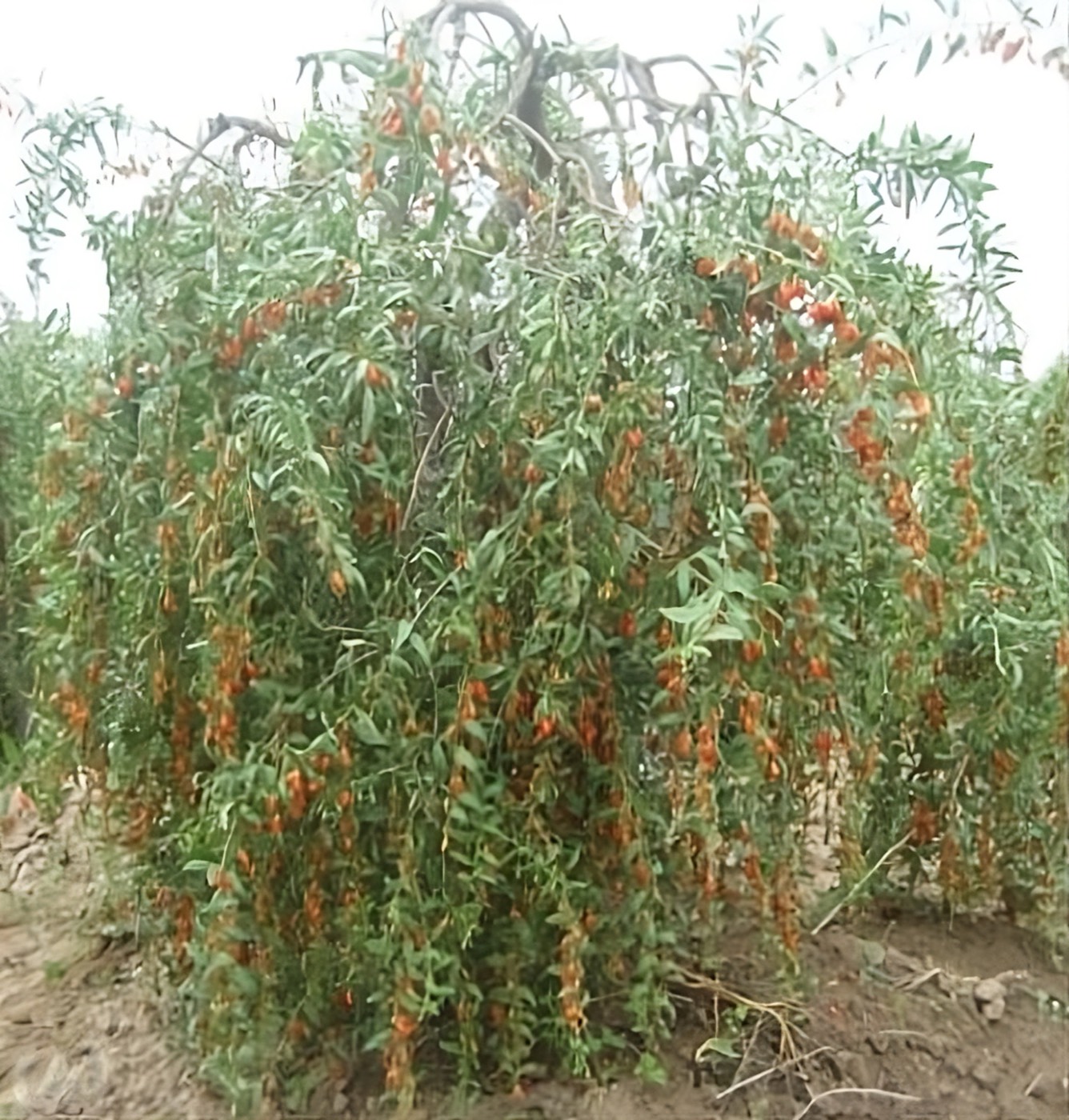 GojiIn this year's order
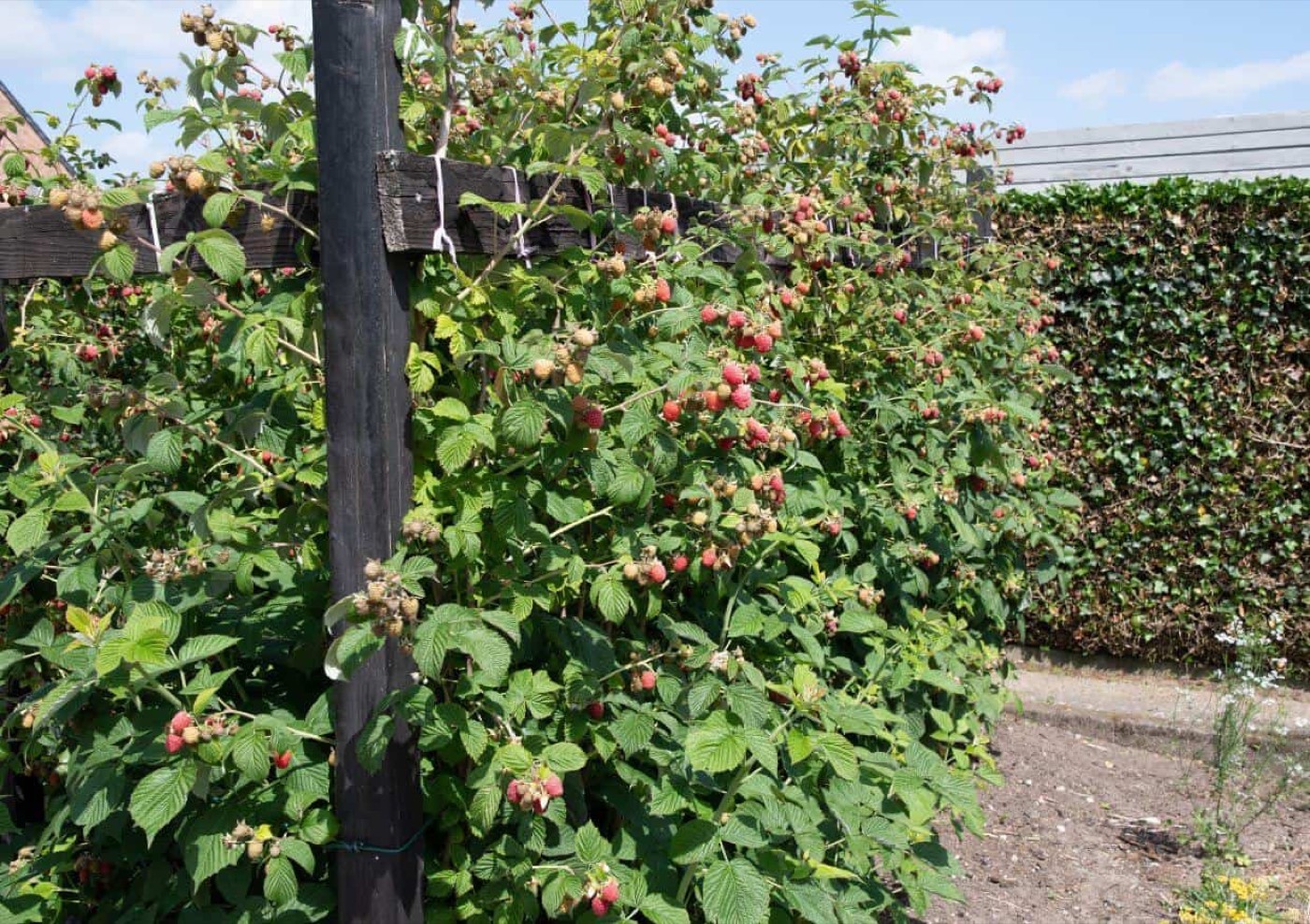 Cane berriesIn this year's order
- Currants & gooseberriesIn this year's order
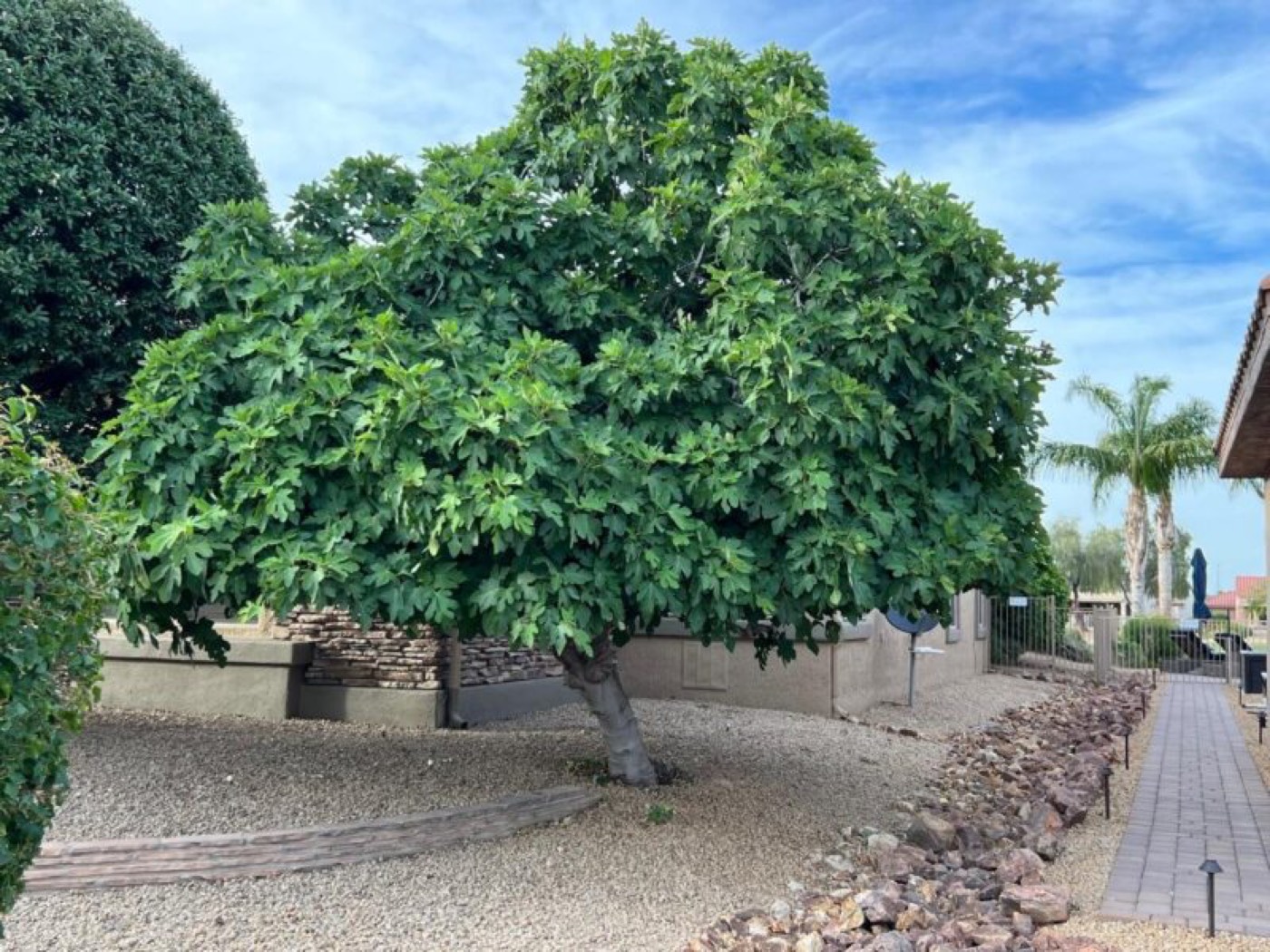 FigsIn this year's order
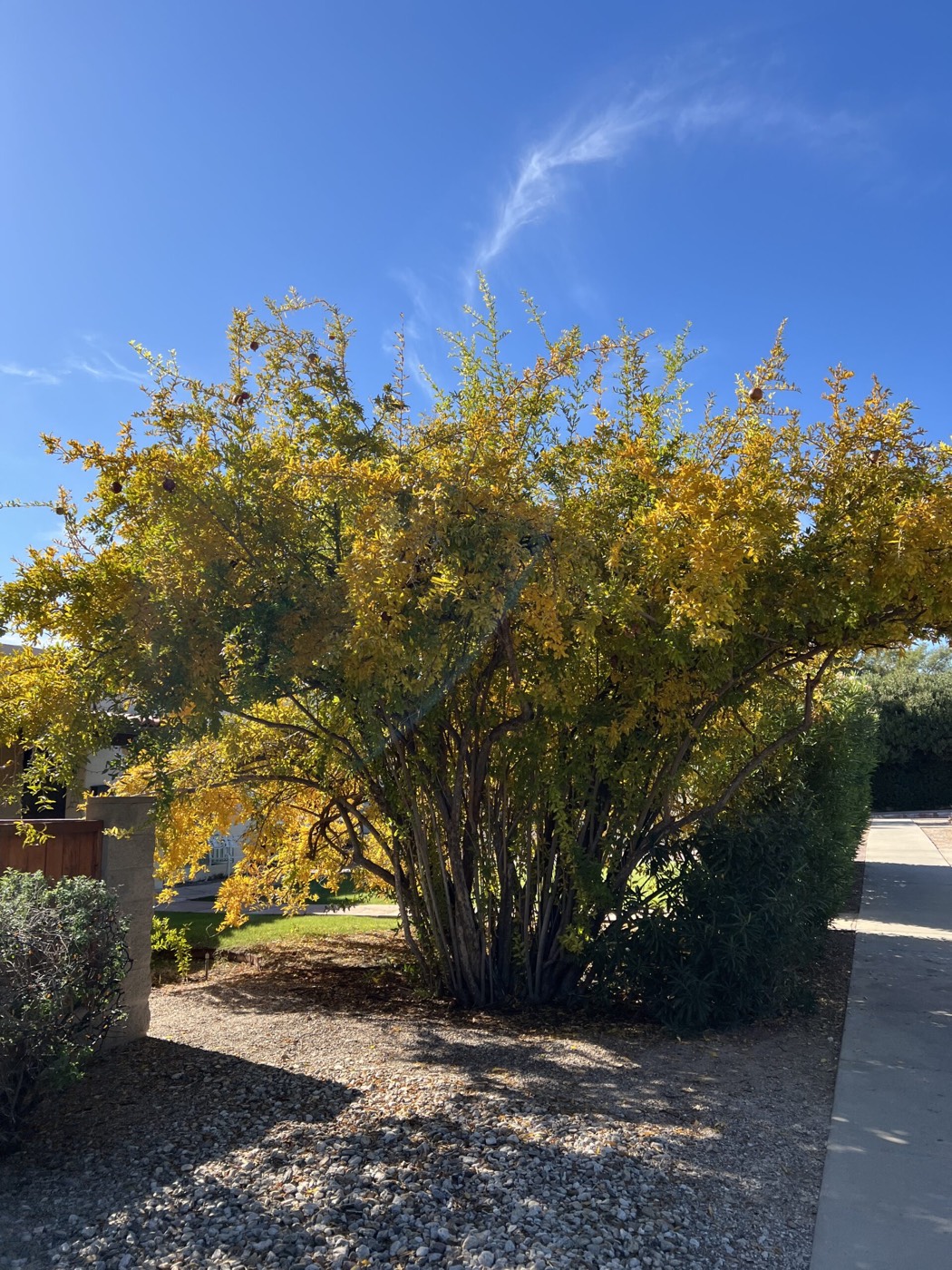 PomegranatesIn this year's order
- Flowering shrubsIn this year's order
Not in this program. From the wider plant catalogue.
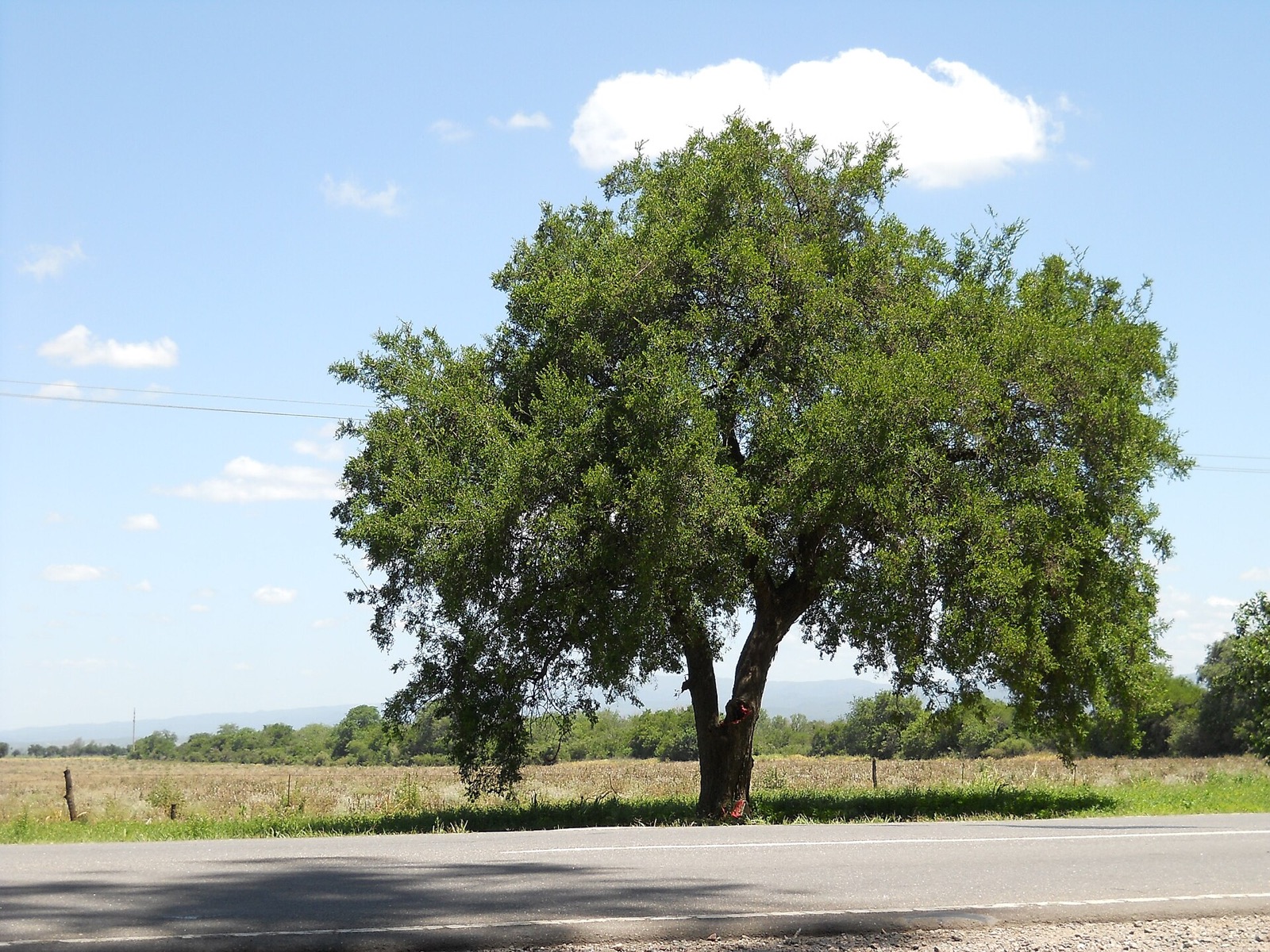 Desert hackberryCeltis pallida
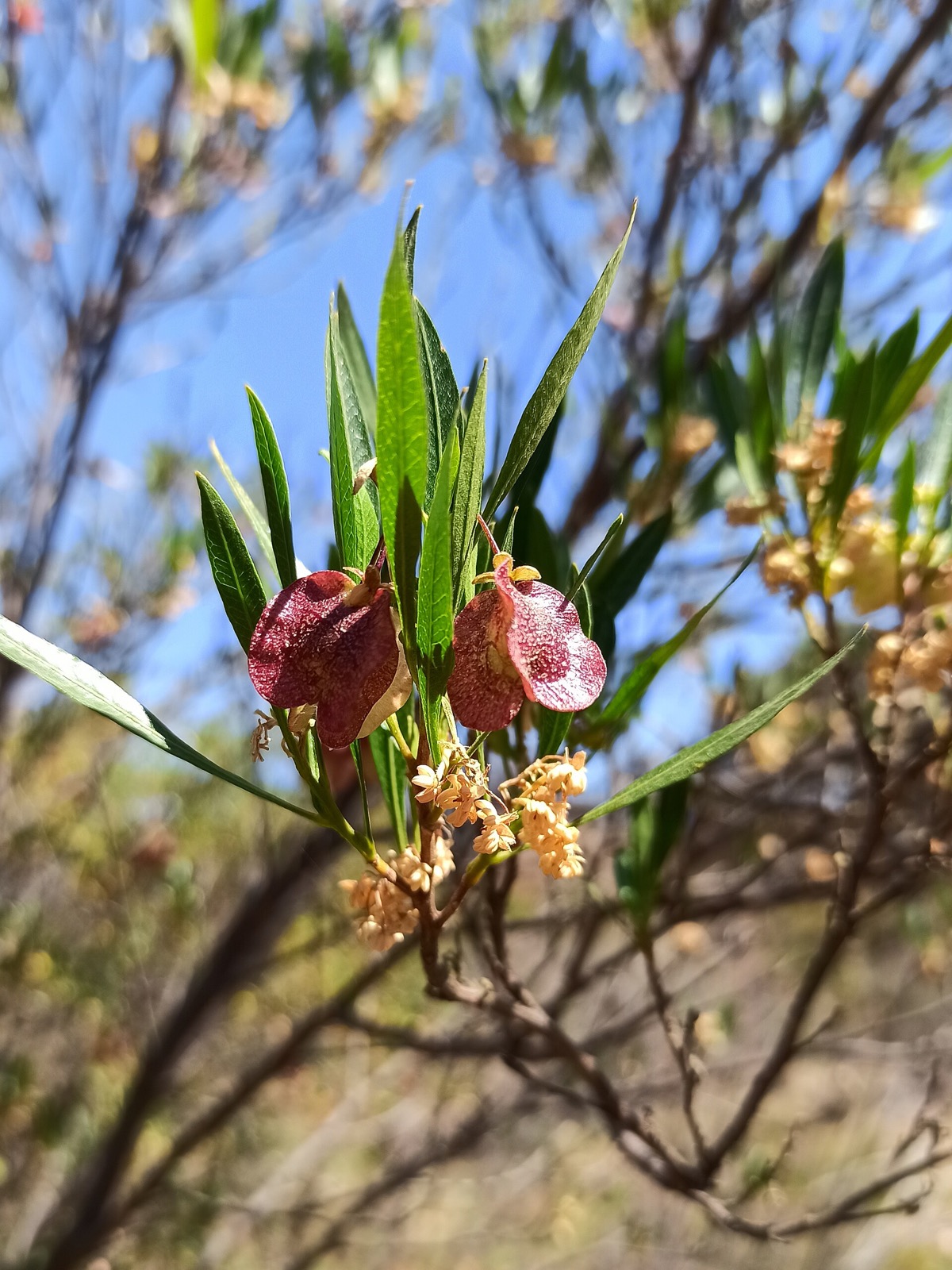 Green hopseed bushDodonaea viscosa
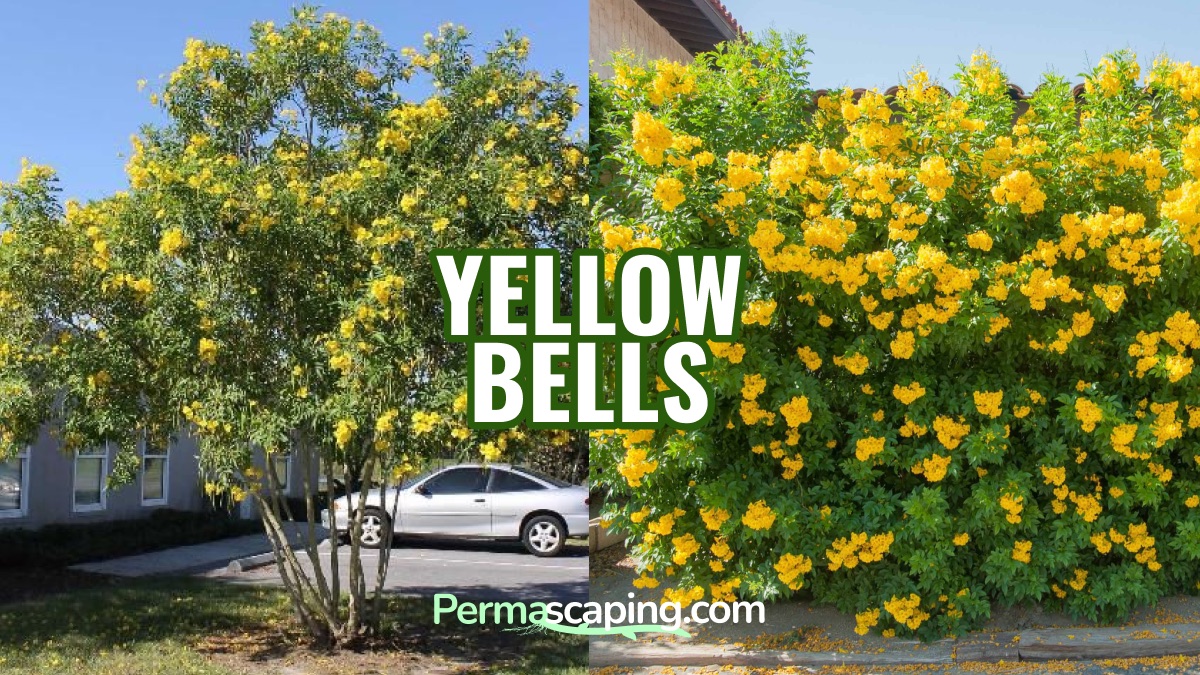 Yellow bellsTecoma stans var. angustata
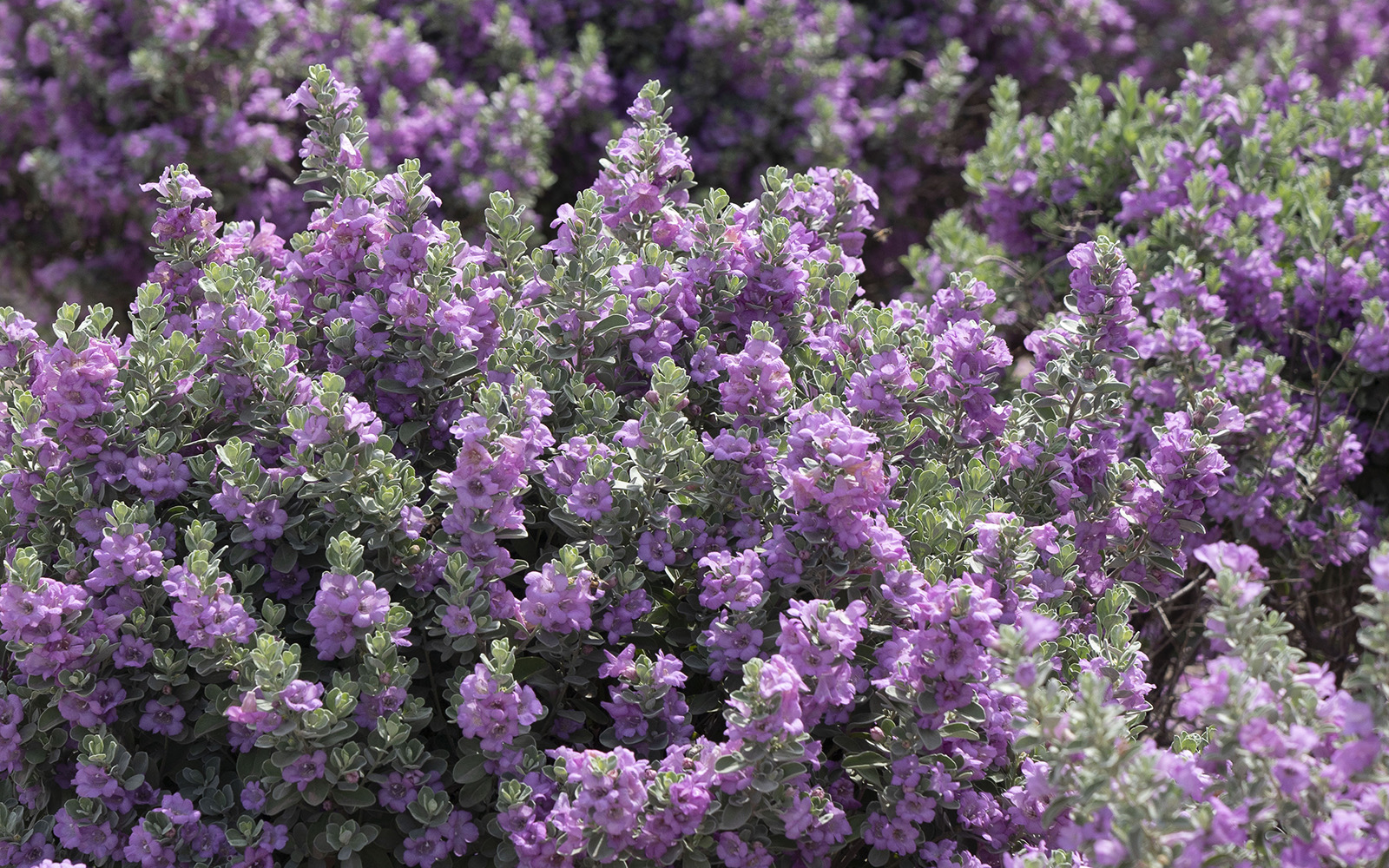 Texas sageLeucophyllum frutescens
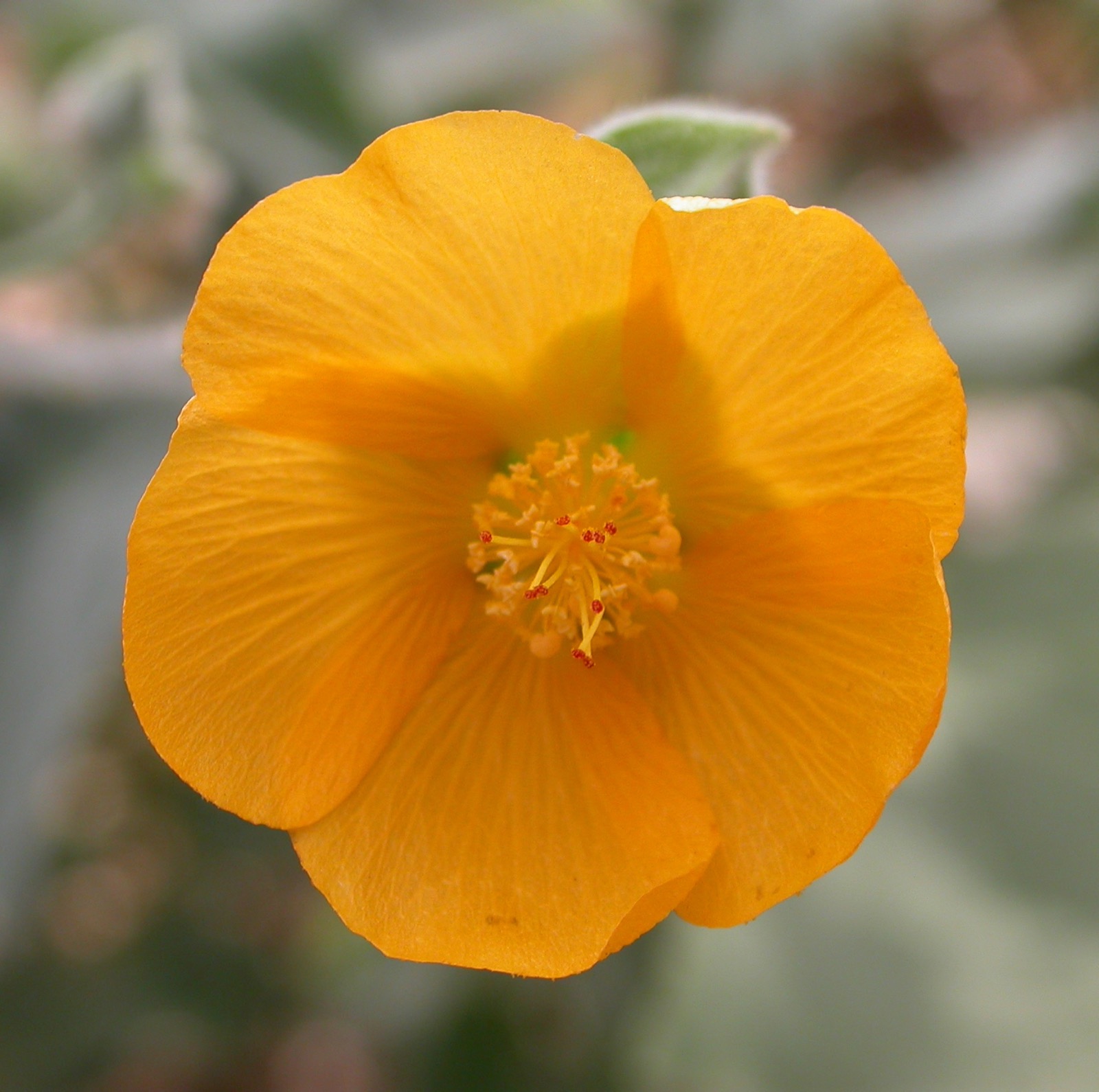 Palmer’s Indian mallowAbutilon palmeri
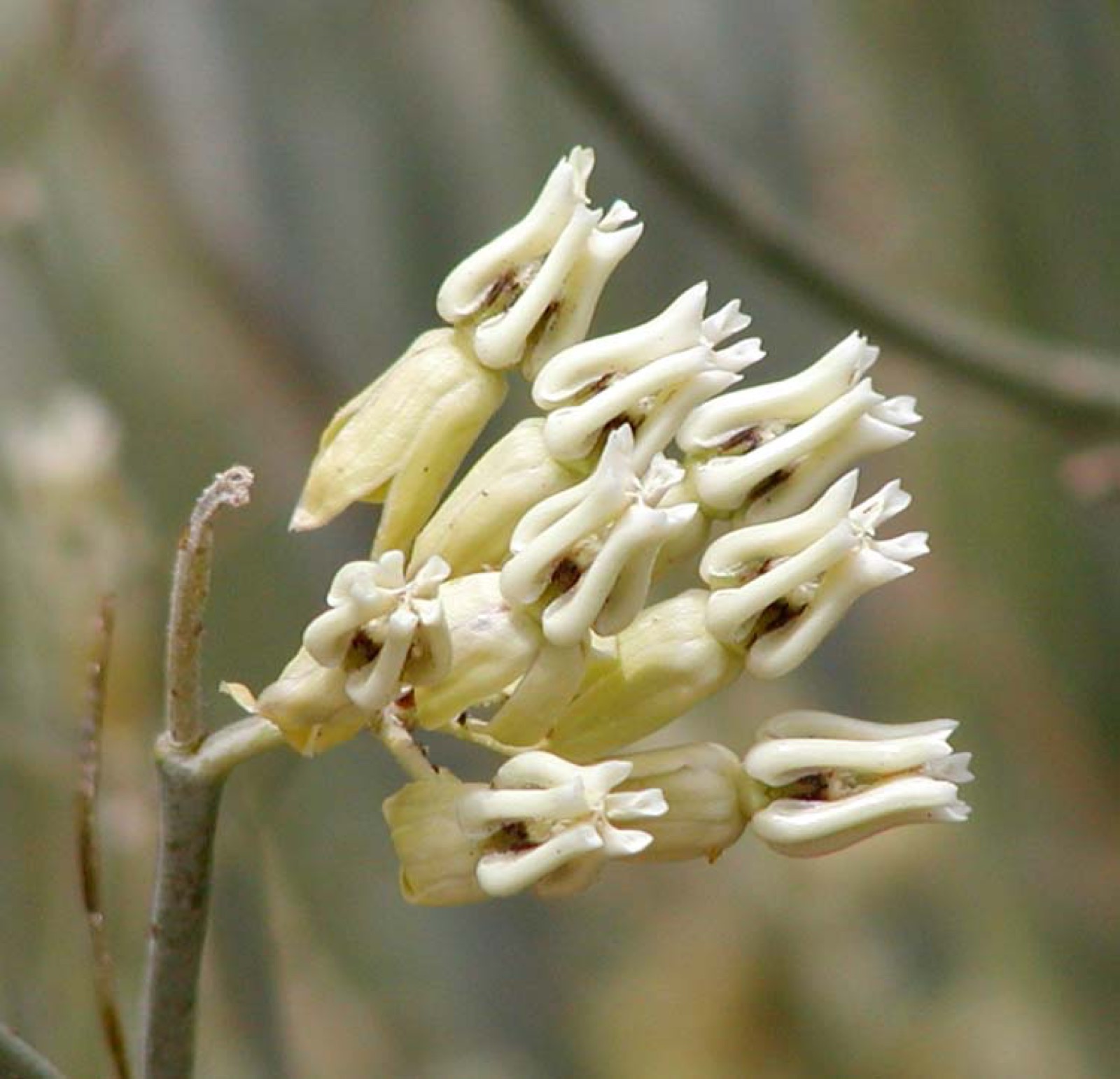 Desert milkweedAsclepias subulata
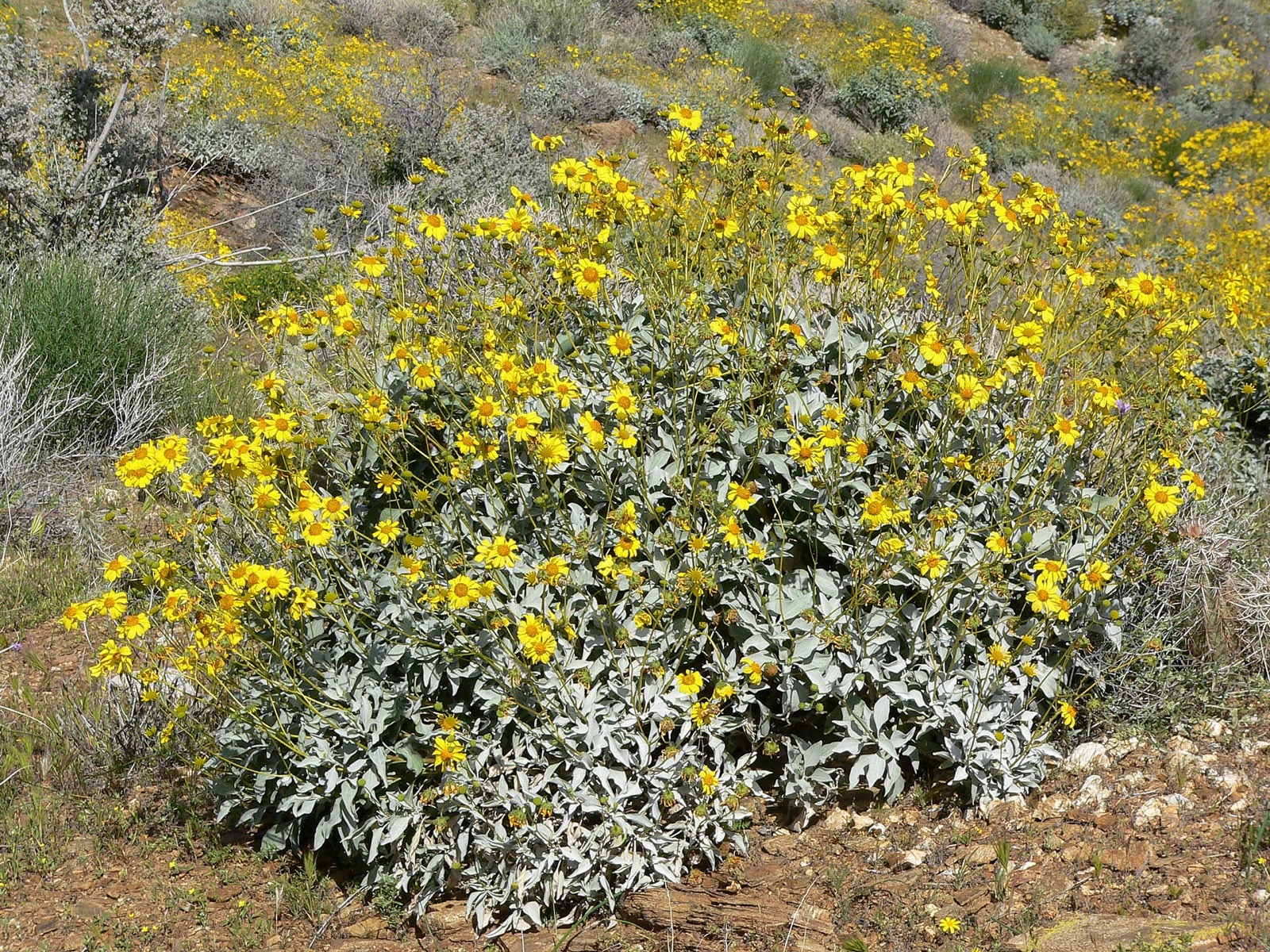 BrittlebushEncelia farinosa
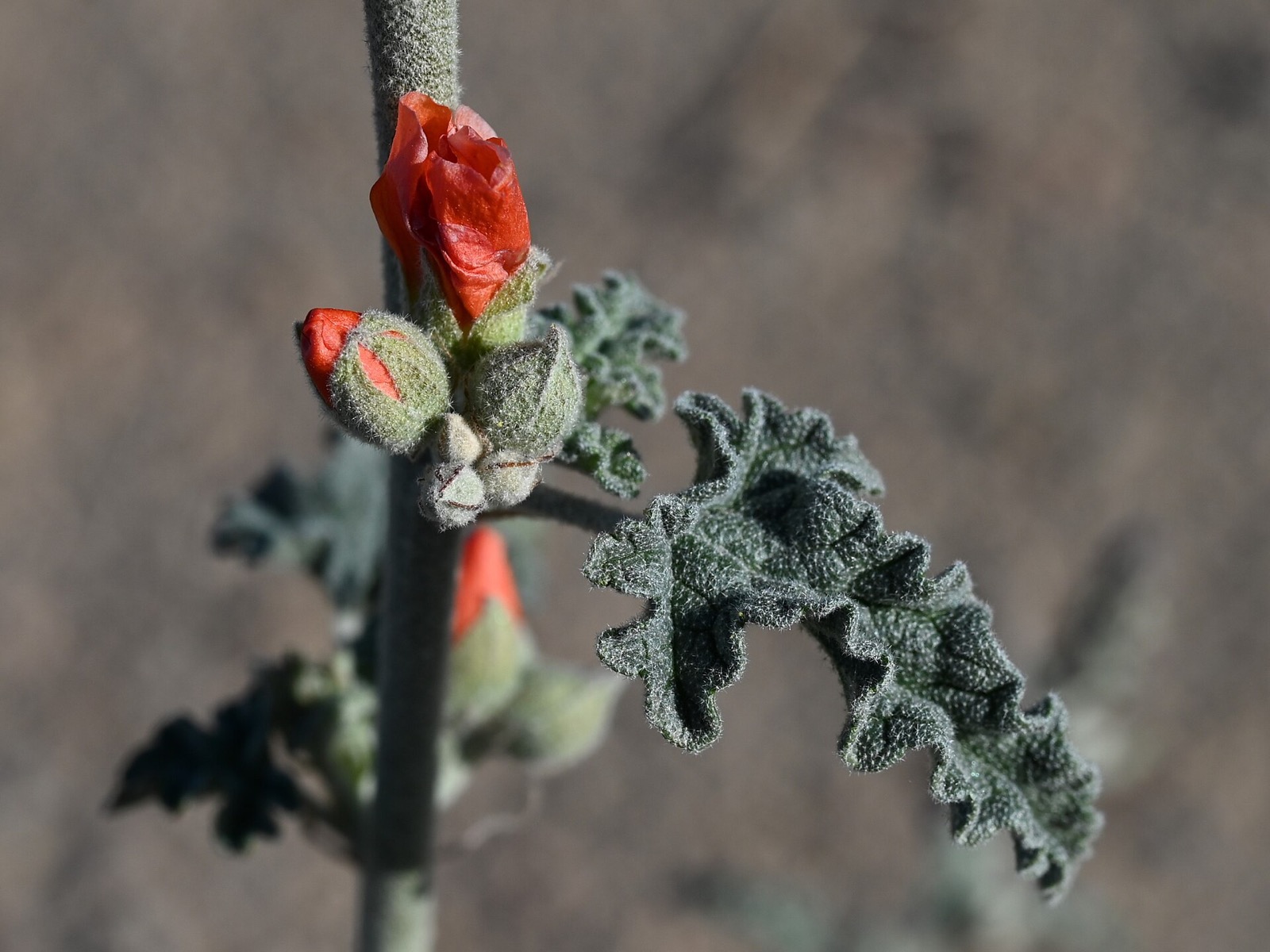 Globe mallowSphaeralcea ambigua
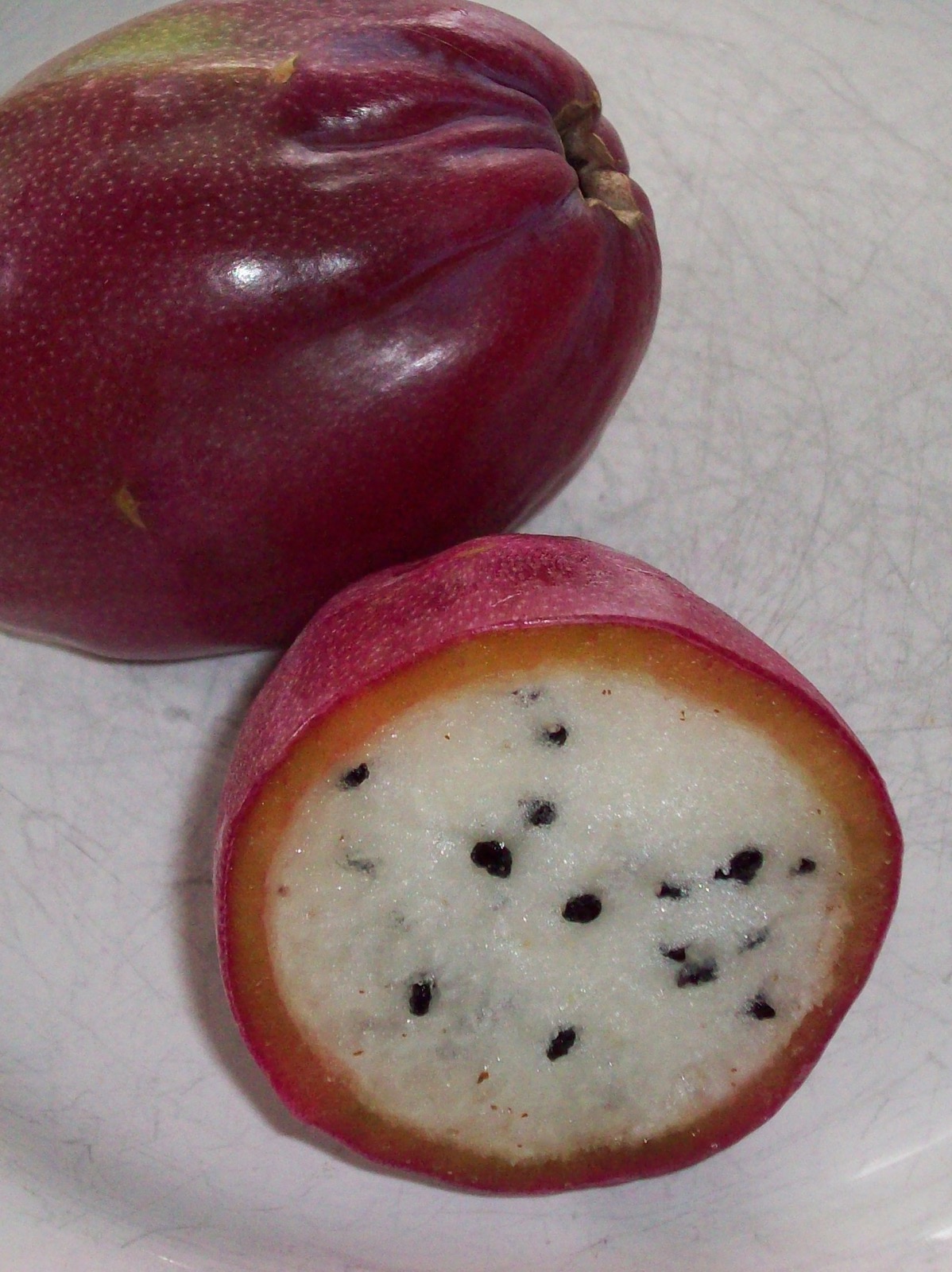 Peruvian apple cactusCereus repandus
 BlackberriesRubus spp. (blackberry cultivars)