
 BetaHome
Currants & gooseberries · Dave Wilson Nursery
Black Velvet Gooseberry
A gooseberry you can eat off the bush: large, sweet, deep purple berries that look like blueberries when fully ripe, on a bush that resists mildew and winter cold. Gooseberries are native to Arizona's mountains and want cool summers, so plant it at mid elevation or in the high country with afternoon shade, and wear gloves for the thorns. Not a low desert plant.
3 varieties
- Chill hours
- 800–1200 hours
- Harvest
- July to August at mid elevation and in the high country
- Pollination
- Self-fruitful
- Mature size
- 3–4 ft tall and wide; easy to hold at 3 ft with winter pruning
How it comes
PottedGrown on in a pot and shipped dormant, roots already established. One size, already a season ahead of a bare-root tree.
USDA zones 4–8. In Arizona, best in the mid elevations and the high country.
Which one
Every currants & gooseberrie side by side
Same fruit, different seasons and different jobs. Pick the row that fits your ground and your calendar.
| A gooseberry you can eat off the bush: large, sweet, deep purple berries that look like blueberries when fully ripe, on a bush that resists mildew and winter cold. Gooseberries are native to Arizona's mountains and want cool summers, so plant it at mid elevation or in the high country with afternoon shade, and wear gloves for the thorns. Not a low desert plant. | A medium red gooseberry with a slightly tangy skin and very sweet flesh, on an upright bush that resists mildew. Of the Ribes here it is the one rated for warmer winters, but summer heat is still the limit, so grow it at mid elevation or in the high country, out of the afternoon sun. Wear gloves, since the stems are thorny. | A tart-sweet red currant that hangs in long loose clusters, very productive and winter hardy, and rated by many as the best red currant. Arizona extension lists it for the state's mid elevations, and Arizona is a low-risk area for pine blister rust. It needs cool summers, so it is a mid elevation and high country plant, with afternoon shade at lower sites. | |
|---|---|---|---|
| Harvest | July to August at mid elevation and in the high country | July to August at mid elevation and in the high country | July at mid elevation; July to August in the high country |
| Chill hours | 800–1200 hours | 600–1000 hours | 800–1200 hours |
| Pollination | Self-fruitful | Self-fruitful | Self-fruitful |
| Mature size | 3–4 ft tall and wide; easy to hold at 3 ft with winter pruning | 3–4 ft tall and wide, upright; easy to hold at 3 ft with pruning | 4–5 ft tall and wide; hold at 4 ft by cutting out old canes |
| From | $15 | $15 | $15 |
Counts are what the nursery is growing right now, across every trunk size.
Where this tree sits
Currants & gooseberries sit in the understory & shrubs layer.
Woody plants at head height and below — figs, pomegranates, currants, berries. They fill the gap between trunk and ground.
Other options in the understory & shrubs layer
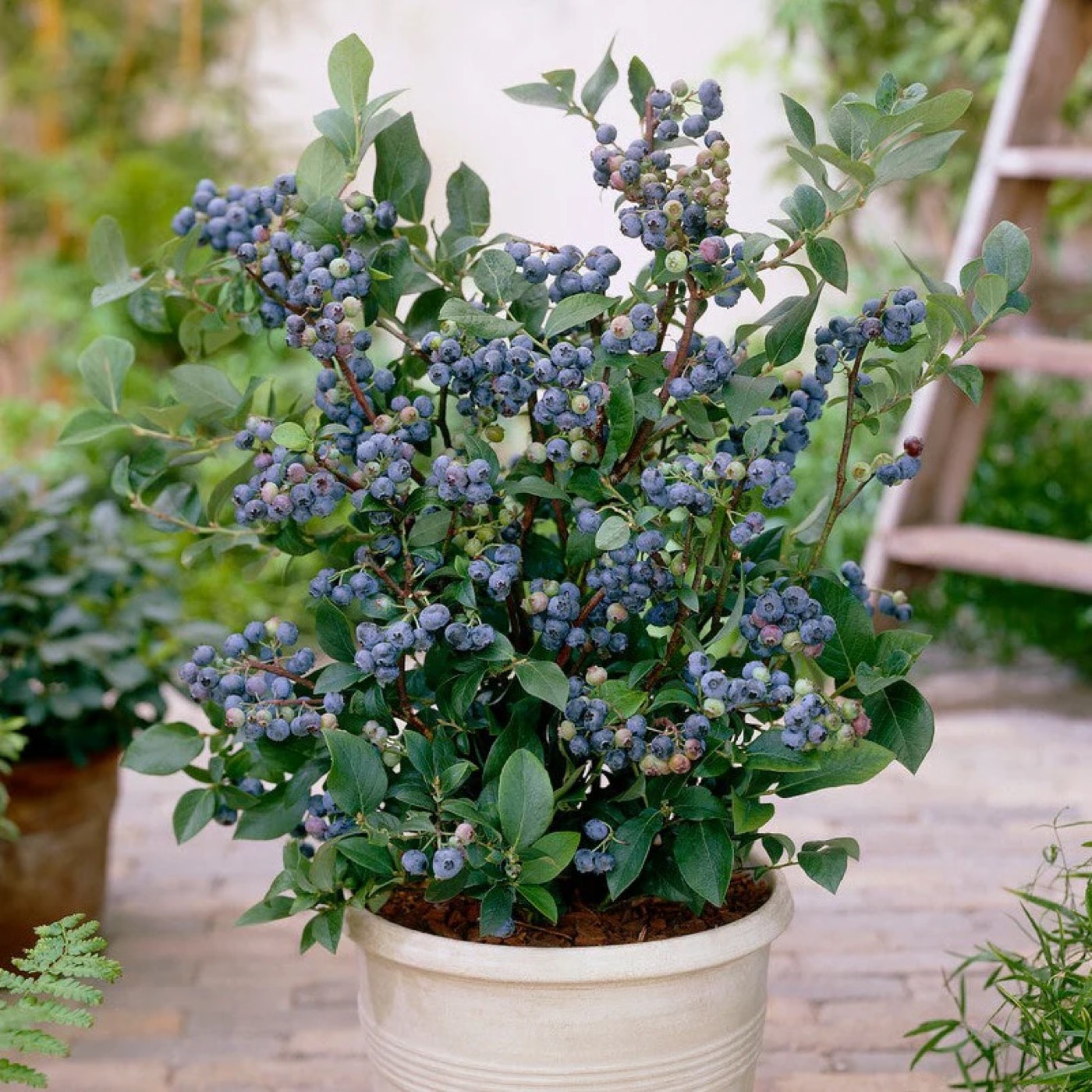 BlueberriesIn this year's order
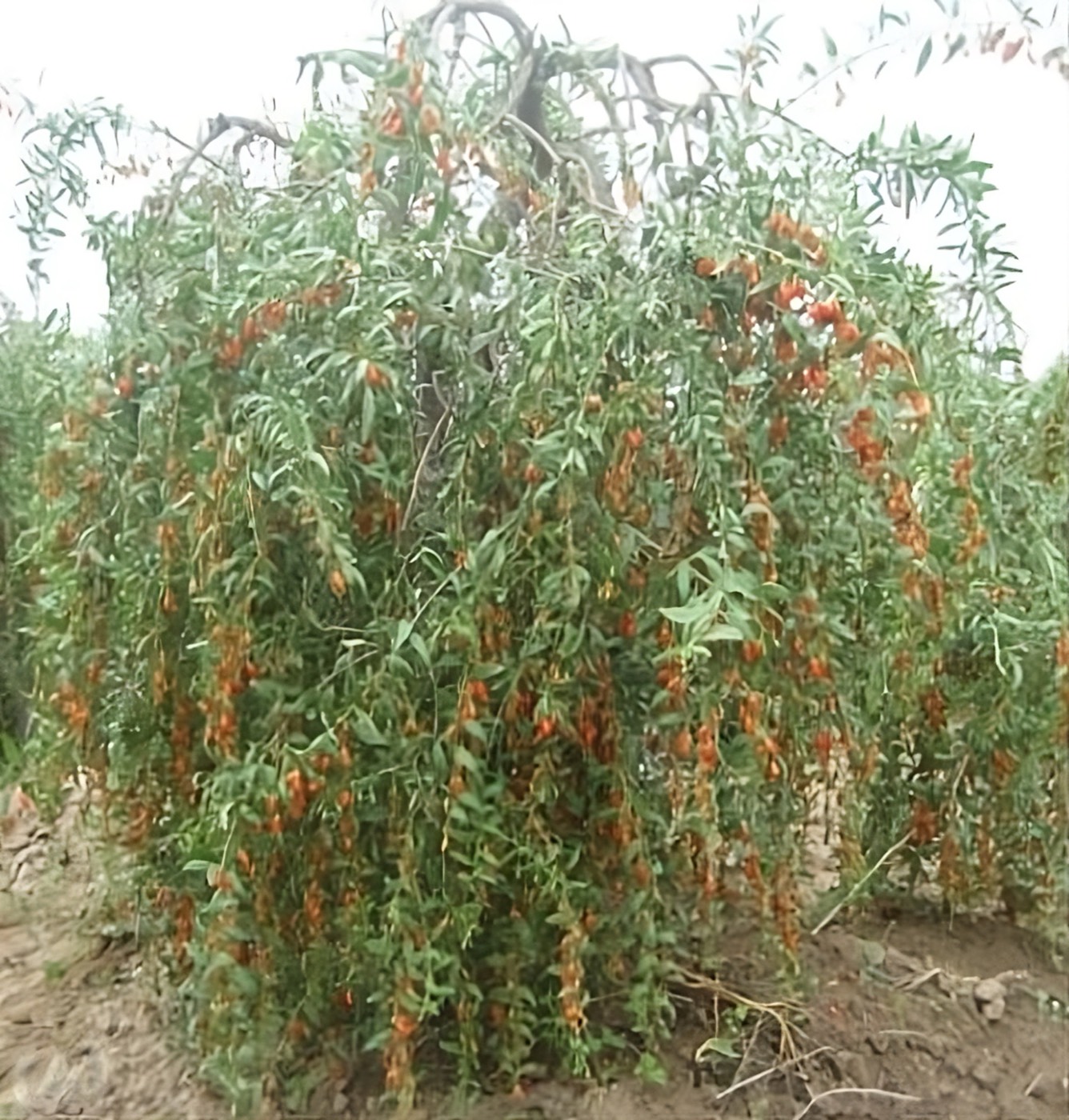 GojiIn this year's order
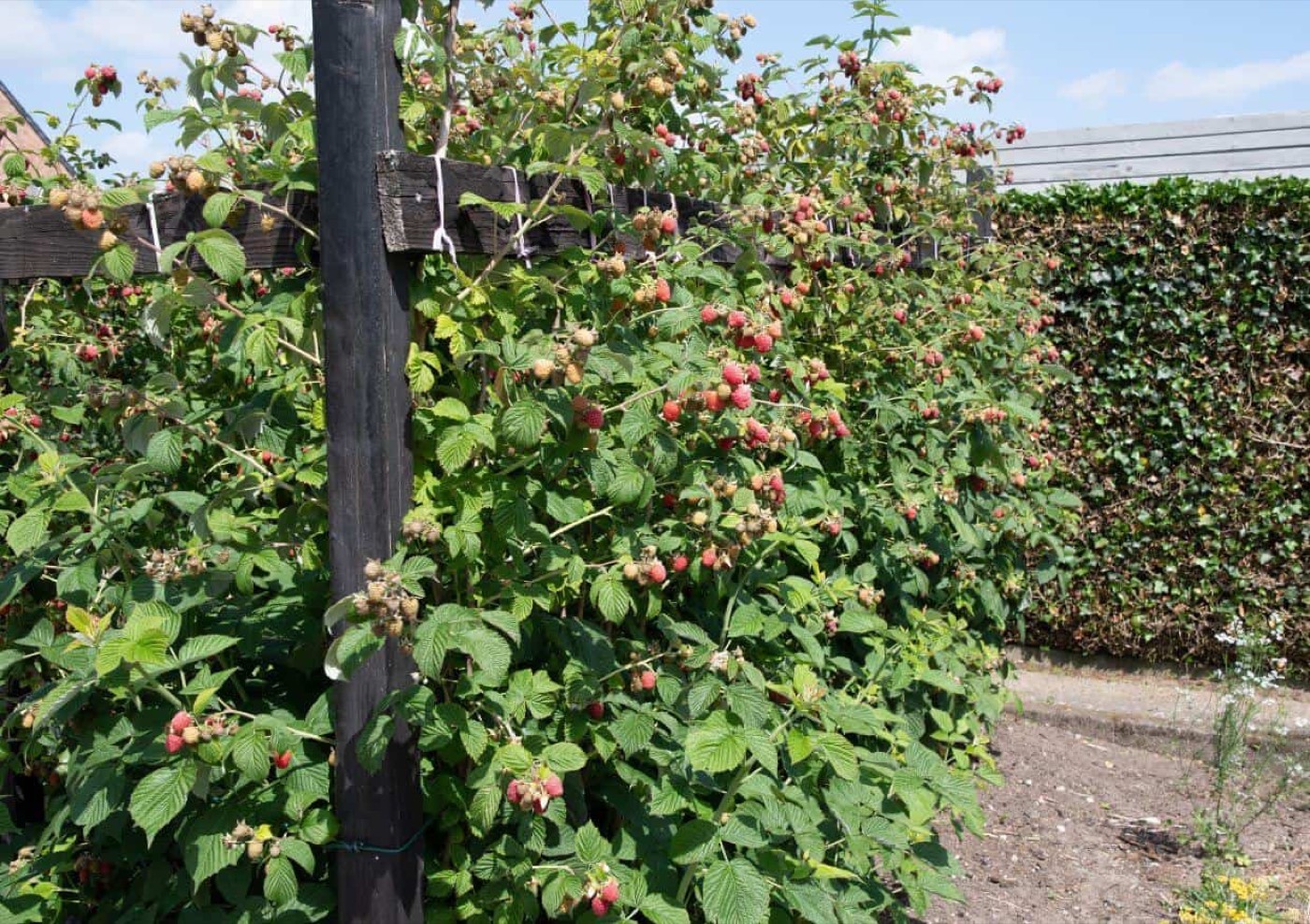 Cane berriesIn this year's order
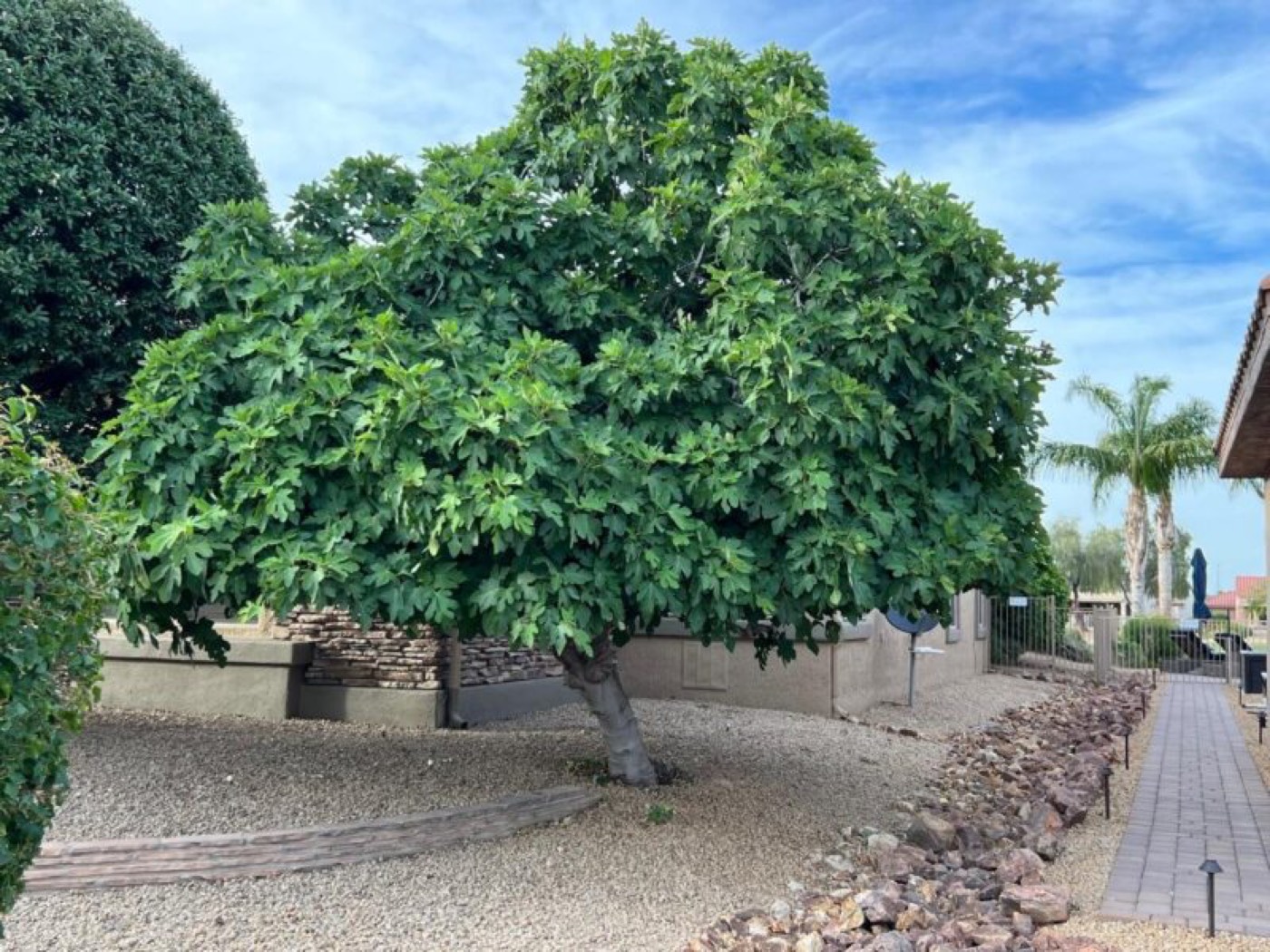 FigsIn this year's order
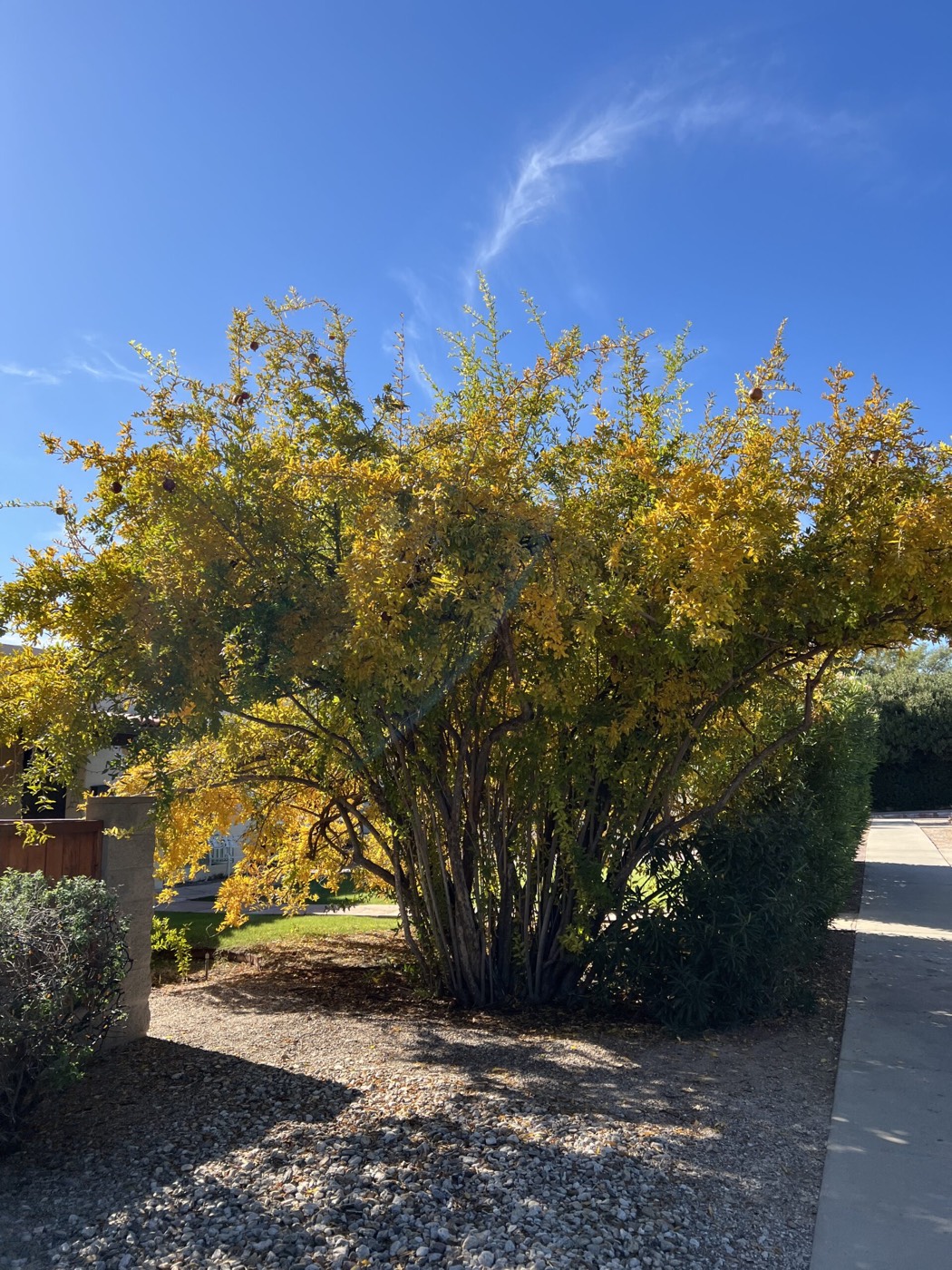 PomegranatesIn this year's order
- Flowering shrubsIn this year's order
Not in this program. From the wider plant catalogue.
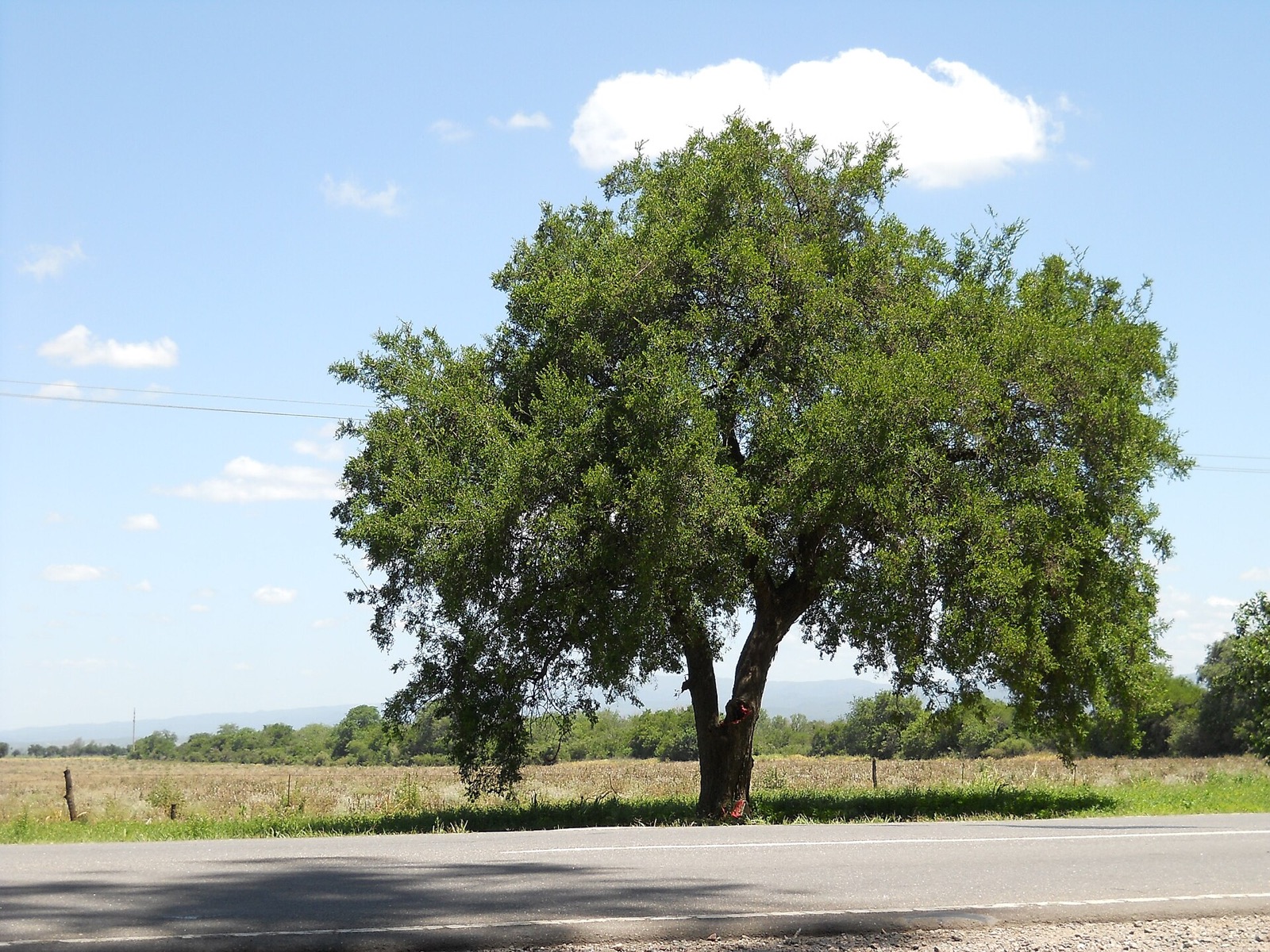 Desert hackberryCeltis pallida
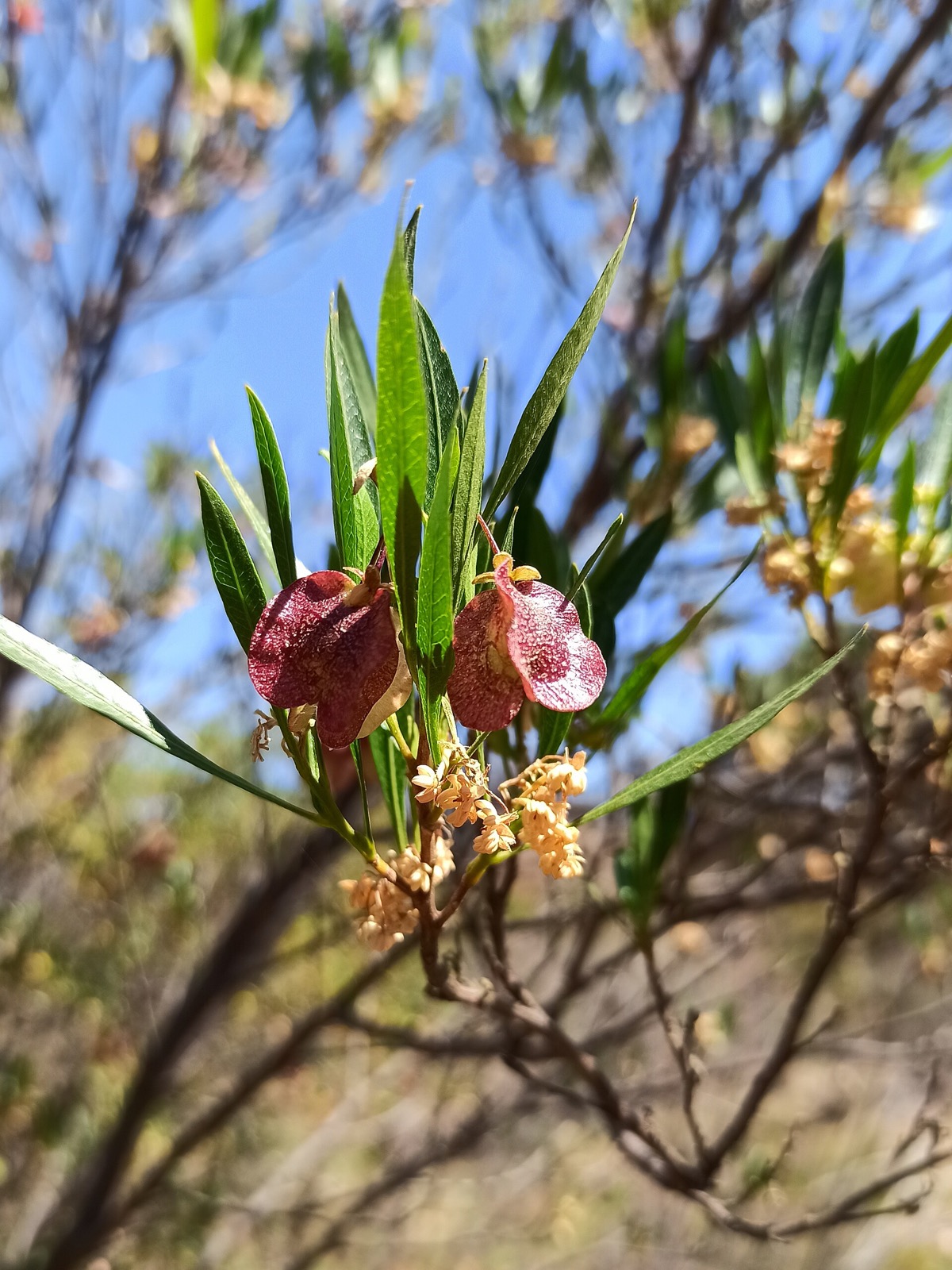 Green hopseed bushDodonaea viscosa
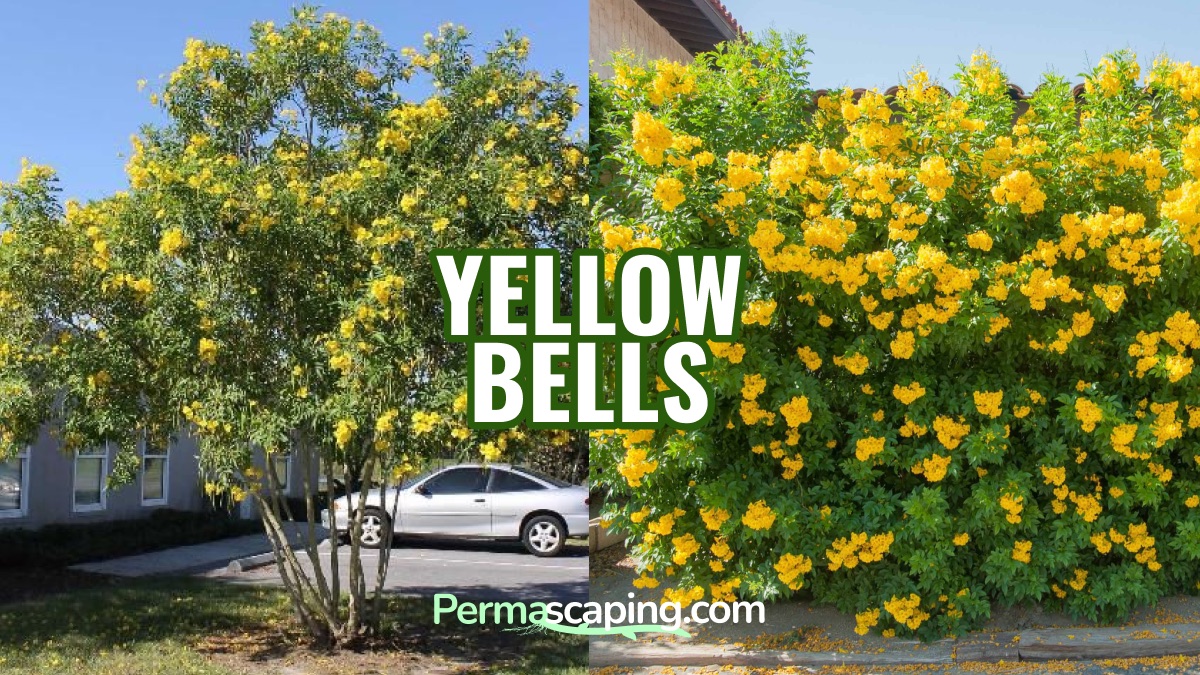 Yellow bellsTecoma stans var. angustata
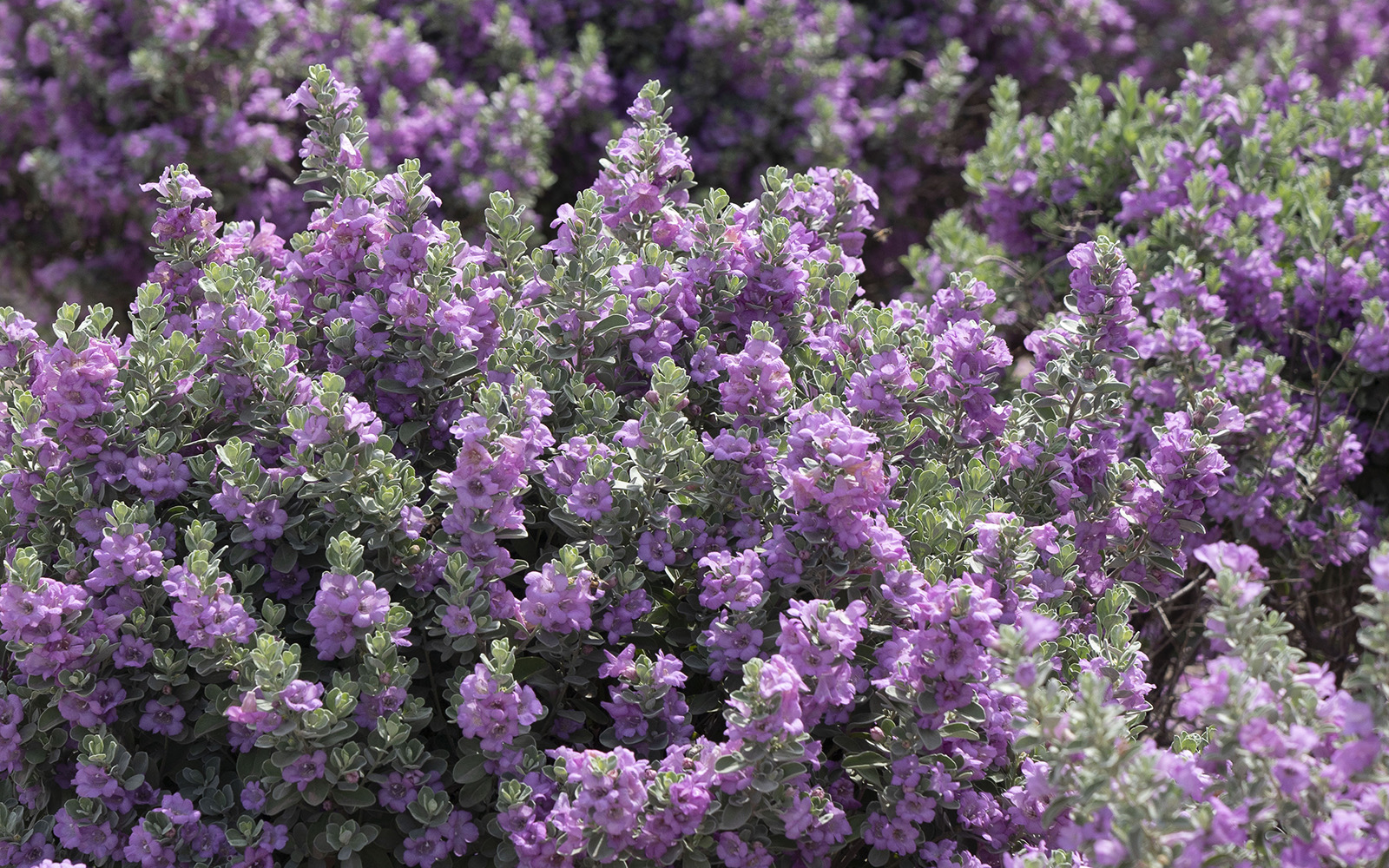 Texas sageLeucophyllum frutescens
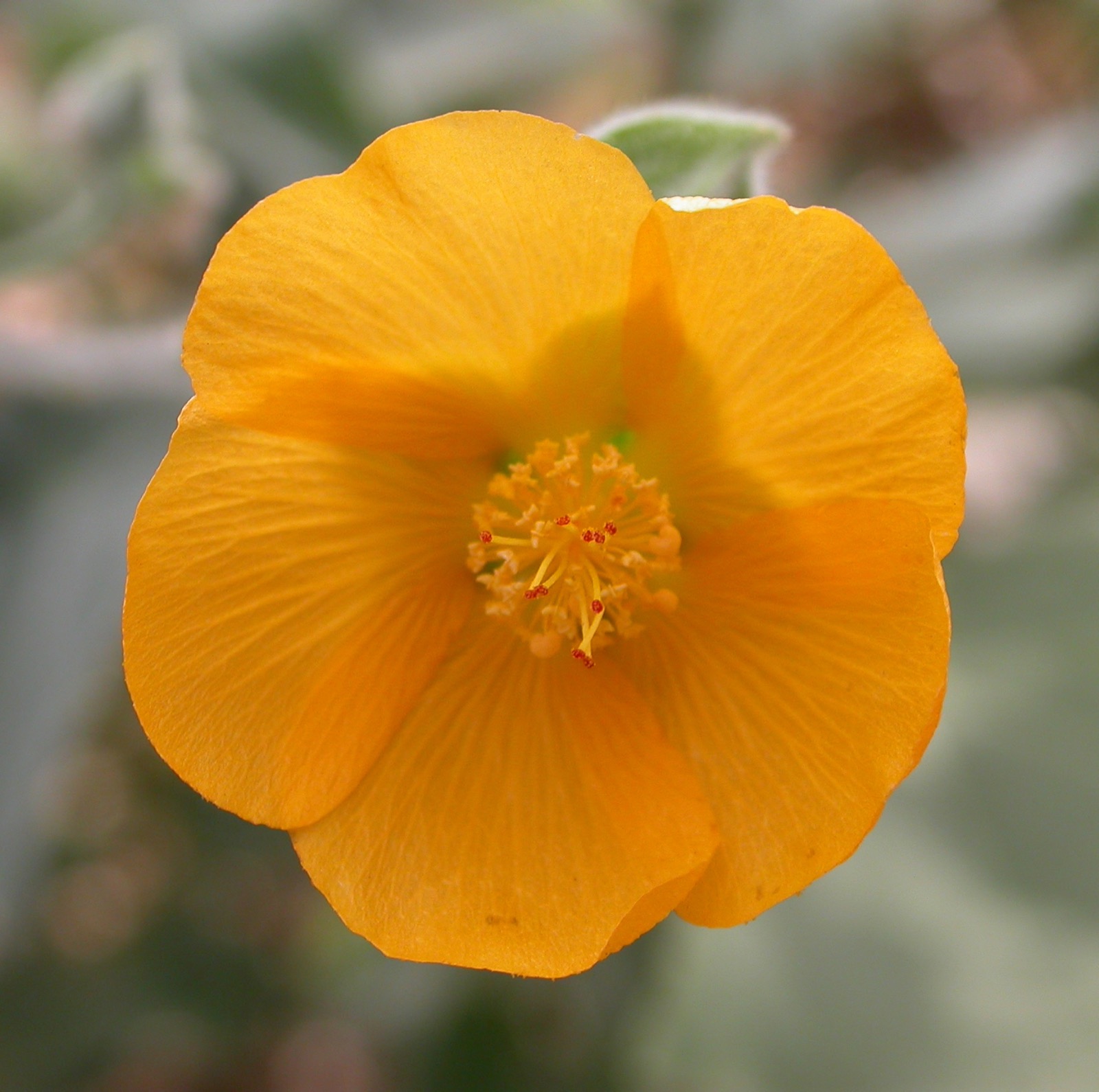 Palmer’s Indian mallowAbutilon palmeri
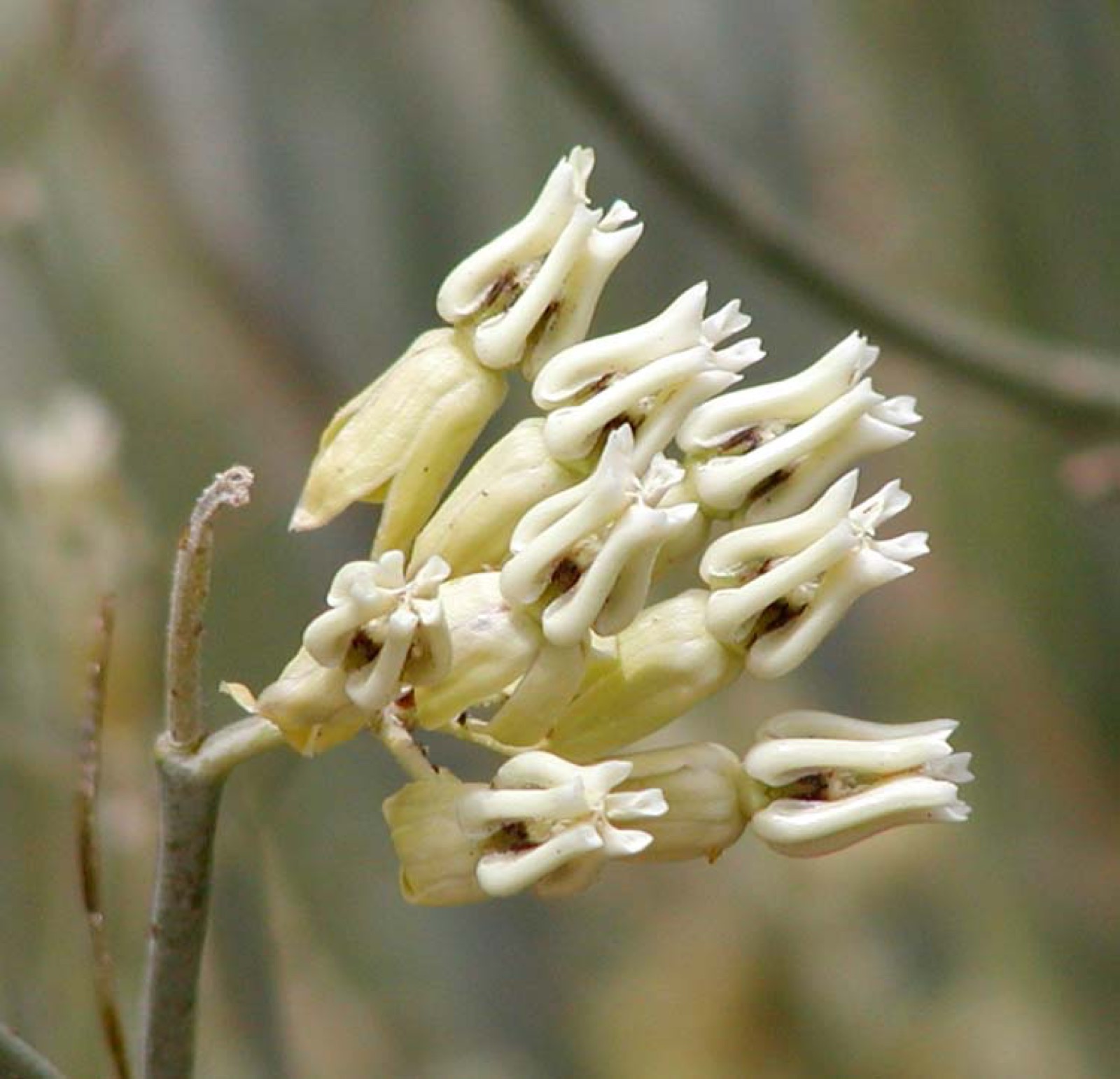 Desert milkweedAsclepias subulata
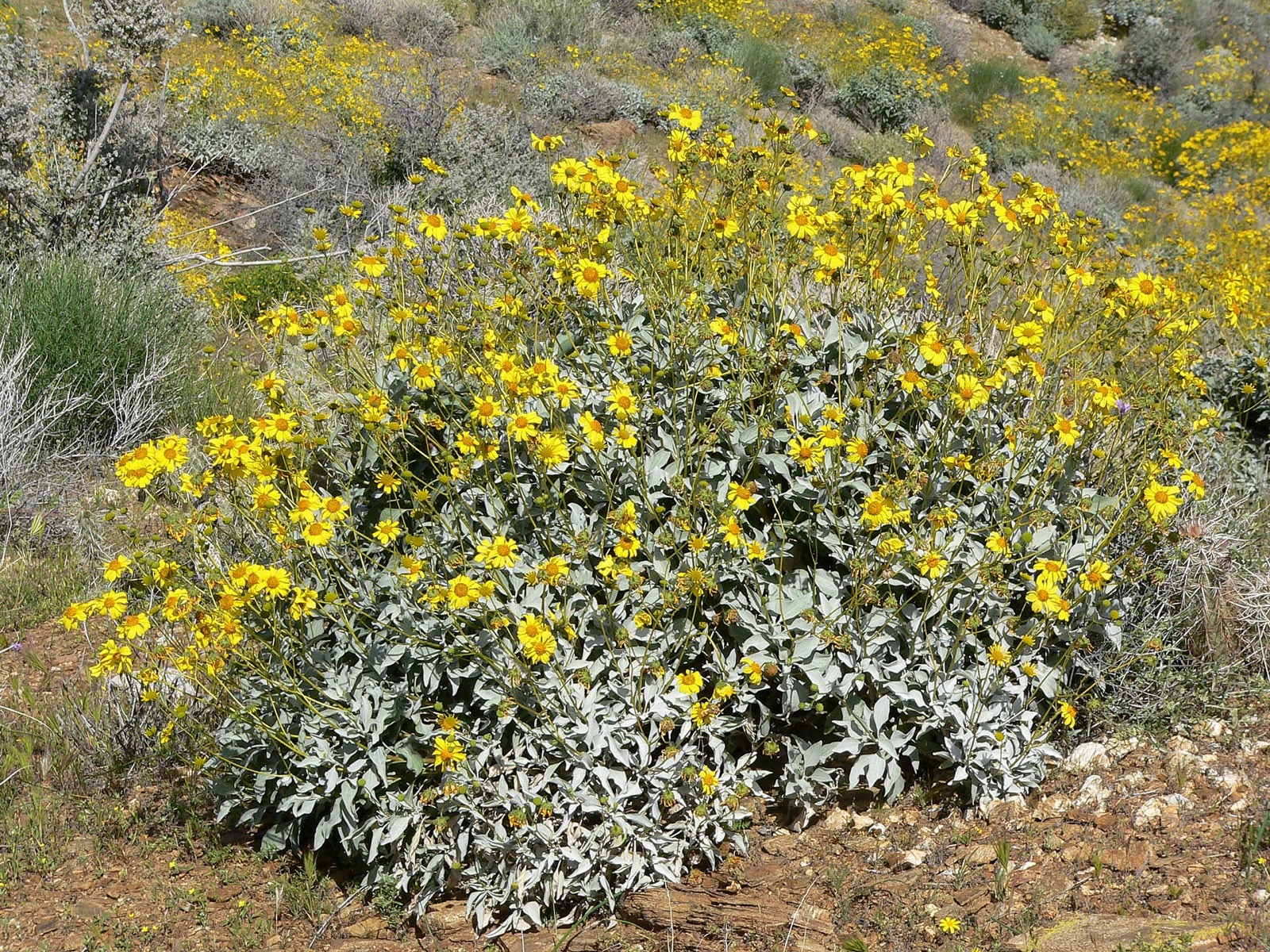 BrittlebushEncelia farinosa
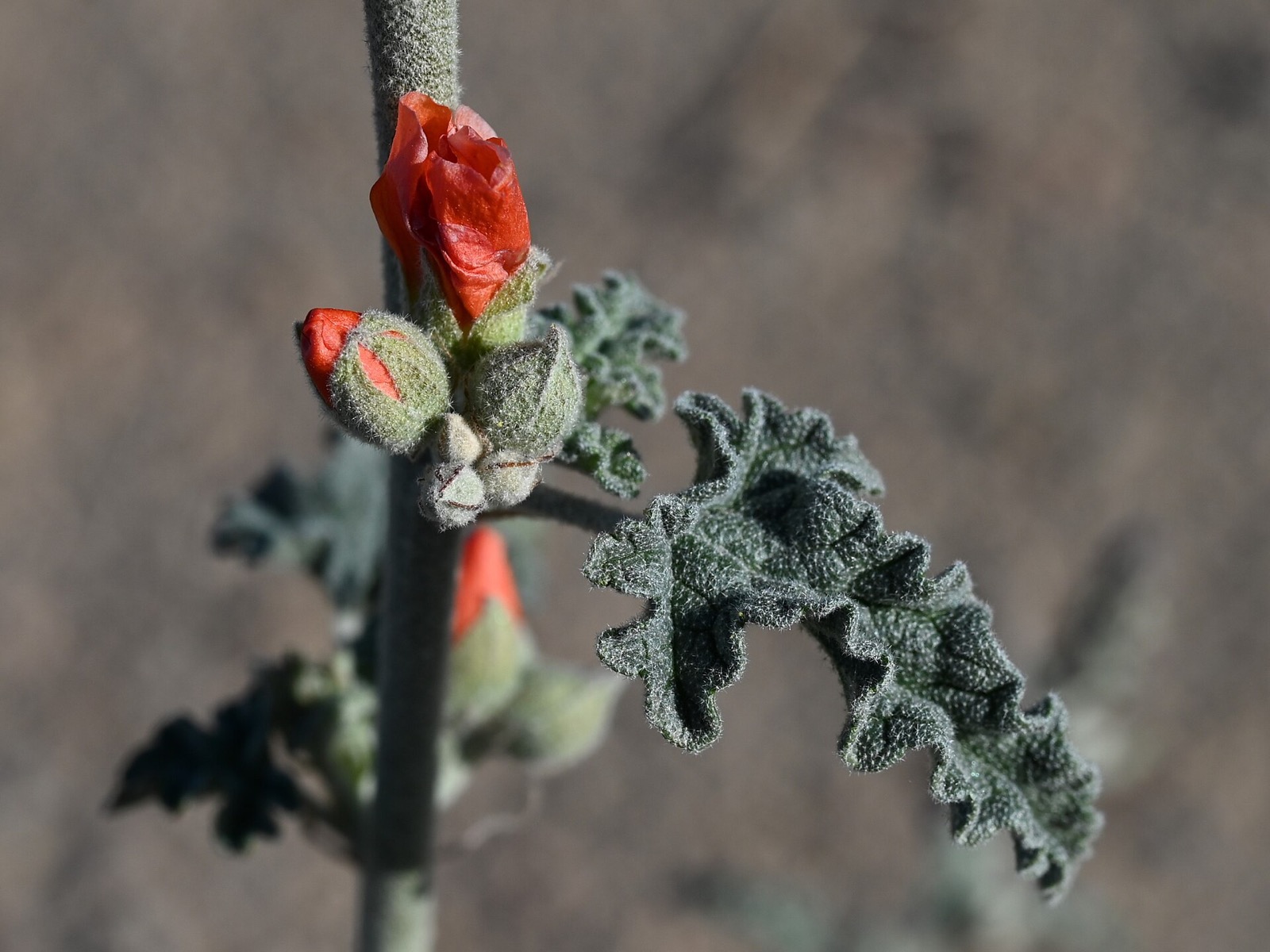 Globe mallowSphaeralcea ambigua
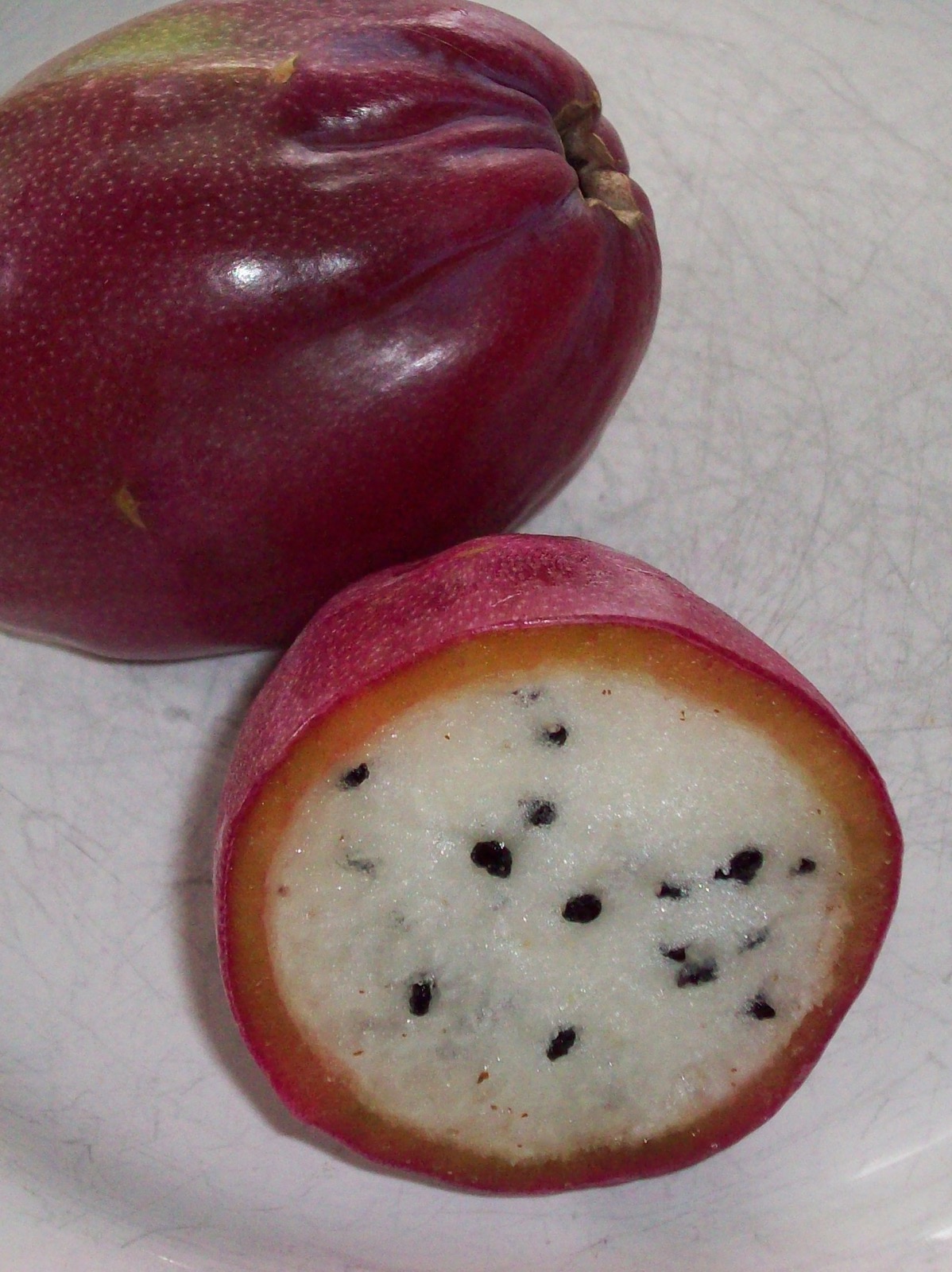 Peruvian apple cactusCereus repandus
 BlackberriesRubus spp. (blackberry cultivars)