
 BetaHome
Multi-grafted · Dave Wilson Nursery
2-in-1 Apple (two of Fuji, Gala, Golden Delicious, Granny Smith)
A Gala, Fuji, Golden Delicious and Granny Smith mix that gives crisp apples from September into November. It suits mid elevation yards, though Granny Smith wants a long warm season and may not finish before frost at the cold edge of the range. Keep the weakest limb facing south or west, and prune the strongest back each summer. This one carries two of the four.
49 varieties
- Chill hours
- 500–700 hours
- Harvest
- September to early November at mid elevation
- Pollination
- All four are self-fruitful, and the limbs also pollinate each other
- Mature size
- About 20 ft unpruned on M-111; easy to hold at 8–10 ft with summer pruning
How it comes
PottedGrown on in a pot and shipped dormant, roots already established. One size, already a season ahead of a bare-root tree.
USDA zones 6–9. In Arizona, best in the mid elevations.
Which one
Every multi-grafted side by side
Same fruit, different seasons and different jobs. Pick the row that fits your ground and your calendar.
| A Gala, Fuji, Golden Delicious and Granny Smith mix that gives crisp apples from September into November. It suits mid elevation yards, though Granny Smith wants a long warm season and may not finish before frost at the cold edge of the range. Keep the weakest limb facing south or west, and prune the strongest back each summer. This one carries two of the four. | A classic Gala, Fuji, Golden Delicious and Red Delicious mix, ripening from late summer into October. It belongs at mid elevation, where winter chill is generous, and the varieties share pollen freely. Cut back whichever limb races ahead, and put the weakest one on the south or west side so it gets the most sun. This one carries two of the four. | Crisp, sweet apples in a Fuji, Gala, Mutsu and Jonagold mix, with Gala ripening first in early fall and the rest following into October. It fits mid elevation yards like Prescott, Payson and Sierra Vista, where winters give plenty of chill. Mutsu and Jonagold lean on Fuji or Gala for pollen, and the strongest limb takes over unless you cut it back each summer. This one carries two of the four. | Early apricots from a mix of Katy, Flavor Delight (an apricot-plum cross), Blenheim, Tomcot and Royal Rosa. Most need 400 or fewer chill hours, so it suits the low desert, with fruit in May before the worst heat. Blooms open early, so throw frost cloth over the tree on cold nights. This one carries two of the five. | Crisp, juicy pears that eat like an apple, with Hosui the favorite for flavor. The low chill means it works in the low desert and at mid elevation, though early blooms can be nipped by frost at higher sites. Thin to one pear per cluster, and watch for fire blight in warm, damp springs. This one carries two of the four. | Sweet, dark cherries from a Black Tartarian, Bing, Lapins and Van mix, ripening over a few weeks for a long harvest. Cherries want cold winters, so this is a mid elevation tree, and a late frost during bloom will take the crop in some years. Lapins sets fruit alone and is the steadiest limb; net the tree against birds. This one carries two of the four. | Yellow-blush Rainier, dark Bing and Van and early-setting Lapins make a long cherry season from a single hole. It belongs at mid elevation, where winters give the chill, but a late frost during bloom costs the crop in some years. Rainier bruises easily and attracts birds, so net the tree. This one carries two of the four. | Rainier, Bing, Utah Giant and Van make a long season of sweet cherries from one tree. Utah Giant needs about 800 chill hours, so this mix sits at the colder end of mid elevation, in places like Prescott and Payson. A late frost during bloom costs the crop in some years, and the strongest limb takes over unless you prune it back. This one carries two of the four. | Sprite is sweet and freestone, Delight is tangy and clingstone, and each pollinates the other, so a single tree sets fruit alone. At about 400 chill hours it sits at the edge in Phoenix but is comfortable at mid elevation. The fruit hangs on for weeks, which stretches the harvest. | Peach, nectarine, apricot and plum varieties picked for cold winters, sharing one trunk. They need 700 to 1,000 chill hours, so it belongs at mid elevation in places like Prescott, Payson and Sierra Vista, not in Phoenix. Harcot apricot blooms later than most, which helps in frosty springs, and the strongest limb should be pruned back each summer. This one carries two of the five. | Classic cold-climate freestone peaches sharing one trunk, ripening from July into August. They need 700 to 900 chill hours, so this belongs at mid elevation in places like Prescott, Payson and Sierra Vista, not in Phoenix. A late frost can still take the blossom, and the strongest limb takes over unless you prune it back. This one carries two of the five. | Peaches chosen to shrug off leaf curl, the fungus that puckers new growth in cool, wet springs, which is a real issue around Prescott and Payson. They need 600 to 800 chill hours, so this is a mid elevation tree. Prune the strongest limb back each summer, and keep the weakest facing south or west. This one carries two of the four. | Pears chosen for resisting fire blight, the bacterial disease that blackens shoots in warm, damp springs. They need 200 to 800 chill hours, so this fits mid elevation, and Kieffer is the easy-going limb that copes with the least cold. Pick pears hard and let them ripen indoors. This one carries two of the four. | Peach, nectarine, plum and apricot varieties sharing one trunk, ripening from late June into August. It suits mid elevation yards with 400 to 700 chill hours, and Independence nectarine is the one asking for the most. The apricot and peach bloom early, so a late frost can cost a year, and the strongest limb takes over unless pruned back. This one carries two of the five. | Peach, nectarine, plum and apricot varieties sharing one trunk, ripening from June into August. At 250 to 500 chill hours it is a stretch in Phoenix, since July Elberta and Fantasia ask for the most, but it works in cooler low-desert pockets and at mid elevation. Nemaguard roots resist the root-knot nematodes common in desert soil. This one carries two of the five. | Japanese plums ripening from June through September, a few weeks earlier in the low desert. They need 250 to 500 chill hours, so it works at mid elevation and in cooler low-desert spots, though Nubiana and Elephant Heart are borderline in Phoenix. Prune the strongest limb back each summer. This one carries two of the five. | Anna, Fuji, Dorsett Golden and Gordon give sweet apples from June into the fall in the low desert. Fuji and Gordon want about 400 chill hours, so they crop best in the cooler parts of the valley. Thin hard, and keep the weakest limb facing south or west so the stronger ones do not shade it out. This one carries two of the four. | Peaches ripening from late April through June, ahead of the worst heat in Phoenix, Yuma and lower Tucson. They need only 100 to 250 chill hours, and Mid-Pride is a favorite yellow freestone for Phoenix. Thin the fruit early and often, and put the weakest limb on the south or west side so it is not shaded out. This one carries two of the five. | A genetic dwarf nectarine and peach on one small tree, about 5 to 6 feet tall and happy in a big pot or a tight yard. Both need 400 chill hours or less, so it does well across the low desert, with fruit in late May and June. Thin the fruit hard, because a dwarf will overbear and snap. | A genetic dwarf nectarine and peach on one small tree, about 5 to 6 feet tall and well suited to patios and containers. Both need 400 chill hours or less, so it does well across the low desert, ripening in late May and June. Thin the fruit hard, because a dwarf will overbear and snap. | A mix of white Strawberry Free and Babcock with yellow Gold Dust, July Elberta and Scarlet Robe, spreading ripening from late June into August. Most need 400 to 550 chill hours and Babcock wants a milder winter, so it suits the warmer side of mid elevation (Sedona, Willcox, Sierra Vista) better than Phoenix. Late frost can catch early blooms, and a winter copper spray helps against leaf curl. This one carries two of the five. | Comice, D'Anjou, Bartlett and Bosc, the four classic European pears, share the trunk. They need 500 to 800 chill hours and belong at mid elevation. Pick pears hard and let them soften indoors, and watch for fire blight in warm, damp springs. Prune back the strongest limb so one variety does not shade the rest. This one carries two of the four. | White-fleshed peaches and nectarines sharing one trunk, sweet and low in acid, ripening from mid July into August. Most need 600 to 800 chill hours, with Babcock at only 250, and Babcock wants a milder winter, so it fits the warmer side of mid elevation. Early blooms can be nipped by a late frost, so keep cloth handy, and prune the strongest limb back each summer. This one carries two of the five. | A run of warm-winter peaches that ripen from May into summer in the low desert, with May Pride and Eva's Pride first and August Pride last. Most need only 100 to 300 chill hours, but June Pride wants about 500 and may set lightly in Phoenix, so thin early and prune the strongest limb back. This one carries two of the five. | A Gala, Fuji, Golden Delicious and Granny Smith mix that gives crisp apples from September into November. It suits mid elevation yards, though Granny Smith wants a long warm season and may not finish before frost at the cold edge of the range. Keep the weakest limb facing south or west, and prune the strongest back each summer. This one carries three of the four. | A classic Gala, Fuji, Golden Delicious and Red Delicious mix, ripening from late summer into October. It belongs at mid elevation, where winter chill is generous, and the varieties share pollen freely. Cut back whichever limb races ahead, and put the weakest one on the south or west side so it gets the most sun. This one carries three of the four. | Crisp, sweet apples in a Fuji, Gala, Mutsu and Jonagold mix, with Gala ripening first in early fall and the rest following into October. It fits mid elevation yards like Prescott, Payson and Sierra Vista, where winters give plenty of chill. Mutsu and Jonagold lean on Fuji or Gala for pollen, and the strongest limb takes over unless you cut it back each summer. This one carries three of the four. | Sweet, dark cherries from a Black Tartarian, Bing, Lapins and Van mix, ripening over a few weeks for a long harvest. Cherries want cold winters, so this is a mid elevation tree, and a late frost during bloom will take the crop in some years. Lapins sets fruit alone and is the steadiest limb; net the tree against birds. This one carries three of the four. | Yellow-blush Rainier, dark Bing and Van and early-setting Lapins make a long cherry season from a single hole. It belongs at mid elevation, where winters give the chill, but a late frost during bloom costs the crop in some years. Rainier bruises easily and attracts birds, so net the tree. This one carries three of the four. | Rainier, Bing, Utah Giant and Van make a long season of sweet cherries from one tree. Utah Giant needs about 800 chill hours, so this mix sits at the colder end of mid elevation, in places like Prescott and Payson. A late frost during bloom costs the crop in some years, and the strongest limb takes over unless you prune it back. This one carries three of the four. | Pears chosen for resisting fire blight, the bacterial disease that blackens shoots in warm, damp springs. They need 200 to 800 chill hours, so this fits mid elevation, and Kieffer is the easy-going limb that copes with the least cold. Pick pears hard and let them ripen indoors. This one carries three of the four. | Peach, nectarine, plum and apricot varieties sharing one trunk, ripening from June into August. At 250 to 500 chill hours it is a stretch in Phoenix, since July Elberta and Fantasia ask for the most, but it works in cooler low-desert pockets and at mid elevation. Nemaguard roots resist the root-knot nematodes common in desert soil. This one carries three of the five. | Anna, Dorsett Golden and Einshemer on one tree make up the lowest-chill apple mix going. It crops reliably in Phoenix, Yuma and lower Tucson, with sweet fruit from early June before the worst heat. These leaf out early, so thin the crop to protect the branches and prune the strongest limb back so it does not shade the rest. | Anna, Fuji, Dorsett Golden and Gordon give sweet apples from June into the fall in the low desert. Fuji and Gordon want about 400 chill hours, so they crop best in the cooler parts of the valley. Thin hard, and keep the weakest limb facing south or west so the stronger ones do not shade it out. This one carries three of the four. | A mix of white Strawberry Free and Babcock with yellow Gold Dust, July Elberta and Scarlet Robe, spreading ripening from late June into August. Most need 400 to 550 chill hours and Babcock wants a milder winter, so it suits the warmer side of mid elevation (Sedona, Willcox, Sierra Vista) better than Phoenix. Late frost can catch early blooms, and a winter copper spray helps against leaf curl. This one carries three of the five. | Comice, D'Anjou, Bartlett and Bosc, the four classic European pears, share the trunk. They need 500 to 800 chill hours and belong at mid elevation. Pick pears hard and let them soften indoors, and watch for fire blight in warm, damp springs. Prune back the strongest limb so one variety does not shade the rest. This one carries three of the four. | White-fleshed peaches and nectarines sharing one trunk, sweet and low in acid, ripening from mid July into August. Most need 600 to 800 chill hours, with Babcock at only 250, and Babcock wants a milder winter, so it fits the warmer side of mid elevation. Early blooms can be nipped by a late frost, so keep cloth handy, and prune the strongest limb back each summer. This one carries three of the five. | A Gala, Fuji, Golden Delicious and Granny Smith mix that gives crisp apples from September into November. It suits mid elevation yards, though Granny Smith wants a long warm season and may not finish before frost at the cold edge of the range. Keep the weakest limb facing south or west, and prune the strongest back each summer. | A classic Gala, Fuji, Golden Delicious and Red Delicious mix, ripening from late summer into October. It belongs at mid elevation, where winter chill is generous, and the varieties share pollen freely. Cut back whichever limb races ahead, and put the weakest one on the south or west side so it gets the most sun. | Crisp, sweet apples in a Fuji, Gala, Mutsu and Jonagold mix, with Gala ripening first in early fall and the rest following into October. It fits mid elevation yards like Prescott, Payson and Sierra Vista, where winters give plenty of chill. Mutsu and Jonagold lean on Fuji or Gala for pollen, and the strongest limb takes over unless you cut it back each summer. | Yellow-blush Rainier, dark Bing and Van and early-setting Lapins make a long cherry season from a single hole. It belongs at mid elevation, where winters give the chill, but a late frost during bloom costs the crop in some years. Rainier bruises easily and attracts birds, so net the tree. | Rainier, Bing, Utah Giant and Van make a long season of sweet cherries from one tree. Utah Giant needs about 800 chill hours, so this mix sits at the colder end of mid elevation, in places like Prescott and Payson. A late frost during bloom costs the crop in some years, and the strongest limb takes over unless you prune it back. | Peach, nectarine, plum and apricot varieties sharing one trunk, ripening from late June into August. It suits mid elevation yards with 400 to 700 chill hours, and Independence nectarine is the one asking for the most. The apricot and peach bloom early, so a late frost can cost a year, and the strongest limb takes over unless pruned back. This one carries four of the five. | Anna, Fuji, Dorsett Golden and Gordon give sweet apples from June into the fall in the low desert. Fuji and Gordon want about 400 chill hours, so they crop best in the cooler parts of the valley. Thin hard, and keep the weakest limb facing south or west so the stronger ones do not shade it out. | Peaches ripening from late April through June, ahead of the worst heat in Phoenix, Yuma and lower Tucson. They need only 100 to 250 chill hours, and Mid-Pride is a favorite yellow freestone for Phoenix. Thin the fruit early and often, and put the weakest limb on the south or west side so it is not shaded out. This one carries four of the five. | A mix of white Strawberry Free and Babcock with yellow Gold Dust, July Elberta and Scarlet Robe, spreading ripening from late June into August. Most need 400 to 550 chill hours and Babcock wants a milder winter, so it suits the warmer side of mid elevation (Sedona, Willcox, Sierra Vista) better than Phoenix. Late frost can catch early blooms, and a winter copper spray helps against leaf curl. This one carries four of the five. | Peach, nectarine, plum and apricot varieties sharing one trunk, ripening from late June into August. It suits mid elevation yards with 400 to 700 chill hours, and Independence nectarine is the one asking for the most. The apricot and peach bloom early, so a late frost can cost a year, and the strongest limb takes over unless pruned back. | Japanese plums ripening from June through September, a few weeks earlier in the low desert. They need 250 to 500 chill hours, so it works at mid elevation and in cooler low-desert spots, though Nubiana and Elephant Heart are borderline in Phoenix. Prune the strongest limb back each summer. | Peaches ripening from late April through June, ahead of the worst heat in Phoenix, Yuma and lower Tucson. They need only 100 to 250 chill hours, and Mid-Pride is a favorite yellow freestone for Phoenix. Thin the fruit early and often, and put the weakest limb on the south or west side so it is not shaded out. | |
|---|---|---|---|---|---|---|---|---|---|---|---|---|---|---|---|---|---|---|---|---|---|---|---|---|---|---|---|---|---|---|---|---|---|---|---|---|---|---|---|---|---|---|---|---|---|---|---|---|---|
| Harvest | September to early November at mid elevation | September to mid October at mid elevation | September to late October at mid elevation | May to mid June in the low desert | Mid July to August in the low desert, August to September higher up | June to early July at mid elevation | June to early July at mid elevation | June to early July at mid elevation | Late June to mid July in the low desert, later at elevation | Mid June to September at mid elevation | July to August at mid elevation | Mid July to late August at mid elevation | August to October at mid elevation | Late June to August at mid elevation | June to mid July in the low desert, July to August at elevation | June to September, a few weeks earlier in the low desert | June to September in the low desert, with Fuji last | Late April to June in the low desert | Late May to late June in the low desert | Late May to late June in the low desert | Late June to early August at mid elevation | Late August to October at mid elevation | Mid July to mid August at mid elevation | May to early August in the low desert | September to early November at mid elevation | September to mid October at mid elevation | September to late October at mid elevation | June to early July at mid elevation | June to early July at mid elevation | June to early July at mid elevation | August to October at mid elevation | June to mid July in the low desert, July to August at elevation | June to early July in the low desert | June to September in the low desert, with Fuji last | Late June to early August at mid elevation | Late August to October at mid elevation | Mid July to mid August at mid elevation | September to early November at mid elevation | September to mid October at mid elevation | September to late October at mid elevation | June to early July at mid elevation | June to early July at mid elevation | Late June to August at mid elevation | June to September in the low desert, with Fuji last | Late April to June in the low desert | Late June to early August at mid elevation | Late June to August at mid elevation | June to September, a few weeks earlier in the low desert | Late April to June in the low desert |
| Chill hours | 500–700 hours | 500–700 hours | 500–800 hours | 200–500 hours | 250–450 hours | 500–700 hours | 500–700 hours | 700–800 hours | 400 hours | 700–1,000 hours | 700–900 hours | 600–800 hours | 200–800 hours | 400–700 hours | 250–500 hours | 250–500 hours | 100–400 hours | 100–250 hours | 400 hours or less | 400 hours or less | 250–550 hours | 500–800 hours | 250–800 hours | 100–500 hours | 500–700 hours | 500–700 hours | 500–800 hours | 500–700 hours | 500–700 hours | 700–800 hours | 200–800 hours | 250–500 hours | 100–200 hours | 100–400 hours | 250–550 hours | 500–800 hours | 250–800 hours | 500–700 hours | 500–700 hours | 500–800 hours | 500–700 hours | 700–800 hours | 400–700 hours | 100–400 hours | 100–250 hours | 250–550 hours | 400–700 hours | 250–500 hours | 100–250 hours |
| Pollination | All four are self-fruitful, and the limbs also pollinate each other | Limbs pollinate each other; Fuji and Gala are good partners for the rest | Limbs pollinate each other; Mutsu and Jonagold need Fuji or Gala on the tree or nearby | Self-fruitful; the limbs also pollinate each other, which helps Tomcot set a heavier crop | Limbs pollinate each other; Hosui and Chojuro each need one of the others nearby | Limbs pollinate each other, so Bing gets the partner it needs | Limbs pollinate each other, so Bing gets the partner it needs | Limbs pollinate each other, so Bing gets the partner it needs | Sprite and Delight pollinate each other, so this one tree sets fruit on its own | Self-fruitful; every limb sets fruit on its own | Self-fruitful; every limb sets fruit on its own | Limbs pollinate each other; Indian Free needs a partner, which the other limbs supply | Limbs pollinate each other; Blake's Pride likes Warren or Harrow Delight as neighbors | Self-fruitful; every limb sets fruit on its own | Self-fruitful; every limb sets fruit on its own | Limbs pollinate each other; Elephant Heart and Laroda set best near Beauty or Santa Rosa types | Self-fruitful; Anna, Dorsett Golden and Fuji also pollinate each other | Self-fruitful; every limb sets fruit on its own | Self-fruitful; Honey Babe sets best near Necta Zee, which is on this tree | Self-fruitful; Nectar Babe sets best near another peach, which Pix Zee supplies | Self-fruitful; every limb sets fruit on its own | Limbs pollinate each other, so D'Anjou and Bosc get the partner they want | Self-fruitful; every limb sets fruit on its own | Self-fruitful; every limb sets fruit on its own | All four are self-fruitful, and the limbs also pollinate each other | Limbs pollinate each other; Fuji and Gala are good partners for the rest | Limbs pollinate each other; Mutsu and Jonagold need Fuji or Gala on the tree or nearby | Limbs pollinate each other, so Bing gets the partner it needs | Limbs pollinate each other, so Bing gets the partner it needs | Limbs pollinate each other, so Bing gets the partner it needs | Limbs pollinate each other; Blake's Pride likes Warren or Harrow Delight as neighbors | Self-fruitful; every limb sets fruit on its own | Self-fruitful; the limbs also pollinate each other, with Einshemer a strong partner for Anna | Self-fruitful; Anna, Dorsett Golden and Fuji also pollinate each other | Self-fruitful; every limb sets fruit on its own | Limbs pollinate each other, so D'Anjou and Bosc get the partner they want | Self-fruitful; every limb sets fruit on its own | All four are self-fruitful, and the limbs also pollinate each other | Limbs pollinate each other; Fuji and Gala are good partners for the rest | Limbs pollinate each other; Mutsu and Jonagold need Fuji or Gala on the tree or nearby | Limbs pollinate each other, so Bing gets the partner it needs | Limbs pollinate each other, so Bing gets the partner it needs | Self-fruitful; every limb sets fruit on its own | Self-fruitful; Anna, Dorsett Golden and Fuji also pollinate each other | Self-fruitful; every limb sets fruit on its own | Self-fruitful; every limb sets fruit on its own | Self-fruitful; every limb sets fruit on its own | Limbs pollinate each other; Elephant Heart and Laroda set best near Beauty or Santa Rosa types | Self-fruitful; every limb sets fruit on its own |
| Mature size | About 20 ft unpruned on M-111; easy to hold at 8–10 ft with summer pruning | About 20 ft unpruned on M-111; easy to hold at 8–10 ft with summer pruning | About 20 ft unpruned on M-111; easy to hold at 8–10 ft with summer pruning | 12–15 ft unpruned; easy to hold at 8 ft with summer pruning | 15–18 ft unpruned on OHxF333; easy to hold at 8–10 ft with summer pruning | 25–30 ft unpruned on Mazzard; easy to hold at 10–12 ft with summer pruning | 25–30 ft unpruned on Mazzard; easy to hold at 10–12 ft with summer pruning | 25–30 ft unpruned on Mazzard; easy to hold at 10–12 ft with summer pruning | 12–15 ft unpruned on Citation; easy to hold at 8 ft with summer pruning | 12–15 ft unpruned on Citation; easy to hold at 8 ft with summer pruning | 15–20 ft unpruned on Citation; easy to hold at 8 ft with summer pruning | 15–20 ft unpruned on Lovell; easy to hold at 8 ft with summer pruning | 15–20 ft unpruned on OHxF333; easy to hold at 8–10 ft with summer pruning | 15–20 ft unpruned on Lovell; easy to hold at 8–10 ft with summer pruning | 15–20 ft unpruned on Nemaguard; easy to hold at 8–10 ft with summer pruning | 12–15 ft unpruned on Citation; easy to hold at 8 ft with summer pruning | 15–20 ft unpruned on M-111; easy to hold at 8–10 ft with summer pruning | 15–20 ft unpruned on Nemaguard; easy to hold at 8 ft with summer pruning | 5–6 ft spreading tree; stays small with no special pruning | 5–6 ft spreading tree; stays small with no special pruning | 15–20 ft unpruned on Lovell; easy to hold at 8 ft with summer pruning | 15–20 ft unpruned on OHxF333; easy to hold at 8–10 ft with summer pruning | 15–20 ft unpruned on Lovell; easy to hold at 8 ft with summer pruning | 15–20 ft unpruned on Nemaguard; easy to hold at 8 ft with summer pruning | About 20 ft unpruned on M-111; easy to hold at 8–10 ft with summer pruning | About 20 ft unpruned on M-111; easy to hold at 8–10 ft with summer pruning | About 20 ft unpruned on M-111; easy to hold at 8–10 ft with summer pruning | 25–30 ft unpruned on Mazzard; easy to hold at 10–12 ft with summer pruning | 25–30 ft unpruned on Mazzard; easy to hold at 10–12 ft with summer pruning | 25–30 ft unpruned on Mazzard; easy to hold at 10–12 ft with summer pruning | 15–20 ft unpruned on OHxF333; easy to hold at 8–10 ft with summer pruning | 15–20 ft unpruned on Nemaguard; easy to hold at 8–10 ft with summer pruning | 15–20 ft unpruned on M-111; easy to hold at 8–10 ft with summer pruning | 15–20 ft unpruned on M-111; easy to hold at 8–10 ft with summer pruning | 15–20 ft unpruned on Lovell; easy to hold at 8 ft with summer pruning | 15–20 ft unpruned on OHxF333; easy to hold at 8–10 ft with summer pruning | 15–20 ft unpruned on Lovell; easy to hold at 8 ft with summer pruning | About 20 ft unpruned on M-111; easy to hold at 8–10 ft with summer pruning | About 20 ft unpruned on M-111; easy to hold at 8–10 ft with summer pruning | About 20 ft unpruned on M-111; easy to hold at 8–10 ft with summer pruning | 25–30 ft unpruned on Mazzard; easy to hold at 10–12 ft with summer pruning | 25–30 ft unpruned on Mazzard; easy to hold at 10–12 ft with summer pruning | 15–20 ft unpruned on Lovell; easy to hold at 8–10 ft with summer pruning | 15–20 ft unpruned on M-111; easy to hold at 8–10 ft with summer pruning | 15–20 ft unpruned on Nemaguard; easy to hold at 8 ft with summer pruning | 15–20 ft unpruned on Lovell; easy to hold at 8 ft with summer pruning | 15–20 ft unpruned on Lovell; easy to hold at 8–10 ft with summer pruning | 12–15 ft unpruned on Citation; easy to hold at 8 ft with summer pruning | 15–20 ft unpruned on Nemaguard; easy to hold at 8 ft with summer pruning |
| From | $34 | $34 | $34 | $34 | $34 | $34 | $34 | $34 | $42 | $34 | $33 | $32 | $34 | $34 | $34 | $34 | $34 | $33 | $41 | $41 | $33 | $34 | $33 | $36 | $50 | $50 | $50 | $50 | $50 | $50 | $50 | $50 | $50 | $50 | $49 | $50 | $49 | $59 | $59 | $59 | $59 | $59 | $62 | $59 | $57 | $57 | $62 | $62 | $57 |
Counts are what the nursery is growing right now, across every trunk size.
Where this tree sits
Multi-grafted sit in the lower canopy layer.
Fruit trees kept below the tall ones. Most of this year's programme lives here, held to eight or ten feet by summer pruning.
Other options in the lower canopy layer
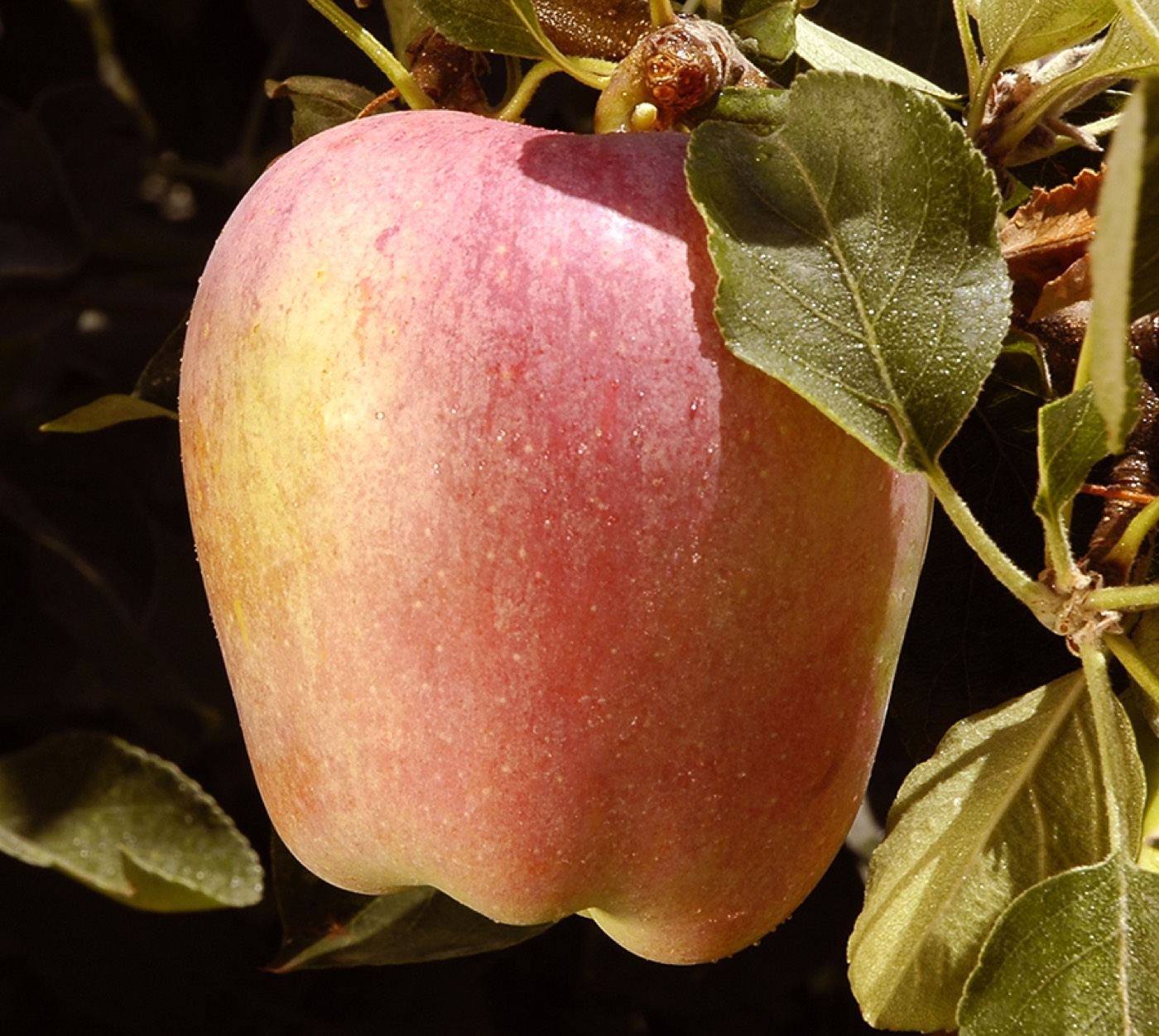 ApplesIn this year's order
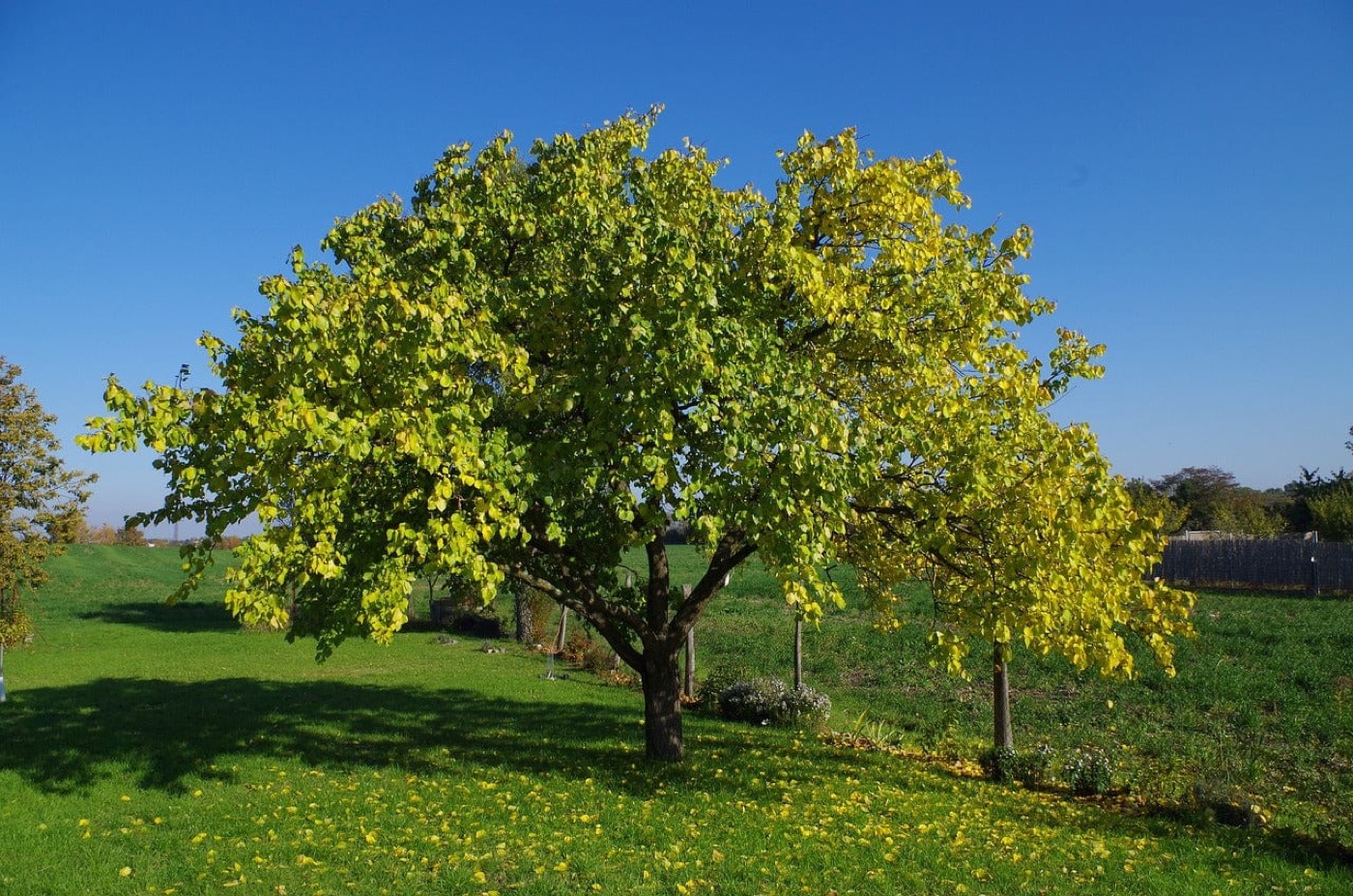 ApricotsIn this year's order
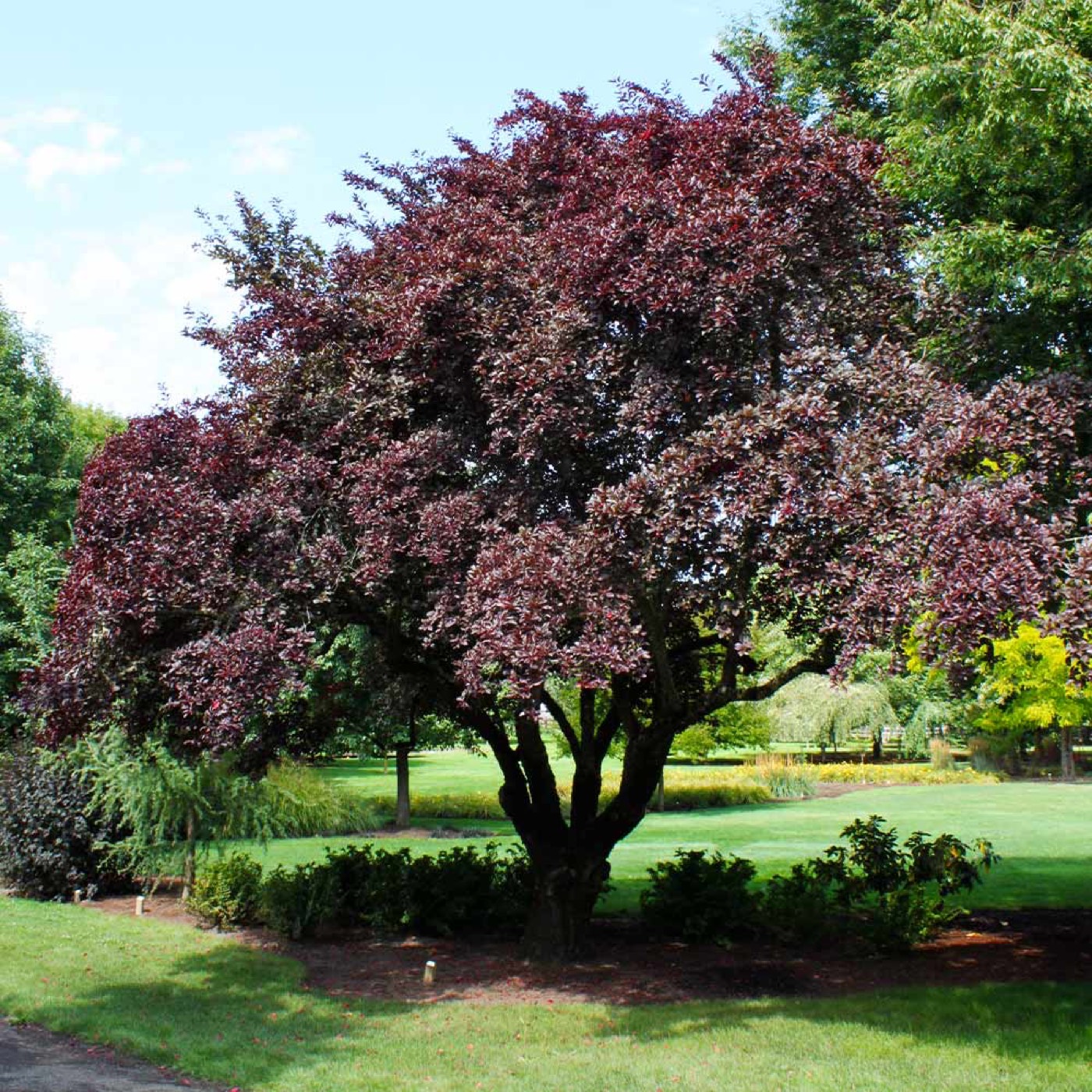 ApriumsIn this year's order
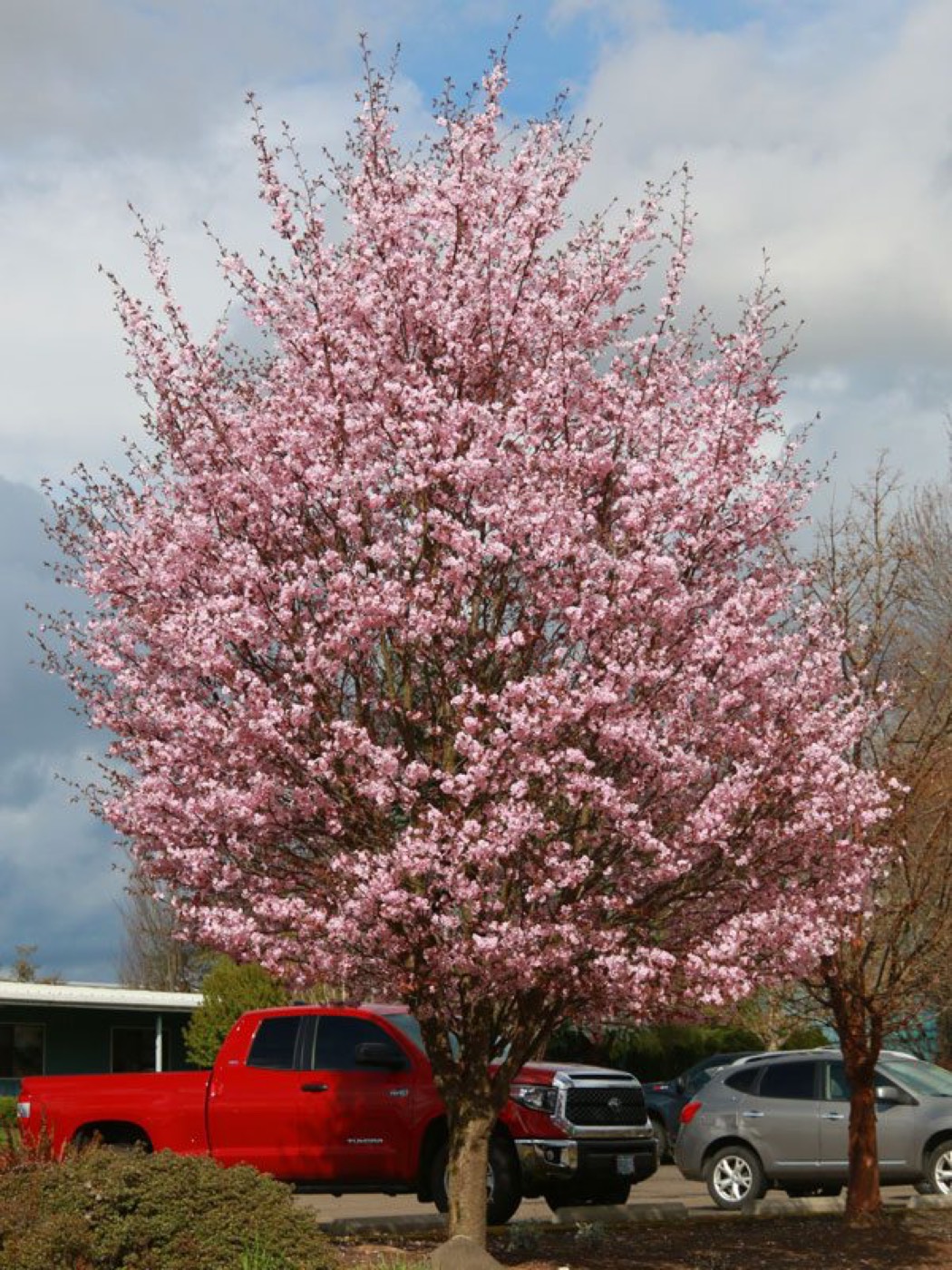 CherriesIn this year's order
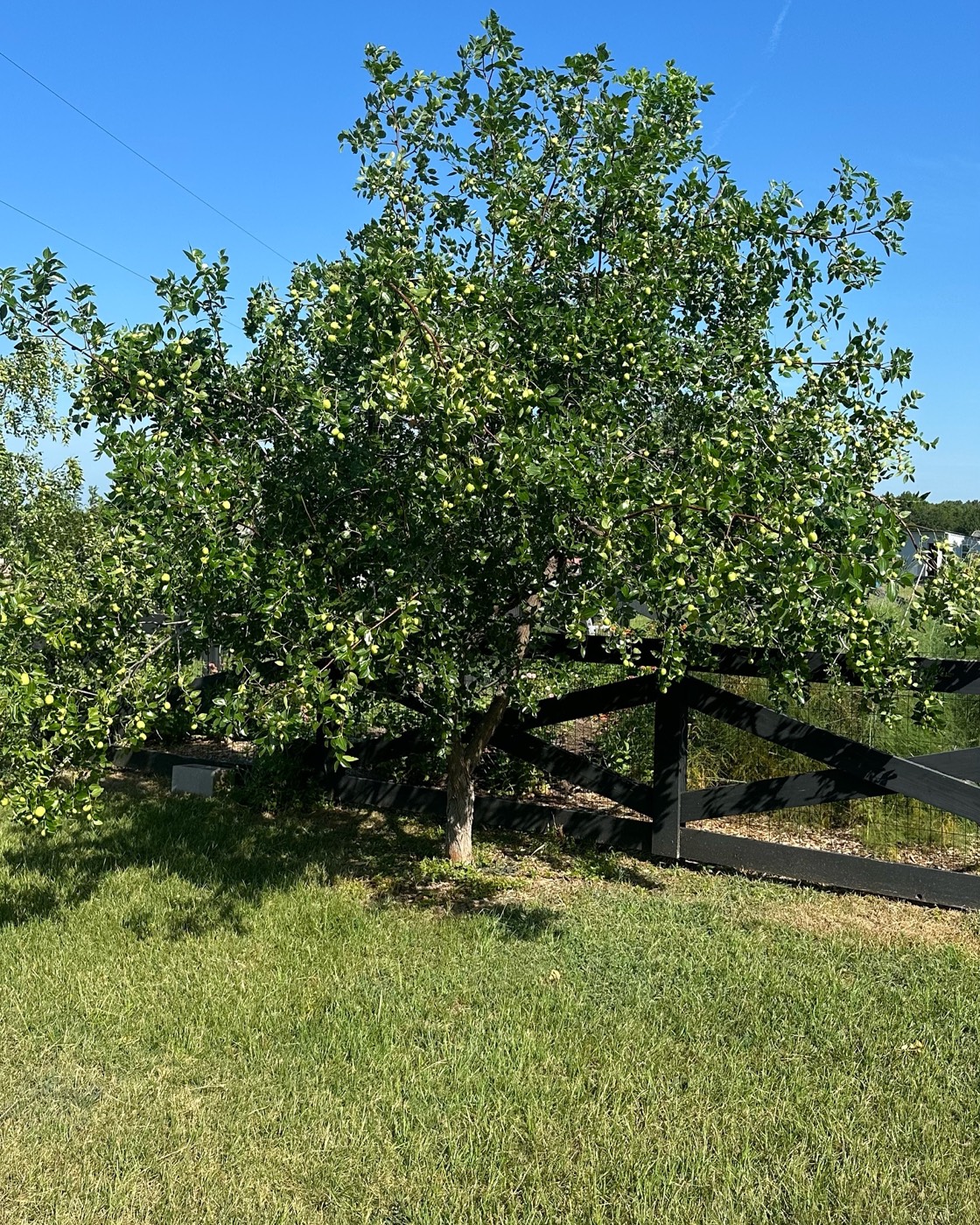 JujubesIn this year's order
- Pluots & interspecificsIn this year's order
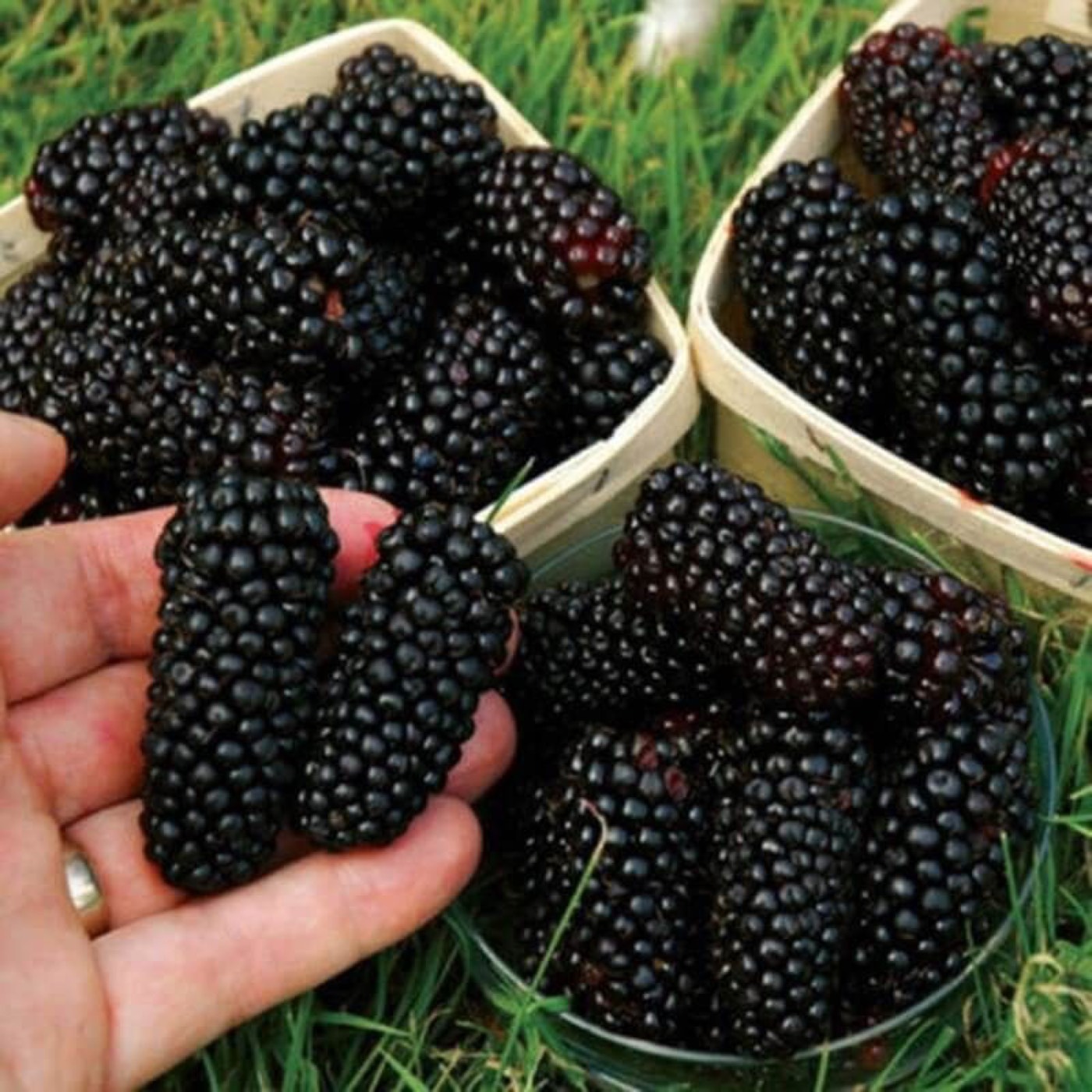 MulberriesIn this year's order
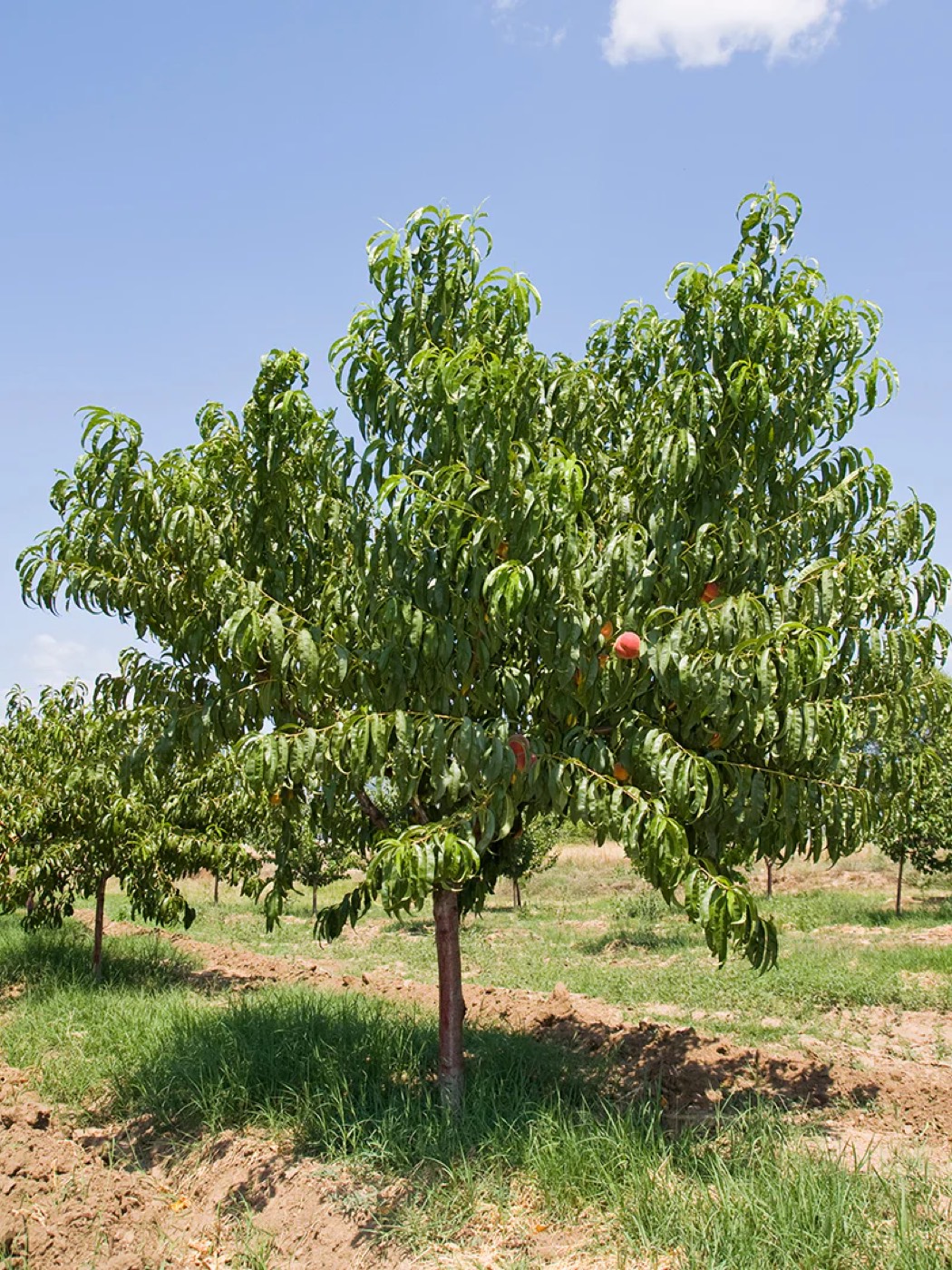 NectarinesIn this year's order
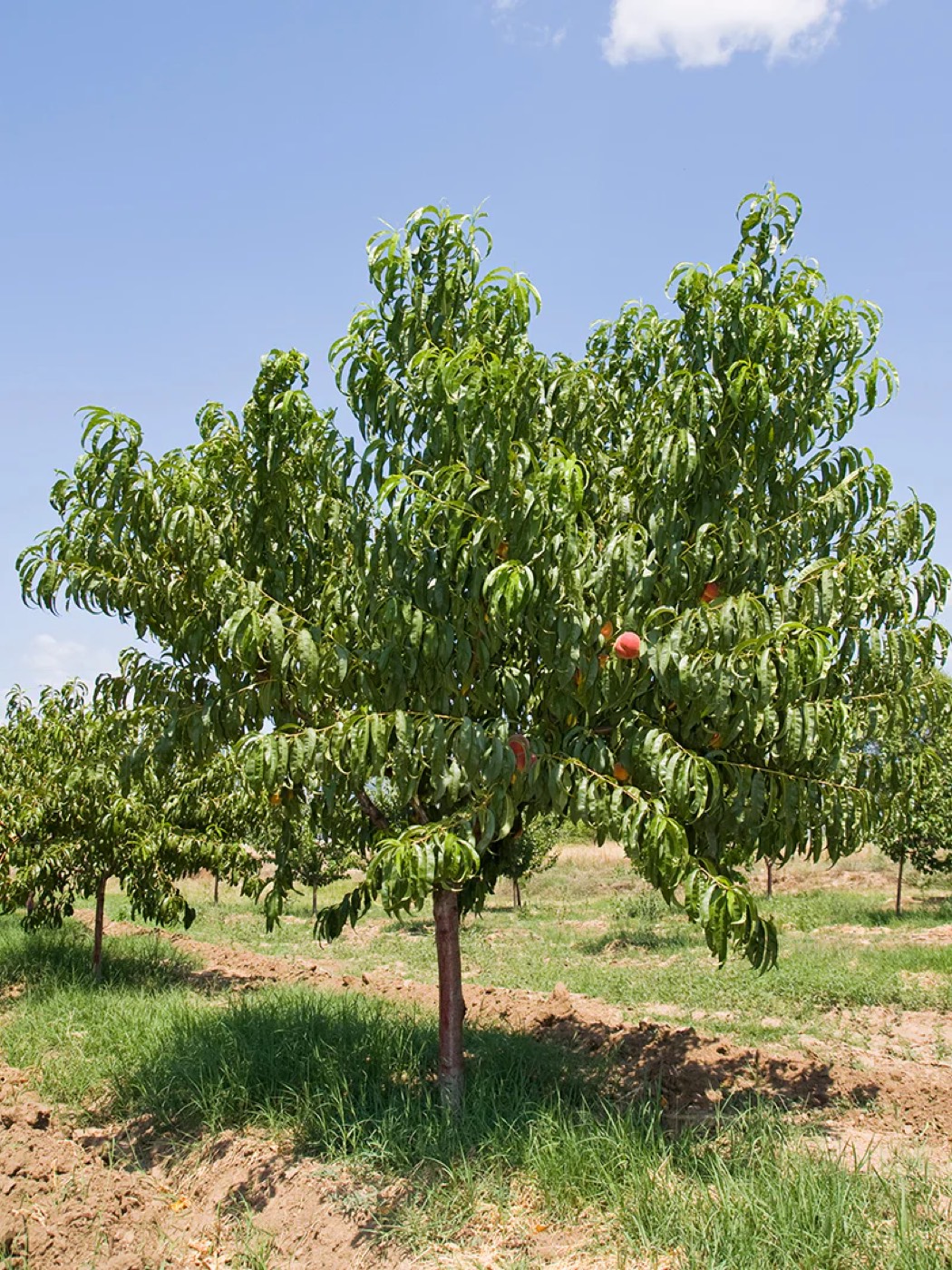 PeachesIn this year's order
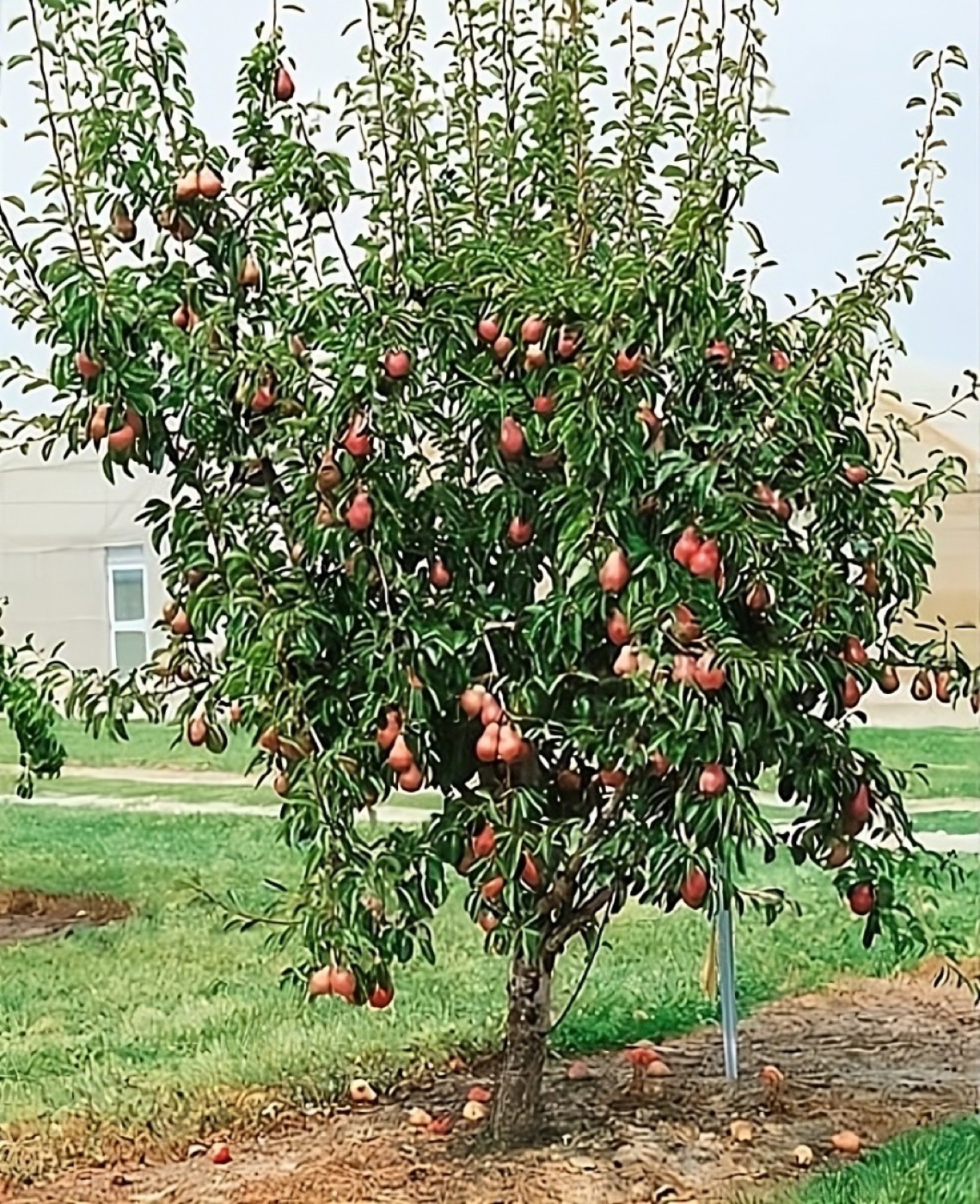 Asian pearsIn this year's order
- PearsIn this year's order
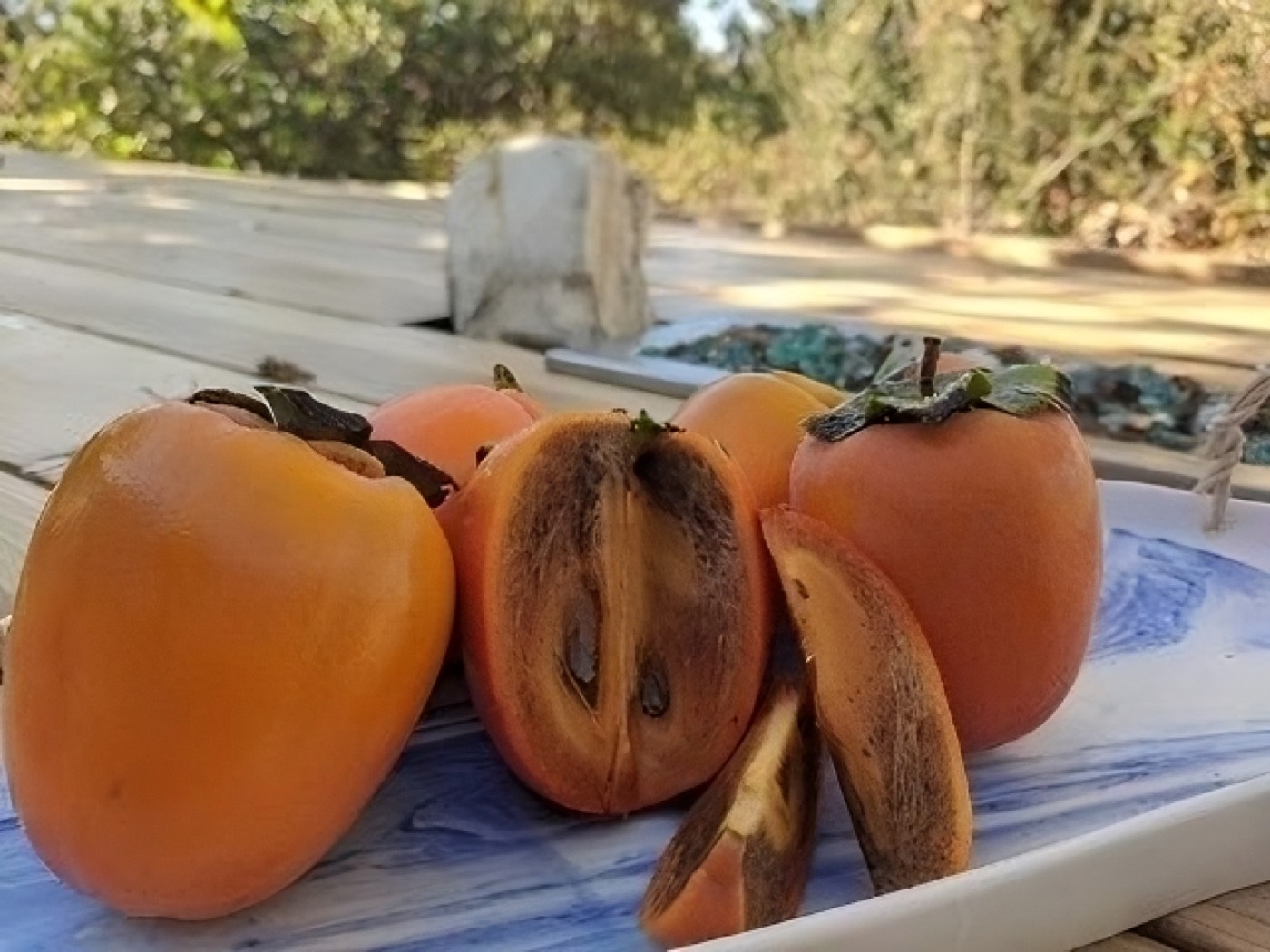 PersimmonsIn this year's order
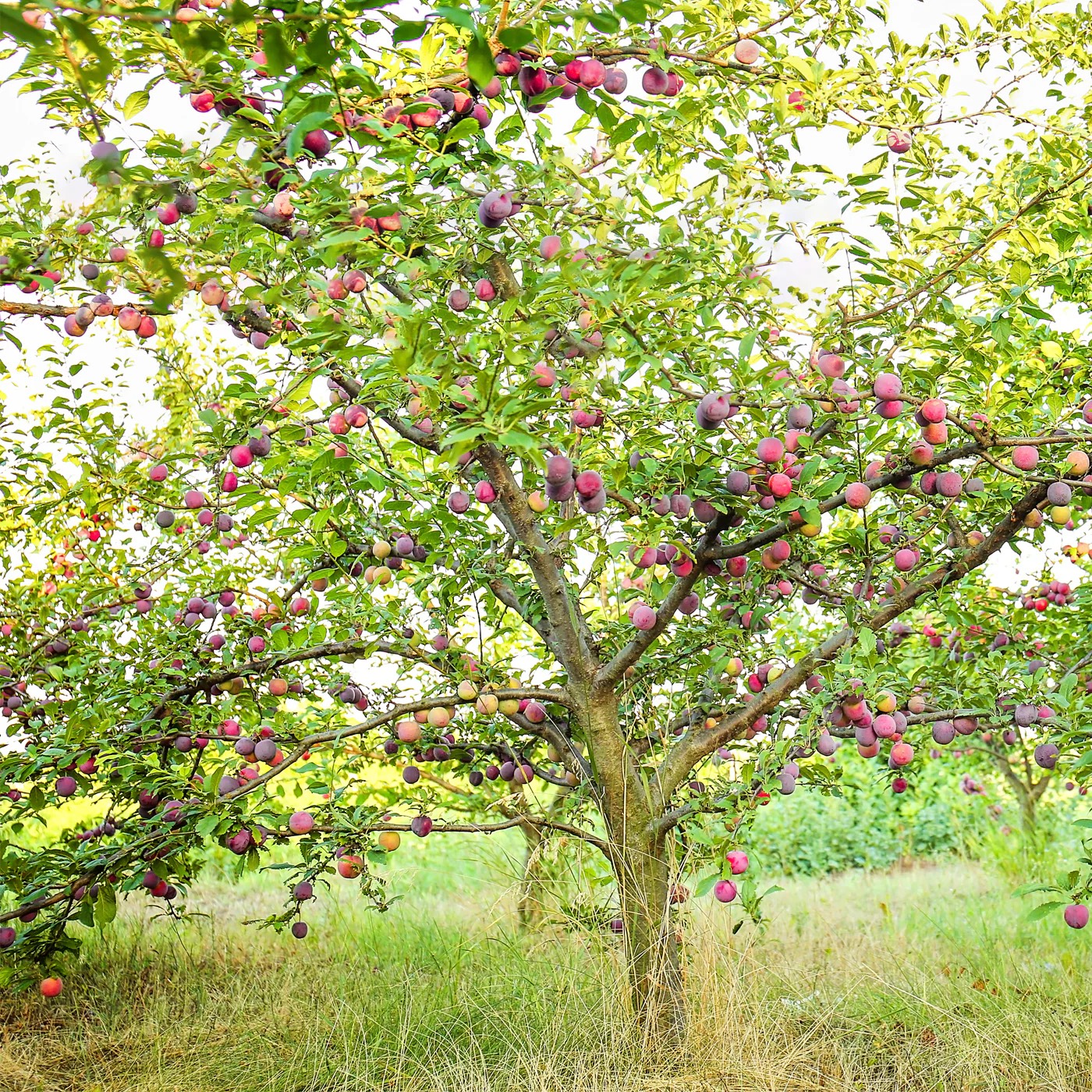 PlumsIn this year's order
- PrunesIn this year's order
- Flowering treesIn this year's order
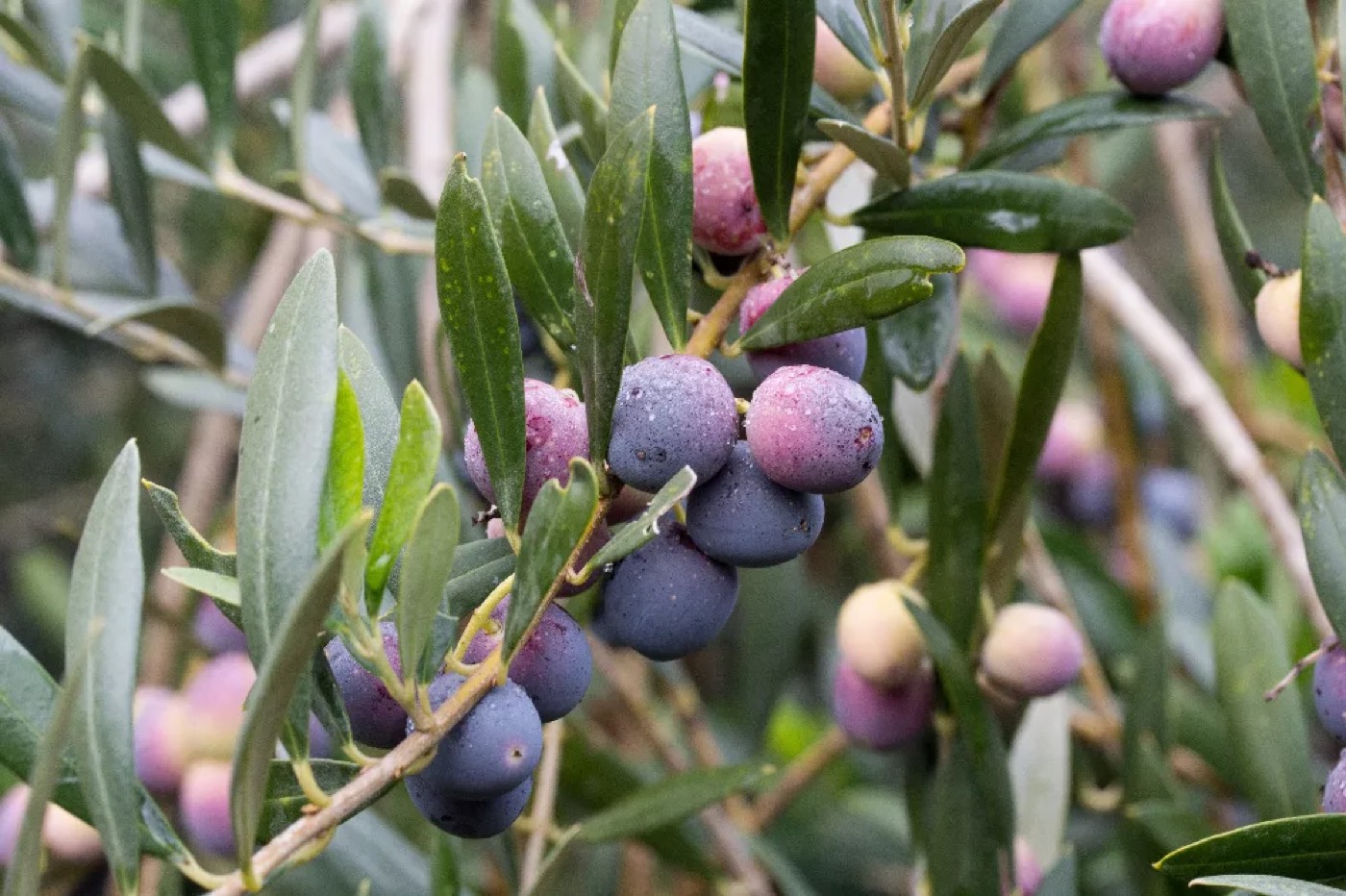 OlivesIn this year's order
Not in this program. From the wider plant catalogue.
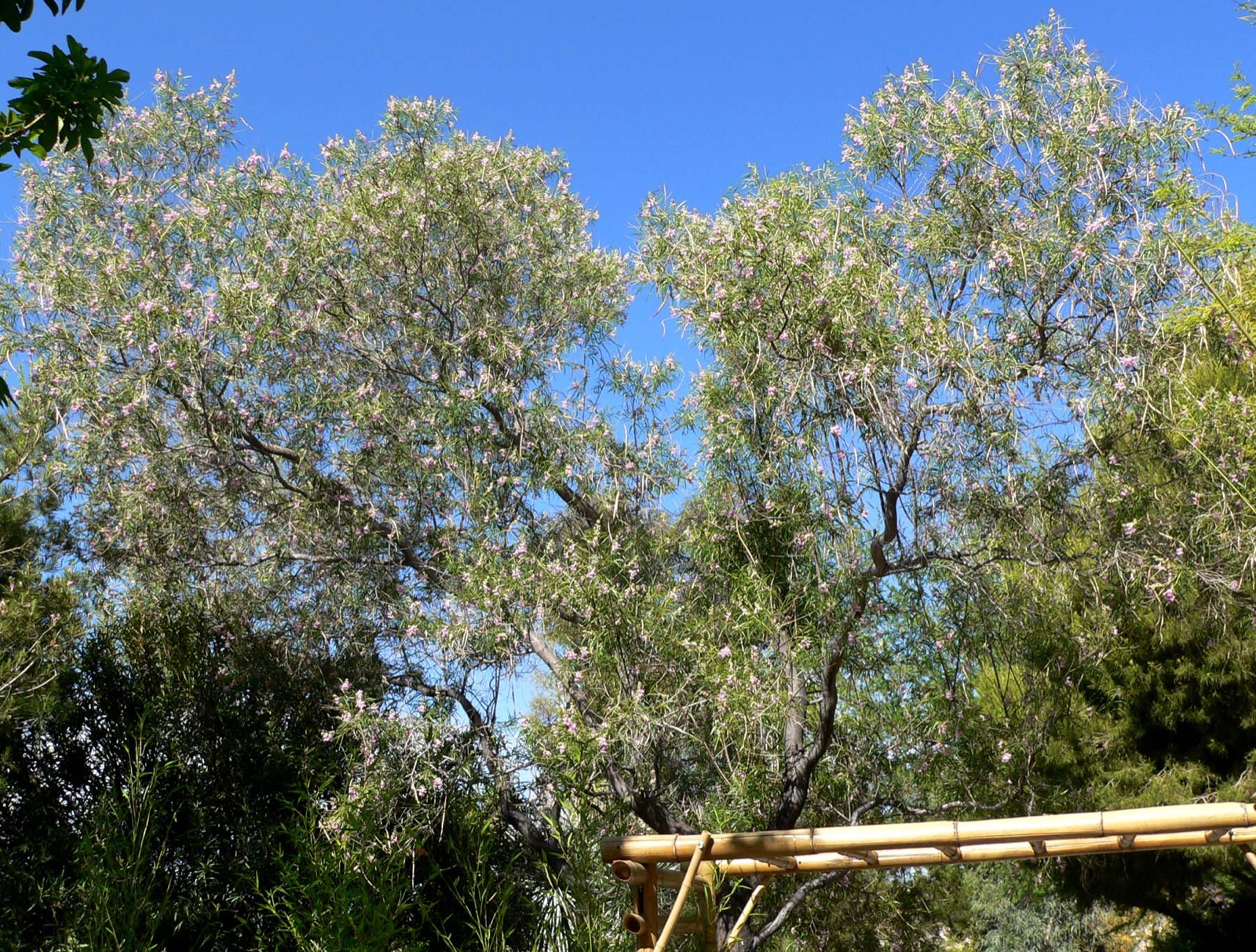 Desert willowChilopsis linearis
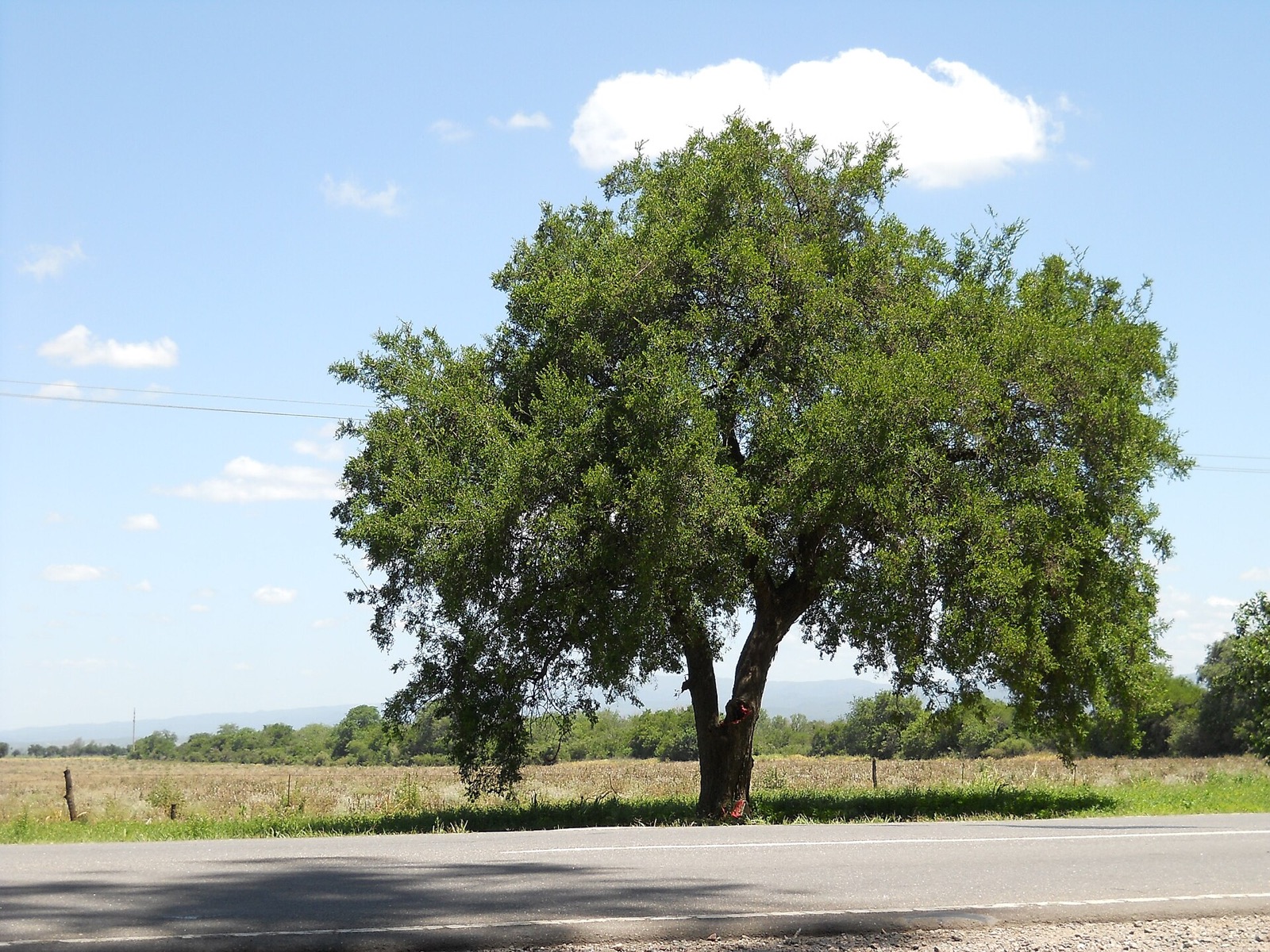 Desert hackberryCeltis pallida
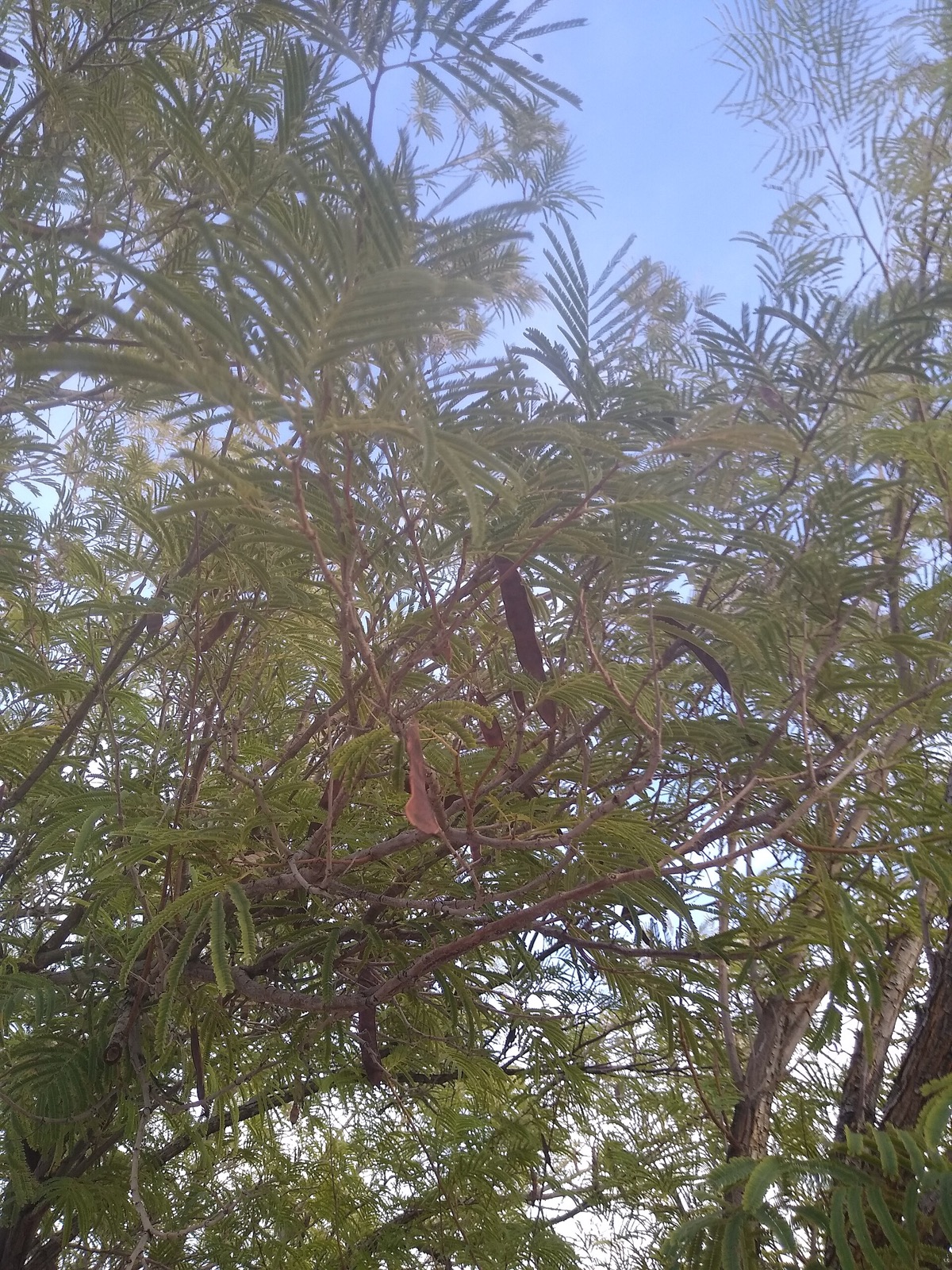 Desert fernLysiloma watsonii
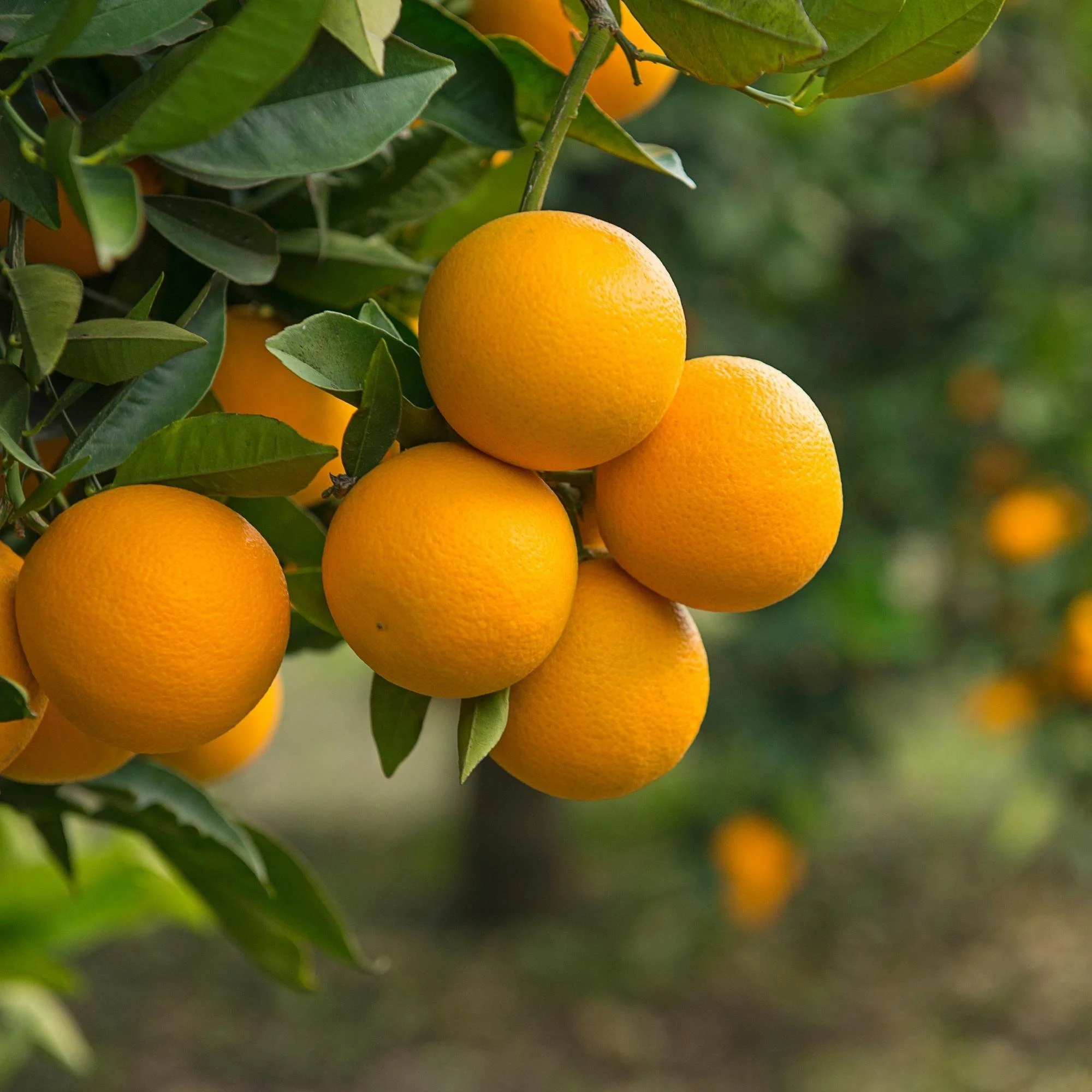 Diller Arizona sweet orangeCitrus sinensis ‘Diller’