
 BetaHome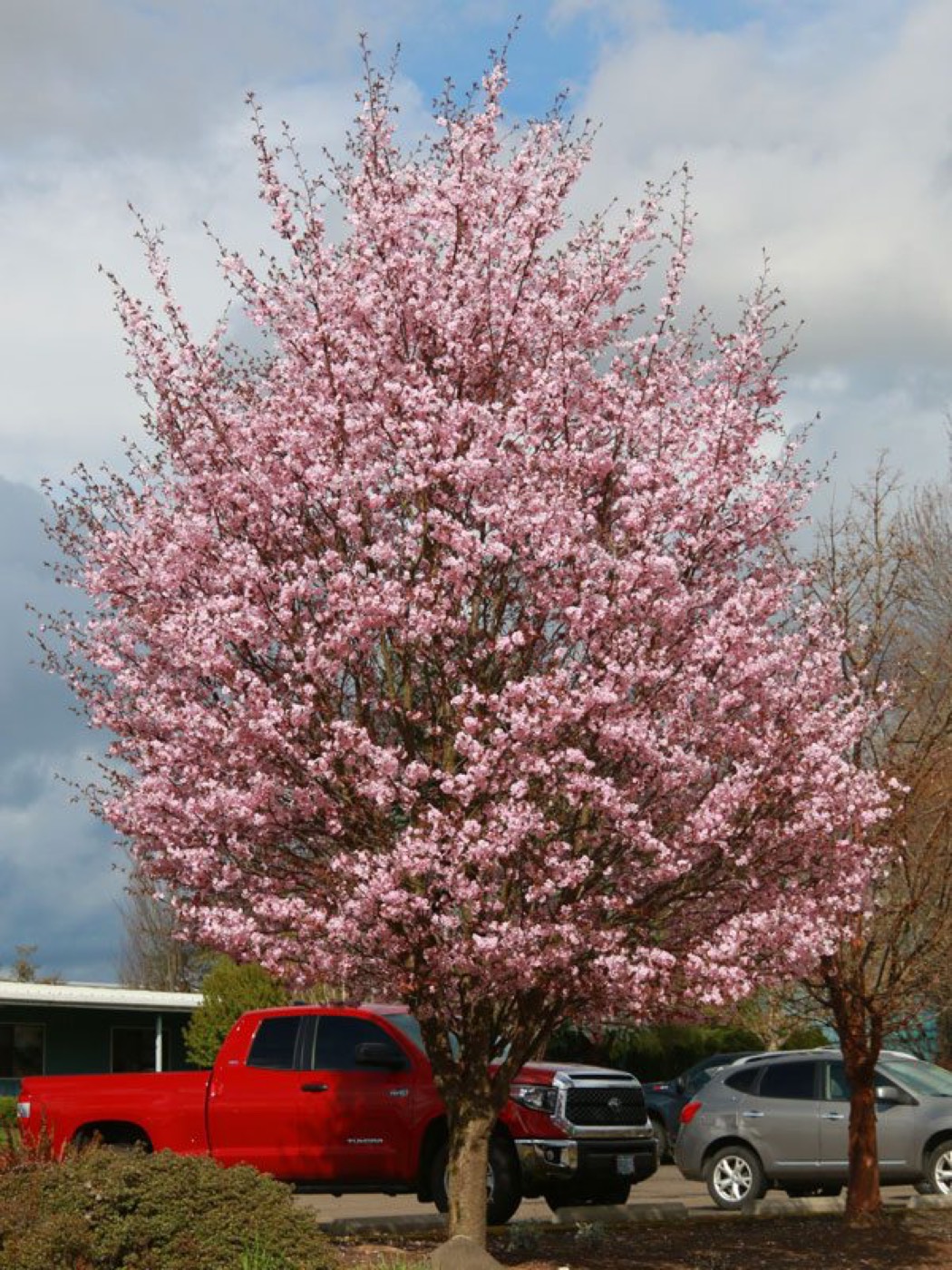
Flowering trees · Dave Wilson Nursery
Akebono Flowering Cherry
Soft, pale pink single flowers in early spring on an open, graceful tree of about 25 ft. It needs a real winter and cool summers, so it belongs at mid elevation and in the high country, not the low desert. Plant it where late frost will not catch the flowers every year, and give it water through summer.
28 varieties
- Harvest
- Blooms March to April at mid elevation; April to May in the high country
- Mature size
- About 25 ft tall with an open, graceful shape; light pruning after bloom
Our pick for most gardens
1/2 inch caliperThe everyday choice. Enough trunk to stand on its own, young enough to settle in quickly and fruit on schedule.
USDA zones 5–8. In Arizona, best in the mid elevations and the high country.
Which one
Every flowering tree side by side
Same fruit, different seasons and different jobs. Pick the row that fits your ground and your calendar.
| Soft, pale pink single flowers in early spring on an open, graceful tree of about 25 ft. It needs a real winter and cool summers, so it belongs at mid elevation and in the high country, not the low desert. Plant it where late frost will not catch the flowers every year, and give it water through summer. | Deep red double flowers, among the most intense of any flowering tree, followed by sweet white nectarines in late June. It needs about 500 chill hours, so it suits mid elevation, where late frost can still cost you some bloom. It is marginal in Phoenix, where flowering can be thin after mild winters. Self-fruitful, and plan on a copper spray for leaf curl in winter. | Double pink, fragrant flowers on bare branches in late winter, with reddish-purple new leaves that turn greenish bronze. Little or no fruit, and a graceful shape to about 25 ft. Purple-leaf plums like this are common in Phoenix yards. Like most plums it is moderately short-lived and borers and iron yellowing can be a problem in alkaline soil. | Large snow-white double blossoms, among the showiest of the flowering trees, on a fast grower of about 20 ft. It blooms in January and February in the low desert and about a month later at mid elevation. Like any peach it picks up leaf curl and borers, and it usually lives 15 to 20 years. Suits the low desert and mid elevation. | Bright pink blossoms very early, the kind of branches cut for Chinese New Year in warm-winter California. A fast grower of about 20 ft that opens in January to February in the low desert, a welcome first sign of spring. At mid elevation the early bloom is often caught by frost. Expect to manage borers and leaf curl like any peach. | Vivid purplish-red double flowers very early, followed by small, sweet peaches. It grows to about 20 ft and blooms in January to February in the low desert. At mid elevation a spring frost can take the flowers, so pick a sheltered spot there. Like any peach it needs care for borers and leaf curl, and it lives about 15 to 20 years. | A white-flowering peach that opens early, usually January to February in the low desert. It is grown on a rootstock that copes well with light, warm soils and root-knot nematodes. At about 20 ft it suits the low desert and mid elevation, though early bloom at mid elevation can meet frost. Expect the usual peach care for leaf curl and borers. | Pink buds open to thousands of single white flowers, followed by small fruit the birds enjoy. A spreading tree of about 20 ft. It needs a real winter and cooler summers, so it belongs at mid elevation and in the high country, not the low desert. Fire blight can hit crabapples in wet springs, so prune out any blackened tips. | Profuse pink flowers on a late-blooming tree that tends to miss the frosts that ruin early almonds. It is a very cold hardy peach-almond hybrid, and it does set nuts with hard shells. It wants a real winter, about 800 chill hours, so it fits mid elevation and the high country, not Phoenix. | Very large, clear pink double flowers, up to about 2 1/2 inches across, on a vigorous tree of about 20 ft. It blooms late for a flowering peach, which helps avoid frost at mid elevation. It is described as widely adapted, but no chill figure is published, so in Phoenix expect later and lighter bloom than the early peaches. Watch for leaf curl and borers. | A white-flowering peach that opens late, after most frost danger has passed, which helps at mid elevation. Late bloom usually means it wants more winter than the early peaches, so it is unreliable in Phoenix. Expect about 20 ft and the usual peach care for leaf curl and borers. | Dark purple leaves that hold their color well through summer, with light pink flowers and little or no fruit. A relatively small tree at about 18 ft by 12 ft, so it fits a smaller yard. Of the purple-leaf plums, it is the one most often recommended for Phoenix. Like most plums it is short-lived and borers and leaf scorch can be a problem. | The same small purple-leaf plum, trained with a 5 ft clear trunk so it works over a patio, path or lawn. Dark purple leaves, light pink flowers and little or no fruit, about 18 ft by 12 ft. Does well in the low desert and mid elevation. Like most plums it is short-lived and borers and summer scorch can be an issue. | The same small purple-leaf plum, but with branches starting low at about 18 inches, for a fuller, bushier look. Dark purple leaves, light pink flowers and little or no fruit. It fits a small yard and does well in the low desert and mid elevation. Like most plums it is short-lived, and borers and summer scorch can be an issue. | Large, double, rosy pink flowers in drooping clusters on an upright tree of about 30 ft, the classic cherry blossom look. It needs real winter cold and cooler summers, so it is a mid elevation and high country tree. In Phoenix it usually flowers poorly and does not live long. Give it summer water and a spot out of strong wind. | Deep double red flowers that open late, so they often miss the spring frosts that ruin the early peaches. That makes it a good pick for frost-prone mid elevation yards. About 20 ft tall. Late bloom usually means more chill is needed, so it is unreliable in Phoenix. Expect the usual peach care for leaf curl and borers. | Semi-double white flowers that age to purplish pink on wide, horizontal branches, to about 20 ft. It makes a lovely patio or lawn tree where winters are cold. It needs real winter, so it suits mid elevation and the high country, not Phoenix. Give it summer water and shelter from late frost. | Masses of pink flowers very early, then yellow, orange and red fall color. It is the most heat and drought tolerant of the flowering cherries and needs less winter chill than most, so it is the one Phoenix gardeners sometimes try. It does best at mid elevation and in the high country, where bloom is reliable. The early flowers can be nipped by frost. | Deep pink double flowers with a spicy fragrance in the dead of winter, on a long-lived tree of about 20 ft. It is a flowering apricot (ume), so it blooms very early: January to February in the low desert. It suits the low desert and lower mid elevation, but a hard frost can spoil the flowers. Watch for yellow leaves in alkaline soil. | A showy oddity: double flowers in red, pink, white and striped, often all on the same tree. A fast grower to about 20 ft that blooms in January to February in the low desert. It suits the low desert and mid elevation, though early bloom at mid elevation can meet frost. Colors vary year to year, and like any peach it needs care for leaf curl and borers. | A round tree of 15–20 ft covered in pink blossoms, sold as suited to mild winters. That makes it one of the few flowering cherries worth trying in the low desert, where most do not get enough cold. It is only moderately cold hardy, so frost can hurt it at higher elevations. Give it afternoon shade in Phoenix. | Crimson buds open to hot pink single flowers, followed by persistent dark red fruit, on a tree of about 20 by 20 ft. It resists scab, rust and fire blight better than most crabapples. It needs a real winter and cooler summers, so it fits mid elevation and the high country, not the low desert. | A small plum, 10–12 ft, whose purple leaves hold their color all season, with pale spring blossoms. Believed to be sterile, so there is no fruit to clean up. It is small enough for a tight yard and very cold hardy. Does well in the low desert and mid elevation, and in milder spots in the high country. Shade it from hot afternoon reflection in Phoenix. | A small purple-leaf plum, 10–12 ft, whose color holds all season. This one is grown with a 3 ft clear trunk, so it makes a tidy small tree over beds or a patio. Believed to be sterile, so there is no fruit drop. Very cold hardy. Does well in the low desert and mid elevation, and in milder high country spots. | The last flowering cherry to bloom, with abundant double flowers that open pink and age to white, on a spreading tree of about 25 ft. Its late bloom helps avoid frost at mid elevation and in the high country. It needs real winter and cooler summers than Phoenix gives, so it is not a low desert tree. | A small tree of about 20 ft with masses of dark pink, bell-shaped flowers very early in the year. It needs very little winter chill, so it is the flowering cherry most likely to bloom in the low desert, though summer heat there is a stretch. It is only moderately cold hardy, so cold sites at mid elevation are risky. Give it afternoon shade. | Light pink to white flowers and deep purple leaves on a rounded tree of about 20 by 20 ft, with small plums that suit jam in some years. Very hardy, and it does well in the low desert and mid elevation. In hard summer heat the leaf color can fade or scorch. Like most plums it is short-lived, and borers and iron yellowing are common. | The famous Washington cherry: fragrant, light pink to white single flowers on a fast, rounded tree that reaches 40 by 30 ft. It needs real winter and cooler summers, so it suits mid elevation and the high country, not the low desert. It is a big tree, so give it space and summer water. | |
|---|---|---|---|---|---|---|---|---|---|---|---|---|---|---|---|---|---|---|---|---|---|---|---|---|---|---|---|---|
| Harvest | Blooms March to April at mid elevation; April to May in the high country | Blooms March to April at mid elevation; white fruit late June to July | Blooms February to March in the low desert; March to April at mid elevation | Blooms January to February in the low desert; March at mid elevation | Blooms January to February in the low desert; March at mid elevation | Blooms January to February in the low desert; March at mid elevation | Blooms January to February in the low desert; March at mid elevation | Blooms April to May at mid elevation; May in the high country | Blooms April at mid elevation; late April to May in the high country | Blooms February to March in the low desert; March to April at mid elevation | Blooms March to April at mid elevation, later than the early peaches | Blooms February to March in the low desert; March to April at mid elevation | Blooms February to March in the low desert; March to April at mid elevation | Blooms February to March in the low desert; March to April at mid elevation | Blooms April at mid elevation; April to May in the high country | Blooms March to April at mid elevation, later than the early peaches | Blooms March to April at mid elevation; April to May in the high country | Blooms February to March in mild spots; March to April at mid elevation | Blooms January to February in the low desert; February to March at mid elevation | Blooms January to March in the low desert; later at mid elevation | Blooms February to March in the low desert; March to April at mid elevation | Blooms April at mid elevation; May in the high country | Blooms February to March in the low desert; April at elevation | Blooms February to March in the low desert; April at elevation | Blooms April to early May at mid elevation; May in the high country | Blooms January to February in the low desert; February to March at mid elevation | Blooms February to March in the low desert; April at elevation | Blooms March to April at mid elevation; April to May in the high country |
| Chill hours | — | 500 hours | — | — | — | — | — | — | 800 hours | — | — | — | — | — | — | — | — | — | — | — | — | — | — | — | — | — | — | — |
| Pollination | — | Self-fruitful | Little or no fruit | — | — | Bears small, sweet fruit | — | — | Self-fruitful | — | — | Little or no fruit | Little or no fruit | Little or no fruit | — | — | — | — | — | — | — | — | Believed sterile; no fruit | Believed sterile; no fruit | — | — | Sometimes sets small plums good for jam | — |
| Mature size | About 25 ft tall with an open, graceful shape; light pruning after bloom | 15–20 ft unpruned; easy to hold at 8–10 ft with summer pruning | About 25 ft tall and wide; easy to hold at 12–15 ft with pruning after bloom | About 20 ft tall and wide; easy to hold at 10–12 ft with pruning after bloom | About 20 ft tall and wide; easy to hold at 10–12 ft with pruning after bloom | About 20 ft tall and wide; easy to hold at 10–12 ft with pruning after bloom | About 20 ft tall and wide (assumed like other flowering peaches); hold at 10–12 ft | About 20 ft tall with a spreading habit; light pruning after bloom | 15–20 ft unpruned; easy to hold at 10–12 ft | About 20 ft tall and wide; easy to hold at 10–12 ft with pruning after bloom | About 20 ft tall and wide (assumed like other flowering peaches); hold at 10–12 ft | About 18 ft tall and 12 ft wide; hold at 10–12 ft with light pruning | About 18 ft tall and 12 ft wide; hold at 10–12 ft with light pruning | About 18 ft tall and 12 ft wide; hold at 10–12 ft with light pruning | About 30 ft tall in an upright vase shape; pruning rarely needed | About 20 ft tall and wide; easy to hold at 10–12 ft with pruning after bloom | About 20 ft tall with wide, horizontal branches; little pruning needed | About 20–25 ft tall, moderately upright; light pruning after bloom | About 20 ft tall and wide; prune after bloom to keep it near 12–15 ft | About 20 ft tall and wide; easy to hold at 10–12 ft with pruning after bloom | About 15–20 ft tall and round; light pruning after bloom | About 20 ft tall and wide; light pruning after bloom | 10–12 ft tall at maturity; easy to hold at 8 ft | 10–12 ft tall at maturity; stays small without pruning | About 25 ft tall with a spreading shape; little pruning needed | About 20 ft tall and wide, dense and spreading; light pruning after bloom | About 20 ft tall and wide; easy to hold at 12–15 ft with pruning after bloom | Up to 40 ft tall and 30 ft wide; needs room, light pruning only |
| From | $33 | $30 | $37 | $32 | $24 | $27 | $31 | $32 | $31 | $31 | $32 | $30 | $30 | $30 | $33 | $32 | $33 | $37 | $33 | $29 | $37 | $32 | $33 | $38 | $37 | $41 | $32 | $37 |
Counts are what the nursery is growing right now, across every trunk size.
Where this tree sits
Flowering trees sit in the lower canopy layer.
Fruit trees kept below the tall ones. Most of this year's programme lives here, held to eight or ten feet by summer pruning.
Other options in the lower canopy layer
 ApplesIn this year's order
 ApricotsIn this year's order
 ApriumsIn this year's order
- CherriesIn this year's order
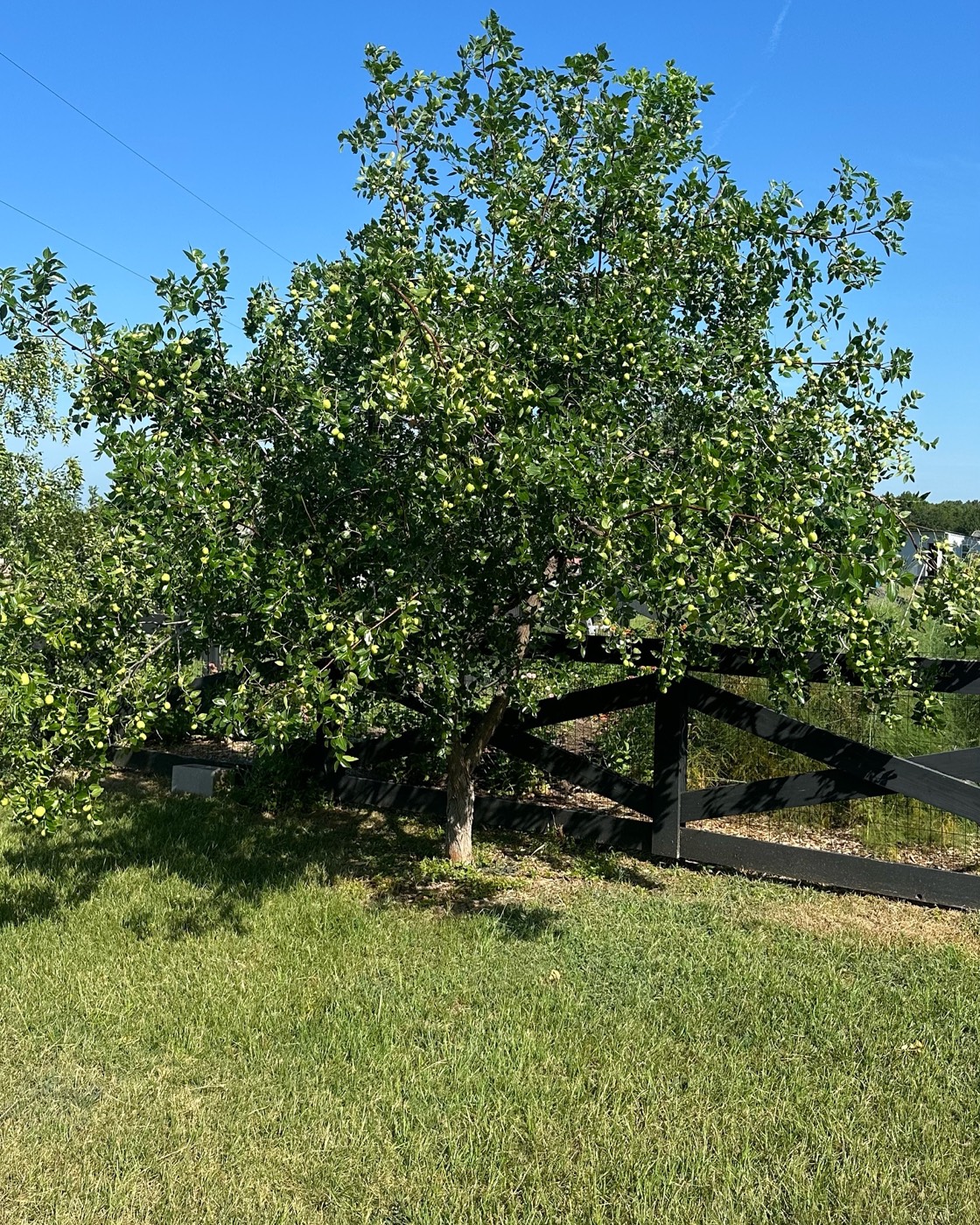 JujubesIn this year's order
- Pluots & interspecificsIn this year's order
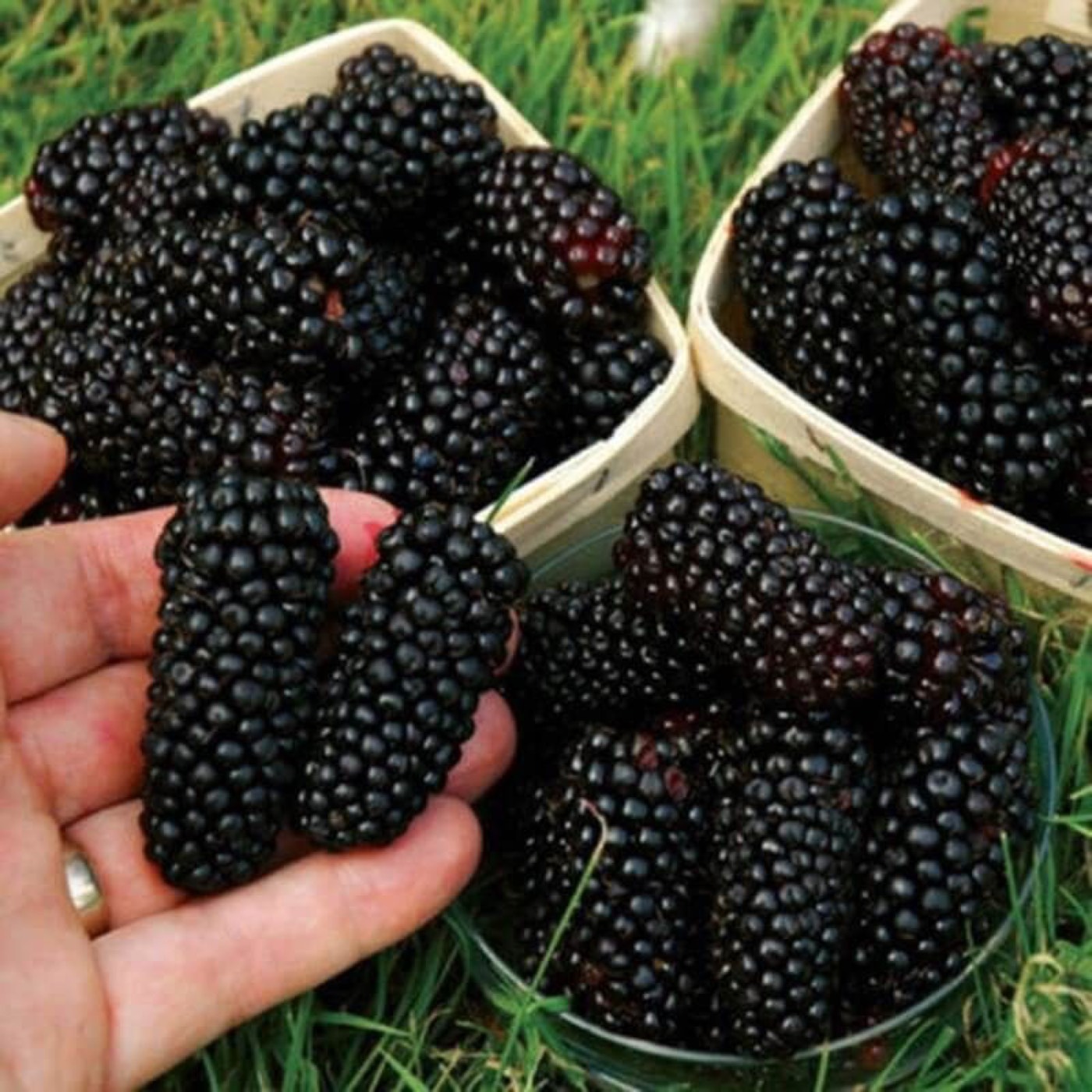 MulberriesIn this year's order
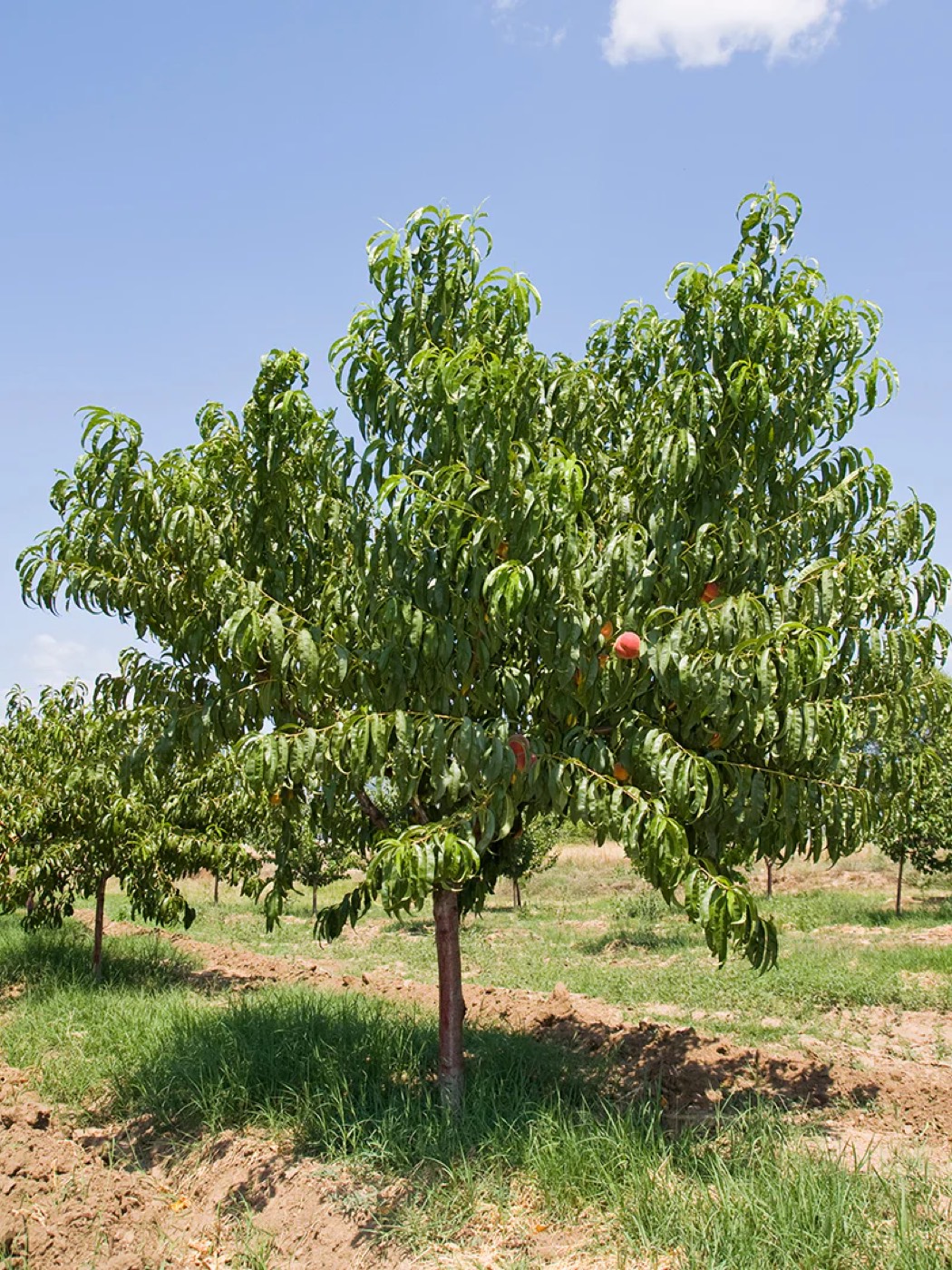 NectarinesIn this year's order
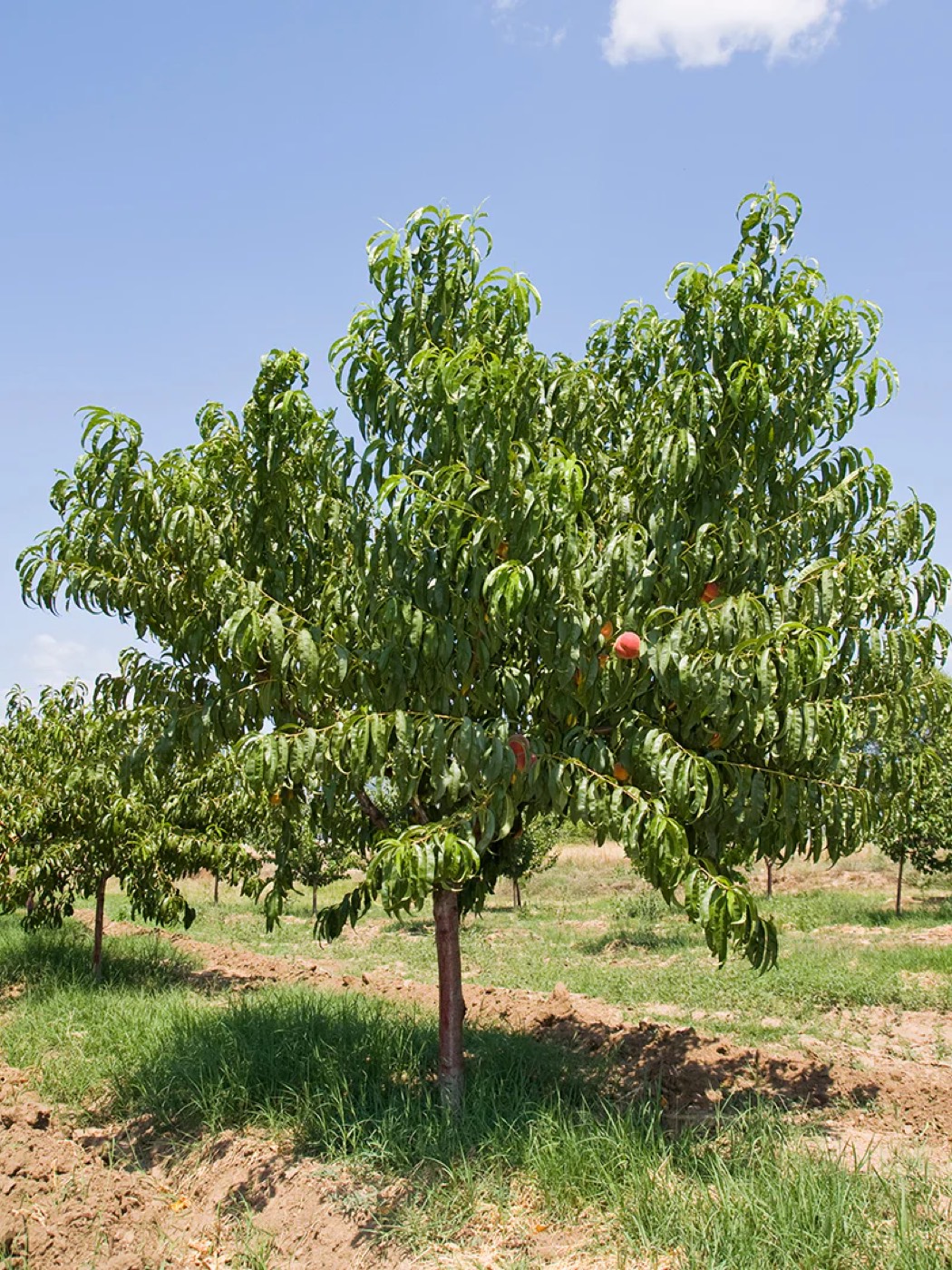 PeachesIn this year's order
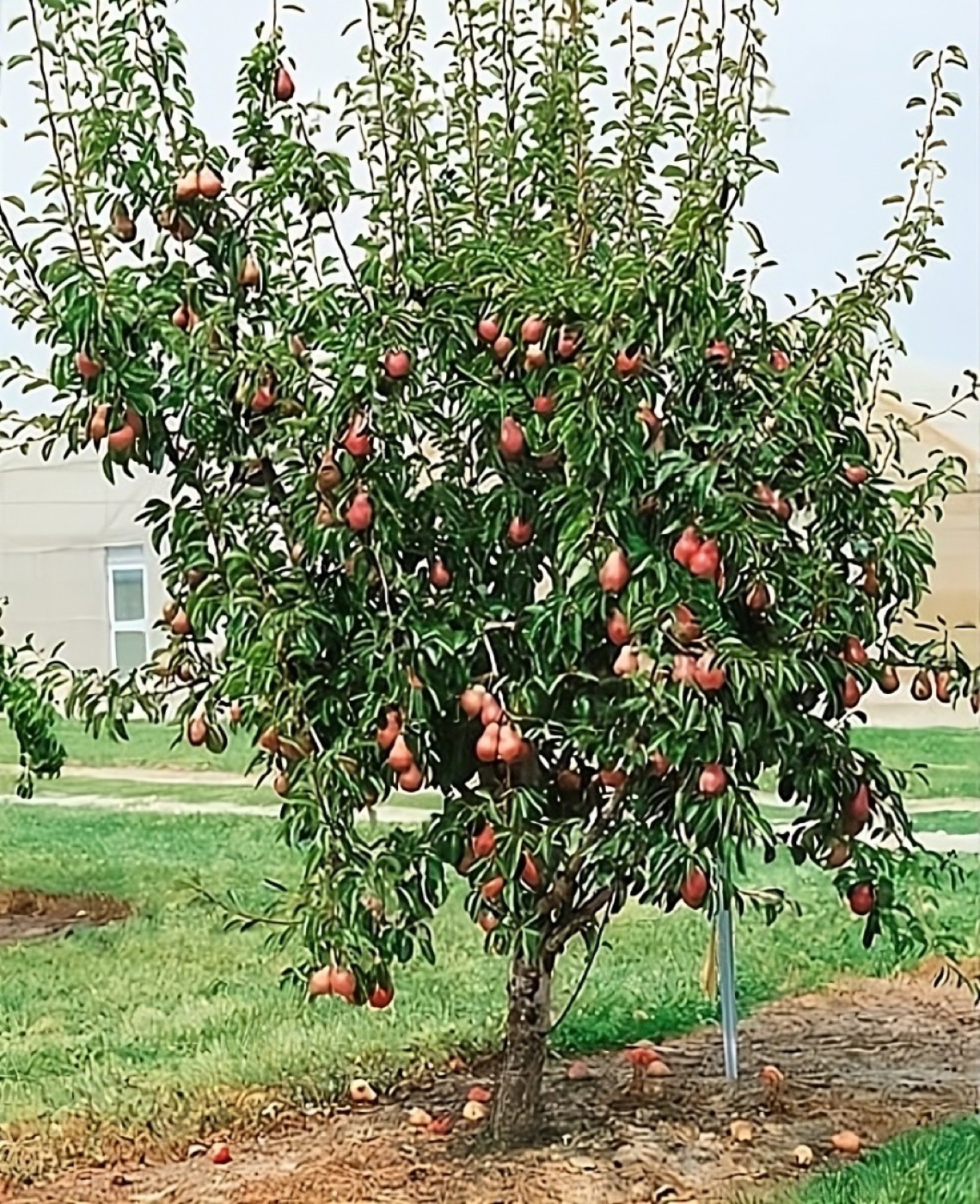 Asian pearsIn this year's order
- PearsIn this year's order
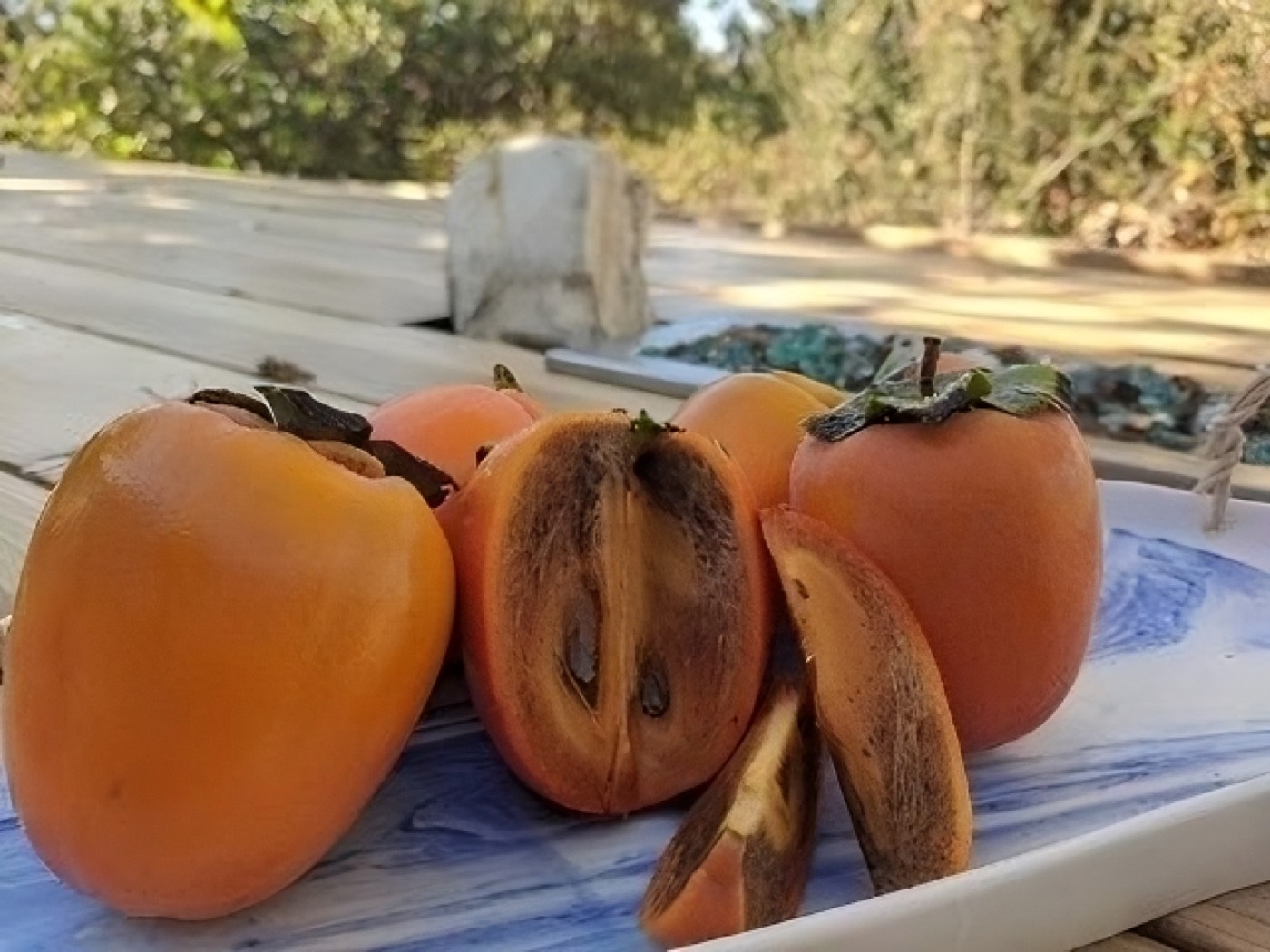 PersimmonsIn this year's order
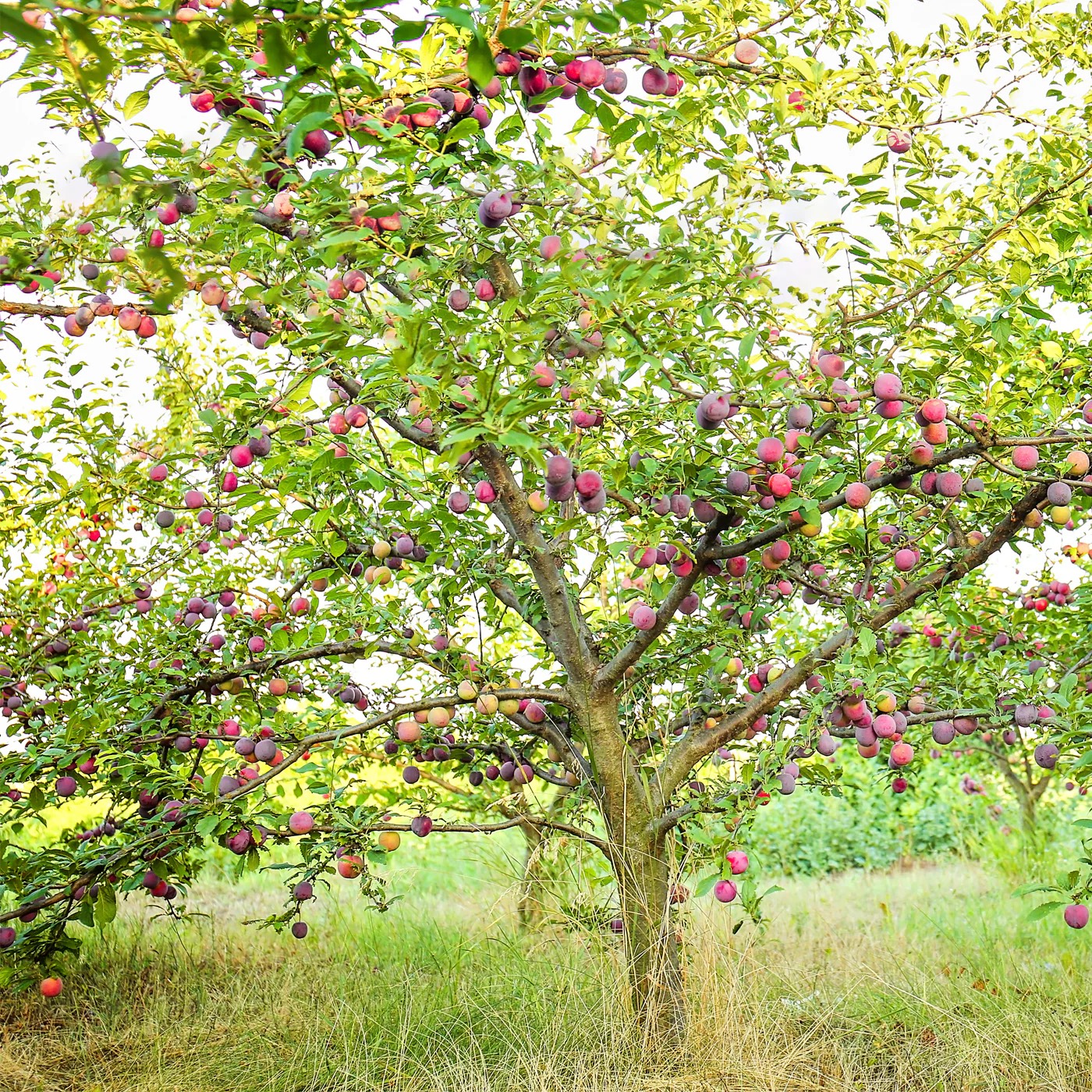 PlumsIn this year's order
- PrunesIn this year's order
- Multi-graftedIn this year's order
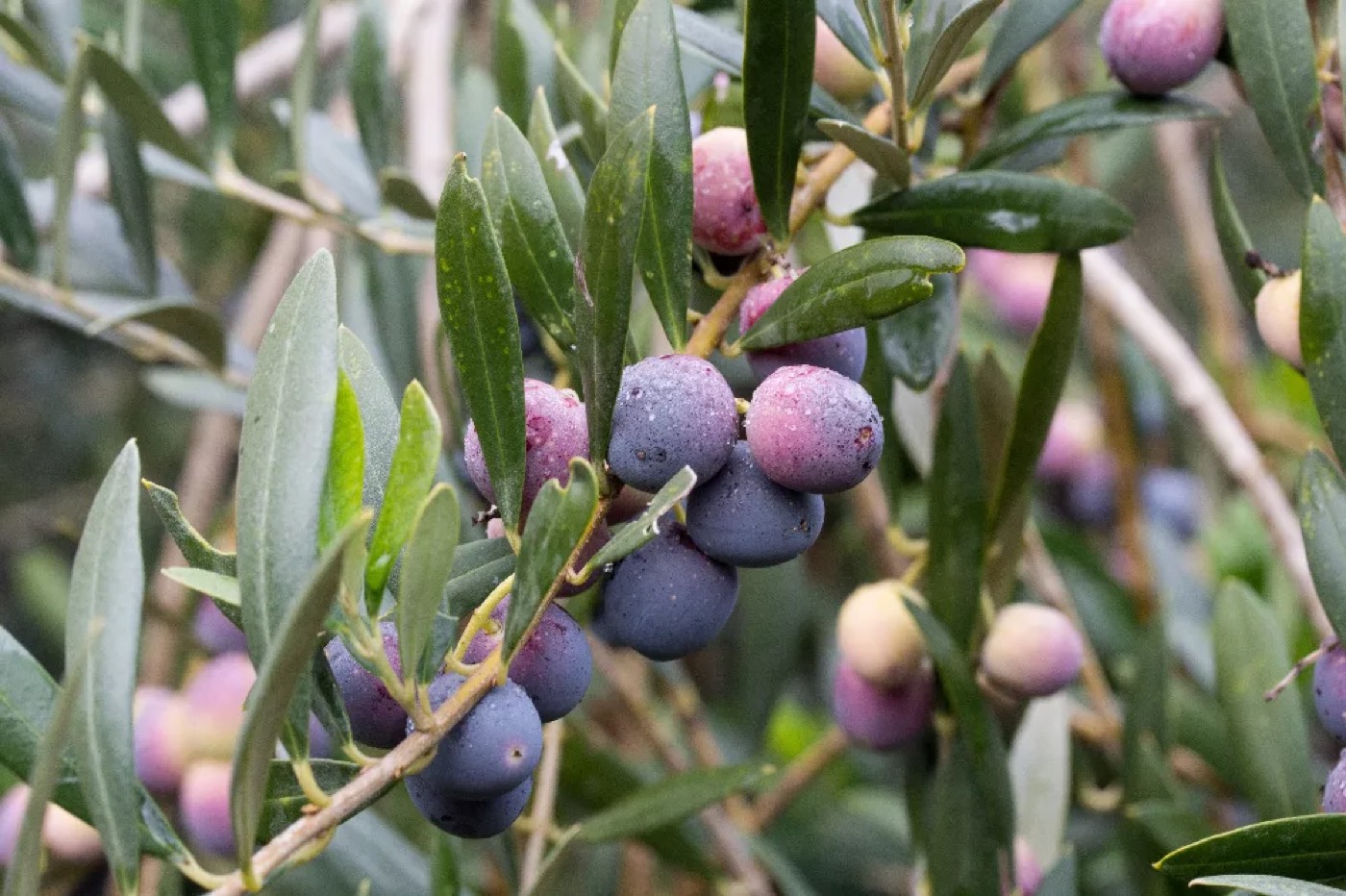 OlivesIn this year's order
Not in this program. From the wider plant catalogue.
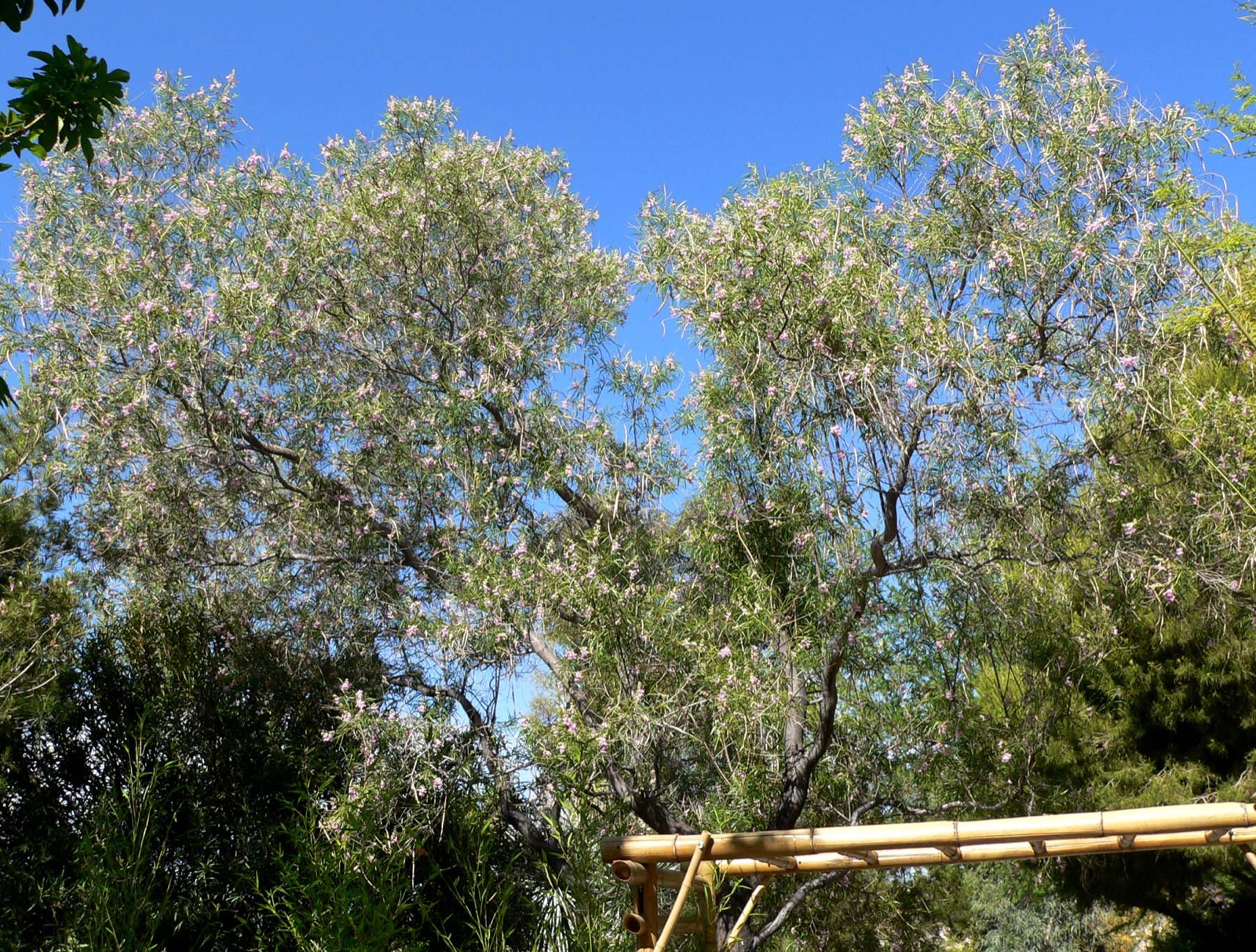 Desert willowChilopsis linearis
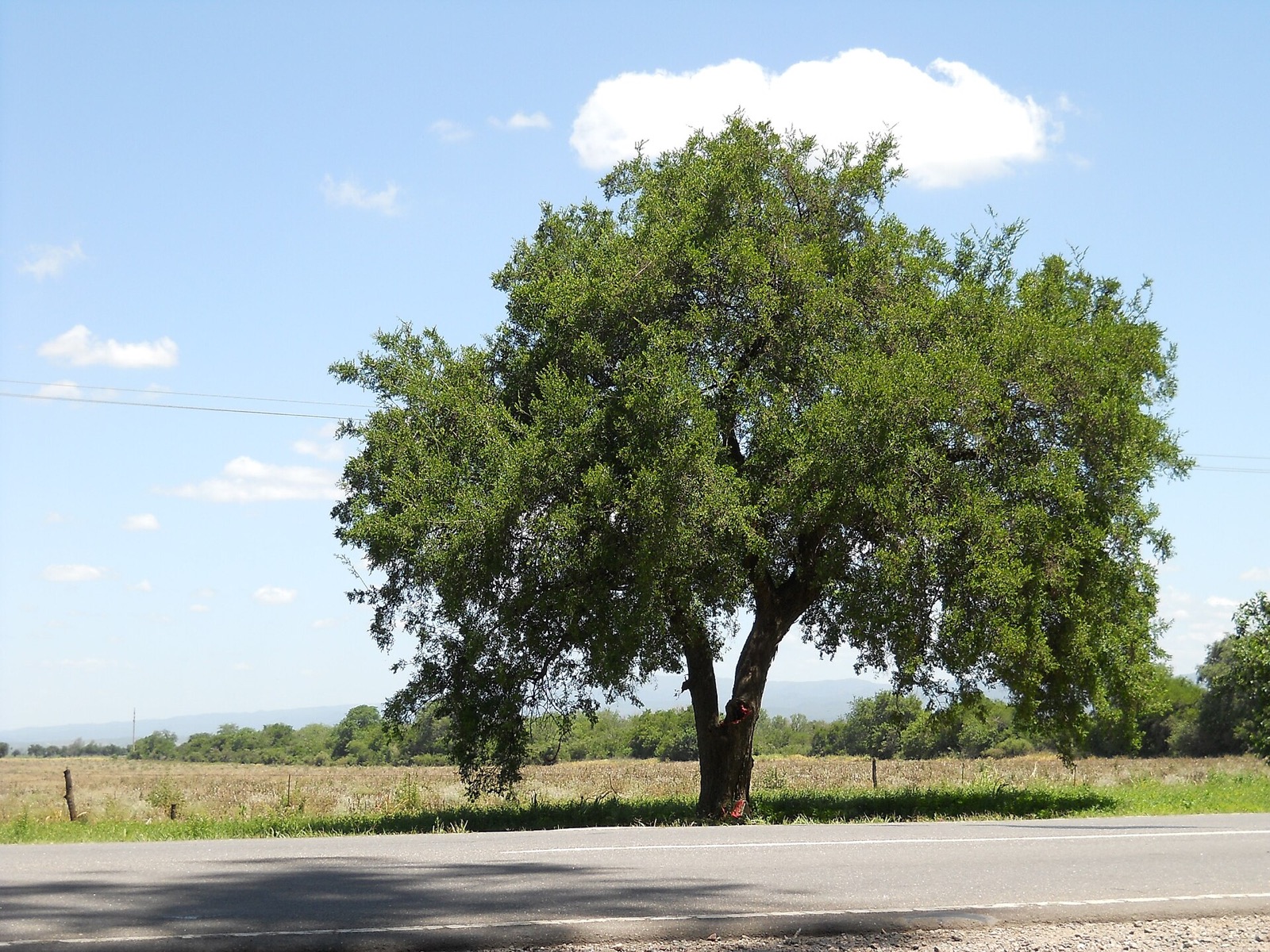 Desert hackberryCeltis pallida
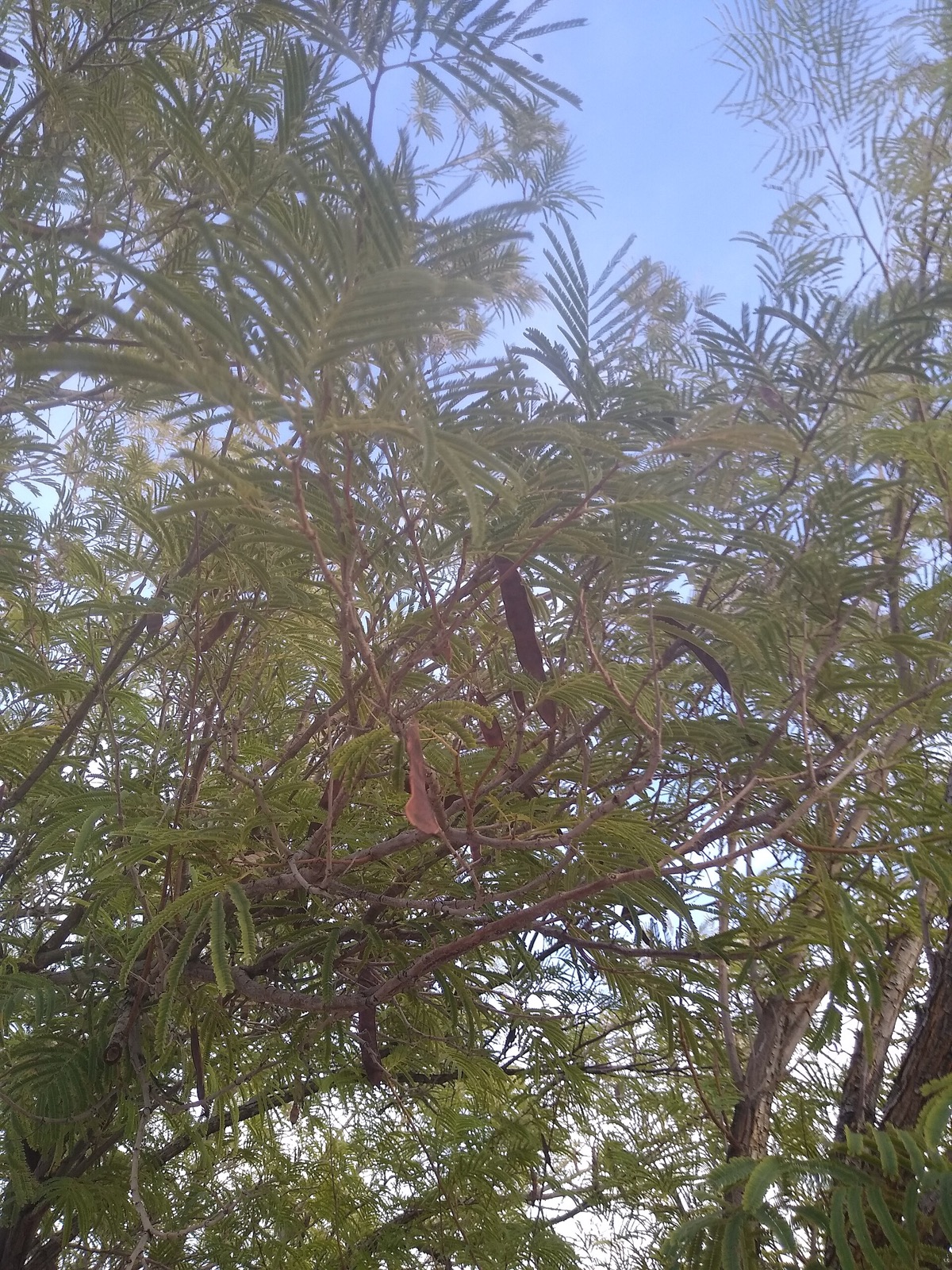 Desert fernLysiloma watsonii
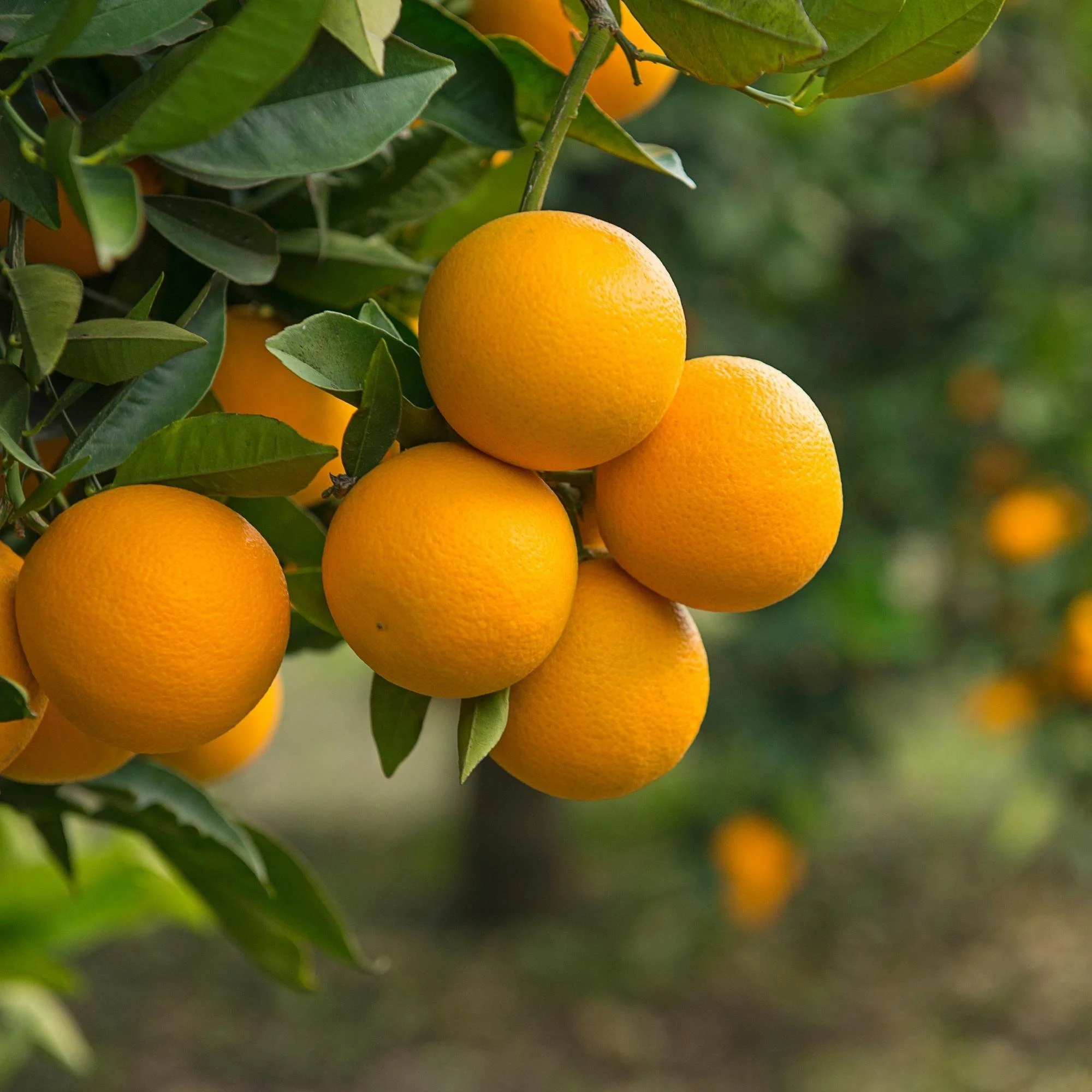 Diller Arizona sweet orangeCitrus sinensis ‘Diller’