
 BetaHome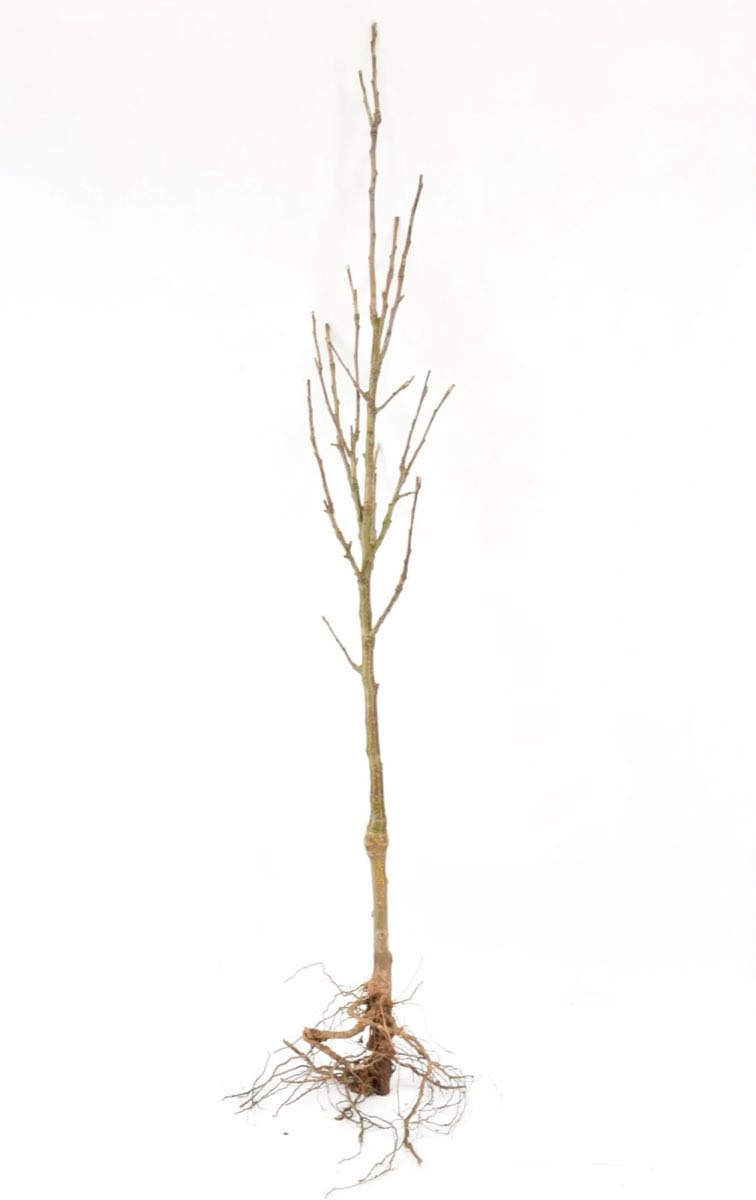
Shade trees · Dave Wilson Nursery
Arizona Ash
Arizona's native ash: fast growing, drought tolerant and fairly cold hardy, with golden fall color. Grown from seed, so some trees will be seed-dropping females. It is short-lived in most yards (often 20–30 years), prone to borers and limb breakage, and very susceptible to Texas root rot. A seedless selection is usually the better buy. Low desert and mid elevation.
55 varieties
- Pollination
- Seed grown; females drop seed, males do not
- Mature size
- About 40 ft tall and 30 ft wide; needs yearly structural pruning
Our pick for most gardens
1/2 inch caliperThe everyday choice. Enough trunk to stand on its own, young enough to settle in quickly and fruit on schedule.
USDA zones 6–10. In Arizona, best in the low desert and the mid elevations.
Which one
Every shade tree side by side
Same fruit, different seasons and different jobs. Pick the row that fits your ground and your calendar.
| Arizona's native ash: fast growing, drought tolerant and fairly cold hardy, with golden fall color. Grown from seed, so some trees will be seed-dropping females. It is short-lived in most yards (often 20–30 years), prone to borers and limb breakage, and very susceptible to Texas root rot. A seedless selection is usually the better buy. Low desert and mid elevation. | A narrow, upright red maple that fits tight spots, with yellow to orange fall color, to about 50 ft by 15 ft. Very cold hardy. It needs cool summers and good water, so it suits the high country and the cooler, granite-soil parts of mid elevation such as Prescott and Payson. In limey or alkaline soil the leaves turn yellow and scorch. Not for the low desert. | A red and silver maple hybrid with bright red to orange fall color, fast growth, and better drought tolerance than most maples. Cold hardy. It does well in the high country and cooler parts of mid elevation, such as Prescott and Payson. In alkaline soil it can turn yellow and chlorotic, and in the low desert it scorches. Not for Phoenix. | A red and silver maple hybrid with bright red fall color, even in warmer climates. Cold hardy. It does well in the high country and cooler parts of mid elevation, such as Prescott and Payson, where the soil is not too limey. In alkaline soil it can turn yellow and chlorotic, and in the low desert it scorches. Not for Phoenix. | A Chinese redbud with an open, shrubby form of 10–12 ft, glossy bright green leaves and big clusters of deep purple-pink flowers along the bare branches. It copes with drier conditions than Eastern redbud and likes part shade in hot summers. Suits the low desert with afternoon shade and mid elevation, and it flowers at a young age. | A cold hardy, seedless Arizona ash selected in New Mexico, with bright yellow fall color and a wide 50 by 40 ft canopy. Very cold hardy, so it is a rare ash that also suits the high country, and it works at mid elevation and in the low desert. Like all ash it is vulnerable to borers and Texas root rot, and it is a big tree. | A fast, big shade tree with attractive patchy bark, resistant to the anthracnose that hits other sycamores. It handles heat but wants deep, regular water, and the leaves can scorch in hot summers. It suits mid elevation best and does well in the low desert with real irrigation. Very susceptible to Texas root rot. Give it a lot of space. | A fast shade tree with a broad canopy and long-lasting yellow fall color, to about 35 by 35 ft. It is a good performer in the desert Southwest and fairly cold hardy. Suits the low desert and mid elevation. Like other ash it can be hit by borers and Texas root rot, so deep, infrequent watering and good drainage help. | A tough, fast shade tree with small, neat leaves and mottled bark, also called lacebark elm. It handles heat, wind, drought and our alkaline soil well. Suits the low desert and mid elevation. It can be semi-evergreen in the low desert, and the branches can be weak in wind. Elms are very susceptible to Texas root rot, so avoid sites where it has hit before. | A multi-trunked California native sycamore with big, light green leaves and mottled pale bark. It needs deep, regular water and a lot of space. It does well in the low desert and mid elevation where water is available, such as a low spot, a large lot or creek edge. Sycamores are very susceptible to Texas root rot, drop lots of leaf litter and are prone to anthracnose in wet springs. | A multi-trunked redbud with bright green heart-shaped leaves and purplish-pink flowers along bare branches in spring. Very cold hardy. It does best at mid elevation and in the high country, where bloom is reliable. In Phoenix the leaves scorch in afternoon sun, so Texas or Mexican redbuds are better there. Plant in light afternoon shade where it is hot. | Three or more white stems from the base, with weeping side branches, delicate leaves and white bark. It needs cool summers and steady water, so it fits the high country and the cooler parts of mid elevation, such as Prescott and Payson. In hotter sites bronze birch borers and heat stress take a toll. Not for the low desert. | A fast, wide, umbrella-shaped tree with ferny leaves and fluffy pink pompom flowers all summer. It tolerates heat, drought and desert conditions but does best with ample water. Fairly cold hardy, so it suits the low desert and mid elevation. It is short-lived, as mimosa wilt and webworms often take it in 15 to 20 years, and the seed pods make litter. | A fast London plane hybrid, with more anthracnose resistance than ordinary sycamores, and good bark. It is cold hardy and handles heat if watered well. It suits mid elevation best, and the low desert with deep, regular irrigation. Needs a lot of space and is susceptible to Texas root rot. | The evergreen shade ash of the low desert: it stays leafy nearly all year in Phoenix and can reach 60 ft or more, so it needs a lot of room. It is frost tender below about 20°F, which keeps it out of mid elevation and the high country. Expect heavy leaf drop in late winter, big water needs, aggressive roots, and Texas root rot. | A very fast Chinese elm that stays leafy nearly all year in the low desert and is deciduous in colder places. It grows quickly to about 50 ft. Suits the low desert and mid elevation. It sheds a lot of leaves in late winter, the branching can be weak and the root rot risk is high (elms are very susceptible to Texas root rot). | A very fast Chinese elm that stays leafy nearly all year in the low desert and is deciduous in colder places. It grows quickly to about 50 ft. Suits the low desert and mid elevation. It sheds a lot of leaves in late winter, the branching can be weak and the root rot risk is high (elms are very susceptible to Texas root rot). | A classic redbud with bright green heart-shaped leaves and purplish-pink flowers along the bare branches in spring. Very cold hardy. It does best at mid elevation and in the high country, where bloom is reliable. In Phoenix the leaves scorch in afternoon sun, so Texas or Mexican redbuds are better there. Plant it in light afternoon shade where it is hot. | The most popular white-barked birch in the West, with weeping side branches and delicate, lacy foliage. It needs cool summers and steady water, so it fits the high country and the cooler parts of mid elevation, such as Prescott and Payson. Bronze birch borer and heat stress are the common problems, and it is not for the low desert. | A seedless Arizona ash with large dark green leaves and a symmetrical canopy, fast growing and good for hot, dry Southwest summers. It avoids the seed litter of ordinary Arizona ash. Fits the low desert and lower mid elevation. It is still an ash, so borers, limb breakage and Texas root rot are the things to watch. | A seedless Arizona ash with large dark green leaves and a symmetrical canopy, fast growing and good for hot, dry Southwest summers. It avoids the seed litter of ordinary Arizona ash. Fits the low desert and lower mid elevation. It is still an ash, so borers, limb breakage and Texas root rot are the things to watch. | A seedless hybrid between Texas green ash and Arizona ash, with a rounded canopy and golden fall color. At about 30 by 25 ft it is a more manageable ash than Modesto. A good choice in the low desert and the warmer parts of mid elevation. Like all ash it is open to borers and Texas root rot. | A compact silk tree with ferny leaves, an open umbrella shape and deep pink pompom flowers all summer. It tolerates heat and drought in the low desert, and is hardy enough for mid elevation. It is short-lived, as mimosa wilt and webworms often take it in 15 to 20 years, and the seed pods make some litter. | Striking scarlet new leaves that turn maroon and then green, with pink spring flowers, on a moderate grower of about 20 ft. Cold hardy, it does best at mid elevation and in the high country with afternoon shade, which keeps the purple color. In the low desert the leaves scorch and the color turns muddy. Not a Phoenix tree. | A black locust with golden to orange new leaves that turn bright yellow-green, fast growing to about 40 ft. It is tough and cold hardy, so it suits mid elevation and the high country. In the low desert the foliage scorches. The limbs are brittle, thorns are sharp, roots sucker, and borers are common. Seeds and bark are toxic if eaten. | Fast, dense, cool shade that shrugs off heat and alkaline soil, which is why it is all over Phoenix. The downsides are real: heavy allergy-causing pollen, shallow roots that lift paving, soft wood, and very high Texas root rot risk. Tucson and Pima County restrict planting it. Works in the low desert and mid elevation if you accept those trade-offs. | A thornless honeylocust with bright yellow new growth that turns lime green, giving a light, airy shade. It is tough and fairly cold hardy, so it does best at mid elevation and in the high country. In the low desert the gold foliage can scorch in summer. Tiny leaves make easy litter, but watch for borers and webworms. | A slow, open tree with light shade, big clusters of yellow flowers in early summer, and papery lantern-like seed pods that stay on in fall. It handles heat and alkaline soil and is fairly cold hardy, so it suits the low desert and mid elevation. It wants regular water. Seedlings pop up around it and the pods make some litter. | A male Chinese pistache with no messy berries and brilliant orange to red fall color. It handles heat, drought and alkaline soil and is one of the better low desert shade trees, with few pest or disease problems. Slow to start, then steady. Suits the low desert and the warmer parts of mid elevation. Prune young for a strong shape. | A drought tolerant, fast, vase-shaped fruitless mulberry that gives dense shade. It does well in the low desert and mid elevation. The downsides are real: heavy allergy-causing pollen from male trees, shallow roots that lift paving, soft wood, and very high Texas root rot risk. Tucson and Pima County restrict planting mulberry. | A very fast, tall, narrow column used for screens and windbreaks, with yellow fall color. It is very cold hardy but short-lived, often 15 to 25 years, because cankers and borers take it. It suits mid elevation and the high country, where it can be a useful screen. In the low desert it is short-lived and suffers in the heat. | A California native sycamore trained with low branches, for a fuller, shrubbier shape. Big light green leaves and mottled pale bark. It needs deep, regular water and a lot of space, and does well in the low desert and mid elevation where water is available. Sycamores shed a lot of litter and are susceptible to Texas root rot. | Profuse pinkish-purple flowers in spring on a small tree with glossy, scalloped, blue-green leaves. It handles heat and drought better than Eastern redbud, so it suits the low desert and mid elevation. Moderately cold hardy. Give it light afternoon shade in Phoenix. Slow to start but long-lived and tidy. | A big, handsome sycamore from Mexico and Texas, with glossy leaves, mottled bark, good heat tolerance and enough cold hardiness for mid elevation. It does well in the low desert and mid elevation with deep, regular water and a lot of space. Sycamores shed a lot of litter and fuzzy leaf hairs, and are susceptible to Texas root rot. | A vigorous, fast Arizona-type ash for hot, dry summers, with spectacular yellow fall color and a 50 by 30 ft canopy. It was planted all over Phoenix and Tucson for decades. It is short-lived in many yards, with limb failure after 15 to 20 years without good pruning. Borers and Texas root rot are the usual killers. Low desert and mid elevation. | A red maple with a nearly round canopy, glossy green leaves and a showy red fall color that comes late. About 40 by 35 ft. It suits the high country and the cooler parts of mid elevation with neutral to slightly acidic soil, such as Prescott and Payson. Alkaline soil causes yellow leaves, and the low desert is too hot for it. | Spectacular purplish-red flower clusters in early spring, on a tree with glossy, dark green, heat-resistant leaves. It is one of the tougher redbuds for hot summers, so it does well in the low desert with afternoon shade and also at mid elevation and in the high country. Fairly cold hardy. Bloom is February to March in Phoenix. | Large clusters of purplish-pink, sweet-pea flowers in spring over a shapely, open tree, with a long bloom. It handles heat, drought and poor soil and is hardy in all three regions. It is fast growing but brittle, so prune for strong structure when young. Borers, suckers and thorns are the trade-offs, and the seed pods make some litter. | Large clusters of purplish-pink, sweet-pea flowers in spring over a shapely, open tree, with a long bloom. It handles heat, drought and poor soil and is hardy in all three regions. It is fast growing but brittle, so prune for strong structure when young. Borers, suckers and thorns are the trade-offs, and the seed pods make some litter. | Light green leaves that shimmer in the slightest breeze, with bright yellow fall color. It is a high country tree, at home around Flagstaff, Show Low and the White Mountains, and only a short-lived guest below about 6,500 ft. It suckers into groves, wants steady moisture and cool roots, and is open to borers and cankers when stressed. Not for Phoenix or the warm mid elevations. | A smaller, fast-growing ash that tolerates heat, cold and alkaline soil, with purplish-red fall color (best where nights turn cool) and no seeds. At 25–35 ft it fits a typical yard better than the bigger ashes. Suits the low desert and mid elevation. It can sunscald when young, so wrap or shade the trunk, and watch for borers and Texas root rot. | An upright, oval red maple with bright red or orange-red fall color, to about 40 ft, and very cold hardy. It suits the high country and the cooler parts of mid elevation with neutral to slightly acidic soil. In limey soil the leaves yellow, and in the low desert it scorches. Needs steady water. | Rich purple leaves and puffy, smoke-like plumes in early summer, on a tree or large shrub of about 20 ft. It likes cool nights, good drainage and full sun, and is very cold hardy, so it suits mid elevation and the high country. In the low desert the leaves scorch in summer heat. Not for Phoenix. | A very fast, thornless honeylocust with light, filtered shade and small leaves that fall in fall and are easy to clean up. It handles heat, wind, drought and alkaline soil, and is fairly cold hardy. It does well in the low desert, at mid elevation and in the high country. Watch for borers and webworms. Light shade lets lawn or underplanting grow beneath it. | The evergreen shade ash of the low desert: it stays leafy nearly all year in Phoenix and can reach 60 ft or more, so it needs a lot of room. It is frost tender below about 20°F, so it is not for the higher elevations. Seed-grown trees can drop messy seed in late summer. Expect heavy leaf drop, big water needs, aggressive roots and Texas root rot. | A very fast, large maple with an open form and silver-backed leaves. It is easy to grow in cold climates, so it fits the high country and cooler mid elevation spots with irrigation. The downsides are real: brittle limbs, greedy surface roots, and yellow leaves in alkaline soil. Not for the low desert. | A two-trunked California native sycamore with big light green leaves and mottled pale bark. It needs deep, regular water and a lot of space, and does well in the low desert and mid elevation where water is available. Sycamores shed a lot of litter and are susceptible to Texas root rot. | A two-stemmed form of European white birch, with white bark, weeping side branches and delicate leaves. It needs cool summers and steady water, so it suits the high country and the cooler parts of mid elevation, such as Prescott and Payson. Bronze birch borer and heat stress are the common problems. Not for the low desert. | Deep purple leaves and hazy, smoke-like plumes in early summer, on a two-stemmed form of about 20 ft. It likes cool nights and is very cold hardy, so it suits mid elevation and the high country. In the low desert the leaves scorch and burn in summer heat. Needs good drainage. Not for Phoenix. | A two-trunked form of silk tree: a fast, wide, umbrella-shaped tree with ferny leaves and fluffy pink pompom flowers all summer. It tolerates heat and drought but does best with ample water. Fairly cold hardy, so it suits the low desert and mid elevation. It is short-lived, as mimosa wilt and webworms often take it in 15 to 20 years. | A massive California native oak with twisting limbs, lobed leaves and checked gray bark, reaching 70 ft or more with equal spread. It is slow but long-lived and needs deep soil and deep water. It has no record in Arizona yards that we could find, so treat it as an experiment. If tried, mid elevation with deep soil is the likeliest fit. Low desert heat and alkaline soil are against it. | A fast, vase-shaped shade tree with dark green, elm-like leaves and orange-red fall color. Cold hardy and tolerant of heat and wind, it makes a good street tree. It suits the low desert and mid elevation with regular water. In very alkaline soil the leaves can yellow, so watch for iron deficiency. A better-behaved elm substitute. | Arizona's own streamside cottonwood: a very fast, huge tree with shimmering leaves and yellow fall color, to 60 ft or more. It only does well with real water, such as a creek, a wash edge or generous irrigation. Low desert and mid elevation. Expect dropped branches and leaf litter, possible cotton in spring, and roots that find pipes and septic lines. | A big tree with heart-shaped leaves, showy white flower clusters in late spring and long bean-like pods. It tolerates cold, many soils and some heat, so it suits mid elevation and the high country. In Phoenix the leaves scorch and it struggles. It is messy, with dropping flowers and pods, and the limbs are brittle. | A small, drought tolerant redbud with bright purplish-pink, sweet-pea-shaped flowers on bare branches in spring, then yellow to red fall color. It stays at about 15 ft, so it fits small yards. A western native that tolerates heat and dry summers, so it suits mid elevation and the high country, and the low desert with afternoon shade. | |
|---|---|---|---|---|---|---|---|---|---|---|---|---|---|---|---|---|---|---|---|---|---|---|---|---|---|---|---|---|---|---|---|---|---|---|---|---|---|---|---|---|---|---|---|---|---|---|---|---|---|---|---|---|---|---|---|
| Harvest | — | — | — | — | Blooms February to March in the low desert; March to April at mid elevation | — | — | — | — | — | Blooms March to April at mid elevation; April to May in the high country | — | Blooms May to July in the low desert; June to August at elevation | — | — | — | — | Blooms March to April at mid elevation; April to May in the high country | — | — | — | — | Blooms May to July in the low desert; June to August at elevation | Blooms March to April at mid elevation; April to May in the high country | Blooms April to May at mid elevation | — | — | Blooms May to June in the low desert; June to July at elevation | — | — | — | — | Blooms February to March in the low desert; March to April at mid elevation | — | — | — | Blooms February to March in the low desert; March to April at mid elevation | Blooms April to May in the low desert; May to June at elevation | Blooms April to May in the low desert; May to June at elevation | — | — | — | Blooms May to June, with puffy 'smoke' plumes in June | — | — | — | — | — | Blooms May to June, with puffy 'smoke' plumes in June | Blooms May to July in the low desert; June to August at elevation | — | — | — | Blooms May to June at mid elevation | Blooms February to March in the low desert; March to April at mid elevation |
| Pollination | Seed grown; females drop seed, males do not | — | — | — | — | Seedless | — | — | — | — | — | — | — | — | Seedless selection (unconfirmed) | — | — | — | — | Seedless | Seedless | Seedless | — | — | — | Male tree; no fruit | Thornless, podless form | — | Male clone; no berries | Fruitless | — | — | — | — | — | — | — | — | — | — | Seedless | — | — | Thornless, nearly podless | Seed grown; females drop seed | — | — | — | — | — | — | — | — | — | — |
| Mature size | About 40 ft tall and 30 ft wide; needs yearly structural pruning | About 50 ft tall and 15 ft wide; narrow upright form | About 50 ft tall and 40 ft wide; fast growing | About 50 ft tall and 40 ft wide; fast growing | 10–12 ft tall and wide; open shrub form, easy to keep tidy | About 50 ft tall and 40 ft wide; needs yearly structural pruning | 60–80 ft tall and 30–40 ft wide; needs lots of room | About 35 ft tall and wide; needs yearly structural pruning | 40–50 ft tall and wide; needs yearly structural pruning | 80–100 ft tall; multi-trunk; needs a great deal of room | 25–35 ft tall and wide; multi-trunk | 30–40 ft tall; multi-stem | 25–35 ft tall and up to 50 ft wide; multi-stem | About 80 ft tall; needs a great deal of room | 60 ft or more tall and wide; give it a lot of room | About 40–50 ft tall and wide; needs yearly structural pruning | About 40–50 ft tall and wide; needs yearly structural pruning | 25–35 ft tall and wide; light pruning after bloom | 30–40 ft tall; single trunk | About 40–50 ft tall, 30 ft wide; needs yearly structural pruning | About 40–50 ft tall, 30 ft wide; needs yearly structural pruning | About 30 ft tall and 25 ft wide; needs yearly structural pruning | About 20–25 ft tall; more compact than the species | About 20 ft tall and wide; moderate grower | About 40 ft tall; open, irregular canopy | 40 x 50 ft; heavy pruning keeps it small but it resprouts hard | 40–50 ft tall; open canopy | 30 x 30 ft; slow growing and easy to keep smaller | 30–50 ft tall and 20–30 ft wide; train young for good structure | 30–40 ft tall; vase shaped; heavy pruning keeps it smaller | 40–100 ft tall and only 10–15 ft wide; very narrow column | 80–100 ft tall; low branching; needs a great deal of room | 15–20 ft tall and wide; light pruning after bloom | 70–80 ft tall and 50 ft wide; needs a great deal of room | About 50 ft tall and 30 ft wide; needs yearly structural pruning | About 40 ft tall and 35 ft wide; round canopy | 20–35 ft tall; round canopy | About 30–40 ft tall and wide; needs structural pruning when young | About 30–40 ft tall and wide; needs structural pruning when young | 40–60 ft tall; suckers into a grove | 25–35 ft tall; easy to hold near 25 ft with pruning | About 40 ft tall; upright oval canopy | About 20 ft tall and wide; single trunk or shrub | 40–60 ft tall and about 35 ft wide; low maintenance | 60 ft or more tall and wide; give it a lot of room | 40–100 ft tall with equal spread; very fast and weak-wooded | 80–100 ft tall; two trunks; needs a great deal of room | 30–40 ft tall; two stems | About 20 ft tall and wide; two stems | 25–35 ft tall and up to 50 ft wide; two trunks | 70 ft or more, with equal spread; very slow and long-lived | 40–50 ft tall; vase shaped | 60 ft or more tall and 30–40 ft wide; needs lots of space | 40–60 ft tall and about 30–40 ft wide | About 15 ft tall and wide; single or multi-trunk |
| From | $29 | $33 | $35 | $39 | $34 | $38 | $28 | $38 | $40 | $24 | $24 | $24 | $45 | $33 | $29 | $45 | $65 | $35 | $26 | $39 | $33 | $29 | $25 | $31 | $28 | $38 | $32 | $32 | $39 | $32 | $29 | $33 | $34 | $33 | $35 | $35 | $34 | $25 | $37 | $28 | $44 | $38 | $28 | $32 | $29 | $26 | $45 | $45 | $24 | $45 | $48 | $41 | $29 | $35 | $67 |
Counts are what the nursery is growing right now, across every trunk size.
Where this tree sits
Shade trees sit in the upper canopy layer.
The tallest trees. They set the shade everything else lives in, and in the low desert that shade is what makes the rest possible.
Other options in the upper canopy layer
Not in this program. From the wider plant catalogue.
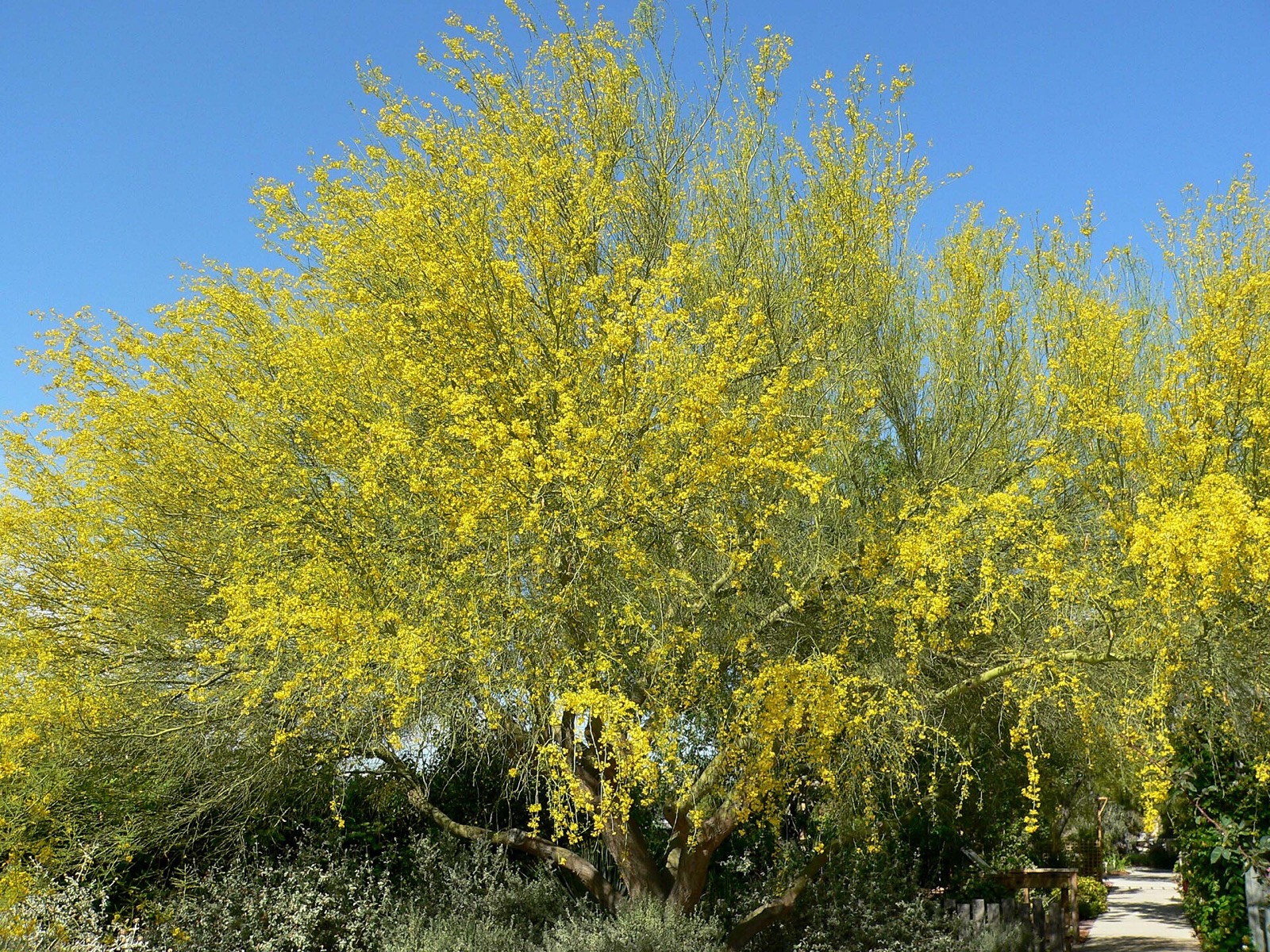 Blue palo verdeParkinsonia florida
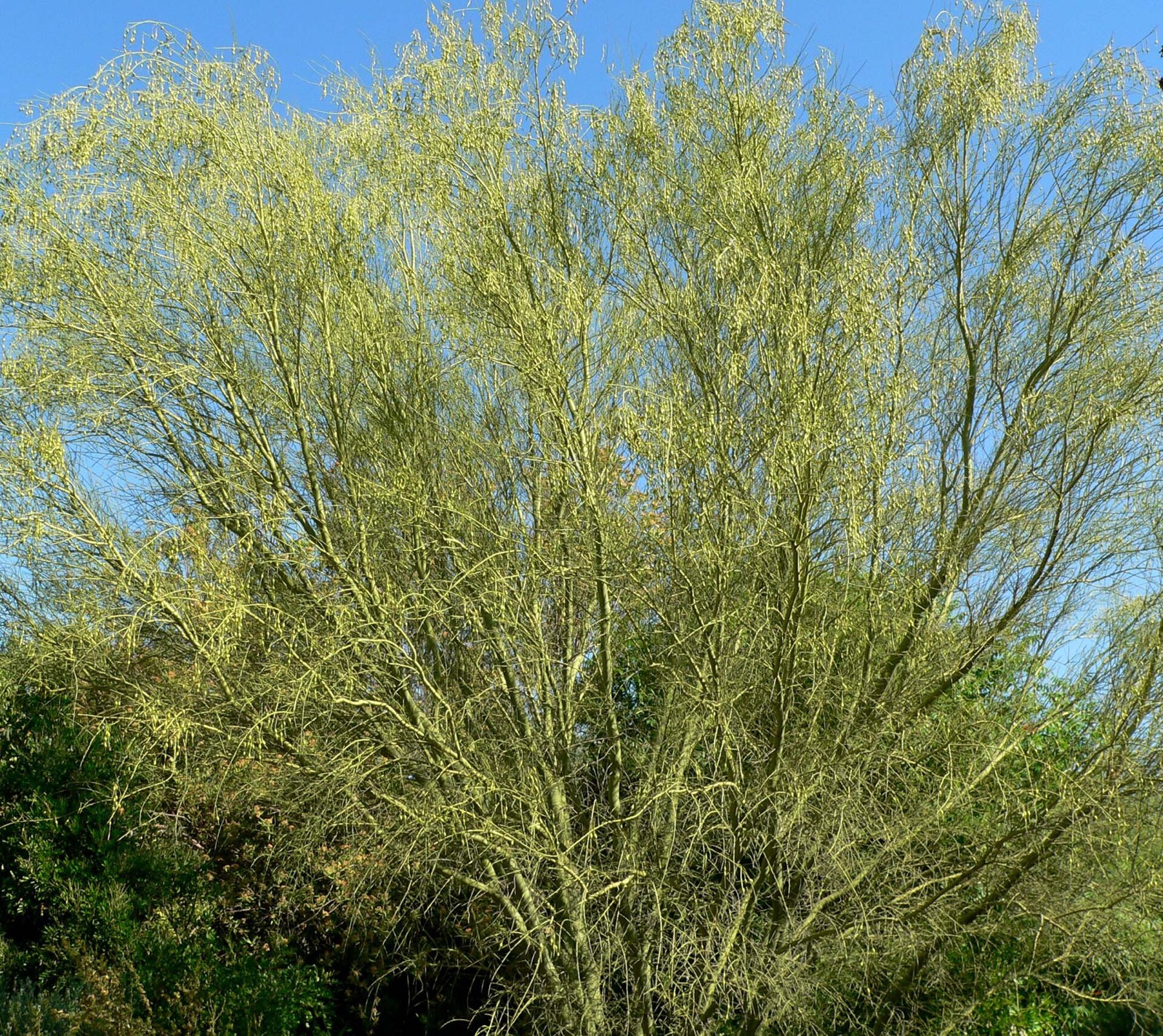 Foothill palo verdeParkinsonia microphylla
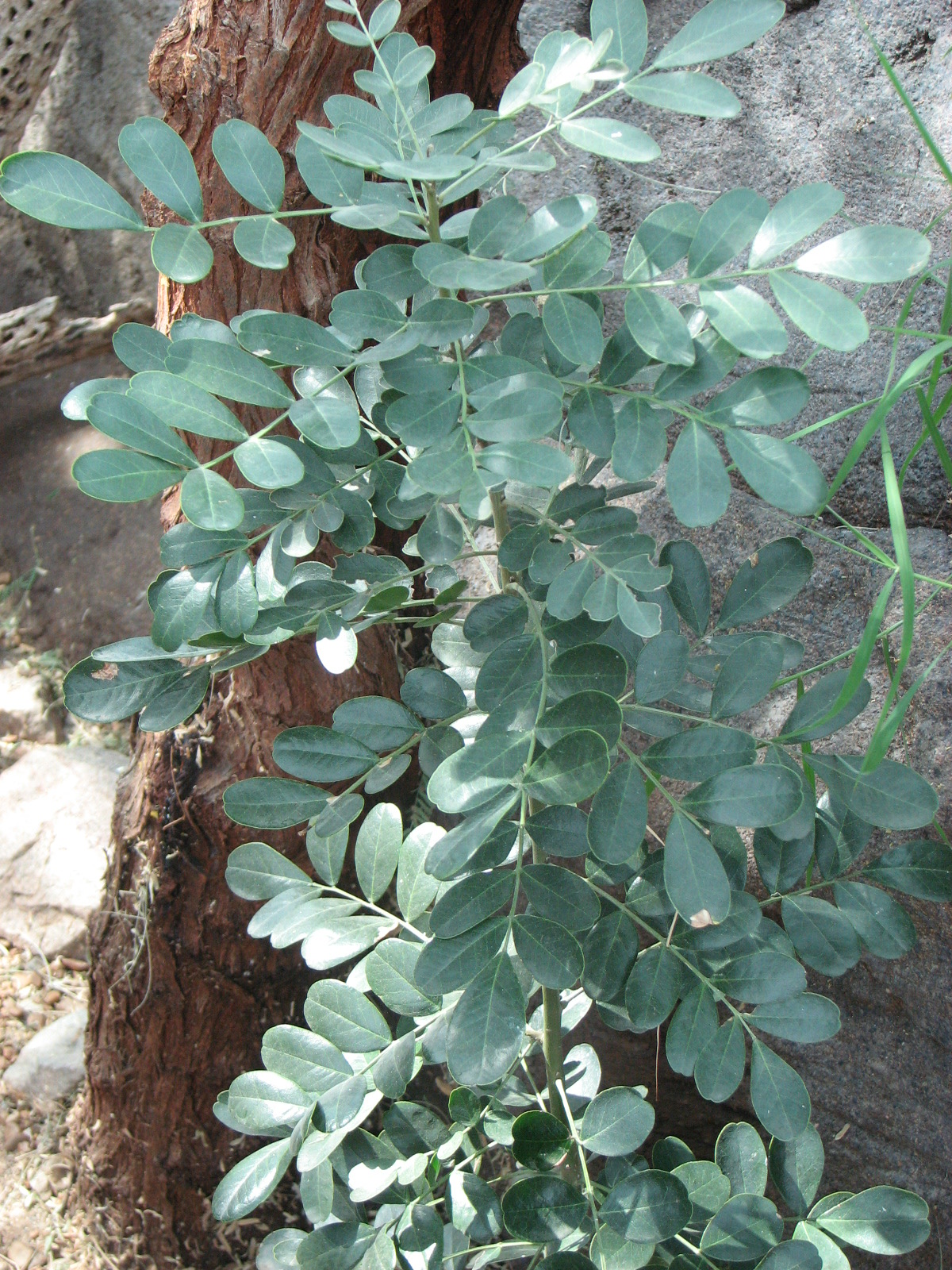 Desert ironwoodOlneya tesota
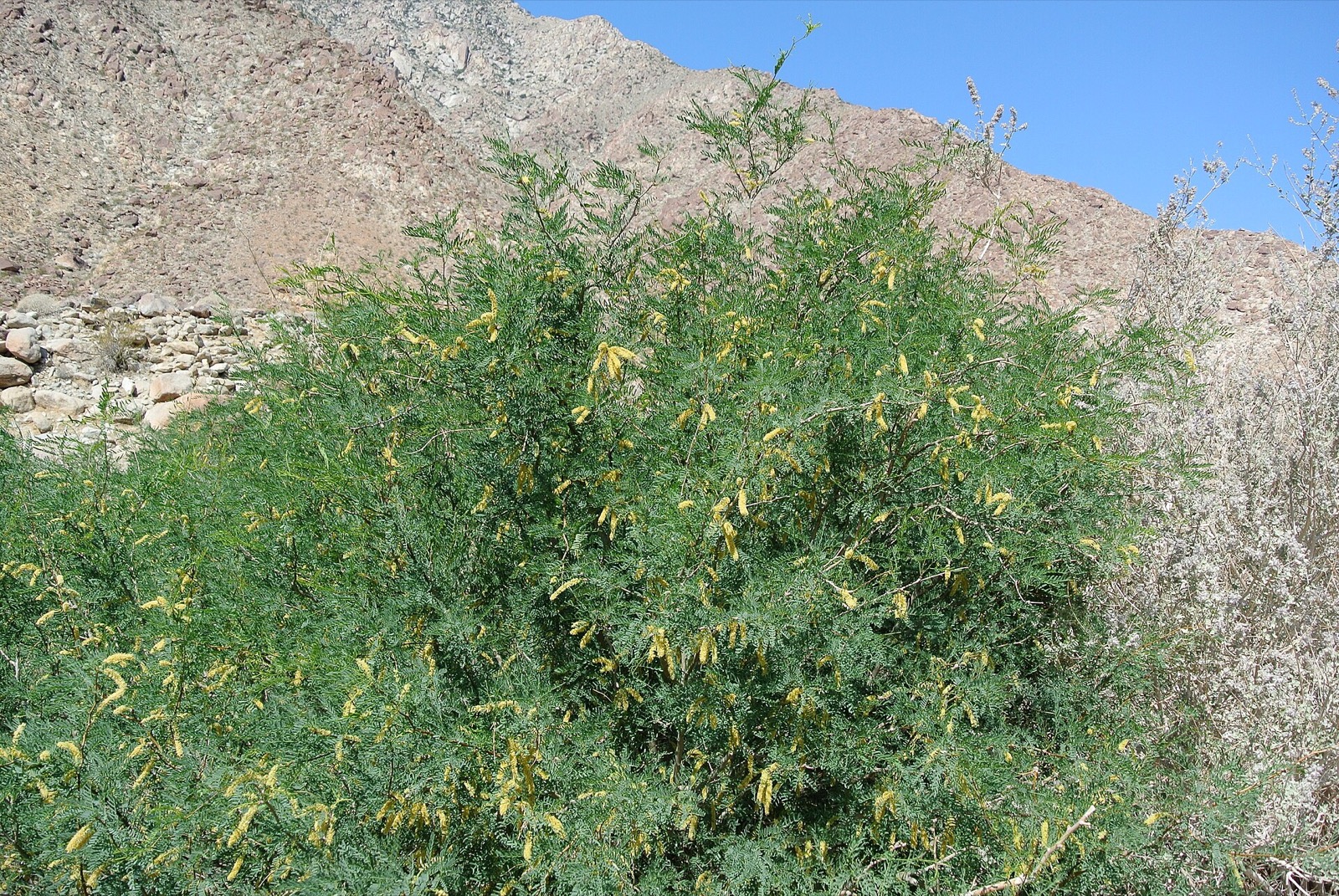 Velvet mesquiteNeltuma velutina
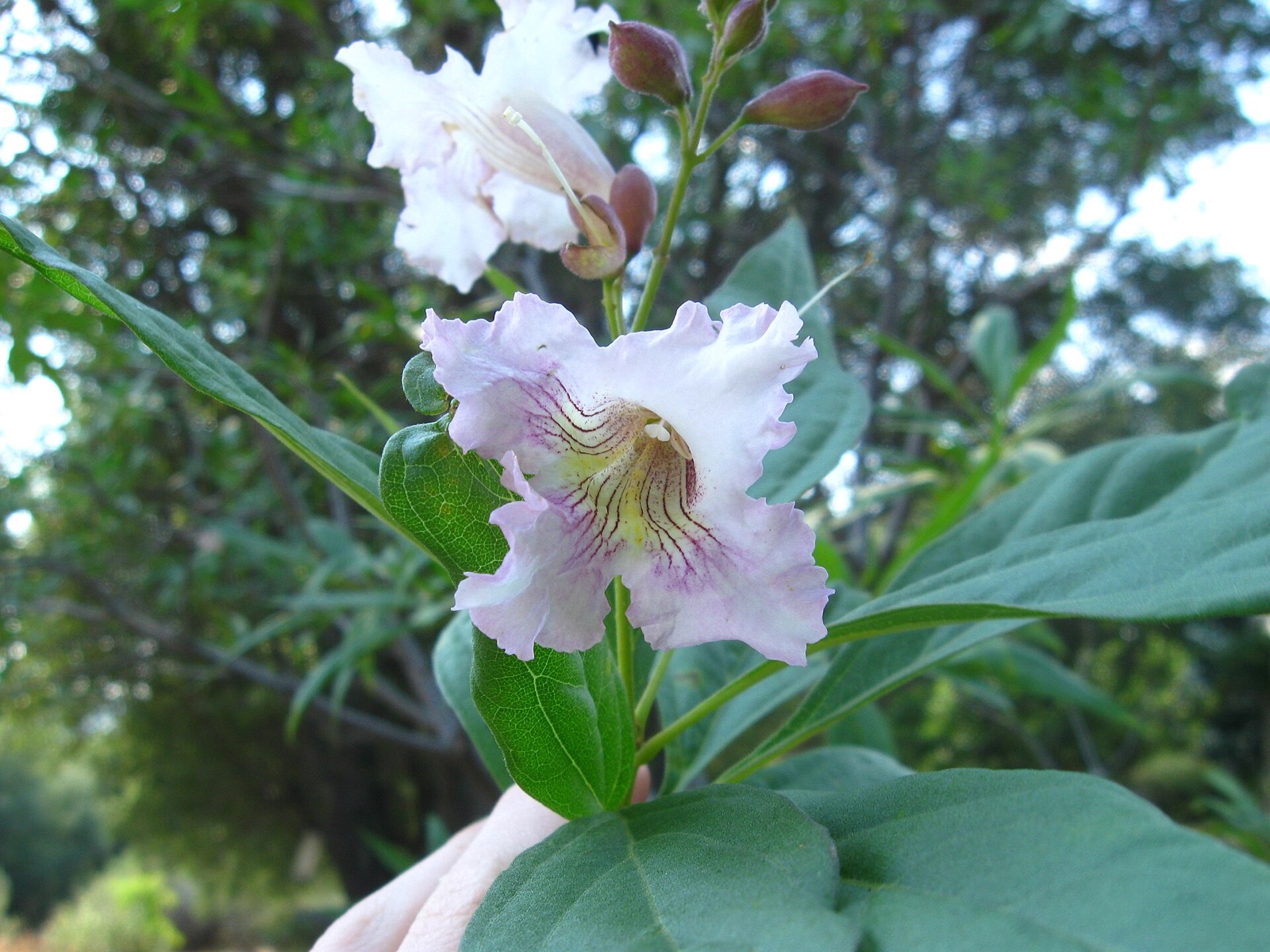 Chitalpa× Chitalpa tashkentensis
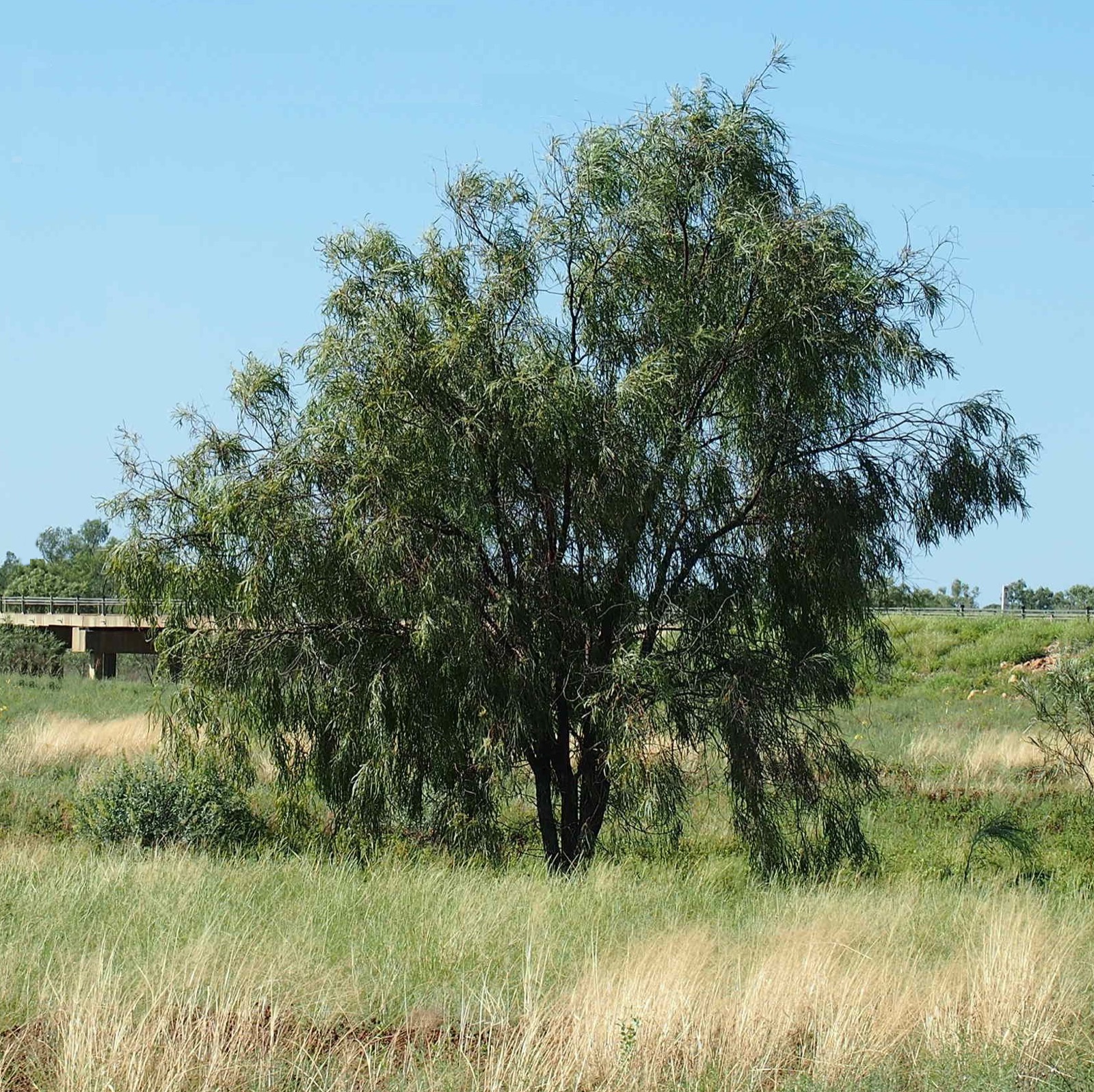 Willow acaciaAcacia salicina
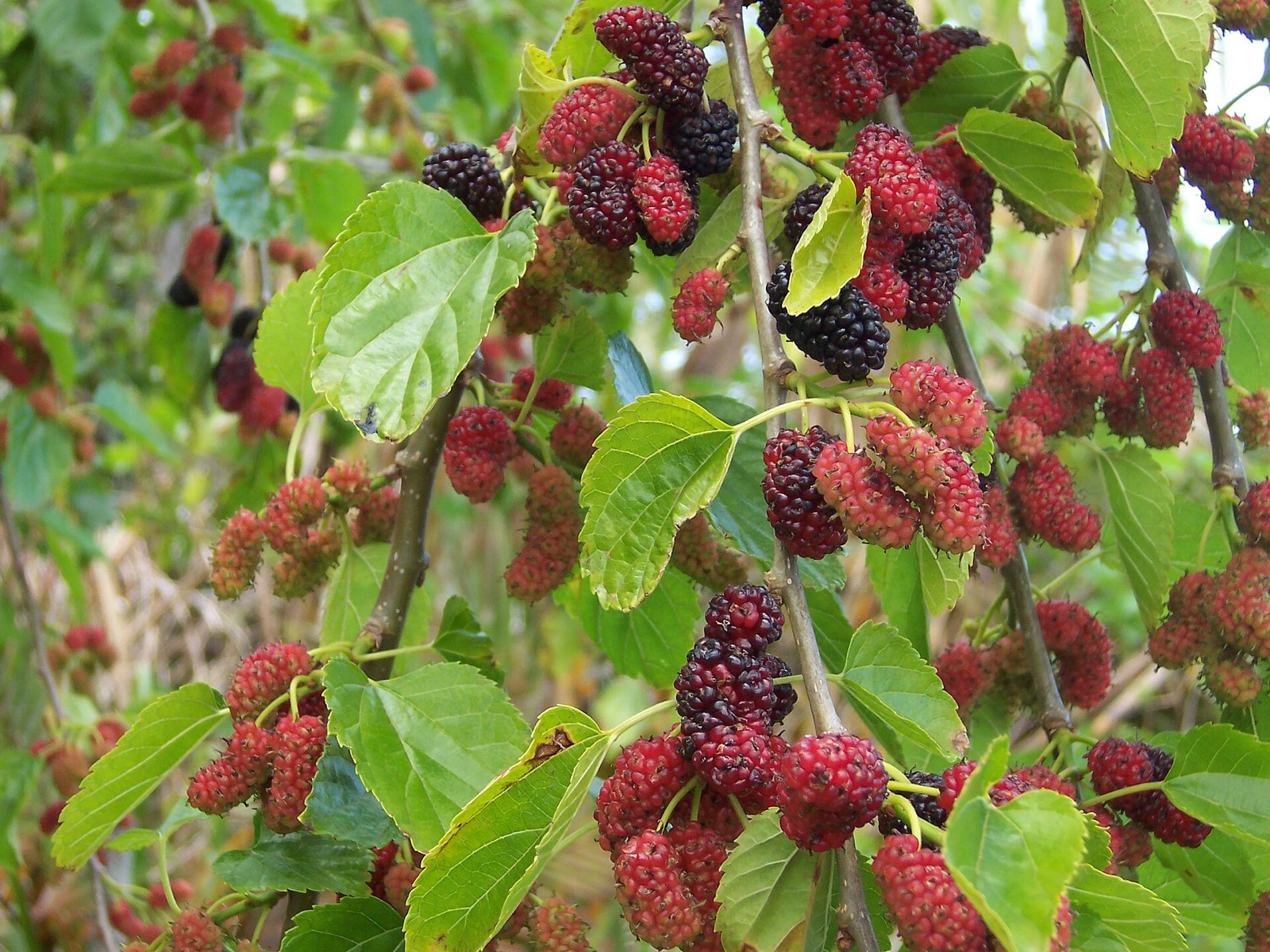 MulberryMorus alba cultivars
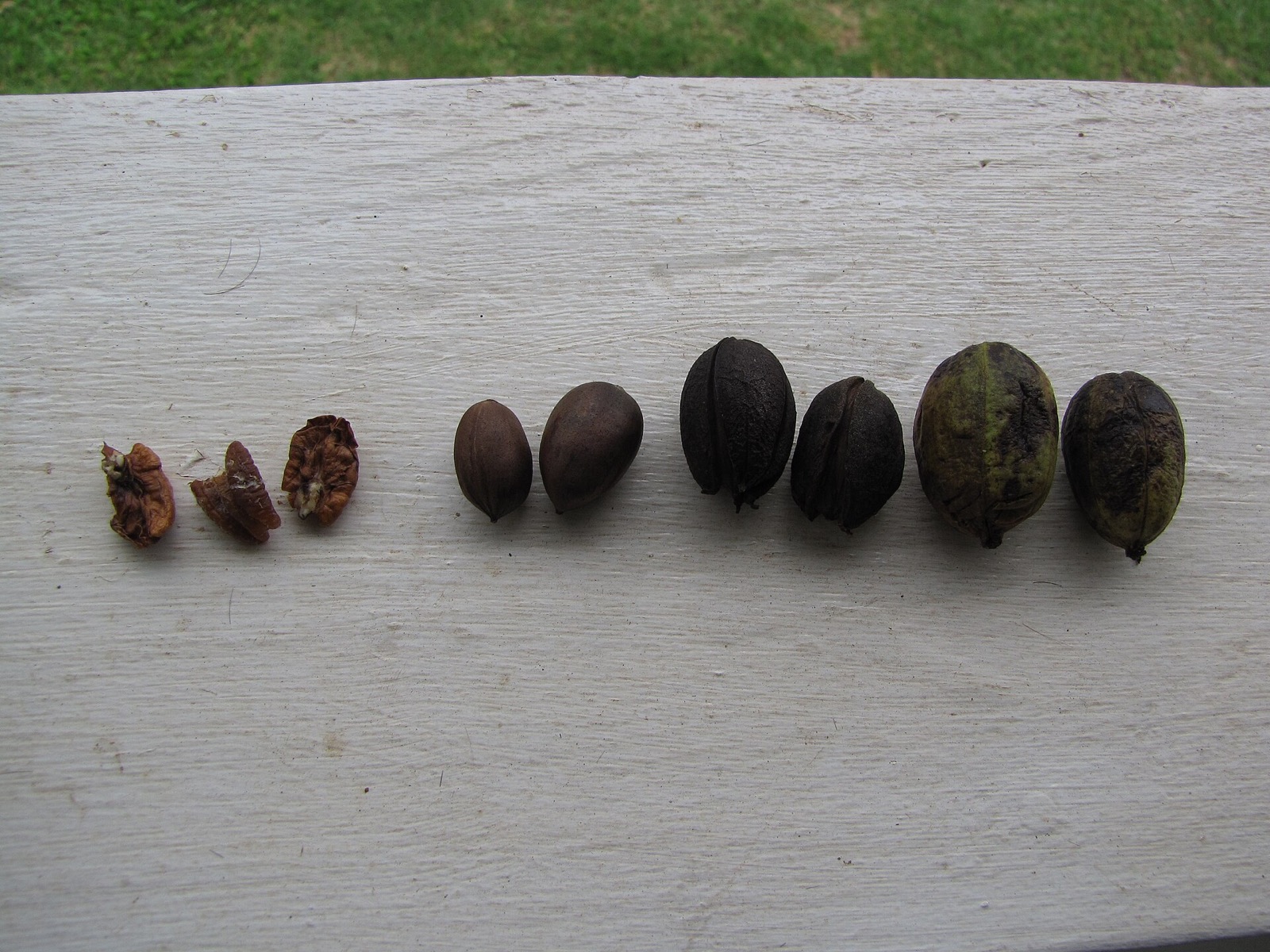 Western Schley pecanCarya illinoinensis ‘Western Schley’
- Pakistan mulberryMorus macroura ‘Pakistan’
- White Pakistan mulberryMorus macroura ‘White Pakistan’
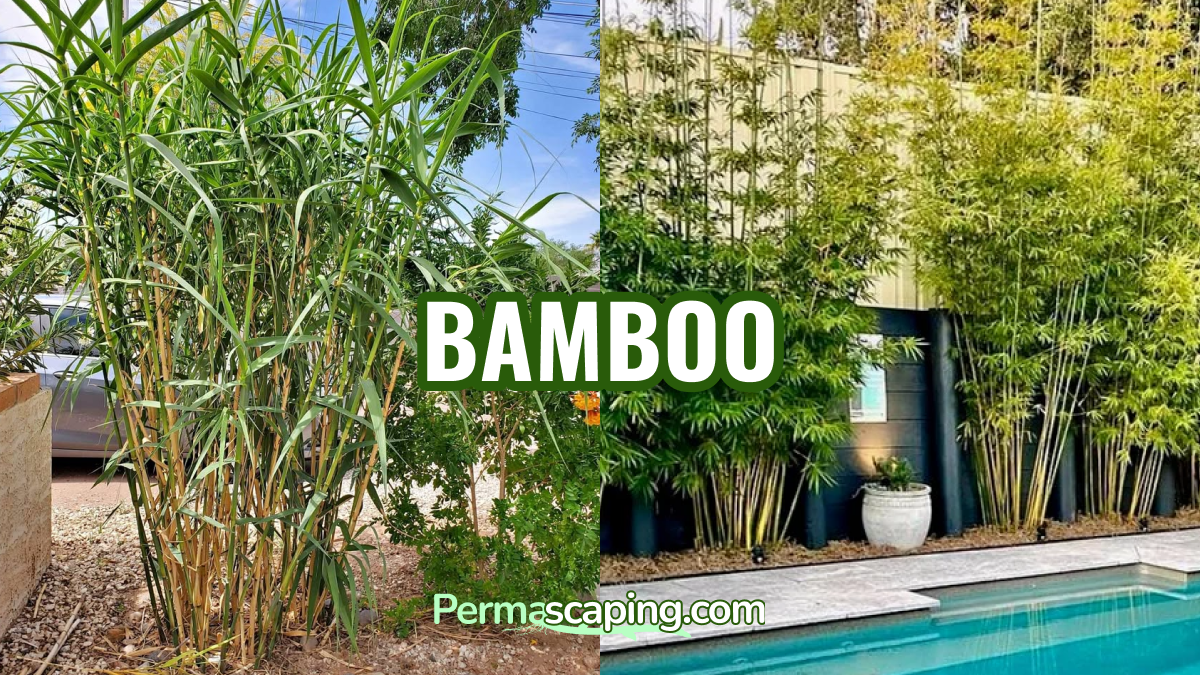 BambooBambusa spp.
 Southern live oakQuercus virginiana