
 BetaHome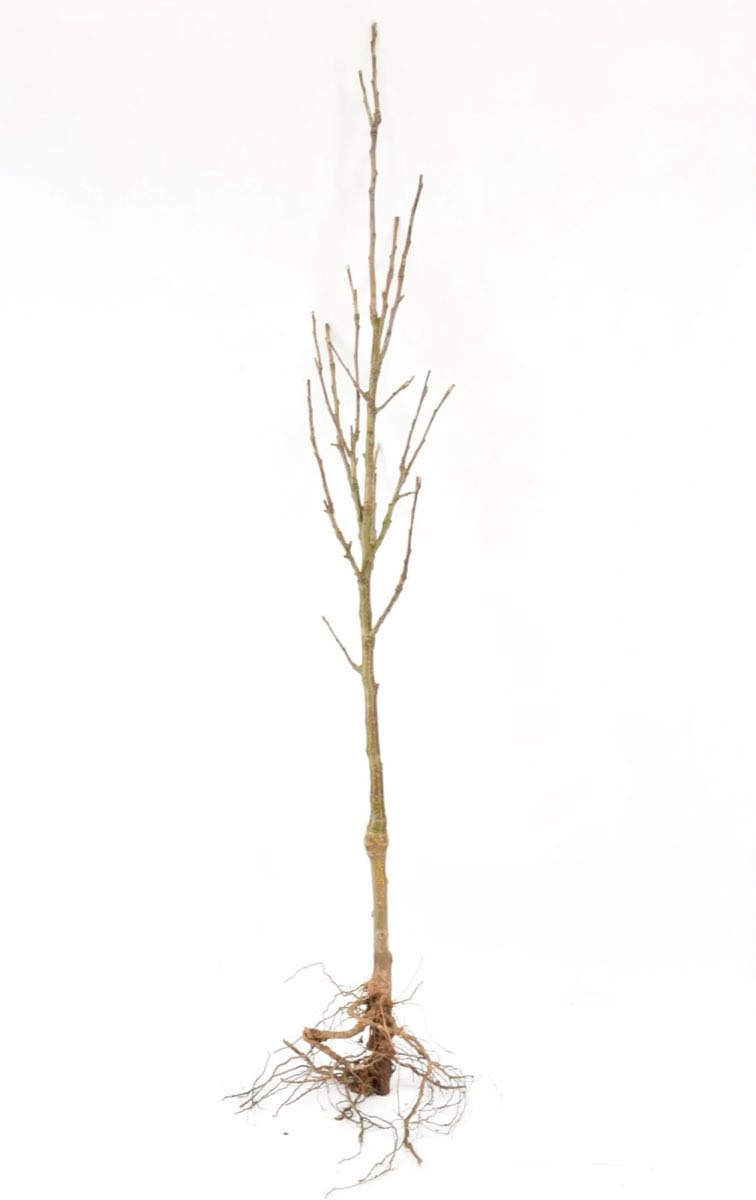
Nuts · Dave Wilson Nursery
All-In-One Almond
The almond that needs no partner, with soft shells and sweet kernels. It blooms early, so it is a low desert tree: Phoenix winters give enough chill and rarely frost the flowers, while at elevation a late freeze usually takes the crop. It needs a hot summer to fill the nuts, and birds and squirrels will help themselves once the hulls split.
12 varieties
- Chill hours
- 300–400 hours
- Harvest
- Late August to mid September in the low desert
- Pollination
- Self-fruitful; no second almond needed
- Mature size
- 12–15 ft unpruned on Nemaguard; easy to hold at 8–10 ft with summer pruning
Our pick for most gardens
5/16 inch caliperStill a whip, a little sturdier. Good where you want to train the tree yourself from the first cut.
USDA zones 8–9. In Arizona, best in the low desert.
Which one
Every nut side by side
Same fruit, different seasons and different jobs. Pick the row that fits your ground and your calendar.
| The almond that needs no partner, with soft shells and sweet kernels. It blooms early, so it is a low desert tree: Phoenix winters give enough chill and rarely frost the flowers, while at elevation a late freeze usually takes the crop. It needs a hot summer to fill the nuts, and birds and squirrels will help themselves once the hulls split. | The heavy-bearing home orchard walnut, with light-colored, good-tasting nuts on side buds, so it crops sooner than older types. It needs about 700 chill hours, so it fits mid elevation yards, not the low desert, where chill is short and heat scorches leaves and nuts. It is a big tree that needs deep, regular water. | A big, spreading chestnut with large nuts that peel easily. It needs 400 to 500 chill hours but also acid soil, and most Arizona soil is too alkaline, so use it only where the ground is acidic, such as granite soil around Prescott and Payson, or grow it in a large amended container. It needs a Nevada chestnut nearby for pollination. | The late-leafing walnut, so spring frosts that burn other walnuts mostly miss it. It needs 700 to 1,000 chill hours, so it suits frost-prone spots at mid elevation, such as Prescott, Payson and Sierra Vista. The tree is very large and upright, with thin-shelled nuts and light kernels, and it is slow to come into bearing. | A cold-hardy Carpathian-type walnut that bears young and heavy, with large, sweet kernels. It needs about 700 chill hours and shrugs off cold winters, so it suits mid elevation and sets nuts alone. It is a vigorous, large tree that wants deep watering and plenty of room. | The female pistachio that bears the nuts, and it thrives on long hot summers, dry air and alkaline, salty soil. It needs about 800 chill hours, so it fits warm mid elevation valleys; the low desert only suits colder pockets with enough winter chill. It needs a Peters male nearby, takes years to start bearing, and should go in from the pot without disturbing the roots. | A walnut bred in New Mexico, with large, well-sealed nuts that resist sunburn, and it blooms late enough to miss most frosts. It needs about 700 chill hours, so it suits mid elevation yards and not Phoenix, and it sets nuts alone. It grows into a big, thirsty tree, so give it room and deep, regular watering. | A late-blooming almond with plump, hard-shelled nuts, so it dodges more spring frosts than most. It needs about 500 chill hours, which puts it at mid elevation, in warm spots like the Verde Valley and Sierra Vista, rather than Phoenix. It will not set nuts alone, so plant All-In-One or Price nearby, and expect a frost loss in the odd cold year. | Nevada is a good nut tree in its own right and the pollen partner for Colossal, since one Nevada serves 8 to 10 Colossal. It needs 400 to 500 chill hours and, like Colossal, it will not tolerate alkaline soil. It only works where soil is acidic, like granite soils around Prescott and Payson, or in a big container with an acid mix. | The male pistachio: it makes pollen and no nuts, and one tree can serve up to eleven Kerman. Plant it close to your Kerman, because the pollen travels on the wind. It needs about 800 chill hours and loves summer heat, so it fits warm mid elevation valleys, and it should go in from the pot without disturbing the roots. | A small, heavy-bearing almond with nuts much like Nonpareil, a good fit for tight yards. At about 400 chill hours it works in the low desert, though that is the edge for Phoenix. It will not set nuts alone, so plant All-In-One or Mission nearby, and skip it at elevation, where its early bloom is usually frosted. | A walnut with a striking red kernel that stands out at farmers markets, bearing moderate to heavy crops on its side buds. It needs 700 to 1,000 chill hours and leafs out in mid April, so it suits mid elevation yards. It will not set nuts alone, so plant Franquette or Cisco nearby. | |
|---|---|---|---|---|---|---|---|---|---|---|---|---|
| Harvest | Late August to mid September in the low desert | October to early November at mid elevation | Late September to October at mid elevation | Late October to November at mid elevation | October to early November at mid elevation | September to early October in warm mid-elevation valleys | October to early November at mid elevation | Late September to October at mid elevation | Late September to October at mid elevation | No nuts; male pollen tree for Kerman | Mid August to early September in the low desert | October to early November at mid elevation |
| Chill hours | 300–400 hours | 700 hours | 400–500 hours | 700–1,000 hours | 700 hours | 800 hours | 700 hours | 500 hours | 400–500 hours | 800 hours | 400 hours | 700–1,000 hours |
| Pollination | Self-fruitful; no second almond needed | Self-fruitful; Franquette nearby can improve nut set | Needs Nevada nearby (one Nevada pollinates 8–10 Colossal) | Self-fruitful; also a good partner for Chandler | Self-fruitful; no second walnut needed | Needs a Peters male nearby; one Peters can serve several Kerman | Self-fruitful; no second walnut needed | Needs a partner such as All-In-One or Price | Pollinates Colossal and needs Colossal nearby in return | Male tree that pollinates Kerman; one tree serves up to eleven females | Needs a partner such as All-In-One or Mission | Needs a partner such as Franquette or Cisco |
| Mature size | 12–15 ft unpruned on Nemaguard; easy to hold at 8–10 ft with summer pruning | 40–50 ft unpruned on Paradox; hard to hold below about 25 ft | 40–60 ft unpruned; hard to hold below about 25 ft | 50–60 ft unpruned on Paradox; very large, hard to hold below 30 ft | 40–50 ft unpruned on N. Calif. Black; hard to hold below about 25 ft | 20–30 ft unpruned, very slow growing; easy to hold at 15 ft | 40–50 ft unpruned on N. Calif. Black; hard to hold below about 25 ft | 15–20 ft unpruned on Nemaguard; easy to hold at 10 ft with summer pruning | 40–60 ft unpruned; hard to hold below about 25 ft | 20–30 ft, slow growing; easy to hold at 15 ft | 10–15 ft on Nemaguard; small tree, easy to hold at 8–10 ft | 40–50 ft unpruned on Paradox; hard to hold below about 25 ft |
| From | $27 | $51 | $27 | $57 | $51 | $54 | $51 | $32 | $40 | $54 | $30 | $51 |
Counts are what the nursery is growing right now, across every trunk size.
Where this tree sits
Nuts sit in the upper canopy layer.
The tallest trees. They set the shade everything else lives in, and in the low desert that shade is what makes the rest possible.
Other options in the upper canopy layer
Not in this program. From the wider plant catalogue.
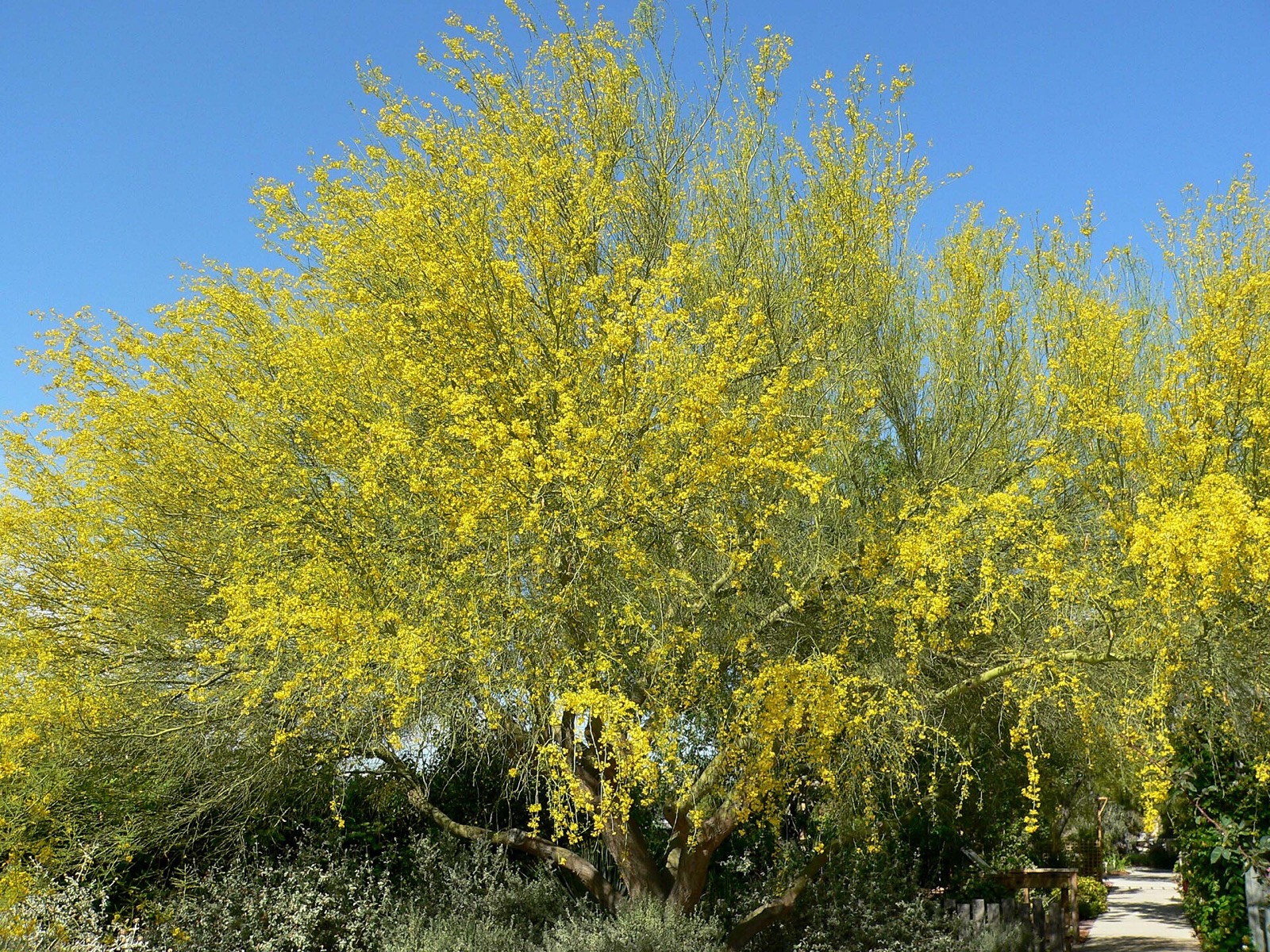 Blue palo verdeParkinsonia florida
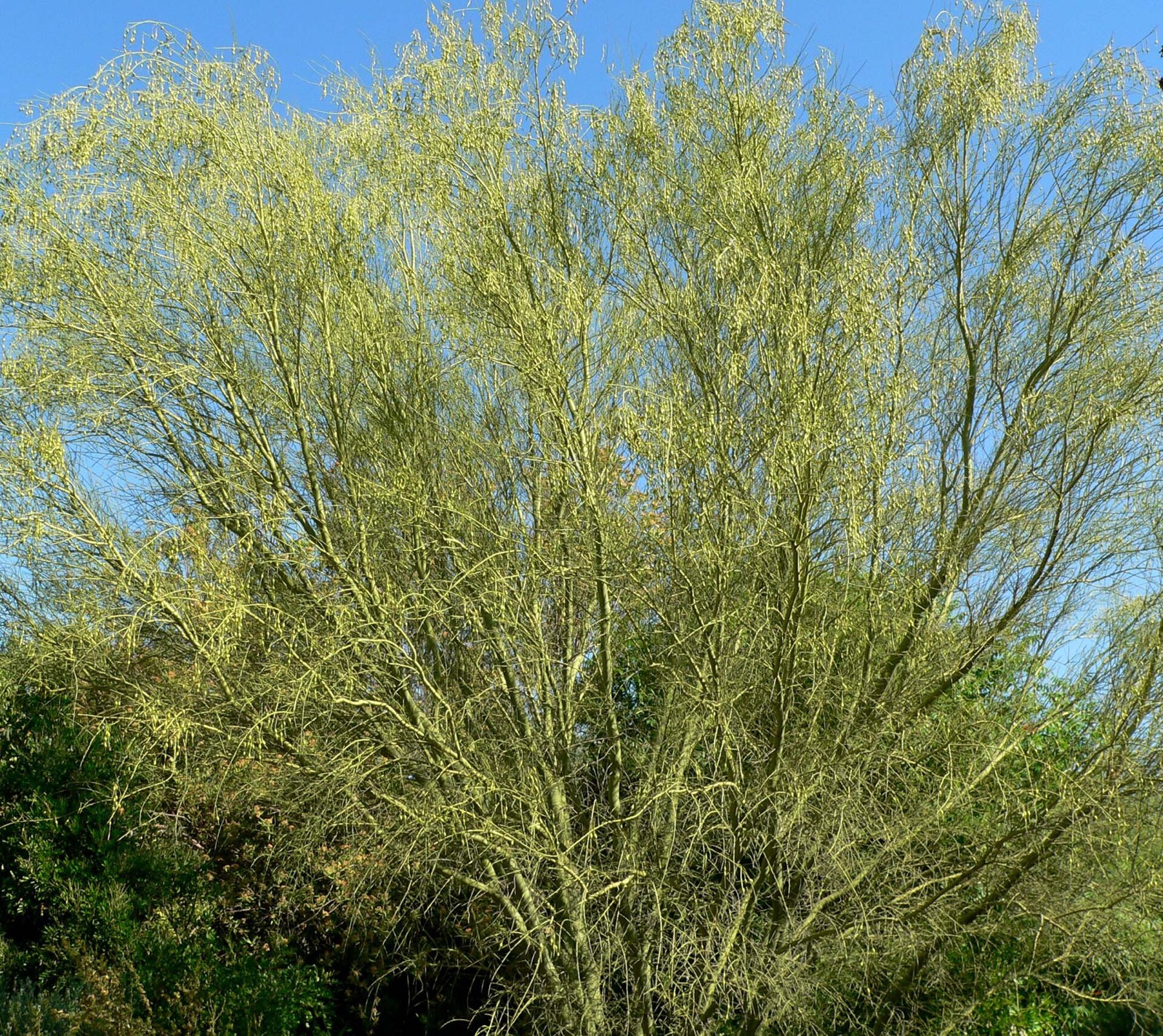 Foothill palo verdeParkinsonia microphylla
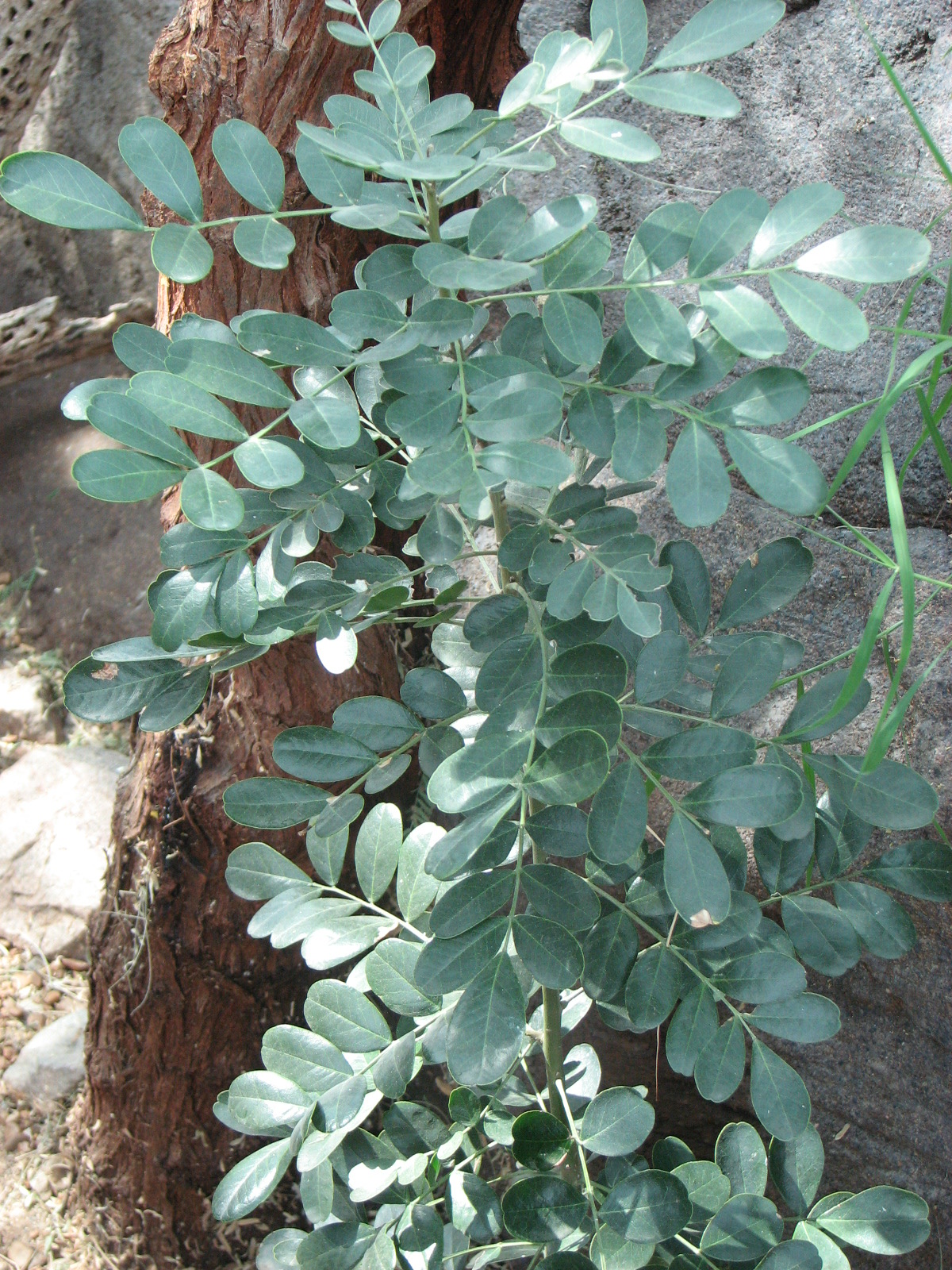 Desert ironwoodOlneya tesota
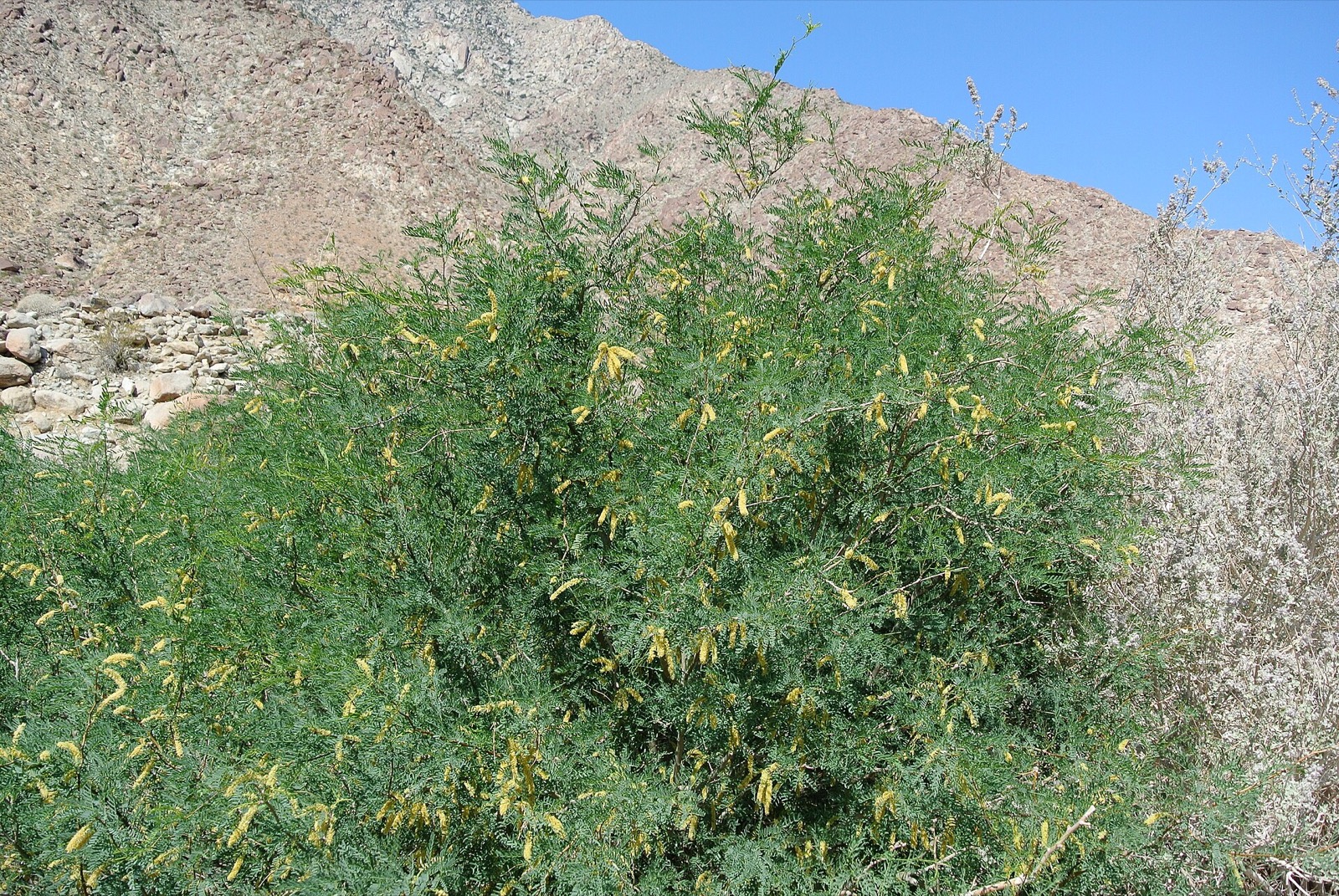 Velvet mesquiteNeltuma velutina
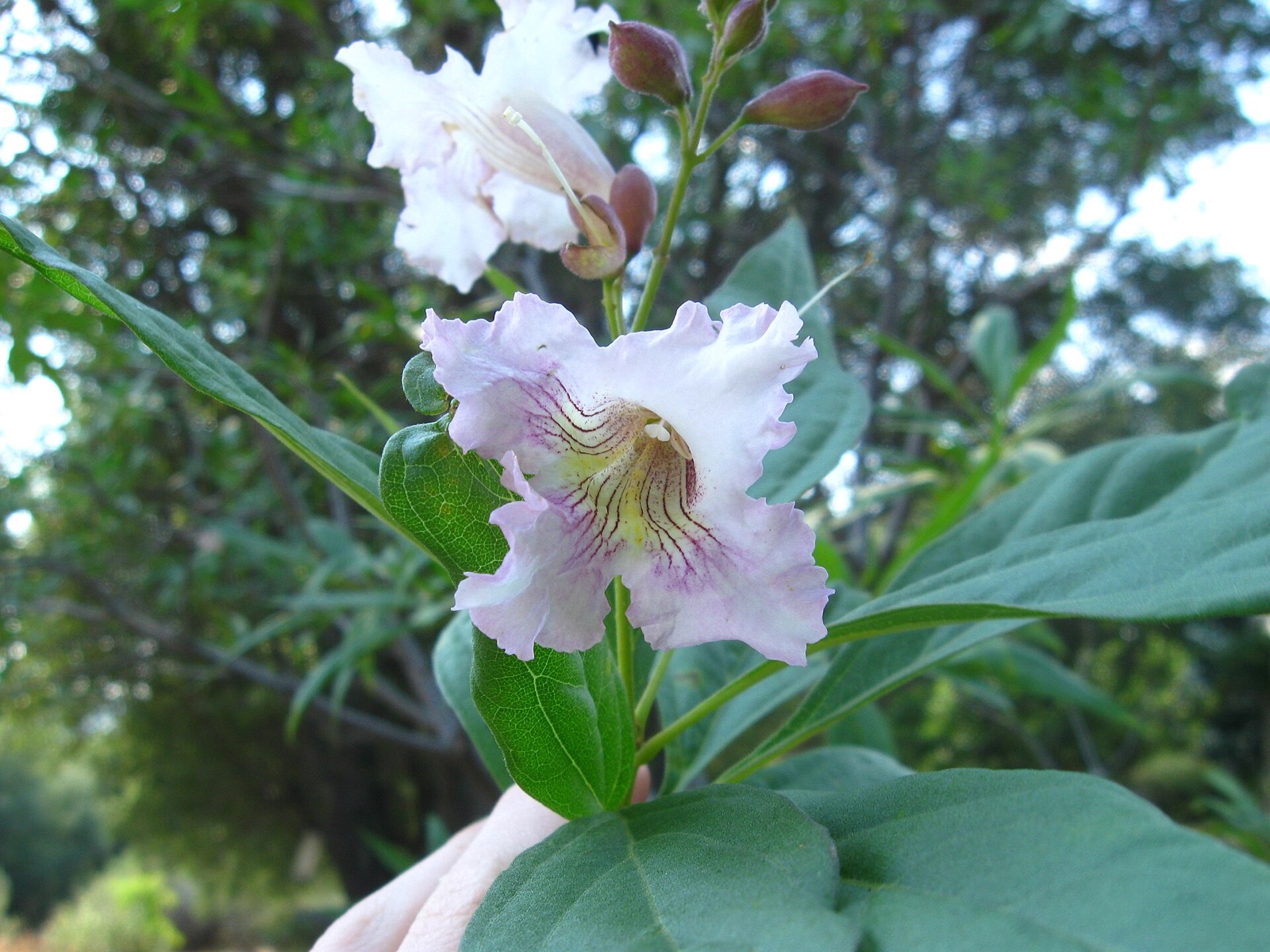 Chitalpa× Chitalpa tashkentensis
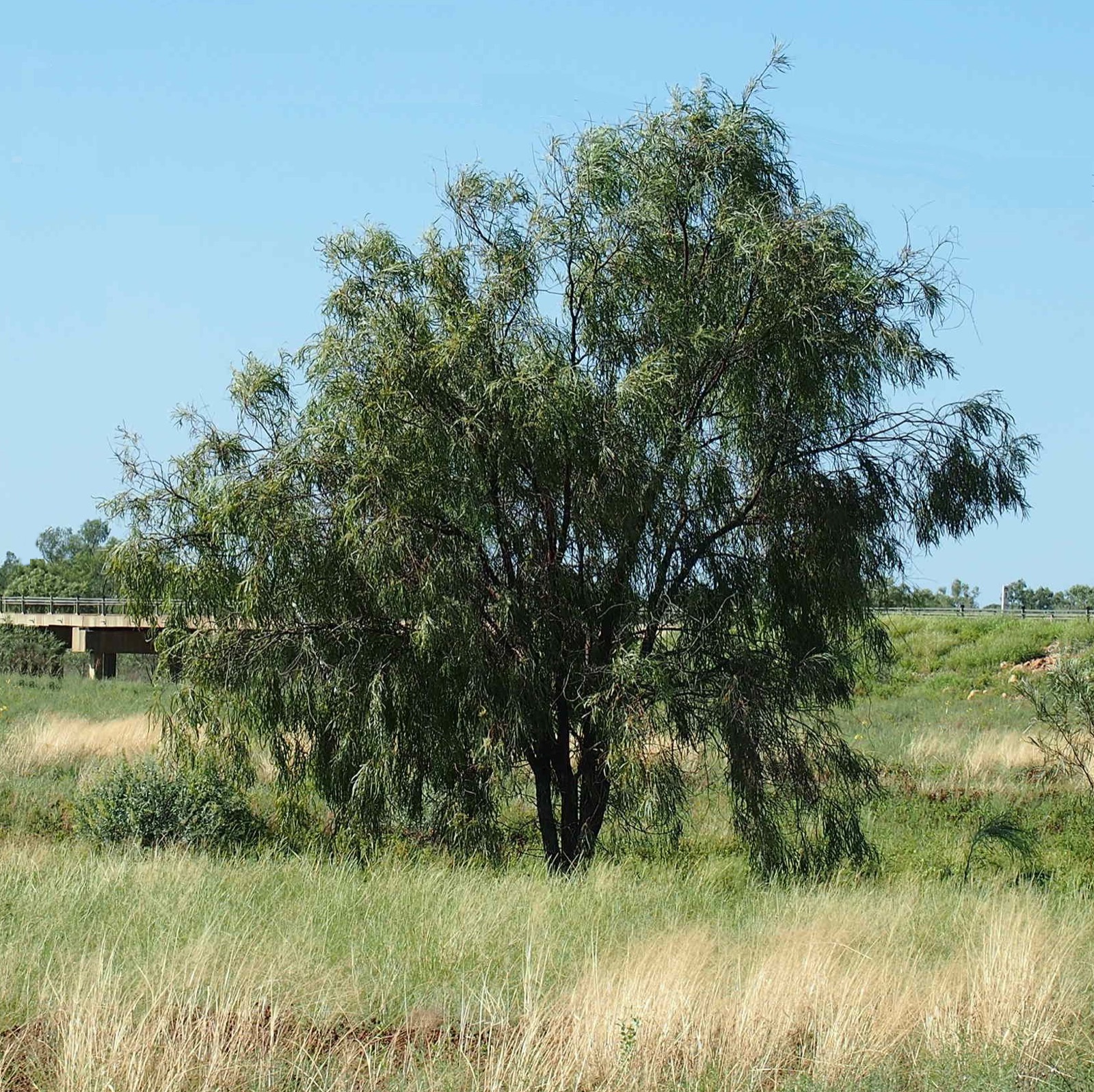 Willow acaciaAcacia salicina
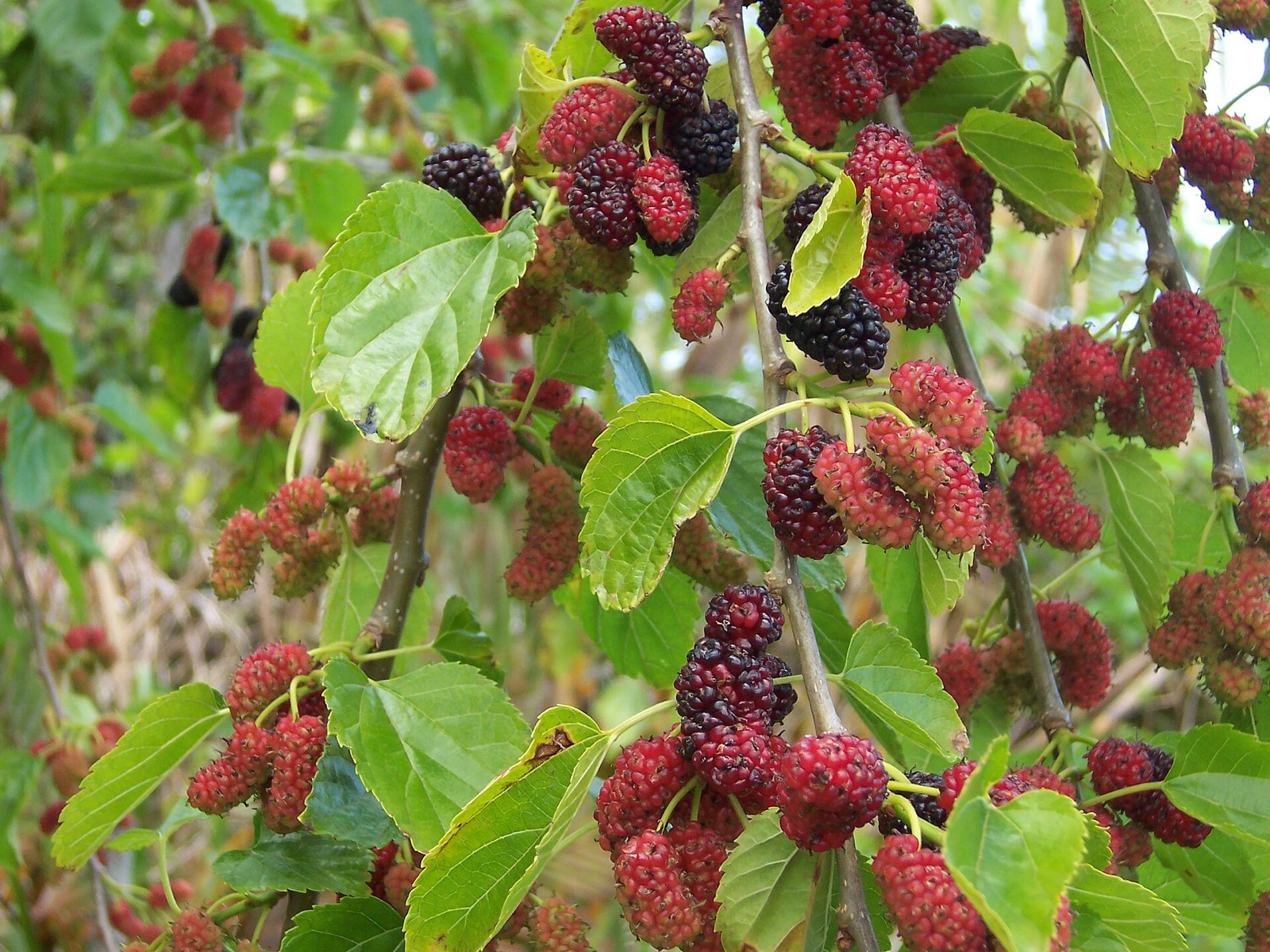 MulberryMorus alba cultivars
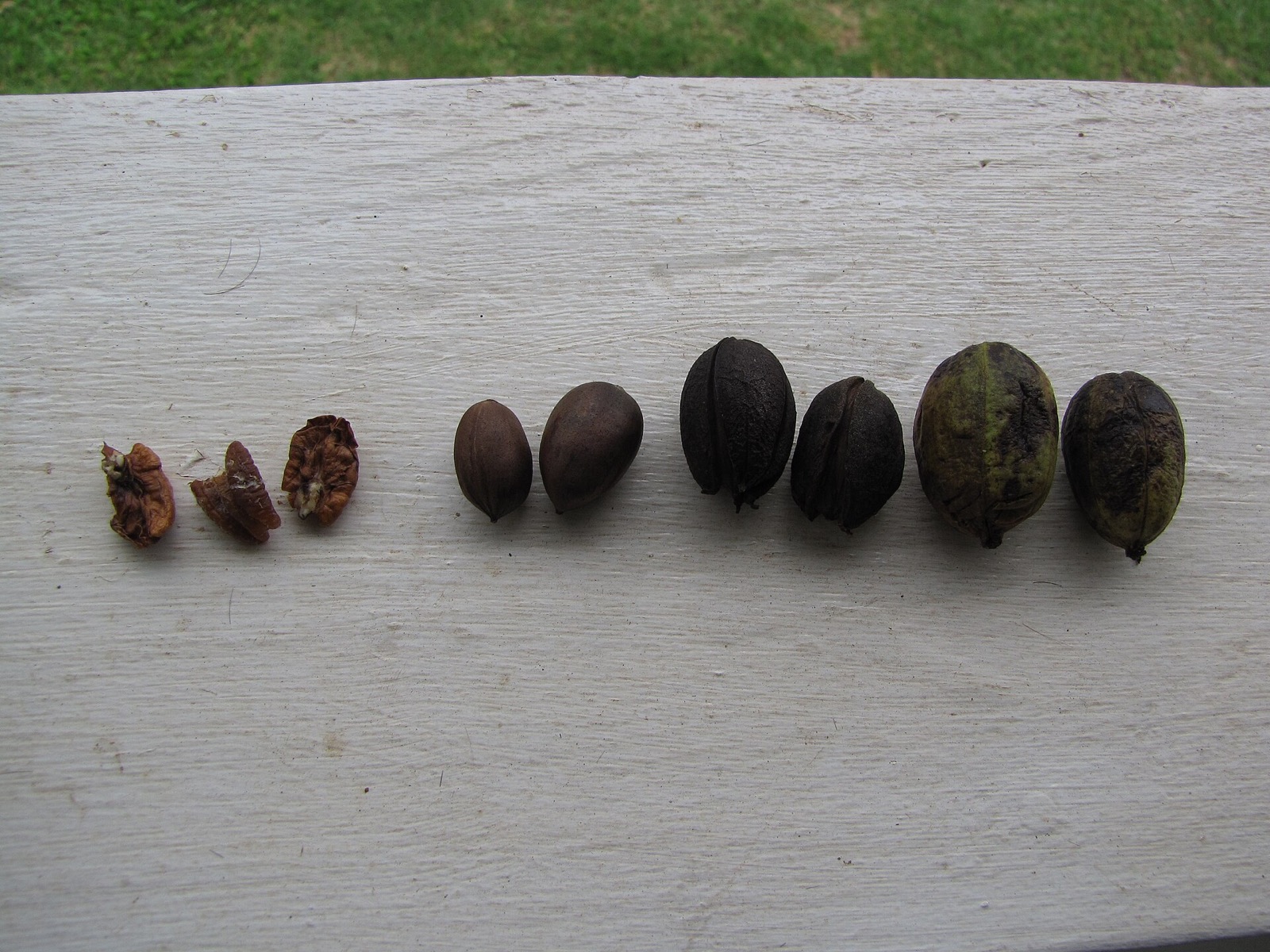 Western Schley pecanCarya illinoinensis ‘Western Schley’
- Pakistan mulberryMorus macroura ‘Pakistan’
- White Pakistan mulberryMorus macroura ‘White Pakistan’
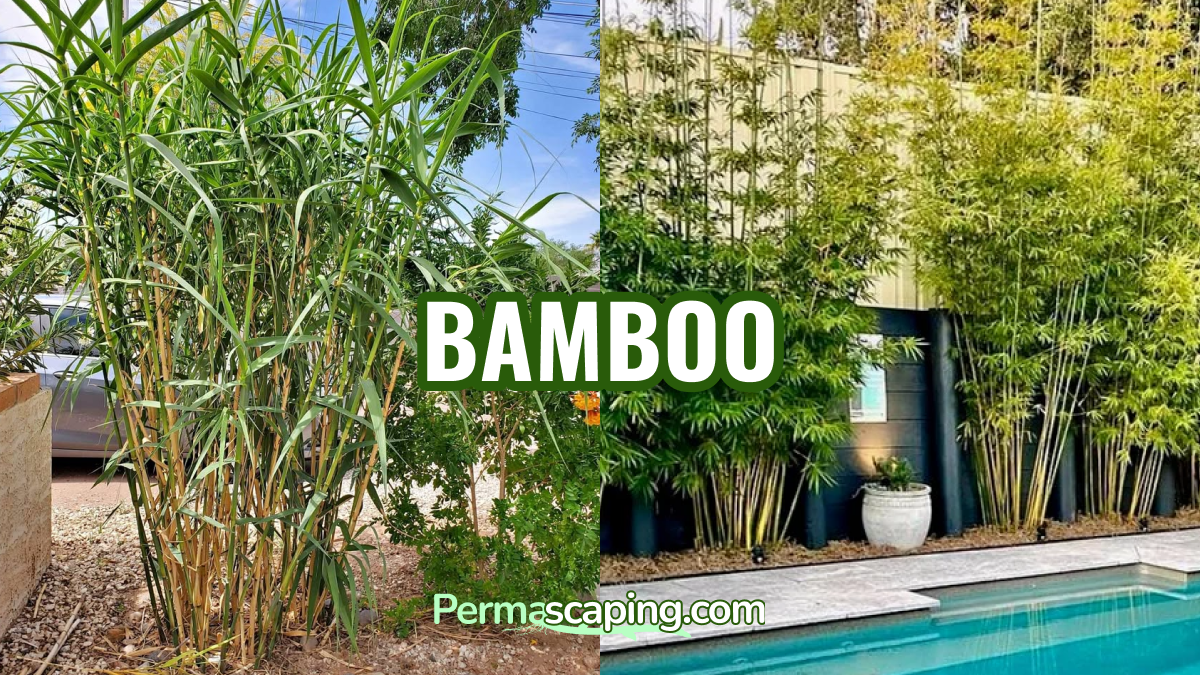 BambooBambusa spp.
 Southern live oakQuercus virginiana